Long before turbochargers and carbon fiber, early motorists were already chasing speed at the expense of comfort and practicality. These five pre‑WWII machines show how a fixation on performance shaped engineering decisions, racing culture, and even national prestige decades before modern supercars existed.
The 1903 Mercedes Simplex
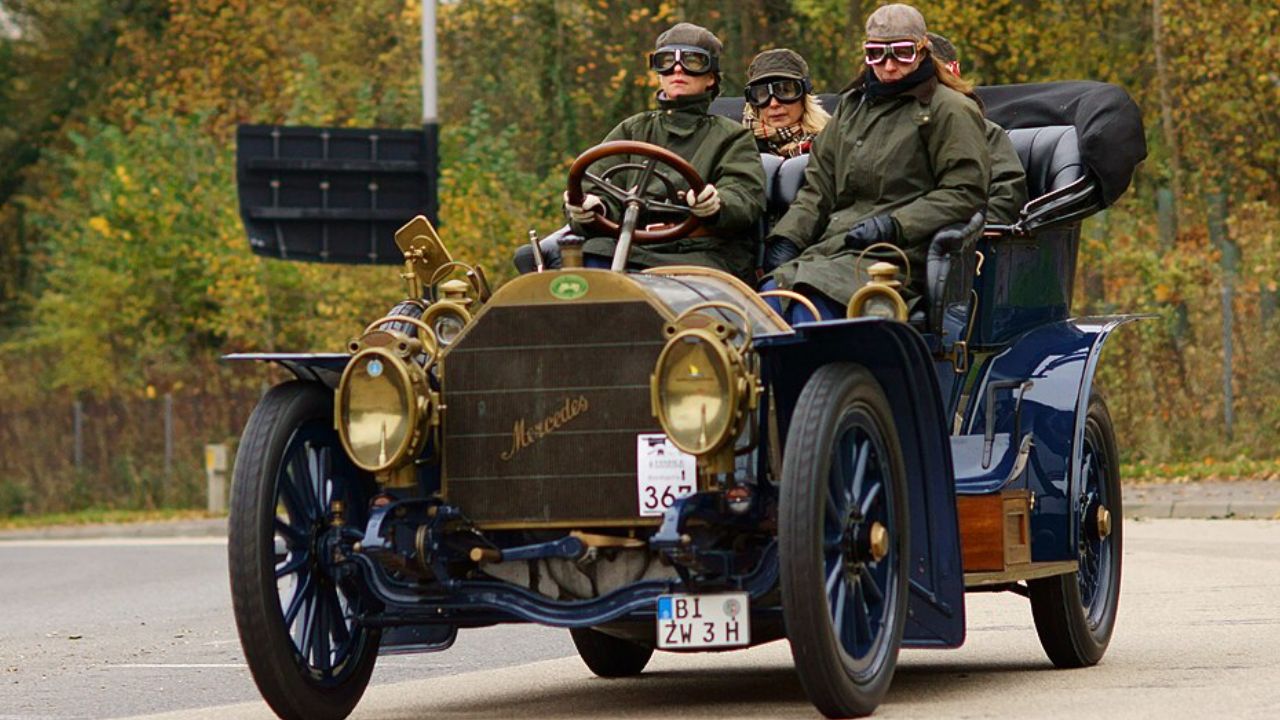
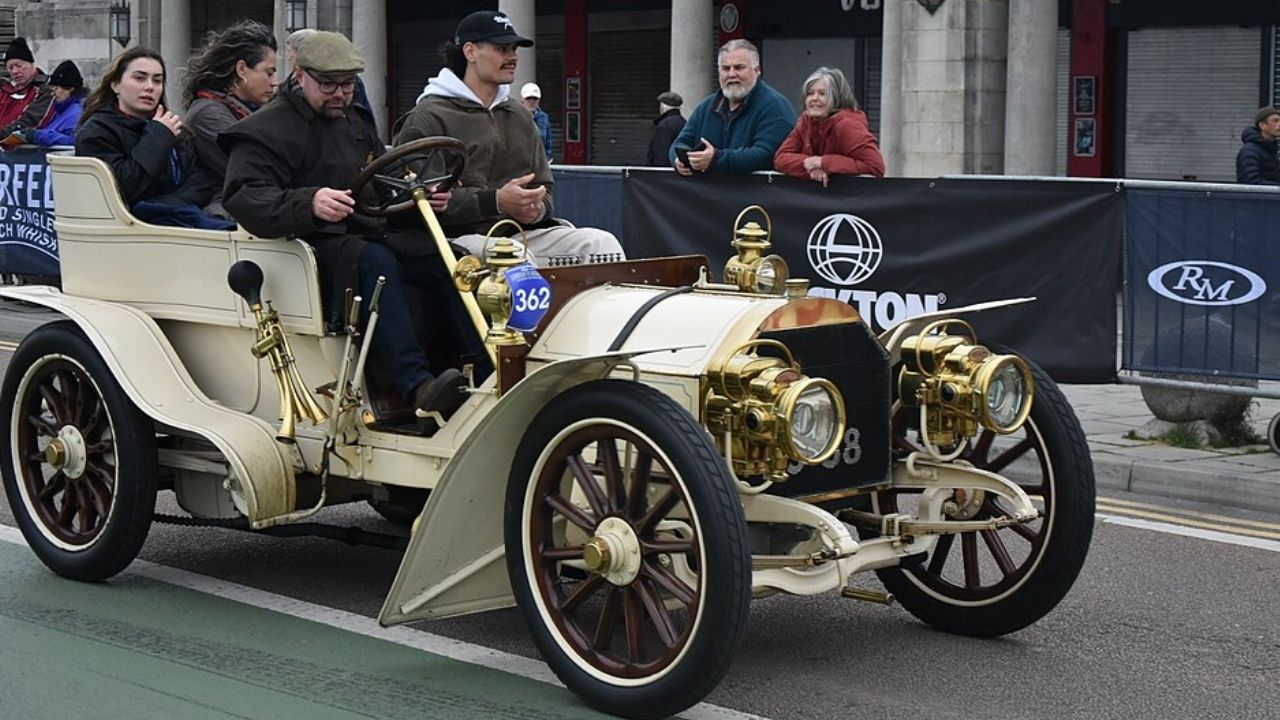
The 1903 Mercedes Simplex, recorded with a 55 mph top speed, signaled a clear shift toward velocity-focused engineering. According to a 1920s archive on the Mercedes Simplex, designers prioritized a low center of gravity, a powerful four-cylinder engine, and relatively advanced cooling to sustain high speeds that far exceeded typical traffic of the era. That figure, 55 mph, was remarkable when many roads were still unpaved and horse-drawn vehicles dominated city streets.
I see this car as an early proof that buyers and engineers were willing to trade everyday usability for outright pace. The Simplex’s layout, with its long wheelbase and stripped-back bodywork, sacrificed weather protection and cargo space to keep weight down and stability high. Its success encouraged manufacturers to treat speed as a selling point, helping to normalize the idea that performance could justify higher cost, harsher ride quality, and greater mechanical complexity.
The 1911 Blitzen Benz
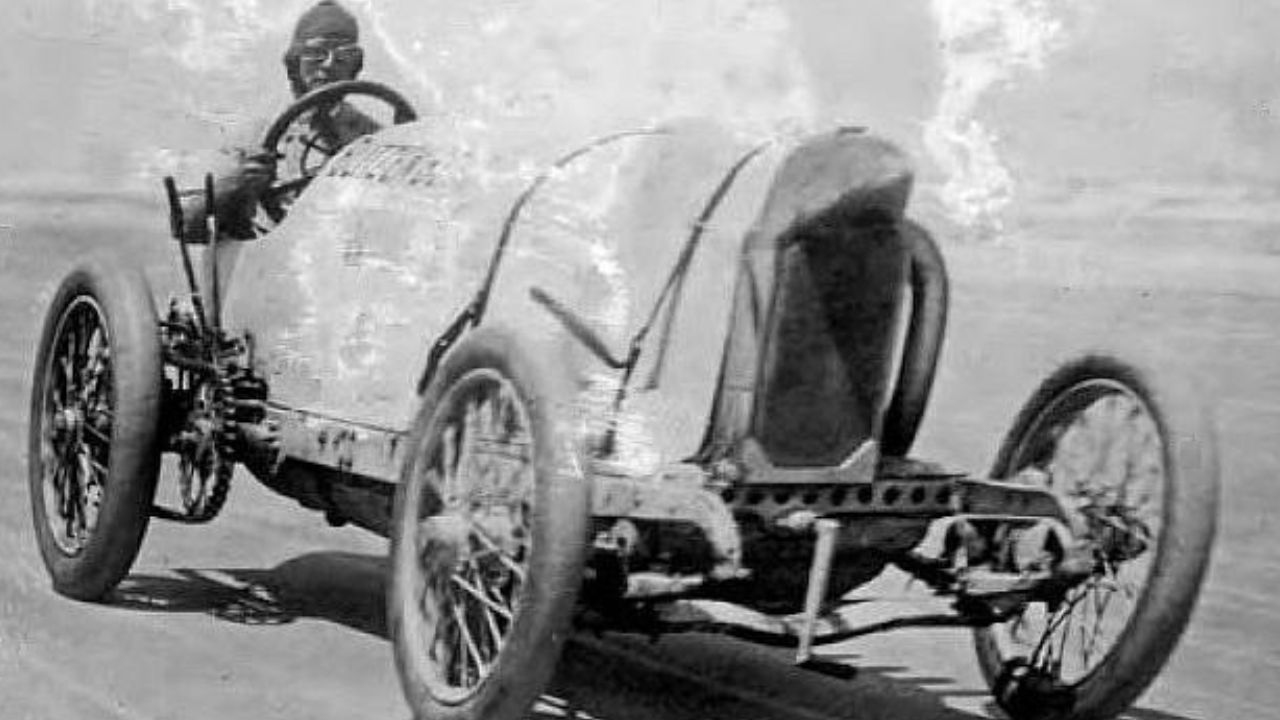
The 1911 Blitzen Benz pushed that obsession much further, with Barney Oldfield driving it to a 141.74 mph land speed record at Brooklands in the United Kingdom on 25 February 1913. A contemporary report on the Blitzen Benz record details how this massive racing car, with its enormous displacement engine, was built almost solely to chase outright speed rather than road manners. At more than 140 mph, it more than doubled the top speed of many production cars of its time.
That record run showed how pre‑war engineers and drivers were willing to accept extreme risk in pursuit of performance benchmarks. Brooklands’ banked concrete surface, combined with the Blitzen Benz’s minimal bodywork and rudimentary safety equipment, turned each attempt into a high-stakes experiment. For manufacturers, such feats were powerful marketing tools, proving that their technology could dominate in the most demanding conditions and reinforcing a culture where national pride and engineering reputations were tied to raw speed.
The 1927 Bentley 4½ Litre Supercharged
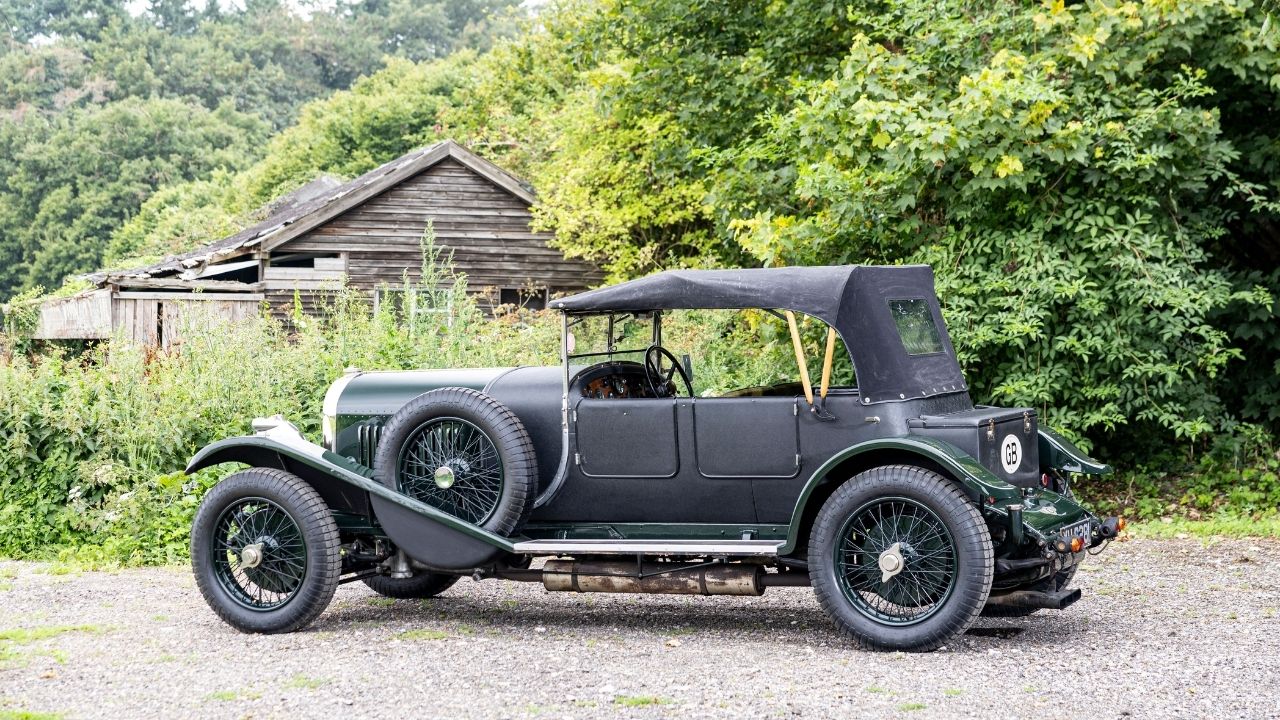
The 1927 Bentley 4½ Litre Supercharged, designed by W.O. Bentley, translated performance obsession into endurance racing success. A period review of the 4½ Litre Supercharged credits the car with 175 bhp and notes its victory in the 1927 Le Mans 24 Hours. That combination of substantial power and round-the-clock durability required aggressive engineering choices, from forced induction to robust chassis components, that went far beyond ordinary touring needs.
By winning Le Mans, the supercharged Bentley showed that performance was not just about brief top-speed bursts but also about sustaining high pace over thousands of racing miles. I see that as a turning point where reliability became part of the performance equation, pushing manufacturers to refine brakes, fuel systems, and driver ergonomics. The car’s success helped cement endurance racing as a proving ground, influencing how later road cars balanced comfort with the ability to cruise quickly for long distances.
The 1934 Auto Union Type A
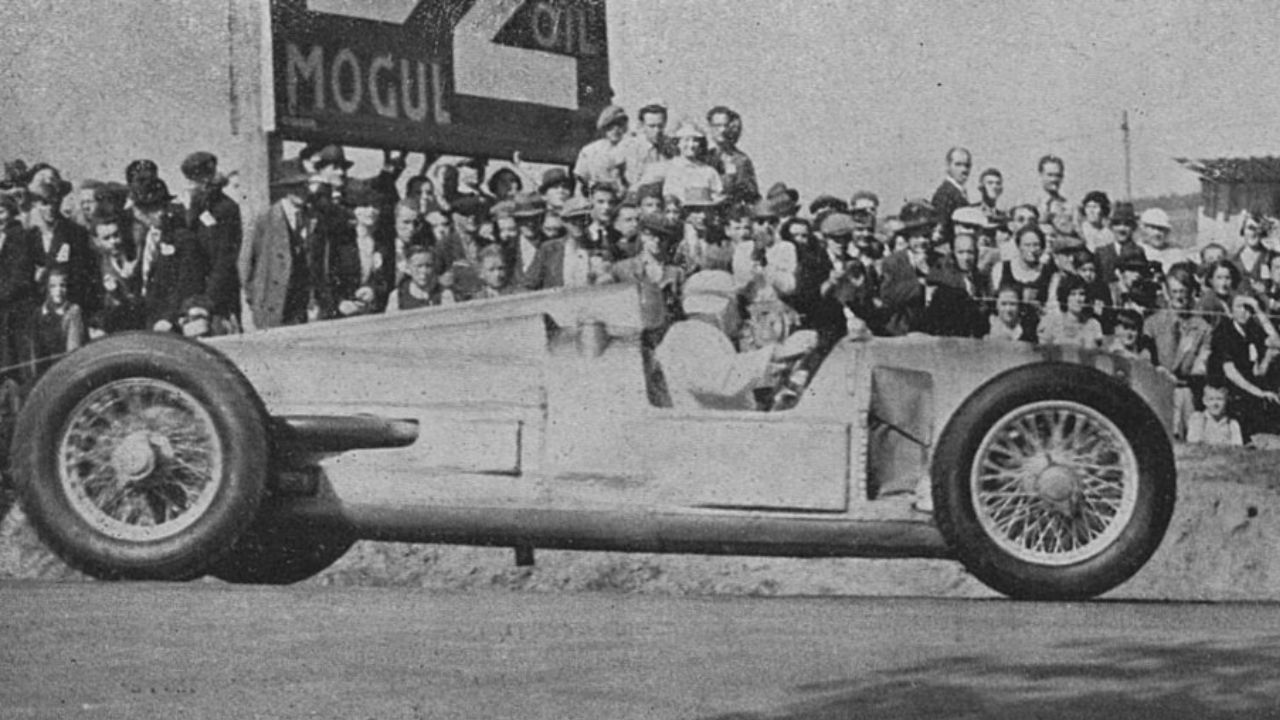
The 1934 Auto Union Type A Grand Prix car represented an even more radical expression of pre‑war performance thinking. A 1935 technical study of the Auto Union Type A describes its rear-mounted V16 engine, rated at 520 hp, and notes that it exceeded 200 mph in testing. Placing such a powerful engine behind the driver was unconventional at the time, chosen to improve traction and weight distribution for racing rather than to simplify maintenance or comfort.
Those design decisions made the Type A notoriously demanding to drive, yet they also anticipated mid‑engine layouts that would dominate later Grand Prix and sports cars. In my view, the willingness to accept instability, heat, and complexity in exchange for speed shows how far engineers were prepared to go before WWII. The car’s performance pushed circuits, tires, and safety standards to their limits, forcing regulators and competitors to rethink what racing machinery could and should do.
The 1895 Duryea Motor Wagon
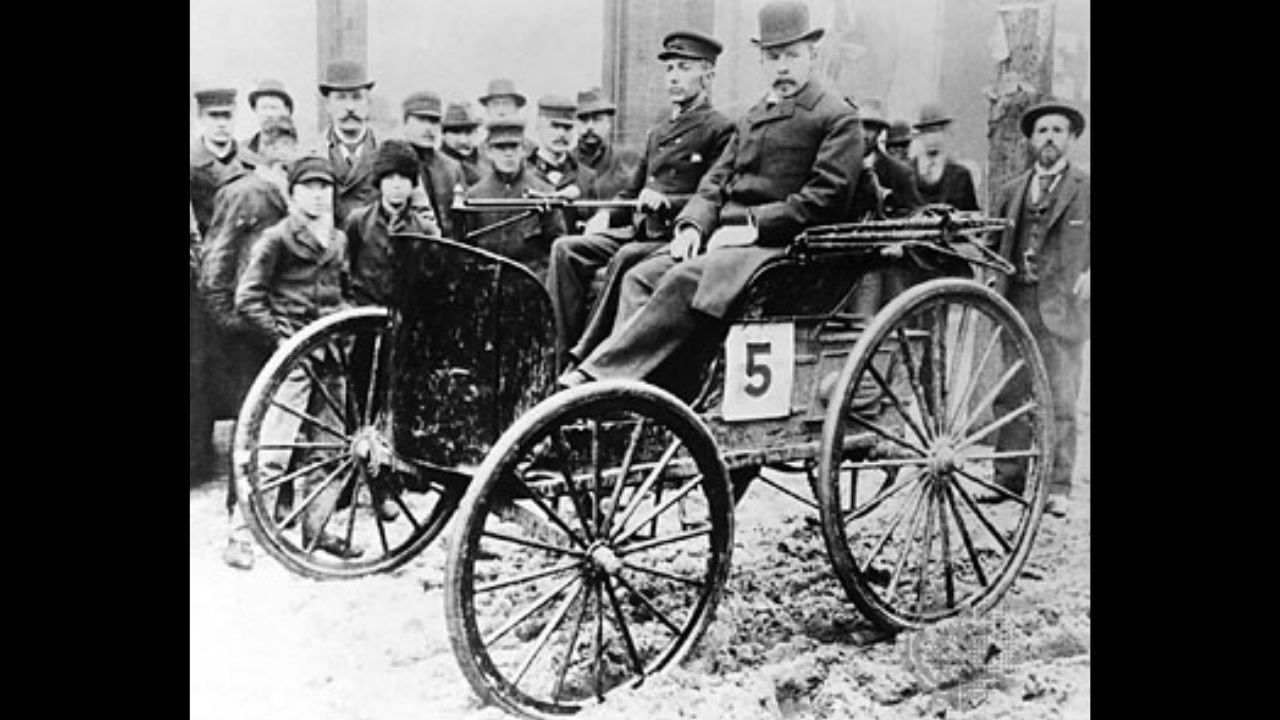
The 1895 Duryea Motor Wagon proves that performance obsession predates even the 20th century. A report on the Duryea race win recounts how the car won the first American auto race on Thanksgiving Day 1895 in Chicago, covering 54 miles in 7 hours 53 minutes. That pace might seem modest today, but in freezing conditions on rough roads, it required careful attention to reliability, fuel use, and average speed.
By treating the event as a competition rather than a demonstration, the Duryea team framed the automobile as a machine to be optimized and pushed, not just a novelty. I see this early race as setting expectations that cars should be measured by objective performance metrics such as distance covered and time taken. That mindset laid the groundwork for later American racing culture, where manufacturers and private entrants alike pursued incremental speed gains as proof of technical superiority.
More from Fast Lane Only: