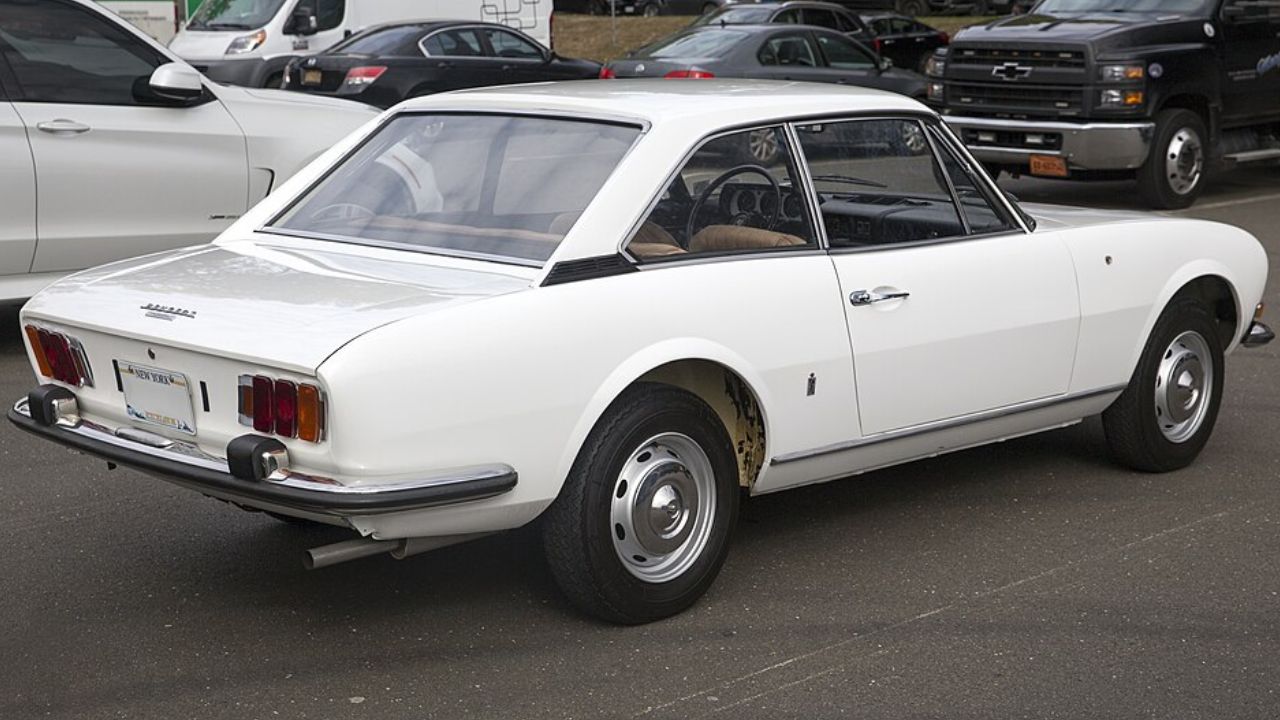
A vintage car enthusiast recently found themselves caught in a whirlwind transaction over a 1969 Peugeot 504. The buyer claims that the seller pushed for a quick sale and then became unresponsive, leaving the buyer in a precarious situation. The complexities and potential pitfalls of rushed vintage car deals are worth exploring in this context.
The Allure of the 1969 Peugeot 504
The 1969 Peugeot 504 is not just a relic of the past; it’s a piece of automotive history that holds a special place in the hearts of vintage car collectors. When Peugeot introduced the 504, it was celebrated for its robustness, elegant design, and advanced engineering for the time. Its reputation for reliability and the unique blend of French style has made it a timeless classic. The 504 was the European Car of the Year in 1969, and this accolade contributes significantly to its appeal among collectors and enthusiasts.
Notable features of the 1969 Peugeot 504 include its rear-wheel-drive layout, independent rear suspension, and advanced safety features for its era, such as disc brakes. Its design, courtesy of Pininfarina, boasts a sleek, timeless aesthetic that has aged gracefully. Today, the market value of a well-maintained Peugeot 504 can vary, but pristine models can fetch upwards of $20,000, depending on rarity, condition, and provenance. The demand for vintage Peugeots has seen a steady rise, particularly among collectors who appreciate European automotive history.
The Buyer-Seller Interaction: A Timeline
The initial contact between the buyer and the seller was facilitated through a popular online marketplace for classic cars. The buyer, an avid collector, was immediately drawn to the listing for the Peugeot 504, which was described as a “rare find” in excellent condition. The seller was quick to respond to the buyer’s inquiry, and within a day, they had exchanged several messages. The seller, however, began introducing urgency into the conversation, citing another interested party and a need to finalize the transaction swiftly.
The buyer alleges that the seller employed pressure tactics to expedite the sale, suggesting that a delay could result in the car being sold to someone else. This approach, while not uncommon in the world of high-demand collectibles, left the buyer feeling uneasy. Despite these concerns, the buyer decided to proceed, driven by the fear of missing out on a rare opportunity. The situation took a turn when, after the buyer transferred a significant deposit, the seller’s communication became sporadic, eventually ceasing altogether. With no response to emails or calls, the buyer found themselves at a standstill.
The Risks of Rushed Deals in Vintage Car Purchases
Rushed deals in the vintage car market are fraught with risks that can lead to significant financial loss and emotional distress. One common pitfall is falling victim to scams where sellers create a sense of urgency to push buyers into a quick decision without ample time for due diligence. This urgency often discourages thorough inspection, which is critical in assessing the true condition of a vintage vehicle. Buyers may end up with cars that have hidden mechanical issues or discrepancies in the vehicle’s history.
Due diligence is essential when purchasing vintage cars. Prospective buyers should always insist on a thorough inspection by a qualified mechanic, ideally one familiar with the specific make and model. This inspection should cover both the mechanical and historical aspects of the car. Legal recourse is available for buyers who find themselves in fraudulent situations, but it often requires time and resources. Consumer protection laws vary by region, so it’s vital for buyers to familiarize themselves with their rights and the procedures for filing complaints or pursuing legal action.
The Buyer’s Perspective: Feeling Left in the Lurch
From the buyer’s perspective, the transaction has been nothing short of a nightmare. Their expectations of acquiring a cherished piece of automotive history turned into a frustrating ordeal. The buyer had envisioned driving the classic Peugeot 504 on sunny weekends, relishing the nostalgia and admiration the car would attract. Instead, they were left with unreturned messages, a depleted bank account, and an unknown outcome regarding the car’s possession.
The emotional impact of the unresolved deal is substantial. The buyer feels betrayed by the seller’s sudden disappearance and is grappling with the financial implications of the deposit paid. They are actively seeking ways to resolve the situation, including reaching out to legal advisors and consumer protection agencies. The buyer has also joined online forums and communities for vintage car enthusiasts, seeking advice and support from others who might have faced similar situations.
Expert Advice on Navigating Vintage Car Purchases
Experts in the vintage car market emphasize the importance of patience and thorough research when purchasing classic cars. One key recommendation is to always verify the seller’s credibility before initiating a transaction. Platforms like ClassicCars.com offer resources and tips for conducting background checks on sellers. Additionally, prospective buyers should ask detailed questions about the car’s history, including past ownership, restoration work, and any modifications that have been made.
Red flags to watch for include a seller’s reluctance to allow an independent inspection or a lack of verifiable documentation for the car’s history. Experts also suggest being wary of prices that seem too good to be true, as they often are. Building relationships with reputable dealers and attending classic car shows can also provide valuable insights and opportunities to learn more about potential purchases. Ultimately, taking the time to research and verify all aspects of a vintage car purchase can prevent costly mistakes and ensure a satisfying acquisition.
More from Fast Lane Only