Some of the fiercest muscle cars were never meant to win showroom beauty contests, they were built to slip through rulebooks. From drag strips to NASCAR ovals and emissions labs, these machines turned fine print into horsepower, proving that the most interesting performance cars often start with a loophole, not a marketing brief.
1968 Ford Mustang Cobra Jet
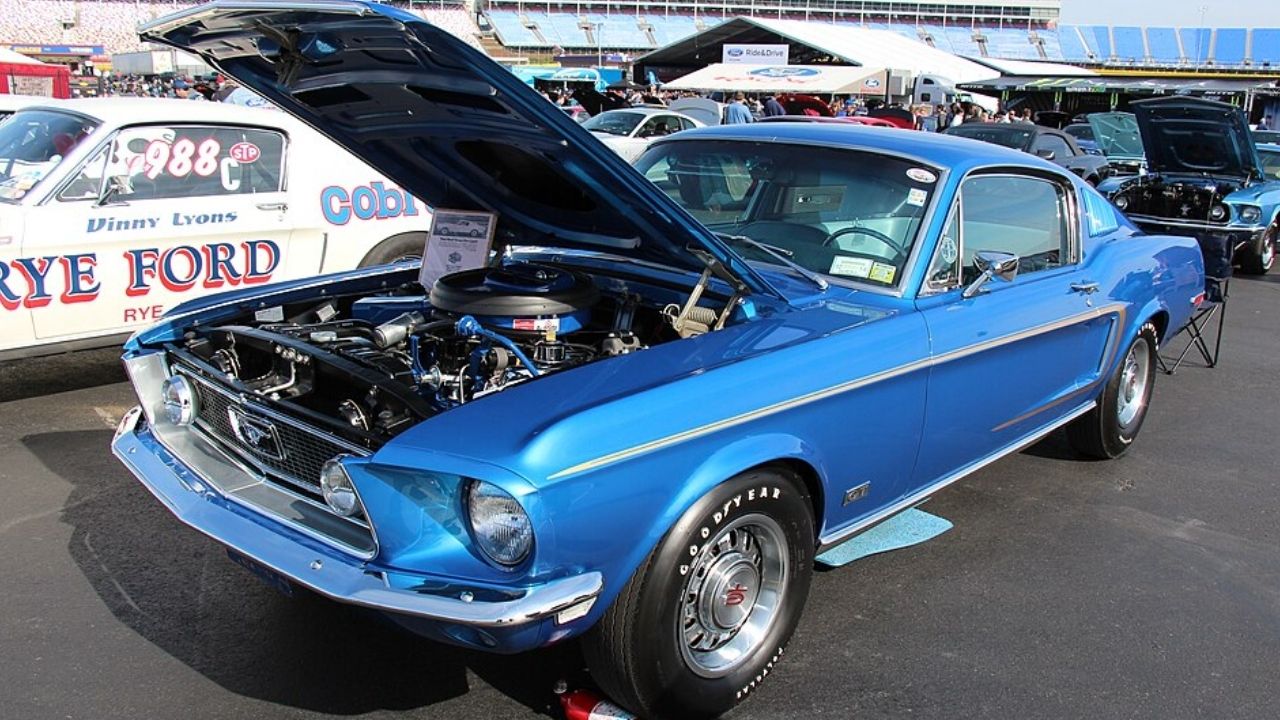
The 1968 Ford Mustang Cobra Jet existed because NHRA Super Stock rules demanded a minimum production run, and Ford wanted its 428 cubic-inch V8 on the strip. Internal approval targeted just 50 cars, the bare minimum to satisfy the Cobra Jet Mustang requirement, turning a paperwork threshold into a factory hot rod. The strategy paid off when the Holman Moody Ford Mustang 428 Cobra Jet driven by Jerry Harvey won the NHRA Winternationals Super Stock E class, proving the homologation gamble was justified.
Production remained tiny, with The Cobra Jet coupe count adding up to less than 100 units and convertible output in 68 amounting to fewer than 50 cars, as enthusiasts later identified. That scarcity, combined with the 428’s brutal torque, turned a rulebook special into blue-chip history. For Ford, the stakes were clear, a handful of cars secured NHRA credibility and cemented the Mustang’s drag-racing reputation for decades.
1970 Chevrolet Chevelle SS 454

The 1970 Chevrolet Chevelle SS 454 with the LS6 option was less a dealer darling than a NASCAR paperwork exercise. To get the 454 into Grand National competition, Chevrolet had to build 500 street-legal examples, satisfying homologation rules that tied race eligibility to production volume. That meant bolting race-bred hardware into a mid-size coupe primarily so it could thunder around high-banked ovals, not suburban boulevards.
On the street, the LS6 Chevelle became a legend for its massive displacement and underrated power, but its real purpose was to let Chevrolet contest big-block supremacy under NASCAR’s watchful eye. By meeting the 500-unit threshold, the company turned a limited batch of SS 454s into a competitive weapon, illustrating how stock-car regulations could force Detroit to create some of the most extreme showroom machines of the era.
1969 Dodge Charger 500
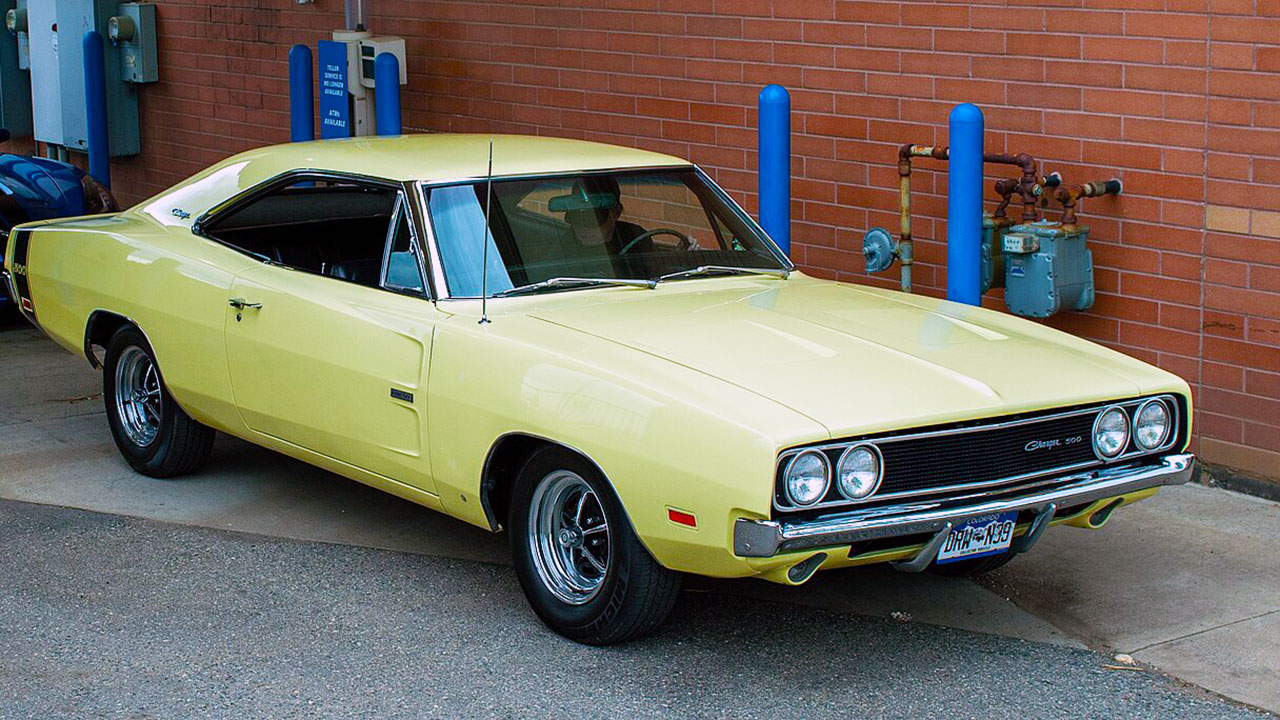
The 1969 Dodge Charger 500 was born from NASCAR’s 1969 aerodynamics rules, which limited rear window slopes to under 70 degrees. Dodge engineers reshaped the Charger’s roofline into a flush fastback and reworked the rear glass so the car would comply while slicing through the air more cleanly. The result was a car that looked subtle compared with later “wing cars” but was explicitly tailored to the sanctioning body’s angle measurements.
On public roads, the Charger 500 seemed like a mildly revised B-body, yet its smoothed nose and reworked tail were pure speed tricks. For Dodge, the stakes were competitive survival against Ford and Chevrolet on superspeedways, where drag and stability decided championships. By turning a styling tweak into a rules-compliant aero package, the Charger 500 showed how far manufacturers would go to bend, but not break, NASCAR’s guidelines.
1971 Plymouth Road Runner 440 Six Pack
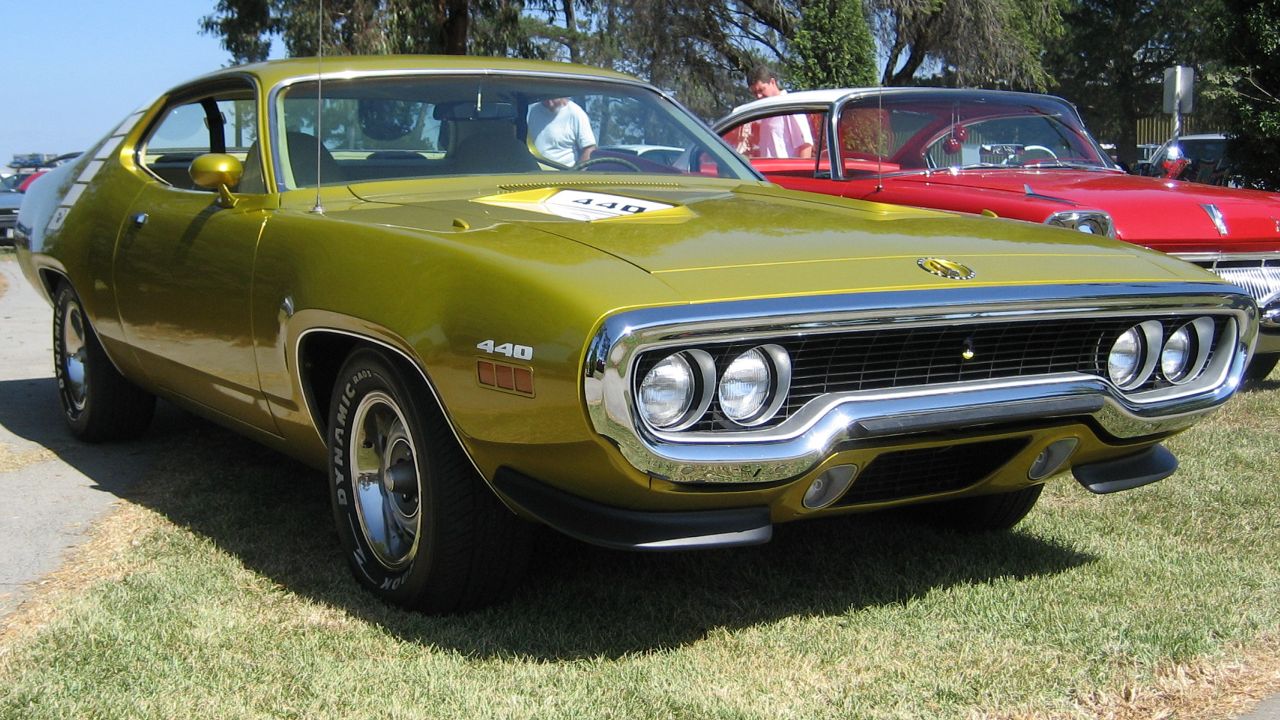
The 1971 Plymouth Road Runner 440 Six Pack took a different path, using Trans-Am style production rules to legitimize big-block power. The only 440 available in a 1971 Road Runner was the 440-6, and enthusiasts still debate the combination on forums dedicated to the Plymouth Road Runner. By basing a lightweight coupe on the existing Road Runner platform, Plymouth could qualify the 440 engine with a relatively small production run, aligning with a 500-unit threshold.
Under the hood, the 440-cubic-inch Six Pack V-8 delivered serious punch, with related documentation noting 375 bhp for the Plymouth GTX 440 and 385 bhp for the “Six-Pack” 440 V-8 in period Plymouth GTX trim. Translating that hardware into the Road Runner let Plymouth chase track credibility while selling just enough cars to keep officials satisfied, a balancing act between showroom volume and racing relevance.
1974 Ford Mustang II
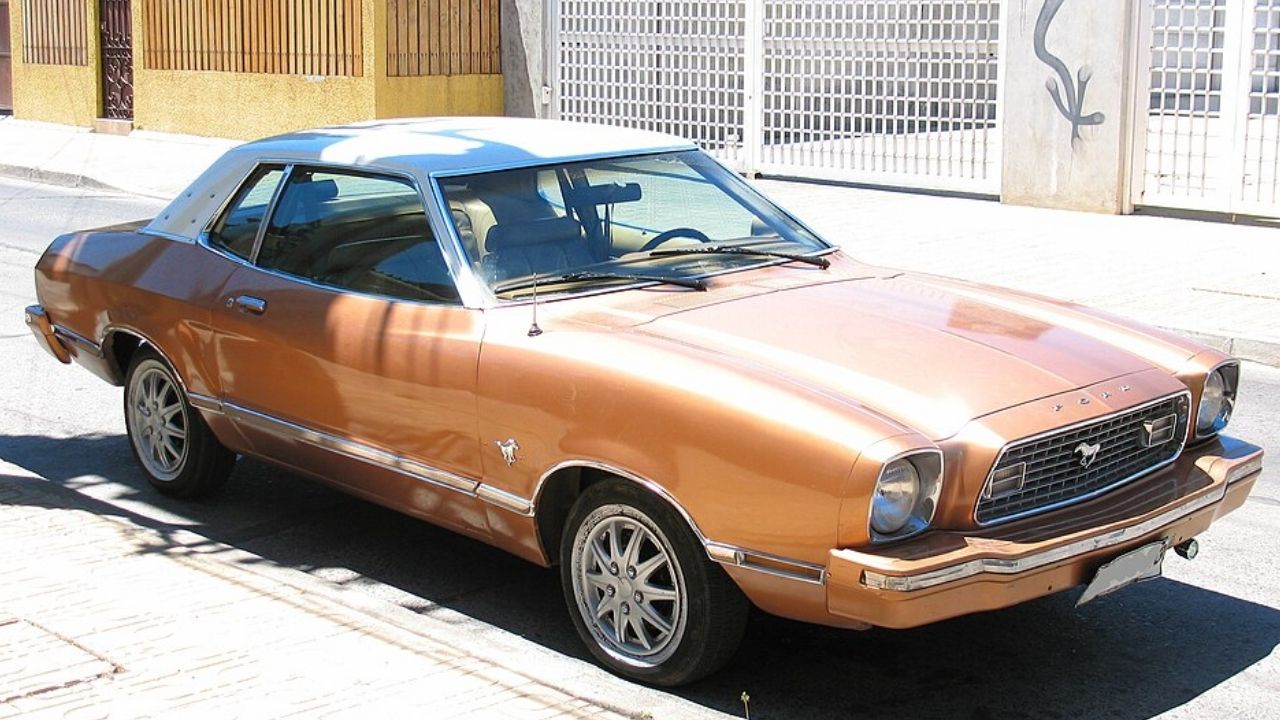
The 1974 Ford Mustang II with the 302 V8 was not a traditional muscle car, but it was absolutely a loophole car. Engineers targeted the U.S. Clean Air Act’s weight-based emissions rules, which treated vehicles under 6,000 pounds GVWR differently from heavier classes. By keeping the Mustang II’s gross vehicle weight rating below that threshold, Ford could retain a 302 V8 without immediately subjecting it to the most restrictive catalytic converter mandates.
This strategy let Ford offer a performance-oriented configuration in an era dominated by emissions and fuel-economy anxiety. For regulators, the GVWR line was meant to distinguish light cars from trucks, yet it also created space for clever packaging. The Mustang II showed how manufacturers could use curb weight and rating paperwork as performance tools, even when horsepower numbers were shrinking.
1980 Chevrolet Camaro Z28
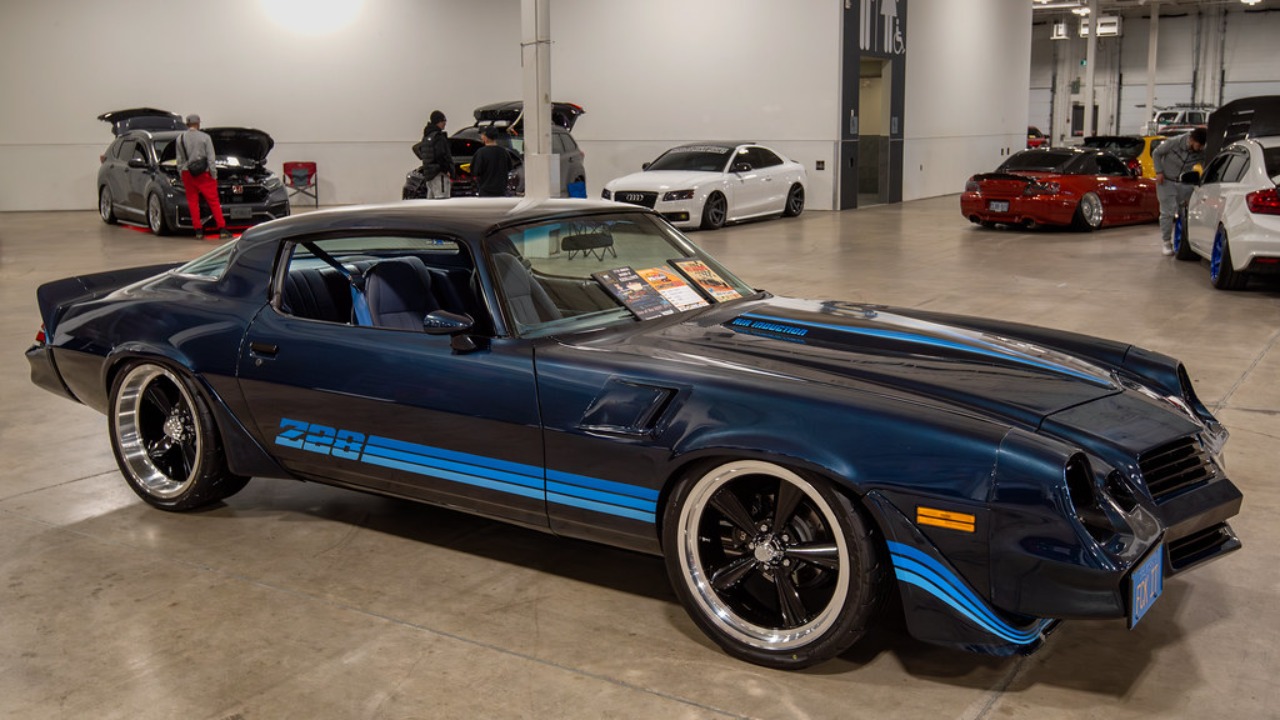
The 1980 Chevrolet Camaro Z28 turned its attention from race officials to insurance actuaries. Companies had begun flagging “muscle car” risks based on power ratings and low production, so Chevrolet responded with a corporate 305 V8 detuned to under 200 hp. By building over 10,000 units with that output, the Z28 slipped under many high-performance classifications that triggered punishing premiums.
For buyers, the car still looked every bit like a street fighter, with stripes and spoilers, but the numbers on paper told insurers a different story. That compromise reflected a new reality, where the real gatekeepers of performance were not always racing bodies or regulators, but risk models. The 1980 Z28 proved that, in the late muscle era, surviving the rulebook sometimes meant outsmarting the people pricing your policy.
More from Fast Lane Only: