Modern cars promise more safety, comfort and technology than any generation before them. Buried inside that progress, however, is a design flaw that rarely appears in glossy brochures but increasingly shapes how safe the roads feel after dark and how much control drivers actually have over their own vehicles.
The problem is not a single defective part. It lies in the way lighting, automation and convenience features are combined, then handed to drivers who are often underprepared for the risks that come with them. The result is a quiet shift in danger from occupants inside the cabin to everyone who has to share the road outside it.
What happened
Over the past decade, the typical family car has gained high-intensity headlights, keyless ignition, complex driver assistance systems and a maze of hidden software features. Each technology arrived with a clear selling point. Taken together, they have created a driving environment that can be brighter, faster and more convenient, but also more confusing and, in some cases, more hazardous.
The most visible change sits right at the front of the vehicle. Headlights that once cast a soft yellow beam now throw a cold white light that can look closer to a surgical lamp than a traditional bulb. Road safety specialists have warned that the combination of LED units, higher mounting positions on SUVs and poorly aligned beams is leaving other road users literally dazzled. One detailed analysis of modern lighting argues that the intensity and cut-off of these lamps can leave pedestrians, cyclists and oncoming drivers temporarily blinded, especially on unlit rural roads, and calls for better regulation of modern headlights.
Inside the cabin, the ignition key has quietly disappeared from many models. Keyless systems allow drivers to start the engine with a button while the fob stays in a pocket or bag. The convenience is obvious, yet safety experts have documented cases in which drivers parked in a garage, stepped out with the fob and assumed the engine had shut off. In some incidents, the car kept idling, exhaust built up in the enclosed space and occupants were poisoned by carbon monoxide. Risk consultants have highlighted how vehicles with keyless ignition can keep running silently, particularly hybrids that switch between battery and engine power, which makes it harder to notice that the car is still on.
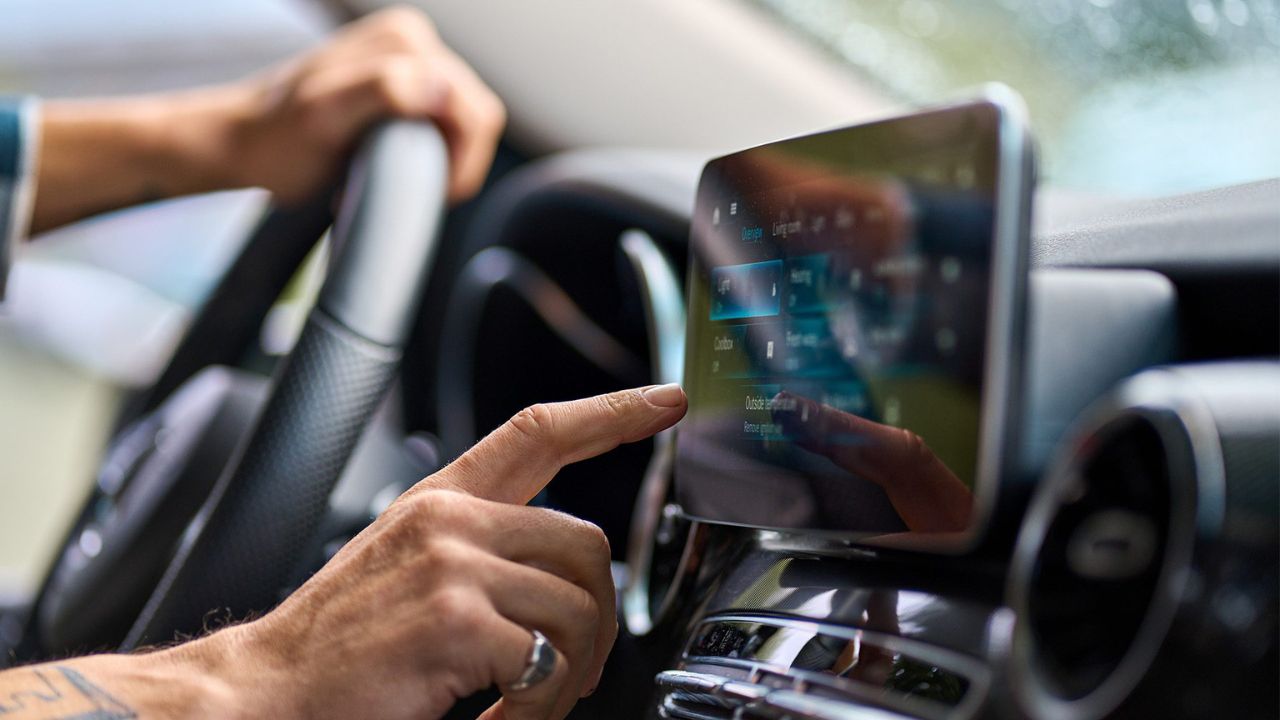
Layered on top of that hardware is a dense software layer. Many cars now leave the factory with dozens of functions that drivers never discover. A feature round-up of late model vehicles lists examples such as hidden menu combinations that change steering feel, configurable ambient lighting, gesture controls, remote window operation from the key fob and secret shortcuts for the infotainment system. The same overview notes that a large share of owners have no idea these hidden features exist.
Professional drivers feel this complexity first. Taxi and private hire drivers, for instance, often operate newer vehicles for long hours in dense traffic. Industry guidance for new entrants into the trade warns that many underestimate not just the financial cost of fuel, insurance and licensing, but also the learning curve of mastering unfamiliar technology. One breakdown of the hidden costs of taxi work points to maintenance of advanced electronics and lighting systems as a growing burden.
Taken together, these developments show a clear pattern. Cars are becoming more capable machines, but the systems that govern visibility, engine control and driver assistance are getting harder to understand. The flaw is not that any single technology is inherently unsafe. It is that the human beings using them are rarely given the time, training or design support needed to manage them safely.
Why it matters
The stakes of that design gap are most obvious at night. Glare from high-intensity headlights is not just an annoyance. Road safety advocates describe how a brief flash of blindness can leave drivers guessing at the road edge or the position of an oncoming vehicle. Older drivers, whose pupils recover more slowly from intense light, are particularly vulnerable. When almost every new car on the road carries brighter lamps, and when many are mounted higher on crossovers and SUVs, the cumulative effect is a road network that feels more hostile after dark for anyone outside the newest vehicles.
There is an irony in the way some of these lighting systems are marketed as safety upgrades. Adaptive beams that swivel with the steering wheel or automatically dip for oncoming traffic can help the person behind the wheel see more of the road. Yet the same sharp cut-off that keeps light away from the eyes of drivers ahead can create a stark contrast at the beam edge, which makes it harder for pedestrians or cyclists just outside the lit area to be seen. If the lamps are misaligned after a minor bump or an unreported repair, the pattern can shift from helpful to hazardous without the owner realising.
Keyless ignition tells a similar story. The technology removes a physical step that used to anchor the driving ritual. Turning a key to shut off the engine was a deliberate act. Pressing a button while walking away, especially in a quiet hybrid that often runs on battery at low speeds, can feel less definite. Safety analysts have linked this design to cases of carbon monoxide poisoning in attached garages, and to rollaway incidents when drivers leave vehicles in gear or neutral because they assume the electronics will secure the car. In each case, a small change in user interface has large consequences when something interrupts the driver’s attention.
Hidden software features add a different kind of risk. When a car’s behaviour can be altered by a combination of button presses or menu choices that the owner does not fully understand, it becomes harder to predict how the vehicle will respond in an emergency. A driver who accidentally changes the sensitivity of a lane keeping system or disables a stability program might not notice until the car behaves differently in a sudden swerve or on a wet corner. The same opacity can slow down diagnosis when something goes wrong, since both owner and technician must navigate a complex digital environment before they can even identify the fault.
Professional drivers sit at the sharp end of these trends. Taxi and private hire operators who upgrade to newer vehicles often find that the cost of maintaining advanced electronics eats into already thin margins. The guidance given to new taxi drivers about unexpected expenses such as specialist diagnostic work, replacement of complex lighting units and recalibration of driver assistance systems underlines how quickly modern technology can turn into a liability if it fails. For a driver who spends ten or twelve hours a day behind the wheel, any design that increases fatigue or distraction is not just a nuisance but a genuine safety concern.
There is also a fairness dimension. People who cannot afford the latest models are often the ones most exposed to glare from taller vehicles, yet they have the least access to advanced driver aids that might compensate for that disadvantage. Pedestrians and cyclists, who carry none of this technology, face the full force of brighter beams and heavier vehicles without any added protection. The hidden flaw in the modern car, in other words, is that many of its most advanced systems are optimised for the comfort of occupants, not for the shared safety of everyone using the road.
Another consequence is psychological. When a car seems to handle more tasks automatically, drivers can slip into a mindset that treats the machine as infallible. This can encourage distraction, as people feel more comfortable glancing at a phone or the infotainment screen while adaptive cruise control manages speed and distance. Yet the same systems often rely on the driver to step back in at short notice when conditions fall outside their design limits. That handover is one of the hardest problems in human factors engineering, and the current generation of cars often handles it with a simple chime or dashboard message that is easy to miss.
Insurance and liability questions are starting to catch up. When a crash involves a vehicle with complex driver assistance, investigators must untangle whether the human or the software was effectively in control at the critical moment. If a driver was dazzled by another car’s misaligned LED lamps, or if a keyless ignition system allowed a vehicle to move when the driver believed it was secure, responsibility becomes a contested space between individual behaviour and design choices made far upstream.
For regulators, the challenge is that each individual feature can be justified on its own terms. Brighter lights improve forward visibility. Keyless entry reduces theft and speeds up access. Software features add value without extra hardware cost. The cumulative effect, however, is a driving environment that assumes a high level of technical literacy and constant attention from drivers who are already juggling congestion, navigation and the demands of daily life.
What to watch next
The next few years are likely to determine whether modern car technology bends toward safer, more transparent design or continues to accumulate complexity that most drivers cannot fully manage. Several fault lines are already visible.
Headlight regulation is one. Safety advocates are pressing for clearer limits on intensity, better enforcement of alignment rules and wider use of automatic levelling systems that adjust for heavy loads. Some manufacturers are experimenting with matrix LED systems that can shape the beam around other road users, reducing glare while preserving visibility. The effectiveness of these systems will depend on how they are tuned in real traffic and how strictly regulators police their real-world performance, not just their behaviour in laboratory tests.
Keyless ignition is another front. Campaigners and risk specialists have urged carmakers to include stronger safeguards against carbon monoxide build-up and rollaway incidents. Potential measures include louder and more persistent alerts when a driver leaves a running vehicle, automatic engine shutoff after a period of inactivity and clearer gear position indicators. Whether these changes become standard or remain optional extras will say a lot about how seriously the industry treats the downsides of its own convenience features.
On the software side, transparency will be critical. As cars accumulate hidden functions, there is a growing case for clearer, standardised documentation that explains what each feature does, how to activate it and what trade-offs it involves. Some manufacturers are starting to deliver interactive tutorials through the infotainment system, but many owners still rely on online forums or trial and error. A more open approach could reduce the gap between what a car can do and what its driver actually understands.
Professional drivers are likely to remain early indicators of how these systems behave under pressure. Taxi and ride-hailing operators, who log far more miles than the average private owner, will continue to surface problems with lighting durability, sensor reliability and software glitches. Their experience can provide valuable data for policymakers and engineers, especially if regulators begin to treat front-line drivers as partners in design rather than just end users.
More from Fast Lane Only