For some blue-chip muscle cars, the “right” engine is not just a performance upgrade, it is a multiplier that can literally double market value. I focus here on five models where current valuation and auction data show that a specific high-performance V8 transforms the same body shell into a far more valuable asset.
1969 Chevrolet Camaro ZL1 with the All-Aluminum 427 V8

The 1969 Chevrolet Camaro ZL1 proves how a single option can redefine a car’s financial reality. With the all-aluminum 427-cubic-inch V8 engine, documented cars routinely achieve values exceeding $1 million at auction, according to COPO-focused valuation data. By contrast, similarly desirable 350 V8 Z/28 versions trade around $500,000, even in top condition.
That spread effectively doubles the price for buyers who insist on the ZL1’s racing-bred big-block, making engine correctness a seven-figure decision. For collectors, the implication is clear: documentation of the original 427, from casting numbers to COPO paperwork, is as critical as paint and provenance, because any doubt about authenticity can erase hundreds of thousands of dollars in value.
1970 Dodge Challenger R/T with the 426 Street Hemi V8
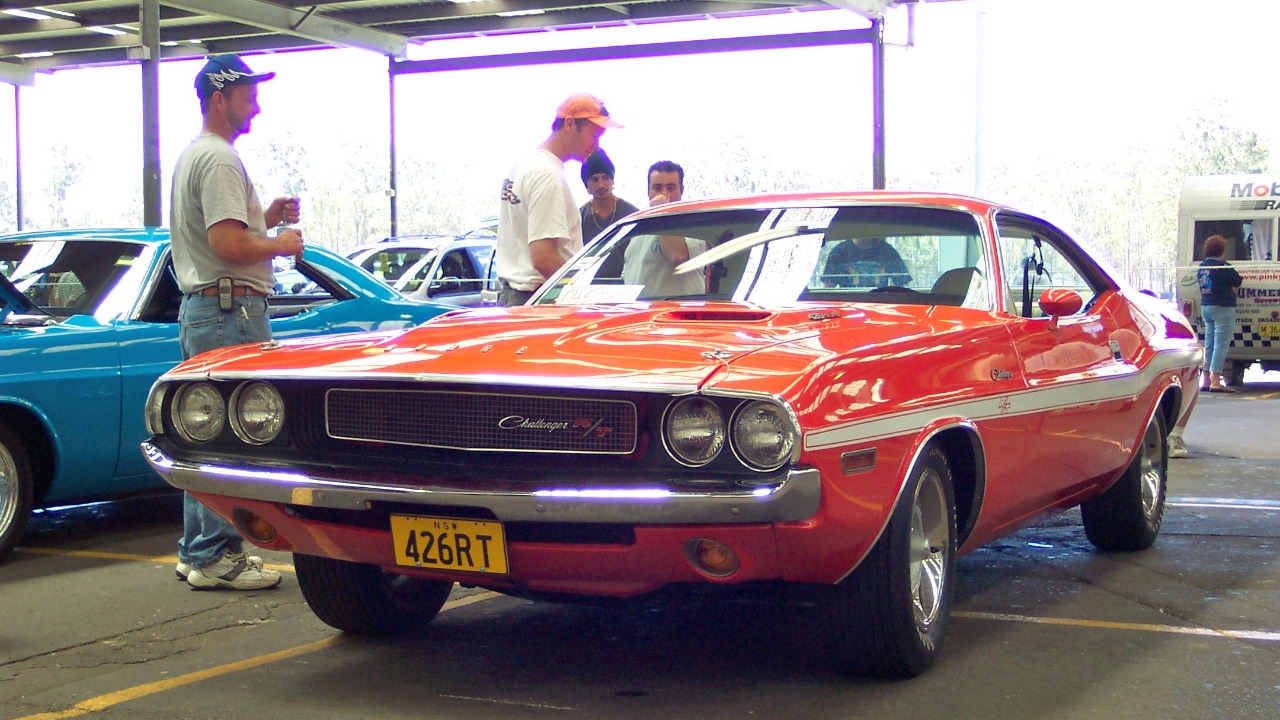
The 1970 Dodge Challenger R/T illustrates how the 426 Street Hemi still sits at the top of the Mopar food chain. Cars equipped with the 426 Street Hemi V8 reach #1 condition values of $250,000 or more, as reflected in VIN-specific auction results. Comparable Challenger R/Ts fitted with the 440 Six Pack typically sit around $120,000.
That near two-to-one gap shows how the Hemi badge still commands a premium far beyond its already formidable performance. For investors and restorers, it means that sourcing or preserving a correct Hemi drivetrain is financially decisive, while even a well-detailed 440 Six Pack car occupies a distinctly lower tier in the market hierarchy.
1969 Ford Mustang Boss 429 with the 429 Semi-Hemispherical V8

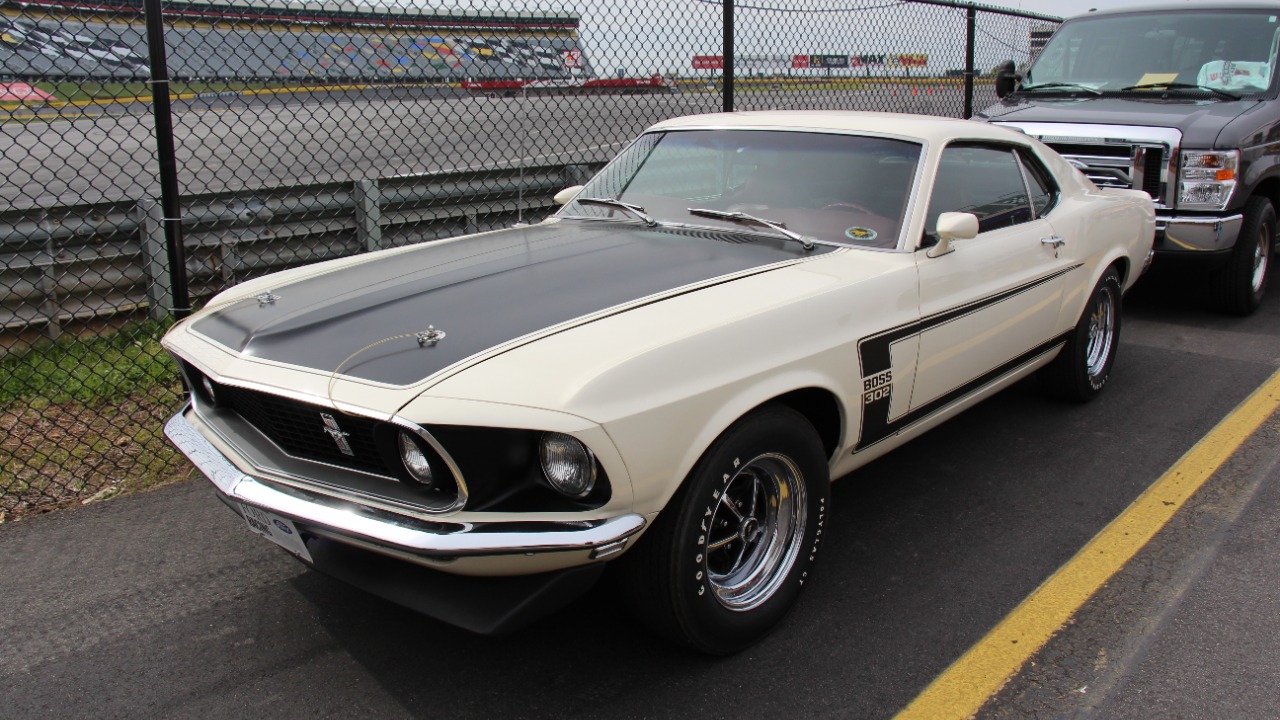
The 1969 Ford Mustang Boss 429 is a textbook case of homologation engineering driving long-term value. Cars carrying the 429-cubic-inch semi-hemispherical V8 engine command about $300,000 in top condition, according to recent market analysis. Standard Boss 302 models, while highly respected, typically reach roughly $150,000.
This clean doubling reflects the Boss 429’s NASCAR homologation rarity, since the engine was built primarily to qualify Ford for stock-car racing rather than street sales. For buyers, that racing backstory turns the big-block Boss into a low-production artifact where originality, from engine bay details to body modifications, directly underpins six-figure premiums over its small-block sibling.
1970 Chevrolet Chevelle SS 454 LS6 with the 450-HP 454 Big-Block V8

The 1970 Chevrolet Chevelle SS 454 LS6 shows how incremental horsepower can translate into exponential value. Cars equipped with the LS6 450-hp 454 big-block V8 now reach $200,000 or more, according to engine hierarchy valuations. Similar Chevelle SS models with the LS5 390-hp engine tend to fetch about $100,000.
That clear doubling effect underscores how the LS6’s reputation as one of the most powerful factory muscle-car engines still shapes buyer psychology. For owners, correct LS6 components, including carburetion and exhaust, are not just technical details, they are key proof points that separate a six-figure car from one worth roughly half as much.
1971 Plymouth ‘Cuda 426 Hemi with the 426 Hemi V8
The 1971 Plymouth ‘Cuda 426 Hemi combines E-body scarcity with the most coveted Mopar engine. Cars ordered with the 426 Hemi V8 option have achieved $400,000 or more at sale, as shown in documented Kissimmee results. Comparable ‘Cudas powered by the 440 V8 typically change hands around $200,000.

That doubling is rooted in E-body scarcity and the tiny pool of original Hemi cars, which magnifies the importance of build sheets, fender tags, and drivetrain authenticity. For serious collectors, a genuine Hemi ‘Cuda is not just another high-output Plymouth, it is a cornerstone asset whose engine option alone can represent hundreds of thousands of dollars in added value.
More from Fast Lane Only