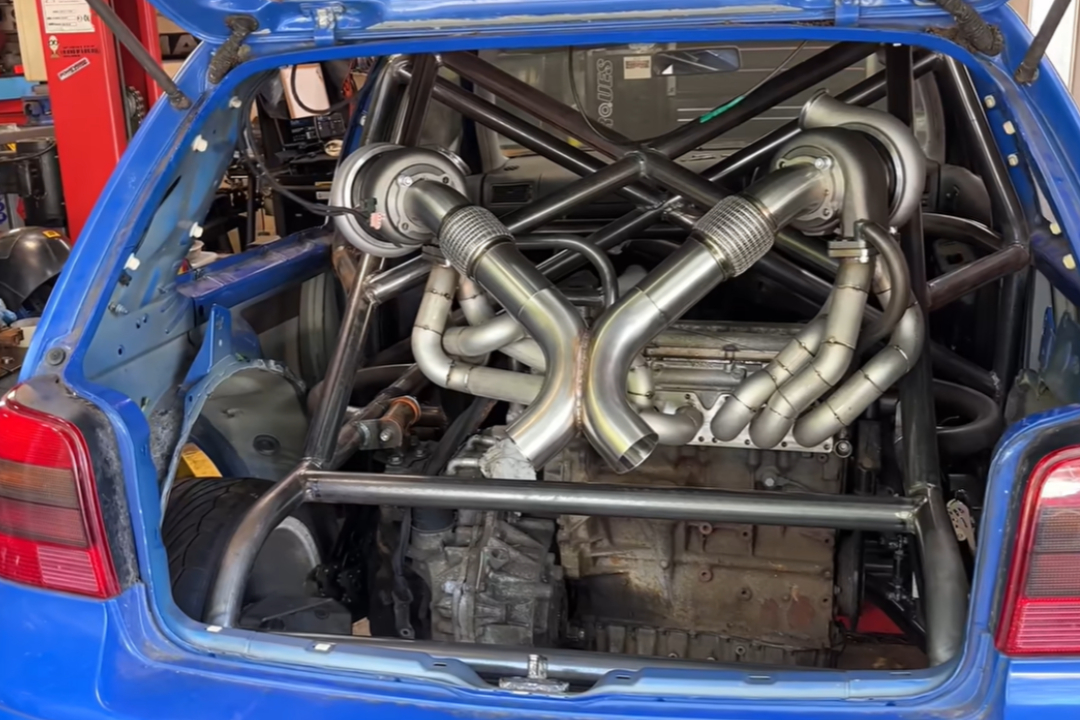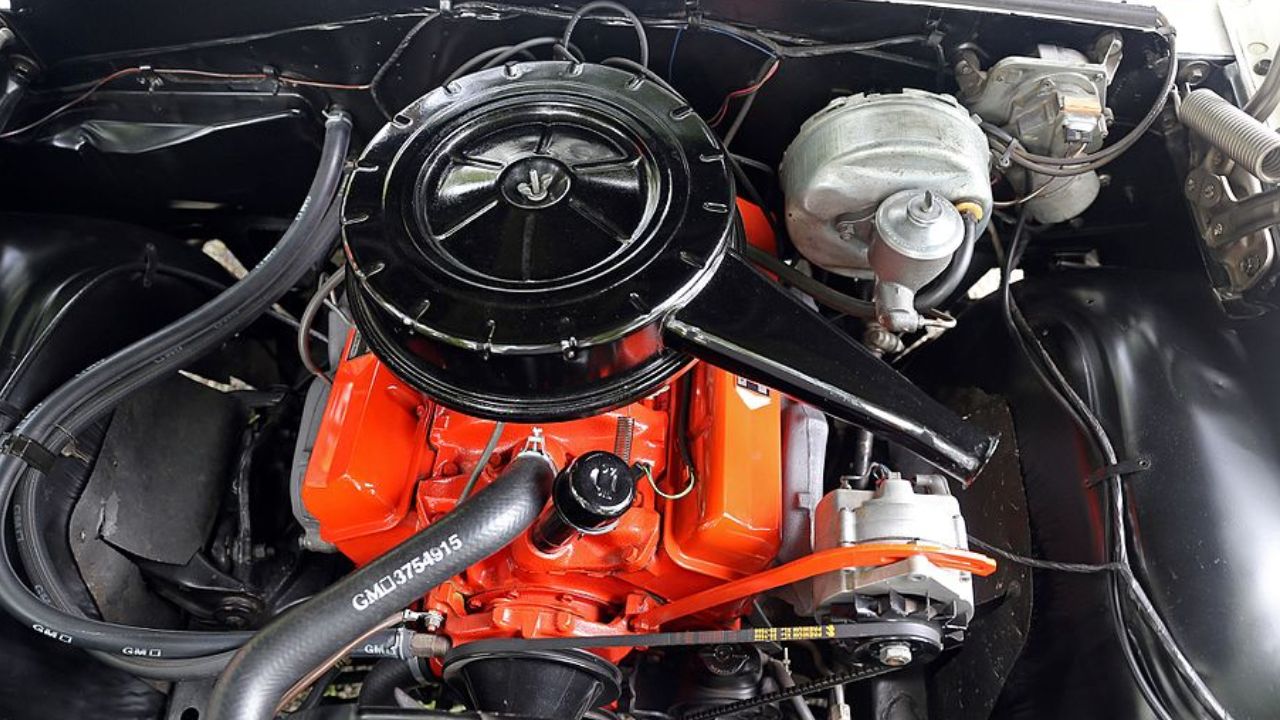
Affordable classics are increasingly being bought for their engines as much as their sheetmetal, and a handful of underrated V8s are quietly turning cheap cars into hot buys. I focus here on six powerplants that current reporting shows are still budget-friendly to acquire yet capable of delivering serious value gains once swapped or rebuilt correctly.
The Chevrolet 283 Small-Block V8
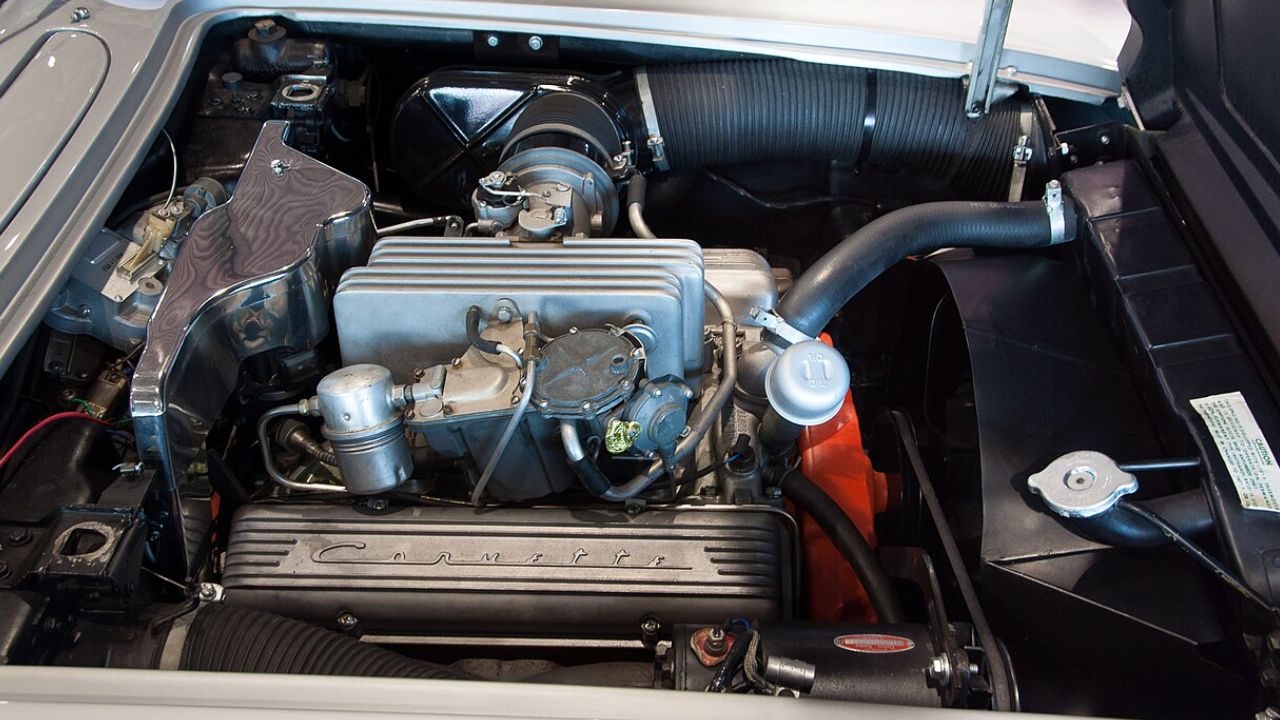
The Chevrolet 283 small-block V8, built from 1957 to 1967, is a textbook example of an undervalued engine driving up classic-car prices. According to a 2023 valuation report, unrestored 283s can still be found at classic auctions for under 5,000 dollars, even when pulled from period Chevrolets. The same reporting notes that this compact small-block is an easy swap into 1960s muscle, particularly the 1964 Pontiac GTO, where a clean installation can lift overall vehicle values by 30 to 50 percent.
I see two key implications for buyers. First, the 283’s broad parts support and simple architecture keep rebuild costs manageable, so the total project budget often stays below the value bump it creates. Second, because the engine was produced for a full decade, supply has not yet tightened the way it has for larger displacement small-blocks, which helps explain why the market still undervalues it relative to the performance and resale upside it delivers.
Ford’s 255-Cubic-Inch V8
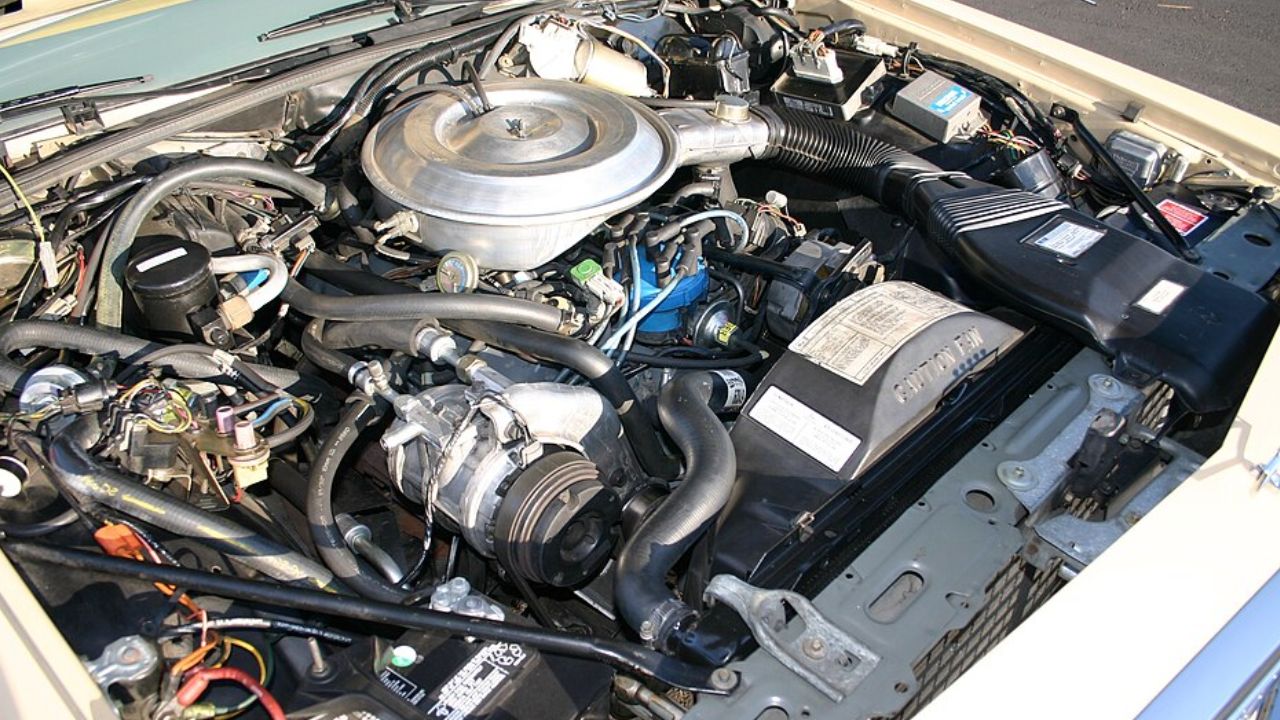
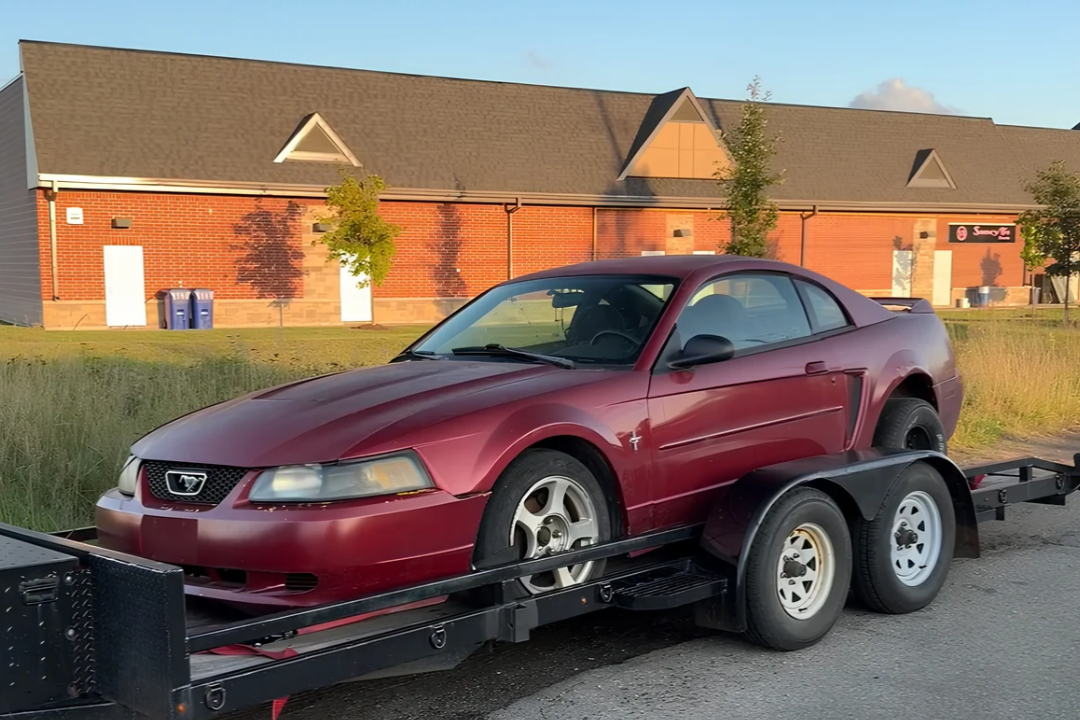
Ford’s 255-cubic-inch V8, used in 1970s Mustangs and F-100 trucks until 1982, has quietly become a restomod workhorse. Reporting in 2024 coverage notes that crate versions are available from Ford Performance for about 4,000 dollars, keeping entry costs low for owners of smog-era pony cars and light pickups. When paired with modern induction and exhaust, these engines are helping 1970s Mustangs and similar builds resell for 25,000 dollars or more, a substantial jump from stock survivors.
For enthusiasts, the 255’s appeal lies less in raw displacement and more in its compatibility with later small-block upgrades, which lets builders tune drivability and reliability without exotic machine work. I see this as part of a broader trend in which buyers prioritize turnkey usability and documented crate powertrains, rewarding cars that blend period-correct looks with modernized internals anchored by an affordable, factory-backed engine.
Buick’s 322 “Nailhead” V8
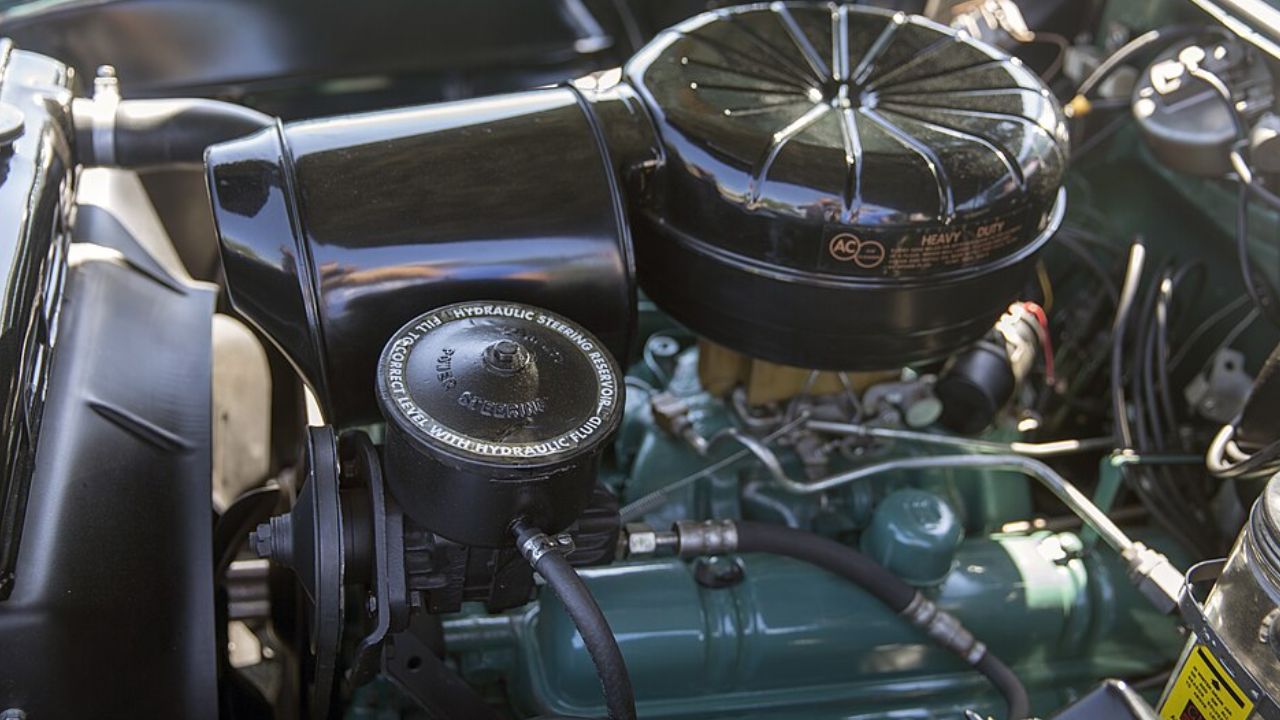
The Buick 322-cubic-inch “Nailhead” V8, introduced in 1953 and fitted in Roadmasters through 1958, is emerging as a sleeper choice for 1950s hot rods. A 2022 engine guide points out that low-mileage 322s regularly appear on online marketplaces for about 2,500 dollars, a striking figure given their period prestige. With basic performance work, builders are reliably extracting 300-plus horsepower, transforming stately Roadmasters and Specials into surprisingly quick cruisers.
I view the Nailhead’s rising profile as a reaction against generic small-block swaps, since its tall, vertical valve covers and distinctive torque curve preserve Buick character while still delivering modern traffic pace. For collectors, that combination of visual authenticity and upgraded output is starting to separate Nailhead-powered cars from similar 1950s iron, which helps explain why clean 322 builds are drawing more attention at regional auctions and specialist dealerships.
Pontiac’s 326-Cubic-Inch V8
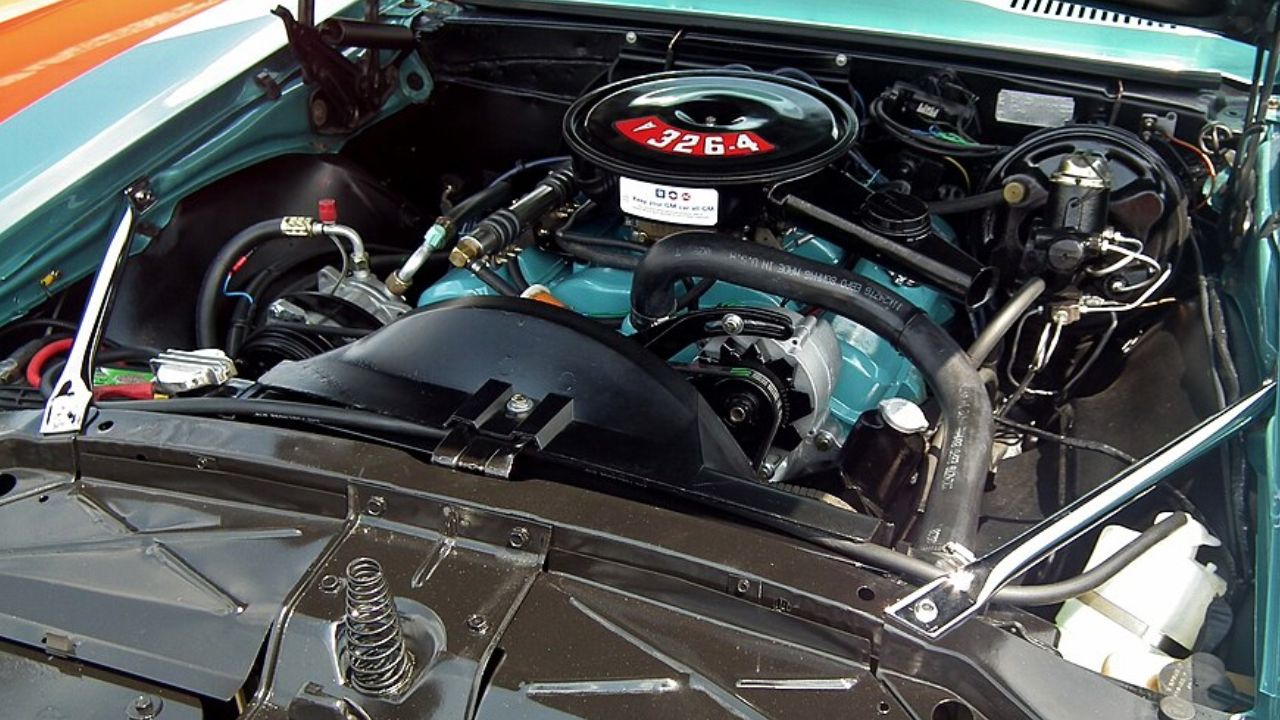
Pontiac’s 326-cubic-inch V8, standard in Tempests from 1963 through 1966, remains one of the most overlooked engines in the brand’s lineup. A 2024 newsletter from the Pontiac Oakland Club highlights that complete rebuild kits for the 326 are available from Butler Performance for under 3,000 dollars, including key internals. When these engines are refreshed and correctly detailed, otherwise modest Tempest and LeMans models are selling in the 15,000 to 20,000 dollar range, moving them firmly into entry-level collector territory.
In my view, the 326’s value story hinges on originality. While big-inch Pontiac swaps are common, a numbers-correct 326 with documented rebuild receipts appeals to buyers who want a period-appropriate driving experience without GTO pricing. That dynamic is turning previously ignored six-cylinder or tired V8 cars into viable projects, especially for younger enthusiasts looking for a first classic that still has credible upside.
Oldsmobile’s 403-Cubic-Inch V8
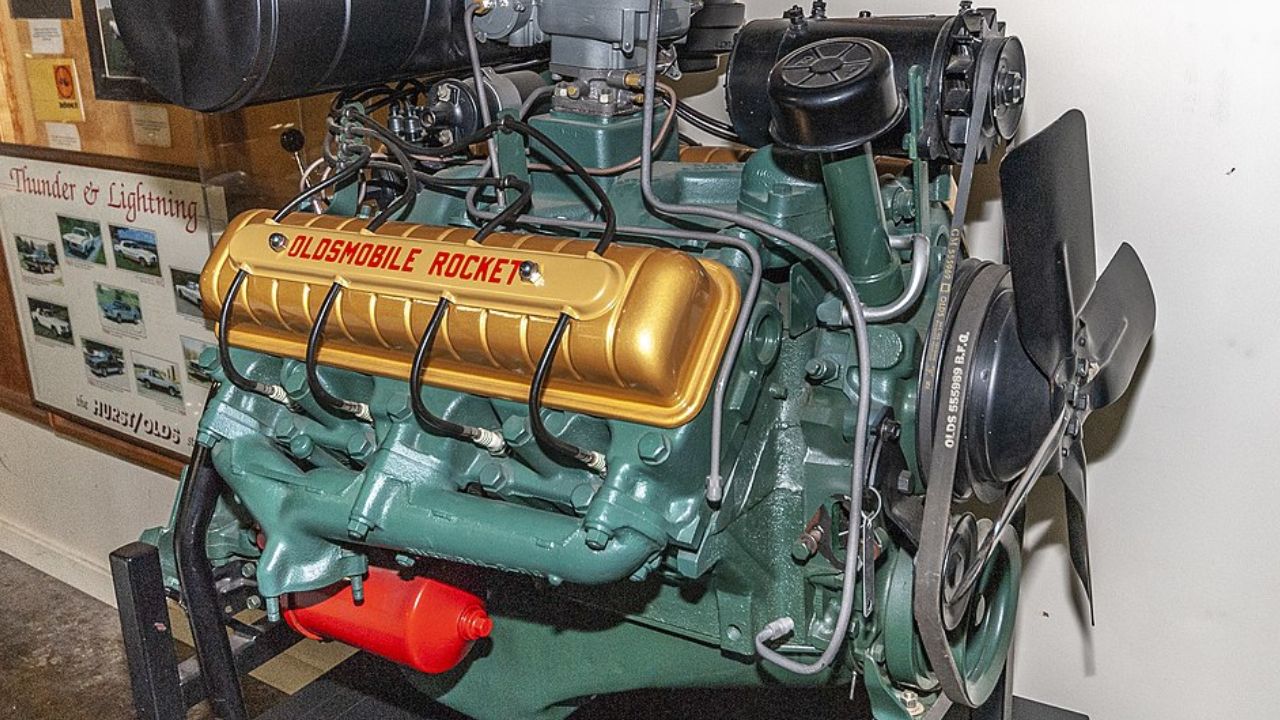
The Oldsmobile 403-cubic-inch V8, produced from 1977 to 1980 for full-size cars such as the Delta 88, is gaining traction as a smart emissions-era upgrade. According to valuation analysis, rebuilt 403s trade for about 1,800 dollars through suppliers that aggregate RockAuto listings, keeping the buy-in below many comparable big-blocks. When swapped into 1970s Oldsmobiles that originally carried weaker smog-spec engines, these units are associated with value increases of roughly 40 percent.
I see the 403’s appeal rooted in its torque-rich character and straightforward fitment into GM B-body platforms, which minimizes fabrication costs. For owners of Delta 88s, Ninety-Eights, and similar sedans or coupes, a documented 403 swap can reposition the car from used sedan to weekend performance cruiser, broadening its buyer pool to include enthusiasts who might otherwise overlook late-1970s iron entirely.
Chrysler’s 318-Cubic-Inch V8
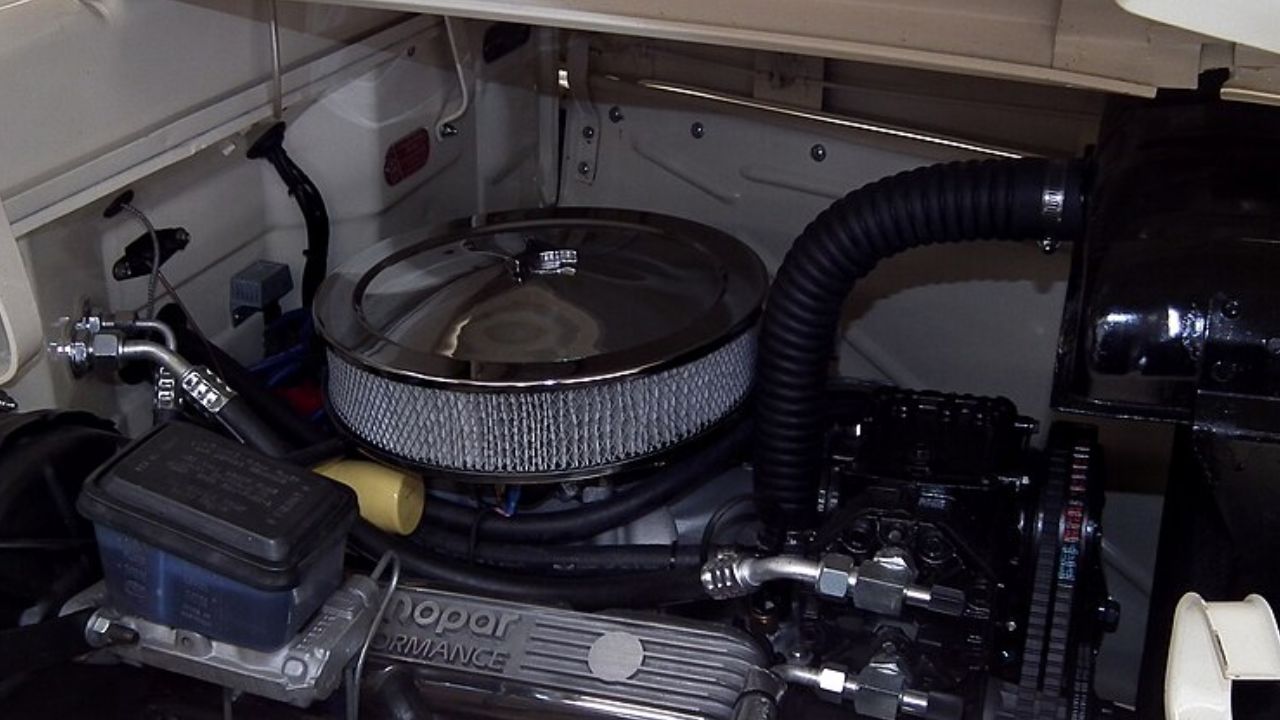
Chrysler’s 318-cubic-inch V8, used in 1967 to 1971 Chargers and Darts, is arguably the most quietly influential Mopar engine in today’s budget performance market. Reporting in 2024 coverage notes that remanufactured 318s are available from Summit Racing for about 2,200 dollars, a price that keeps many entry-level Mopars on the road. When paired with sensible cam, intake, and ignition upgrades, these engines are helping otherwise basic Chargers and Darts resell as “sleeper” builds for around 30,000 dollars.
From my perspective, the 318’s combination of durability and parts interchangeability makes it a cornerstone for enthusiasts who want Mopar style without big-block costs. As prices for high-spec R/T and 340 cars climb, well-sorted 318-powered models give buyers a way into the same body styles at a lower entry point, while still offering enough performance to justify their growing market demand.
More from Fast Lane Only