Throughout automotive history, there have been engines that defy convention, capturing the imagination of engineers and car enthusiasts alike. These rare engines were only used in a handful of vehicles, often due to their unique designs, complex manufacturing processes, or niche applications. Here, I take a closer look at some of these exceptional engines and the cars that brought them to life.
Wankel Rotary Engine

The Wankel rotary engine is renowned for its compact size and high-revving nature. Unlike traditional piston engines, the Wankel uses a rotating triangular rotor within an oval chamber, resulting in fewer moving parts and a smoother operation. Mazda is the most notable manufacturer to have embraced this design, with models like the RX-7 and RX-8. The RX-7, particularly in its third generation (1992-2002), showcased the engine’s potential with its lightweight design and impressive power output.
Despite its advantages, the Wankel engine struggled with fuel efficiency and emissions, which ultimately led to its decline. However, its unique characteristics have left a lasting legacy, and it remains a symbol of Mazda’s innovative spirit in the automotive world.
Napier Deltic Engine
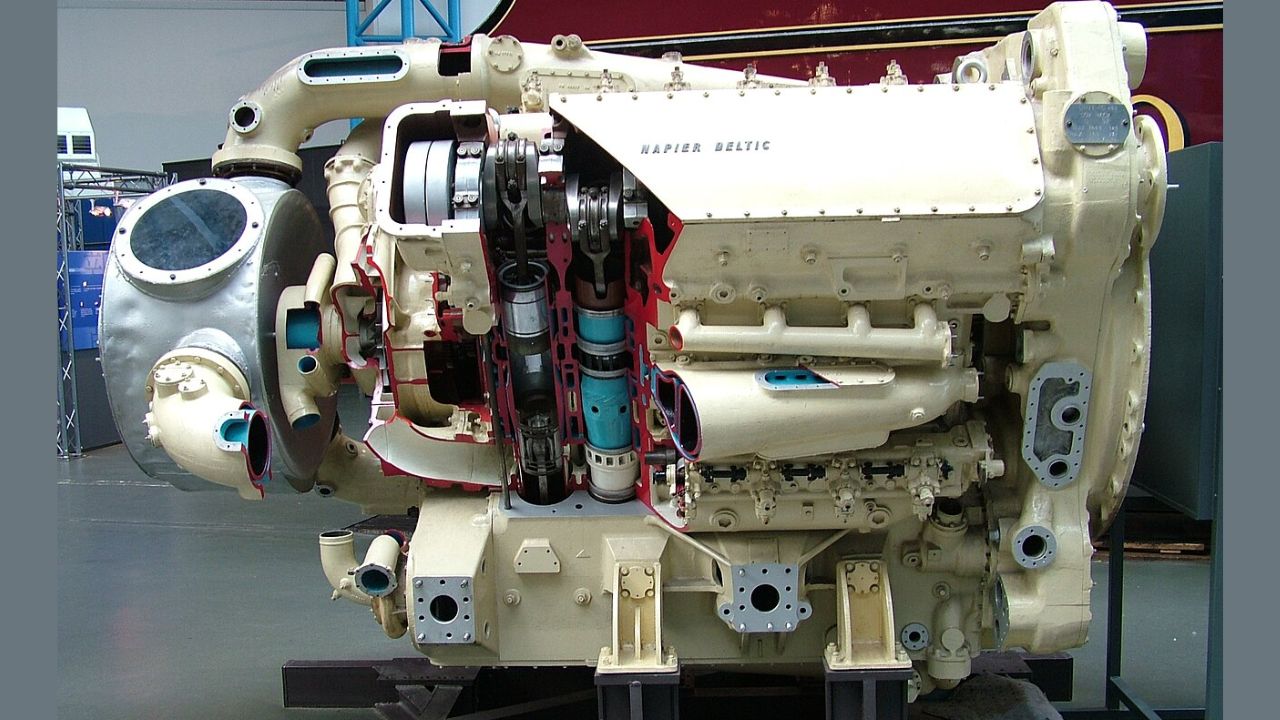
The Napier Deltic engine was originally designed for naval applications, but it found its way into the world of automobiles through a few experimental vehicles. This engine features an unusual triangular configuration with three crankshafts and 18 cylinders, offering remarkable power and torque. Although primarily used in locomotives and ships, the Deltic engine was famously installed in a special version of the Commer TS3 truck.
Its complexity and maintenance demands made it impractical for widespread automotive use, yet the Deltic engine remains a fascinating example of engineering ingenuity. The engine’s unique design has intrigued engineers and enthusiasts, preserving its place as an iconic piece of mechanical history.
Miller Straight-Eight Engine
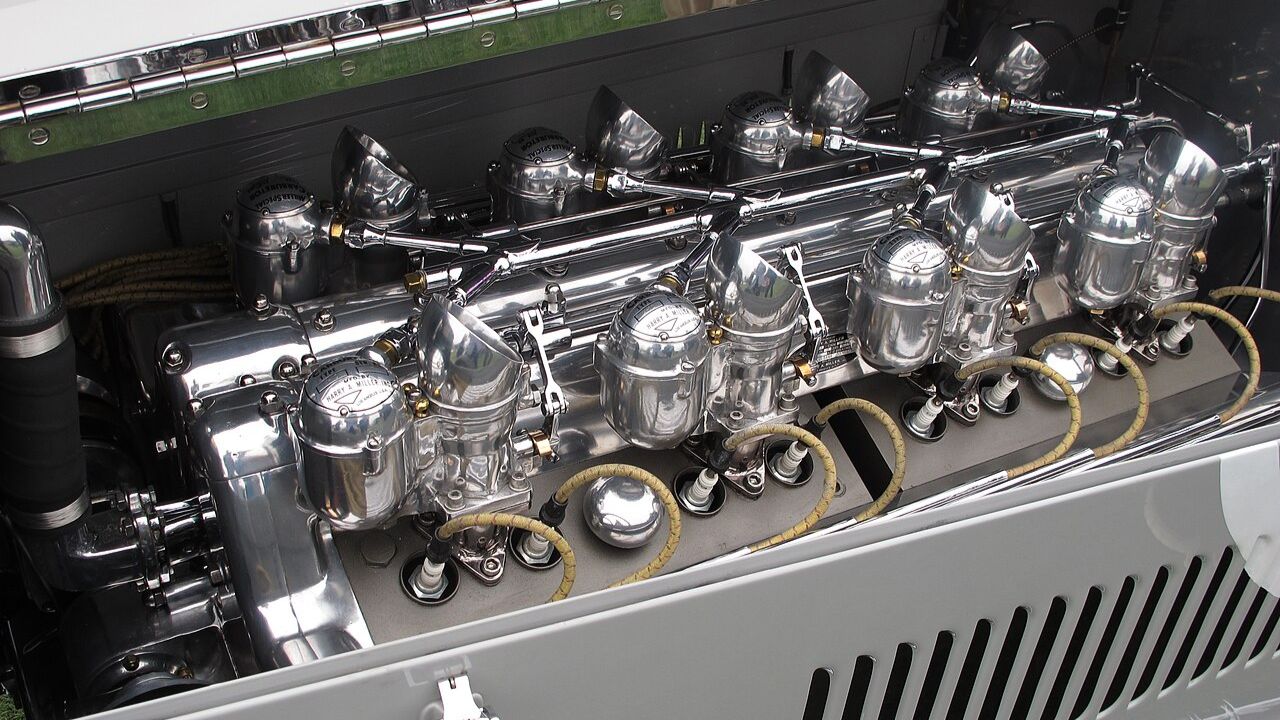
During the 1920s and 1930s, the Miller straight-eight engine was at the forefront of racing technology. Developed by Harry Miller, this engine was known for its advanced engineering and performance capabilities. It powered many successful race cars, including those that competed in the Indianapolis 500. The 1928 Miller 91, for example, featured a supercharged version of this engine and became a dominant force on the track.
Despite its racing successes, the Miller straight-eight was expensive to produce and maintain, which limited its use to high-profile racing teams and wealthy enthusiasts. Nevertheless, its impact on racing technology and automotive design is undeniable, influencing future generations of engines and vehicles.
BRM H16 Engine

The BRM H16 engine stands as one of the most ambitious designs in Formula One history. Developed by British Racing Motors (BRM) in the 1960s, this engine featured a complex H-shaped configuration with 16 cylinders. It was used by the Lotus 43 during the 1966 Formula One season, most notably achieving victory at the United States Grand Prix.
The H16 engine’s complexity and weight proved to be significant drawbacks, leading to reliability issues and limited success on the track. Despite its shortcomings, the BRM H16 remains a testament to the innovative spirit of the era, showcasing the relentless pursuit of performance in motorsport.
Cosworth DFV V8 Engine
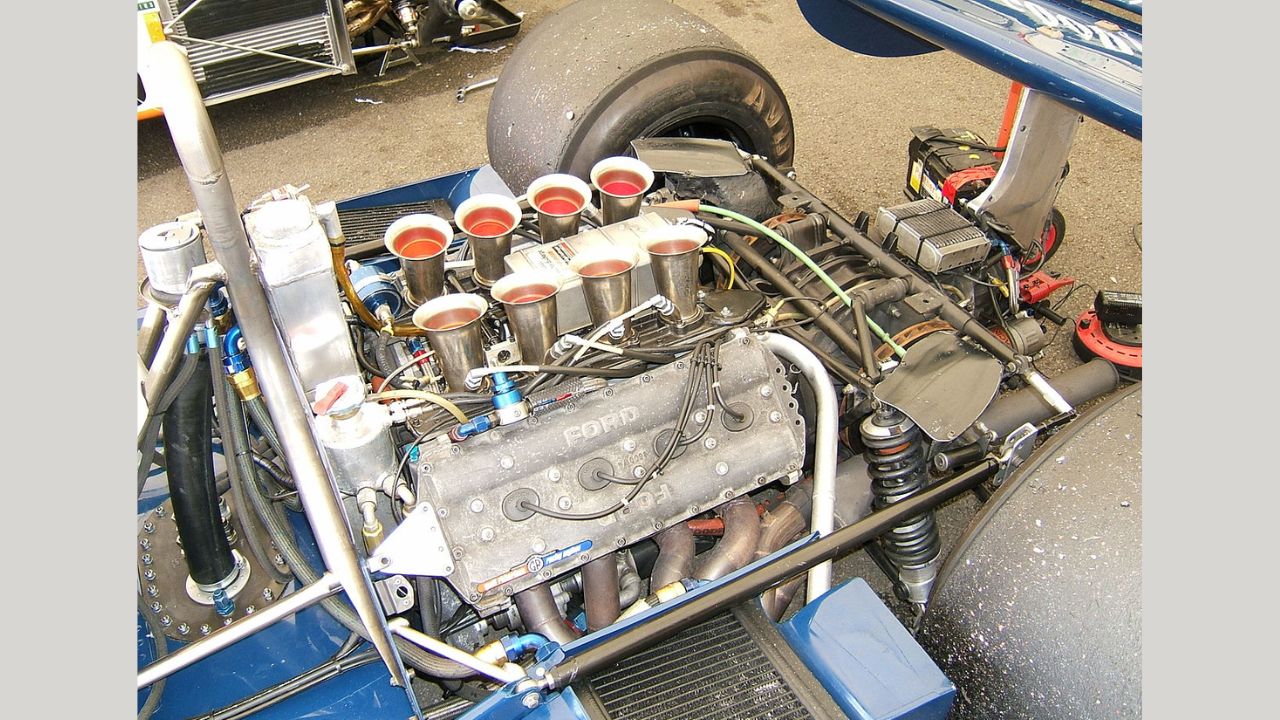
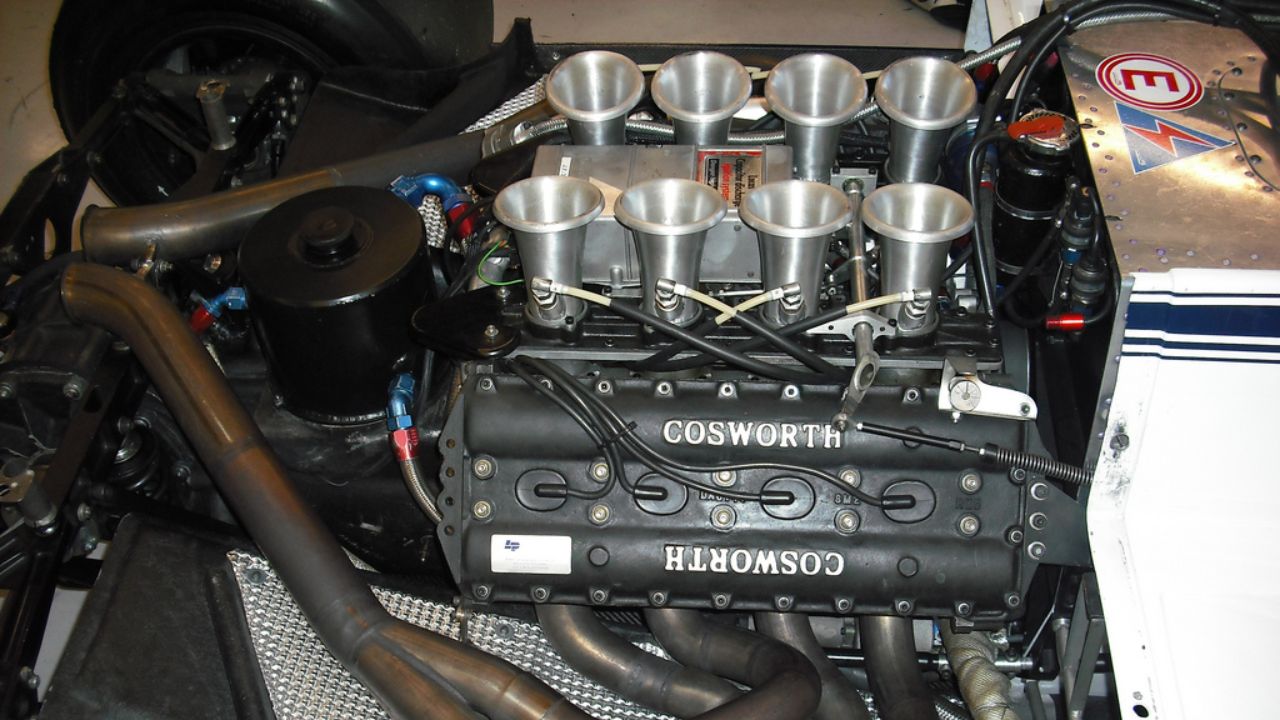
The Cosworth DFV V8 engine is legendary in the world of motorsport, powering numerous Formula One cars to victory from its introduction in 1967 through the early 1980s. Designed by Keith Duckworth and Mike Costin, the DFV (Double Four Valve) quickly became the engine of choice for many teams, including Lotus, McLaren, and Williams. Its first victory came with the Lotus 49, driven by Jim Clark at the 1967 Dutch Grand Prix.
The engine’s combination of power, reliability, and adaptability made it a dominant force in racing, securing over 150 wins. While it was primarily a racing engine, its influence extended beyond Formula One, impacting the design of high-performance engines in various motorsport disciplines.
Like Fast Lane Only’s content? Be sure to follow us.
Here’s more from us:
*Created with AI assistance and editor review.