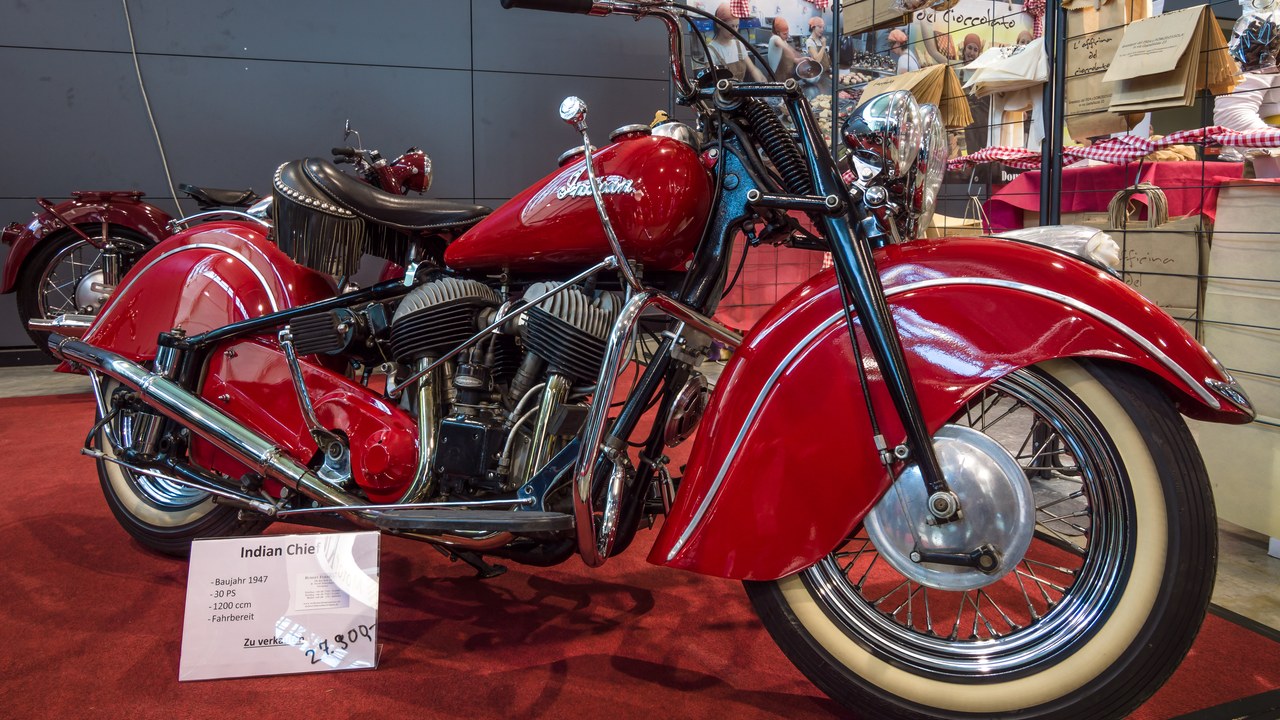
While V8 engines are often synonymous with power and performance, not every vehicle benefits from their inclusion. Some cars that received V8s ended up with more drawbacks than advantages. Here’s a look at some vehicles where the V8 engine seemed a bit out of place.
Ford Mustang II V8
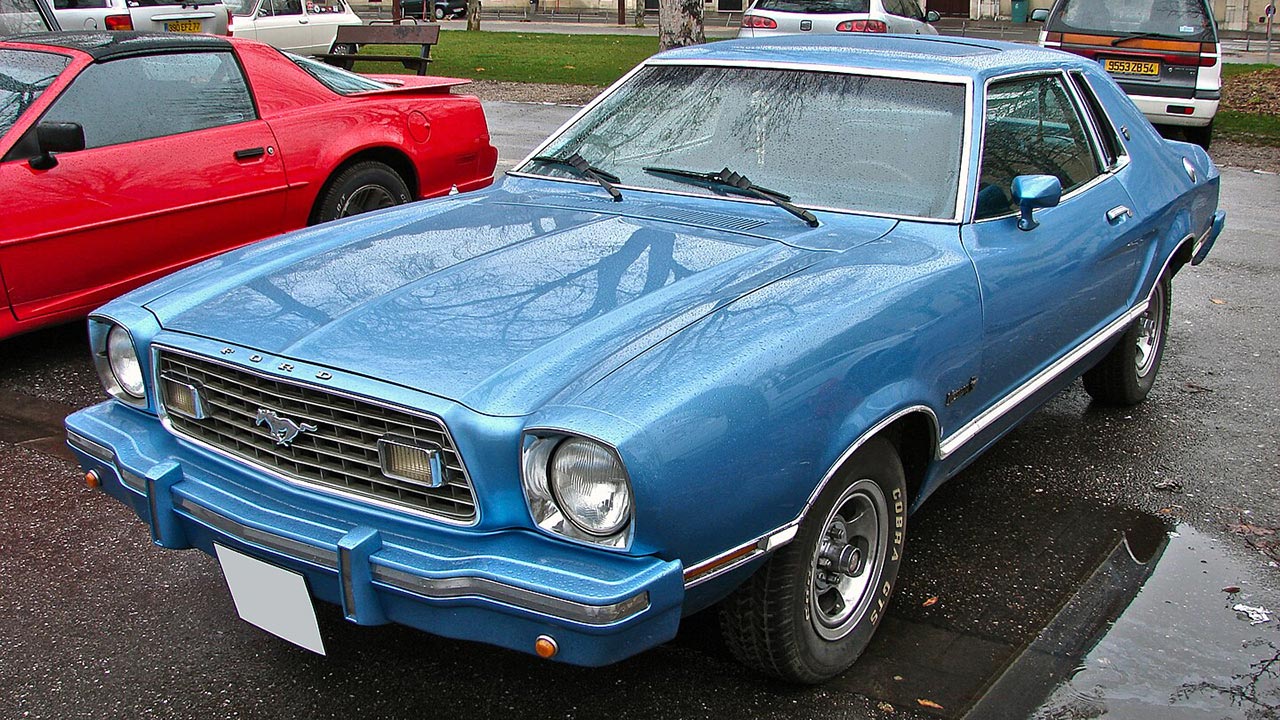
When the Ford Mustang II debuted in the mid-1970s, it was a sharp departure from the muscle car roots of its predecessor. The introduction of a V8 engine in this smaller, stripped-down version of the Mustang was an attempt to retain its performance heritage. However, the engine was underpowered due to the era’s stringent emissions standards.
Performance enthusiasts were left disappointed, as the Mustang II’s V8 failed to deliver the power that fans had come to expect. The downsized frame couldn’t fully harness the potential of the engine, making it a mismatch in terms of driving dynamics.
Chevrolet Monza V8
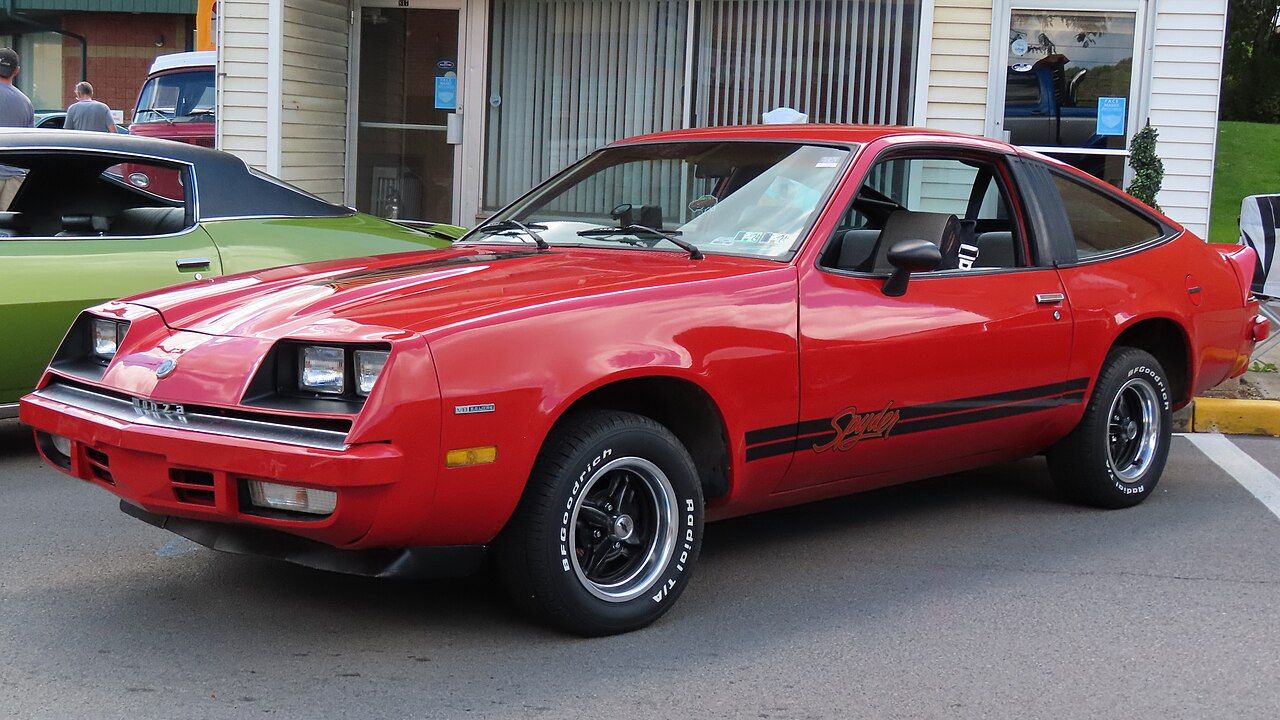
The Chevrolet Monza, produced in the mid-1970s, was initially designed to be a compact, fuel-efficient vehicle. However, the decision to offer a V8 option seemed at odds with its primary mission. The added weight and reduced fuel economy did little to enhance its appeal.
The V8-equipped Monza suffered from cramped engine bay conditions and handling issues. It’s a classic example of a car that didn’t quite know what it wanted to be, resulting in a lackluster performance that alienated potential buyers.
Porsche Cayenne Diesel V8
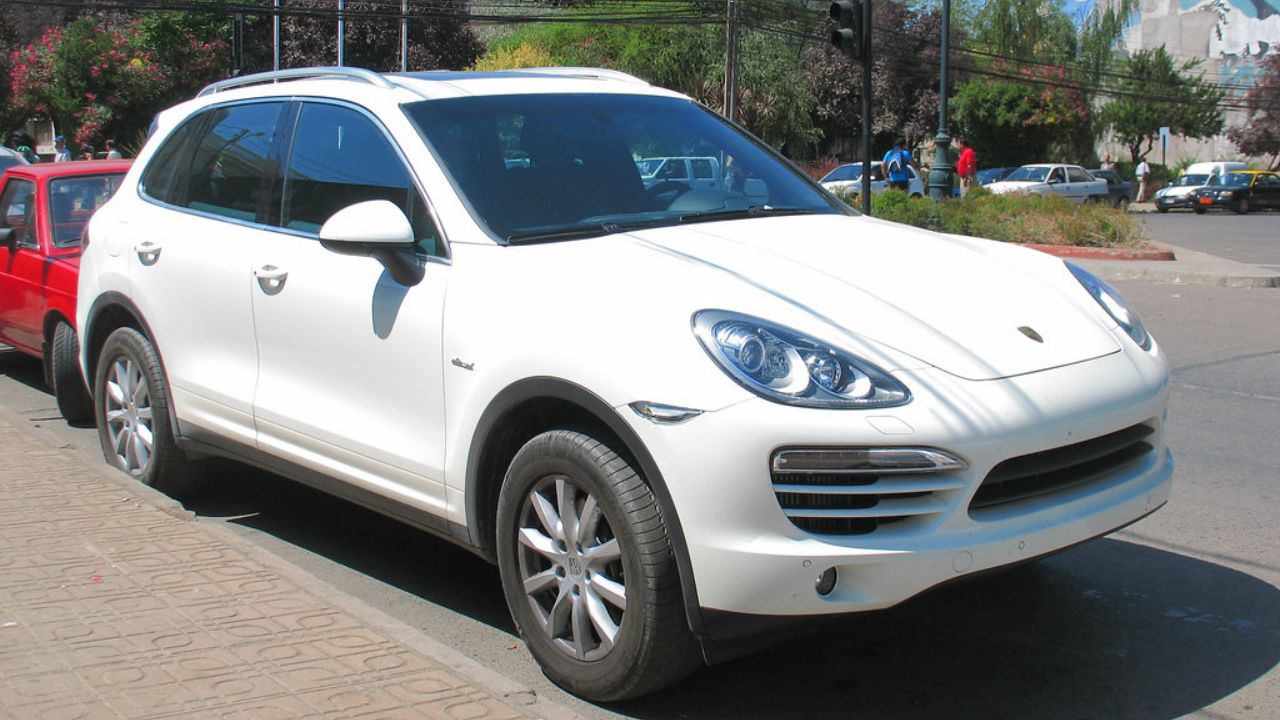
Porsche ventured into new territory with the Cayenne, its first SUV, and the inclusion of a Diesel V8 option was aimed at broadening its appeal. However, some purists argued that this engine choice detracted from Porsche’s performance-driven image. The Diesel V8, while powerful, was more about torque and efficiency than the thrilling speed Porsche enthusiasts craved.
Ultimately, the Cayenne Diesel V8 became a controversial addition, dividing the fan base between those who appreciated its practicality and those who longed for traditional Porsche performance.
Pontiac Fiero V8 Swap
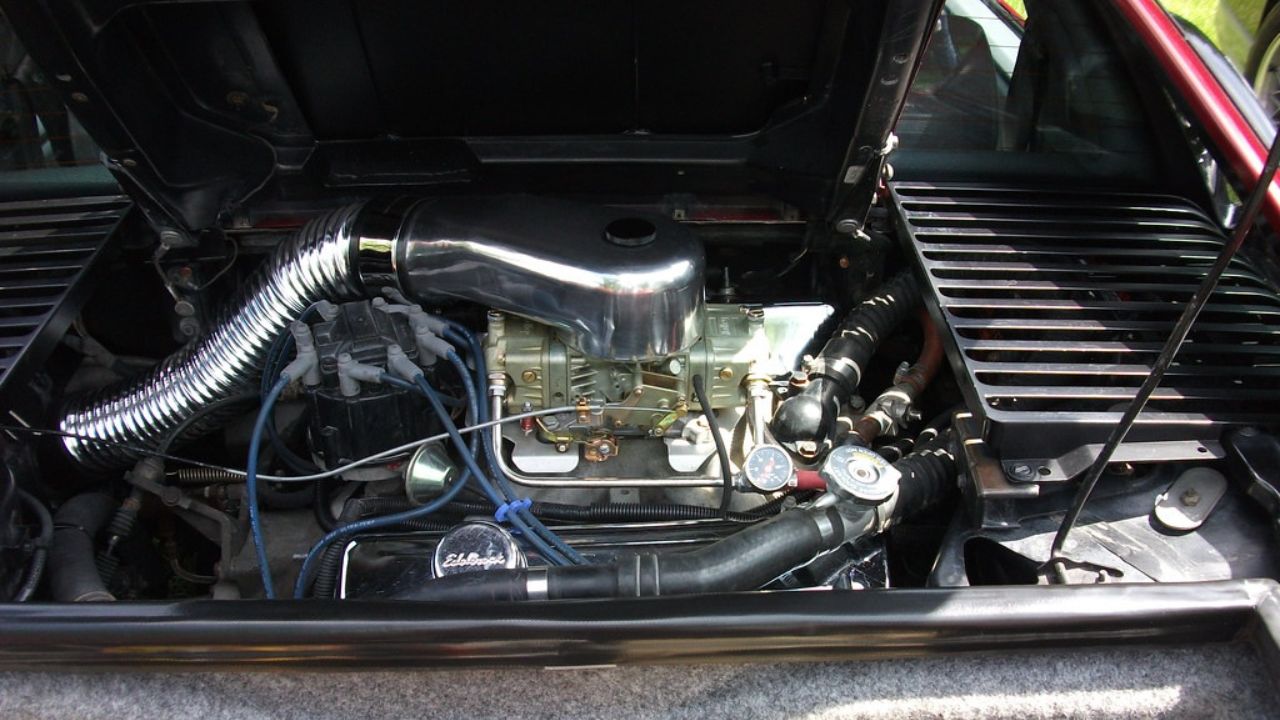
The Pontiac Fiero was a mid-engine sports car that captured the imagination of many in the 1980s. Some enthusiasts took it upon themselves to swap in a V8 engine, hoping to transform the Fiero into a true performance car. Unfortunately, the chassis and suspension were not designed for such power.
This Frankenstein approach often resulted in handling issues and reliability problems. The allure of a V8 in the Fiero was understandable, but the execution frequently fell short, overshadowing the car’s original design intentions.
Volkswagen Touareg V8
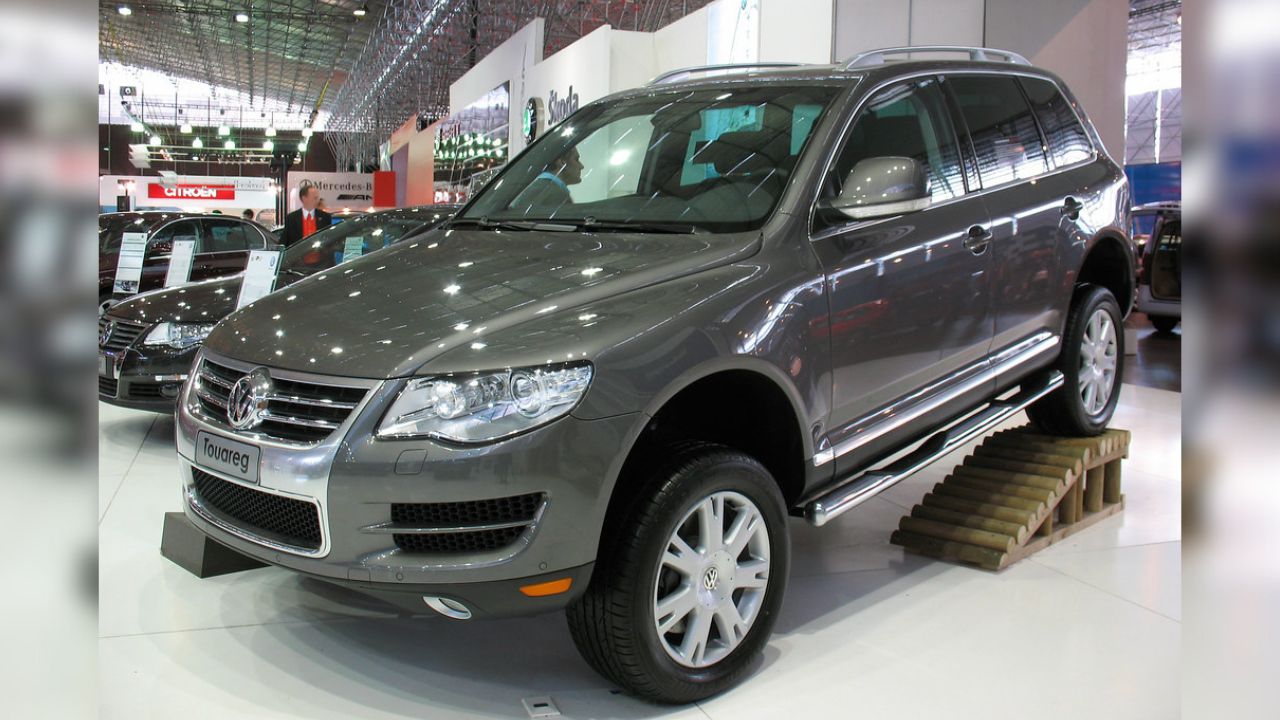
The Volkswagen Touareg was designed as a luxury SUV with an emphasis on comfort and versatility. Adding a V8 engine seemed to contradict its purpose, as it compromised fuel efficiency without significantly enhancing the driving experience. The heavy engine also affected the vehicle’s handling dynamics.
While the V8 version offered a smooth ride, it didn’t align with the Touareg’s primary goal of being a practical and efficient SUV. Buyers often chose other options that better matched their needs.
Toyota Tundra 4.7L V8
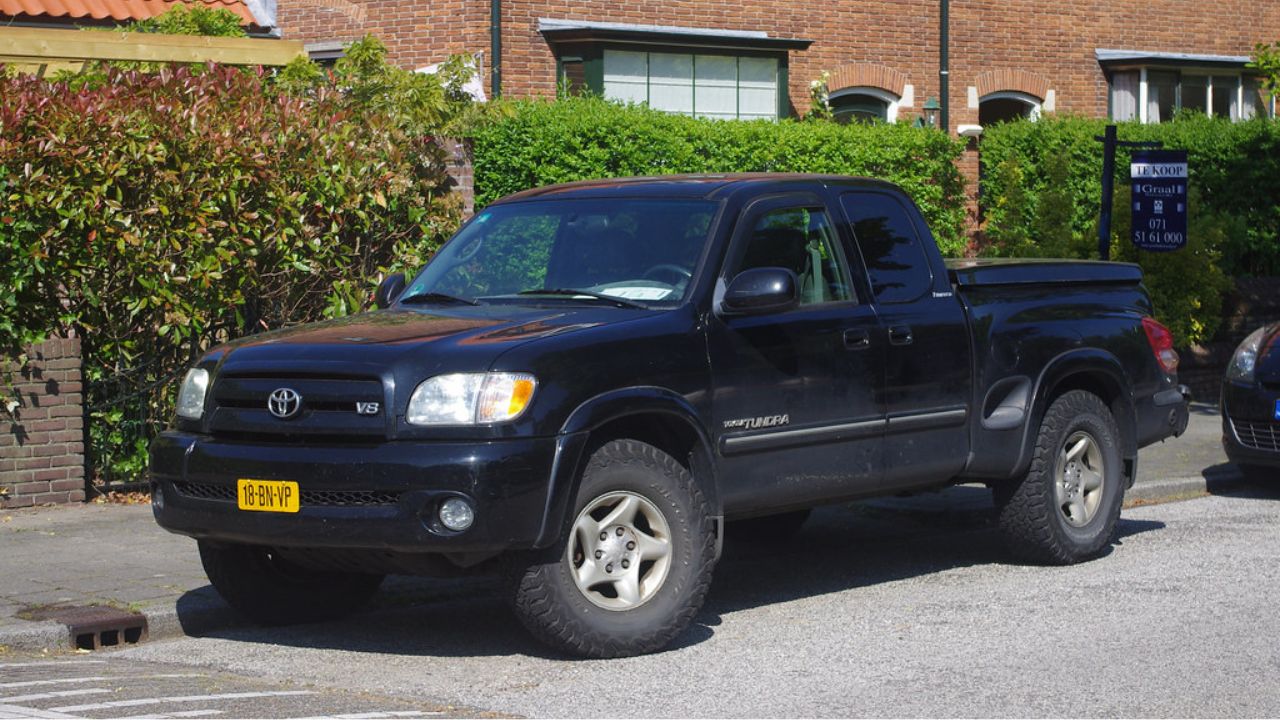
The Toyota Tundra, known for its dependability, introduced a 4.7L V8 engine to compete with American trucks. However, this engine option was not as powerful as those offered by its rivals, and it struggled to deliver the towing capacity that truck buyers expected.
The 4.7L V8 was reliable but ultimately underwhelming, making it a less popular choice among Tundra enthusiasts who valued performance and capability. It was eventually overshadowed by more powerful and efficient engine options, both within Toyota’s lineup and among competitors.
Like Fast Lane Only’s content? Be sure to follow us.
Here’s more from us:
*Created with AI assistance and editor review.