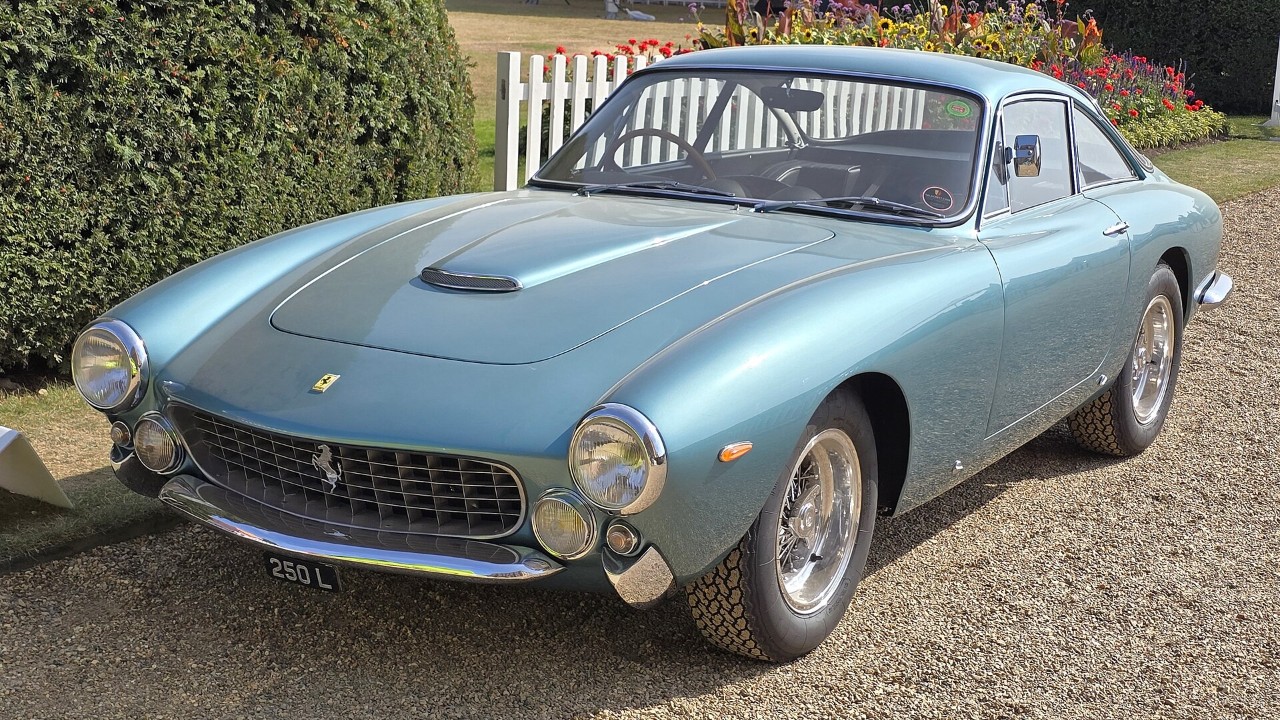
Some American coupes became icons before drivers even heard the engines start. Long hoods, aggressive stance, hidden headlights, racing stripes, and dramatic bodywork gave these machines visual identities that made them seem impossibly fast standing still. Their styling captured the imagination of entire generations and helped define what performance cars were supposed to look like.
Chevrolet Corvette Stingray (C3)
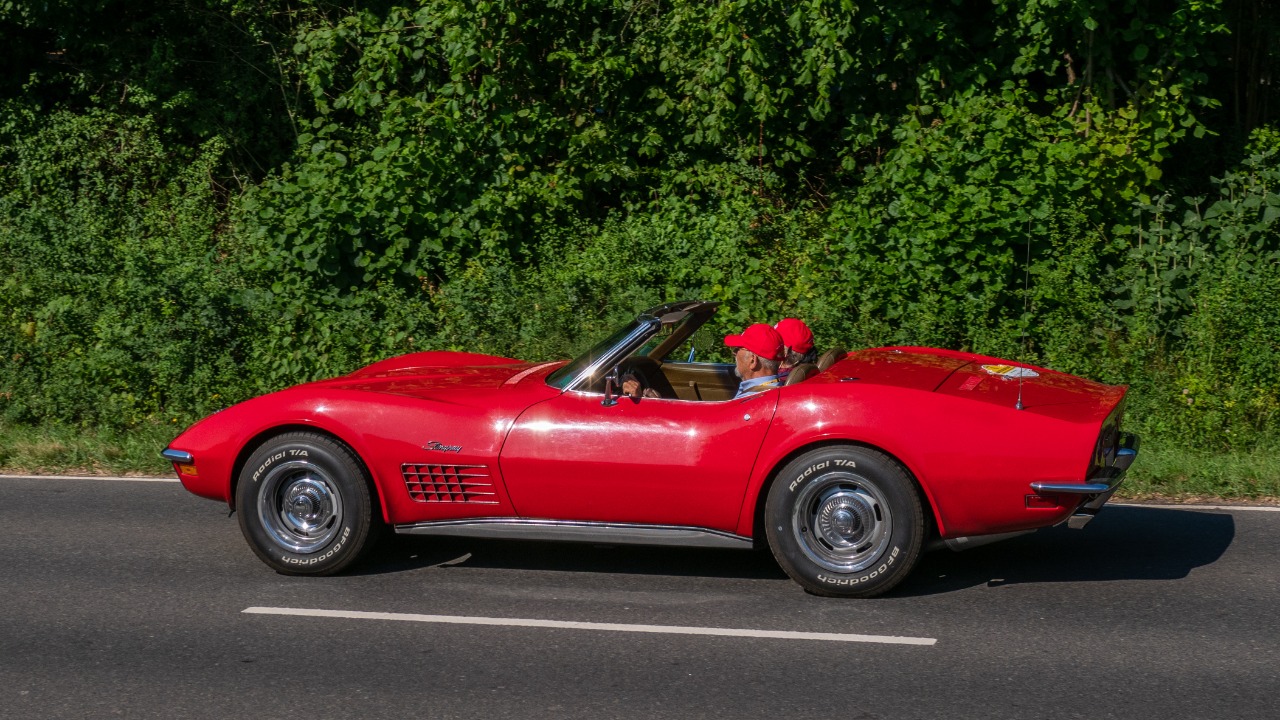
The Chevrolet Corvette Stingray C3 looked like a futuristic race car when it first appeared in the late 1960s. Developed by Chevrolet, it featured flowing fenders, hidden headlights, and dramatic proportions inspired heavily by the Mako Shark concept. Long hood styling and muscular rear haunches created instant visual aggression. Even parked examples appeared ready for high-speed competition. The C3 Stingray looked faster than almost anything around it because its design embraced pure automotive drama unapologetically.
Dodge Charger Daytona
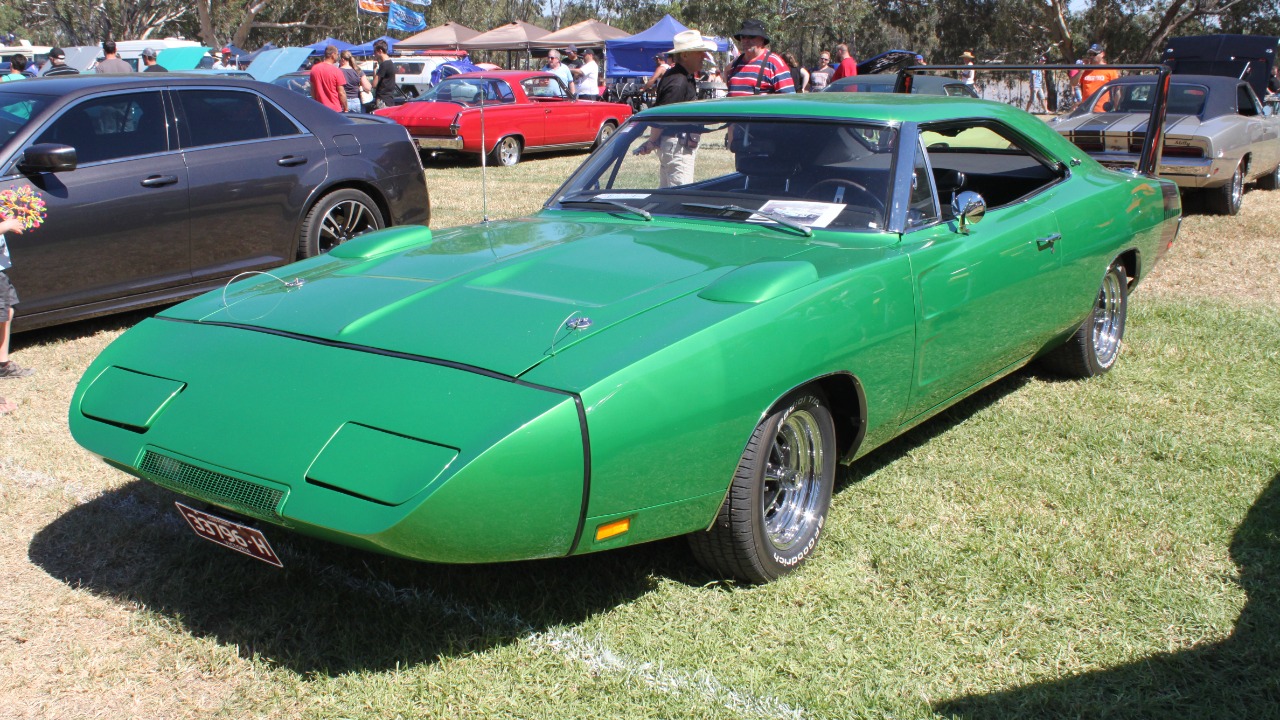
The Dodge Charger Daytona pushed muscle-car styling into almost unbelievable aerodynamic territory. Built by Dodge, it featured a towering rear wing and pointed aerodynamic nose developed specifically for NASCAR dominance. Its radical appearance made ordinary muscle cars seem conservative by comparison. Wide stance and aggressive proportions amplified its intimidating road presence further. The Daytona looked impossibly fast because it visibly prioritized high-speed performance above conventional styling restraint.
Ford Mustang Fastback (1967)
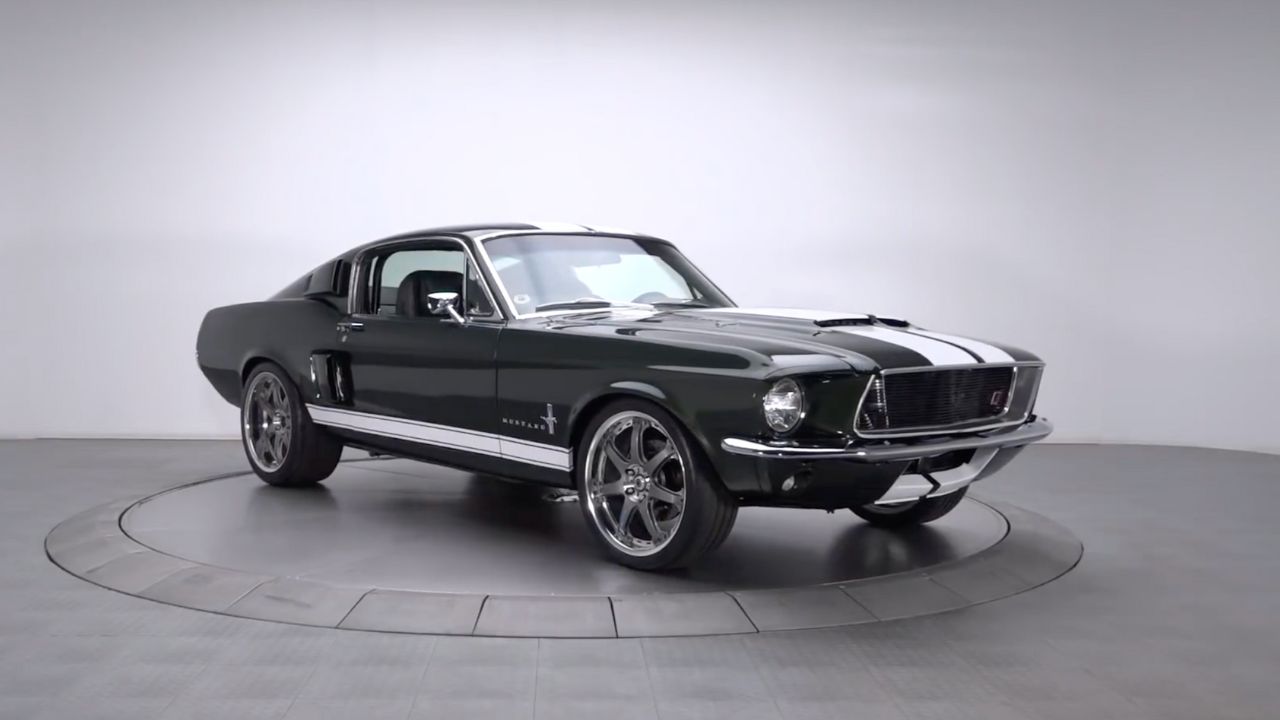
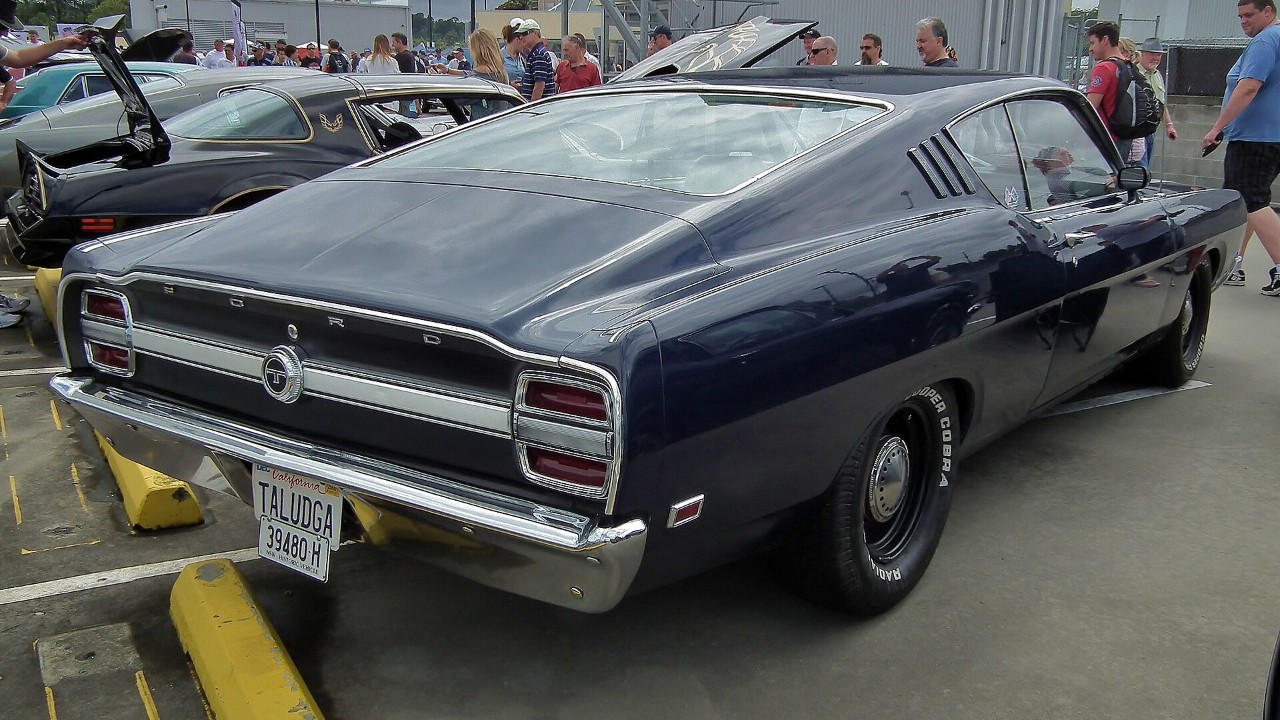
The 1967 Ford Mustang Fastback became one of the most influential American coupe designs ever created. Produced by Ford Motor Company, it combined muscular proportions with a sleek roofline that instantly suggested speed. Deep grille openings and long-body proportions added to its aggressive personality visually. Racing success strengthened its image within enthusiast culture dramatically. The Mustang Fastback looked faster than surrounding cars because it balanced elegance and aggression exceptionally well.
Buick Riviera Boattail
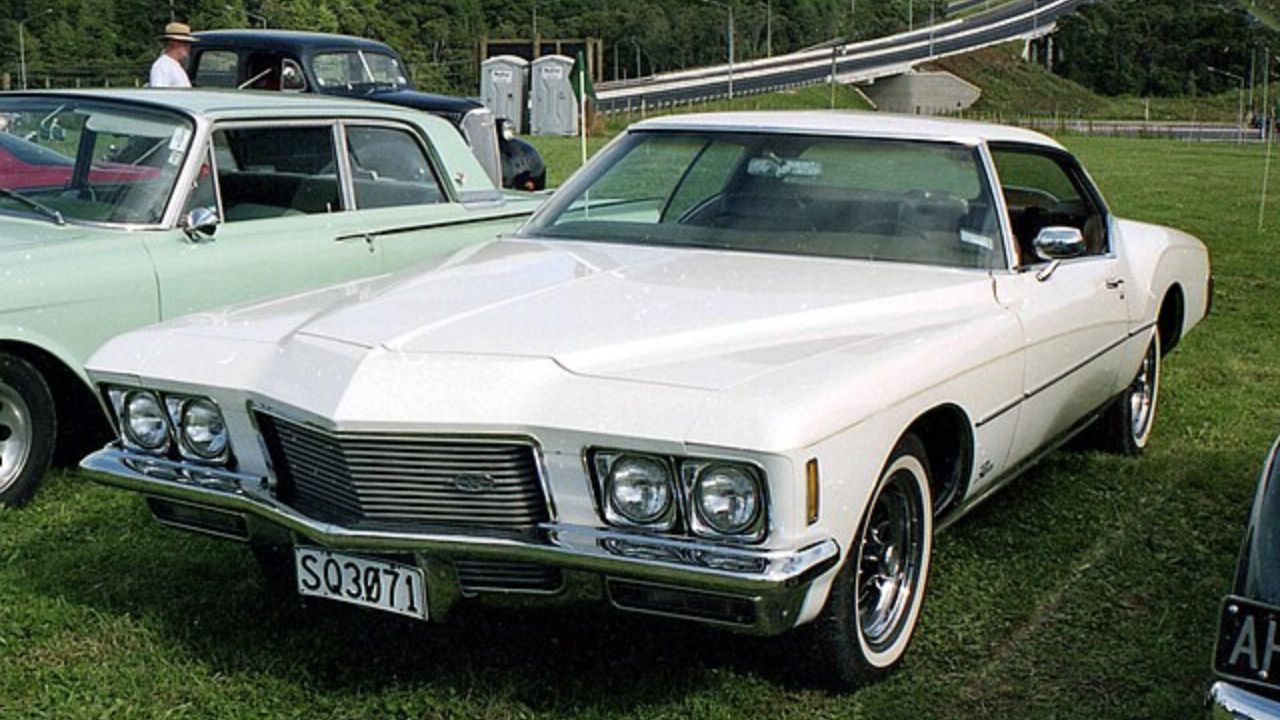
The Buick Riviera Boattail created one of the boldest luxury-performance coupe profiles of the 1970s. Developed by Buick, it featured dramatic rear styling inspired by classic speedboats and exotic European GT cars. Sweeping body lines and hidden headlights gave it a futuristic appearance uncommon during the era. Its proportions made it feel expensive, powerful, and unusually exotic for an American coupe. The Riviera looked faster than rivals because it embraced visual ambition completely.
Pontiac Firebird Trans Am
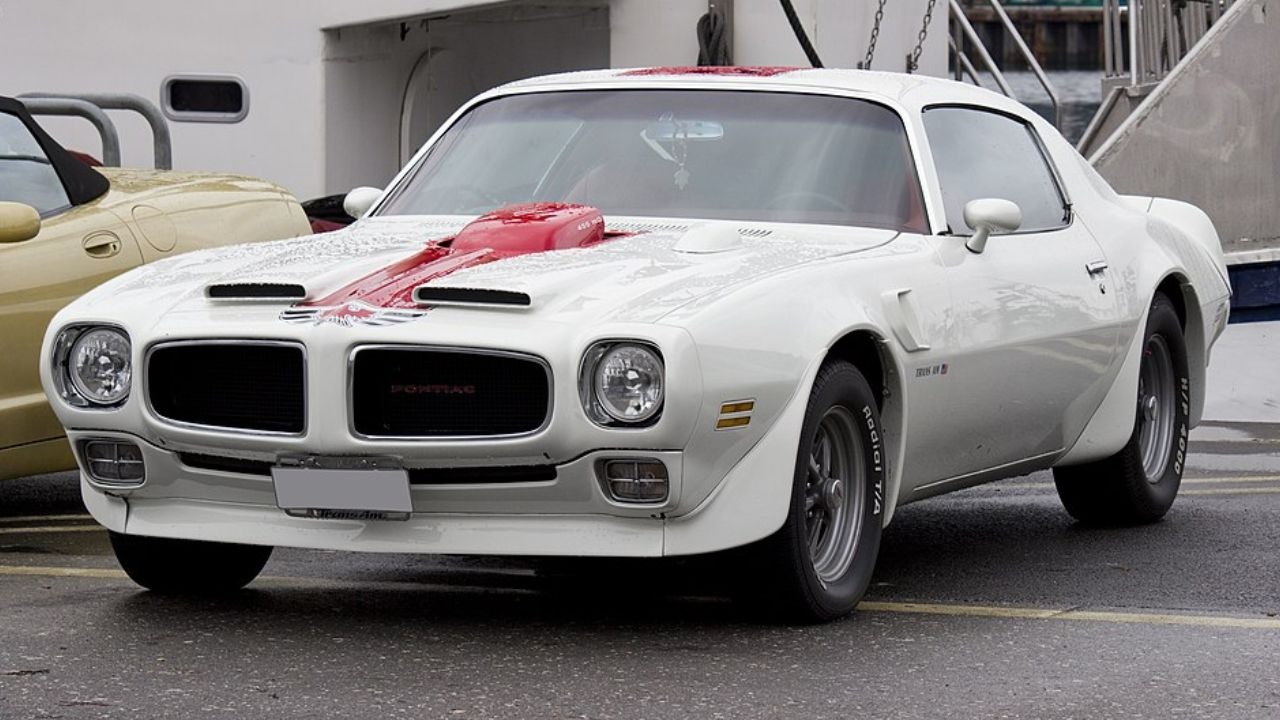
The Pontiac Firebird Trans Am combined aggressive styling cues with unmistakable street presence throughout the 1970s and 1980s. Built by Pontiac, it featured shaker hoods, fender flares, hood decals, and low-slung bodywork that demanded attention instantly. Wide-track proportions gave it an intimidating stance from every angle. Pop-culture exposure only strengthened its performance image further. The Trans Am looked faster than surrounding traffic because every design detail emphasized power and attitude.
Chevrolet Camaro IROC-Z
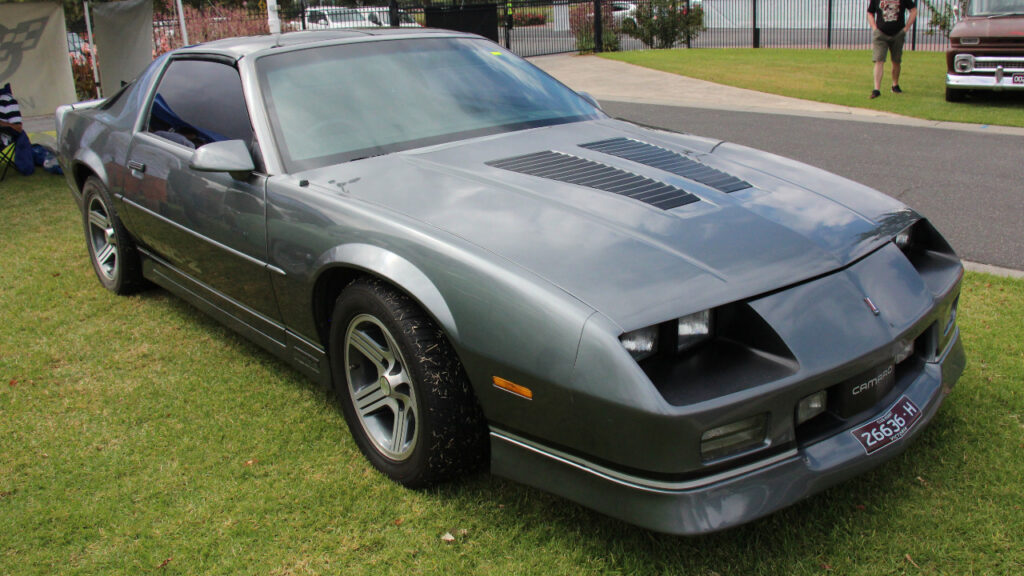
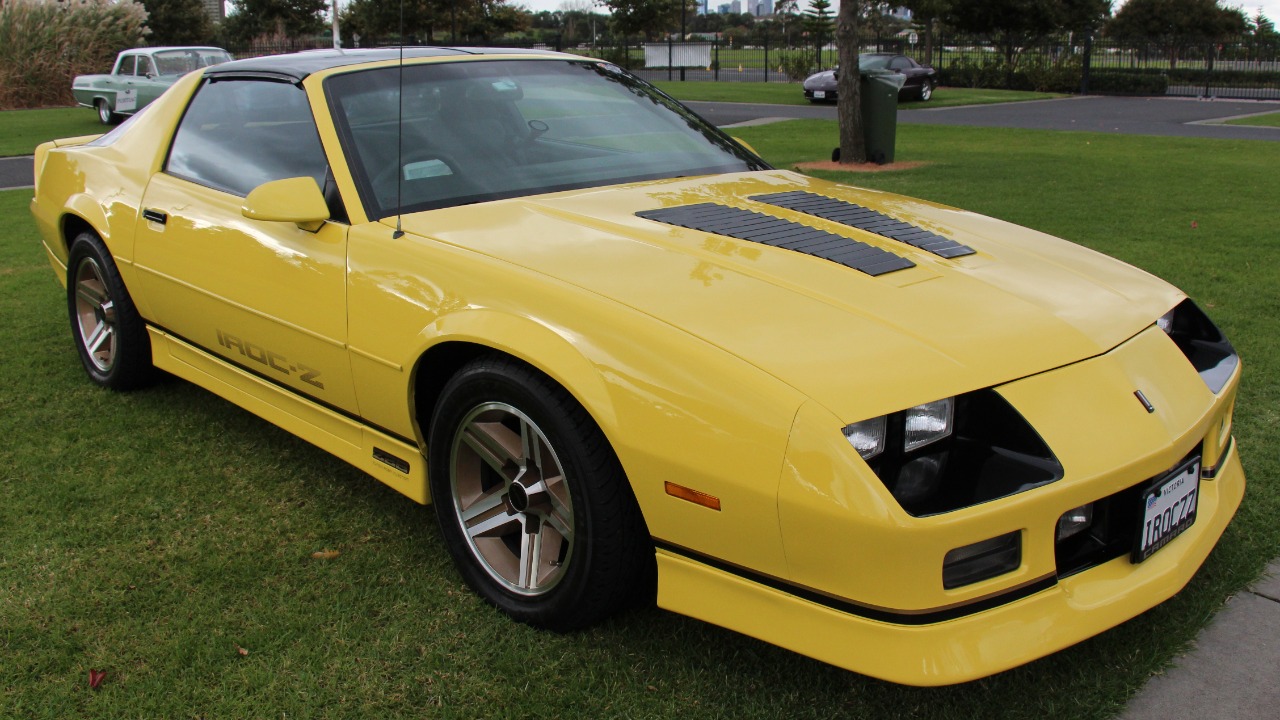
The Chevrolet Camaro IROC-Z became a visual symbol of American performance culture during the 1980s. Produced by Chevrolet, it used ground effects, low ride height, wide wheels, and aerodynamic styling to create unmistakable street presence. Long doors and wedge-shaped body lines reflected the era’s obsession with speed-focused design. Younger enthusiasts especially embraced its aggressive personality immediately. The IROC-Z looked faster than almost anything nearby because it perfectly captured 1980s performance aesthetics.
Plymouth Barracuda AAR
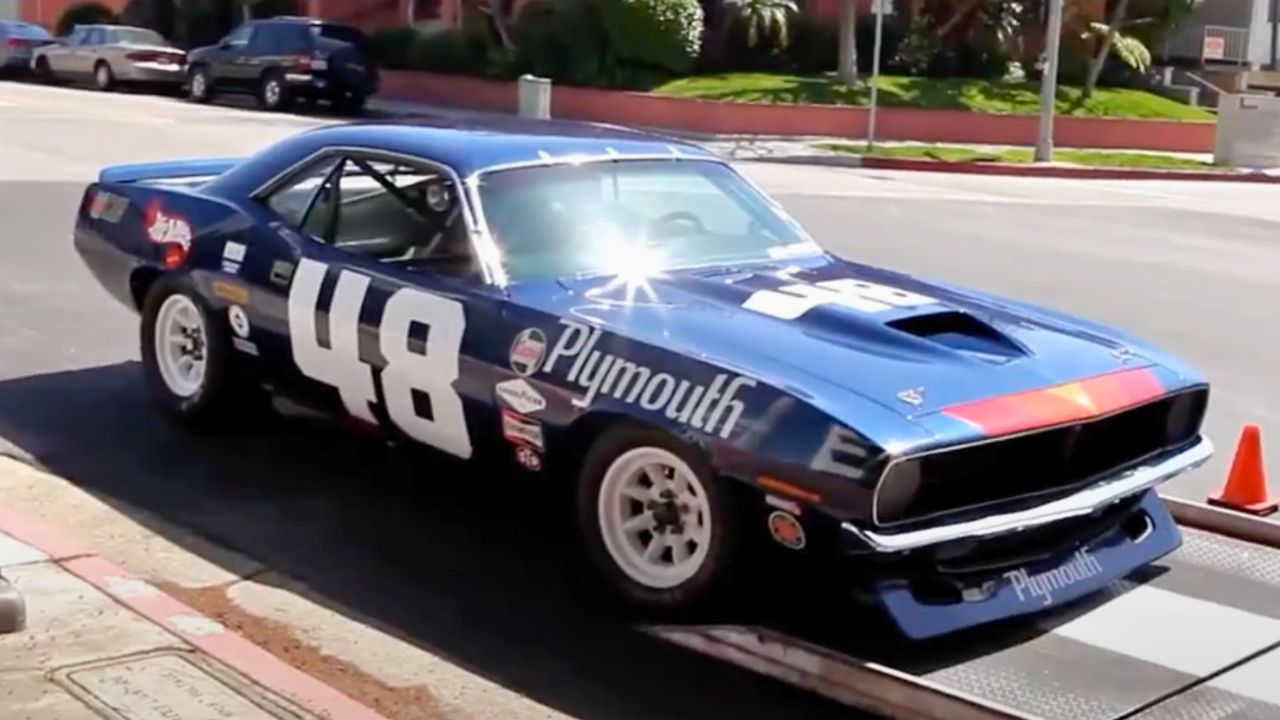
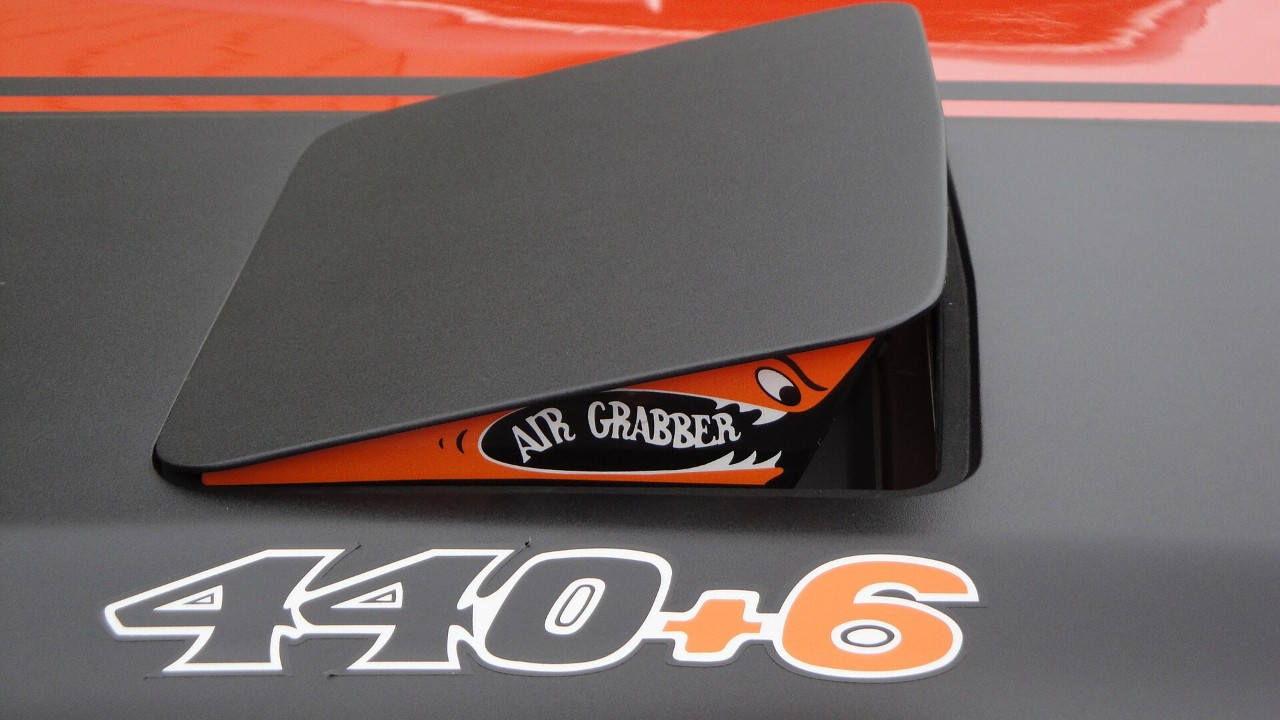
The Plymouth Barracuda AAR carried race-inspired styling that instantly separated it from ordinary muscle cars. Developed by Plymouth for Trans-Am homologation purposes, it featured bold graphics, side-exit exhausts, and a distinctive matte-black hood. Wide proportions and aggressive front-end styling reinforced its competition-focused image effectively. Drivers recognized immediately that it was built with racing influence in mind. The AAR looked faster than surrounding coupes because it wore its motorsport heritage openly and confidently.
More from Fast Lane Only