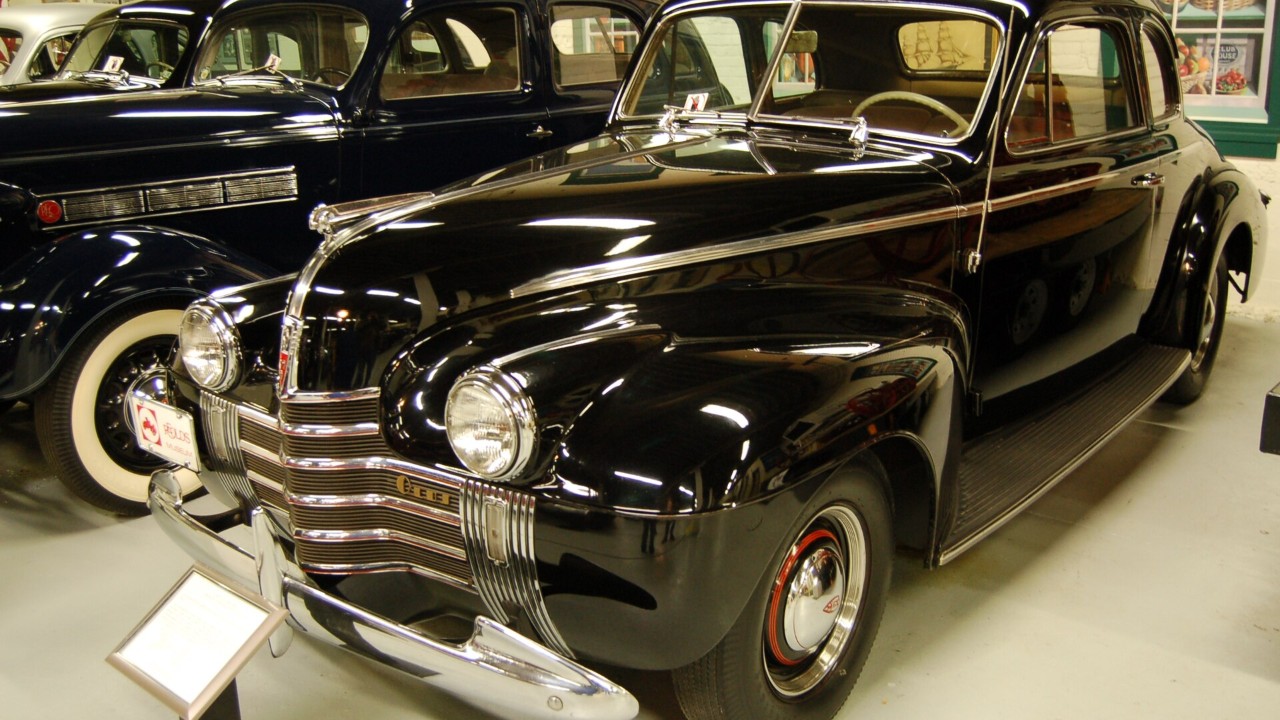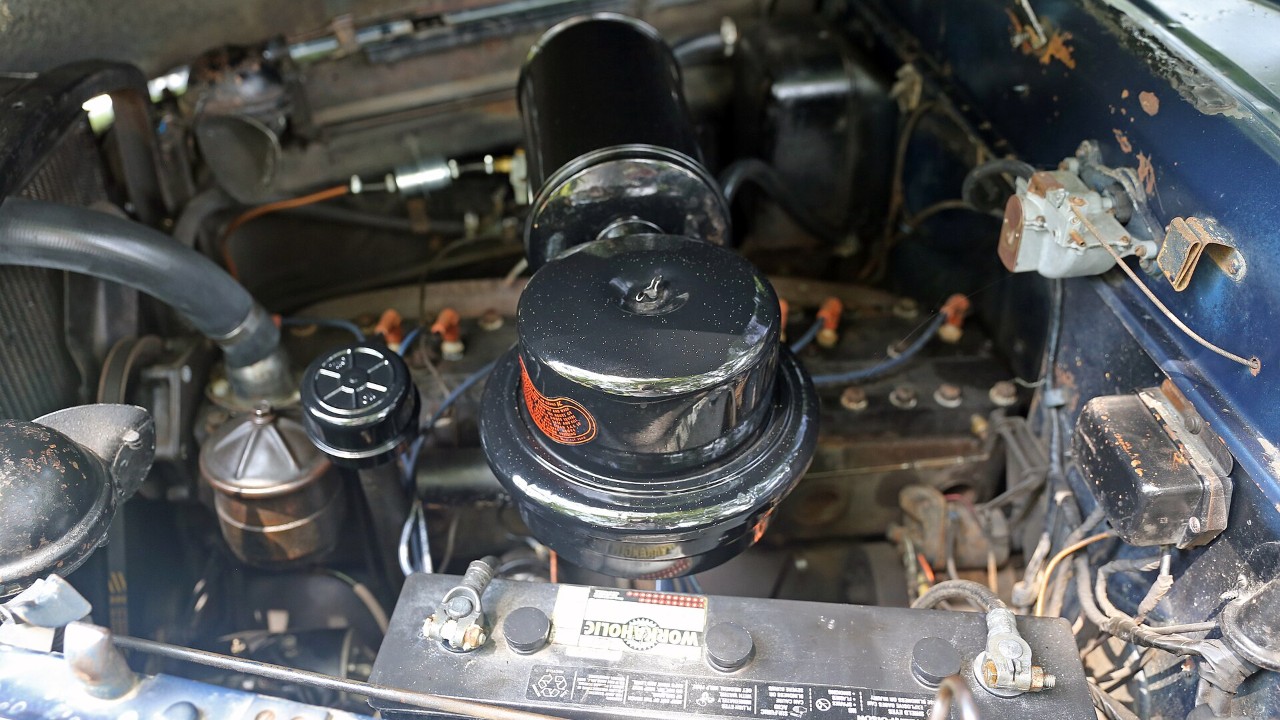
For about three decades, many American makers, from Buick to Hudson, put a straight-eight in their better cars. The run stretched from a Duesenberg shown in 1920 to a Pontiac and a Packard that lost their eights after 1954. These seven cars trace that run, in the order they arrived.
Each one used eight cylinders in a single line, so the hoods ran long. However, by 1955 the overhead-valve V8 had replaced every one of them.
1. 1921 Duesenberg Model A
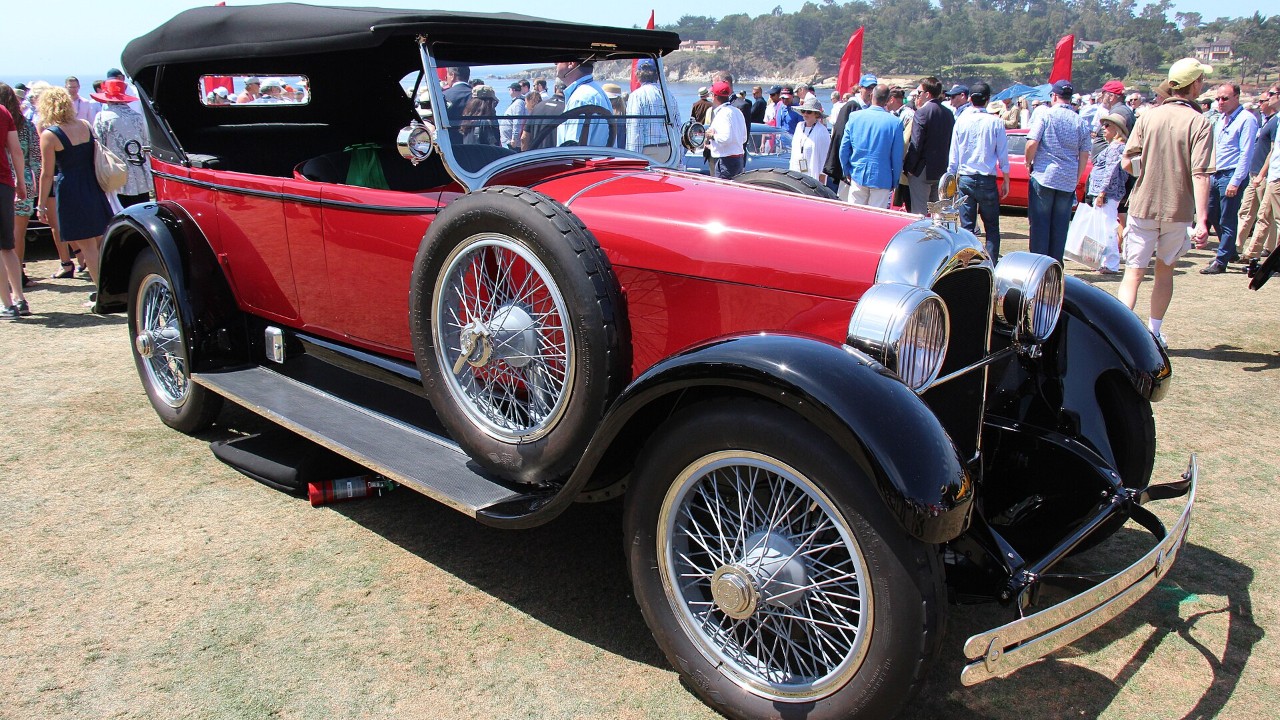
Duesenberg was racing at Indianapolis as early as 1914, well before it sold road cars. Its first production model went on show at the Hotel Commodore in New York in November 1920. Production then began in 1921, and full output reached steam in 1922.
According to Conceptcarz, the Model A was the first American car in series production with a straight-eight engine. Its single-overhead-cam eight displaced about 260 cubic inches and made 88 hp at 3,600 rpm. It also used Lockheed hydraulic brakes on all four wheels. The most-cited estimate puts production at roughly 650 cars, and Conceptcarz reports that fewer than 60 survive.
2. 1924 Packard Single Eight
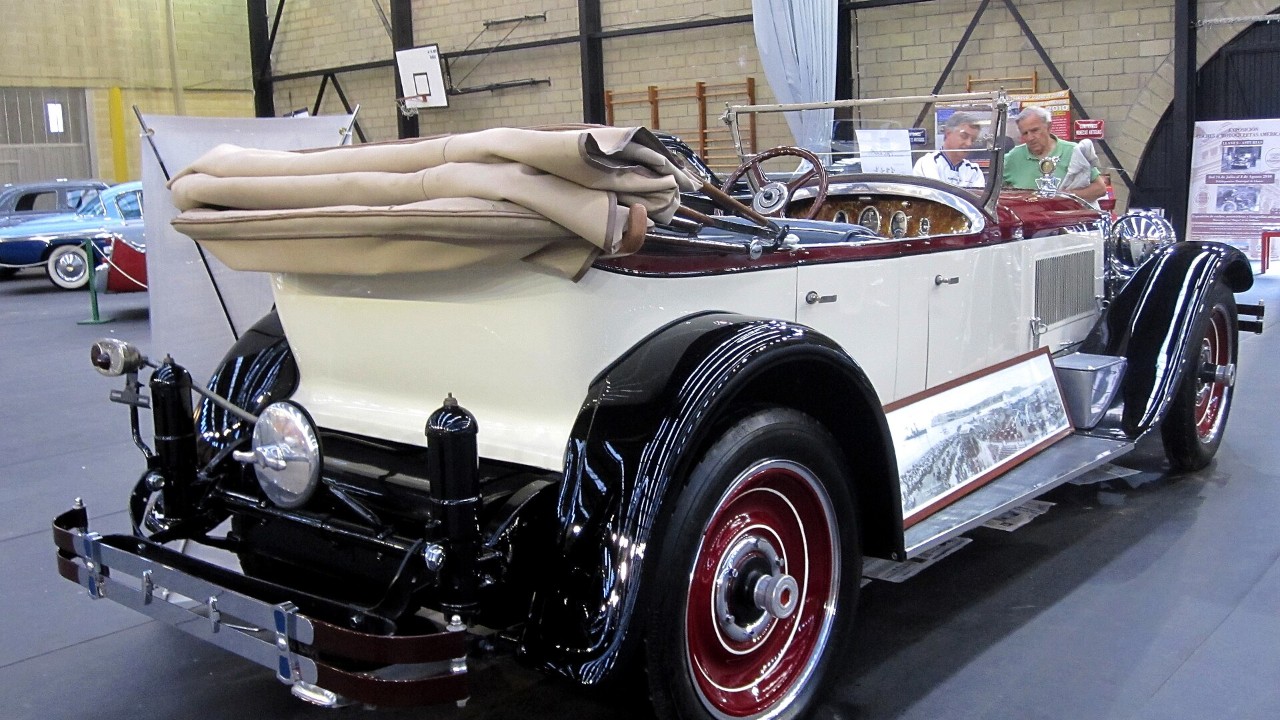
Packard introduced the Single Eight in June 1923, and it replaced the company’s V12 Twin Six. Engineering chief Jesse Vincent, who co-designed the Liberty aircraft engine, led the work. After that, the eight stayed a signature Packard feature through 1954.
The engine displaced 358 cubic inches and made 85 hp, according to Mac’s Motor City Garage. It had nine main bearings and a crankshaft that Vincent likened to “a four in the middle with half a four at each end.” Bonhams lists the same engine at 357.8 cubic inches and 85 hp at 3,000 rpm. The car also carried Packard’s first four-wheel brakes.
3. 1928 Studebaker President
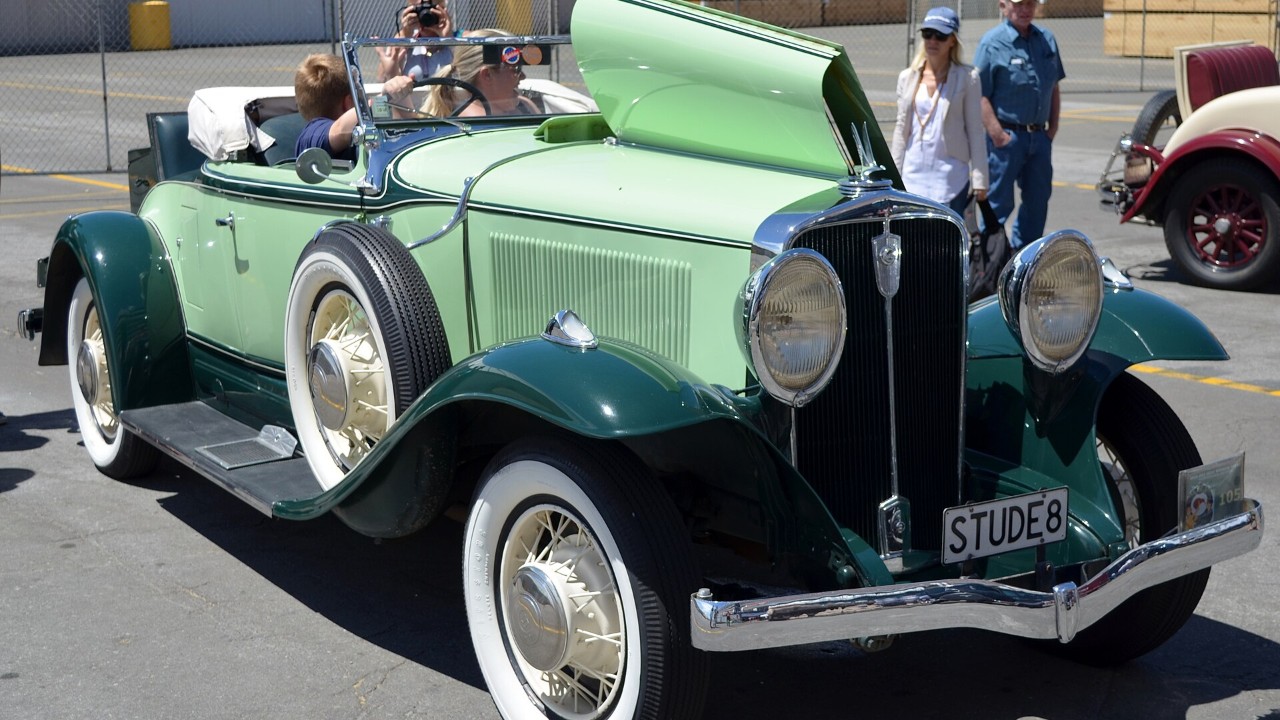
Studebaker’s top model got its eight in 1928, replacing a six. Chief engineer Delmar “Barney” Roos designed it after stints at Pierce-Arrow, Locomobile and Marmon. In fact, the new engine was smaller than the six but made more power.
According to Mac’s Motor City Garage, the 1928 L-head eight displaced 312.5 cubic inches and made 100 hp at 2,600 rpm. That was 25% more than the 354-cubic-inch Big Six it replaced. Later, displacement grew to 337 cubic inches. By 1932, nine main bearings helped the eight reach 122 hp at 3,200 rpm, while the Cadillac V8 was rated at 115 hp.
4. 1931 Buick Straight-Eight
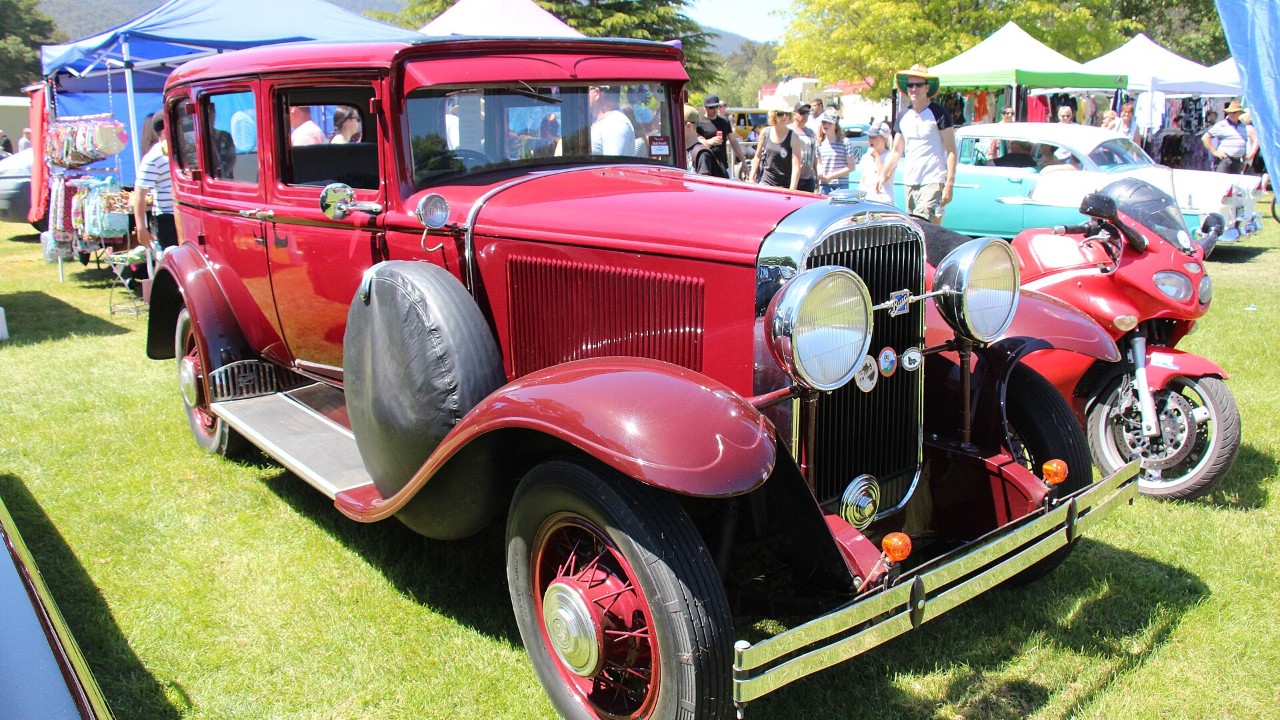
Buick dropped its six for 1931 and moved its whole range to eights. Chief engineer F.A. “Dutch” Bower and his team designed three sizes for the launch: 220.7, 272.6 and 344.8 cubic inches. Buick also put the valves overhead.
For example, Mac’s Motor City Garage contrasts those overhead valves with Cadillac’s L-head V8. Buick later marketed its combustion chamber as the Fireball, under the line “Every spark sets off a cyclone!” By 1952, a 320.2-cubic-inch version made 170 hp. Then, for 1953, Buick introduced a V8, and the straight-eight survived only in the Series 40 Special.
5. 1935 Auburn 851 Speedster
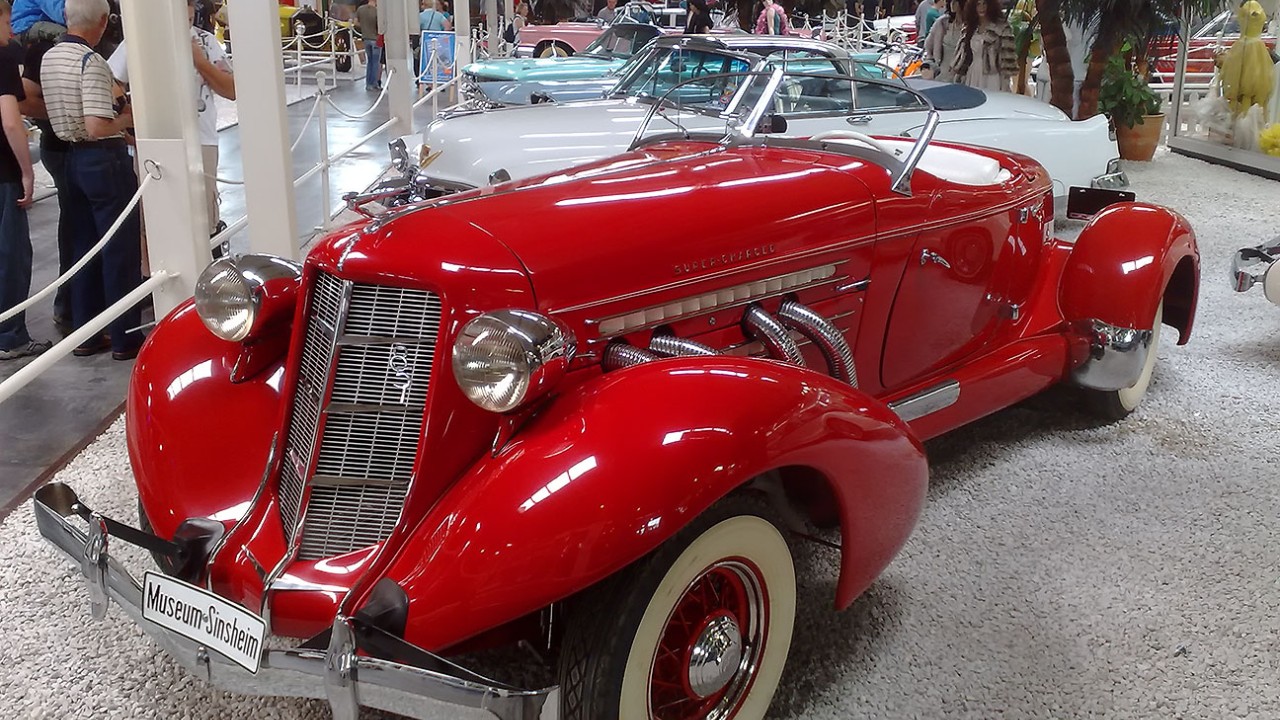
Auburn sold the 851 in 1935 and renamed it the 852 for 1936. Gordon Buehrig designed the 1935 restyle and the Speedster body. Under the hood, though, the eight came from Lycoming.
According to Conceptcarz, the Lycoming straight-eight displaced about 280 cubic inches. It made 115 hp naturally aspirated and 150 hp with a Schwitzer-Cummins centrifugal supercharger. Each Speedster carried a dash plaque, signed by record driver Ab Jenkins, certifying that the car had been driven over 100 mph before shipment. The Speedster listed at $2,245, yet Conceptcarz estimates Auburn lost about $300 on each one.
6. 1952 Hudson Commodore 8
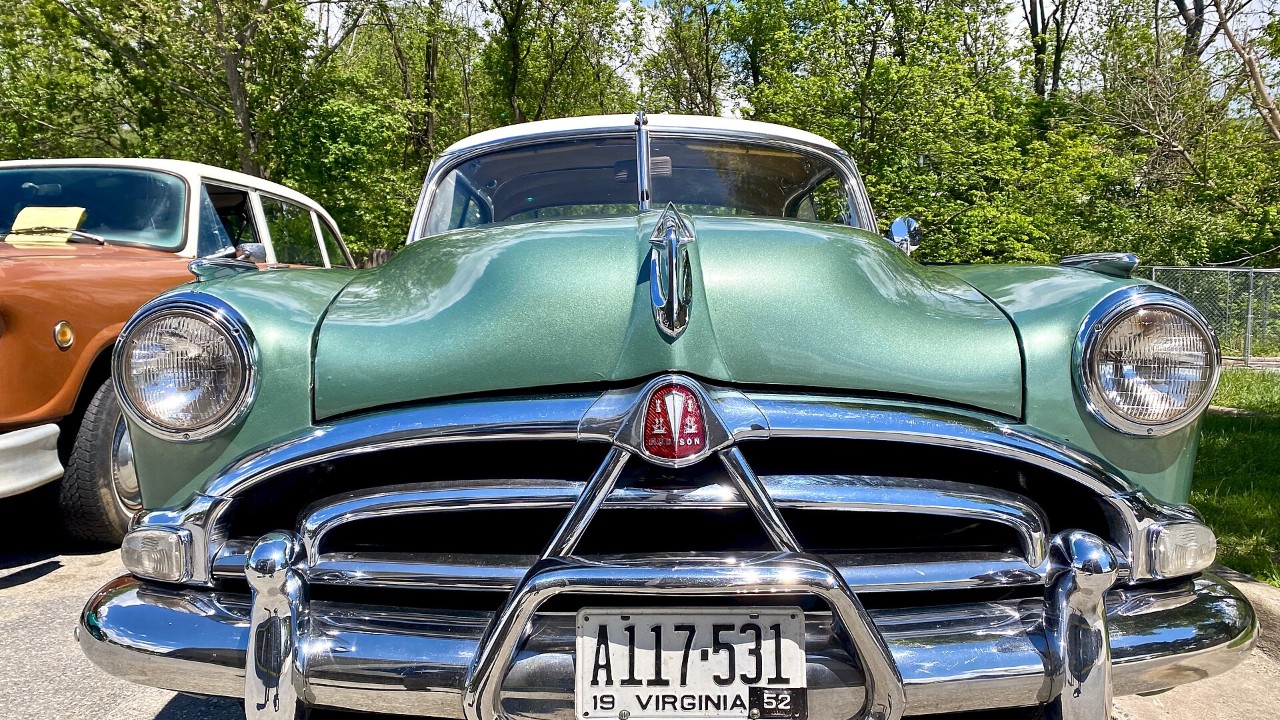
Hudson’s eight dated to its 1930 Great Eight. After the Step-Down body arrived in 1948, the eight served as Hudson’s premium engine. Then the company’s own six overtook it.
The 1952 Commodore 8 used a 254-cubic-inch eight rated at 128 hp, according to Mac’s Motor City Garage. Meanwhile, the 308-cubic-inch Hornet six, launched in 1951, offered up to 160 hp in Twin-H form. Hudson built only sixes from 1953 on. Conceptcarz counts 3,125 eight-cylinder Commodores in that final 1952 run.
7. 1954 Pontiac Star Chief
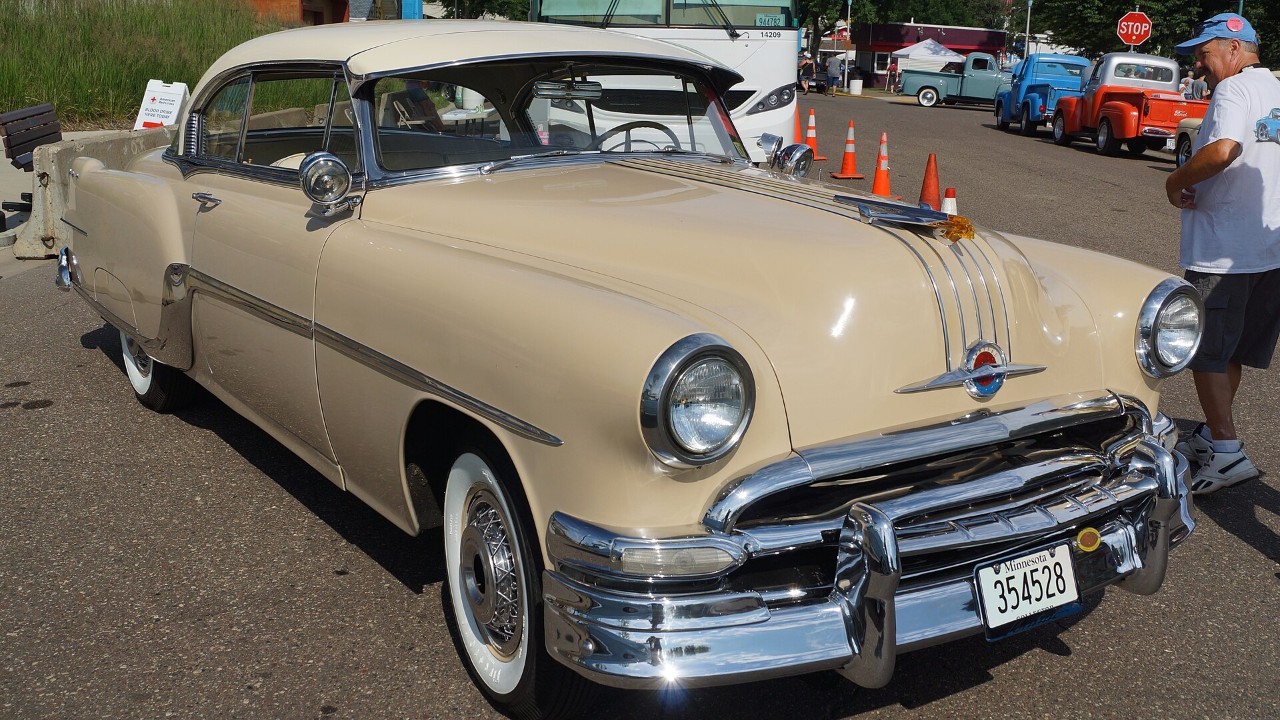
Pontiac launched its eight for 1933 as the Economy Eight, billed as “the lowest-priced straight eight on the market.” That first engine displaced 223.4 cubic inches and made 77 hp, according to Mac’s Motor City Garage. By 1954, Pontiac and Packard were the only inline eights left on the U.S. market.
That year, the new Star Chief came standard with a 268.4-cubic-inch L-head eight. It made 122 hp, or 127 hp with the optional Hydra-Matic, per Mac’s 1954 Star Chief history. For 1955, Pontiac switched to its Strato-Streak V8. Packard’s final eight, the 1954 359-cubic-inch Thunderbolt, is the one Hagerty calls “the swan song for the American L-head straight-eight engine.”
More from Fast Lane Only
- Unboxing the WWII Jeep in a Crate
- 15 rare Chevys collectors are quietly buying
- 10 underrated V8s still worth hunting down
- Police notice this before you even roll window down
This article was created with the help of AI and was reviewed and edited by Fast Lane Only editors before publication.