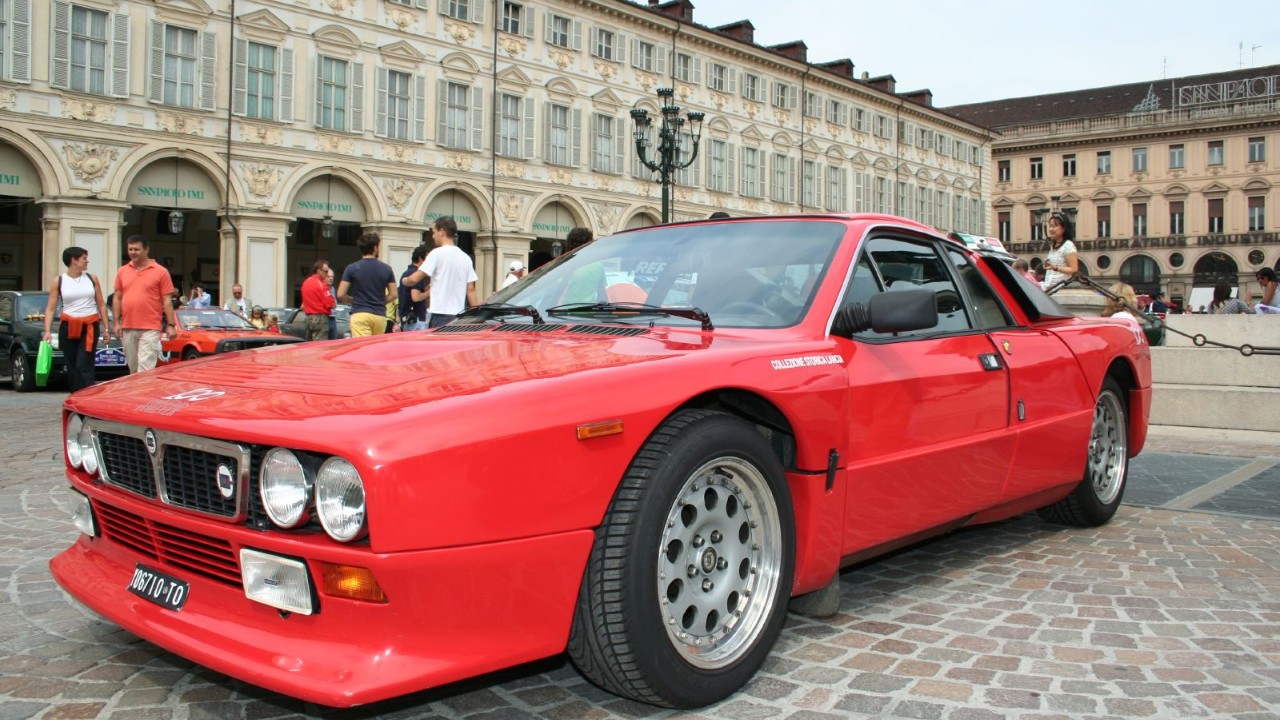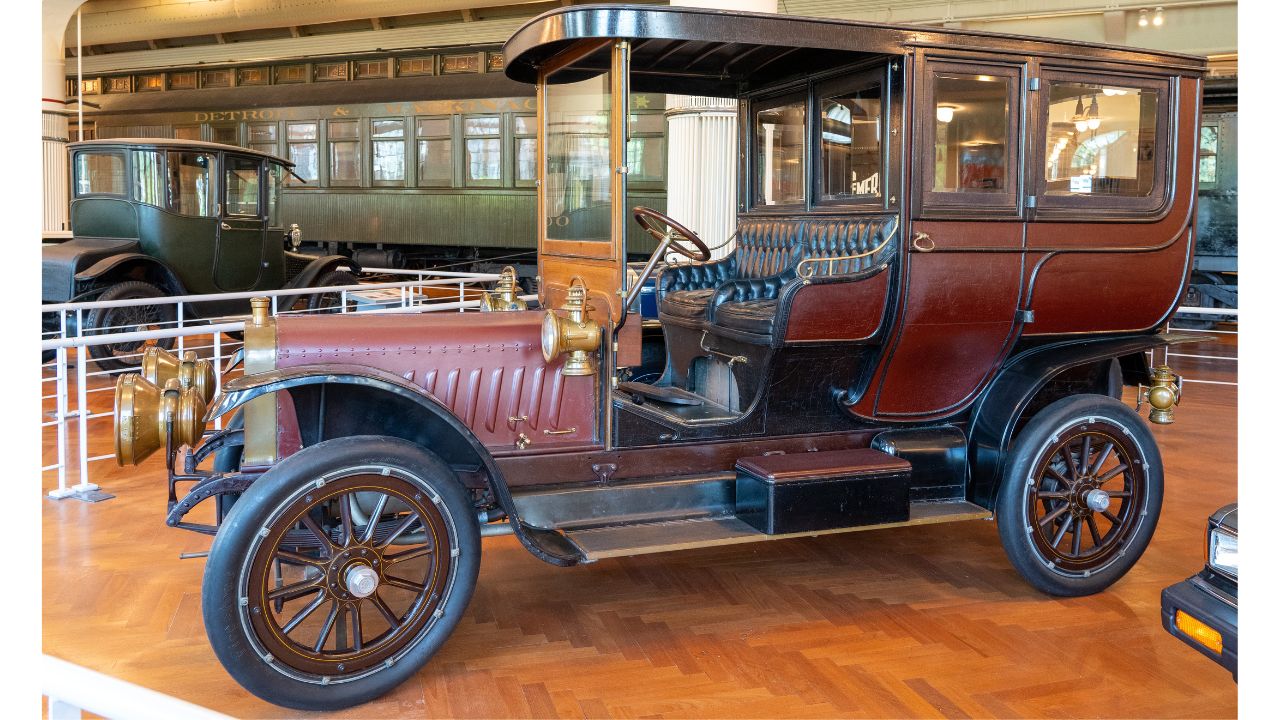
The Brass Era produced automobiles capable of traveling farther and faster than the roads of their time often allowed. Many drivers navigated muddy trails, dusty wagon paths, and unreliable bridges long before modern highways existed. These 7 automobiles showcased remarkable engineering ambition, proving that automotive technology was advancing faster than the infrastructure built to support it.
Thomas Flyer
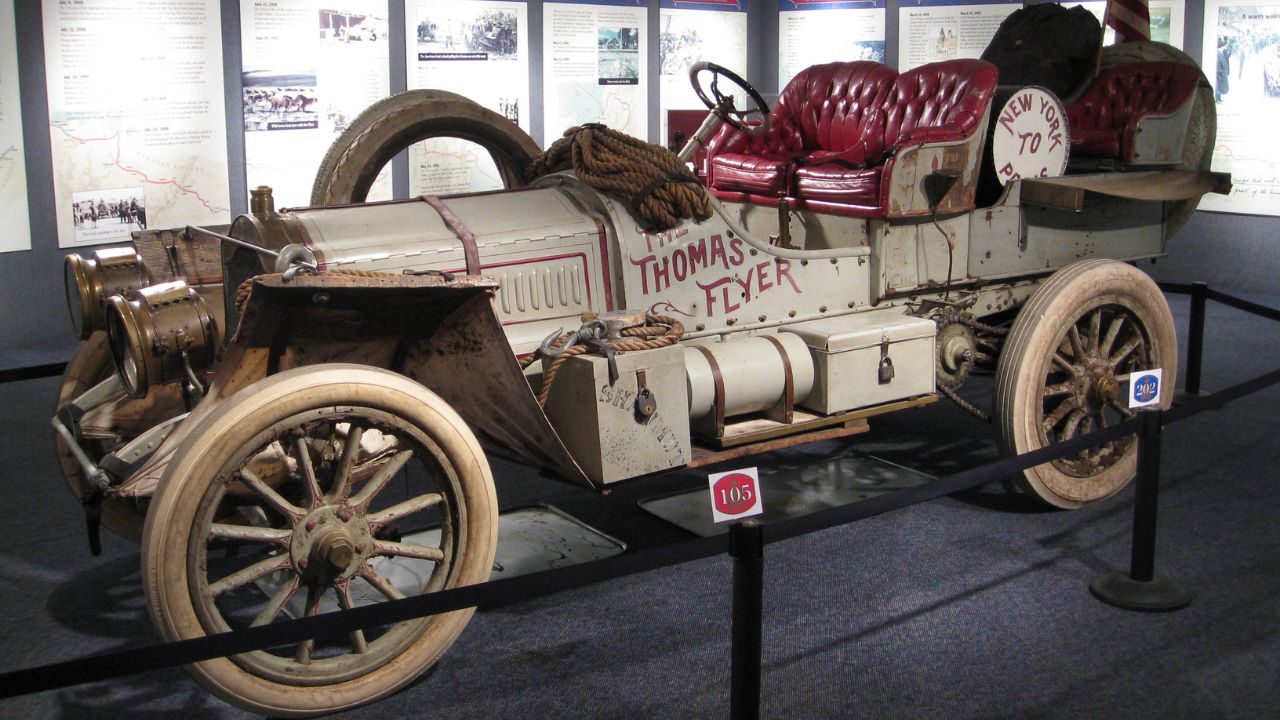
The Thomas Flyer became legendary for its endurance after conquering some of the world’s most unforgiving terrain. Designed for reliability rather than luxury, it demonstrated that automobiles could survive extreme conditions despite the lack of developed road networks. Its success in long-distance competition inspired confidence in motor vehicles and highlighted the growing need for better roads to match advancing automotive capabilities.
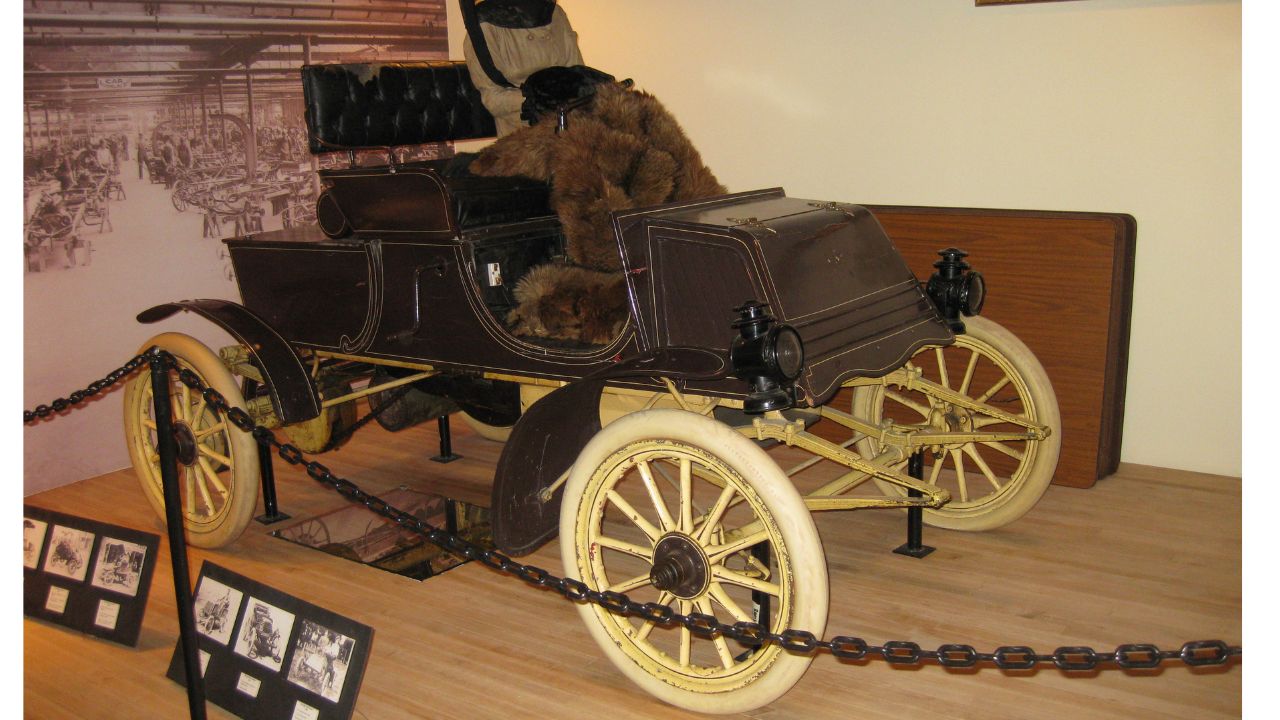
Rambler Model C
Richie Diesterheft – CC BY 2.0 / flickr
The Rambler Model C represented one of America’s earliest practical automobiles, offering dependable engineering at a time when paved roads were scarce. Its compact size and straightforward mechanical design made it easier to operate than many larger contemporaries. Owners often faced rough rural routes, yet the vehicle proved capable of handling demanding conditions, reinforcing the practicality of personal motorized transportation.
Pierce Great Arrow
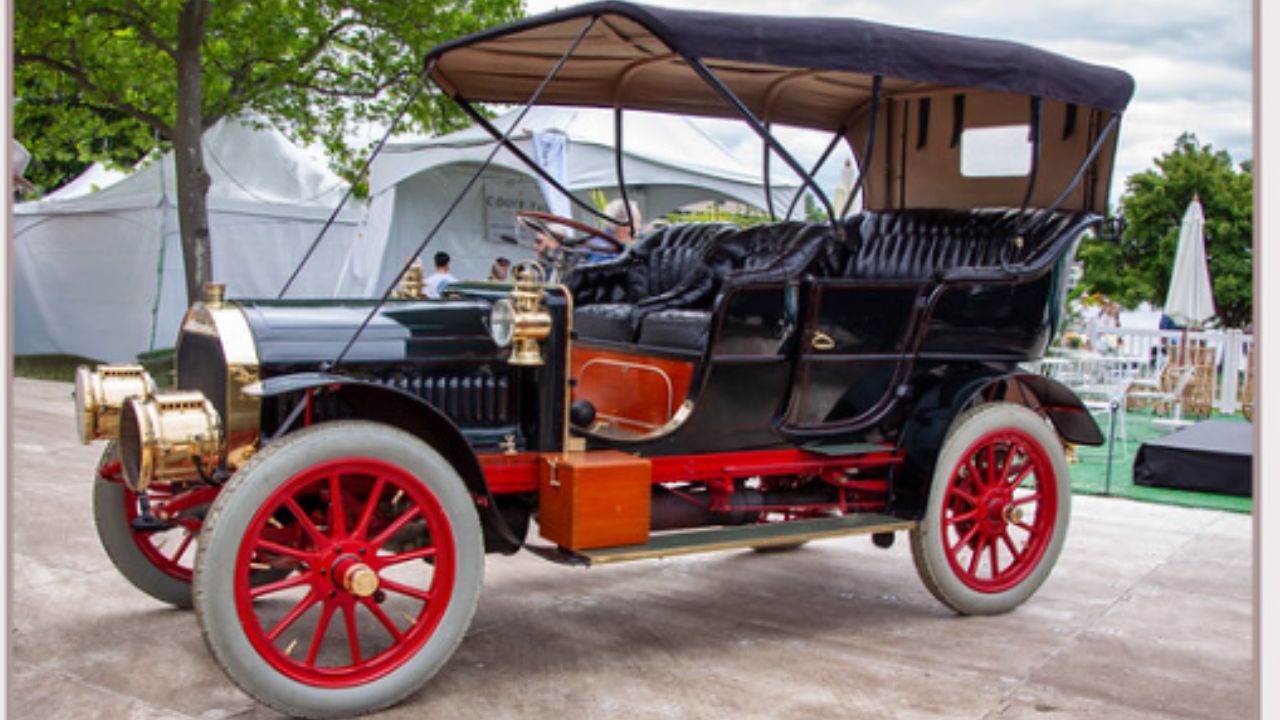
The Pierce Great Arrow earned widespread respect through endurance trials that pushed both vehicle and driver across difficult roads. Its powerful engine, durable construction, and dependable performance allowed it to complete demanding journeys that many believed impossible. These accomplishments demonstrated that automobile engineering was progressing rapidly, even though public infrastructure still struggled to accommodate long-distance motoring.
White Model G Steam Car
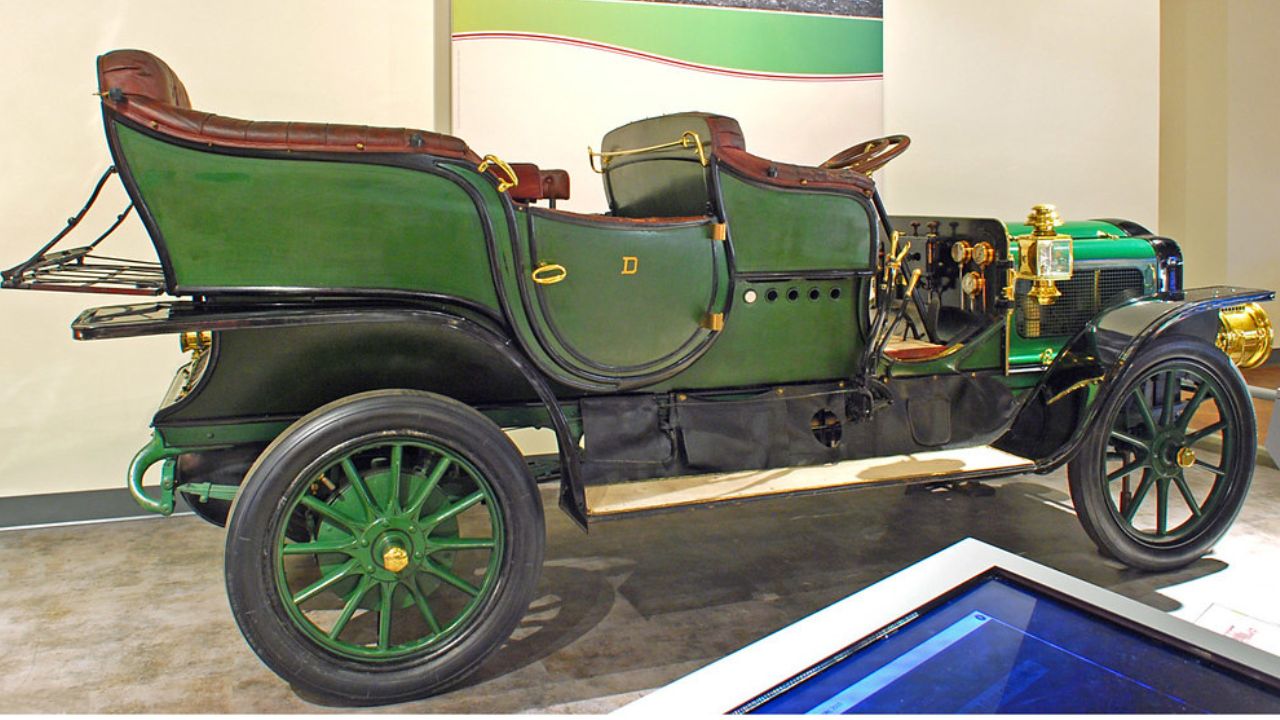
The White Model G Steam Car showed that steam-powered automobiles remained serious contenders during the early years of motoring. Its smooth and quiet operation appealed to buyers willing to manage its unique operating procedures. Despite traveling over rough, undeveloped roads, the vehicle displayed remarkable capability. It reflected an era when competing technologies were racing to define the future of personal transportation.
Knox Model R
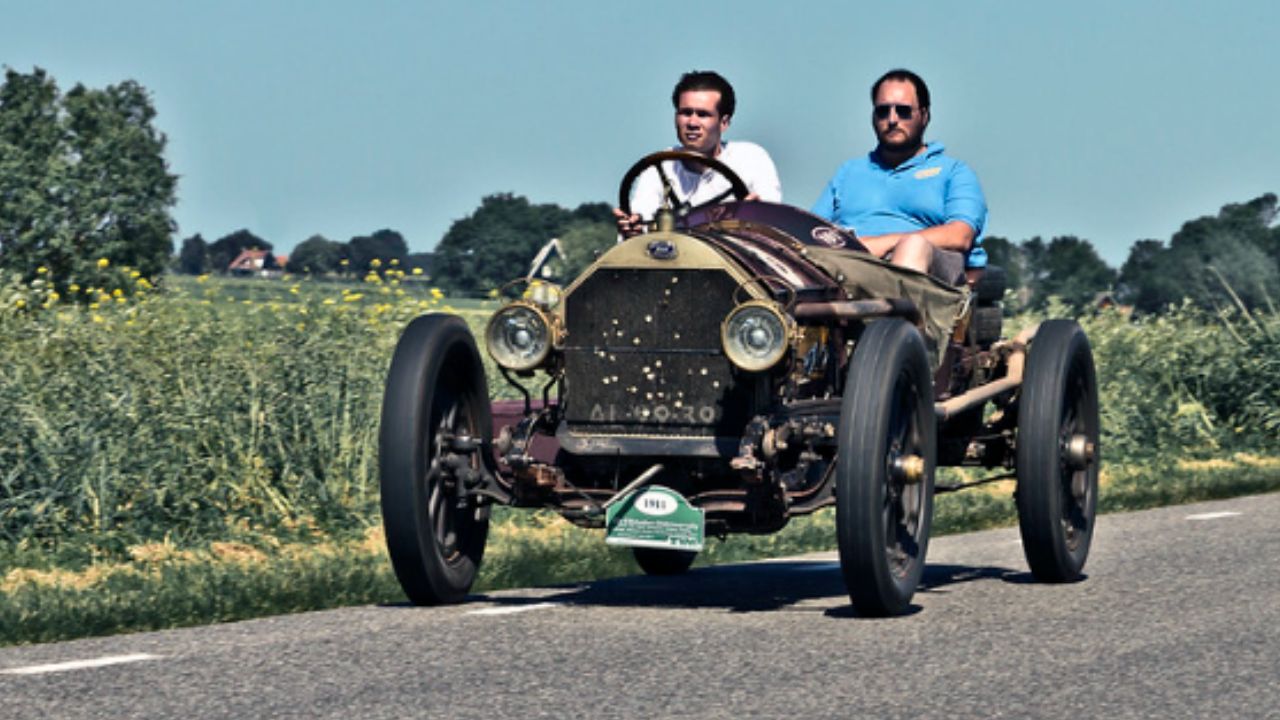
The Knox Model R featured an air-cooled engine that eliminated the need for a conventional radiator, simplifying operation in challenging environments. Its sturdy construction helped it navigate rough roads where mud, dust, and uneven surfaces constantly tested early automobiles. Enthusiasts continue to admire the Knox because it demonstrated creative engineering solutions long before reliable highways became common across the countryside.
Stevens-Duryea Model U
Jaci Starkey – All rights reserved / flickr
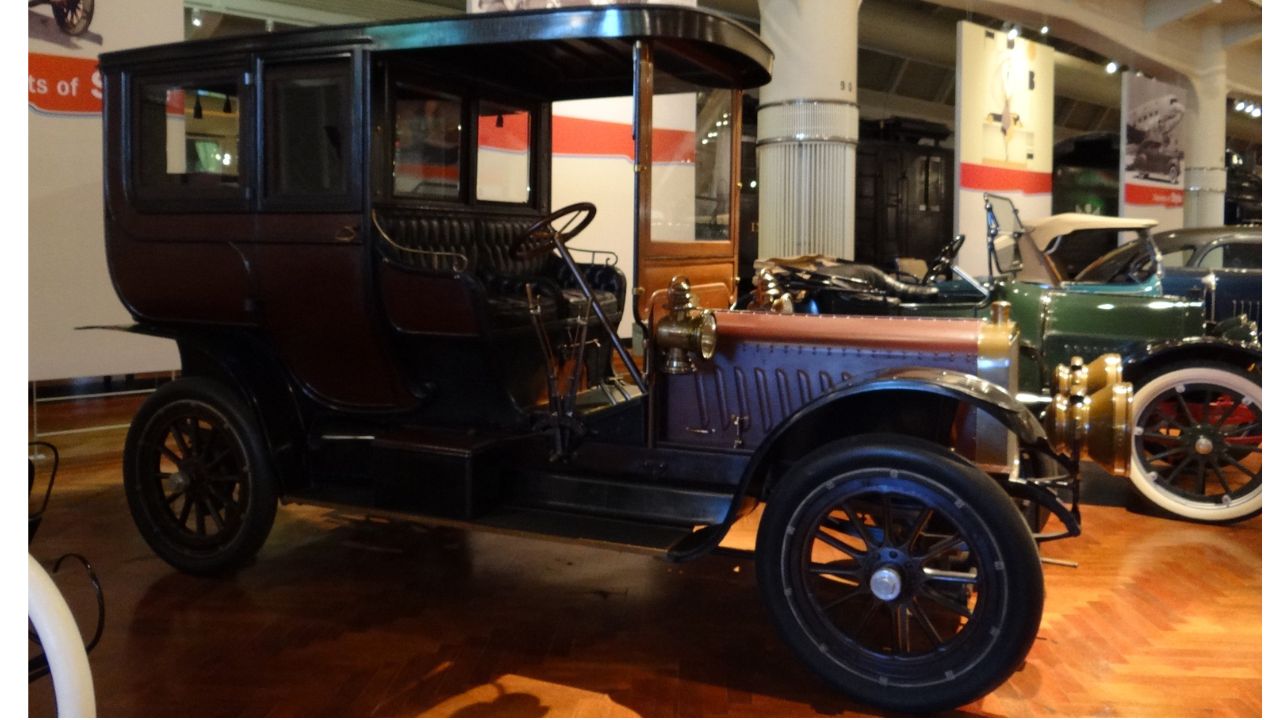
The Stevens-Duryea Model U combined quality craftsmanship with dependable mechanical engineering, making it a favorite among affluent early motorists. Long-distance travel remained unpredictable due to poor road conditions, yet the vehicle earned praise for its durability and smooth performance. It represented the growing confidence of manufacturers who believed automobiles were capable of far more than existing transportation infrastructure allowed.
American Underslung Traveler
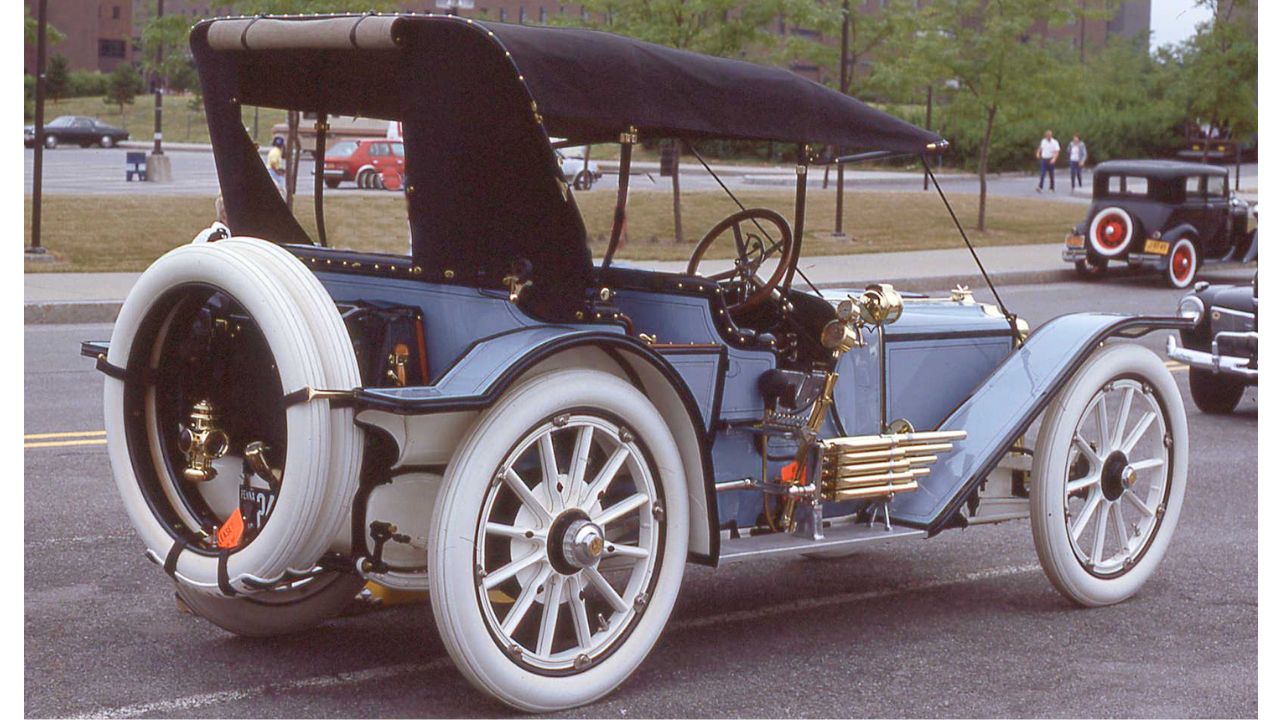
Richard Spiegelman -All rights reserved
/ flickr
The American Underslung Traveler stood out with its unusually low chassis, giving it sporty handling despite operating on roads rarely suited to such a design. While many routes remained little more than wagon tracks, the car showcased bold engineering and distinctive styling that looked well ahead of its time. It embodied the optimism of the Brass Era, when innovation frequently outpaced the world’s transportation infrastructure.
More from Fast Lane Only
- Unboxing the WWII Jeep in a Crate
- 15 rare Chevys collectors are quietly buying
- 10 underrated V8s still worth hunting down
- Police notice this before you even roll window down
*Research for this article included AI assistance, with all final content reviewed by human editors