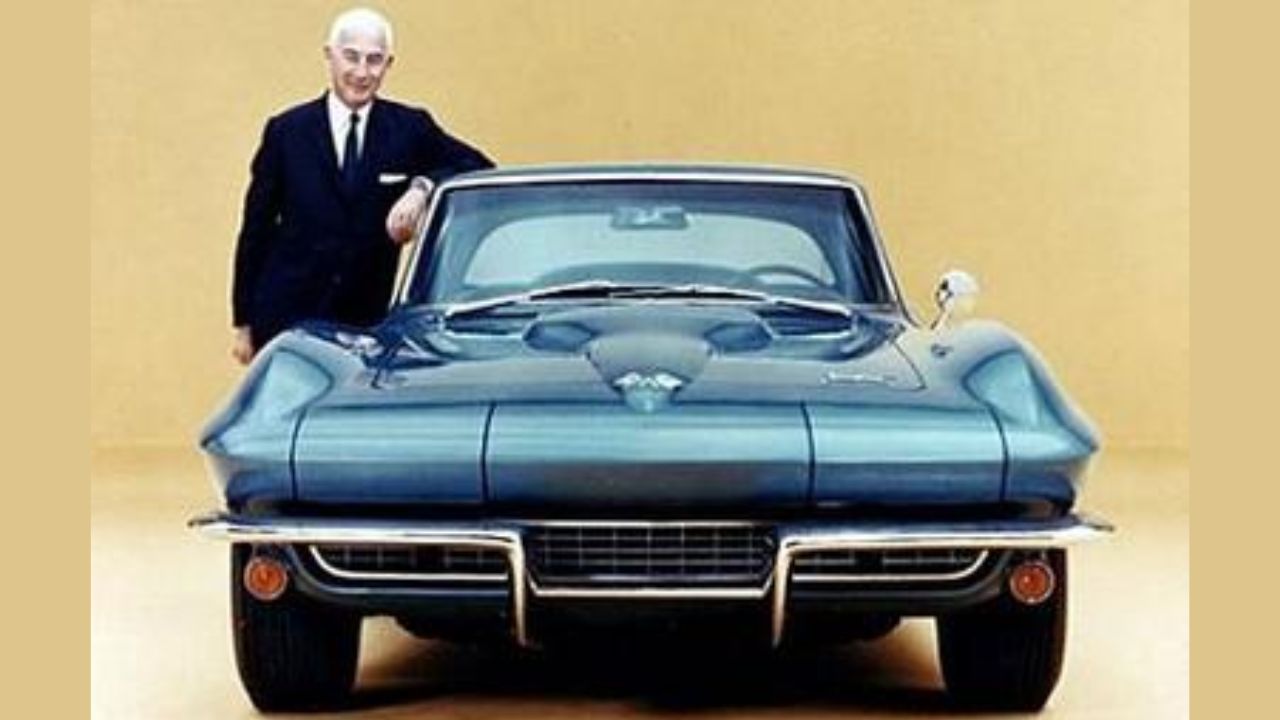
Zora Arkus-Duntov, often referred to as the “Father of the Corvette,” played a crucial role in transforming the Corvette from a modest sports car into an iconic American symbol of performance and style. His innovative engineering, passionate advocacy, and dedication to performance-focused design solidified his legacy in automotive history.
Early Life and Education
Born in Belgium in 1909, Zora Arkus-Duntov’s early fascination with engineering and automobiles was deeply influenced by his father, who was an engineer himself. This familial inspiration laid the groundwork for his future career. Zora’s keen interest in mechanics and design was evident from a young age, leading him to pursue formal education in the field. He attended the Free University of Brussels, where he earned a degree in mechanical engineering. His studies equipped him with the technical knowledge and skills necessary to excel in the automotive world.
In 1934, Zora made the pivotal decision to immigrate to the United States, a move that would ultimately change the trajectory of his life and career. Although he faced challenges as an immigrant—such as language barriers and cultural adjustments—he remained determined to find his place in the burgeoning automotive industry. His resilience and ingenuity allowed him to navigate these obstacles, leading to a fruitful career that would cement his status as a legendary figure in American automotive history.
Joining General Motors
Zora Arkus-Duntov began his career at General Motors (GM) in 1935, taking on various engineering projects that showcased his talents and innovative thinking. His early years at GM were marked by a commitment to excellence, and he quickly gained recognition for his contributions. During World War II, Zora’s engineering capabilities were put to the test as he worked on military vehicles. This experience not only honed his skills but also demonstrated his ability to adapt and innovate under pressure.
In 1948, Zora was assigned to the Chevrolet division, where he would make a lasting impact on the Corvette. His arrival coincided with the introduction of the Corvette concept, and he soon recognized the potential of this new sports car. Zora became a staunch advocate for its development, determined to transform the Corvette into a high-performance vehicle that could compete on the world stage. His vision for the Corvette set the stage for a revolution in American sports cars, one that would define his legacy.
The Birth of the Corvette
The Corvette was introduced to the public in 1953 as America’s first true sports car. However, its initial performance and sales figures were disappointing. Zora Arkus-Duntov saw beyond the car’s shortcomings and recognized its untapped potential. As a passionate advocate for the Corvette, he dedicated himself to enhancing its performance and appeal. His early contributions included engineering modifications that improved handling and driving dynamics, laying the groundwork for subsequent innovations.
In the years following its introduction, Zora’s influence became increasingly apparent. He tirelessly promoted the Corvette to executives within GM, emphasizing the importance of performance in establishing the car’s identity. His tenacity paid off as he implemented a series of engineering enhancements, transforming the Corvette into a vehicle that would capture the hearts of car enthusiasts across the nation. Zora’s relentless pursuit of excellence helped to solidify the Corvette’s reputation and set it on a path toward becoming an American automotive icon.
Innovations and Contributions
One of Zora Arkus-Duntov’s most significant contributions to the Corvette was the introduction of the small-block V8 engine in 1955. This groundbreaking innovation dramatically increased the Corvette’s power output and transformed it into a formidable competitor in the sports car market. The small-block V8 engine not only enhanced the car’s performance but also contributed to its appeal among a wider audience, solidifying its status as a symbol of American muscle.
In addition to the engine advancements, Zora pioneered the use of fiberglass bodies in the Corvette. This innovative approach made the car lighter, resulting in improved agility and performance. The lightweight design allowed for better acceleration and handling, distinguishing the Corvette from its competitors. His focus on racing and performance led to the development of models like the Corvette Sting Ray, which would go on to become one of the most celebrated iterations of the Corvette line.
Racing and the Corvette’s Legacy
Zora Arkus-Duntov was not only an engineer but also a fervent supporter of the Corvette’s participation in racing events. He believed that competing in motorsport would enhance the car’s credibility and showcase its performance capabilities. Under his guidance, the Corvette began to participate in various racing events, gaining recognition and respect among automotive enthusiasts and competitors alike.
One of Zora’s most ambitious projects was the development of the Corvette Grand Sport, a racing model designed to compete at the highest levels. The Grand Sport was a testament to Zora’s vision for the Corvette as a performance-oriented sports car. Although the program faced challenges, including corporate pushback, it marked a significant milestone in the Corvette’s racing legacy. The success of the Corvette in various racing formats helped to solidify its status as an American sports car icon, further enhancing Zora’s reputation as its father.
Challenges and Controversies
Throughout his career, Zora Arkus-Duntov faced resistance within General Motors regarding his vision for the Corvette’s performance. Many executives were skeptical of the transition from a simple sports car to a high-performance vehicle. Zora’s insistence on prioritizing performance sometimes put him at odds with corporate management, leading to challenges in implementing his innovative ideas.
Despite these obstacles, Zora remained steadfast in his commitment to the Corvette. His passionate advocacy for performance-oriented design was often met with skepticism, but he continued to push for improvements that would elevate the Corvette’s status in the automotive world. His ability to navigate corporate politics and maintain his vision is a testament to his dedication to the car and its legacy. Ultimately, Zora’s contributions would prove invaluable, as the Corvette evolved into a high-performance vehicle that captured the imagination of car enthusiasts everywhere.
Retirement and Legacy
Zora Arkus-Duntov retired from General Motors in 1975, but his influence in the automotive community continued long after his departure. His contributions to the Corvette were recognized with numerous awards and honors, celebrating his role in shaping one of America’s most beloved sports cars. Zora’s legacy is not only defined by the innovations he brought to the Corvette but also by the spirit of performance and engineering excellence that he instilled in the brand.
In recognition of his impact, the Zora Arkus-Duntov Award of Excellence was established to honor individuals who embody his spirit of innovation and performance. This award serves as a reminder of Zora’s dedication to engineering excellence and his lasting influence on the automotive industry. His work continues to inspire future generations of automotive enthusiasts and engineers, ensuring that his legacy will endure for years to come.
Corvette Museum and Recognition
The National Corvette Museum stands as a testament to Zora Arkus-Duntov’s enduring legacy. The museum honors his contributions to the Corvette’s history and showcases the evolution of this iconic American sports car. Among the exhibits are Zora’s personal vehicles, including his customized 1974 Stingray, which highlight his passion for performance and design.
Visitors to the museum can explore the rich history of the Corvette and appreciate the innovations that Zora championed. His impact on automotive design and engineering continues to resonate, inspiring future generations of car enthusiasts. The preservation of Zora’s personal vehicles serves as a reminder of his dedication to the craft and his unwavering commitment to excellence in performance. For those interested in learning more about Zora Arkus-Duntov and his contributions, the National Corvette Museum offers a wealth of information and resources.
More from Fast Lane Only