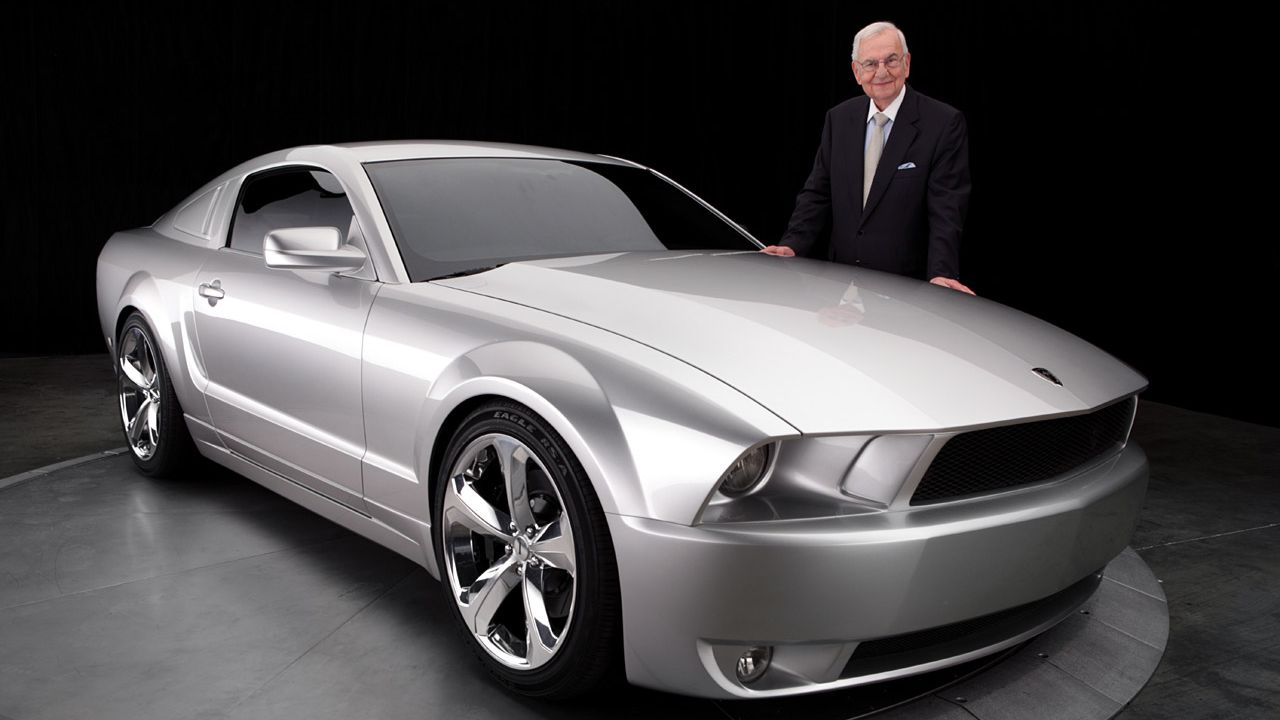
Lee Iacocca, an iconic figure in the automotive industry, played a pivotal role in shaping modern American car culture. His visionary leadership not only saved Chrysler from the brink of bankruptcy but also gave birth to groundbreaking vehicles like the Mustang, solidifying his legacy in automotive history.
The Rise of Lee Iacocca
Born on October 15, 1924, in Allentown, Pennsylvania, Lee Iacocca’s early life was marked by modest beginnings. His parents, both of Italian descent, instilled in him the values of hard work and determination. After graduating from Lehigh University with a degree in industrial engineering, Iacocca began his career in the automotive industry, where he would soon make a name for himself.
Initially joining the Ford Motor Company in 1946, Iacocca quickly distinguished himself through his innovative thinking and relentless drive. His ability to connect with customers and understand market trends would become a hallmark of his career. Under the mentorship of Henry Ford II, Iacocca learned the intricacies of automotive management, which would later serve him well in his career at Chrysler.
The Birth of the Ford Mustang
In the early 1960s, as American car buyers began seeking more stylish, affordable vehicles, Iacocca recognized a unique market opportunity. He envisioned a new type of car that would capture the youthful spirit of the era, leading to the creation of the Ford Mustang. This revolutionary vehicle was designed to appeal to a younger demographic, and its introduction in 1964 marked a significant moment in automotive history.
The marketing strategy behind the Mustang was as groundbreaking as the car itself. Iacocca implemented innovative advertising techniques, including the launch of a nationwide marketing campaign that emphasized the Mustang’s sporty image. The result was unprecedented success; within just a few months, the Mustang became an instant cultural phenomenon, selling over 400,000 units in its first year. This success not only solidified Ford’s position in the automotive market but also established the pony car segment, inspiring competitors to create their own versions.
Leadership at Chrysler
After a successful stint at Ford, Iacocca faced a new challenge when he joined Chrysler in 1978. At the time, Chrysler was struggling with financial losses and a declining market share. Iacocca’s leadership style, characterized by his hands-on approach and ability to inspire his team, proved crucial in turning the company around. He quickly assessed the situation and began implementing strategies to stabilize Chrysler during this turbulent period.
One of the most controversial yet effective strategies Iacocca employed was negotiating a government loan to help Chrysler survive its financial crisis. In 1979, he approached the federal government and successfully secured a $1.5 billion loan guarantee, which allowed the company to restructure and invest in new vehicle designs. This bold move not only saved Chrysler but also set a precedent for government involvement in the automotive industry during tough economic times.
The Chrysler K-Car: A Game Changer
One of Iacocca’s most significant achievements at Chrysler was the introduction of the K-Car platform in the early 1980s. This model served as the backbone of Chrysler’s product lineup and played a crucial role in the company’s revival. The K-Car was designed to be affordable, efficient, and versatile, addressing the needs of the American consumer during an economic downturn.
Iacocca focused on cost-cutting measures and streamlining production processes to ensure the K-Car’s success. By sharing components across multiple models, Chrysler was able to reduce manufacturing costs without sacrificing quality. The K-Car received a positive market response, with consumers appreciating its practicality and affordability. Sales soared, and Chrysler’s financial recovery became evident as the company returned to profitability within a few years.
Innovation and Marketing Vision
Throughout his career, Iacocca emphasized the importance of understanding consumer needs. He believed that listening to customer feedback was essential for creating vehicles that resonated with buyers. This commitment to consumer insight led to the development of innovative features in Chrysler vehicles, such as the introduction of fuel-efficient models during the oil crisis of the late 1970s and early 1980s.
In addition to prioritizing customer feedback, Iacocca was a master at branding and advertising. He redefined Chrysler’s image through clever marketing campaigns that highlighted the unique aspects of its vehicles. By leveraging popular culture and engaging in strategic partnerships, Iacocca successfully positioned Chrysler as a forward-thinking company. The company’s advertising efforts during this period, including memorable commercials featuring the K-Car and the iconic Dodge Caravan, helped reshape public perception and boost sales.
The Legacy of the Minivan
One of Iacocca’s lasting contributions to the automotive industry was the conceptualization of the minivan. In the early 1980s, he recognized a gap in the market for a family-friendly vehicle that combined the spaciousness of a van with the maneuverability of a car. The result was the Dodge Caravan, introduced in 1983, which became an instant hit among families looking for practicality and comfort.
The design of the minivan included innovative features such as sliding side doors and a flexible interior layout that could accommodate both passengers and cargo. This versatility made the minivan a staple in American households, and it would go on to influence the design of family vehicles for decades. The success of the minivan solidified Iacocca’s reputation as an innovator in the automotive industry, changing the way families approached transportation.
Challenges and Controversies
Despite his many successes, Iacocca faced criticism regarding his leadership style and corporate culture at Chrysler. Some employees described his management approach as demanding, arguing that he could be harsh in his expectations. This criticism, however, was often overshadowed by the positive outcomes of his leadership during challenging times.
Moreover, navigating the economic challenges of the 1980s recession was no easy feat. As Chrysler struggled to maintain its market share, Iacocca’s decisions were scrutinized by both the media and the public. While some viewed his government loan negotiations as a necessary lifeline, others criticized the idea of taxpayer money bailing out a private corporation. Nevertheless, Iacocca’s ability to steer Chrysler through these turbulent waters ultimately reinforced his legacy as a resilient leader in the automotive sector.
The Enduring Impact on the Automotive Industry
Lee Iacocca’s influence on the automotive industry extends far beyond his tenure at Chrysler and Ford. His management style and innovative thinking have inspired countless leaders across various sectors. Future automotive executives have looked to Iacocca’s career as a blueprint for success, particularly in times of crisis. His ability to adapt to changing market conditions and consumer preferences remains a valuable lesson for business leaders today.
Furthermore, Iacocca’s legacy of innovation continues to resonate within the automotive industry. The principles he championed—such as embracing technology, understanding consumer needs, and fostering a culture of innovation—have become standard practices for car manufacturers. His contributions to the design and marketing of vehicles, particularly the Mustang and the minivan, have left an indelible mark on American automotive culture, influencing generations of car enthusiasts and everyday drivers alike.
More from Fast Lane Only