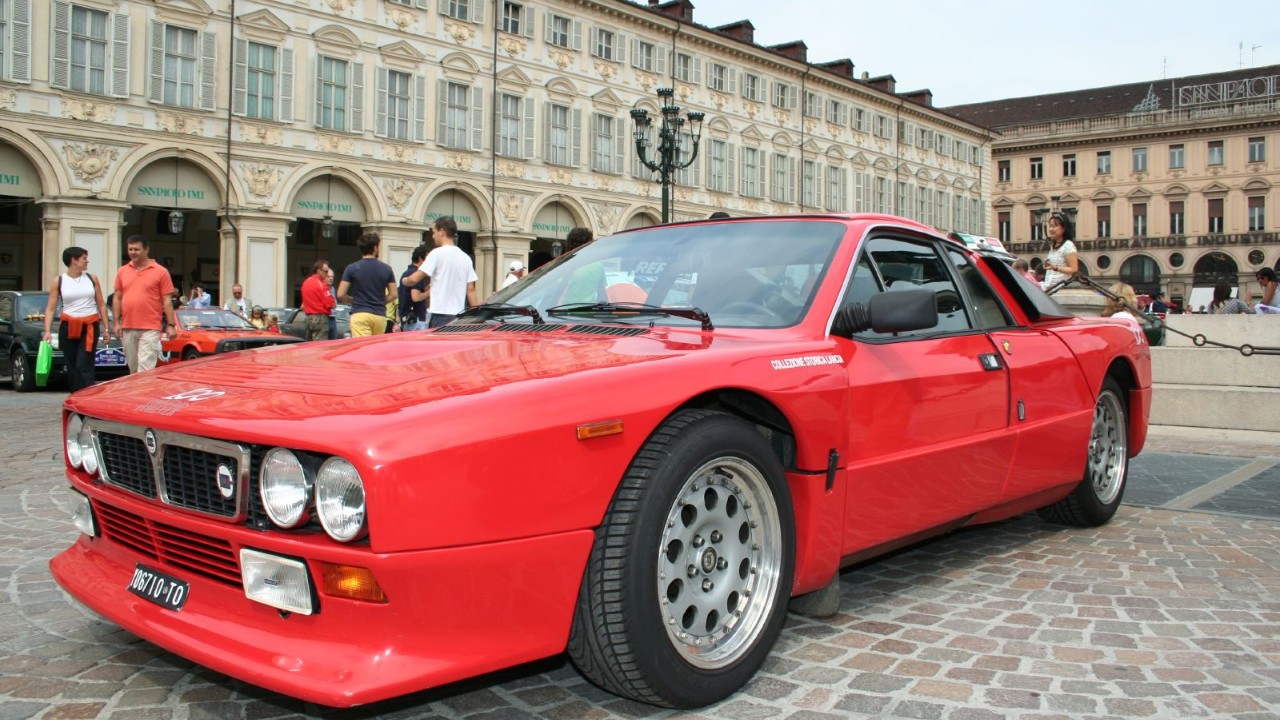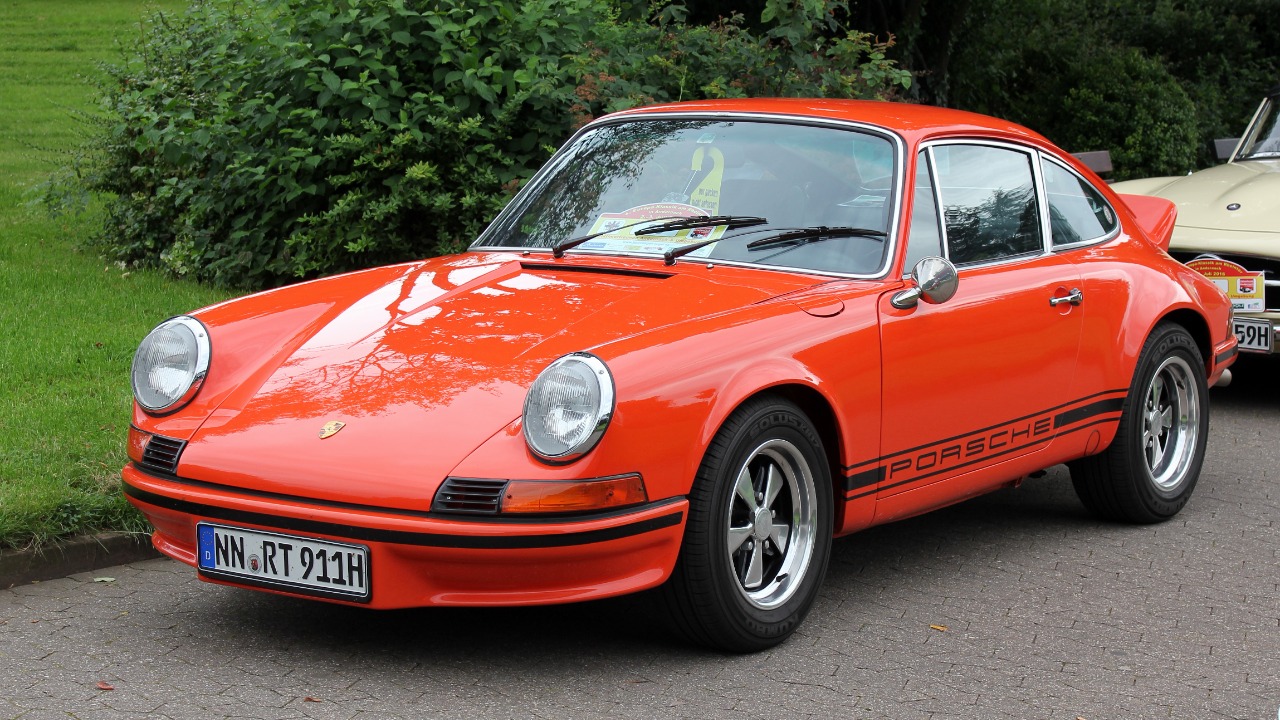
Classic cars have a timeless appeal that continues to capture the hearts of enthusiasts and collectors alike. Even as the automotive landscape evolves, certain models have remained iconic, gaining respect for their engineering, design, and cultural significance. Here are seven classic cars that not only stand the test of time but are also becoming increasingly revered in today’s automotive community.
Ford Mustang (1964-present)
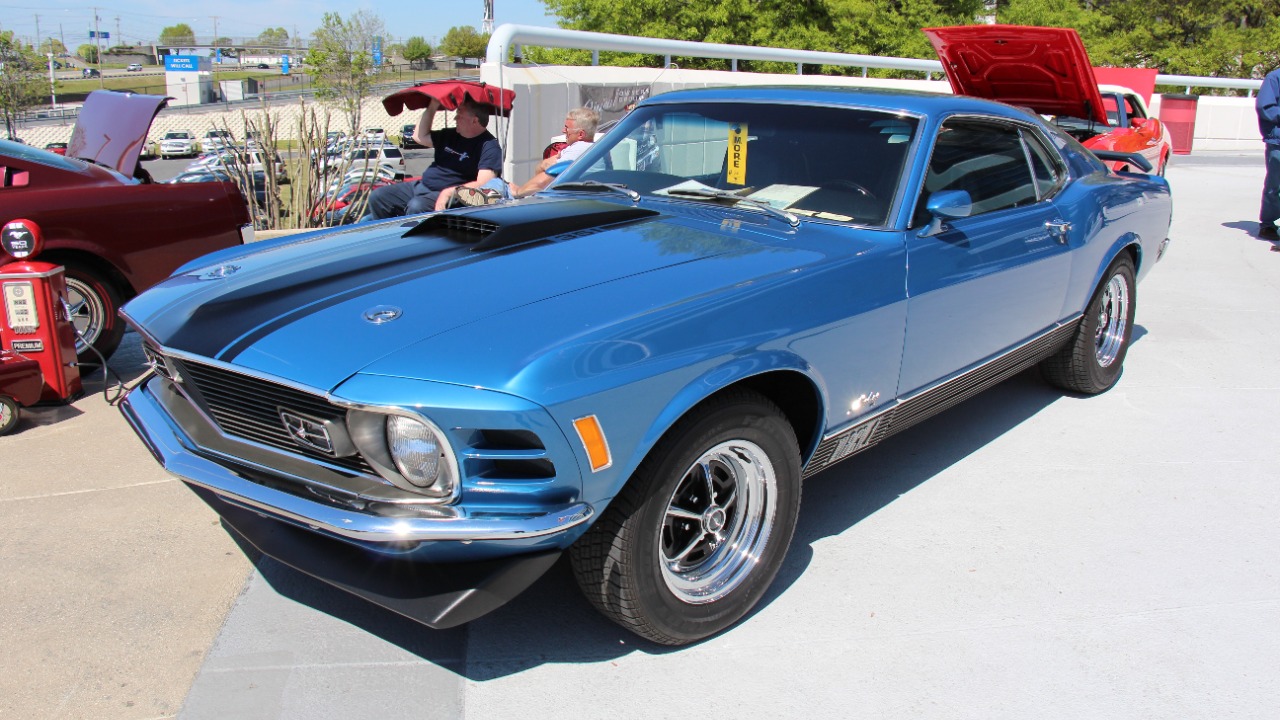
The Ford Mustang, often celebrated as the original pony car, has solidified its status as an automotive legend since its debut in 1964. Its combination of style, performance, and affordability set a new standard for American muscle cars. Over the decades, the Mustang has evolved through various generations, maintaining a loyal following and adapting to changing consumer preferences. The 1969 Boss 429 and the 1970 Mach 1 are particularly revered among collectors for their powerful engines and distinctive designs. Today, the Mustang continues to impress with modern technology while honoring its roots, ensuring that it remains a favorite among classic car enthusiasts. The Mustang’s legacy is further highlighted in events like the annual Mustang Week, celebrating its rich history.
Beyond its performance credentials, the Mustang has also made a significant cultural impact, appearing in films like “Bullitt” and “Gone in 60 Seconds.” Its distinctive design elements, such as the long hood and short rear deck, have become synonymous with American automotive culture. As classic car values rise, the Mustang’s iconic status has only grown, with enthusiasts seeking vintage models both for personal enjoyment and investment purposes. The Mustang’s blend of nostalgia and modern capability makes it a timeless choice for anyone passionate about classic cars.
Chevrolet Corvette (1953-present)
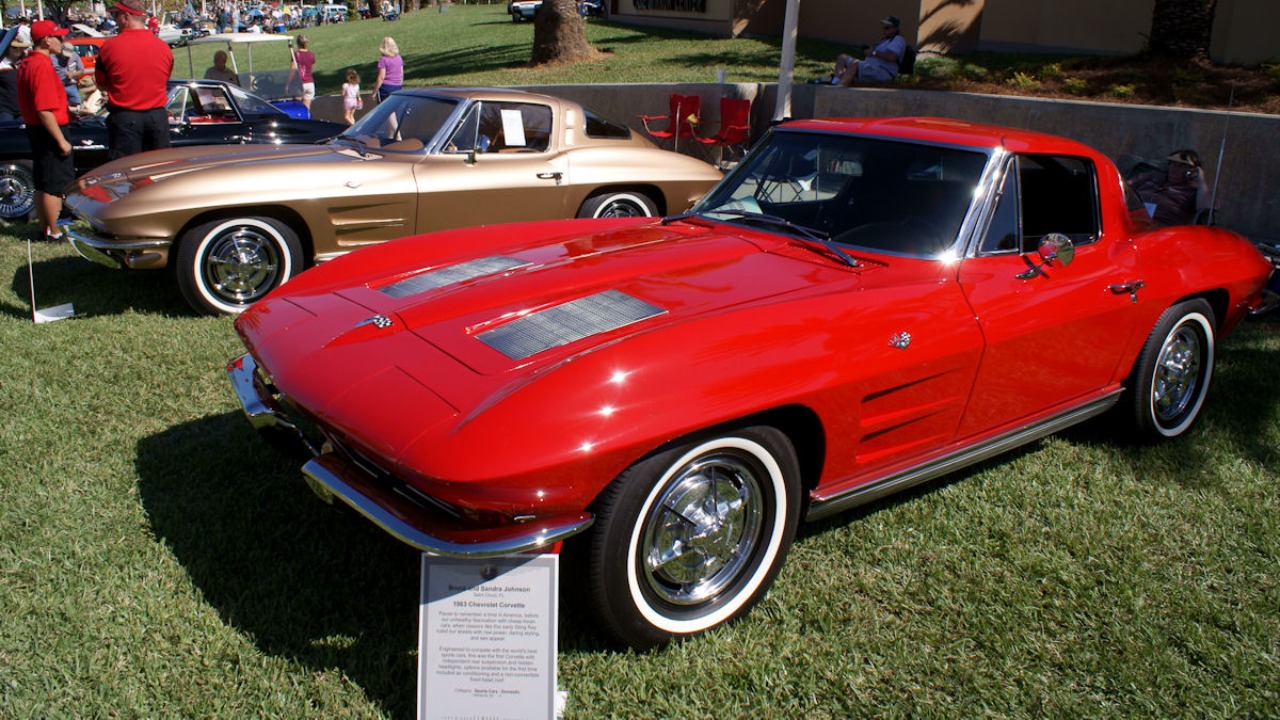
Since its launch in 1953, the Chevrolet Corvette has become synonymous with American sports cars. Renowned for its sleek design and exceptional performance, the Corvette has consistently pushed the boundaries of automotive engineering. The C1 generation, particularly the 1963 Split-Window Coupe, is celebrated for its unique styling and innovative features, while the C7 and C8 models showcase cutting-edge technology and performance capabilities. The Corvette continues to evolve, offering a remarkable balance of power and luxury, making it a must-have for collectors and racing enthusiasts alike.
In addition to its performance pedigree, the Corvette has a storied racing history, dominating events like the Le Mans and Daytona 24 Hours. Its ability to compete at high levels while remaining accessible to the average consumer has solidified its status as a classic that is both respected and revered. The Corvette’s appeal is further enhanced by its strong community of enthusiasts and clubs, who celebrate the model through events and shows. For those looking to delve deeper into its history, articles such as this one on Gear Patrol showcase the Corvette’s evolution and enduring legacy.
Porsche 911 (1964-present)
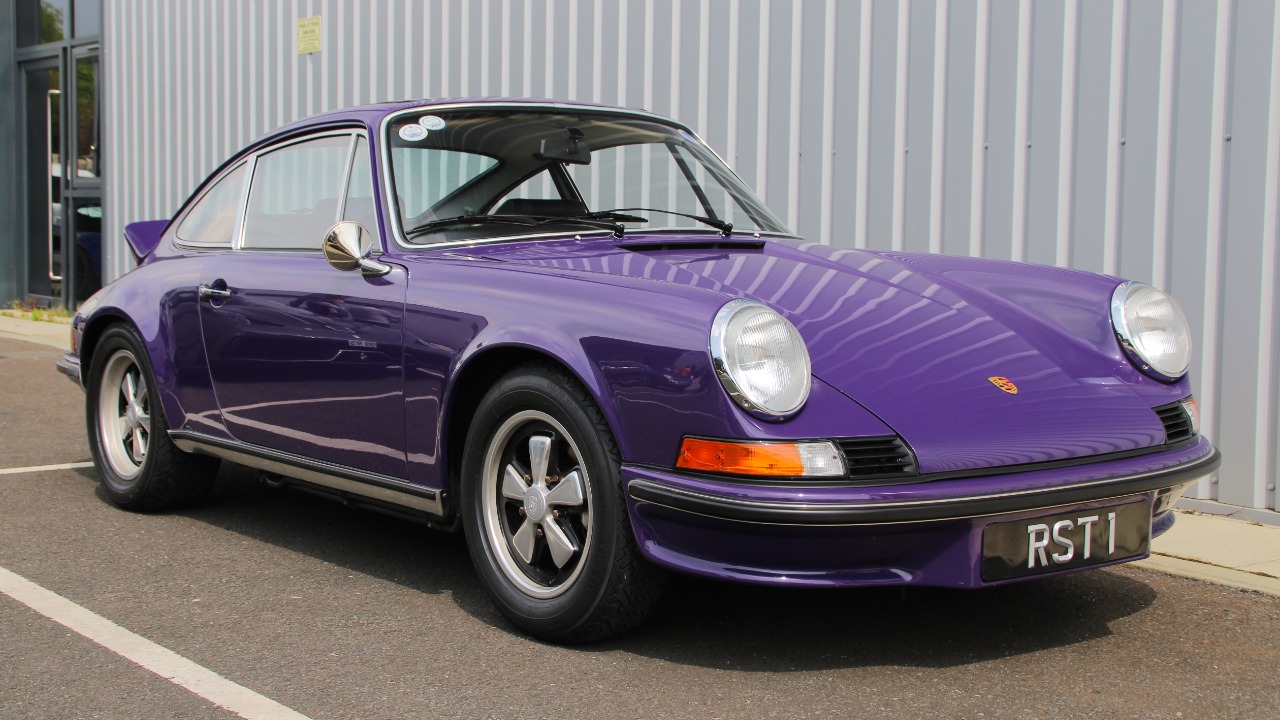
The Porsche 911 is often regarded as one of the most iconic sports cars in automotive history. Since its introduction in 1964, the 911 has undergone numerous transformations while staying true to its roots. Its distinctive design, characterized by the round headlights and sloping roofline, has remained largely unchanged over the decades. The 911 is celebrated not only for its aesthetic appeal but also for its exceptional engineering and performance, making it a favorite among driving enthusiasts. Models like the 1973 Carrera RS are particularly sought after for their racing pedigree and lightweight design.
One of the key factors contributing to the 911’s ongoing respect is its success in motorsports. The car has an impressive racing history, competing in events like the Carrera Panamericana and the Targa Florio, where its performance and reliability have been tested against the world’s best. This legacy of success has cemented the 911’s reputation as a high-performance vehicle that continues to attract collectors. As the automotive landscape shifts toward electric vehicles, the 911 remains a symbol of traditional sports car excellence, showing that it can adapt without losing its essence. For further insights into its impact, check out this AutoWeek feature on the rising respect for classic cars.
Volkswagen Beetle (1938-2003)
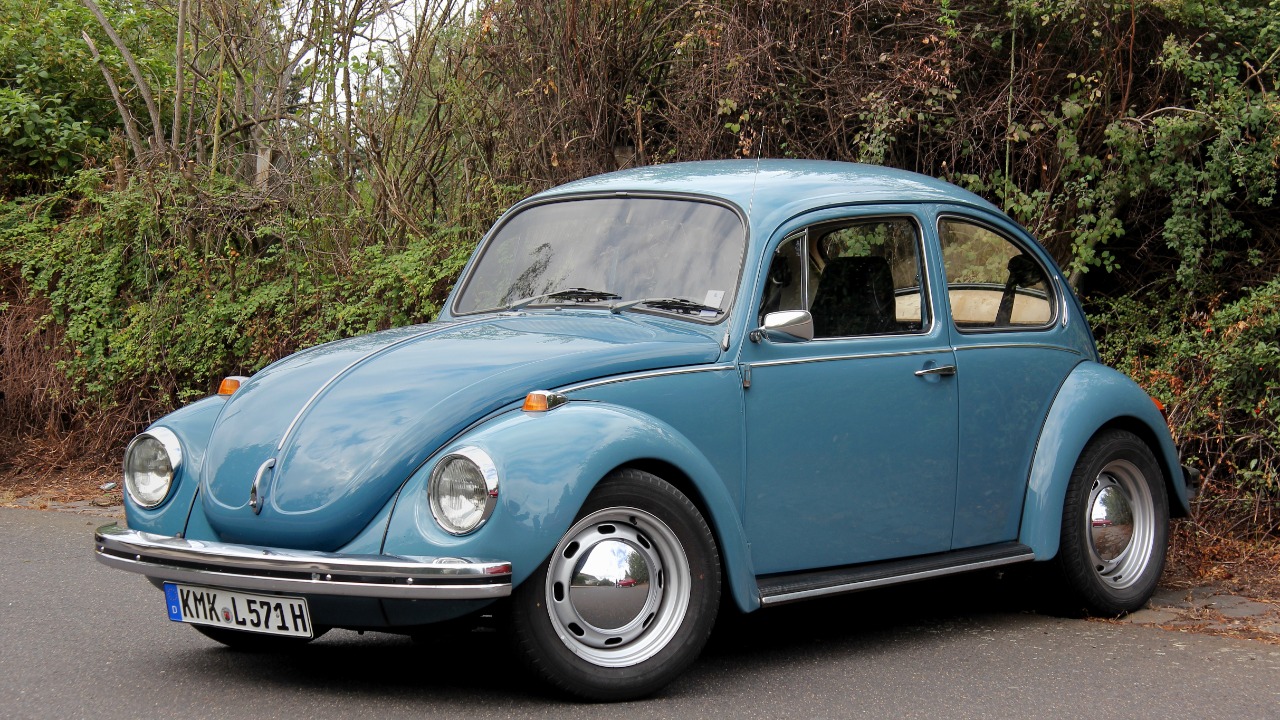
The Volkswagen Beetle is one of the most recognizable cars in history, known for its distinctive shape and cheerful demeanor. Introduced in 1938, the Beetle quickly became a symbol of the counterculture movement in the 1960s, often associated with freedom and individuality. Its simple engineering and reliability made it a favorite among drivers of all ages, and its design has remained iconic for generations. The 1970s Super Beetle model, with its improved features and performance, is especially cherished by collectors.
Despite its production ceasing in 2003, the Beetle’s cultural impact endures. It has appeared in numerous films, including “Herbie, the Love Bug,” further cementing its place in popular culture. The Beetle’s approachable price point and timeless design have kept it relevant among car enthusiasts, making it a sought-after classic. Events like the annual Beetle Bash bring together owners and fans to celebrate this beloved model, highlighting its ongoing respect in the automotive world. The Beetle’s legacy is a testament to how a simple car can resonate deeply across generations.
Dodge Charger (1966-present)

The Dodge Charger has made a name for itself as a quintessential American muscle car since its introduction in 1966. Initially launched as a high-performance coupe, the Charger quickly gained fame for its powerful engines and aggressive styling. The 1969 Charger, known for its iconic “General Lee” appearance in “The Dukes of Hazzard,” became a cultural phenomenon, further solidifying the model’s status. Over the years, the Charger has evolved, with modern iterations blending performance with contemporary technology.
One of the reasons the Charger continues to gain respect is its strong presence in popular media, from movies to video games. The modern Charger, with its bold design and robust engine options, is a favorite among muscle car enthusiasts who appreciate the blend of nostalgia and modernity. This ongoing appeal is reflected in the growing values of vintage Chargers at auctions and classic car shows. The Charger remains a symbol of American automotive power and style, proving that it has earned its place in the pantheon of classic cars.
Jaguar E-Type (1961-1975)
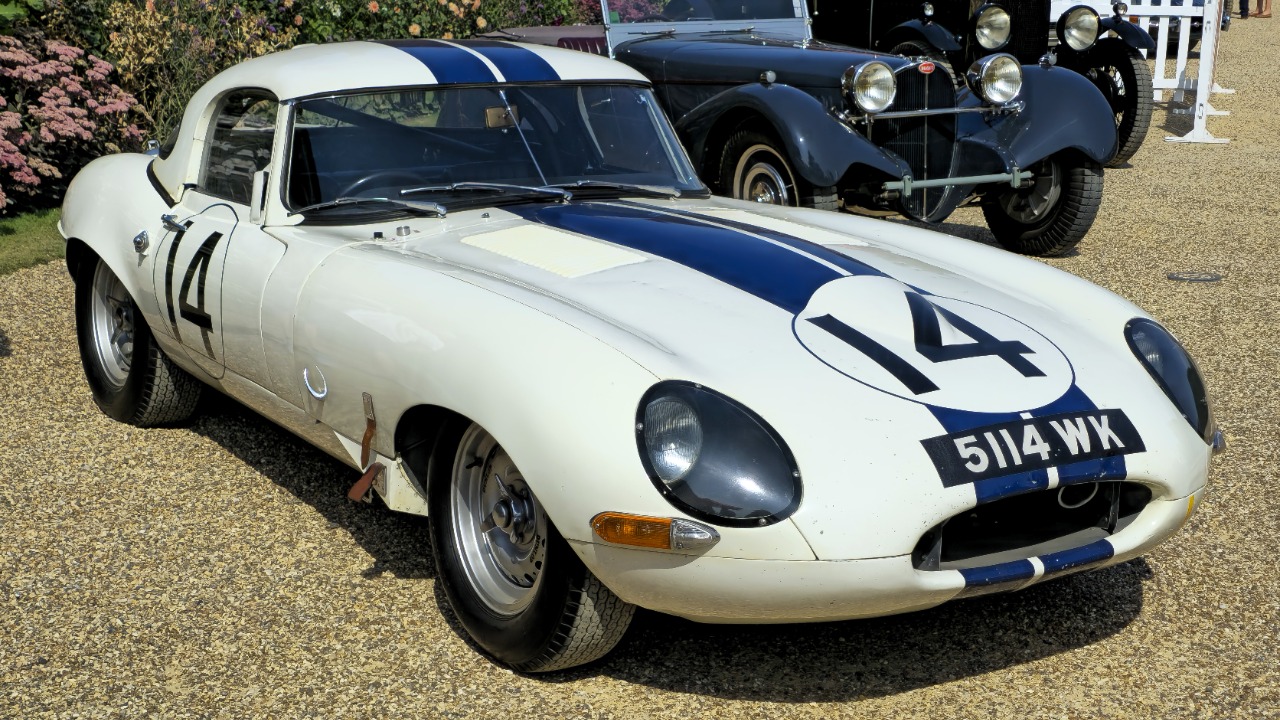
The Jaguar E-Type is often hailed as one of the most beautiful cars ever made. Introduced in 1961, the E-Type combined stunning design with impressive performance, featuring a lightweight body and a powerful inline-six engine. With its long hood and short rear deck, it captured the spirit of the 1960s and became a favorite among car enthusiasts and celebrities alike. Figures like Enzo Ferrari famously called it “the most beautiful car ever made,” a testament to its design legacy.
As production continued until 1975, the E-Type evolved through various iterations, including the Series 1, 2, and 3 models. Collectors particularly prize the early Series 1 models for their purity of design and engineering. The E-Type has a rich racing history, competing in events such as the 24 Hours of Le Mans. Today, it is not just a symbol of luxury and performance but also a fixture at classic car shows and exhibitions, where its elegance and engineering marvel continue to impress. For more insights into the E-Type, check out this SAGE Journals article detailing its impact on automotive design.
Toyota Land Cruiser (1951-present)

The Toyota Land Cruiser has built a reputation as one of the most reliable and capable off-road vehicles since its inception in 1951. Originally designed for military use, the Land Cruiser quickly transitioned to a popular choice for civilian drivers, known for its rugged durability and versatility. The FJ40 model, produced from the late 1960s to the early 1980s, is particularly celebrated for its classic lines and exceptional off-road capabilities, making it a favorite among collectors today.
What sets the Land Cruiser apart is its ability to adapt to changing consumer needs while maintaining its core identity. Modern iterations combine luxury with off-road prowess, appealing to both adventure seekers and urban drivers alike. The Land Cruiser’s longevity speaks volumes about its engineering quality and reputation for reliability. As classic car enthusiasts increasingly seek models that can withstand the test of time, the Land Cruiser continues to gain respect as a classic vehicle that remains relevant in today’s market. For those interested in the growing appreciation for classic off-roaders, check out this informative piece on Quora.
More from Fast Lane Only
- Unboxing the WWII Jeep in a Crate
- 15 rare Chevys collectors are quietly buying
- 10 underrated V8s still worth hunting down
- Police notice this before you even roll window down
*Research for this article included AI assistance, with all final content reviewed by human editors.