Classic cars hold a special place in the hearts of automotive enthusiasts, but not all have stood the test of time as icons of reliability or safety. Some vehicles, despite their charm, suffered from critical design flaws that marred their reputations. Here, we explore seven classic cars whose design choices led to significant safety or performance issues.
Ford Pinto

The Ford Pinto, produced from 1971 to 1980, became infamous for its controversial fuel tank design. Positioned behind the rear axle, the tank was susceptible to puncturing in rear-end collisions. This design flaw could lead to catastrophic fires, a fact that became public knowledge following several high-profile lawsuits. Despite Ford’s efforts to mitigate the issue, the Pinto’s legacy remains overshadowed by its safety record.
In the face of mounting public pressure, Ford eventually recalled 1.5 million Pintos to address the safety concerns. However, the damage to the Pinto’s reputation was irreparable, cementing its place in automotive history as a classic example of a design oversight with deadly consequences.
Chevrolet Corvair
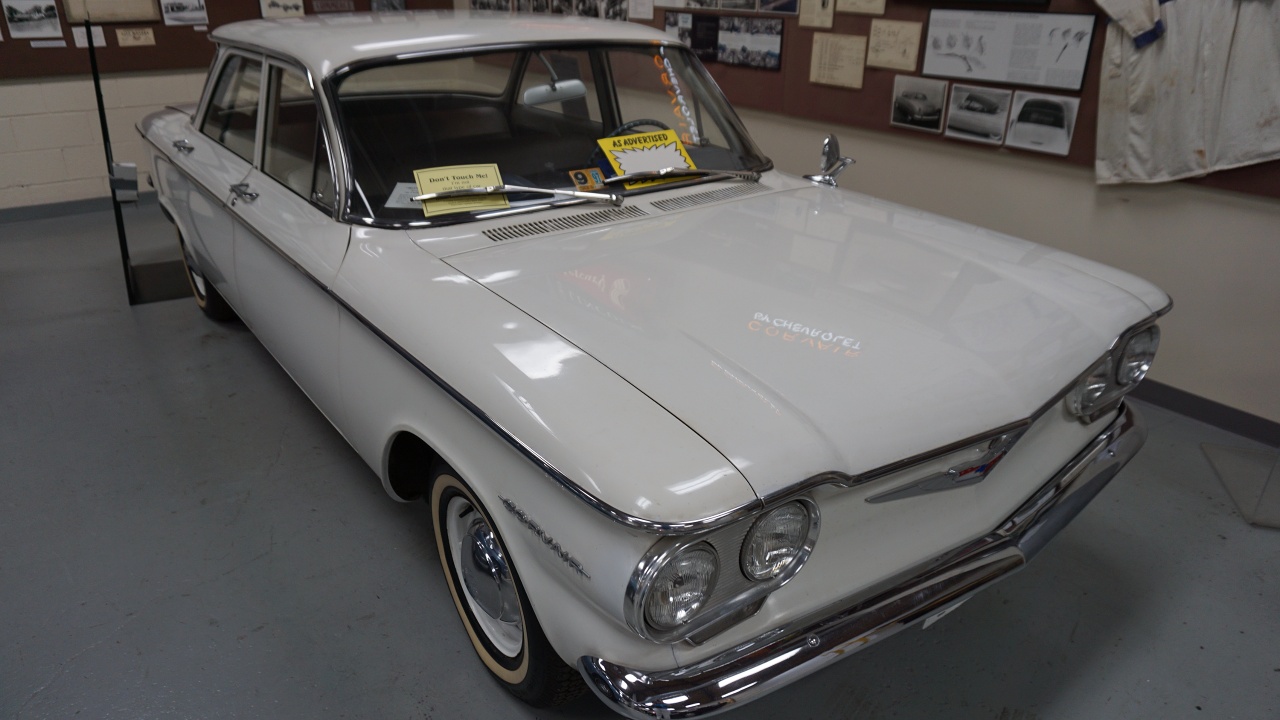
The Chevrolet Corvair, produced from 1960 to 1969, initially attracted attention for its innovative rear-engine layout. However, it soon faced criticism for handling issues that made it prone to oversteering and rollovers. Critic Ralph Nader’s book “Unsafe at Any Speed” spotlighted the Corvair’s flaws, leading to a public outcry and a decline in sales.
Despite Chevrolet’s attempts to address these issues in later models, the damage was done. The Corvair’s reputation as a dangerous vehicle persisted, contributing to its eventual discontinuation. The controversy surrounding the Corvair also played a role in the establishment of the National Highway Traffic Safety Administration (NHTSA).
Yugo GV
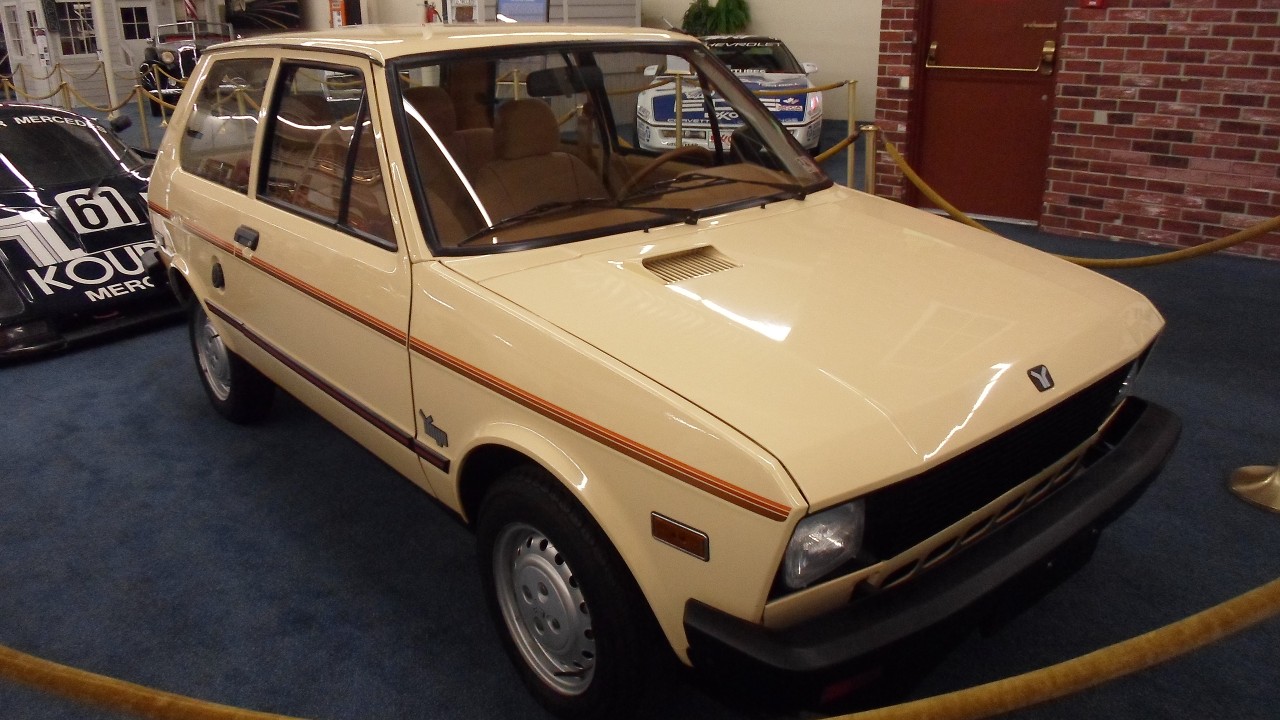
The Yugo GV, imported to the United States from 1985 to 1992, quickly gained a reputation for being one of the cheapest cars on the market. Unfortunately, its low price was matched by poor build quality and reliability. Engine failures, electrical issues, and a generally flimsy construction made the Yugo a frequent subject of ridicule.
Though it offered an affordable option for budget-conscious buyers, the Yugo’s numerous mechanical problems and safety issues ultimately overshadowed its affordability. The car’s notoriety was cemented by its consistent performance at the bottom of consumer satisfaction surveys.
DeLorean DMC-12
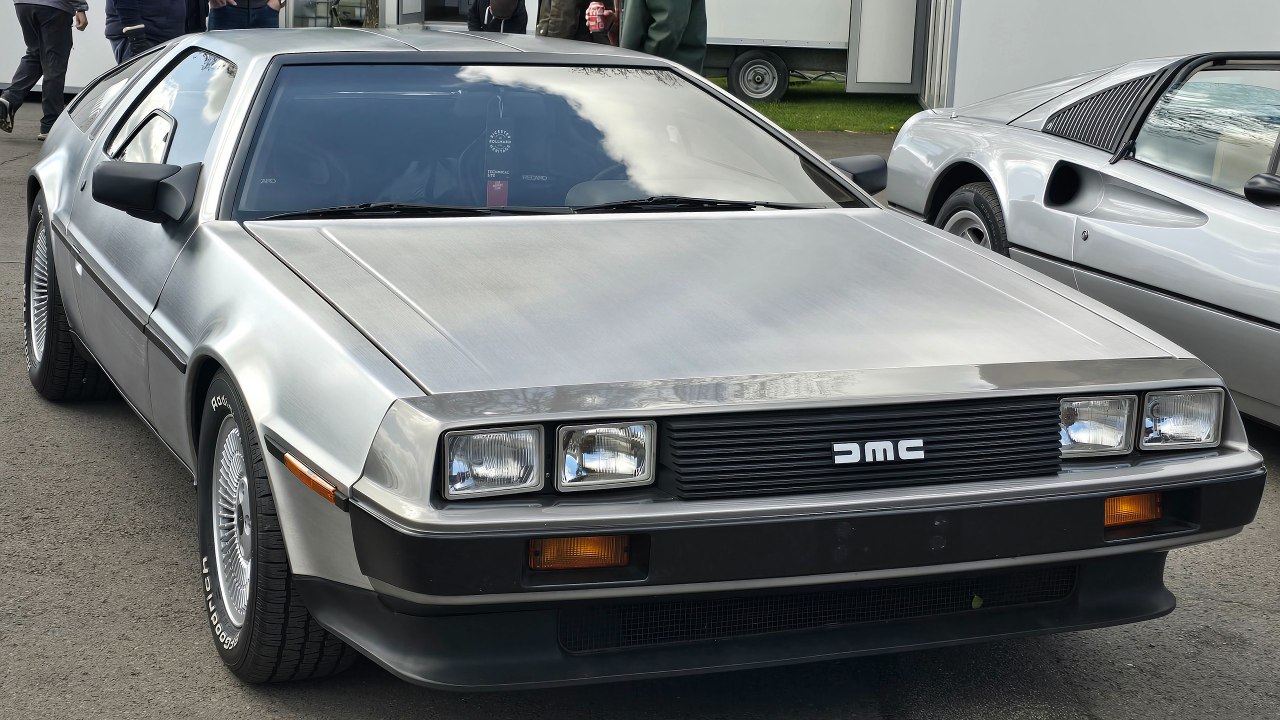
The DeLorean DMC-12, produced between 1981 and 1983, gained fame as the iconic time machine in the “Back to the Future” film series. However, the car’s striking stainless steel body and gull-wing doors masked a host of underlying issues. Underpowered by a modest V6 engine, the DMC-12 struggled to deliver the performance expected of its futuristic appearance.
Compounding its performance shortcomings, the DeLorean’s build quality suffered from inconsistent production standards. Financial difficulties faced by the DeLorean Motor Company further hindered efforts to rectify these issues, leading to the car’s short-lived production run.
Triumph Stag
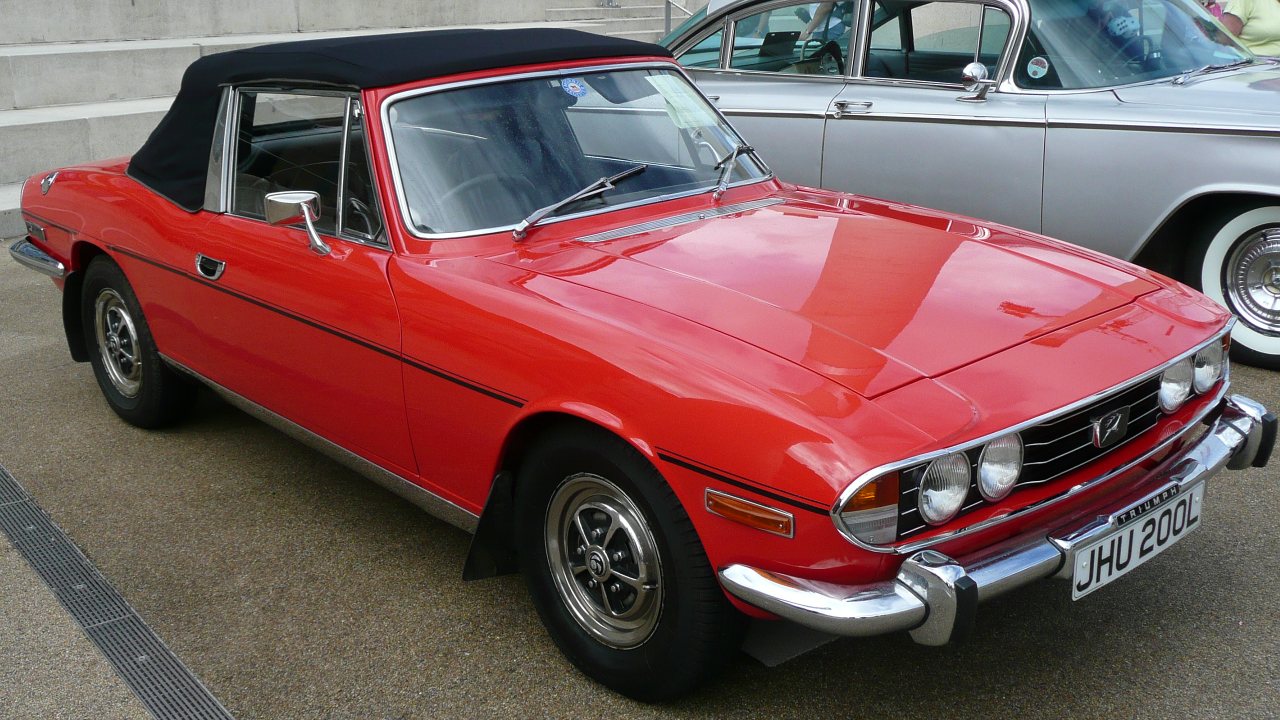
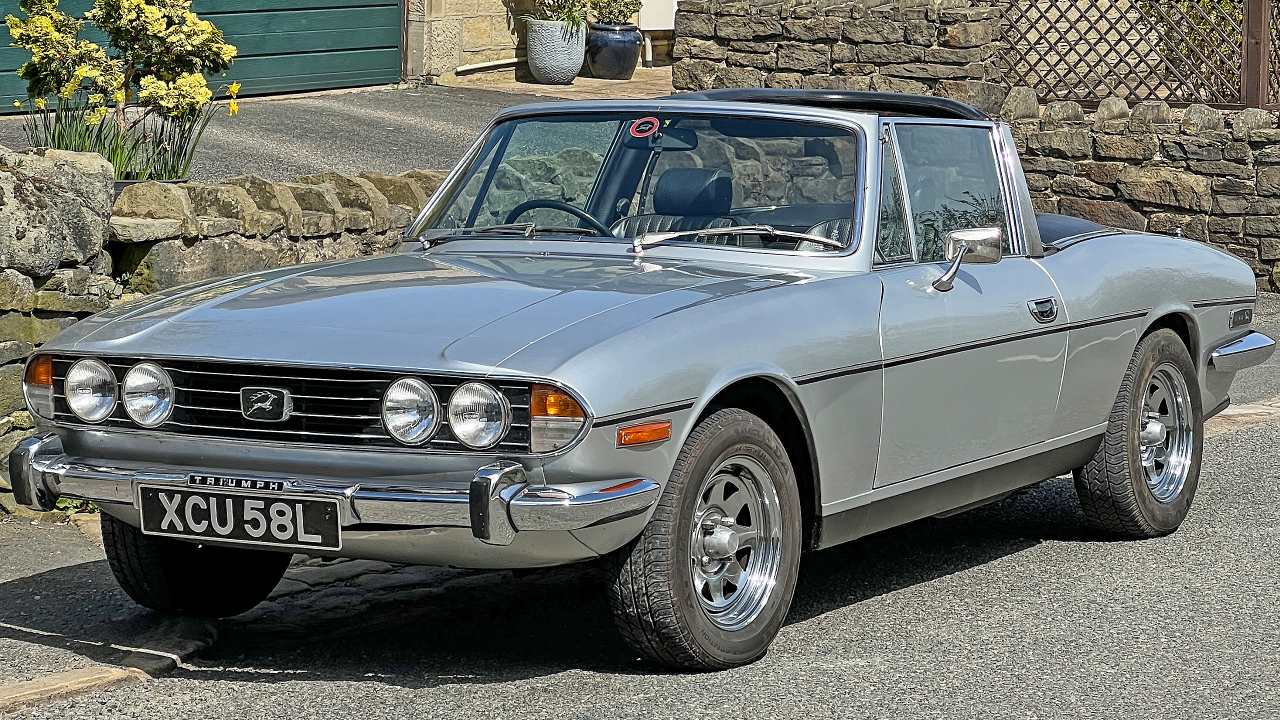
The Triumph Stag, produced from 1970 to 1978, was intended to be a luxury sports car, but it was plagued by mechanical problems. The vehicle’s innovative V8 engine suffered from overheating issues, often resulting in blown head gaskets. These problems were exacerbated by poor quality control and a lack of engineering refinement.
Despite its stylish design and comfortable interior, the Stag’s reliability concerns led to a tarnished reputation. Many owners found themselves frequently dealing with repairs, which ultimately contributed to the model’s early demise and limited its appeal to collectors.
AMC Gremlin
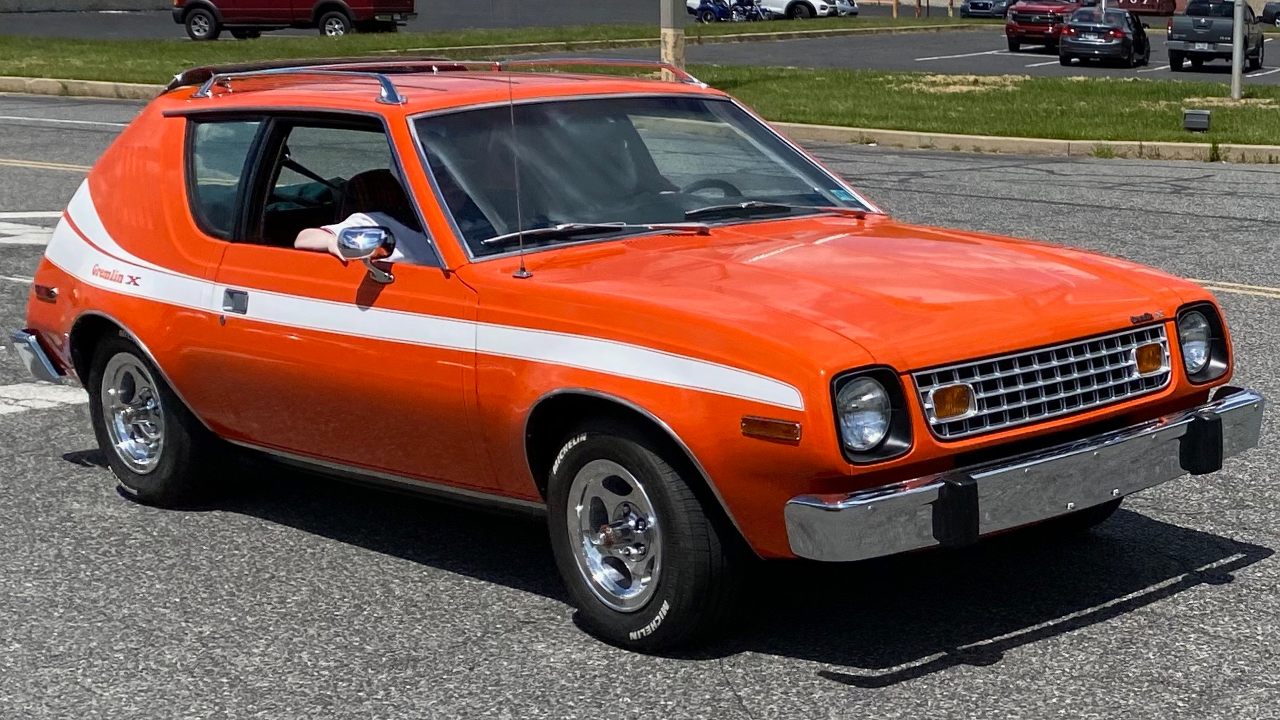
The AMC Gremlin was introduced in 1970 as a budget-friendly subcompact car. Its unique design, featuring a truncated rear end, set it apart from other cars on the road. However, the Gremlin’s peculiar styling was paired with a cramped interior and rudimentary technology.
Despite its affordability, the Gremlin suffered from a lack of refinement and mediocre build quality. The vehicle’s limited safety features and susceptibility to rust further marred its reputation, making it a frequent target for criticism in the automotive community.
Pontiac Fiero
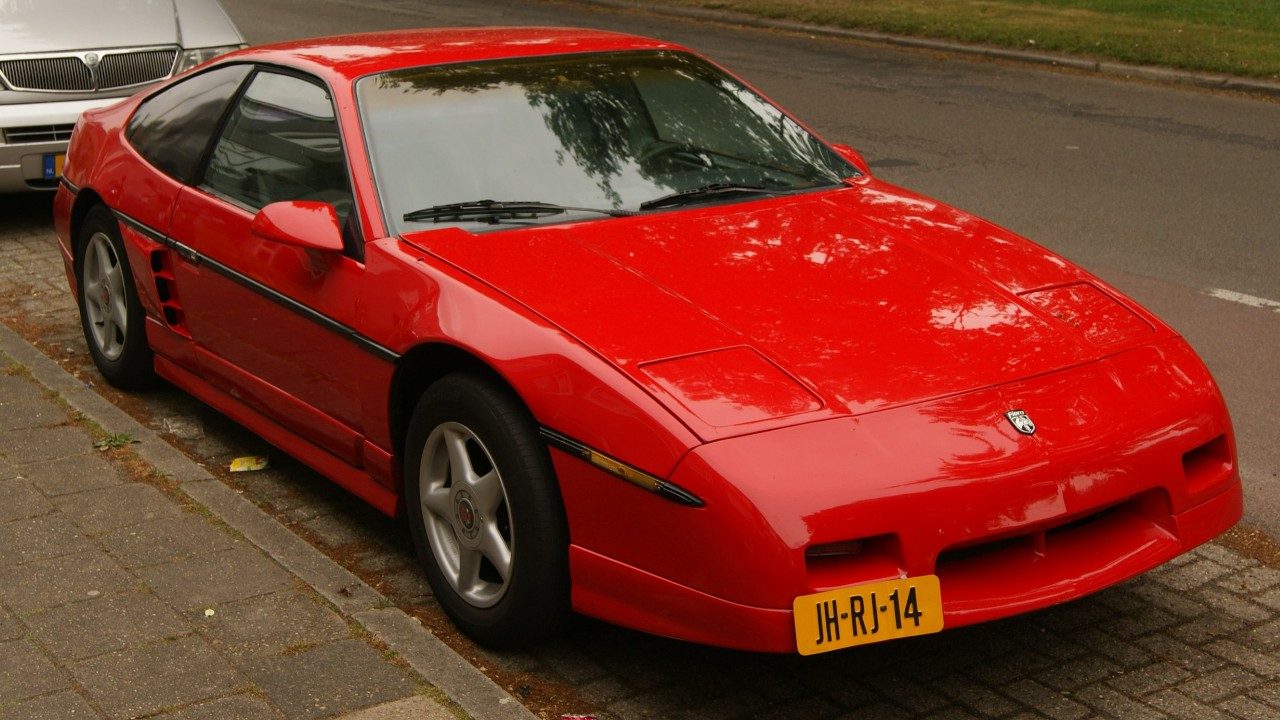
The Pontiac Fiero, produced from 1984 to 1988, was an ambitious project that aimed to deliver a mid-engine sports car at an affordable price. However, early models were plagued by reliability issues, including engine fires caused by defective connecting rods. These problems overshadowed the Fiero’s groundbreaking design and innovation.
Despite improvements in later versions, the Fiero’s early troubles left a lasting impression. The combination of safety concerns and a competitive market environment ultimately led to its discontinuation, but not before it made a significant mark on the automotive landscape.
Like Fast Lane Only’s content? Be sure to follow us.
Here’s more from us:
*Created with AI assistance and editor review.