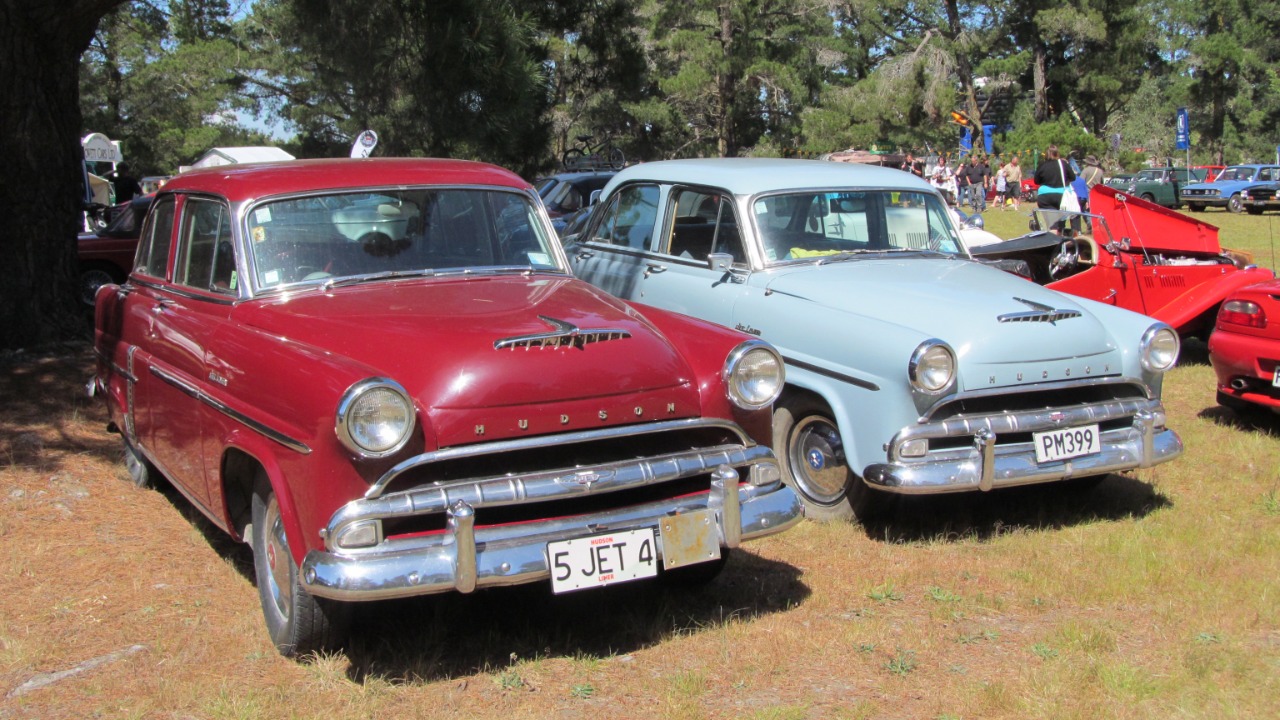
Factory-built sleepers are the cars that look almost ordinary but hide serious performance hardware, and buyers who know what to look for are quietly chasing them. I focus here on models that pair understated styling with powertrains and chassis tuning that come straight from the factory rather than the aftermarket. Each one backs up its low-key image with specific, reported performance figures that explain why demand is quietly building.
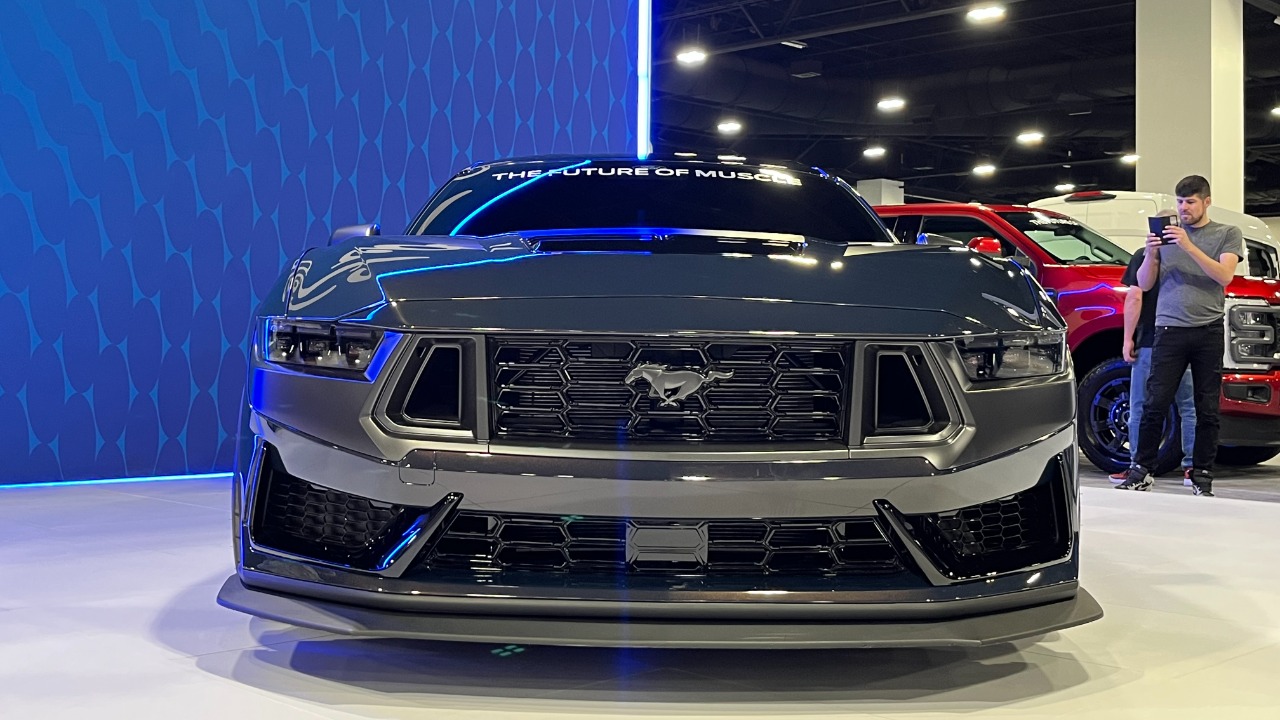
2023 Ford Mustang Dark Horse
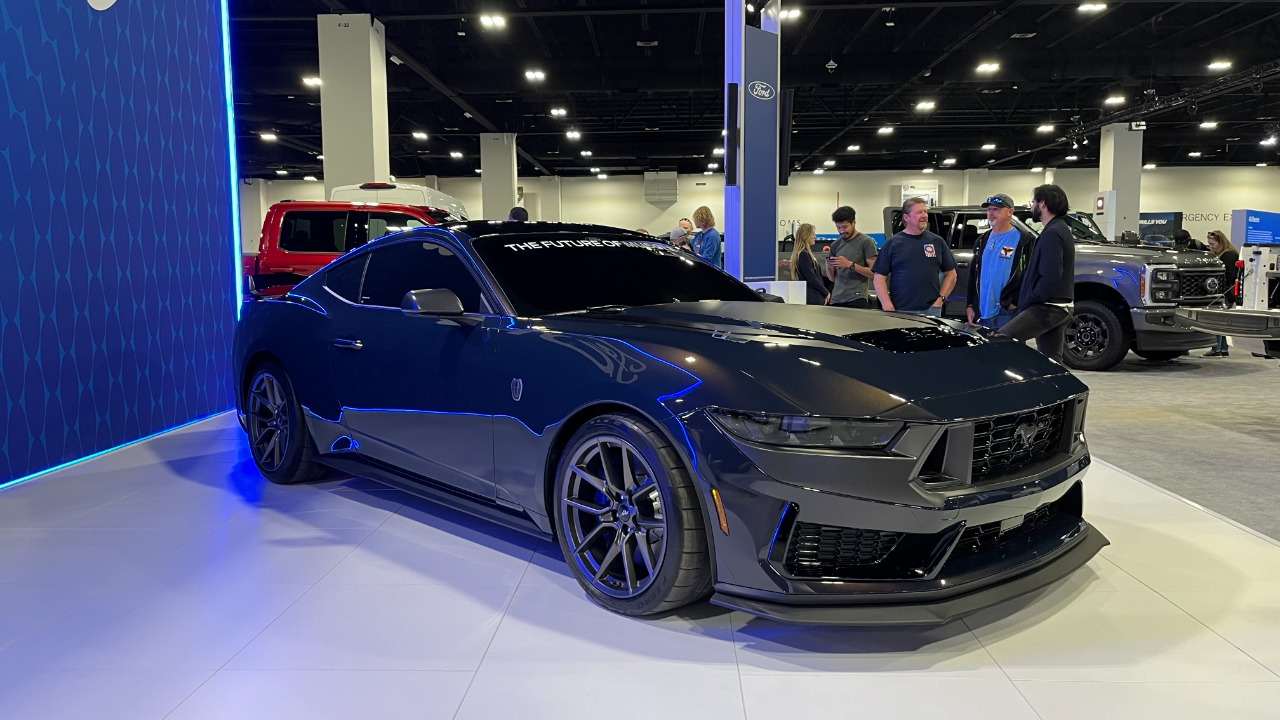
The 2023 Ford Mustang Dark Horse is anchored by a 5.0‑liter V8 that produces 500 horsepower, a figure explicitly cited in detailed testing of the model. That output makes it the most potent naturally aspirated production Mustang V8 to date, yet the car avoids wild aero kits or oversized graphics. I see that combination of a familiar Mustang silhouette with near-track-spec power as exactly what sleeper hunters want, because it lets them access serious pace without shouting about it in traffic.
Beyond the engine, reporting notes that the Dark Horse adds upgraded cooling, stiffer suspension components, and available track-focused tires, all while keeping a cabin that still feels usable for daily driving. For buyers, the stakes are clear: they can buy a factory warranty, a VIN that passes as “just another Mustang,” and performance hardware that would cost far more to replicate with aftermarket parts. That balance is why informed shoppers are quietly prioritizing Dark Horse allocations.
Subaru WRX STI
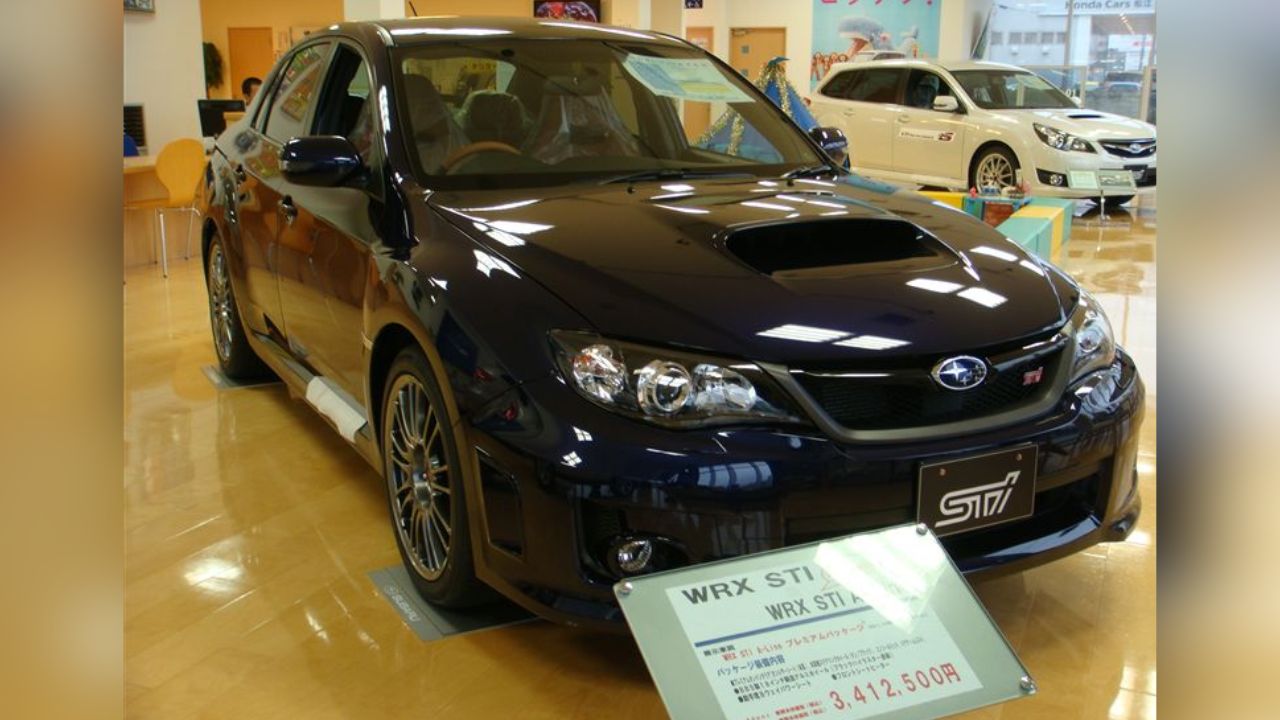
The Subaru WRX STI remains a classic factory sleeper because its turbocharged 2.5‑liter flat‑four engine is reported to produce 310 horsepower in stock form, as outlined in a recent performance roundup. On paper, that figure does not dominate modern super-sedan numbers, but paired with Subaru’s rally-bred all-wheel-drive system and short gearing, it translates into real-world pace on tight roads and in poor weather. The large rear wing is optional or absent on some trims, which lets certain examples blend into commuter traffic more easily.
From a buyer’s perspective, the STI’s appeal lies in its ability to deliver repeatable performance on rough or wet surfaces where higher-powered rear-drive cars struggle. Reporting highlights its mechanical limited-slip differentials and driver-adjustable center differential, features that are rare at this price point straight from the factory. I see that as a key reason demand persists: shoppers can get a practical four-door that, with winter tires, becomes a year-round sleeper capable of embarrassing more expensive machinery on back roads.
Chevrolet Camaro SS
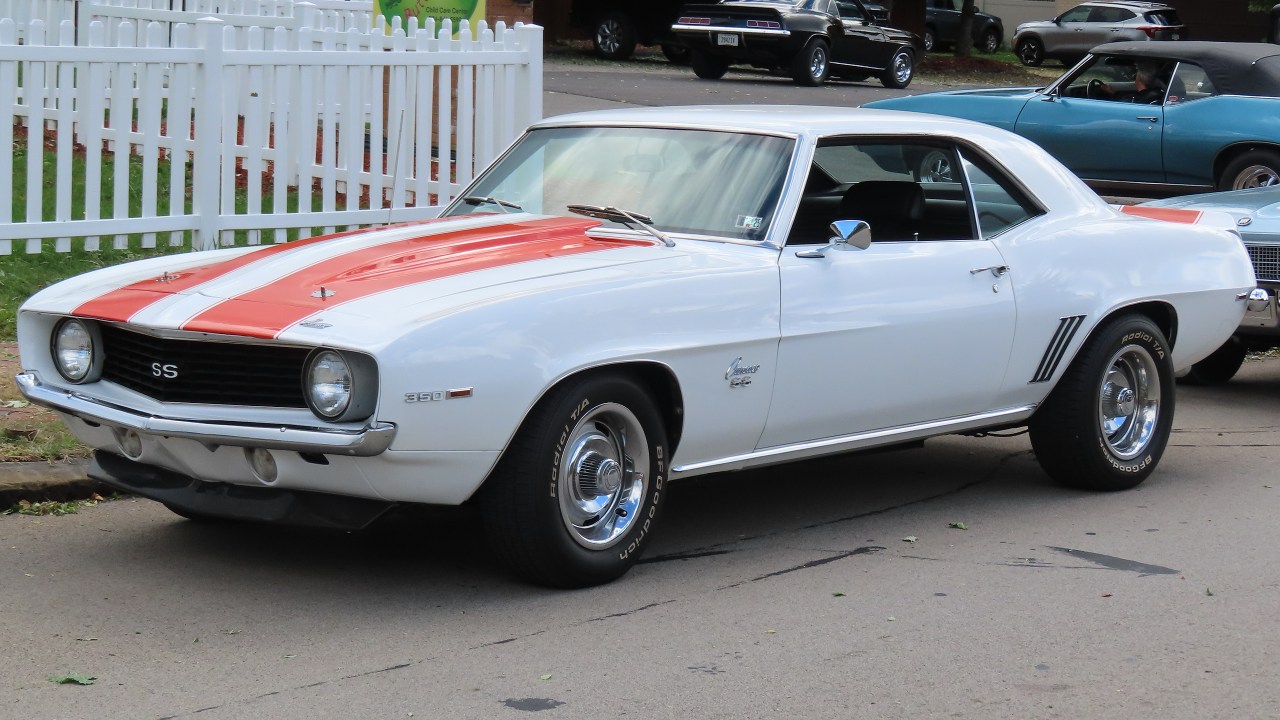
The Chevrolet Camaro SS, in the configuration described in a recent expert review, hides a supercharged 6.2‑liter V8 under its hood that delivers 650 horsepower. That figure puts it squarely in territory once reserved for limited-production halo cars, yet the SS can still be ordered in relatively plain colors and with minimal exterior add-ons. To casual observers, it often reads as just another rental-spec Camaro, which is exactly why performance-focused buyers see it as a stealth weapon.
Reporting also emphasizes the car’s chassis tuning, including magnetic ride control and strong Brembo brakes, which allow the SS to handle track days without extensive modification. I view this as a major stake for enthusiasts who want a turnkey solution: they can buy one car that commutes during the week and runs competitive lap times on weekends. That dual role, backed by factory engineering and warranty coverage, explains why informed shoppers quietly hunt for well-optioned SS examples.
Dodge Challenger R/T Scat Pack
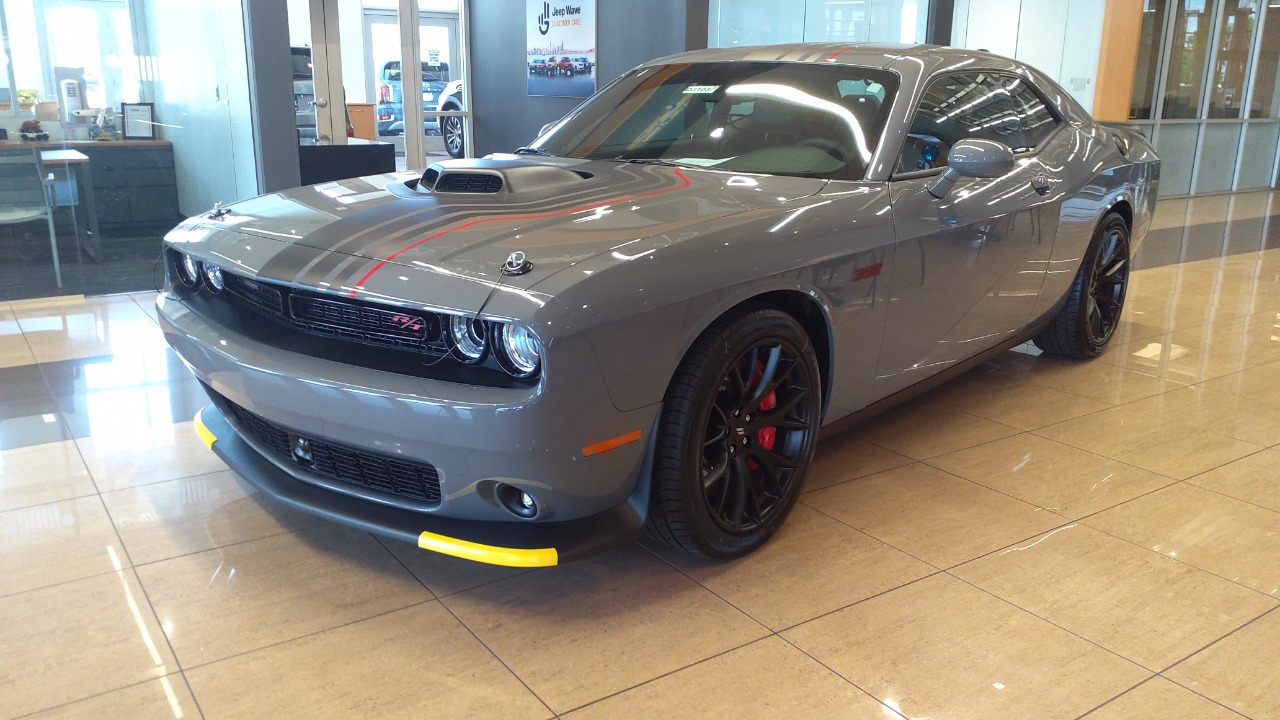
The Dodge Challenger R/T Scat Pack is built around a 6.4‑liter HEMI V8 rated at 485 horsepower, a figure highlighted in a detailed muscle-car analysis. Unlike the supercharged Hellcat variants, the Scat Pack keeps its performance naturally aspirated, which helps it fly under the radar with fewer badges and less aggressive marketing. The wide, retro bodywork looks familiar, but many people do not realize that this trim can deliver serious quarter-mile times straight from the showroom.
For buyers, the Scat Pack’s stakes revolve around value and usability. Reporting notes that it combines that big-displacement V8 with relatively comfortable suspension tuning and a spacious cabin, so it can serve as a daily driver while still offering track-capable power. I see this as a sweet spot: shoppers avoid the insurance and attention that come with the top-tier models, yet they still access a factory-built sleeper that can surprise dedicated sports cars in straight-line runs.
Volkswagen Golf R
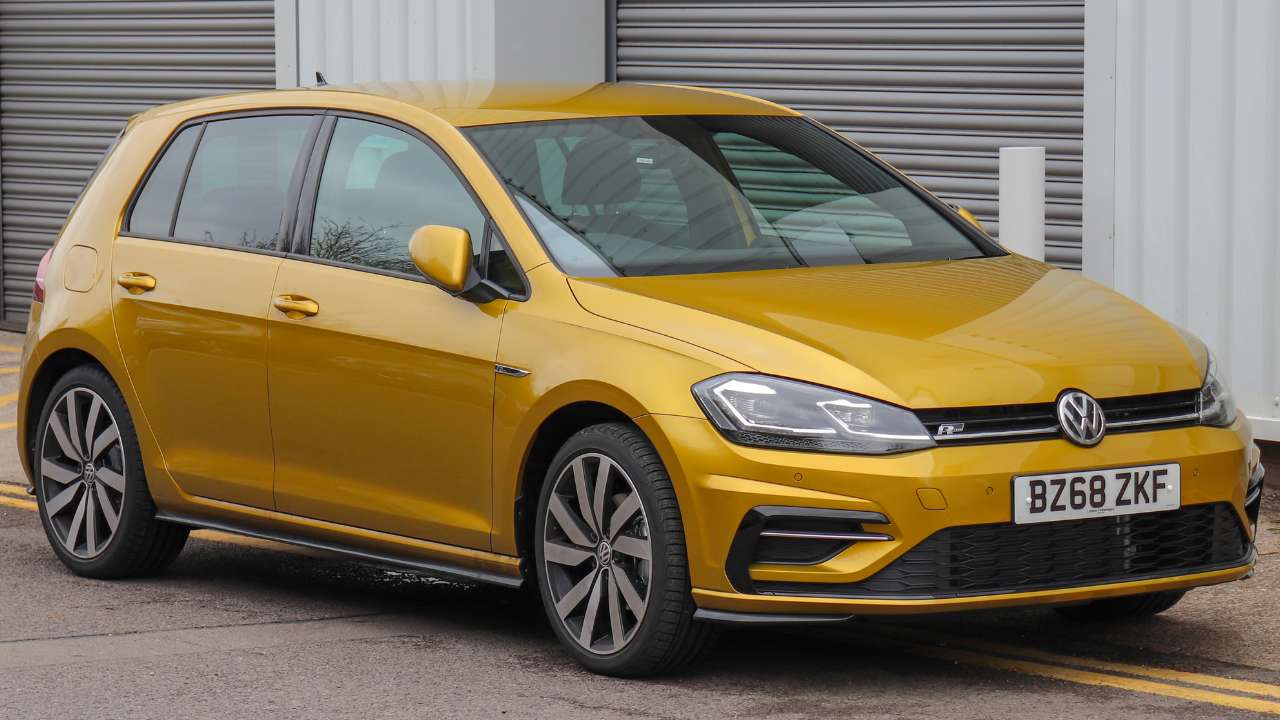
The Volkswagen Golf R packages a 2.0‑liter turbocharged four-cylinder engine that produces 315 horsepower, a figure clearly laid out in a recent hot-hatch overview. That output, combined with all-wheel drive and a compact hatchback body, makes the Golf R far quicker than its understated styling suggests. To most people, it looks like a slightly sportier version of a regular Golf, especially in subdued colors without contrasting roofs or oversized spoilers.
Reporting also points to the Golf R’s adaptive suspension and sophisticated torque-vectoring system, which help it deliver strong grip and composure on twisty roads. I think this matters for buyers who want one car to handle commuting, family duties, and spirited driving in all seasons. Because it avoids the flamboyant styling of some rivals, the Golf R has become a quiet favorite among enthusiasts who prefer their performance to be felt rather than seen.
Audi S4

The Audi S4, as profiled in a recent factory-sleeper feature, uses a 3.0‑liter supercharged V6 tuned to 349 horsepower. Wrapped in conservative sedan sheet metal with only subtle exterior cues, that drivetrain gives the S4 brisk acceleration that many casual observers would not expect from an executive four-door. Inside, the cabin focuses on comfort and technology rather than overtly sporty themes, which further reinforces its sleeper character.
According to the same reporting, the S4’s all-wheel-drive system and well-calibrated automatic transmission help it deliver consistent performance in a wide range of conditions. I see this as particularly important for professionals who want a car that fits into corporate parking lots while still offering genuine enthusiast appeal. The S4’s ability to combine luxury, discretion, and factory-engineered speed is a key reason it remains a quiet favorite in the used and new performance sedan markets.
BMW M340i

The BMW M340i disguises a 3.0‑liter inline-six turbocharged engine that produces 382 horsepower, a specification highlighted in a recent buyer-trends report. Externally, it looks like a well-optioned 3 Series with modest M Sport trim, not a full M car, which helps it slip under the radar. Yet the reported acceleration figures place it close to older-generation M3 models, giving buyers near-flagship performance without the associated visual drama.
Reporting also notes that the M340i benefits from rear- or all-wheel-drive configurations, adaptive dampers, and strong factory brakes, creating a balanced package that works on both highways and back roads. For shoppers, the stakes involve getting a single car that can handle family duties, long-distance travel, and spirited driving without attracting undue attention. I view the M340i’s blend of subtle styling and serious factory performance as a prime example of the sleeper formula buyers are quietly chasing.
More from Fast Lane Only: