The Chevrolet Corvette has always represented American performance, but one generation changed what buyers expected from the nameplate forever. The C4 Corvette, introduced in 1984, transformed the model with modern engineering, advanced technology, improved handling, and a renewed focus on driving experience. It proved that an American sports car could compete with the world’s best.
A New Beginning After Decades of Tradition
By the early 1980s, the Corvette needed a major transformation. The previous C3 generation had become outdated compared with newer European sports cars that offered sharper handling, improved technology, and more refined driving experiences. Chevrolet recognized that the Corvette needed to evolve if it wanted to remain competitive.
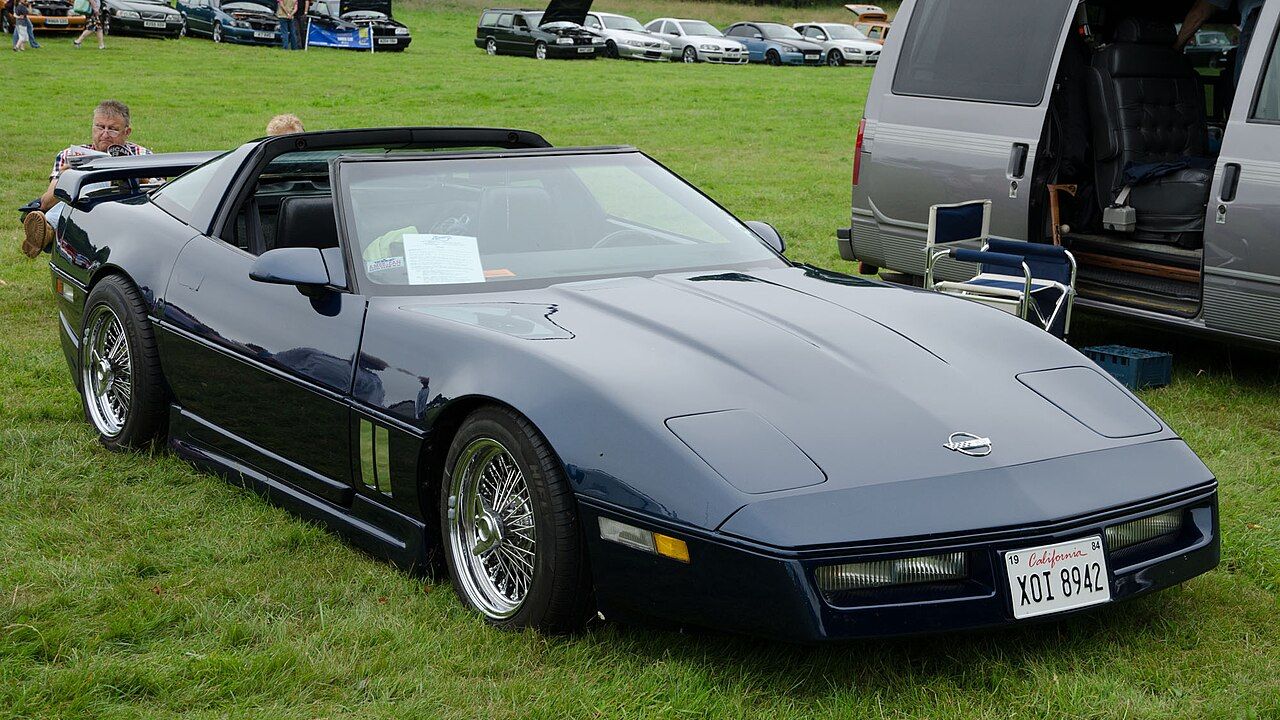
The C4 Corvette arrived with an entirely new chassis designed specifically for performance. Unlike earlier models that relied heavily on older engineering concepts, the C4 featured a more rigid structure, improved suspension design, and better weight distribution.
Its sleek, aerodynamic body represented a dramatic departure from the curves of the previous generation. The low hood, wide stance, and digital dashboard created a futuristic image that matched Chevrolet’s new performance goals.
The C4 was not simply an updated Corvette—it was a complete rethinking of what the car could become.
Technology Became Part of the Corvette Experience
One of the biggest changes introduced by the C4 was its focus on advanced technology. The digital instrument cluster became one of its most recognizable features, displaying vehicle information in a futuristic electronic format that reflected the growing influence of computers in automotive design.
The Corvette also introduced improved electronic systems, better fuel injection, and more sophisticated suspension tuning. These upgrades helped create a more precise and controlled driving experience compared with earlier generations.
While the Corvette had always been known for performance, the C4 added a level of refinement that appealed to a wider range of buyers. It became easier to drive every day while still delivering the excitement enthusiasts expected.
This balance between technology and performance changed how customers viewed American sports cars.
The ZR-1 Raised the Corvette’s Reputation
The arrival of the Corvette ZR-1 in 1990 pushed the C4 generation even further. Featuring the advanced LT5 dual overhead cam V8 developed with assistance from Lotus, the ZR-1 delivered exotic-car performance from an American manufacturer.
Its incredible power, advanced engine design, and improved chassis capability allowed it to compete directly with some of the world’s most respected sports cars. The ZR-1 demonstrated that the Corvette was no longer simply an affordable American alternative.
Instead, it had become a serious global performance competitor.
The success of the ZR-1 elevated the reputation of the entire Corvette lineup and proved that Chevrolet could create sophisticated engineering solutions at the highest level.
A Legacy That Redefined the Corvette
The C4 Corvette changed buyer expectations by showing that an American sports car could offer more than horsepower. It delivered improved handling, advanced technology, comfort, and world-class performance in a single package.
Later Corvette generations continued building on the foundation created by the C4. Modern models owe much of their focus on balance, refinement, and global competition to the engineering decisions made during this era.
Collectors and enthusiasts continue appreciating the C4 because it represents a turning point in Corvette history. It was the generation that moved the Corvette into the modern age and changed what buyers expected from an American performance car.
The C4 Corvette proved that tradition and innovation could work together, creating a new standard that shaped every Corvette that followed.
More from Fast Lane Only
- Unboxing the WWII Jeep in a Crate
- 15 rare Chevys collectors are quietly buying
- 10 underrated V8s still worth hunting down
- Police notice this before you even roll window down
*Research for this article included AI assistance, with all final content reviewed by human editors