American automotive history is dotted with unique and often peculiar vehicles that many have long forgotten. Though some of these cars had their moments in the spotlight, they faded into obscurity as consumer preferences evolved. Let’s take a nostalgic look at seven forgotten American cars that you may not even remember existed.
1. AMC Pacer
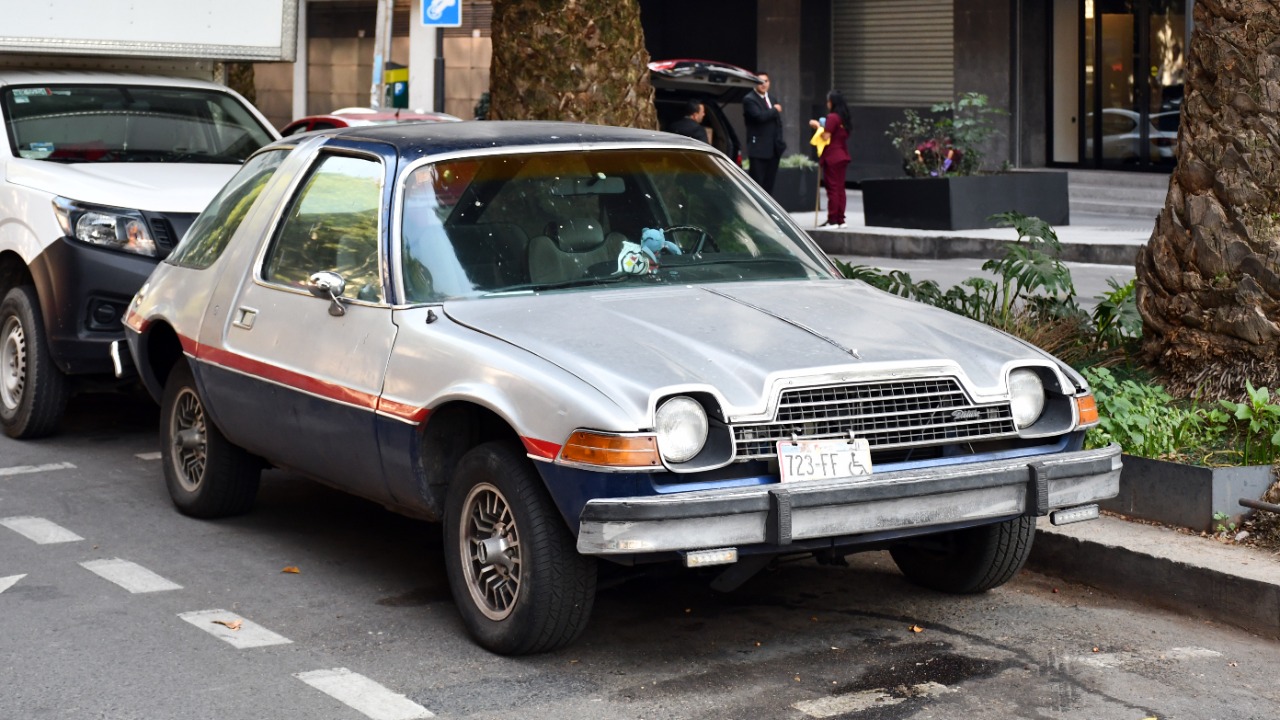
Produced from 1975 to 1980, the AMC Pacer was a compact car that stood out with its distinctively rounded shape and large glass area. Designed to accommodate the needs of the “family car” market, the Pacer’s quirky design and innovative features were ahead of its time. Despite its initial popularity, it quickly fell out of favor due to fuel efficiency concerns and a reputation for reliability issues.
Interestingly, the Pacer has become a cultural icon, featured in movies like “Wayne’s World” and often referenced in discussions about unique automotive design. Its failure to meet consumer expectations ultimately led to its discontinuation, but today, it garners a small, dedicated following among classic car enthusiasts who appreciate its unusual aesthetics and nostalgic value.
2. Chevrolet Corvair
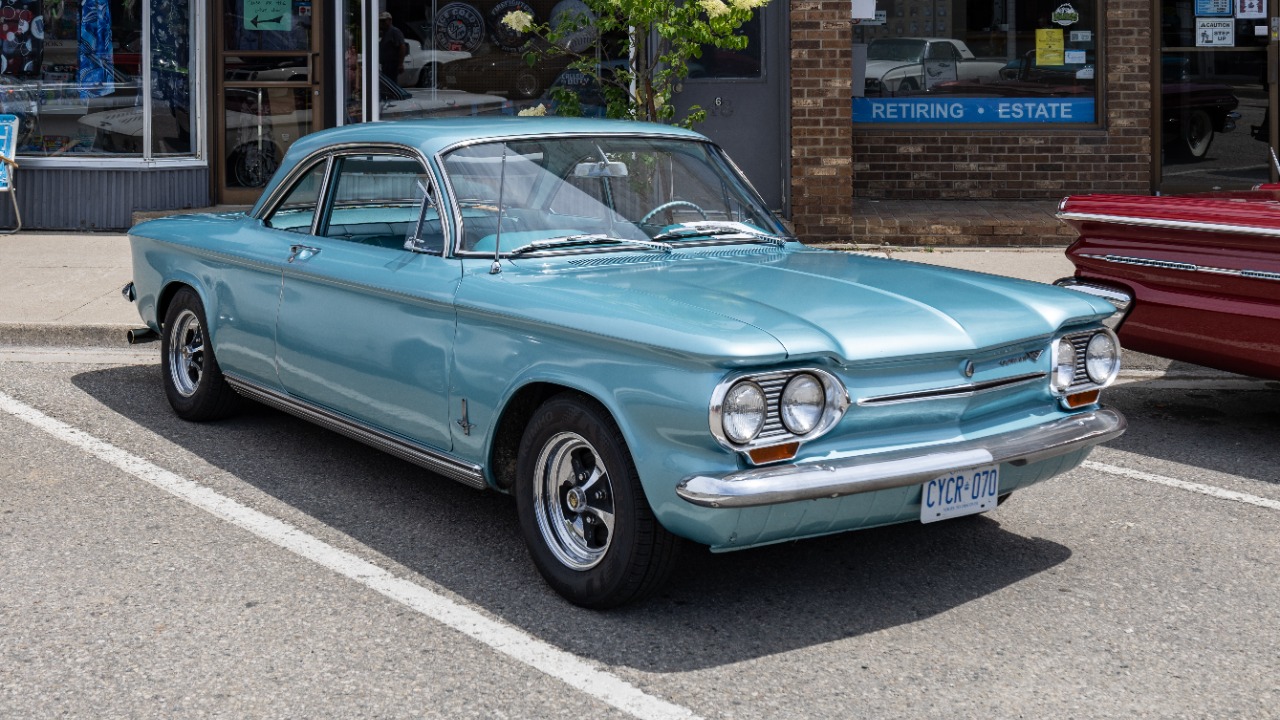
The Chevrolet Corvair, produced from 1960 to 1969, was notable for being one of the few American cars with a rear-engine layout. While it initially received praise for its innovative design and handling, the Corvair became infamous due to safety concerns raised in Ralph Nader’s book, “Unsafe at Any Speed.” The ensuing controversy and negative press contributed to its decline.
Despite its troubled reputation, the Corvair has achieved a sort of cult status among car collectors. Enthusiasts appreciate its unique engineering, and the model’s racing variants have a dedicated following. Today, the Corvair serves as a reminder of how public perception can dramatically shape automotive history.
3. Ford Pinto
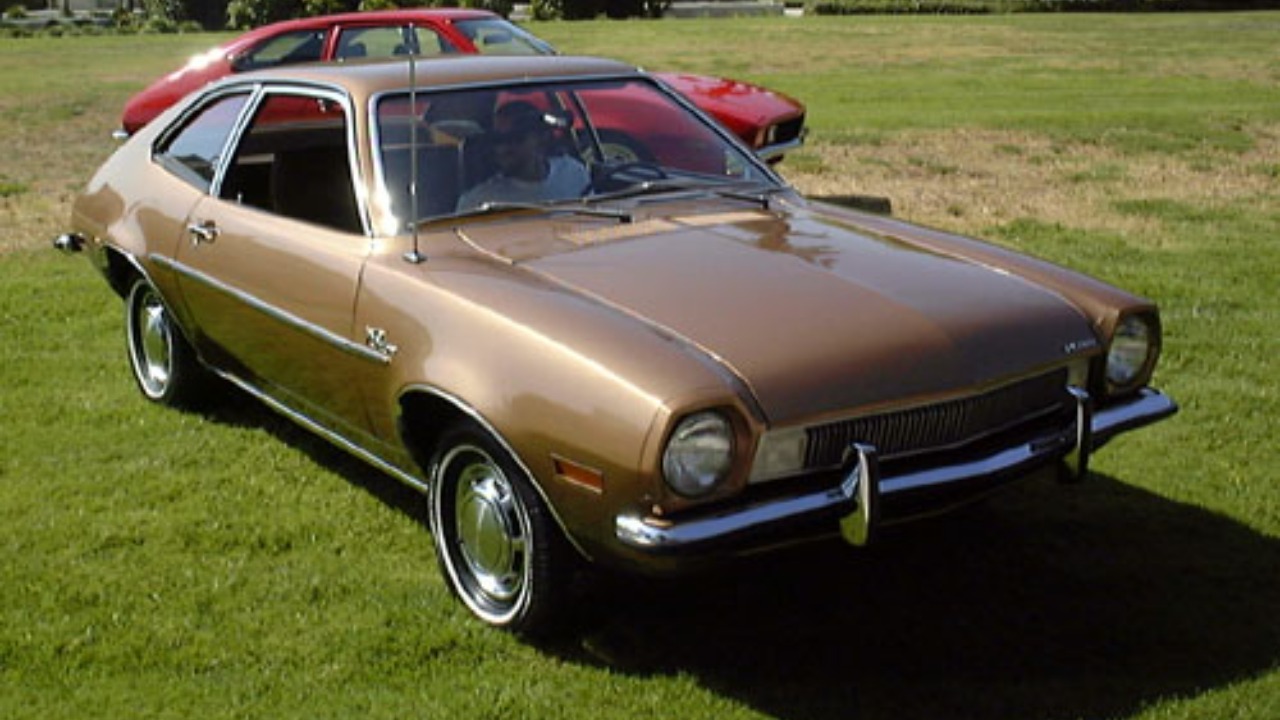
Manufactured between 1971 and 1980, the Ford Pinto is perhaps best remembered for its controversial safety record. The compact car was designed to be affordable and fuel-efficient, catering to the growing demand for economical vehicles in the 1970s. However, reports of dangerous fuel tank explosions marred its reputation.
Despite the negative publicity, the Pinto had a loyal customer base, with over three million units sold during its production run. Its affordability and practicality made it popular among families and young drivers. Today, the Pinto represents a pivotal moment in automotive safety discourse and remains a point of discussion for both enthusiasts and historians.
4. Dodge Dart
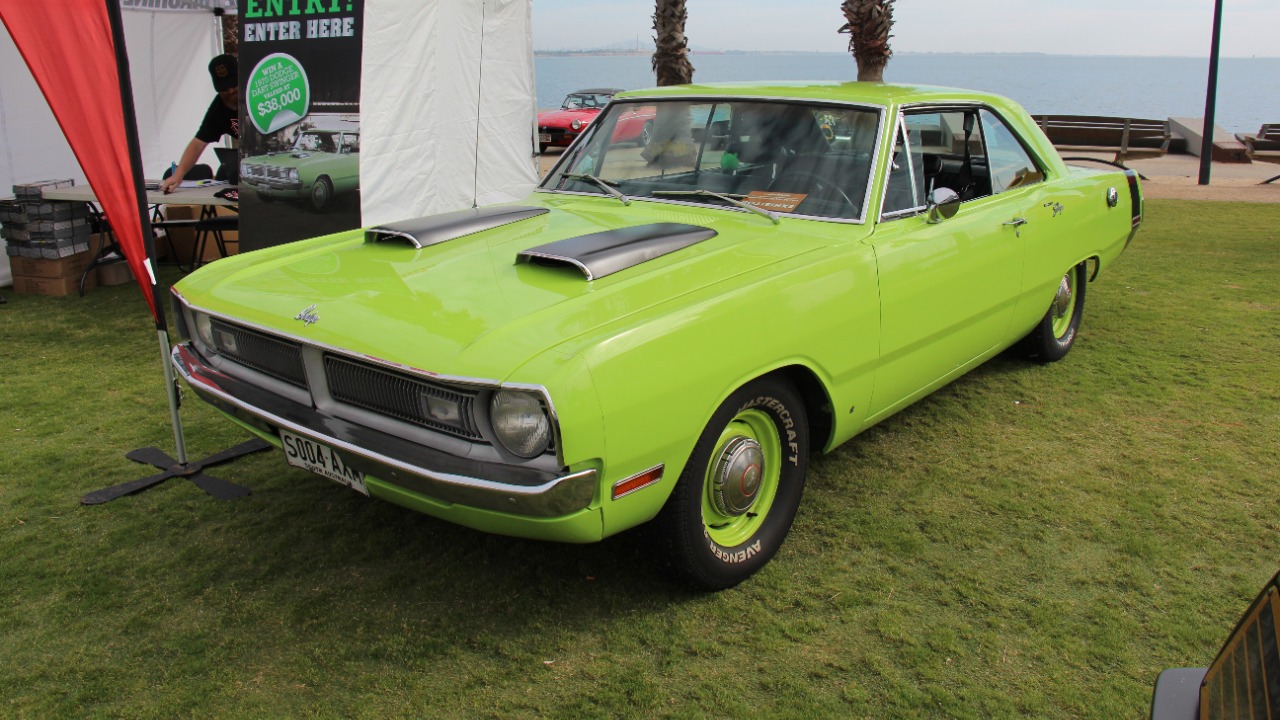
The Dodge Dart was produced in various iterations from 1960 until 2016, but it’s the earlier models from the 1960s and 1970s that many have forgotten. Originally designed as a compact car, the Dart was praised for its styling and performance. It became particularly popular among younger drivers, thanks to its sporty variants like the Dart Swinger.
However, as consumer preferences shifted towards larger vehicles, the Dart’s popularity dwindled, leading to its eventual discontinuation. Despite this, classic car events often feature restored Darts, showcasing their enduring appeal. Today, the Dodge Dart stands as a reminder of American automotive evolution and the shifting tastes of car buyers over the decades.
5. Pontiac Aztek
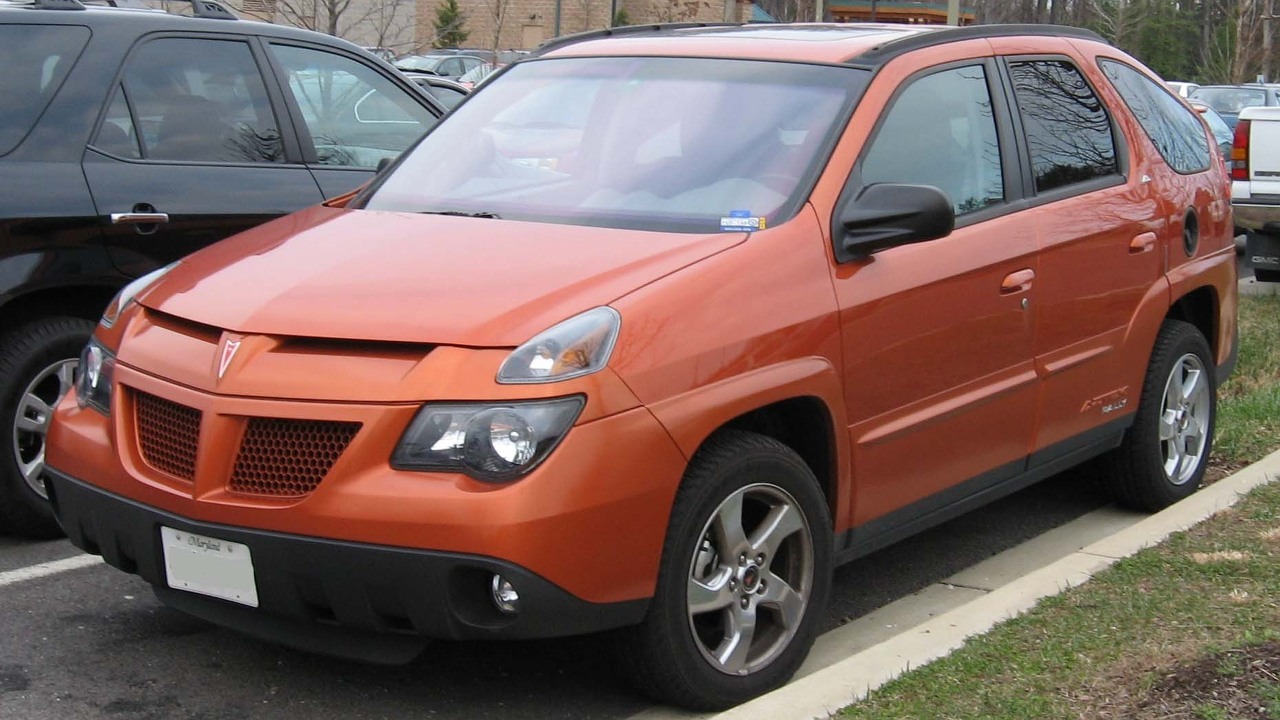
Produced from 2001 to 2005, the Pontiac Aztek is often remembered for its unconventional design and divisive aesthetics. Marketed as a versatile crossover, the Aztek was ahead of its time with features like a built-in cooler and a tent package for outdoor enthusiasts. However, its quirky appearance and mixed reviews contributed to poor sales.
Despite its commercial failure, the Aztek has seen a resurgence in popularity among car enthusiasts and collectors who appreciate its unique design. It has also gained a cult following due to its appearances in popular media, including the acclaimed series “Breaking Bad.” The Aztek serves as an example of how groundbreaking design can polarize opinions in the automotive world.
6. Mercury Capri
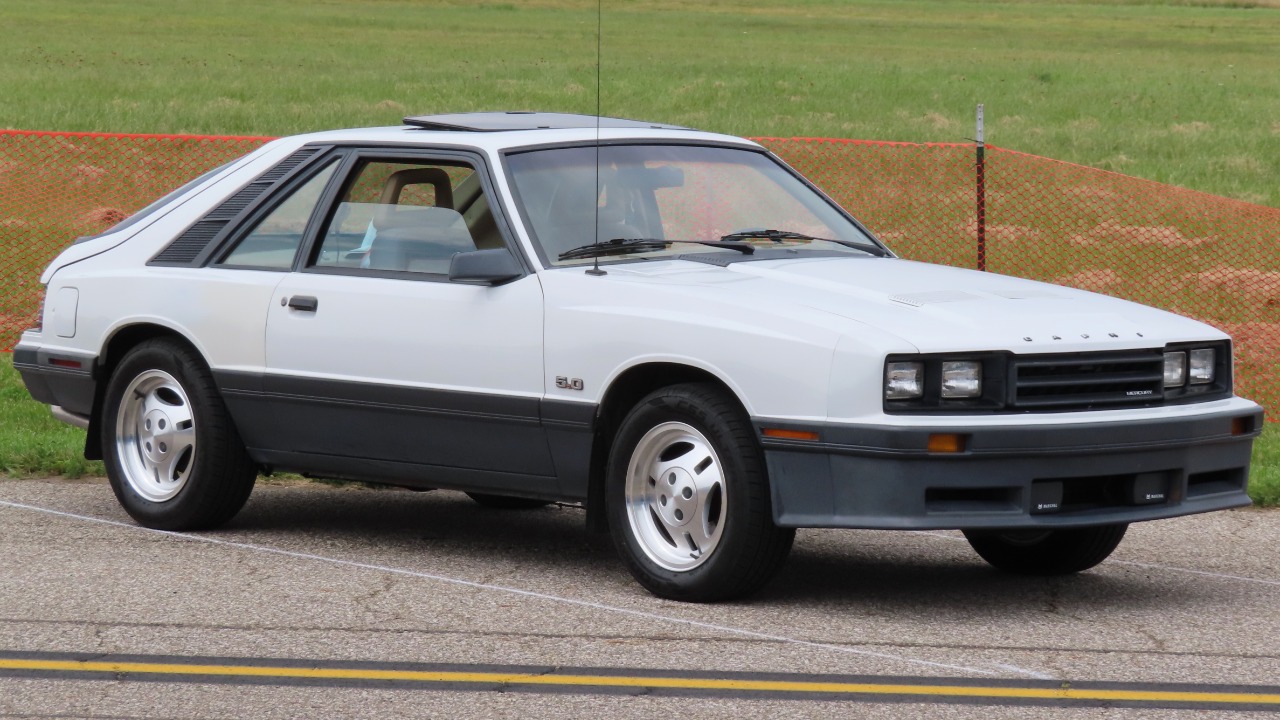
The Mercury Capri was produced in various forms from 1970 to 1994, with the most notable versions emerging in the 1980s. Originally designed as a compact car, the Capri was a stylish alternative to the Ford Mustang, offering a more refined driving experience. However, it struggled to find a consistent market share amidst growing competition.
Despite its struggles, the Capri has attracted a loyal fan base that appreciates its sporty design and performance capabilities. In recent years, interest in classic Capris has grown, with enthusiasts restoring and showcasing these vehicles at car shows. The Mercury Capri stands as a unique entry in American automotive history, illustrating the challenges of maintaining a distinct market identity.
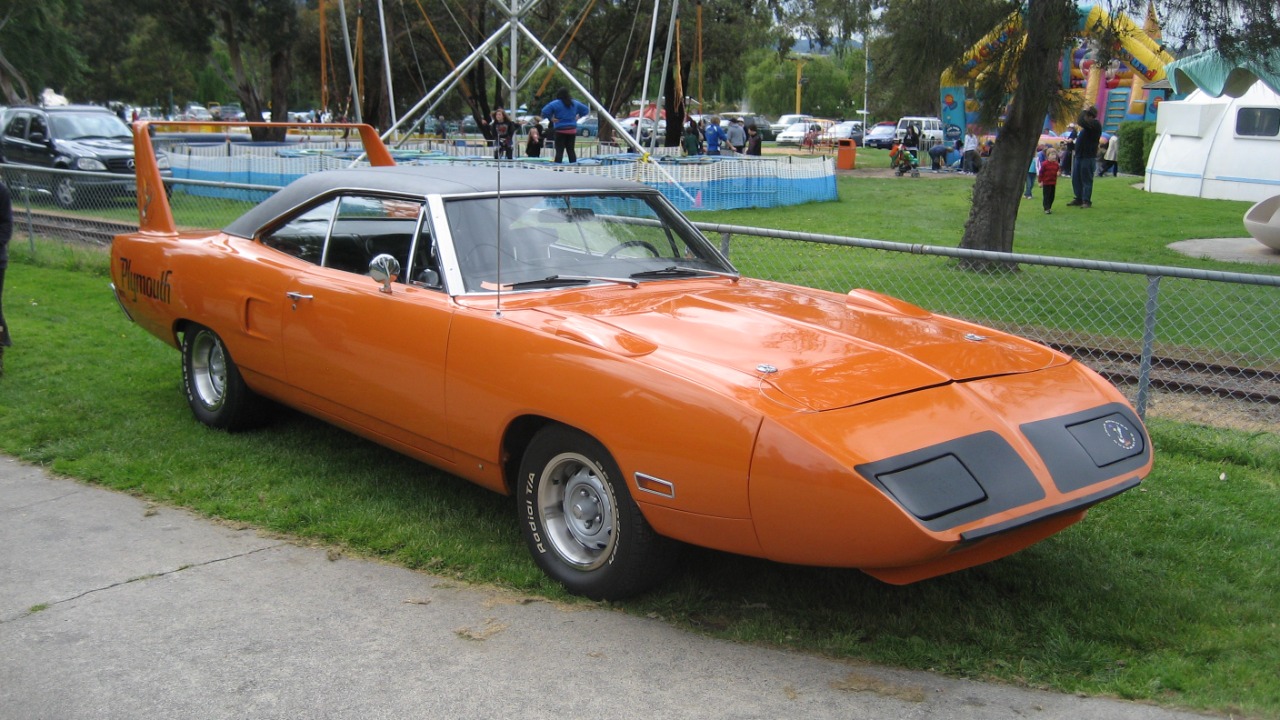
7. Plymouth Superbird
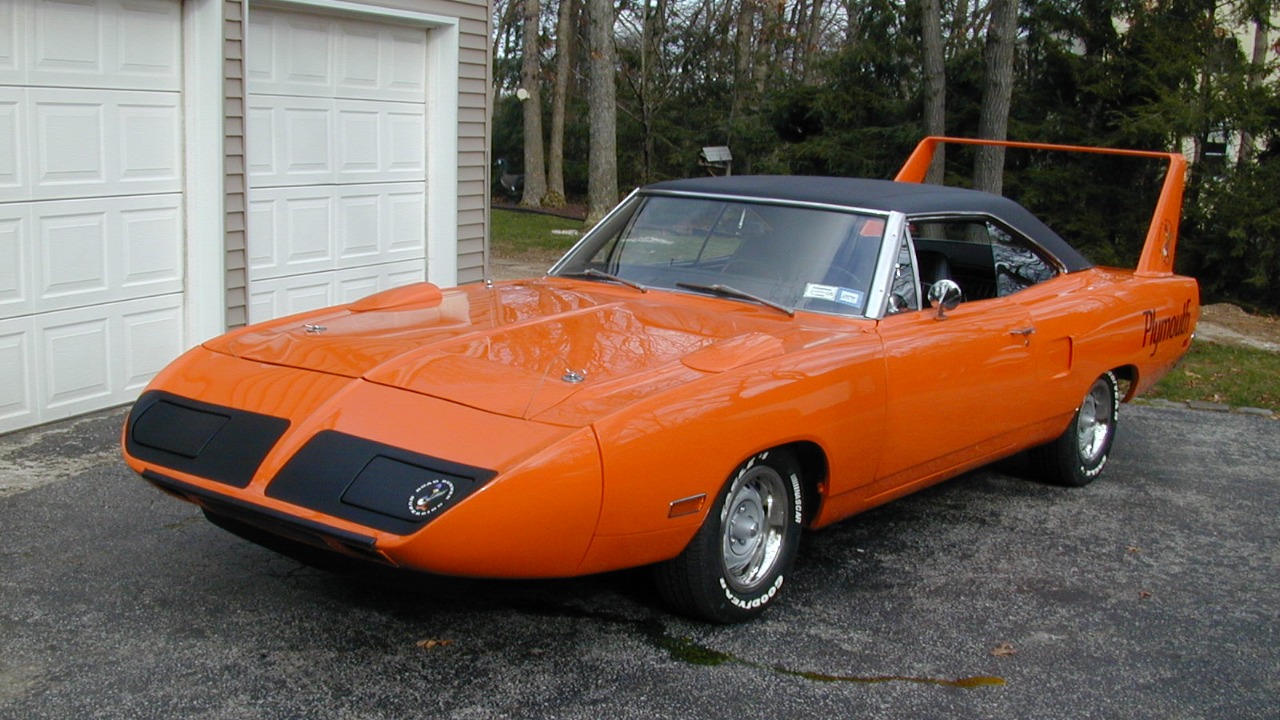
Launched in 1970, the Plymouth Superbird was engineered for NASCAR racing, boasting a distinctive aerodynamic design that included a large rear wing and a pointed nose. Based on the Plymouth Road Runner, the Superbird was a high-performance vehicle that quickly became a symbol of the muscle car era. Despite its racing pedigree, the Superbird was produced in limited quantities and fell into obscurity after the end of its racing relevance.
Today, the Superbird is celebrated as one of the most iconic American muscle cars, commanding high prices at auctions. Enthusiasts and collectors recognize it for its unique design and performance capabilities, ensuring that this forgotten classic continues to capture the imagination of car lovers everywhere. The Plymouth Superbird is a testament to the heights of automotive engineering during a thrilling era in American racing history.
More from Fast Lane Only
- Unboxing the WWII Jeep in a Crate
- 15 rare Chevys collectors are quietly buying
- 10 underrated V8s still worth hunting down
- Police notice this before you even roll window down
*Research for this article included AI assistance, with all final content reviewed by human editors.