The evolution of vehicle engines has seen a myriad of experiments, some of which are downright unusual yet pivotal in shaping the future of automotive power. Early experiments with big power engines laid the groundwork for the innovations we see today, revealing a fascinating journey that blends creativity with engineering precision.
The Birth of Internal Combustion Engines
The transition from steam to internal combustion engines marked a revolutionary shift in the automotive industry. Early designs were often rudimentary, relying on simple mechanics to harness the power of combustion. Pioneers like Nikolaus Otto and Karl Benz made significant strides in developing efficient internal combustion engines. Otto’s four-stroke cycle, patented in 1876, was a game changer that allowed for smoother operation and improved fuel efficiency. Benz’s creation of the first practical automobile in 1885 demonstrated the potential of these engines, effectively capturing public imagination and paving the way for mass adoption.
The impact of these early experiments on the automotive industry was profound. Motor vehicles began to shift from a novelty to a viable mode of transportation, leading to the establishment of automobile manufacturing as an industry. Public perception evolved from skepticism to enthusiasm as the reliability and performance of internal combustion engines improved. The groundwork laid during this period would influence not only future automotive designs but also societal attitudes towards mobility and independence.
Unconventional Fuel Sources and Power Sources
The quest for alternative fuel sources has long been a part of engine experimentation. In the late 19th century, inventors explored various unconventional fuels, including biofuels derived from organic materials and even hydrogen. For instance, in 1806, Isaac de Rivaz built a hydrogen-powered vehicle, showcasing the potential of this clean-burning fuel long before it became a modern consideration. These early ventures into alternative fuels were not merely theoretical; they were practical attempts to find viable solutions to the limitations of traditional gasoline engines.
Electricity also played a significant role in early engine designs. Before the dominance of internal combustion engines, electric vehicles like the Baker Electric and the Detroit Electric gained popularity in the early 1900s. These vehicles utilized battery systems and showed that electric motors could provide a reliable, albeit limited, range of travel. The principles of electricity and magnetism in engine design, much like the concepts found in helicopter aerodynamics, were explored to enhance performance and efficiency, setting the stage for future innovations in propulsion systems.
Innovative Engine Designs and Configurations
Engine design has always been a playground for innovation, with unusual configurations often leading to unexpected advancements. One notable example is the rotary engine, famously used in Mazda’s RX series. Unlike traditional piston engines, rotary engines utilize a triangular rotor to convert pressure into rotational motion. This design allows for a more compact engine that can produce high power outputs relative to its size. However, the rotary engine also faced challenges, including fuel consumption and emissions, which ultimately limited its widespread adoption.
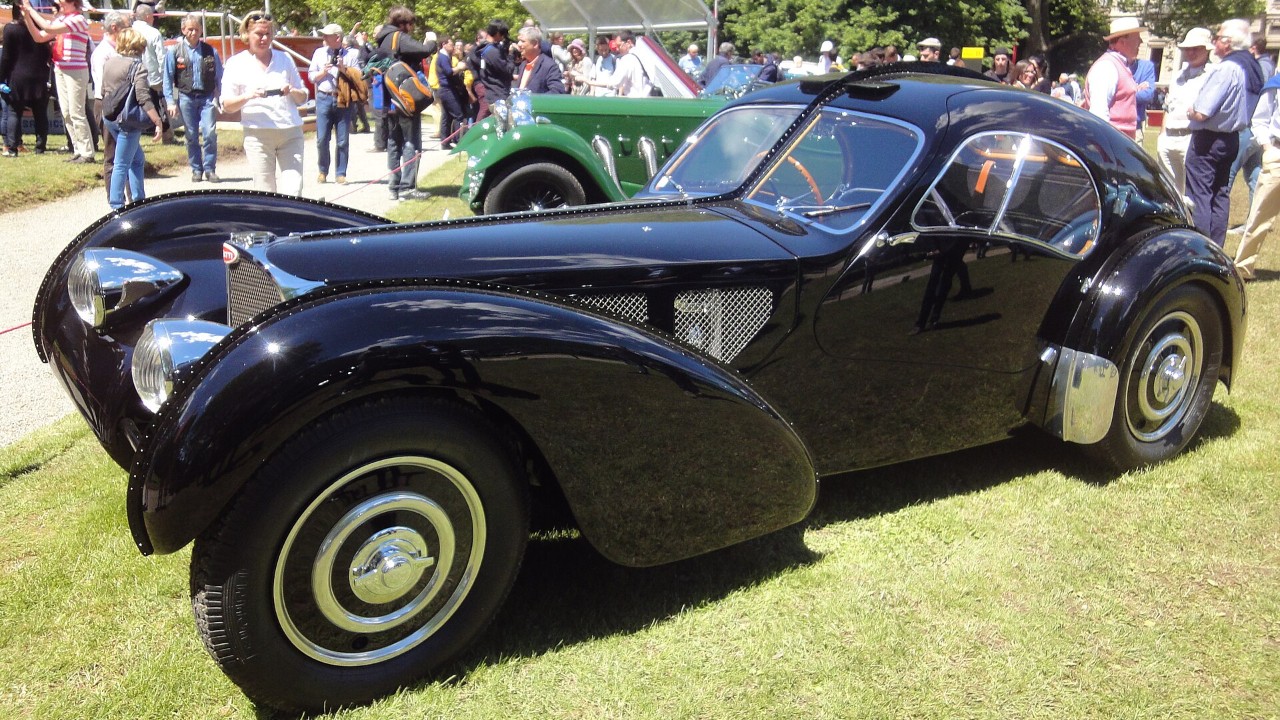
Multi-cylinder setups also exemplify experimental engine design. Early automotive engineers experimented with engines featuring more than the standard four cylinders, leading to configurations such as the V8 and W16, found in vehicles like the Bugatti Veyron. These designs significantly increased power output while complicating manufacturability and maintenance. The lessons learned from these configurations influenced the eventual standardization of engine types, pushing manufacturers toward designs that balanced power, efficiency, and ease of production.
Impact of Racing and Performance Vehicles
The world of motorsports has always been a crucible for engineering innovation, driving rapid advancements in engine technology. Early racing events, such as the Paris-Rouen race in 1894, showcased unconventional engine modifications that prioritized speed and performance. Racers often experimented with lighter materials, advanced aerodynamics, and modified fuel systems to gain an edge over competitors. These early racing engines not only highlighted the potential of increased power but also emphasized the importance of efficiency and reliability under extreme conditions.
Racing has historically served as a testing ground for innovations that eventually trickled down to consumer vehicles. For instance, the development of turbocharged engines in motorsports has led to their widespread adoption in production cars, enhancing performance while improving fuel efficiency. The connection between racing experiments and advancements in consumer automotive technology is evident in the evolution of performance vehicles, where features honed on the track now appear in everyday cars.
Lessons from Early Experiments and Modern Implications
The insights gained from early engine experimentation continue to resonate within the automotive industry today. Many of the challenges faced by early inventors, such as managing heat and efficiency, remain relevant. Modern engineers draw upon these lessons as they pursue cutting-edge technology, particularly in the realm of electric and hybrid vehicles. The principles of thermodynamics and energy transfer, first explored by early engine designers, are now foundational in developing high-performance electric motors and battery systems.
Moreover, the relevance of past innovations is underscored by today’s regulatory environment. As we approach the 2026 automotive standards, which emphasize emissions reductions and fuel efficiency, it is clear that the lessons learned from early experimentation inform current regulations. The push for sustainable vehicles echoes the early endeavors to find cleaner fuel sources, highlighting the cyclical nature of automotive innovation.
The Future of Engine Experimentation
Looking ahead, the future of engine technology promises to be as intriguing as its past. As we venture into the next decade, trends such as increased electrification and the integration of renewable energy sources are set to redefine what constitutes “big power” in vehicles. Innovations like magnet-free electric motors, which are currently being explored, may soon emerge as leading technologies that transform power delivery and efficiency in automotive applications.
Research institutions and laboratories play a crucial role in pioneering these advancements. Continuous investments in R&D are essential for exploring unconventional ideas, much like early pioneers did. The potential for hybrid systems that combine electric power with traditional combustion engines could lead to breakthroughs that redefine vehicle performance and sustainability. As we embrace these changes, the spirit of experimentation that fueled early automotive innovation remains alive, driving us toward a future where the possibilities for engine technology are limited only by our imagination.
More from Fast Lane Only
- Unboxing the WWII Jeep in a Crate
- 15 rare Chevys collectors are quietly buying
- 10 underrated V8s still worth hunting down
- Police notice this before you even roll window down
*Research for this article included AI assistance, with all final content reviewed by human editors.