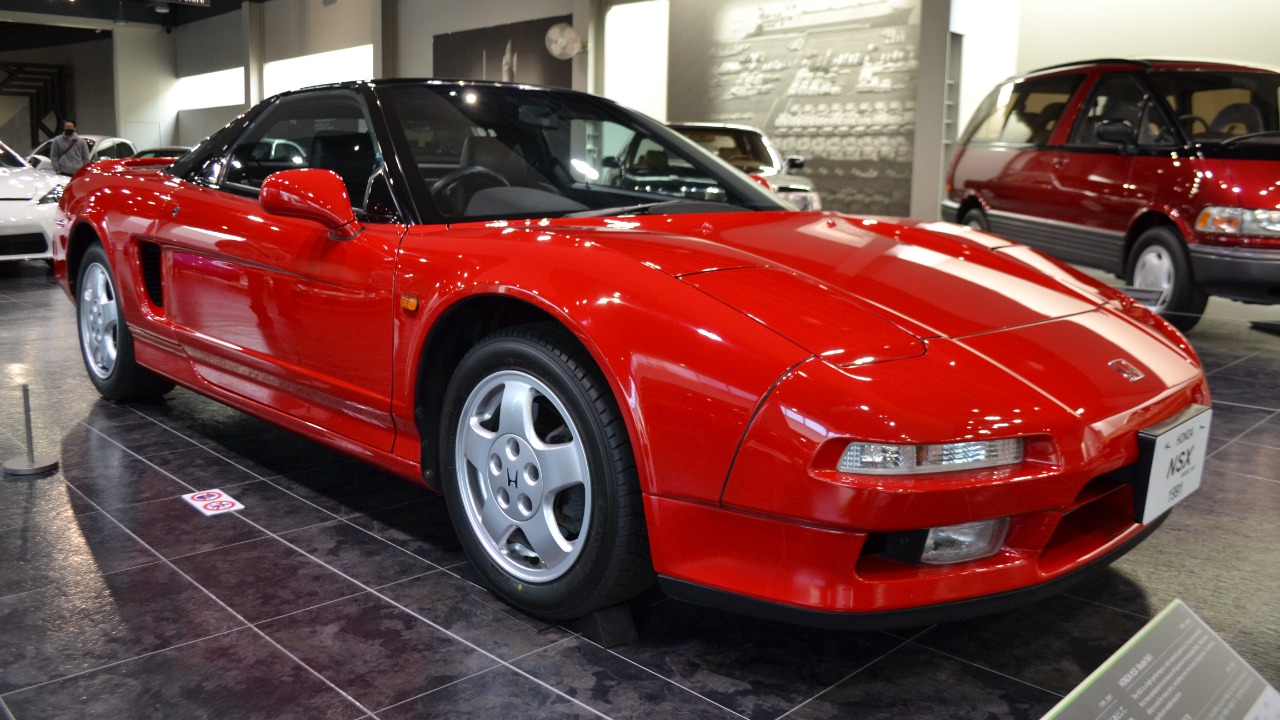
The 1990s became a golden era for Japanese performance engineering, producing cars that balanced speed, reliability, and advanced technology in ways many rivals struggled to match. Manufacturers experimented with turbocharging, all-wheel drive, active handling systems, and lightweight construction long before those features became mainstream. Decades later, these machines still feel remarkably modern both on the road and in enthusiast culture.
Nissan Skyline GT-R R34
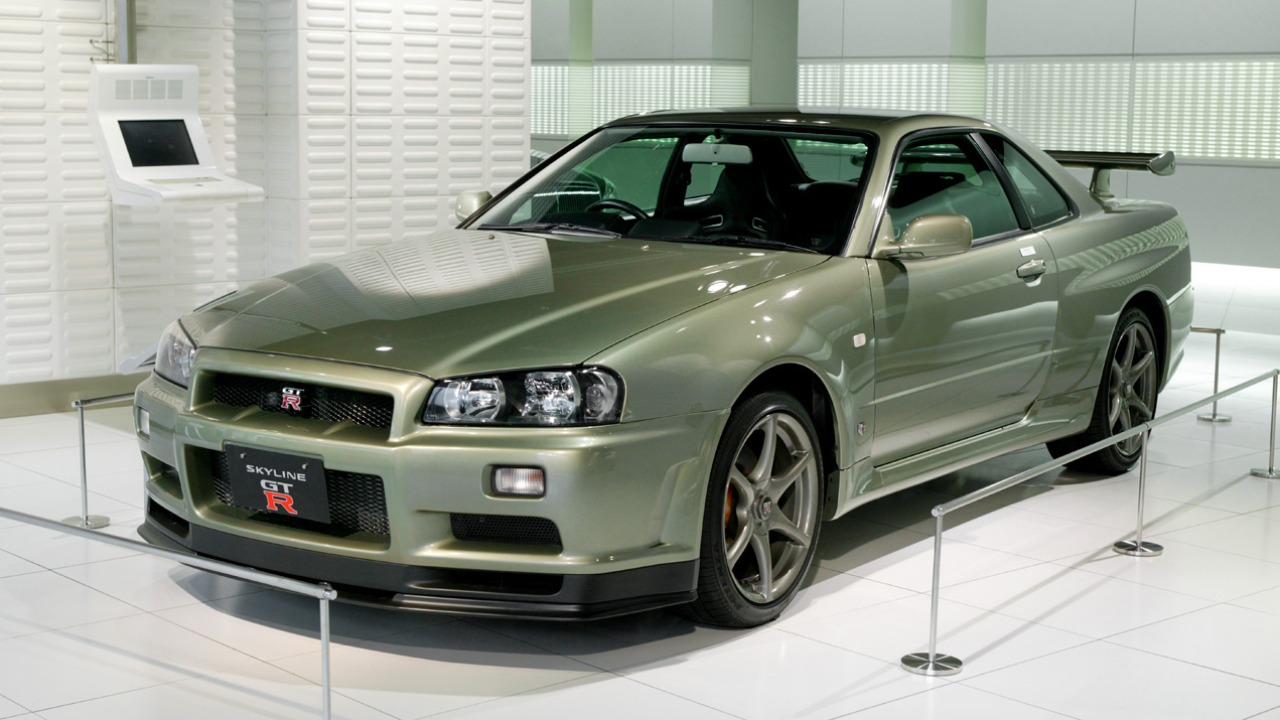
The Nissan Skyline GT-R R34 combined advanced technology with brutal performance in a package that still feels sophisticated today. Developed by Nissan, it featured the legendary twin-turbo RB26DETT inline-six paired with the ATTESA all-wheel-drive system. Multifunction digital displays gave drivers real-time performance data uncommon during the era. Its precise handling and immense tuning potential created global fascination. The R34 still feels ahead of its time because it blended electronics and mechanical capability so effectively.
Toyota Supra Mk4
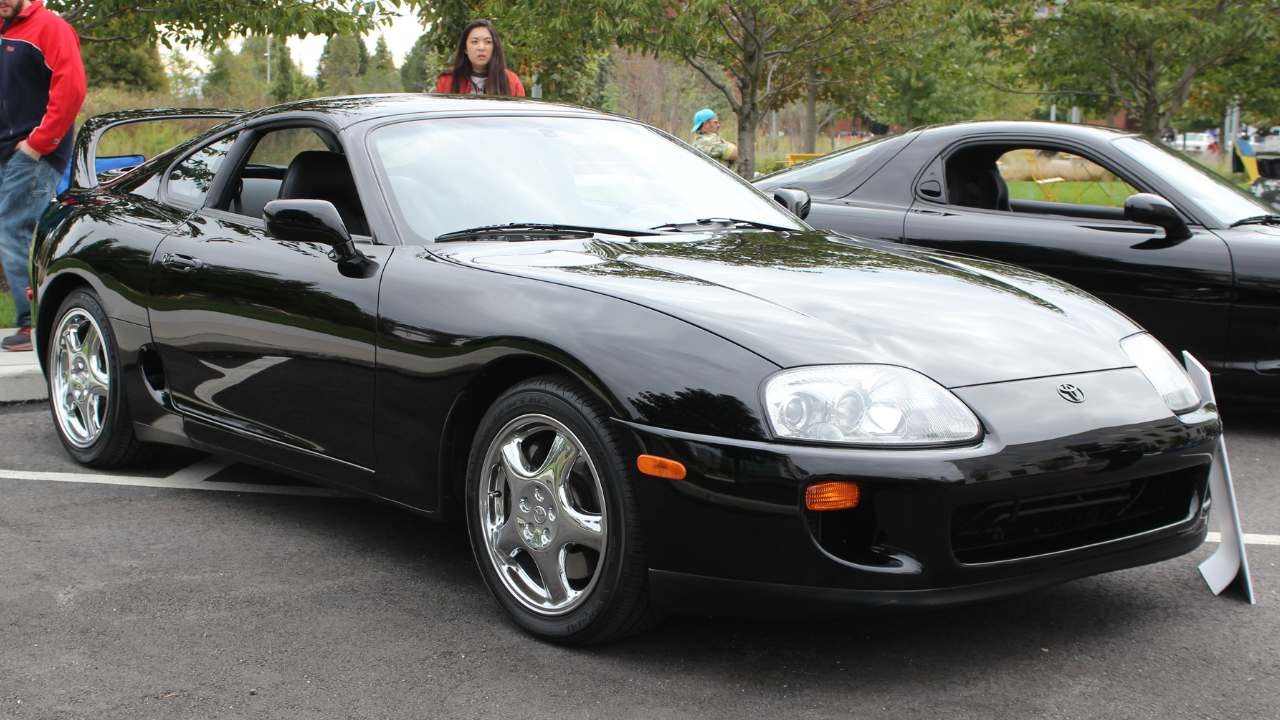
The fourth-generation Toyota Supra became an engineering benchmark that modern performance cars still respect. Built by Toyota, it used the massively durable 2JZ-GTE twin-turbo inline-six capable of supporting enormous horsepower increases. Aerodynamic styling and strong chassis rigidity improved stability at high speed. Even factory examples delivered refined power and excellent reliability. The Supra’s balance of tunability, comfort, and performance continues making it feel surprisingly contemporary decades after production ended.
Honda NSX
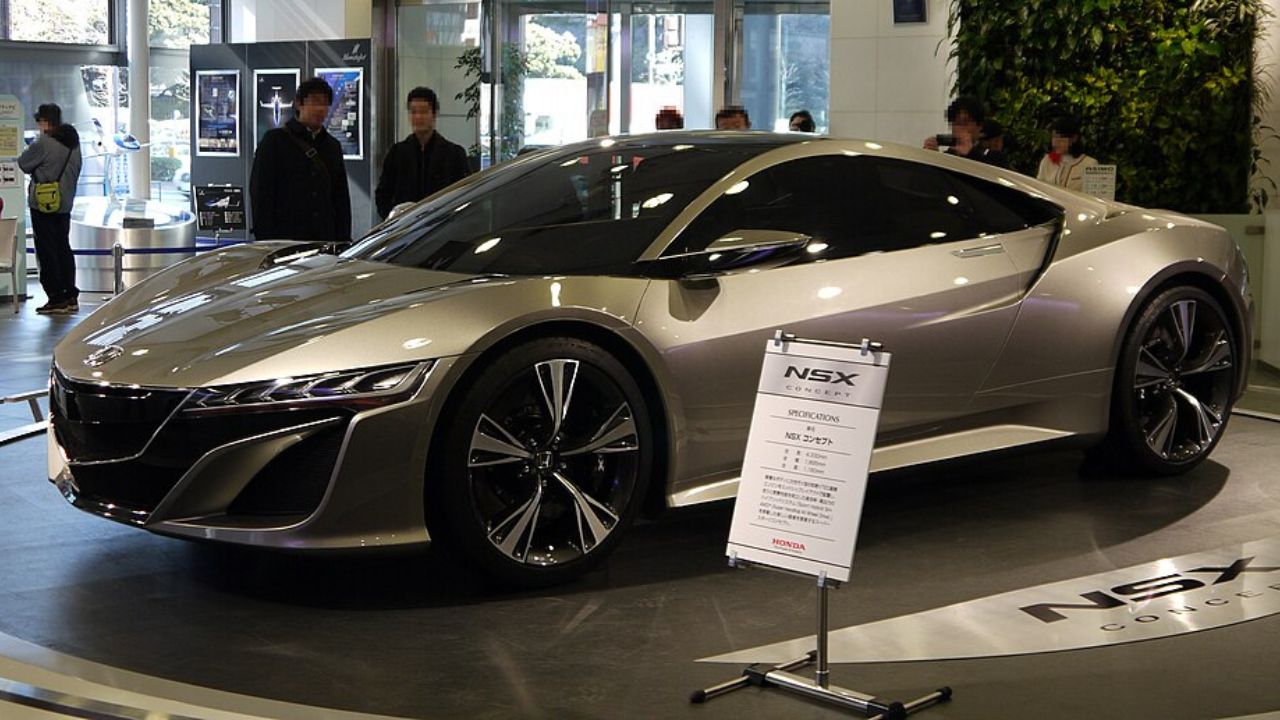
The Honda NSX redefined expectations for exotic performance cars during the 1990s. Developed by Honda, it combined lightweight aluminum construction with mid-engine balance and everyday usability. Input from Ayrton Senna helped refine chassis dynamics for exceptional precision. Unlike many supercars of the era, the NSX delivered reliability alongside serious performance capability. Its engineering philosophy heavily influenced future exotic car development worldwide.
Mazda RX-7 FD
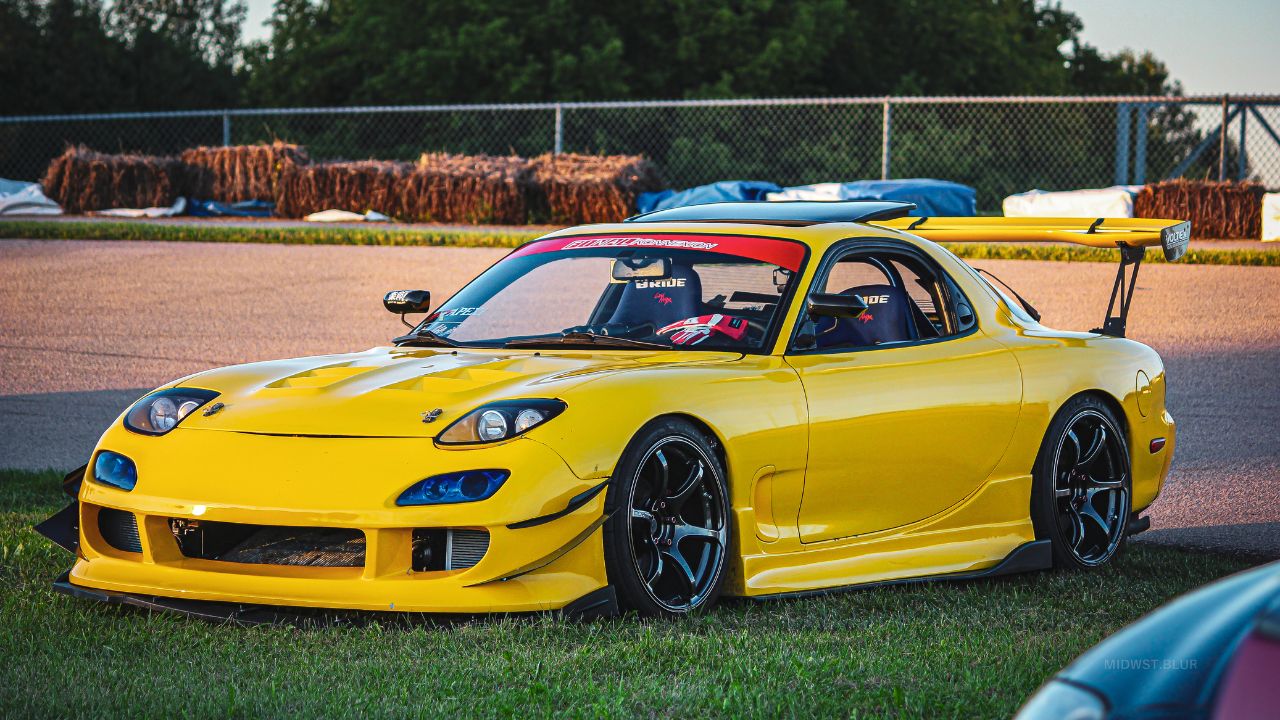
The Mazda RX-7 FD achieved a level of balance and design sophistication that still feels modern today. Produced by Mazda, it paired a lightweight chassis with a sequential twin-turbo rotary engine delivering smooth high-revving power. Near-perfect weight distribution created sharp, responsive handling characteristics. Its flowing bodywork aged exceptionally well compared to many sports cars from the decade. The RX-7 FD remains respected because it prioritized driver connection over excessive complexity or unnecessary weight.
Mitsubishi Lancer Evolution VI
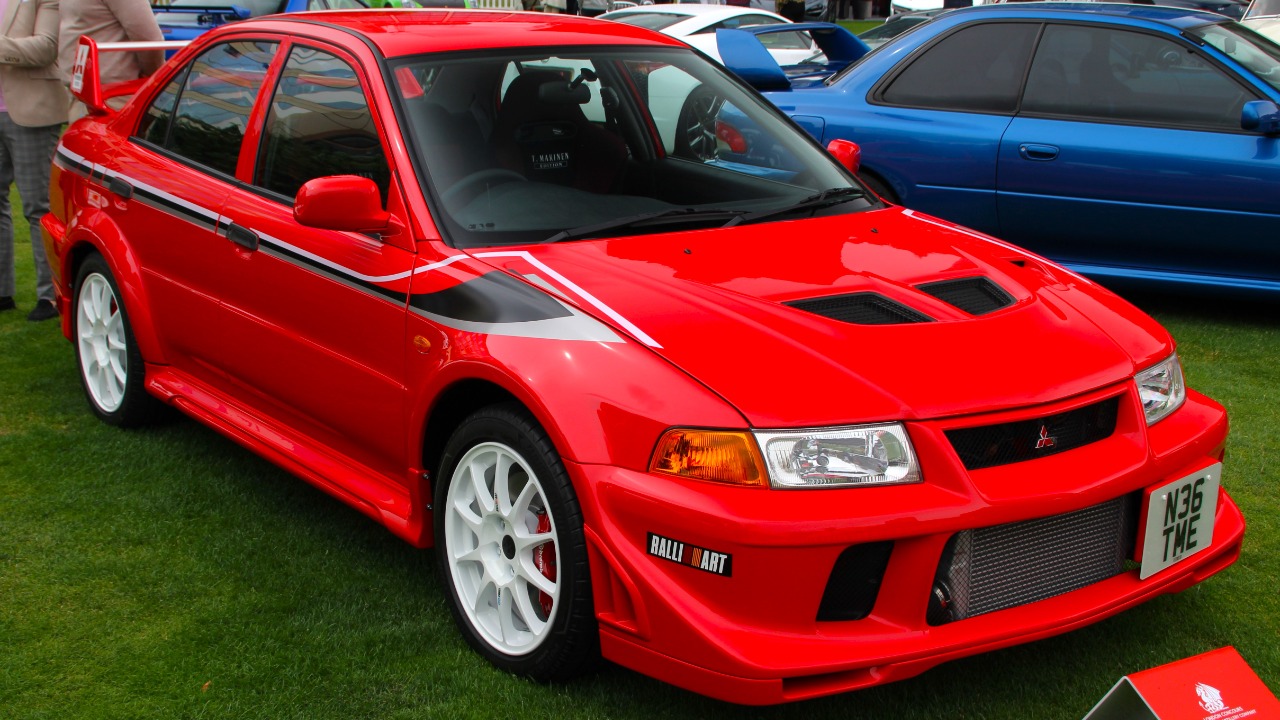
The Mitsubishi Lancer Evolution VI transformed rally-bred engineering into one of the sharpest street performance cars of its generation. Built by Mitsubishi Motors, it featured turbocharged power, advanced all-wheel drive, and active yaw control technology uncommon in affordable performance sedans at the time. Aggressive handling gave it extraordinary capability on difficult roads. Its motorsport roots translated directly into real-world driving confidence. The Evo VI still feels modern because its performance systems remain genuinely effective by today’s standards.
Subaru Impreza WRX STI

The Subaru Impreza WRX STI introduced many enthusiasts to turbocharged all-wheel-drive performance during the 1990s. Developed by Subaru, it used a turbocharged flat-four engine combined with symmetrical all-wheel drive for exceptional traction in all conditions. Functional hood scoops and aggressive aerodynamics reinforced its rally heritage visually. Its blend of practicality and serious performance anticipated the future popularity of high-performance sport sedans. The STI still feels advanced because its formula remains highly relevant today.
Toyota MR2 Turbo
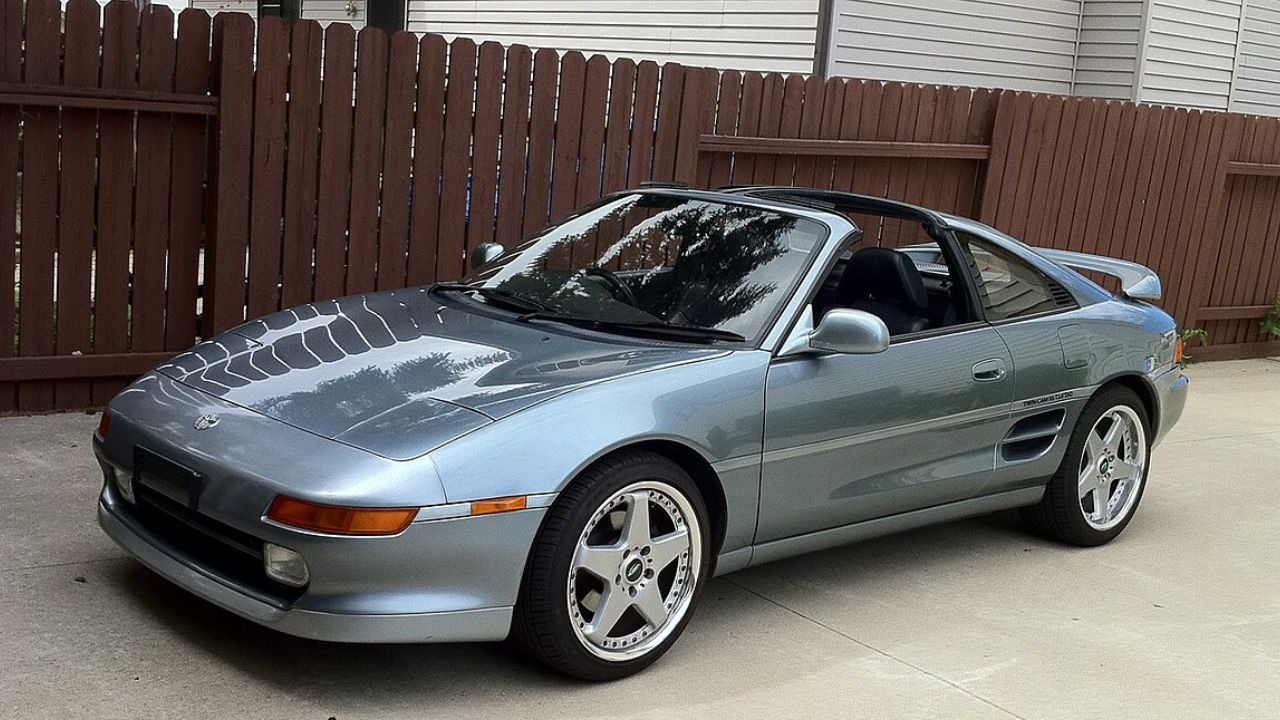
The second-generation Toyota MR2 Turbo delivered exotic-style engineering at an accessible price point. Produced by Toyota, it featured a mid-engine layout and turbocharged four-cylinder engine that created impressive balance and acceleration. Compact dimensions made it agile and engaging on technical roads. Styling borrowed inspiration from contemporary Italian supercars without becoming excessive. The MR2 Turbo still feels ahead of its time because it offered true sports car architecture in an affordable, reliable package.
More from Fast Lane Only