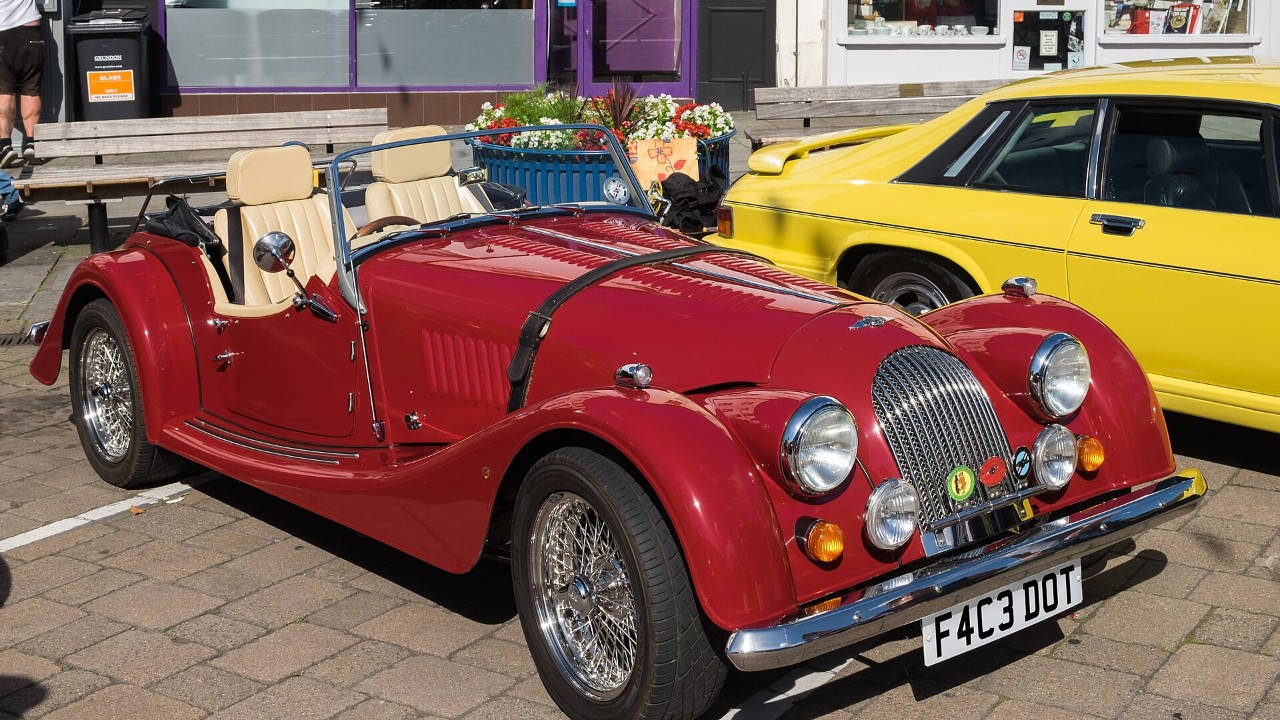
Morgan was founded in 1909, and its line runs from a tiller-steered three-wheeler to a BMW-powered roadster. In between came the four-wheeled 4-4, the Plus 4 and the Rover V8 Morgan Plus 8. Here are seven Morgans that mark the turns in that story, in the order they arrived.
Each one changed what a Morgan could be. Today, the company still builds its cars at its Pickersleigh Road factory in Malvern, England.
1. 1909 Morgan Runabout
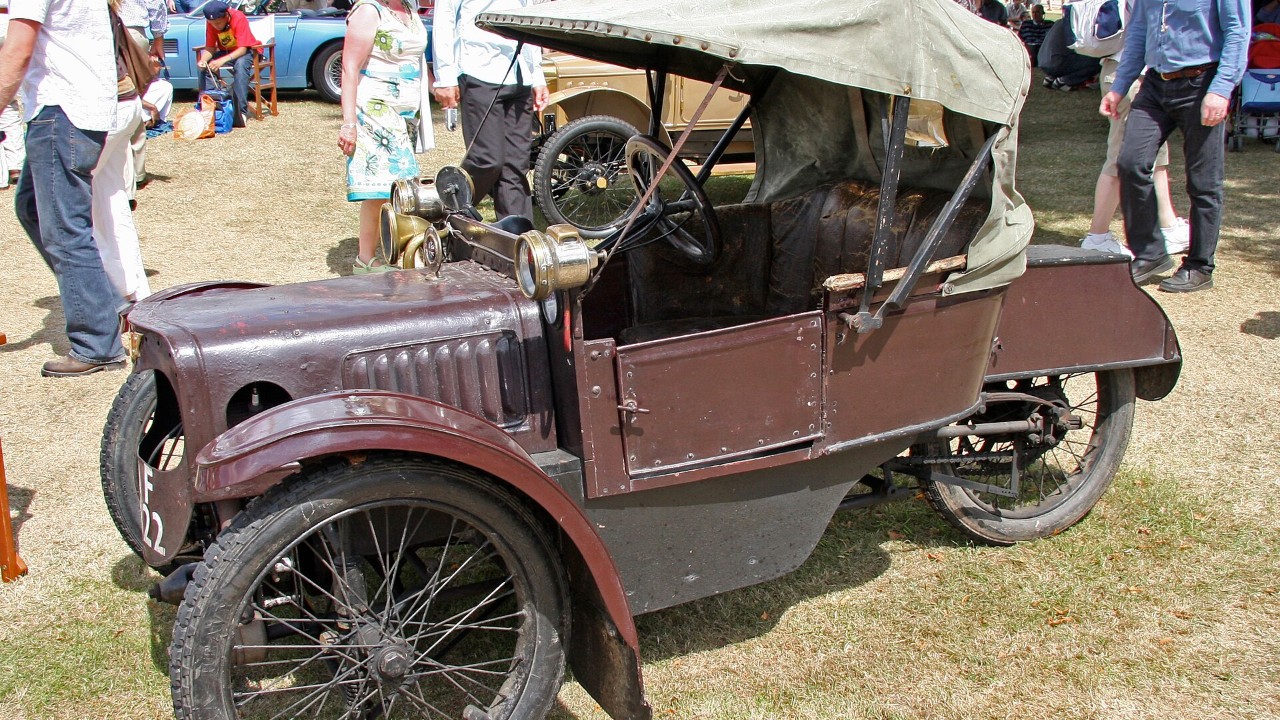
At first, Henry Frederick Stanley Morgan started with three wheels. He first planned a motorcycle with a 7-hp Peugeot twin-cylinder engine, and that Peugeot twin went on to drive the Runabout. Morgan began production of the first Runabout in 1909.
According to Hagerty, the car appeared at the 1910 Motor Show at Olympia in London. Back then, it had independent front suspension, a two-speed transmission and a tiller for steering. Still, the single-seater drew few orders at first. Later, Hagerty says, Morgan added a second seat, and engines from JAP, Blackburne and Anzani followed over the next 20 years.
2. 1936 Morgan 4-4
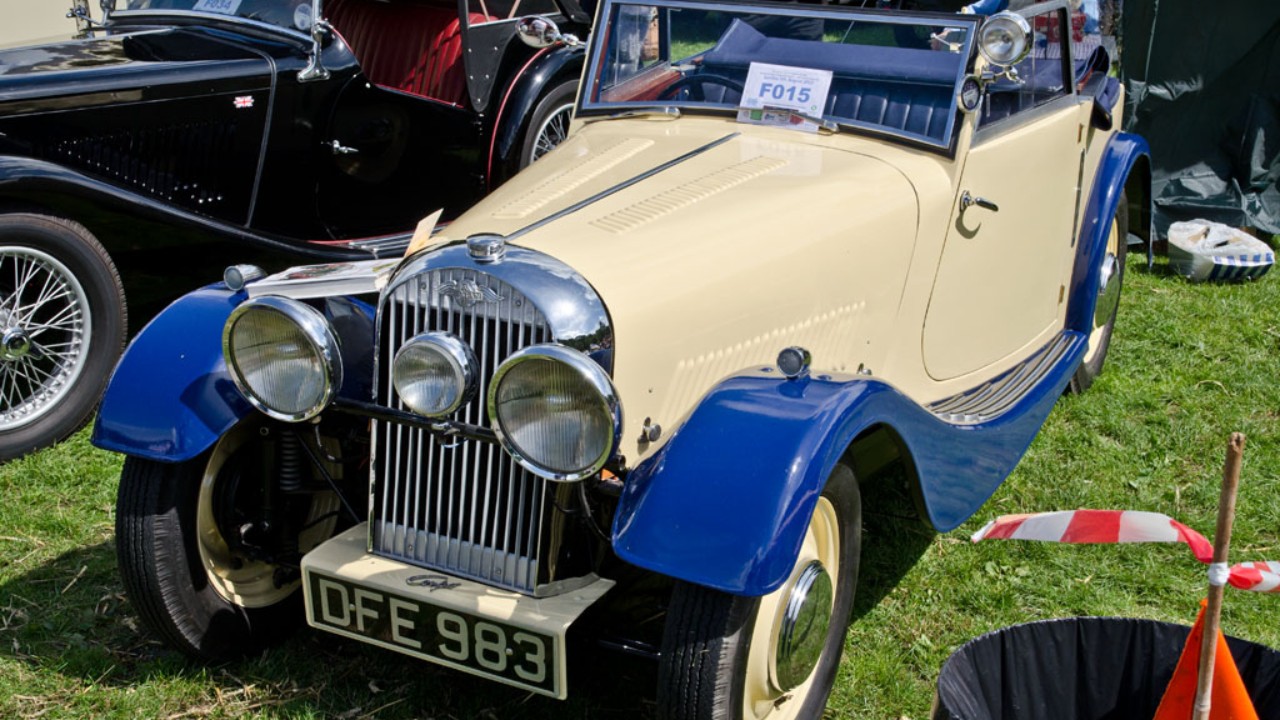
Later, Morgan’s first four-wheeler arrived in March 1936. The two-seat 4-4 roadster used a 1,122cc Coventry Climax engine, according to the history on the GoMog Morgan site. In 1946, the name became the 4/4.
GoMog counts 713 cars built with the Climax engine between 1936 and 1939. Then a 1,267cc Standard Special engine arrived in May 1939, and 525 cars used it. Later, the 4/4 Series 2 of October 1955 switched to a Ford 100E side-valve engine, and Ford power carried through later series.
3. 1950 Morgan Plus 4
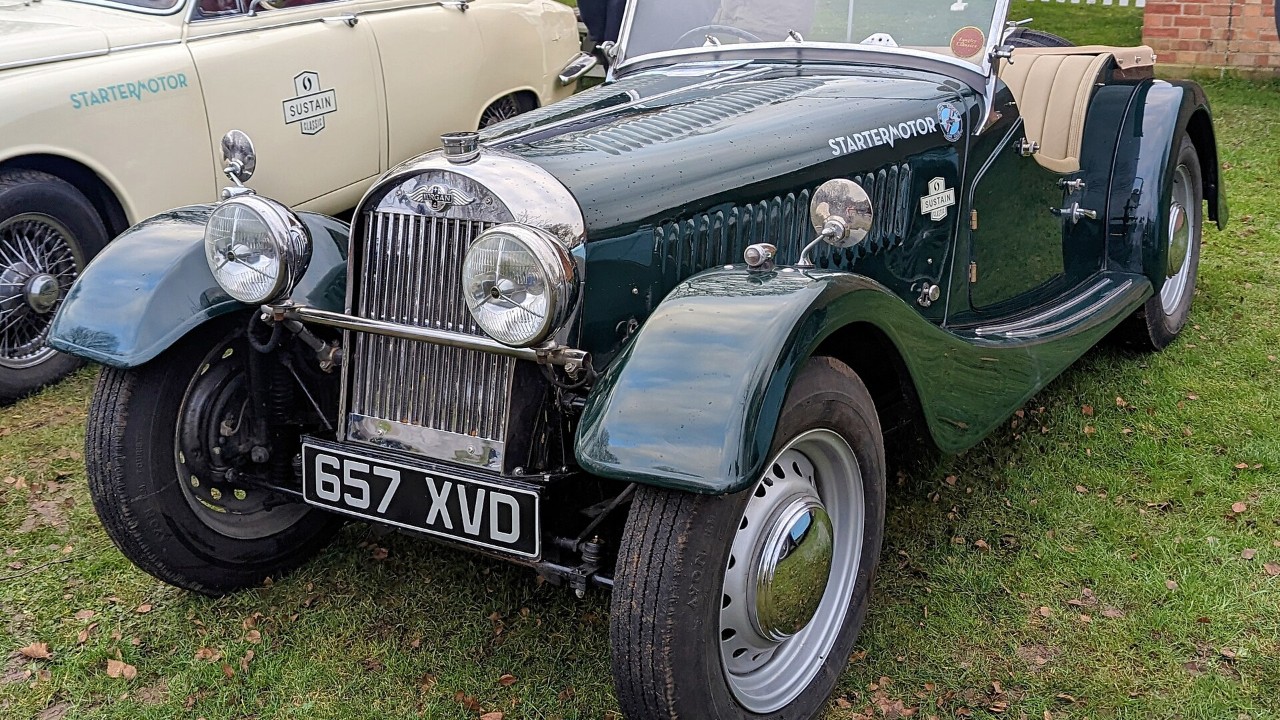
Then the Plus 4 added more power in October 1950. Morgan launched it at the Motor Show with a 2,088cc Standard Vanguard engine, GoMog says. The last Vanguard-engined Plus 4 left the factory in October 1958.
By then, Triumph power had taken over. Meanwhile, the TR2 engine became an option in December 1953, and the TR3 engine went into Plus 4s from March 1956. GoMog counts 4,584 Triumph-engined Plus 4s in all, with the last one delivered in January 1969. The name lives on, too. Morgan’s own site says today’s Plus Four uses BMW’s 2.0-liter engine in a car weighing just over 1,000 kg.
4. 1961 Morgan Plus 4 Super Sports
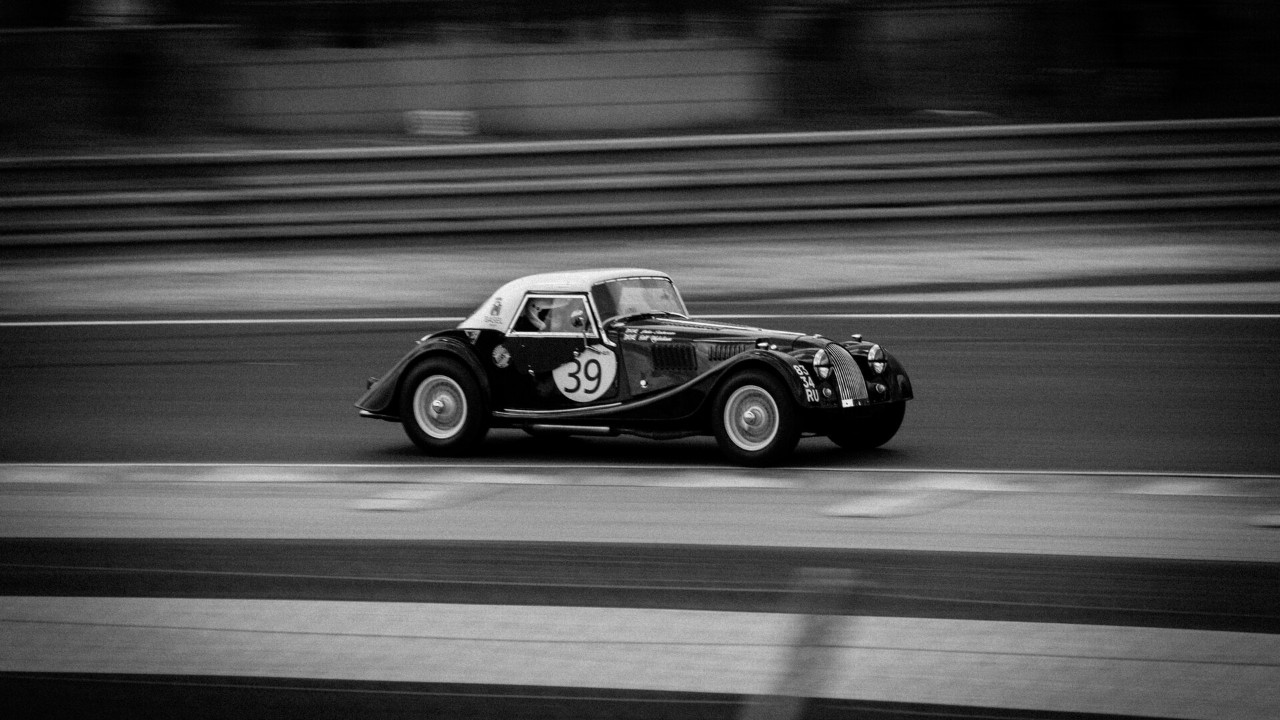
The Super Sports was the tuned Plus 4. It launched in February 1961 with a Triumph TR3 or TR4 engine in a “Lawrence tune,” named for tuner Chris Lawrence, according to GoMog. Tuners also modified the engines extensively and fitted twin Weber carburetors.
As a result, production stayed tiny. GoMog lists 40 Super Sports cars with TR3 engines and 63 with TR4 or TR4A engines, for 103 in total. Meanwhile, the car earned its reputation at Le Mans. In June 1962, Lawrence won the 2-litre class in a Super Sports Plus 4 registered TOK258, averaging 93.97 mph over 2,255 miles.
5. 1968 Morgan Plus 8
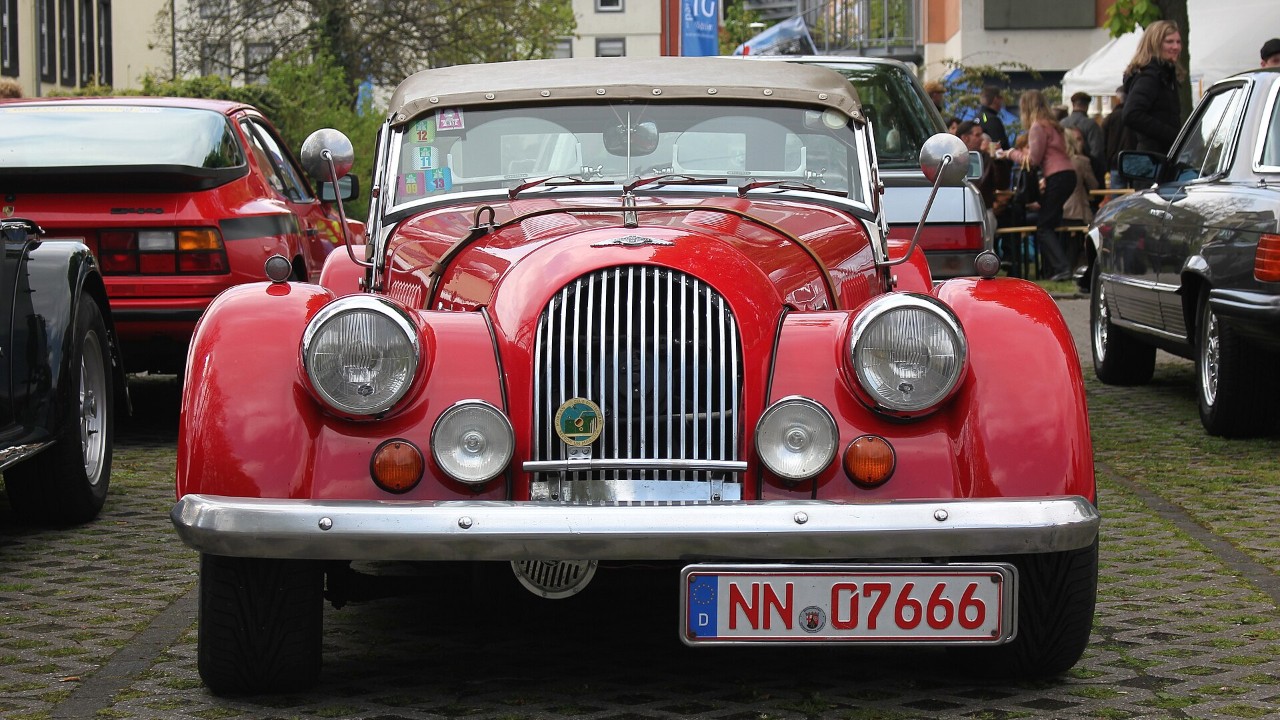
The Morgan Plus 8 put a V8 under the long hood in October 1968. It used Rover’s 3,528cc V8 and a Moss gearbox, according to GoMog. By April 1972, Morgan had built 484 of them.
Still, the car kept evolving for years after that. For example, an October 1975 Plus 8 Sports Lightweight followed, and GoMog says only 19 factory examples were built. Then, in October 1976, the Morgan Plus 8 got the Rover SD1 V8 and a five-speed gearbox. Morgan finished its last V8 cars, including the final Plus 8 versions, in late 2018, as Motor Authority reported the following spring.
6. 2000 Morgan Aero 8
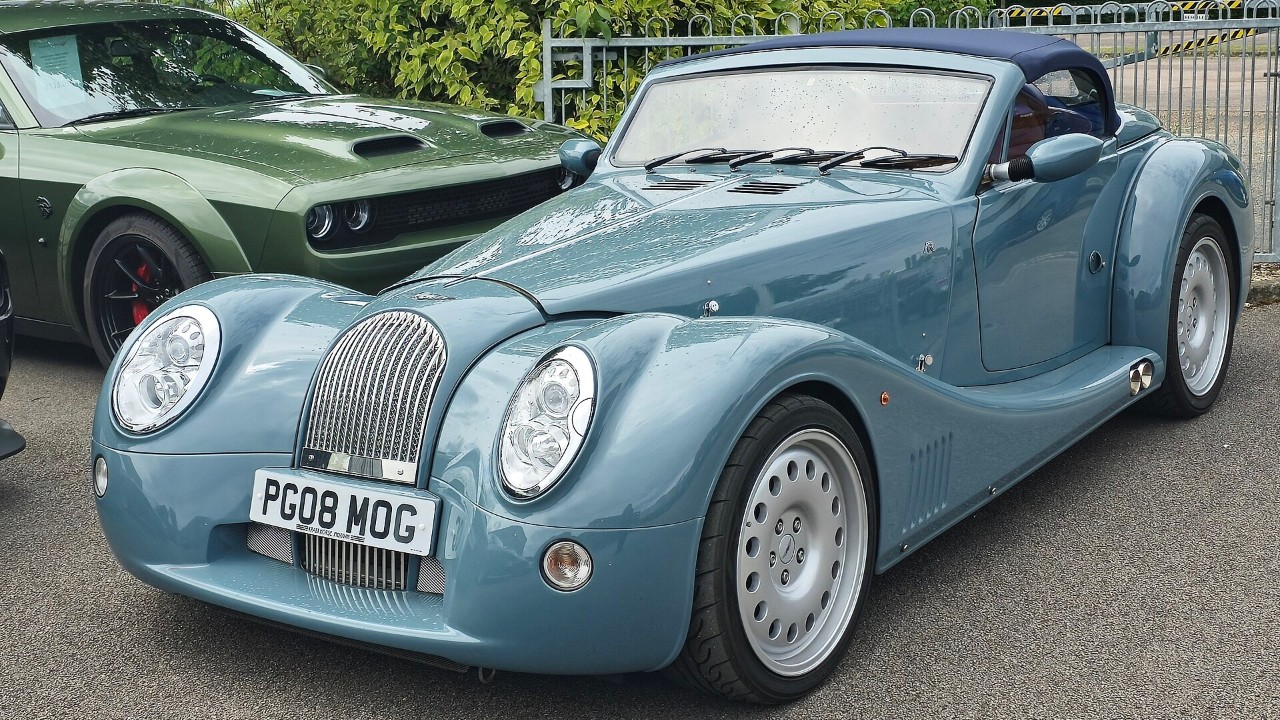
By contrast, the Aero 8 was a clean break. It launched at the Geneva Salon in 2000 with a 4.4-liter V8 from the BMW 740i, according to Classic & Sports Car. Across its life, outputs ranged from 286 bhp to 362 bhp, and the 2007 S4 brought a 4.8-liter engine.
Underneath, Morgan used a bonded and riveted aluminum chassis, with an aluminum body over an ash frame. In fact, Classic & Sports Car calls it the world’s first chassis to use Alcan pre-coated aluminum. Morgan built about 1,200 Aero 8s between 2000 and 2019, the magazine says. The car also ran at Le Mans in 2002 and 2004.
7. 2019 Morgan Plus Six
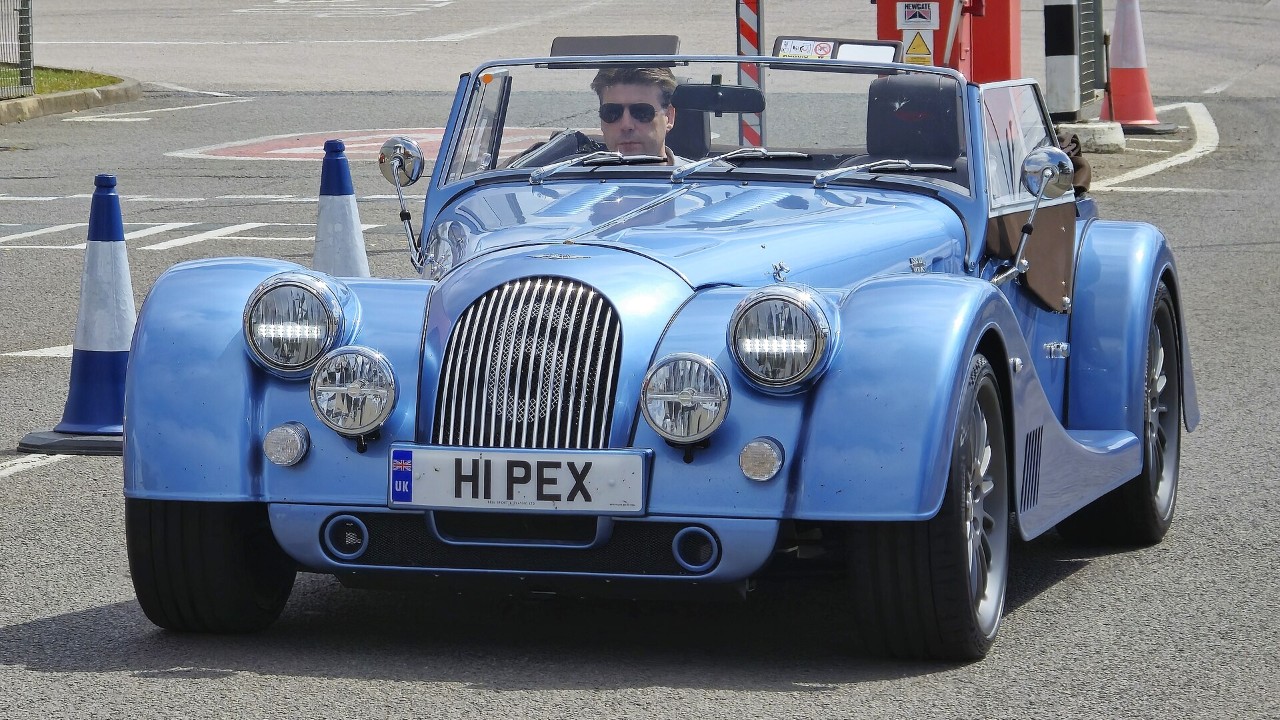
Finally, the Plus Six replaced the V8 cars as Morgan’s flagship. Morgan unveiled it at the 2019 Geneva International Motor Show, according to Motor Authority. Power came from a BMW 3.0-liter turbocharged inline-six, rated at 335 horsepower and 369 lb-ft of torque.
An eight-speed automatic sent that power to the rear wheels. Motor Authority quoted 0-62 mph in 4.2 seconds and a top speed of 166 mph. The car also rode on Morgan’s new CX-Generation bonded aluminum platform. By comparison, Hagerty cites £65 for an early two-seat Runabout, while the Plus Six started from $102,585.
More from Fast Lane Only
- Unboxing the WWII Jeep in a Crate
- 15 rare Chevys collectors are quietly buying
- 10 underrated V8s still worth hunting down
- Police notice this before you even roll window down
This article was created with the help of AI and was reviewed and edited by Fast Lane Only editors before publication.