The collector car world is filled with famous icons, but some of the most interesting vehicles are the ones that quietly disappeared from memory. Built in limited numbers, overshadowed by bigger names, or misunderstood when new, these cars have become fascinating discoveries for enthusiasts. Their rarity, unusual designs, and unique stories make them stand out among more familiar classics.
Cadillac V-16
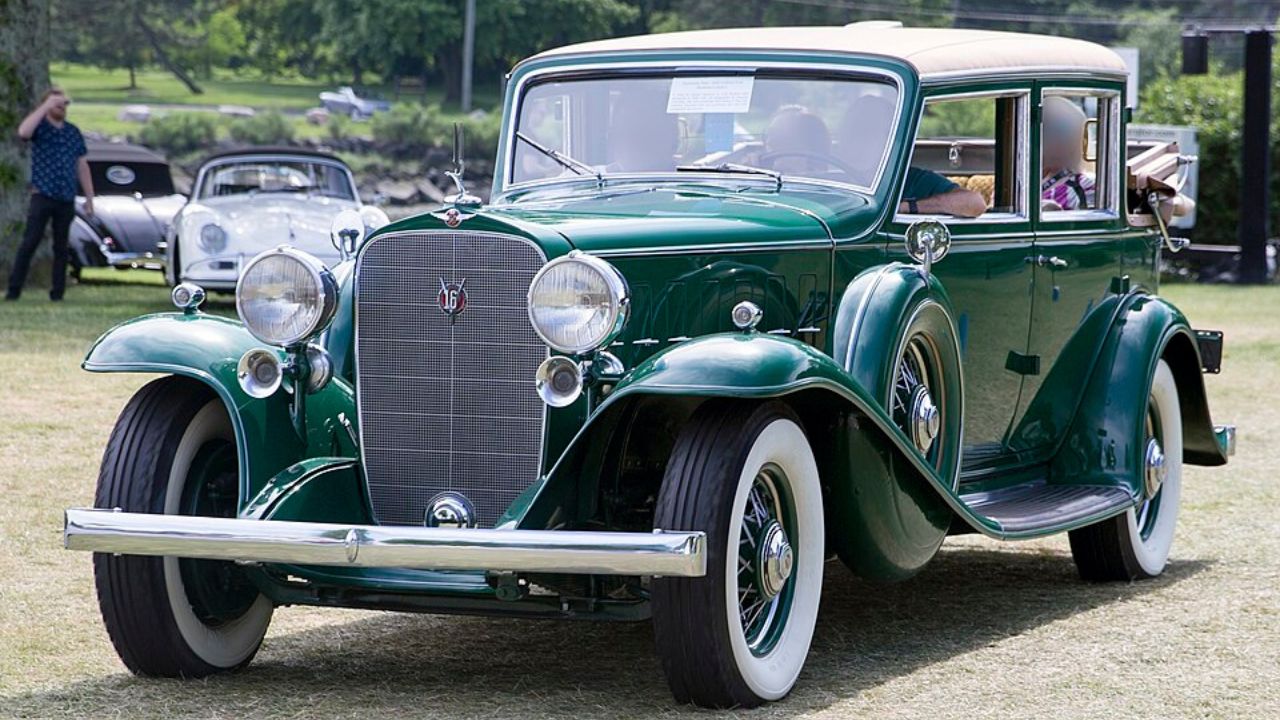
The Cadillac V-16 represented the absolute peak of American luxury during the early 1930s. Created to compete with the world’s finest automobiles, it featured a sophisticated sixteen-cylinder engine, handcrafted details, and exceptional craftsmanship. While the Great Depression limited its success, the V-16 demonstrated Cadillac’s ambition and engineering ability. Today, surviving examples are among the most prestigious American classics, admired for their rarity and historical importance.
BMW 507

The BMW 507 was a stunning roadster designed to compete with prestigious sports cars from Europe and America. Featuring elegant styling, a lightweight body, and a powerful V8 engine, it showcased BMW’s ability to create a world-class performance car. Unfortunately, high production costs made it too expensive for most buyers, leading to very limited production. Today, the 507 is one of BMW’s most valuable and collectible classics.
Studebaker Avanti
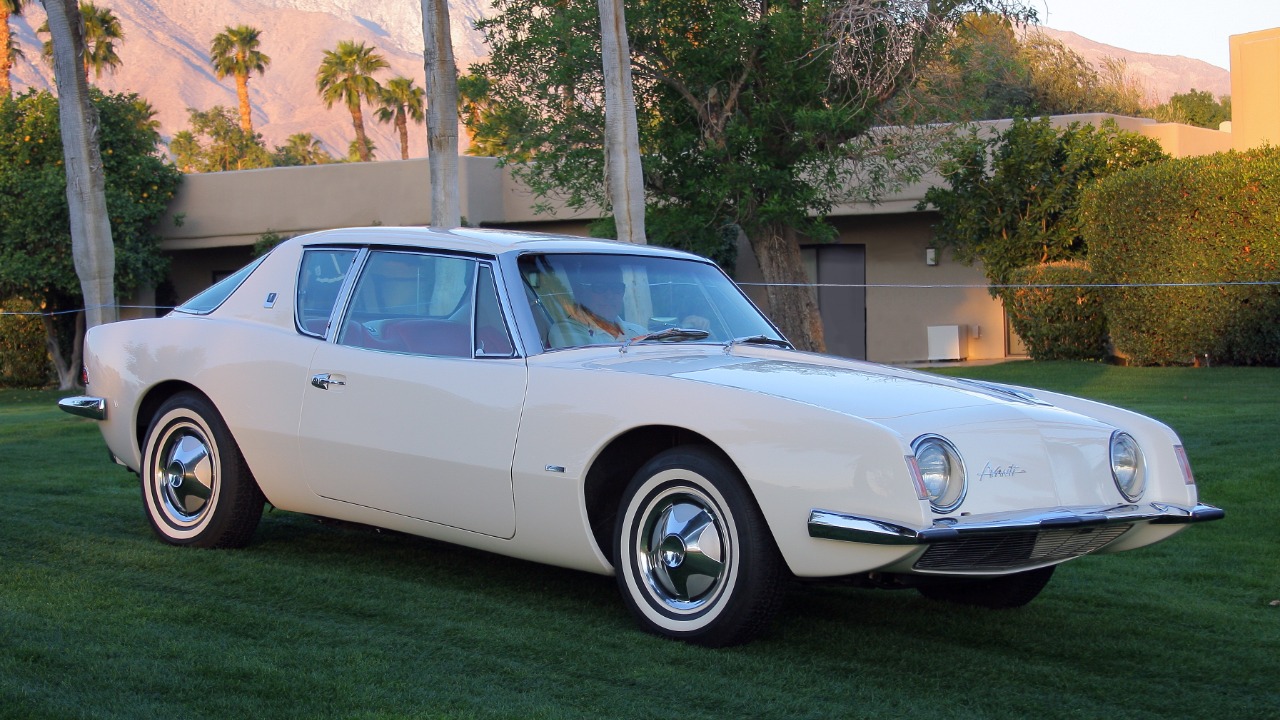
The Studebaker Avanti was a futuristic sports coupe that pushed design boundaries when it debuted in 1962. With fiberglass bodywork, advanced safety features, and a supercharged engine option, it offered technology and styling unlike most American cars of its era. Although Studebaker’s financial struggles limited its success, the Avanti gained a loyal following. Collectors now recognize it as one of the boldest designs from an independent American automaker.
Alfa Romeo Montreal
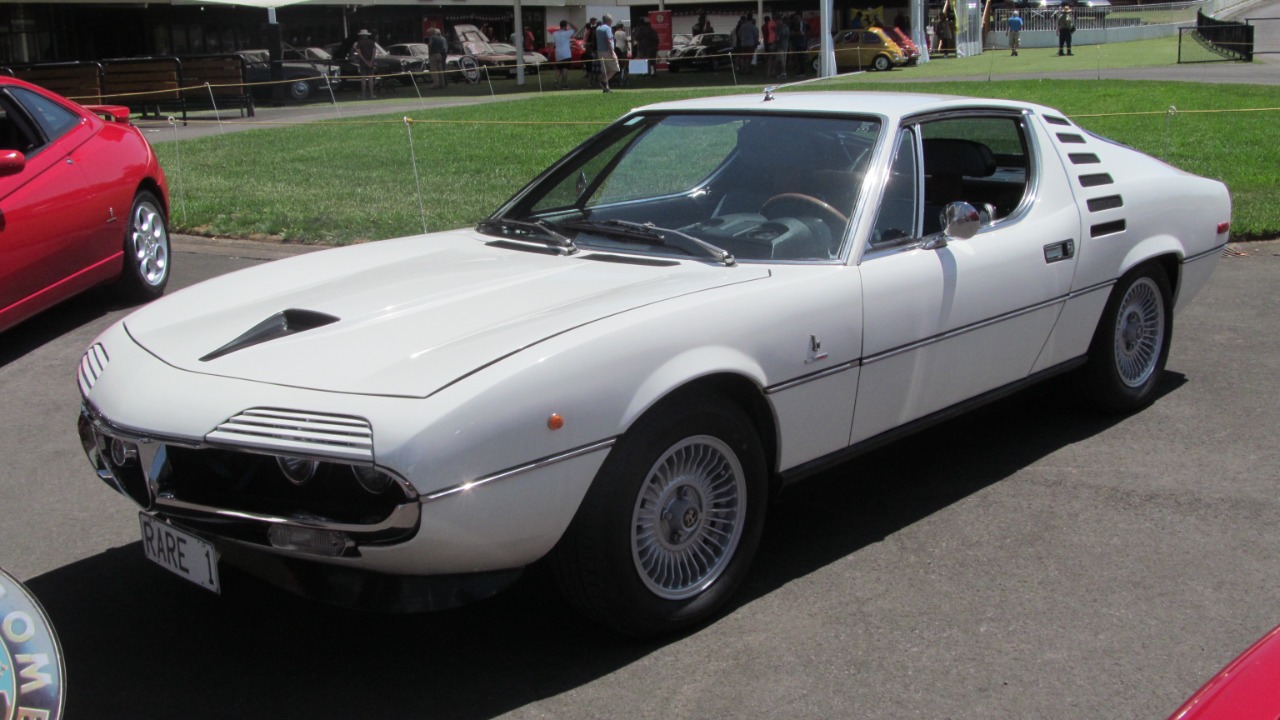
The Alfa Romeo Montreal combined exotic styling with advanced engineering, creating one of the brand’s most distinctive grand tourers. Originally shown as a concept car, it entered production with a V8 engine derived from Alfa Romeo’s racing technology. Limited sales and high prices kept it from becoming widely known, but enthusiasts today appreciate its rarity, dramatic design, and unique character. The Montreal remains one of Alfa Romeo’s most intriguing collector cars.
Vector W8
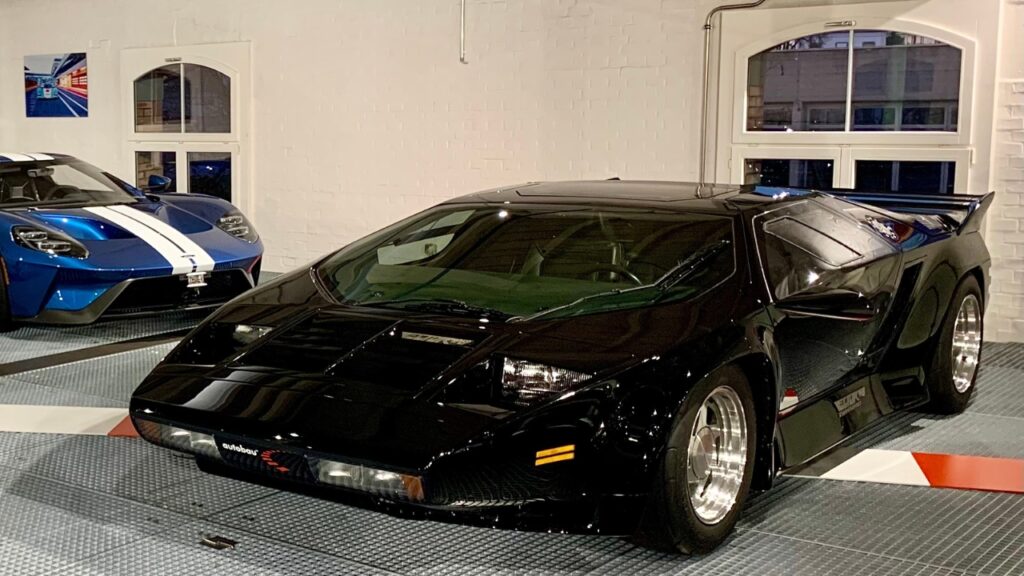
The Vector W8 was an ambitious American supercar that aimed to compete with the world’s most exclusive performance machines. Featuring aerospace-inspired construction, twin-turbocharged power, and futuristic styling, it promised technology far beyond typical sports cars of the early 1990s. Production numbers were extremely limited, and the company’s challenges prevented wider recognition. Today, the W8 is remembered as one of America’s most unusual attempts at building a true exotic car.
Bricklin SV-1
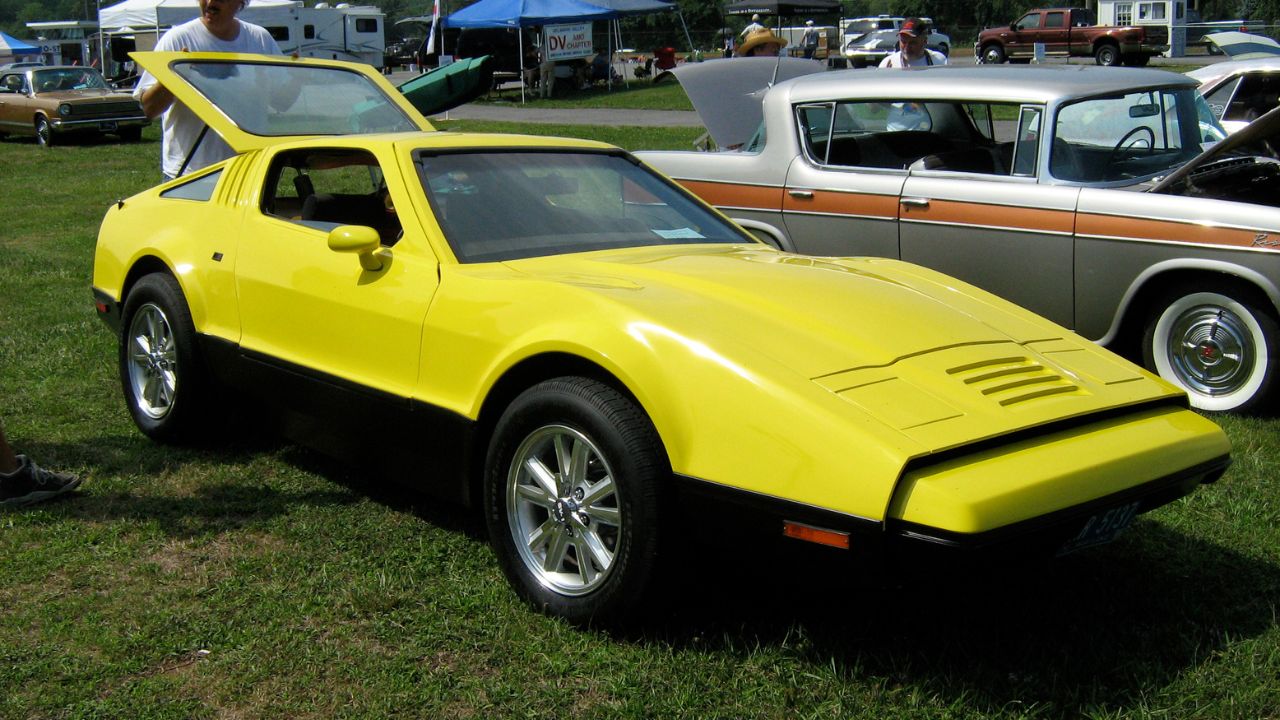
The Bricklin SV-1 was created with an ambitious goal: building a safer, more advanced sports car for the American market. It featured gullwing doors, impact-resistant bumpers, and bold styling that made it impossible to ignore. Despite its innovative ideas, production problems prevented it from achieving commercial success. Modern collectors appreciate the SV-1 for its originality and its place as one of the most unusual vehicles of the 1970s.
Nissan Figaro
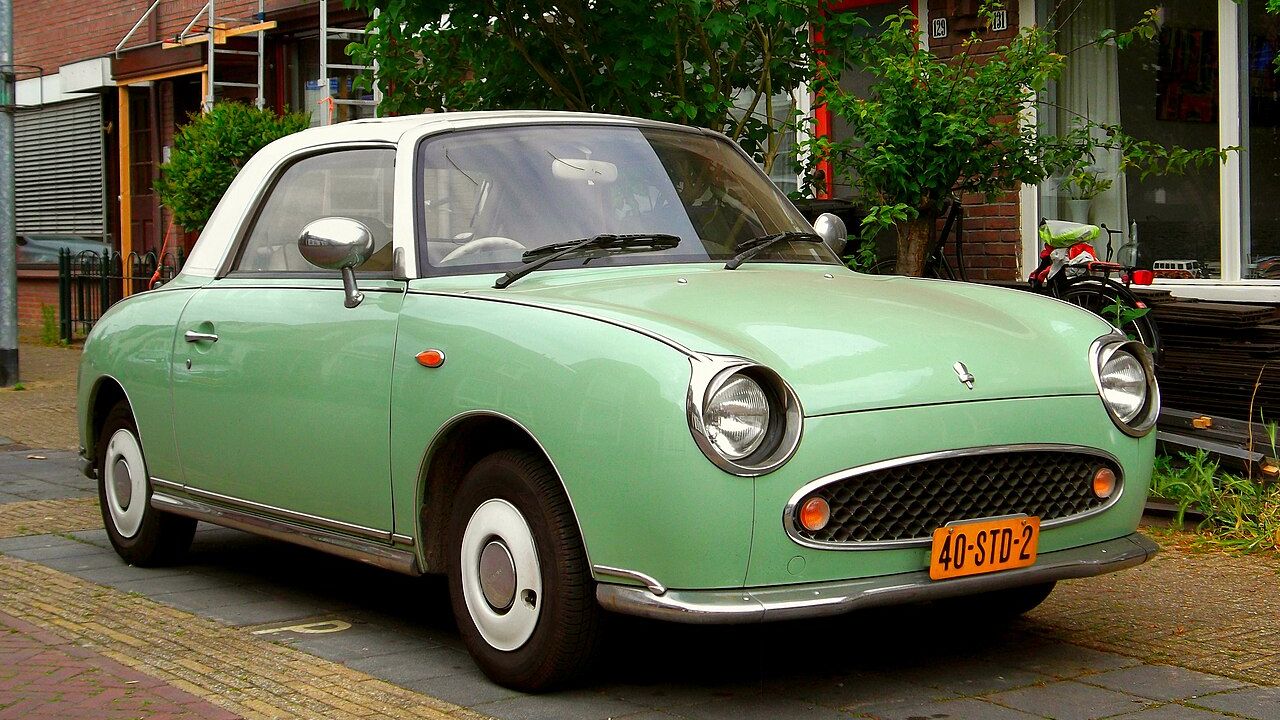
The Nissan Figaro became a cult favorite because it combined retro-inspired styling with modern Japanese reliability. Originally sold in limited numbers in Japan, it featured a convertible design, charming interior details, and a distinctive personality unlike anything else on the road. Although it was never intended as a serious performance car, its uniqueness and rarity have made it highly collectible. Today, the Figaro attracts attention wherever it appears because of its unmistakable character.
More from Fast Lane Only
- Unboxing the WWII Jeep in a Crate
- 15 rare Chevys collectors are quietly buying
- 10 underrated V8s still worth hunting down
- Police notice this before you even roll window down
*Research for this article included AI assistance, with all final content reviewed by human editors.