Chrysler’s Mopar performance history is filled with engines that became legends, but several ambitious powerplants remained rare, experimental, or nearly disappeared before reaching widespread production. Some were developed for racing, others pushed displacement or technology in unusual directions. These seven engines reveal a fascinating side of Mopar history that many enthusiasts rarely encounter.
Chrysler 426 Hemi
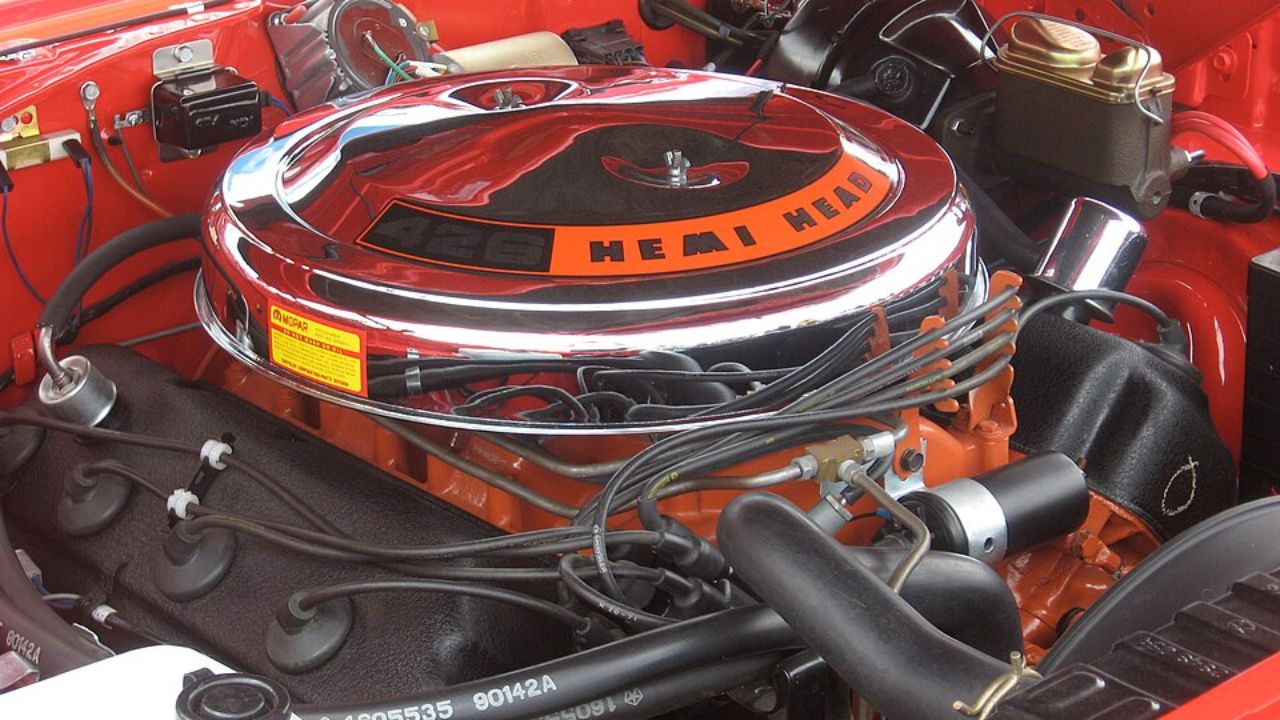
The Chrysler 426 Hemi became famous as one of America’s greatest performance engines, but its road-going future was not guaranteed. Developed from Chrysler’s racing experience, the hemispherical-head V8 required specialized manufacturing and was expensive compared with ordinary engines. Its competition success eventually justified limited street production. The result became a cornerstone of Mopar performance, but its unusual design could easily have remained primarily a racing experiment.
Chrysler 440 Six Pack
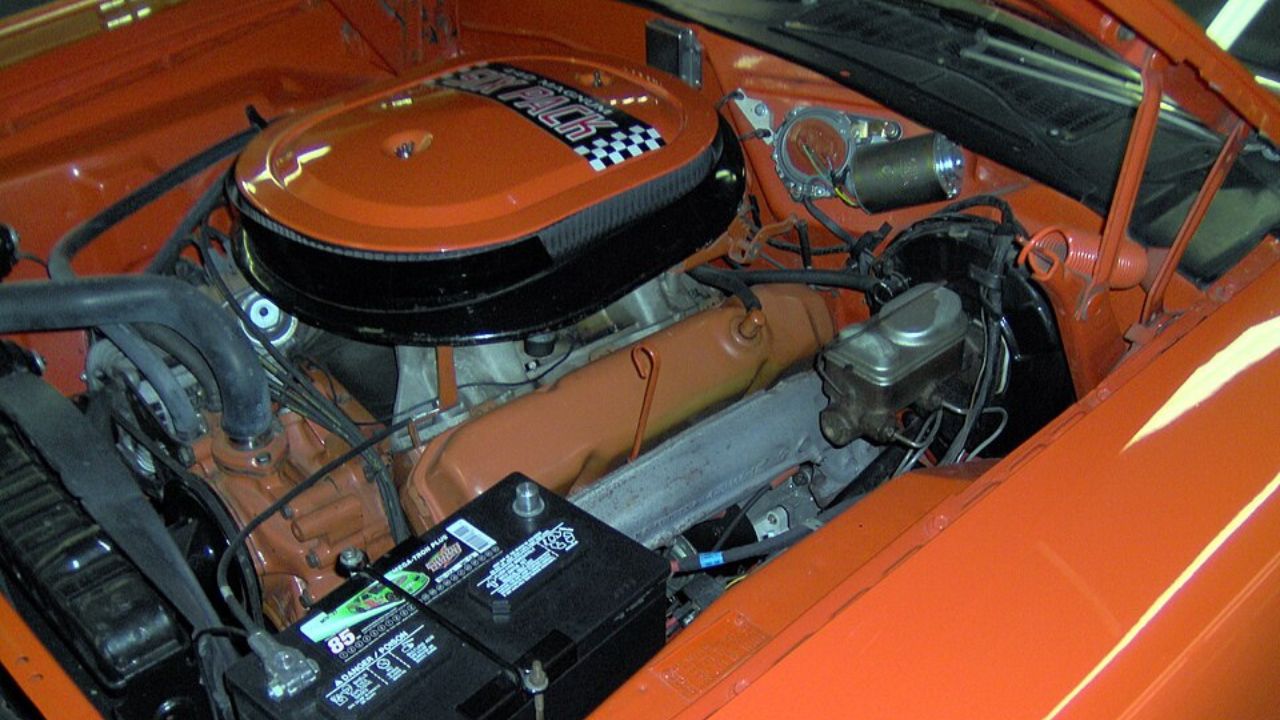
The Chrysler 440 Six Pack combined the enormous 440-cubic-inch V8 with three two-barrel carburetors, creating an aggressive induction system designed to deliver substantial airflow. Although production versions reached Dodge and Plymouth performance cars, the package remained relatively specialized compared with ordinary 440 configurations. Its complexity and performance-oriented character limited its mainstream appeal. Today, genuine Six Pack engines are highly desirable reminders of Mopar’s escalating horsepower competition.
Chrysler 360
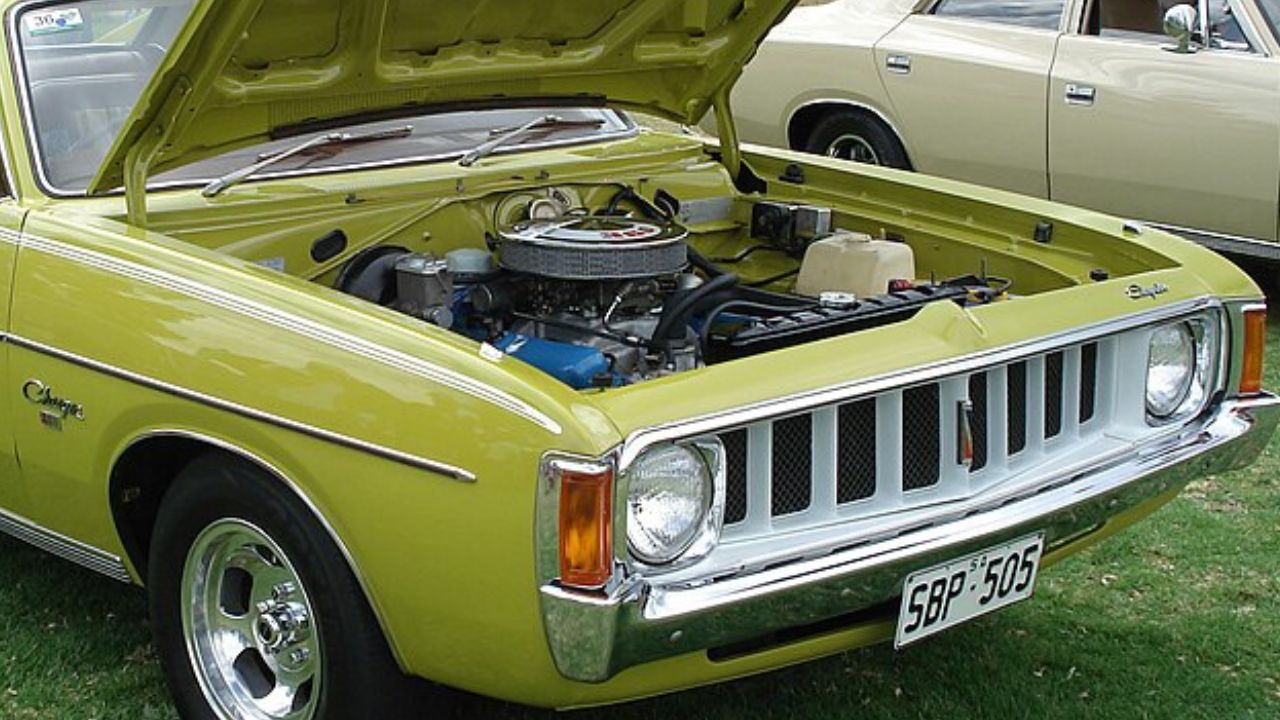
The Chrysler 360 was another widely used Mopar small-block V8 that became popular in cars and trucks. Its larger displacement provided useful torque while keeping the basic small-block architecture relatively compact. It appeared in numerous Dodge and Plymouth models, making it a familiar sight among classic-car enthusiasts. Its popularity and long production history also make engine photographs extremely easy to locate for articles, galleries, and restoration references.
Chrysler 340 Six Pack
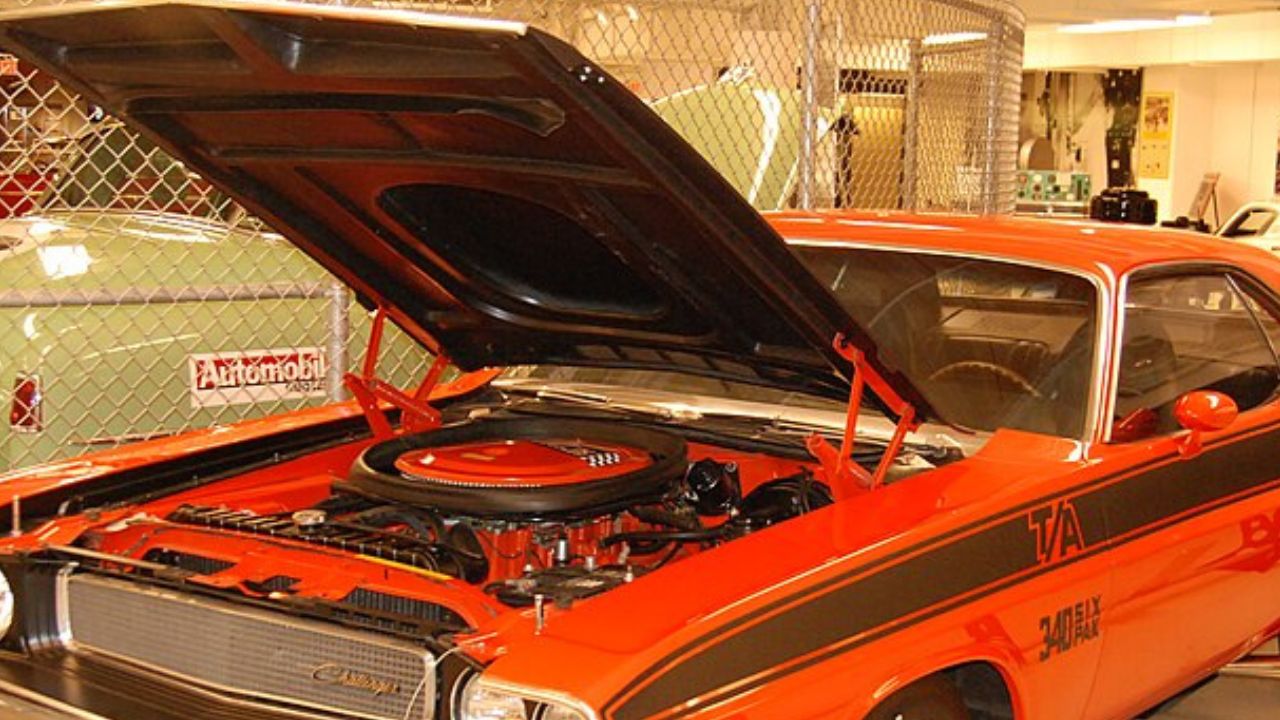
CC BY-SA 2.0 / Wiki Commons
The Chrysler 340 Six Pack, commonly associated with the later 340 Six Barrel configuration, gave Mopar’s small-block V8 a much more aggressive induction system. Multiple carburetors increased airflow and complemented the engine’s performance-oriented cylinder heads and camshaft. The configuration appeared only briefly, making original examples relatively uncommon. It demonstrated Chrysler’s willingness to experiment with induction technology even when large-displacement engines dominated the muscle-car conversation.
Chrysler 383
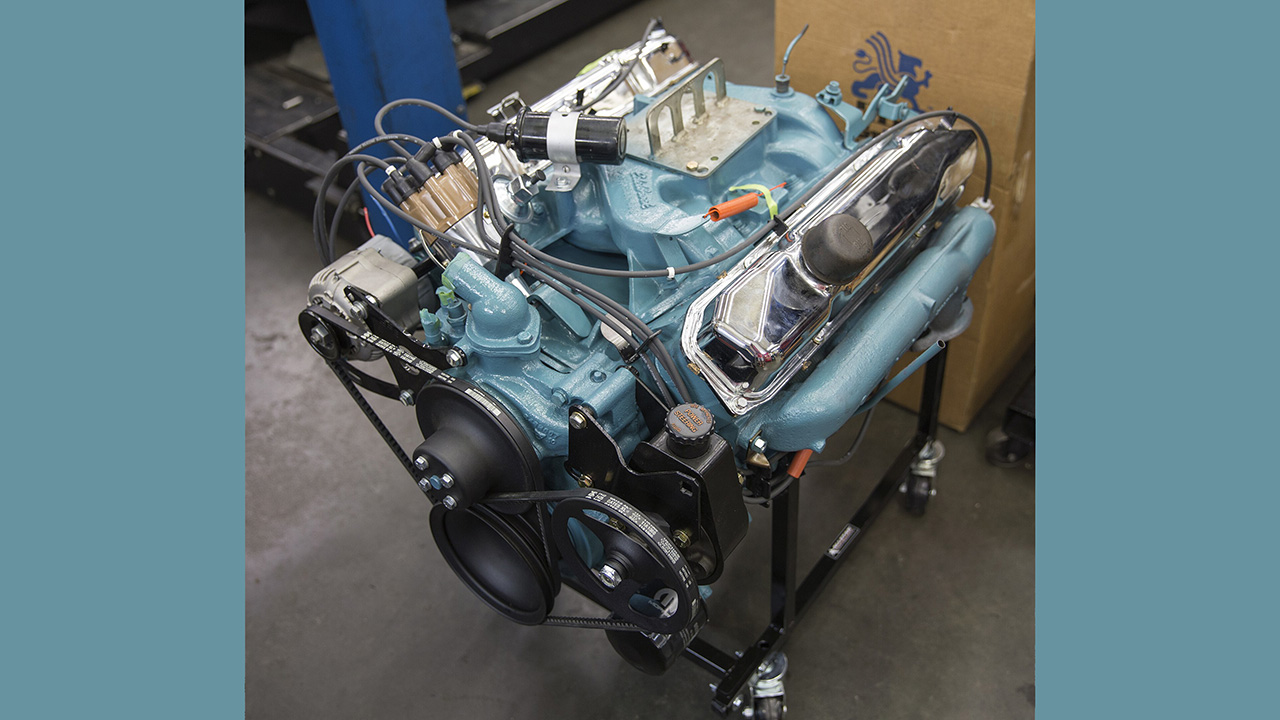
The Chrysler 383 was a popular big-block V8 that powered many Dodge and Plymouth cars during the muscle-car era. It offered strong torque and dependable performance without the rarity of more extreme Mopar engines. The 383 appeared in familiar models such as the Dodge Charger, Dodge Coronet, and Plymouth Road Runner. Because it was widely used, photographs of the engine and the cars equipped with it are very easy to find.
Chrysler 318
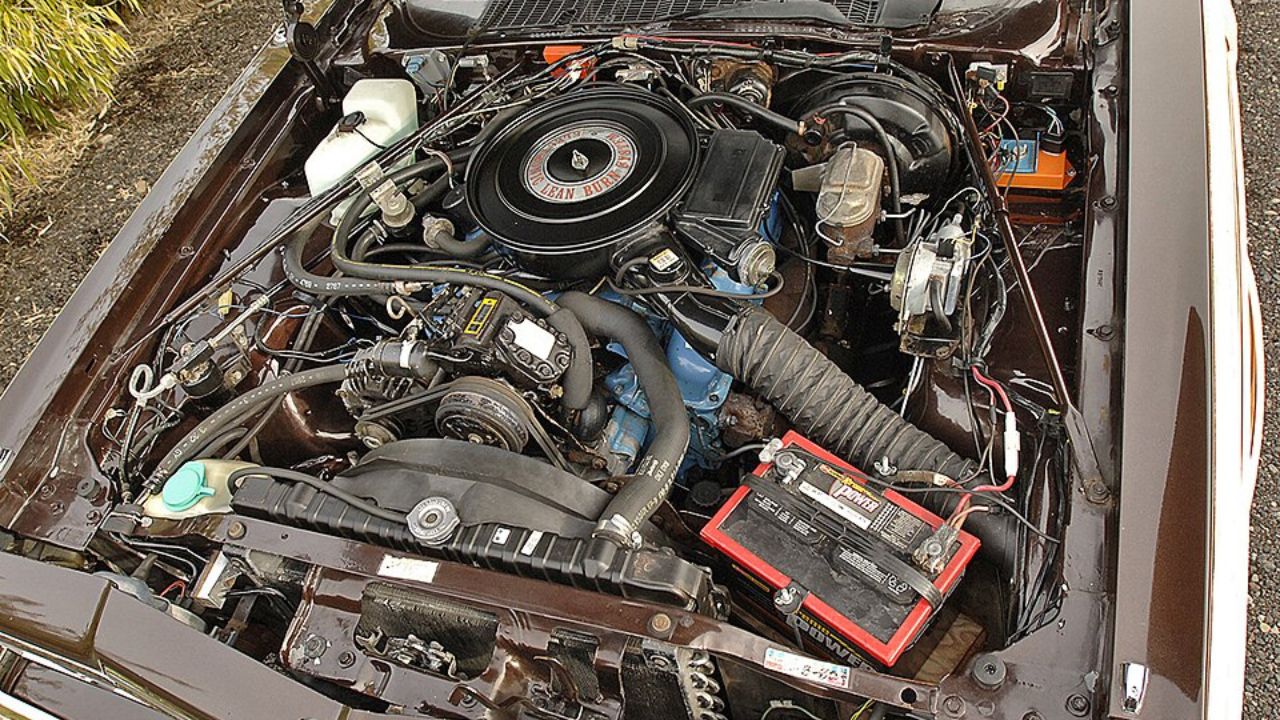
The Chrysler 318 became one of Mopar’s best-known small-block V8 engines. Produced for many years, it appeared in a huge variety of Dodge, Plymouth, and Chrysler vehicles. Its simple design and broad availability helped establish a reputation for dependable everyday performance. The 318 may not have the fame of the Hemi, but its widespread use means enthusiasts can easily find photographs of original engines, restored examples, and classic cars powered by it.
Chrysler Turbine Engine
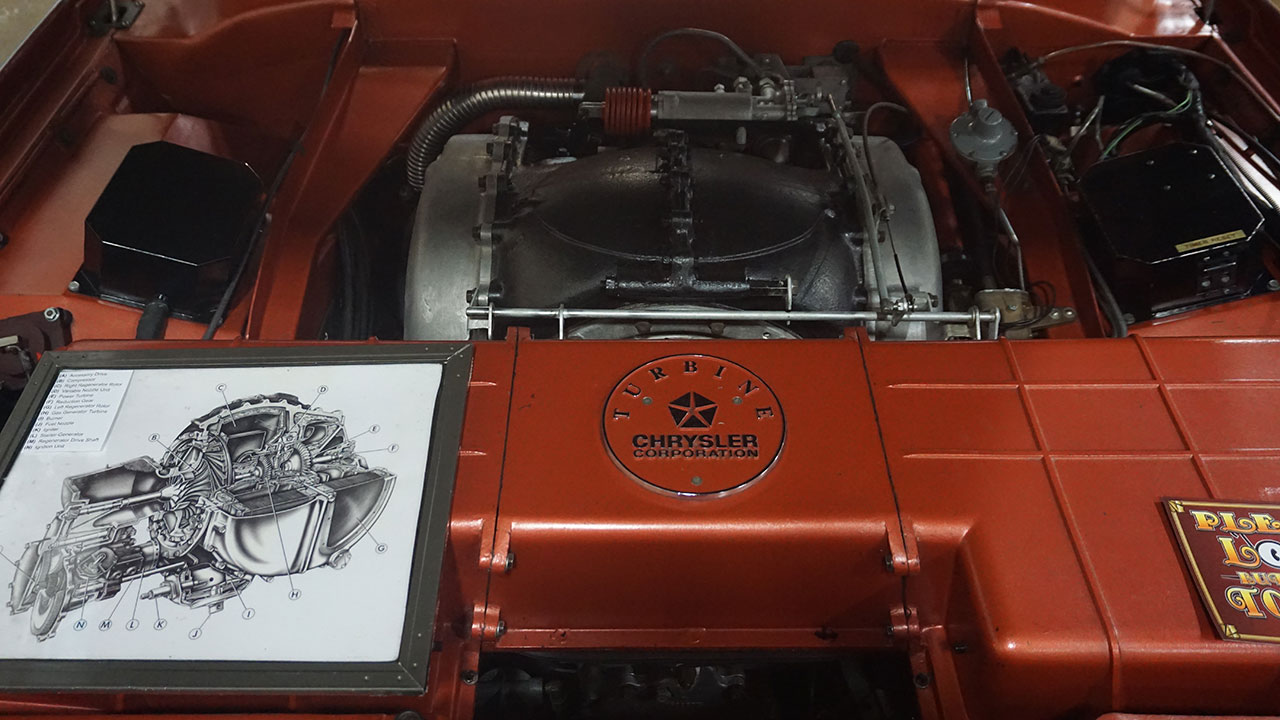
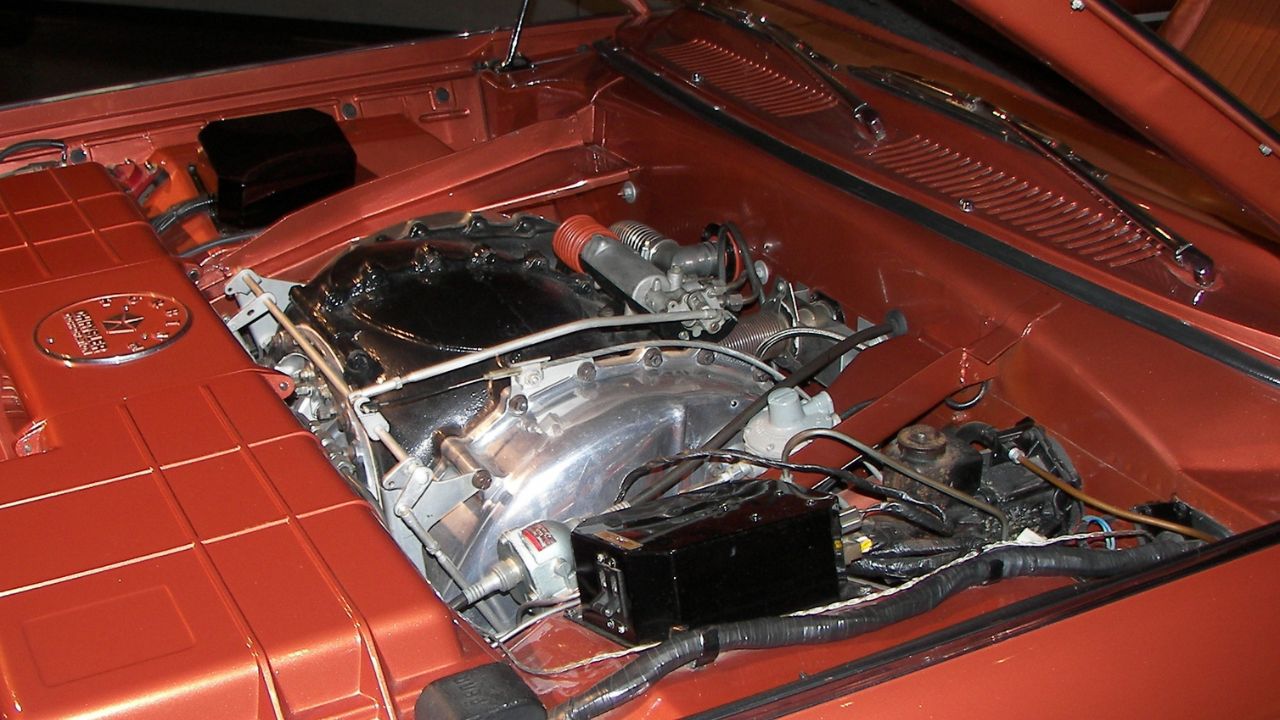
The Chrysler Turbine Engine represented perhaps the most radical alternative powerplant in the company’s history. Instead of conventional pistons, it used a gas turbine capable of running on several fuels. Chrysler built a limited fleet of turbine-powered cars for real-world testing during the 1960s, but mass production never followed. Most examples were destroyed after the program ended. The surviving cars remain extraordinary reminders of how close turbine technology once came to entering everyday automotive life.
More from Fast Lane Only
- Unboxing the WWII Jeep in a Crate
- 15 rare Chevys collectors are quietly buying
- 10 underrated V8s still worth hunting down
- Police notice this before you even roll window down
*Research for this article included AI assistance, with all final content reviewed by human editors