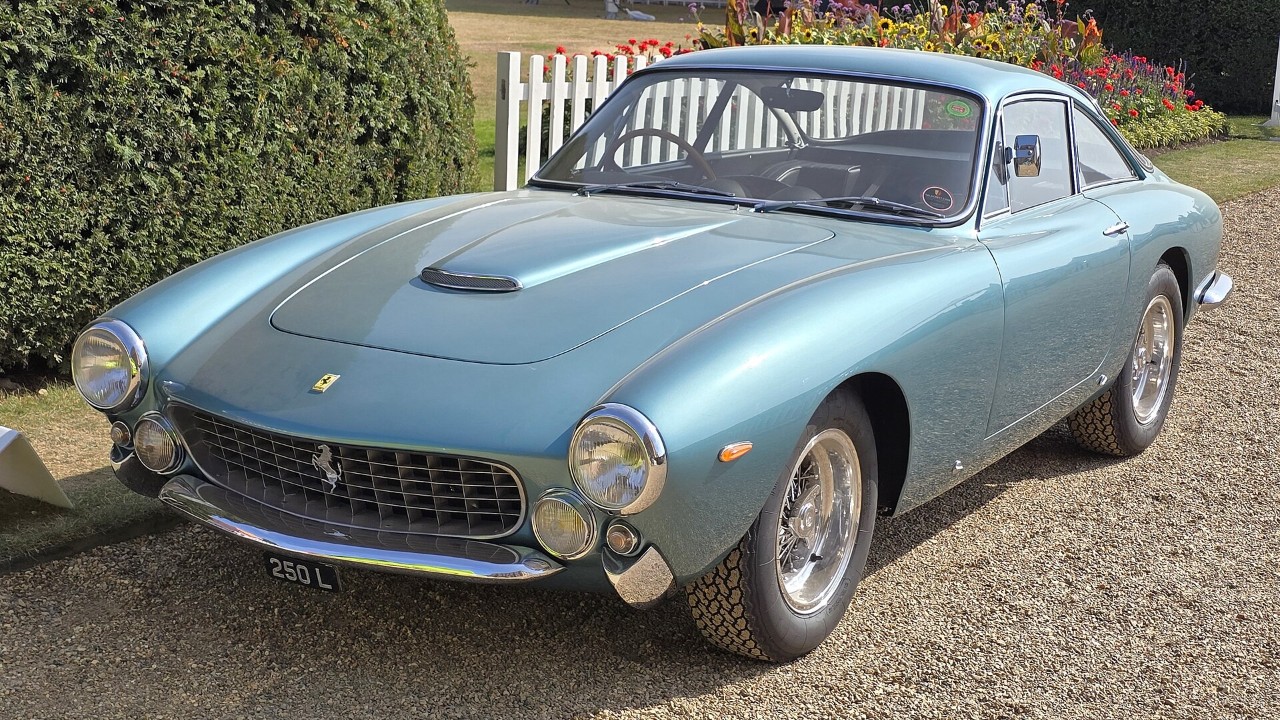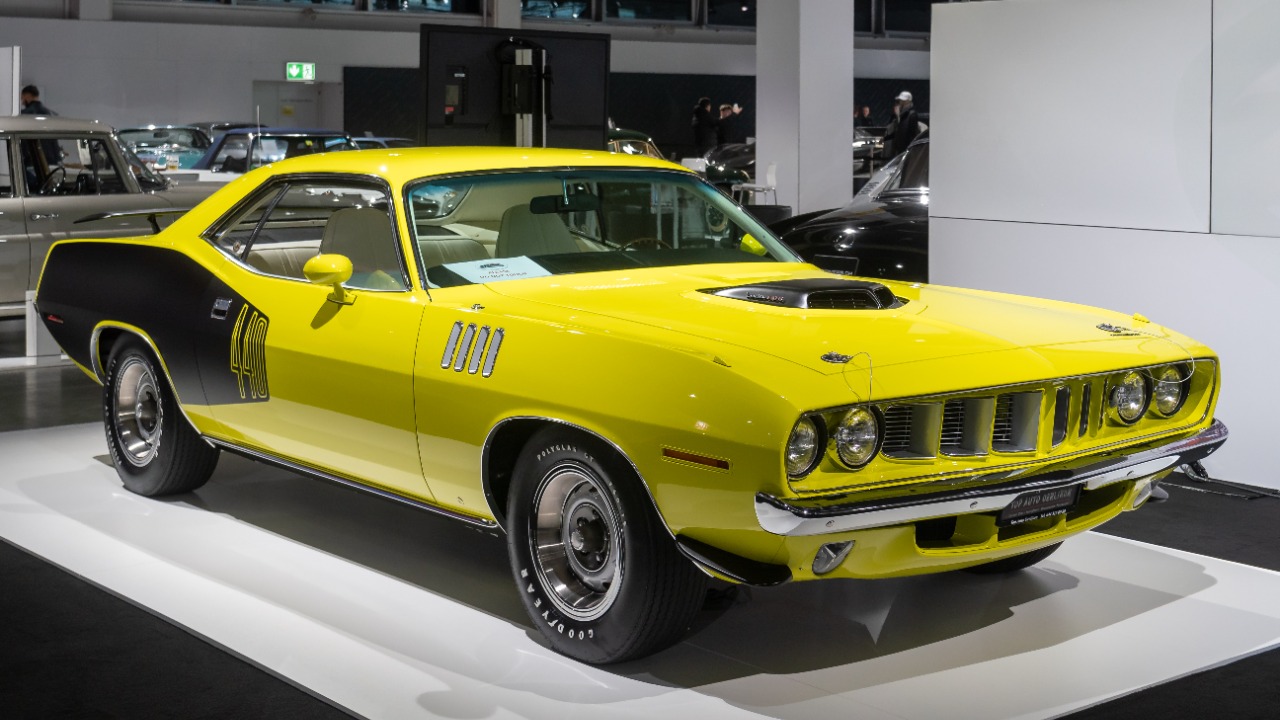
Plymouth built millions of cars, yet some models have become surprisingly difficult to encounter today. Many were overshadowed by better-known muscle cars or simply used up as everyday transportation. These seven Plymouths are recognizable enough for readers to know, but rare enough that seeing one in person can still feel like a special occasion.
Plymouth Superbird
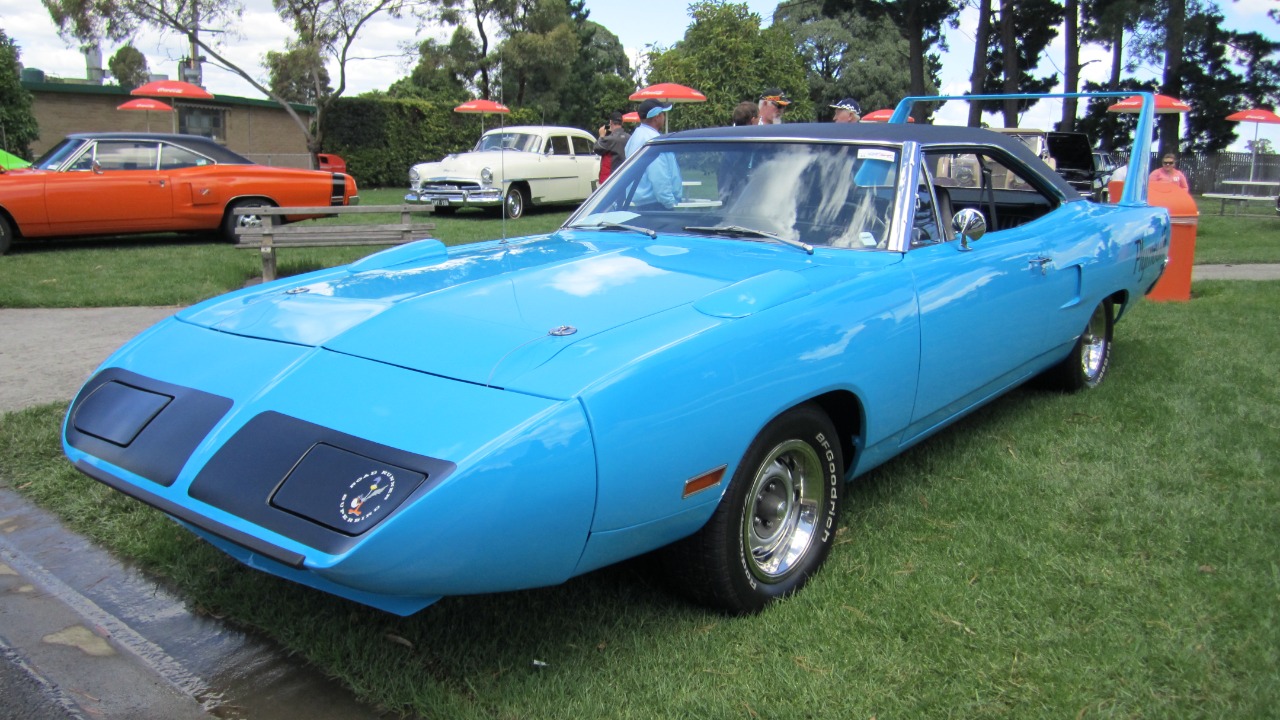
The Plymouth Superbird is one of the most recognizable Plymouths ever built, but seeing a genuine example in person is another matter. Its enormous rear wing, pointed nose, and aerodynamic bodywork make it impossible to confuse with an ordinary Road Runner. Limited production and enormous collector interest have pushed most surviving examples into private collections and major shows.
Plymouth GTX
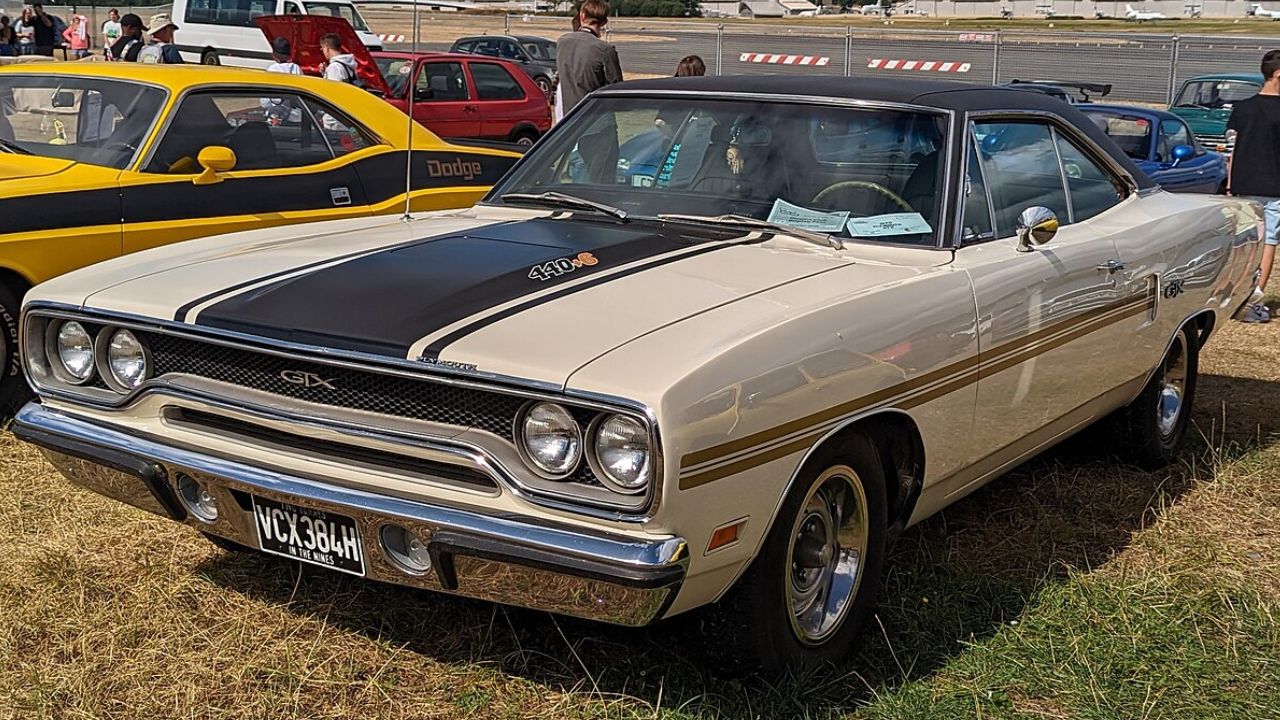
The GTX was Plymouth’s upscale performance car, combining muscular styling with powerful V8 engines and a more refined character than the basic Road Runner. Many were modified, raced, or simply driven hard over the decades. Original examples have become increasingly difficult to encounter. A factory-correct GTX can now attract serious attention wherever it appears.
Plymouth Road Runner Convertible

The Road Runner is familiar to almost everyone, but the convertible version is a much rarer sight. It combined the model’s simple muscle-car formula with open-air motoring, making it particularly desirable today. Many examples were modified during the muscle-car boom. Finding an original convertible with its factory equipment intact is considerably harder than finding an ordinary Road Runner.
Plymouth Barracuda
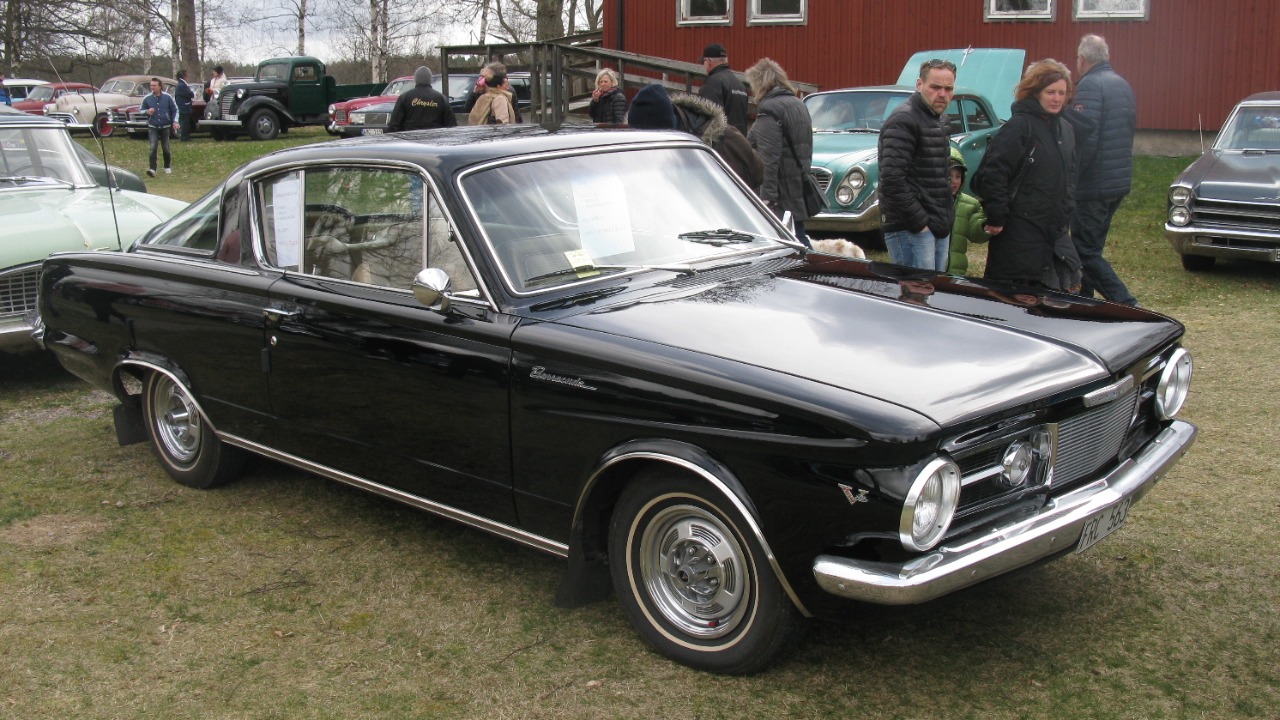
The Barracuda is one of Plymouth’s most recognizable names, but early examples have become increasingly scarce. The distinctive fastback design gave the model an identity separate from the later E-body muscle cars. Many were modified or neglected after their performance years ended. A clean, original Barracuda can therefore be surprisingly difficult to encounter outside a dedicated Mopar gathering.
Plymouth Duster
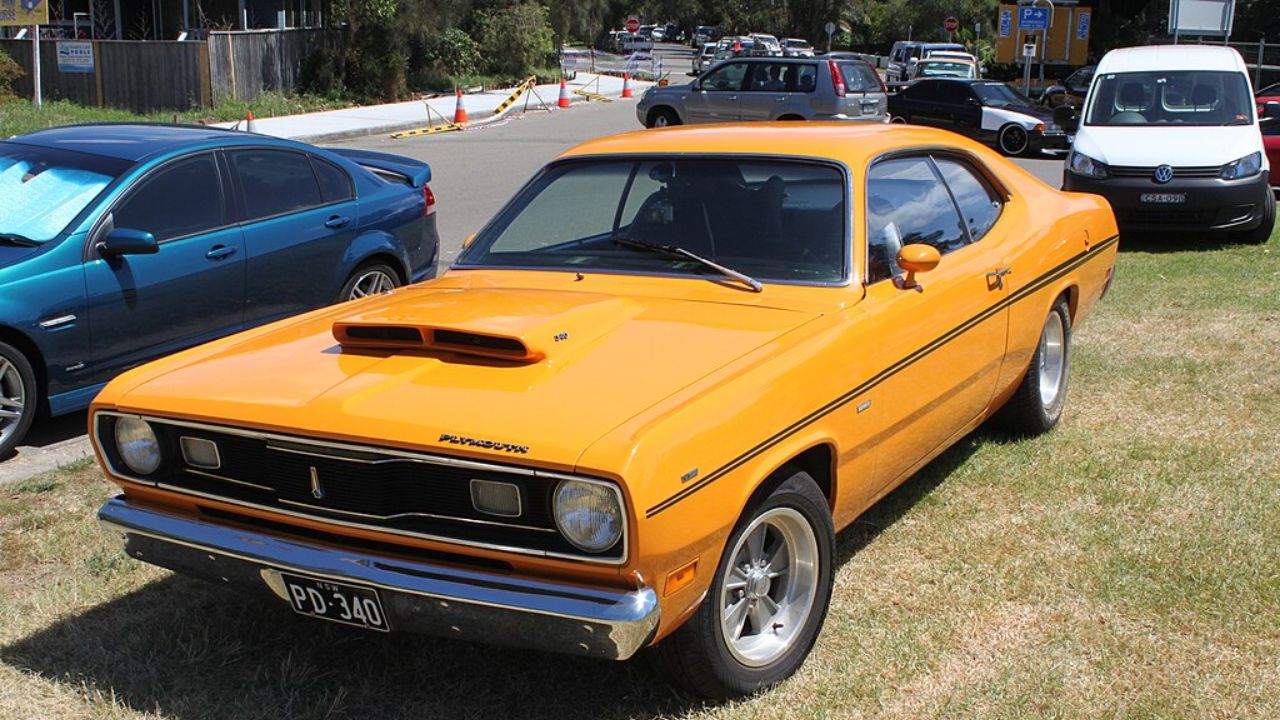
The Duster was once a common sight on American roads, but surviving examples are becoming much harder to find. Its compact body, simple mechanical layout, and available V8 power made it a versatile performance car. Many were customized or used as inexpensive transportation. Original examples with solid bodies and factory details are now particularly interesting to collectors.
Plymouth Satellite

The Satellite occupied an important position between Plymouth’s ordinary family cars and its famous performance models. It offered attractive styling, available V8 power, and a comfortable interior without the price of a GTX or Road Runner. Because so many were used as everyday transportation, relatively few were preserved. A clean Satellite is now an underrated and increasingly uncommon classic.
Plymouth Fury
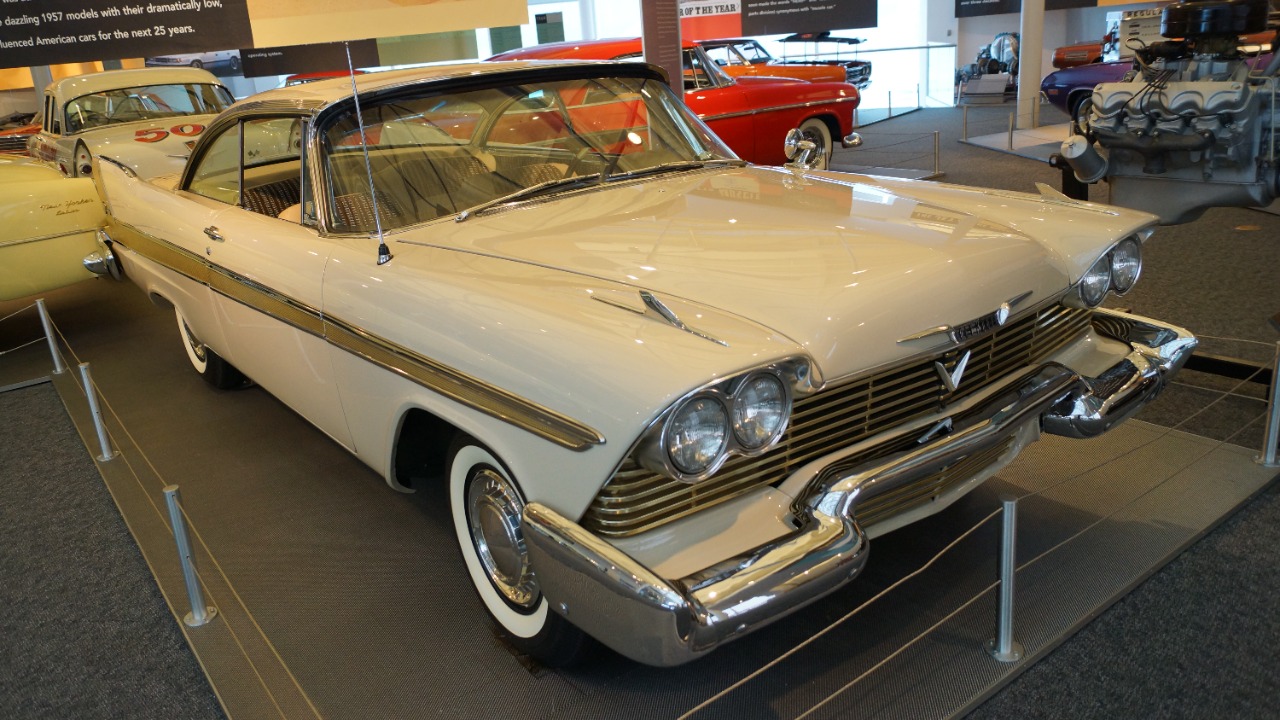
The Fury name is well known, but certain classic Fury models are much harder to find than their reputation suggests. Large engines, dramatic styling, and substantial chrome made them quintessential American cruisers. Most spent their lives as family cars rather than collector vehicles, so many eventually disappeared. A well-preserved Fury can still draw plenty of attention simply because so few remain.
More from Fast Lane Only
- Unboxing the WWII Jeep in a Crate
- 15 rare Chevys collectors are quietly buying
- 10 underrated V8s still worth hunting down
- Police notice this before you even roll window down
*Research for this article included AI assistance, with all final content reviewed by human editors