As the electric vehicle (EV) market continues to evolve, the allure of purchasing a used EV may seem enticing. However, diving into the used market for an electric vehicle might lead to unforeseen challenges. It’s essential to weigh the pros and cons before making such a significant investment.
Limited Battery Life
One of the most significant concerns when buying a used EV is the state of its battery life. Unlike traditional vehicles, the battery in an EV is its lifeline. Over time, batteries degrade, which means reduced range and efficiency. For instance, early models like the 2011 Nissan Leaf are known to experience substantial battery degradation, impacting their usability severely.
Battery replacements can be expensive, often reaching thousands of dollars. This potential cost should be a critical consideration for anyone thinking about buying a used EV. The technology is improving, but for older models, a dwindling battery can turn your sustainable dream into a costly nightmare.
Outdated Technology

Electric vehicles are heavily reliant on technology, from battery management systems to in-car entertainment and navigation systems. With rapid advancements, older models quickly become outdated. A used EV may lack features that have become standard in newer models, such as enhanced driver-assistance systems or faster charging capabilities.
Take, for example, the 2014 BMW i3, which lacks many of the connectivity features that are standard in the latest models. As technology continues to advance, the gap between older and newer models widens, leaving used EV owners potentially missing out on significant improvements.
High Maintenance Costs
While EVs are often touted for their lower maintenance costs compared to internal combustion vehicles, older EVs can come with their own set of expensive issues. Components like battery packs and electric motors are costly to repair or replace. As these vehicles age, finding specialized parts and services can become more challenging and expensive.
Additionally, the complexity of EV systems means that not all mechanics are equipped to handle repairs, potentially leading to higher labor costs. As the vehicle ages, these factors can accumulate, leading to unexpected expenses that may outweigh the initial savings of buying used.
Reduced Warranty Coverage
One of the perks of buying a new EV is the comprehensive warranty coverage that often comes with the purchase. These warranties typically cover the battery and drivetrain, providing peace of mind. However, when purchasing a used EV, you may find that the warranty has expired or is nearing its end.
Without warranty coverage, any significant repairs or replacements can become an out-of-pocket expense. For instance, a used Chevrolet Bolt might be nearing the end of its battery warranty, which could lead to costly repairs if issues arise shortly after purchase.
Depreciation Concerns
EVs tend to depreciate faster than their gasoline counterparts, partly due to the rapid pace of technological advancements. When purchasing a used EV, it’s crucial to understand that its value might decrease significantly in just a few years. This depreciation can be particularly severe for early models as they are quickly outpaced by newer, more efficient technologies.
For example, the Tesla Model S from 2012 has seen significant depreciation, partly due to newer models offering better range and features. It’s essential to factor in this depreciation when considering the long-term financial implications of buying a used EV.
Charging Infrastructure Challenges
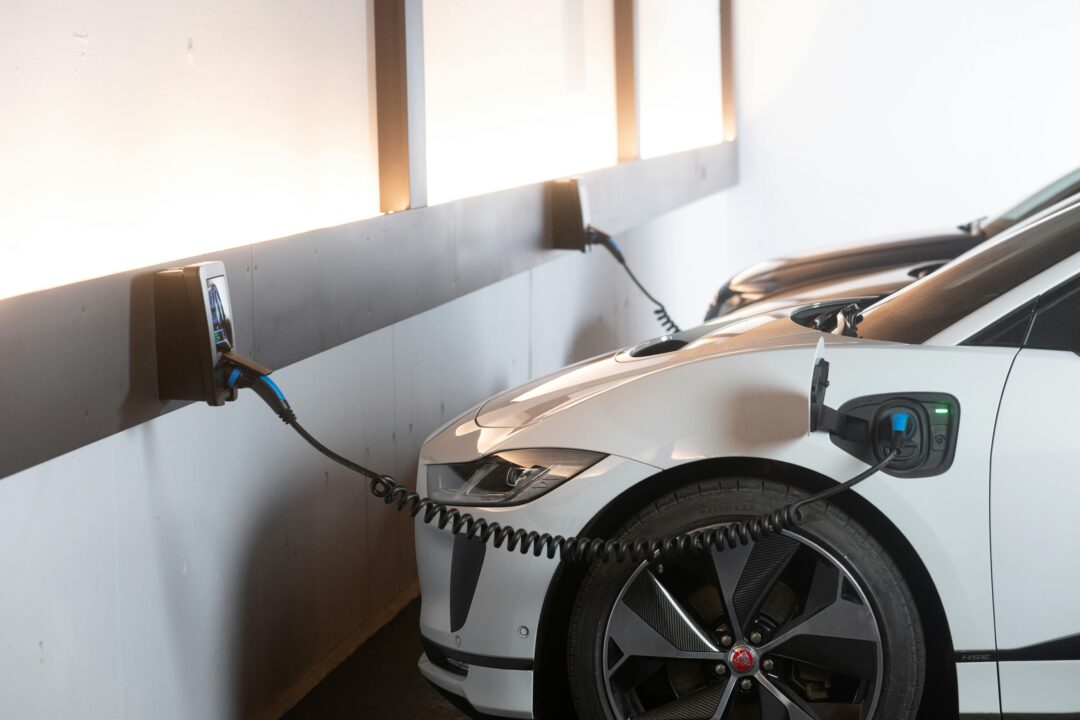
While the charging infrastructure for EVs is expanding, it remains inconsistent in many regions. Older EV models might not be compatible with the latest fast-charging stations, making long-distance travel more challenging. This limitation can be particularly frustrating if you live in an area with limited charging options.
For instance, older EV models like the 2012 Renault Zoe may not support the latest charging standards, potentially leaving you reliant on slower, less convenient charging options. This could significantly impact the practicality of owning a used EV, especially if frequent charging is required.
Potential Software Compatibility Issues
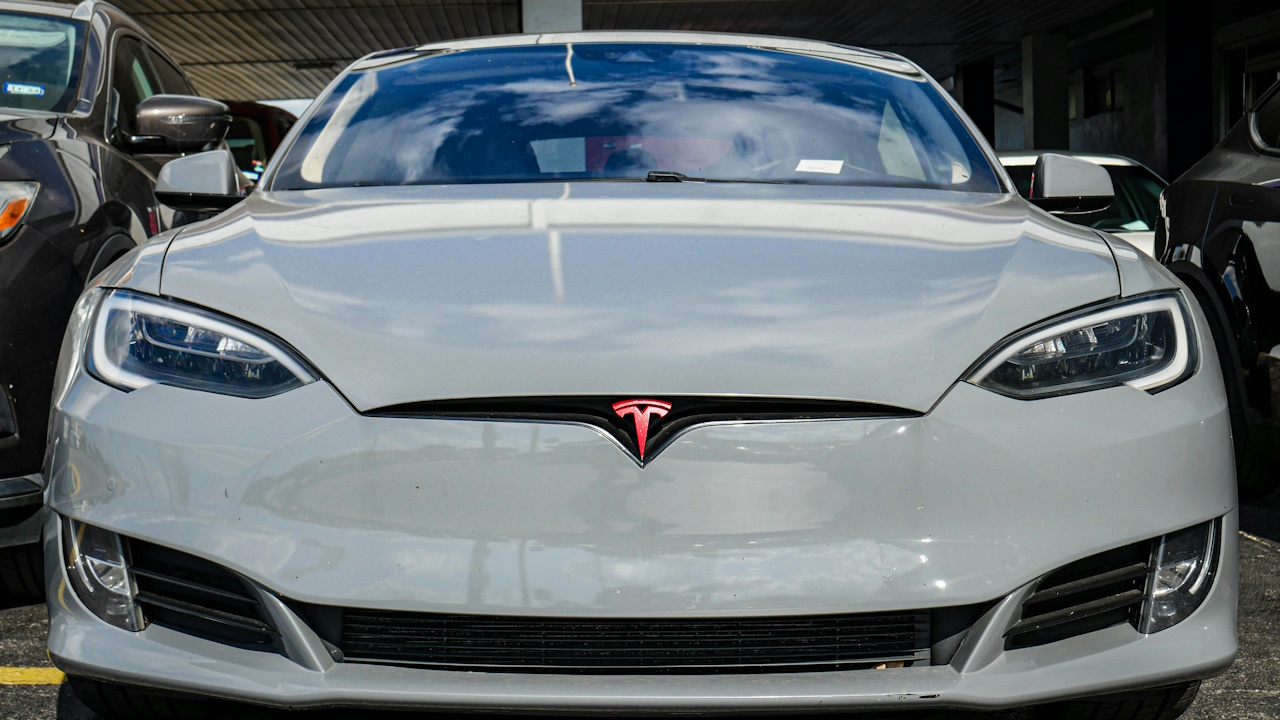
Software is a critical component of modern EVs, managing everything from battery performance to driver assistance features. Over time, software updates can become incompatible with older hardware, rendering some features obsolete. This incompatibility can affect the overall experience of owning a used EV.
For instance, earlier Tesla models have faced challenges with software updates due to hardware limitations. This can result in reduced functionality or the inability to access new features, which might be available on newer models. Ensuring software compatibility is a crucial aspect to consider before purchasing a used EV.