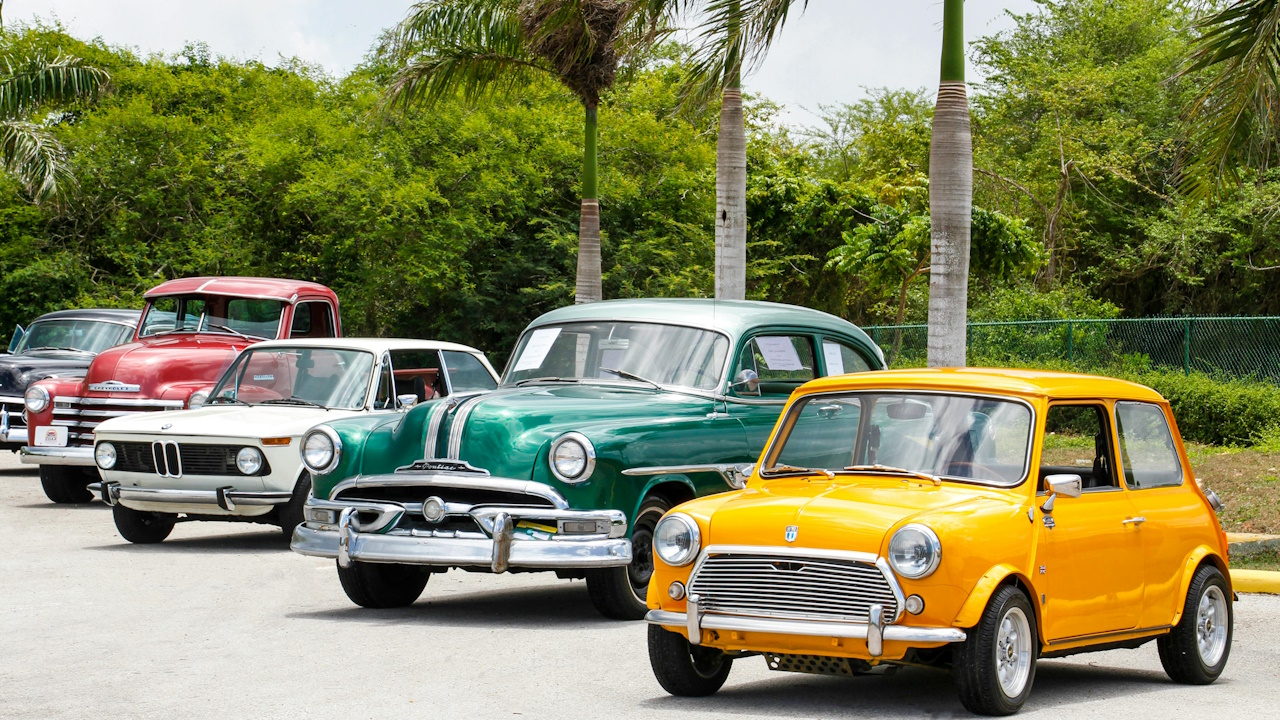
Owning a classic car is a rewarding experience, but it comes with its own set of challenges. While these vintage vehicles can be a source of pride, they also require a level of care that goes beyond that of modern cars. To help you safeguard your investment, I’ve highlighted eight common mistakes that classic car owners often make, which can end up costing thousands in repairs and lost value.
Neglecting Regular Maintenance
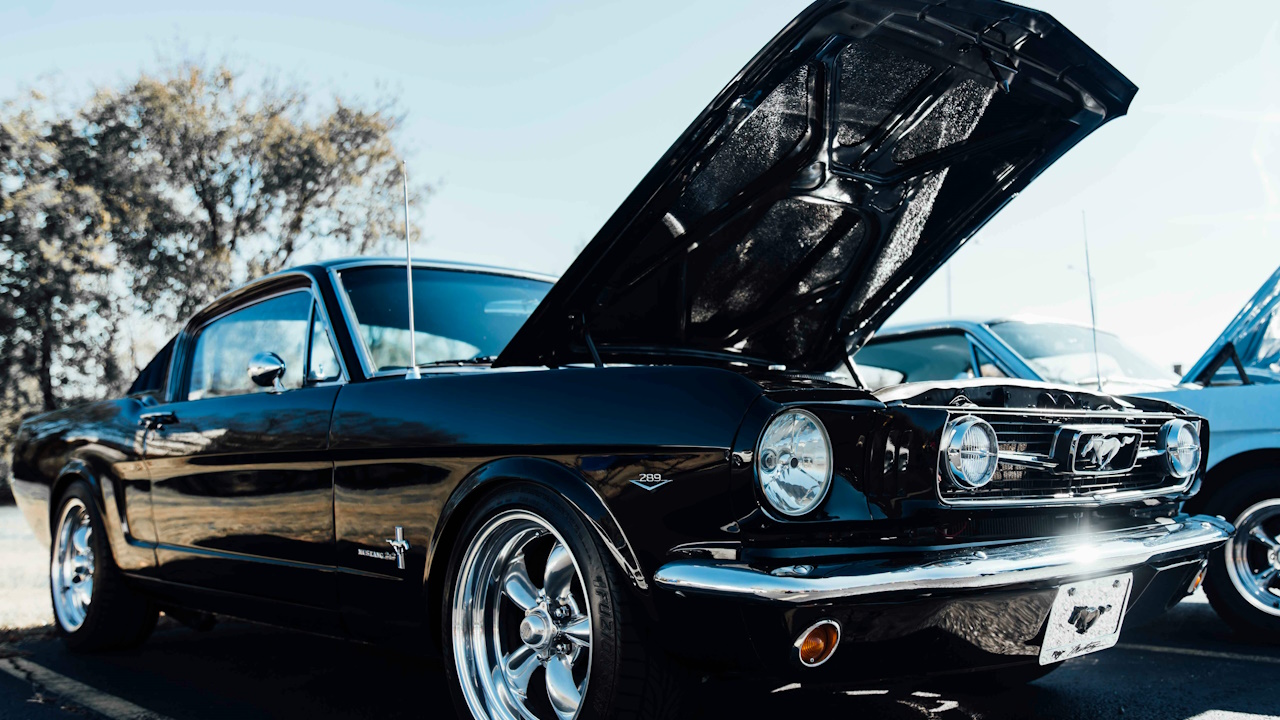
Regular maintenance is crucial for keeping a classic car in top condition. Skipping routine services like oil changes, brake inspections, and fluid checks can lead to costly repairs down the line. For instance, failing to change the oil in a 1965 Ford Mustang can result in engine sludge buildup, potentially leading to engine failure. By sticking to a maintenance schedule, you can catch small issues before they become major problems.
Additionally, vintage cars often have unique maintenance requirements that differ from modern vehicles. Parts such as carburetors and distributors need regular attention. By ensuring these components are properly maintained, you not only preserve the car’s performance but also its market value.
Ignoring Rust Issues
Rust is a classic car owner’s nemesis. It can start as a small spot and quickly spread, compromising the vehicle’s structural integrity. Ignoring rust issues, especially in older models like the 1971 Dodge Charger, can lead to extensive bodywork repairs. Regularly inspecting your car for signs of rust and addressing them early can save you from these expensive repairs.
Using rust prevention products, such as sealants or undercoatings, can protect vulnerable areas. It’s also important to store your car in a dry, climate-controlled environment to minimize the risk of rust forming in the first place.
Overlooking Proper Storage
Proper storage is vital for preserving the condition of a classic car. Exposure to moisture, sunlight, and extreme temperatures can lead to paint damage, interior fading, and mechanical issues. For example, storing a 1980 Porsche 911 outside in humid conditions can accelerate deterioration. Investing in a quality car cover and using a dehumidifier in your garage can help maintain your car’s condition.
Consider storing your car in a facility specifically designed for classic vehicles. These facilities often offer climate control, security, and battery maintenance services, ensuring your car remains in peak condition during long-term storage.
Skipping Professional Inspections
Professional inspections are essential for identifying potential issues that might not be immediately apparent. Many classic car owners neglect this step, assuming their own knowledge is sufficient. However, a trained professional can spot early signs of mechanical or structural problems that may require attention. For instance, a specialist might notice transmission issues in a 1967 Chevrolet Camaro that an untrained eye could miss.
Regular inspections can also provide you with documentation of the car’s condition, which is useful for insurance purposes or when selling the vehicle. Scheduling an annual inspection can give you peace of mind, knowing your classic car is in top shape.
Using Incorrect Replacement Parts
Using incorrect or incompatible parts can lead to mechanical failures and decreased value. Classic cars often require specific parts that match the original specifications. For example, fitting a 1969 Pontiac GTO with incorrect brake components could compromise the car’s safety and performance. Always verify part compatibility and source components from reputable suppliers to maintain the car’s integrity.
Aftermarket parts might be cheaper, but they can diminish the car’s authenticity and value. Whenever possible, opt for original equipment manufacturer (OEM) parts or high-quality reproductions to ensure the car remains true to its original design.
Failing to Research Insurance Options
Classic cars require specialized insurance policies that differ from standard auto insurance. Failing to research and choose the right coverage can leave you underinsured and vulnerable to financial loss. Policies should account for the car’s agreed value, usage limits, and restoration coverage. For example, insuring a 1972 Chevrolet Corvette with a standard policy might not provide adequate coverage for its market value.
Consulting with insurance providers who specialize in classic cars can help you tailor a policy that meets your needs. This ensures that your investment is fully protected in the event of an accident, theft, or other unforeseen circumstances.
Attempting DIY Repairs Without Expertise
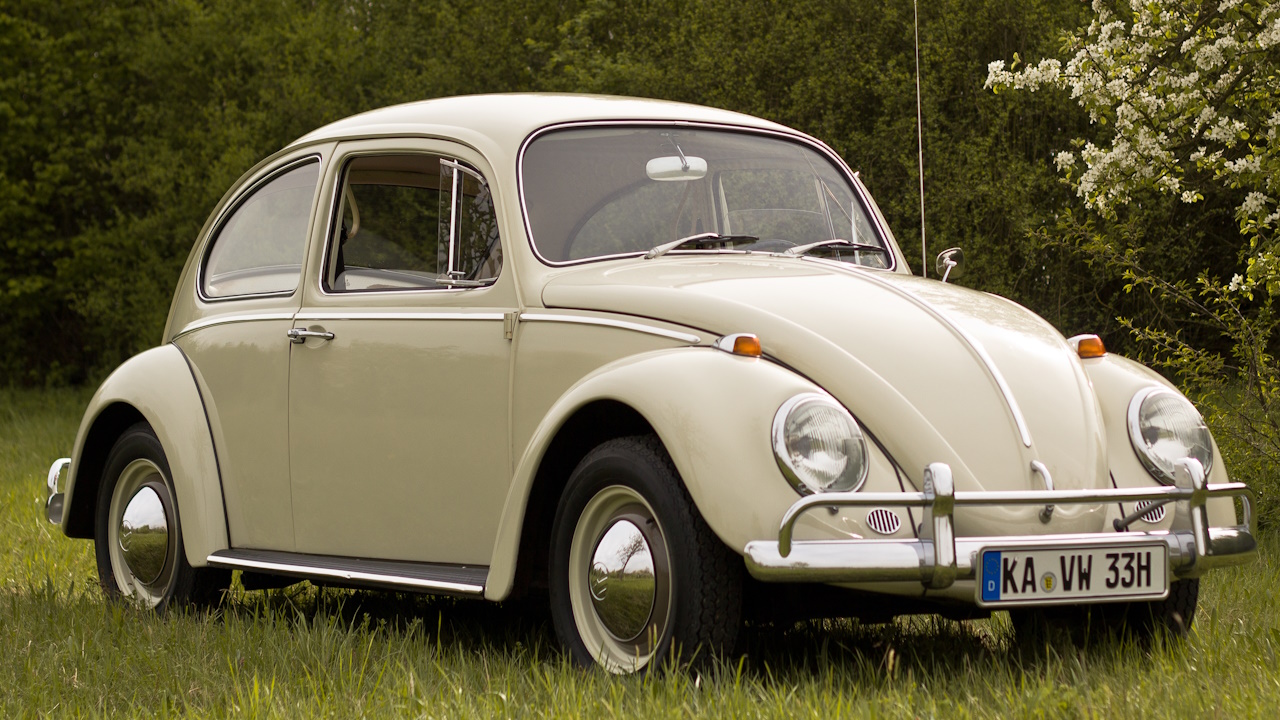
While many classic car enthusiasts enjoy working on their own vehicles, attempting DIY repairs without the necessary expertise can lead to costly mistakes. Missteps in areas like engine tuning or electrical wiring can cause significant damage. For instance, incorrect wiring on a 1970 Volkswagen Beetle could result in electrical fires.
If you’re not fully confident in your ability to perform a repair, it’s wise to seek professional assistance. Not only will this help avoid potential damage, but it can also ensure that repairs are done correctly and safely, preserving the car’s longevity and value.
Underestimating Restoration Costs
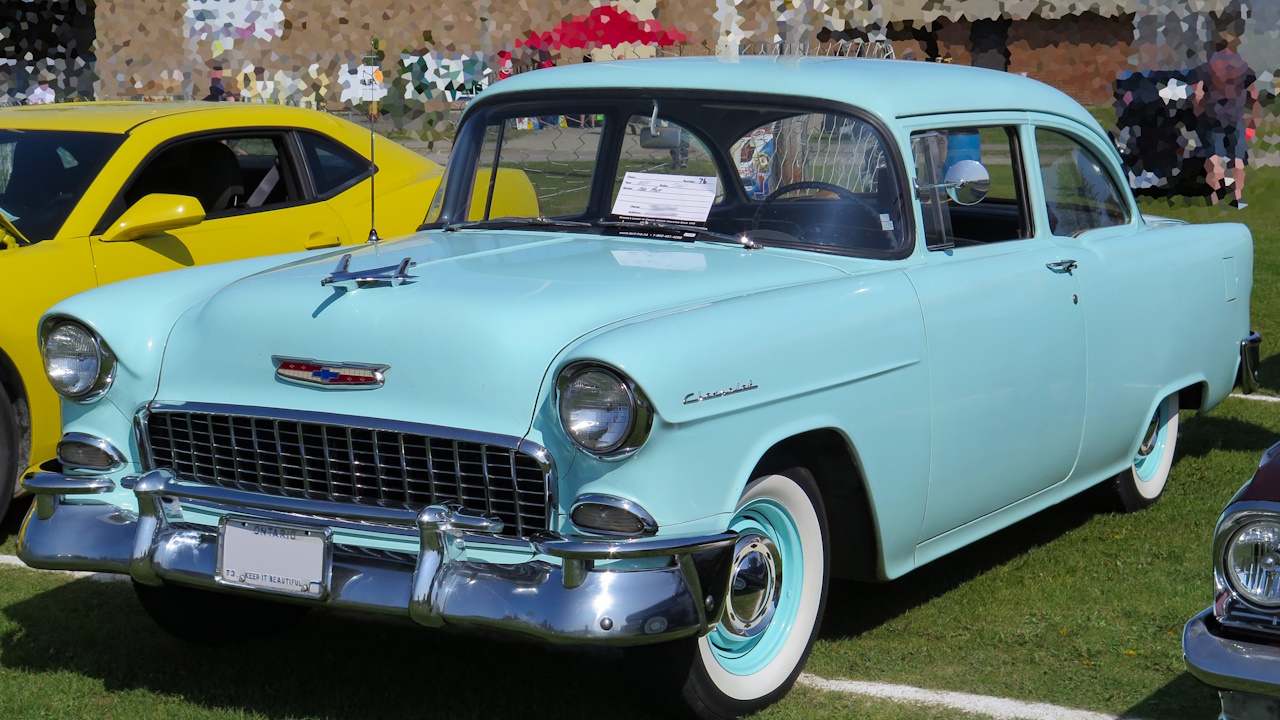
Restoration can be a rewarding process but underestimating the costs involved is a common pitfall. Classic car restorations often require more time and money than initially anticipated. A project that begins with a budget for a 1955 Chevrolet Bel Air might quickly escalate as unforeseen issues arise.
Before starting a restoration, it’s crucial to conduct thorough research and obtain detailed estimates for parts, labor, and potential contingencies. Consulting with restoration professionals can provide a clearer understanding of the scope and cost of the project, helping you plan financially and avoid unpleasant surprises.