In the high-octane world of supercars, the 1990s were a transformative decade. As automotive technology advanced, a select group of cars broke the elusive 200 mph barrier, capturing the imagination of car enthusiasts everywhere. Here, I delve into seven of these remarkable vehicles that defined an era and set the stage for future innovations.
McLaren F1
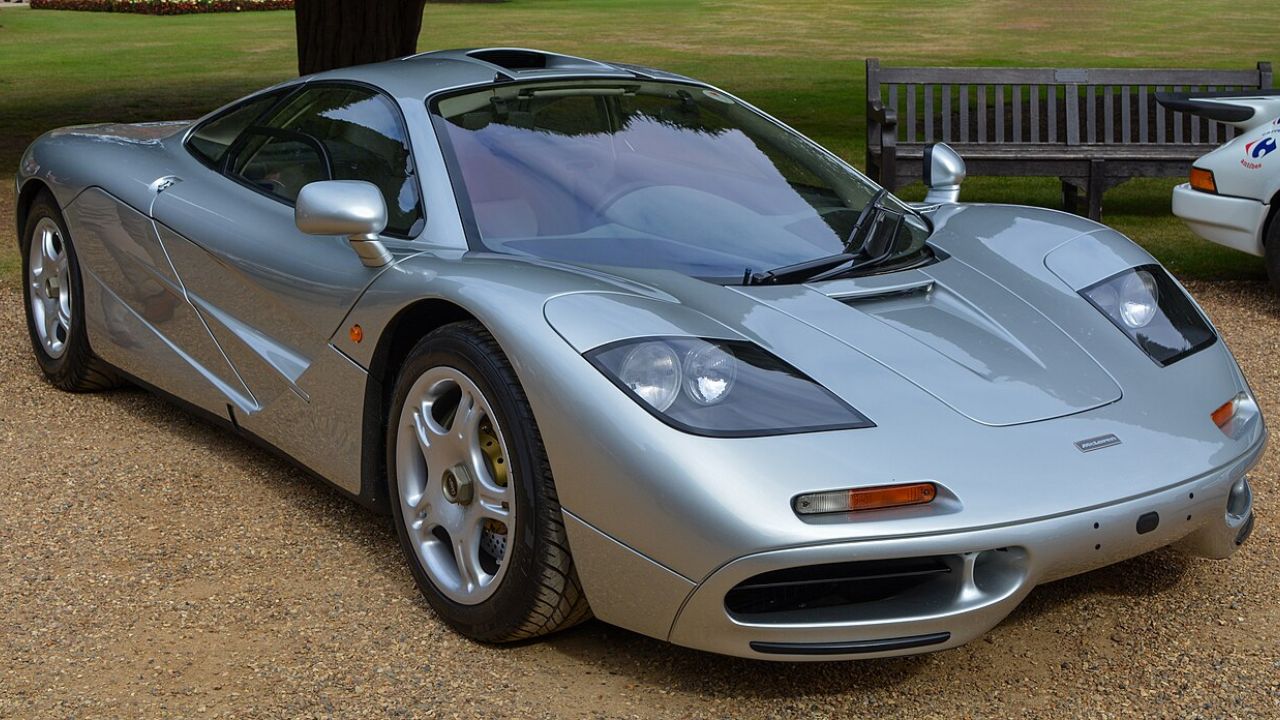
The McLaren F1, produced between 1992 and 1998, was a groundbreaking vehicle in the supercar realm. Designed by Gordon Murray, it was the first production car to exceed 230 mph, thanks to its 6.1-liter BMW V12 engine. The F1’s innovative design included a central driving position flanked by two passenger seats, blending performance with a unique driving experience.
Its lightweight carbon-fiber structure and meticulous engineering made it a benchmark in automotive design. Even today, the McLaren F1 remains a highly sought-after collector’s item, revered for its unparalleled speed and engineering brilliance.
Ferrari F50
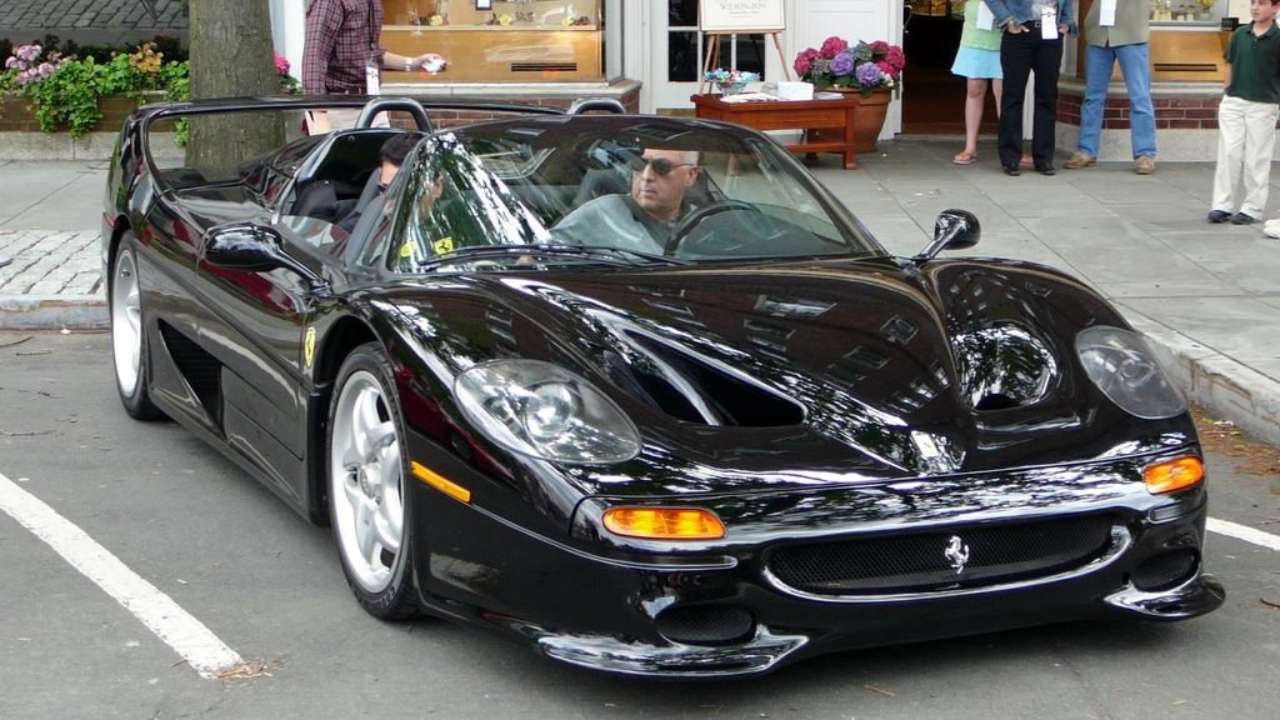
Introduced in 1995, the Ferrari F50 was a tribute to the brand’s 50th anniversary and a testament to its racing heritage. Equipped with a 4.7-liter V12 engine derived from Formula 1 technology, the F50 could reach speeds just over 200 mph. This model was designed to deliver a raw, exhilarating driving experience, with an emphasis on aerodynamics and agility.
The F50’s open-top design and minimal electronic aids highlighted Ferrari’s commitment to driver engagement. Its limited production run of just 349 units has made it a rare and coveted piece of automotive history.
Jaguar XJ220
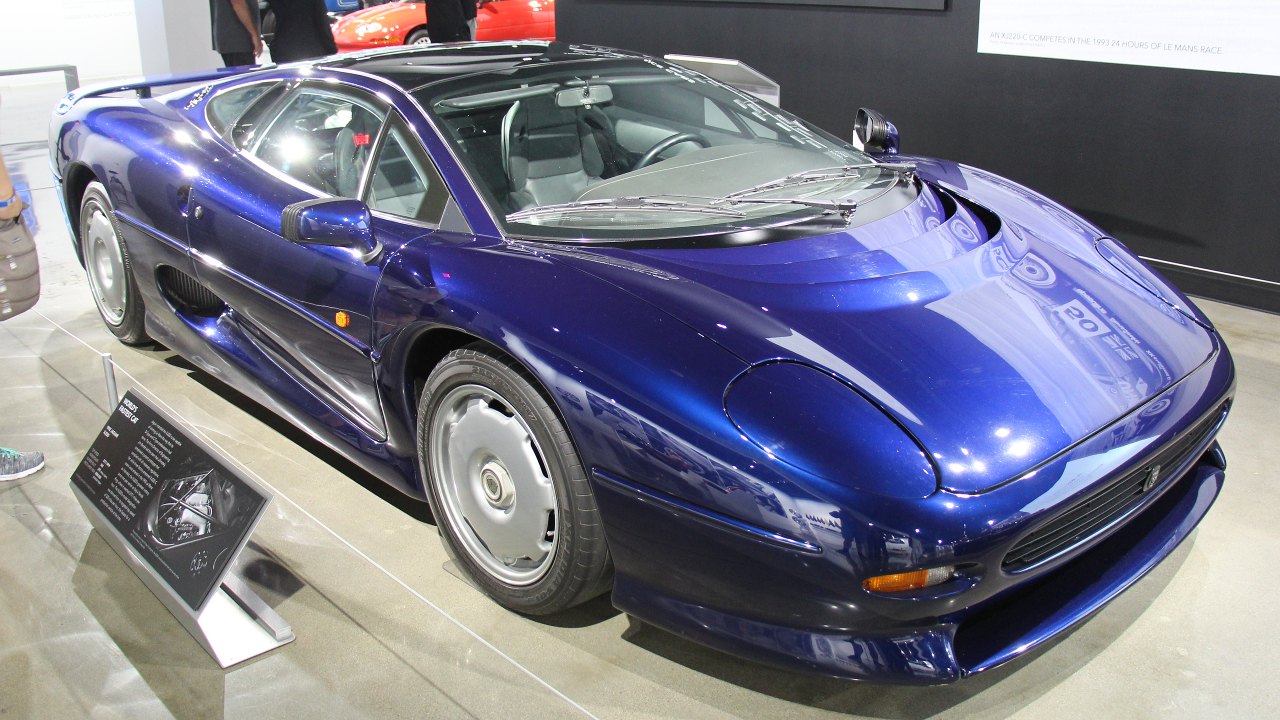
The Jaguar XJ220 was a bold statement from the British manufacturer, setting the record as the fastest production car upon its debut in 1992. Powered by a twin-turbocharged V6 engine, it achieved a top speed of 217 mph. Originally conceived with a V12 engine and all-wheel drive, the final production model’s specifications were a departure from the concept, yet still delivered impressive performance.
Despite initial controversy over these changes, the XJ220’s sleek design and blistering speed secured its place in the annals of supercar history. Its rarity and distinctive styling continue to make it a favorite among collectors.
Bugatti EB110
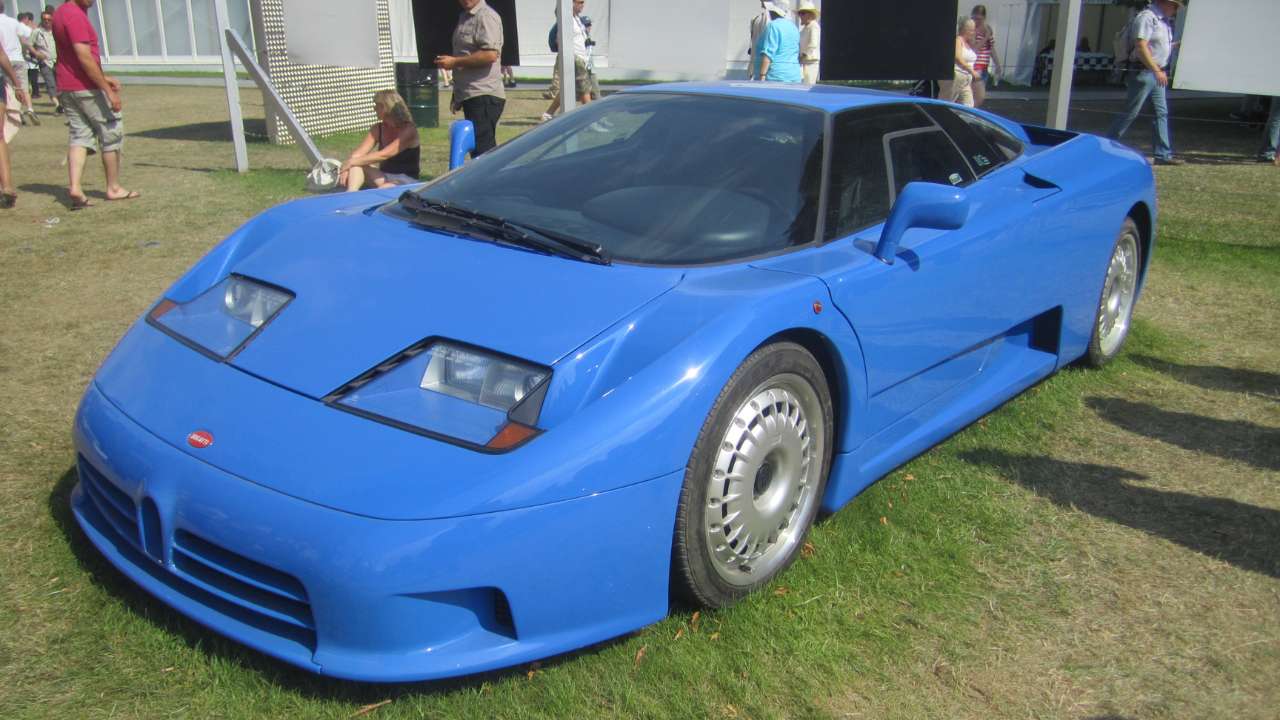
The Bugatti EB110, launched in 1991, marked the revival of the storied Bugatti brand. With a quad-turbocharged V12 engine, it was capable of reaching speeds of 213 mph. The EB110 featured advanced technology for its time, including all-wheel drive and a carbon-fiber chassis, underscoring Bugatti’s commitment to innovation and performance.
This supercar’s dramatic design and engineering prowess were complemented by its exclusivity, with only 139 units produced. The EB110 laid the groundwork for Bugatti’s future successes, including the Veyron and Chiron models.
Lamborghini Diablo
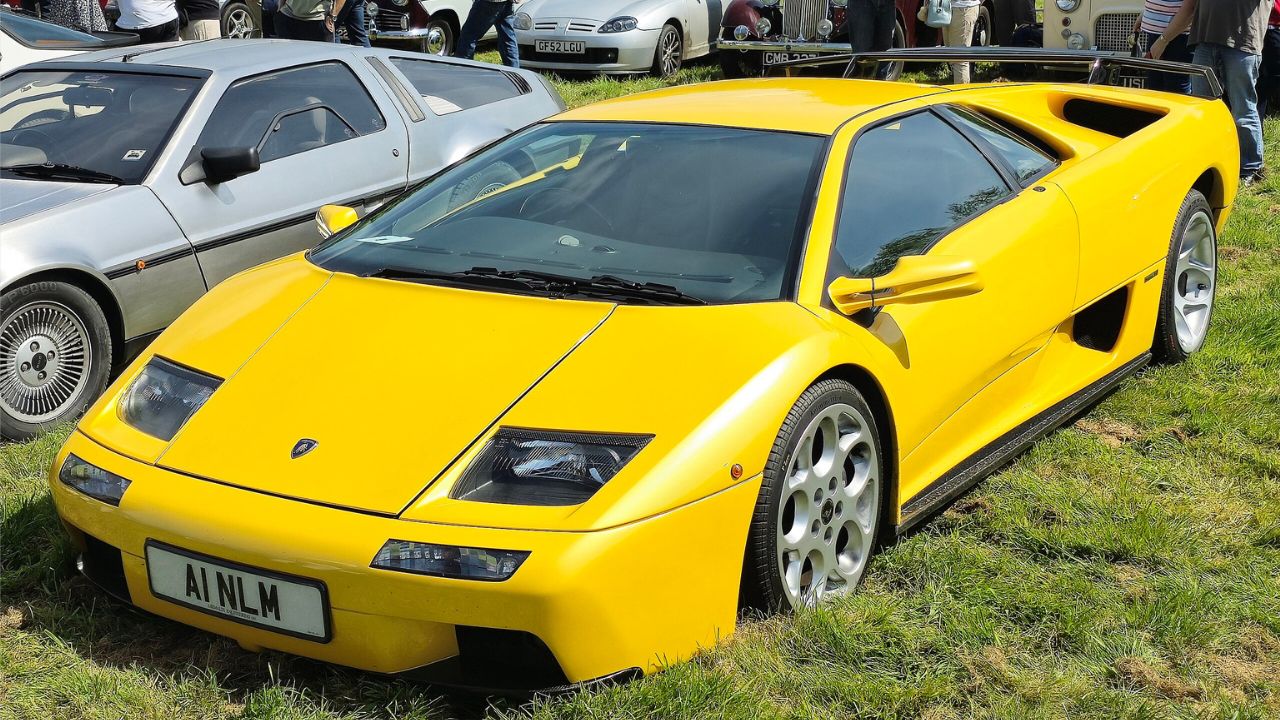
The Lamborghini Diablo, introduced in 1990, was a quintessential supercar of the 1990s, combining outrageous styling with jaw-dropping performance. Its 5.7-liter V12 engine propelled it to a top speed of 202 mph, making it one of the fastest cars of its time. The Diablo’s aggressive design and scissor doors became synonymous with the Lamborghini brand.
Throughout its production run, the Diablo underwent several enhancements, including the introduction of all-wheel drive and various performance upgrades. Its impact on Lamborghini’s legacy is undeniable, cementing its status as an icon of automotive excess.
Porsche 911 GT1
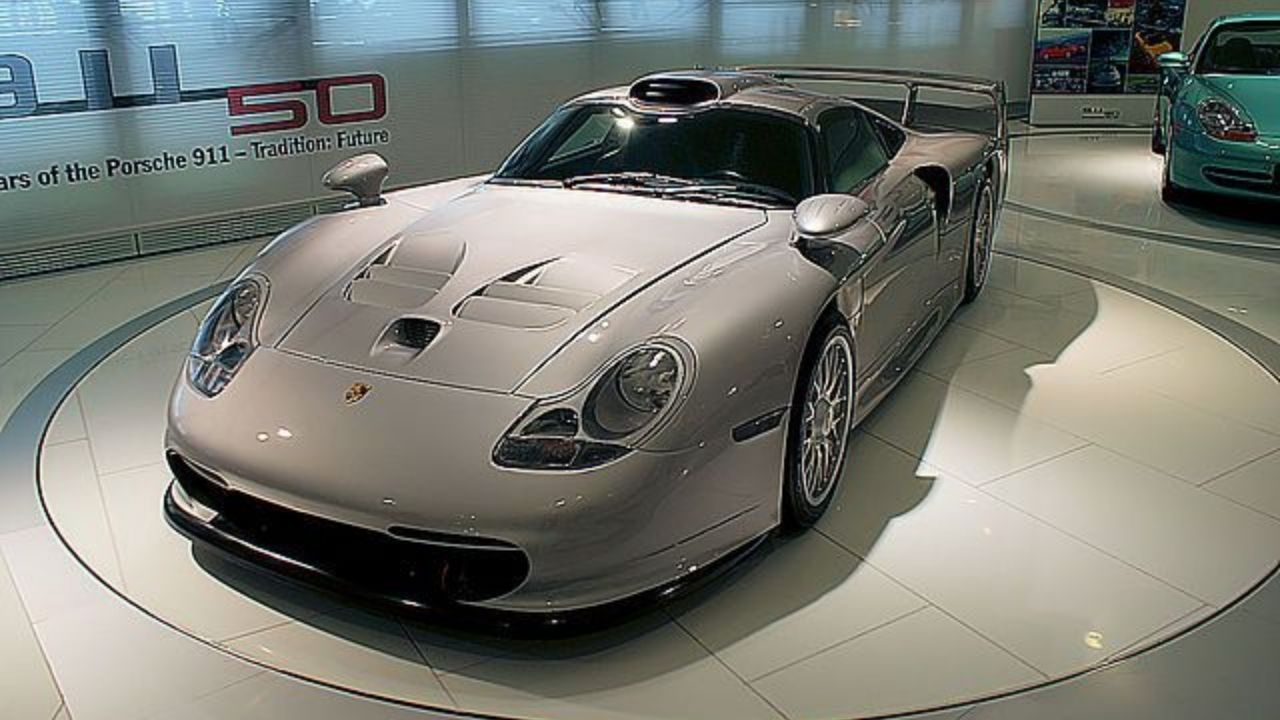
Born from the world of motorsport, the Porsche 911 GT1 was a homologation special that brought race car technology to the road. Debuting in 1996, it was powered by a 3.2-liter twin-turbo flat-six engine, achieving speeds up to 205 mph. The GT1’s racing pedigree was evident in its aerodynamic design and advanced engineering.
Limited to just 25 units, the 911 GT1 is a rare gem in Porsche’s storied lineup. Its combination of track-bred performance and road-going capability makes it a standout in the realm of 1990s supercars.
Vector W8
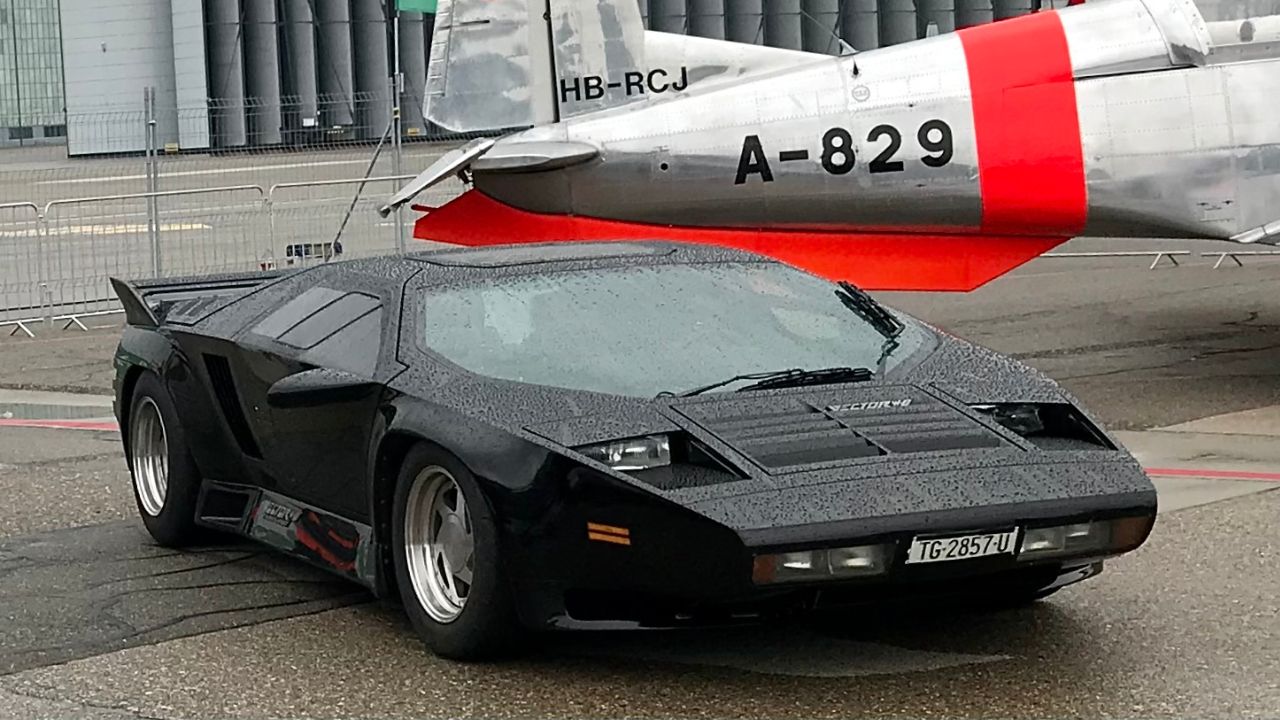
The Vector W8, an American-made supercar, was a bold attempt to challenge European dominance in the high-speed arena. Produced from 1990 to 1993, it featured a twin-turbocharged V8 engine capable of reaching a top speed of 218 mph. The W8’s futuristic design and aerospace-inspired technology set it apart from its contemporaries.
Although only 19 units were produced, the Vector W8’s ambition and performance left a lasting impression on the supercar landscape. Its rarity and distinctive styling continue to captivate enthusiasts and collectors alike.
Like Fast Lane Only’s content? Be sure to follow us.
Here’s more from us:
*Created with AI assistance and editor review.