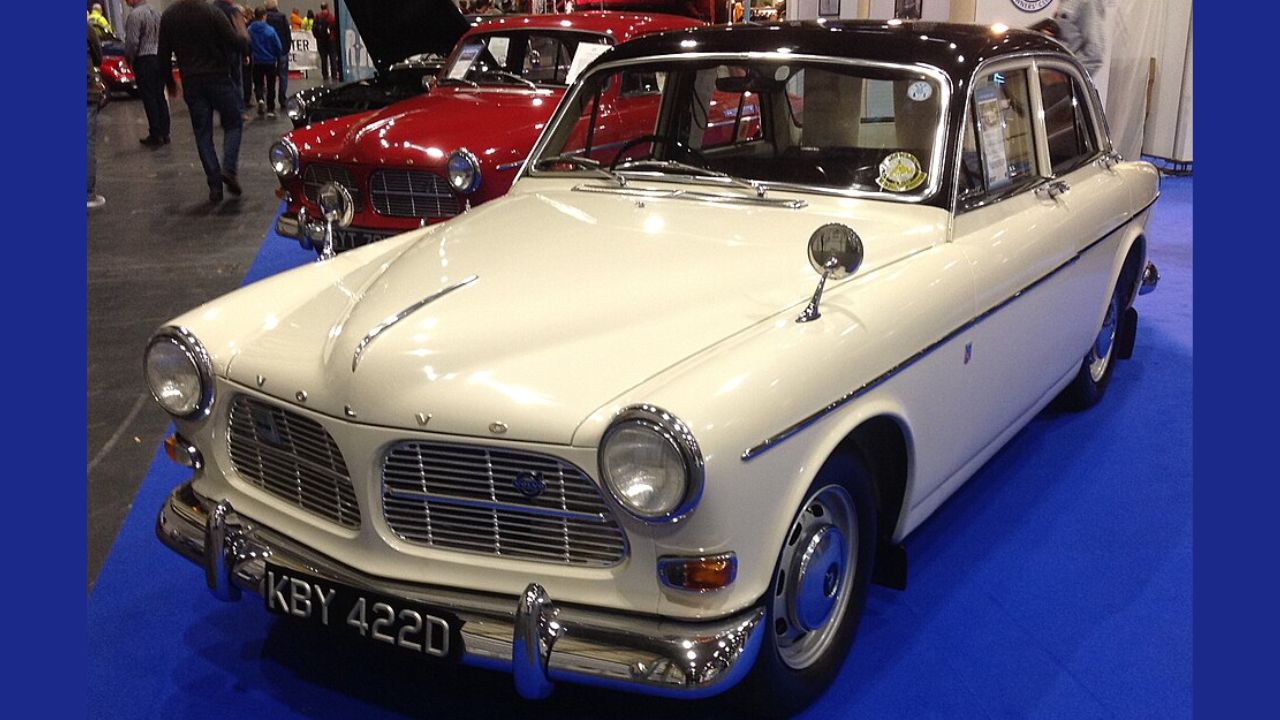
In the golden era of muscle cars, certain design features stood out as icons of automotive innovation and style. One such feature, the hideaway headlight, captured the imaginations of car enthusiasts and became a hallmark of several muscle car models. The reasons behind the adoption of hideaway headlights in muscle cars and their impact on automotive design reveal a fascinating intersection of aesthetics, technology, and culture.
The Rise of Muscle Cars and Their Aesthetic Appeal
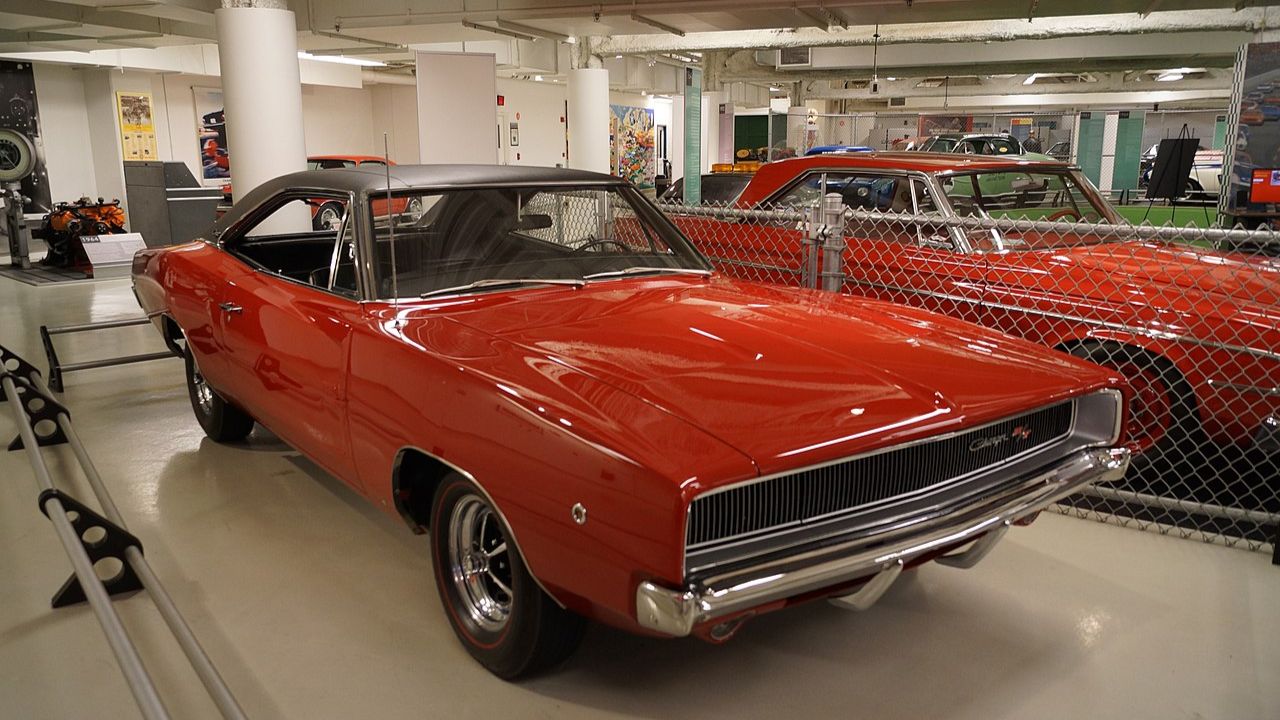
The 1960s and 1970s marked the emergence of muscle cars as a response to the growing demand for high-performance vehicles. These cars were characterized by their powerful engines and affordable prices, making them accessible to a wide range of consumers. The muscle car phenomenon was not just about raw power; it was also about creating an image of speed and strength. Manufacturers understood that consumers were seeking more than just performance; they wanted a car that looked the part.
Hideaway headlights played a crucial role in enhancing the sleek and aggressive look of muscle cars. By allowing the front end of the vehicle to maintain a smooth and uninterrupted surface, these headlights contributed to a design that was both functional and visually striking. The aesthetic appeal of hideaway headlights was a perfect match for the muscle car’s image, as it provided a look that was both modern and a bit rebellious.
Muscle cars became symbols of rebellion and freedom in American culture, and the design elements they featured, such as hideaway headlights, reinforced this image. The cultural significance of these cars was evident in their frequent appearances in movies and TV shows, where they often represented a spirit of non-conformity and adventure. The unique design features of muscle cars, including the hideaway headlights, became an integral part of their identity and a symbol of a generation’s desire to break free from the norm.
Technological Innovations Behind Hideaway Headlights
The engineering behind hideaway headlights was a testament to the ingenuity of automotive designers during the muscle car era. These headlights required a complex system of mechanical and electrical components to function properly. The design typically involved vacuum-operated systems or electric motors that allowed the headlights to retract and extend seamlessly. This level of complexity was not just about aesthetics; it also demonstrated a commitment to pushing the boundaries of automotive design.
Hideaway headlights offered more than just visual appeal; they also contributed to the car’s aerodynamics. By reducing the frontal area of the vehicle when the headlights were retracted, drag was minimized, thus enhancing the car’s performance. This was particularly important for muscle cars, where every bit of aerodynamic efficiency translated into better speed and handling. The integration of hideaway headlights was a strategic move by manufacturers looking to offer vehicles that were as much about performance as they were about style.
Automakers invested in hideaway headlight technology as part of their efforts to differentiate themselves in a highly competitive market. The allure of offering something unique and cutting-edge was a strong motivator. Additionally, the quest for technological advancement was a driving force behind many innovations during this period. Manufacturers recognized that by incorporating advanced features like hideaway headlights, they could position themselves as leaders in automotive innovation.
The Influence of Pop Culture and Media
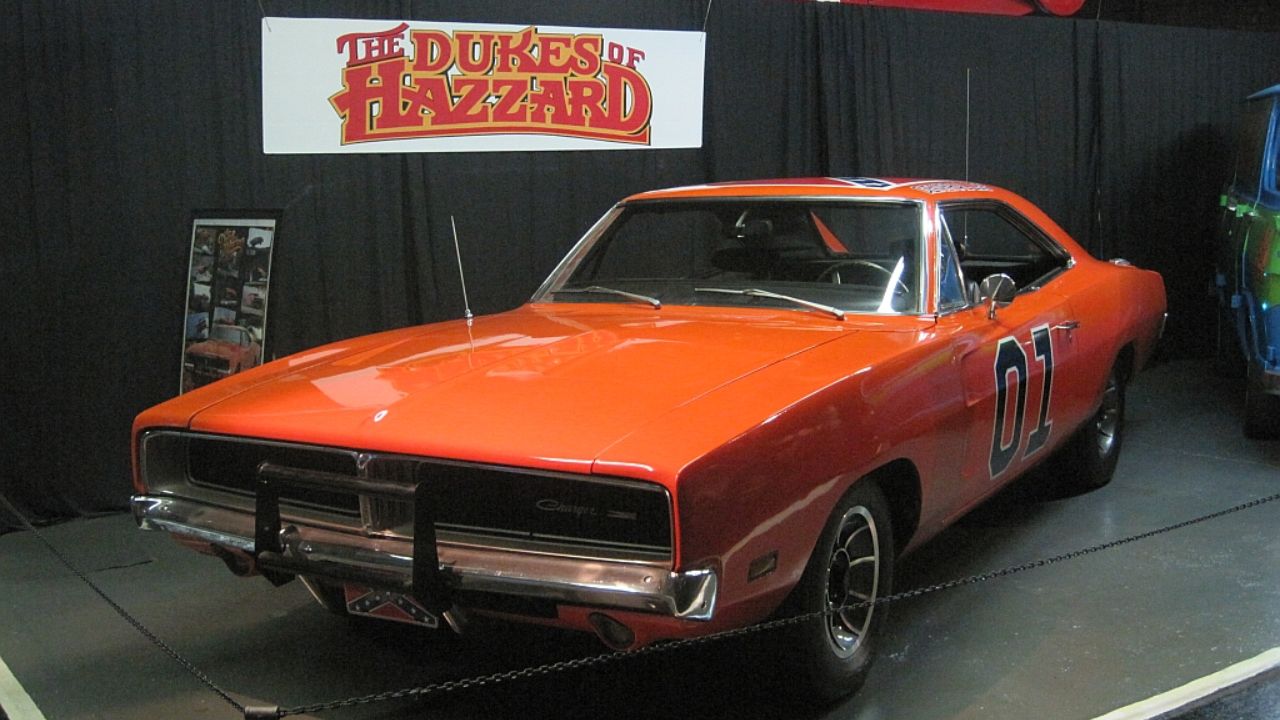
The role of media in popularizing muscle cars with hideaway headlights cannot be overstated. Films and television shows of the era frequently featured these cars, often highlighting their sleek designs. Iconic films such as “Bullitt” and TV shows like “The Dukes of Hazzard” showcased muscle cars with hideaway headlights, cementing their place in popular culture. These appearances not only boosted the cars’ appeal but also solidified their status as cultural icons.
Advertising campaigns of the time also capitalized on the allure of hideaway headlights. Car manufacturers crafted marketing strategies that emphasized the unique features of their vehicles, using imagery and slogans that highlighted the sophistication and modernity of hideaway headlights. These campaigns were instrumental in boosting sales and brand recognition, as they tapped into consumers’ desires for innovation and style.
Today, nostalgia and pop culture continue to fuel the popularity of muscle cars with hideaway headlights among collectors and enthusiasts. The enduring appeal of these vehicles is evident in the vibrant collector’s market, where classic models are highly sought after. The connection to pop culture and media has kept the memory of these cars alive, ensuring that they remain beloved by new generations of car enthusiasts.
Challenges and Decline of Hideaway Headlights

Despite their appeal, hideaway headlights faced several challenges that eventually led to their decline. One of the main drawbacks was the cost and complexity associated with their production and maintenance. The intricate systems required to operate these headlights made them more expensive to produce and repair. As a result, they were often seen as a luxury feature that not all consumers could afford.
Changes in automotive regulations and safety standards also impacted the popularity of hideaway headlights. As safety became a greater concern, regulations evolved to prioritize visibility and reliability. The complexity of hideaway headlights sometimes led to mechanical failures, which could compromise safety. This, coupled with stricter regulations, made it more difficult for manufacturers to justify the continued use of hideaway headlights.
Consumer preferences also shifted over time, contributing to the phasing out of hideaway headlights. As practical and fuel-efficient vehicles became more desirable, the demand for flashy design features diminished. Consumers began to prioritize functionality and reliability over aesthetics, leading manufacturers to focus on producing vehicles that met these new expectations.
The Legacy of Hideaway Headlights in Modern Design
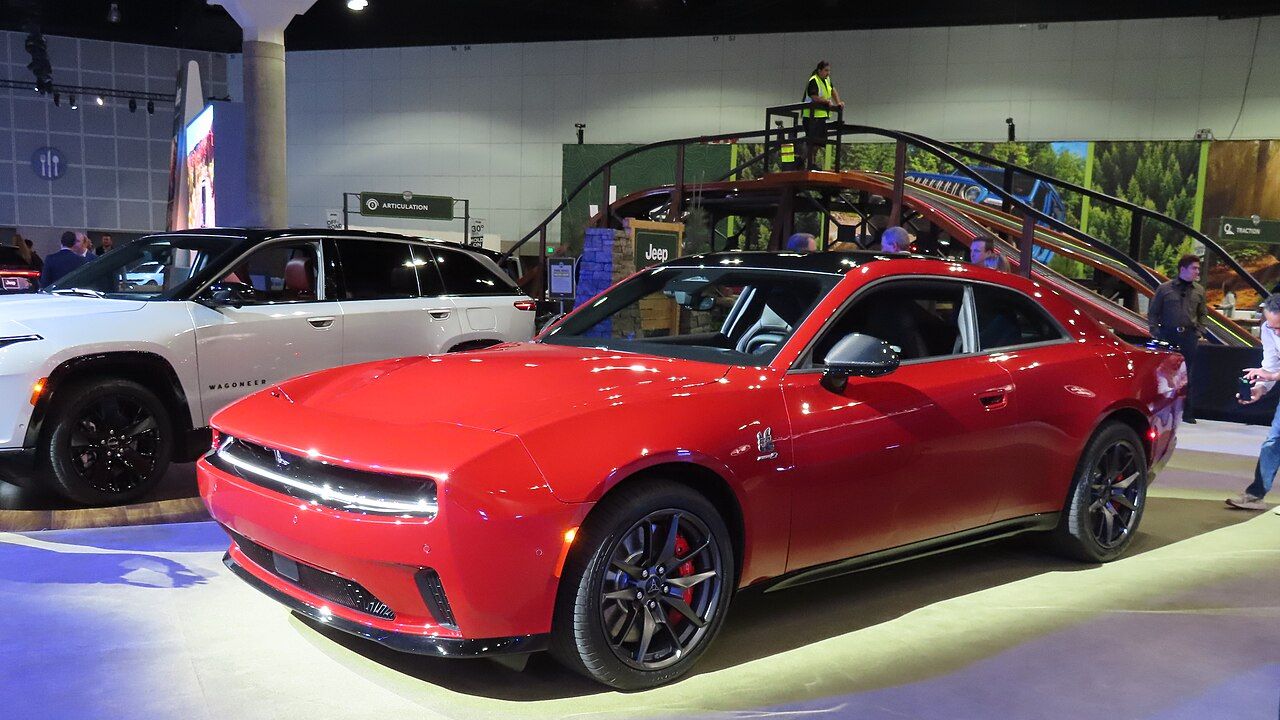
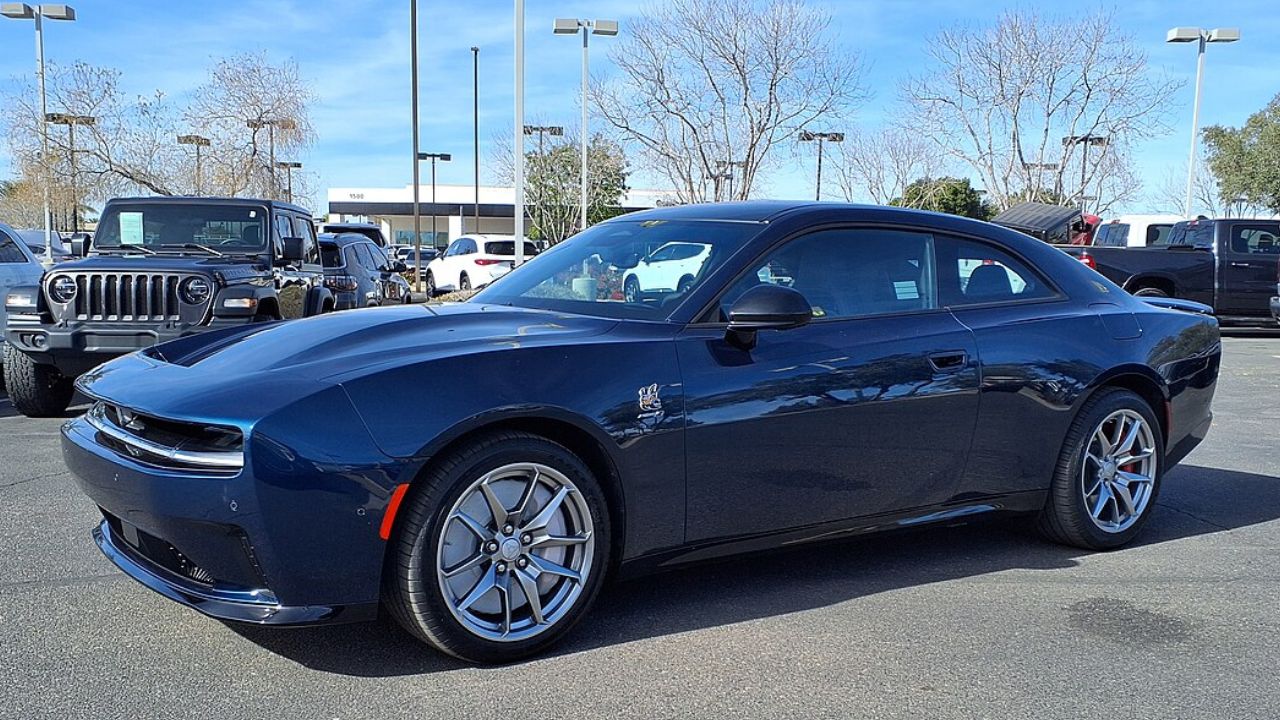
Despite their decline, the legacy of hideaway headlights continues to influence modern automotive design. Some car manufacturers have revived the concept in homage to classic designs, incorporating similar features in their modern models. These nostalgic revivals keep the spirit of the muscle car era alive, allowing a new generation to appreciate the unique design elements that once defined an era.
The concept of hideaway headlights has also inspired contemporary automotive design and innovation. Designers continue to explore ways to integrate advanced technology with aesthetic appeal, drawing on the principles that made hideaway headlights successful. The ongoing evolution of automotive design owes much to the pioneering efforts of the past, where innovation and style went hand in hand.
The enduring appeal of hideaway headlights is a testament to their impact on car culture. Enthusiasts continue to celebrate these features, recognizing them as a beloved part of automotive history. The fascination with hideaway headlights speaks to a broader appreciation for the artistry and creativity that defined the muscle car era, ensuring that these iconic features remain cherished by car lovers worldwide.
Like Fast Lane Only’s content? Be sure to follow us.
Here’s more from us:
*Created with AI assistance and editor review.