As a Tesla owner, I’ve witnessed firsthand how software updates have transformed my car over time. These updates not only enhance functionality but also introduce new features that keep the driving experience fresh and exciting. Here are seven Tesla software updates that have significantly changed how our cars age.
Over-the-Air Software Updates

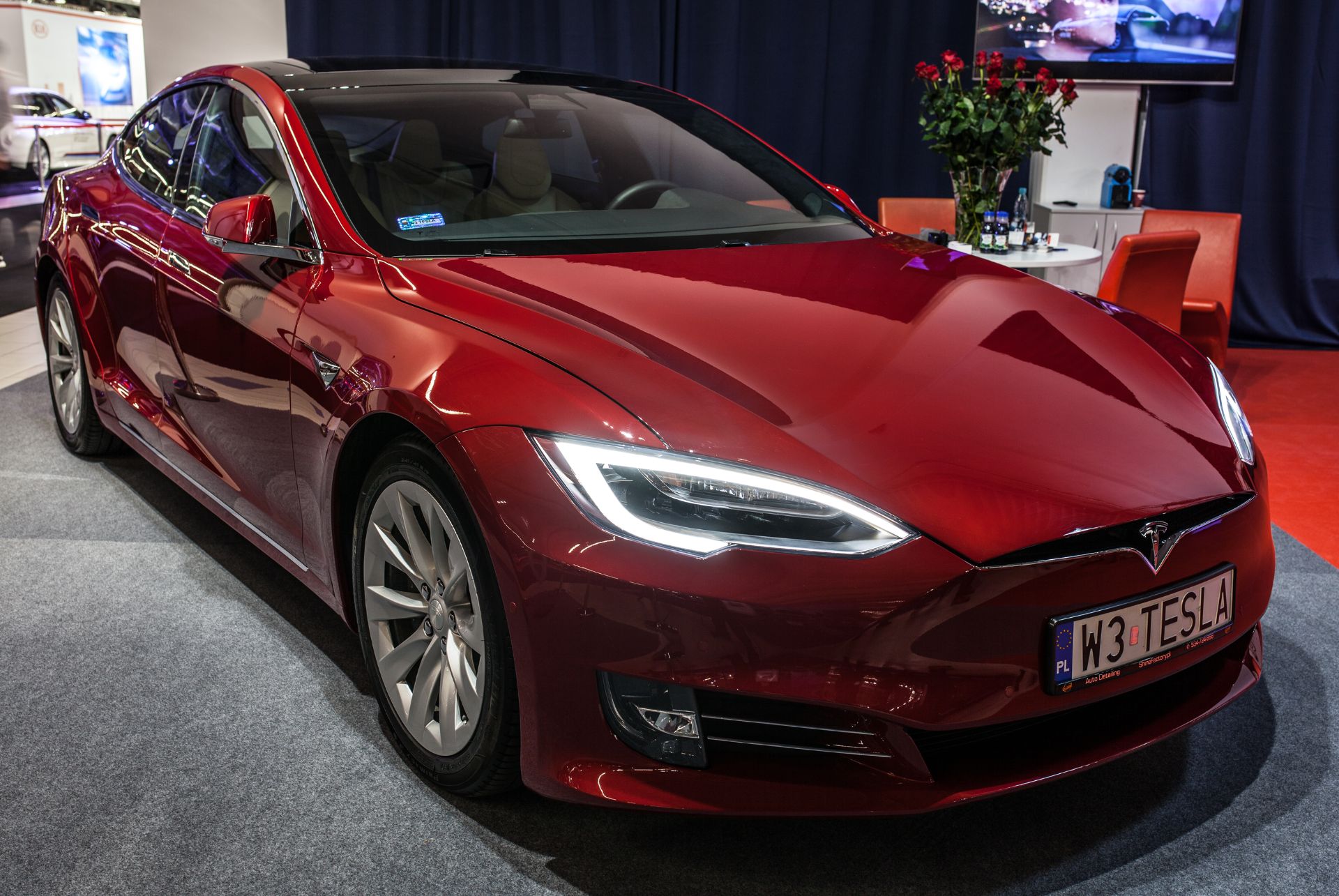
The concept of over-the-air (OTA) software updates revolutionized how Tesla vehicles evolve. Unlike traditional cars, where updates require a trip to the dealership, Tesla vehicles receive improvements seamlessly over Wi-Fi. For instance, the Model S received a significant OTA update that improved its autopilot system, enhancing safety and performance without any physical intervention.
These updates ensure that Tesla cars are always equipped with the latest features and security patches. It’s like getting a brand-new car every few months, without the hefty price tag. The convenience and efficiency of OTA updates have set a new standard in the automotive industry, making Tesla a leader in car technology.
Enhanced Autopilot Capabilities

Autopilot is one of Tesla’s most talked-about features, and its capabilities have expanded significantly through software updates. Initially, autopilot offered basic lane-keeping and adaptive cruise control. However, updates have introduced more advanced functionalities like Navigate on Autopilot, which assists with highway driving and lane changes.
With each update, the system becomes smarter and more reliable. For example, the 2021 update improved the car’s ability to recognize and respond to traffic signals and stop signs. These enhancements make driving more comfortable and safer, showcasing Tesla’s commitment to autonomous vehicle technology.
Sentry Mode for Enhanced Security

Sentry Mode was a game-changer for Tesla owners concerned about vehicle security. This feature uses the car’s cameras to monitor surroundings and detect potential threats. If suspicious activity is detected, the car alerts the owner and records the incident, providing valuable evidence in case of theft or vandalism.
Updates to Sentry Mode have improved its functionality, allowing for better detection and storage of footage. For example, a 2020 update enabled the use of USB drives for video storage, making it easier for owners to review footage. Sentry Mode offers peace of mind, knowing that the car is actively monitoring its environment.
Tesla Arcade: In-Car Entertainment

Tesla Arcade has turned downtime into fun time, bringing video games directly to the car’s infotainment system. Initially, games like Atari classics were introduced, but subsequent updates have expanded the library to include more engaging titles like “Cuphead” and “Stardew Valley”.
This feature transforms the vehicle into a mobile gaming console, perfect for keeping passengers entertained during road trips or while charging. Tesla Arcade demonstrates how software updates can enhance the in-car experience, blurring the lines between transportation and entertainment.
Full Self-Driving (FSD) Beta Features
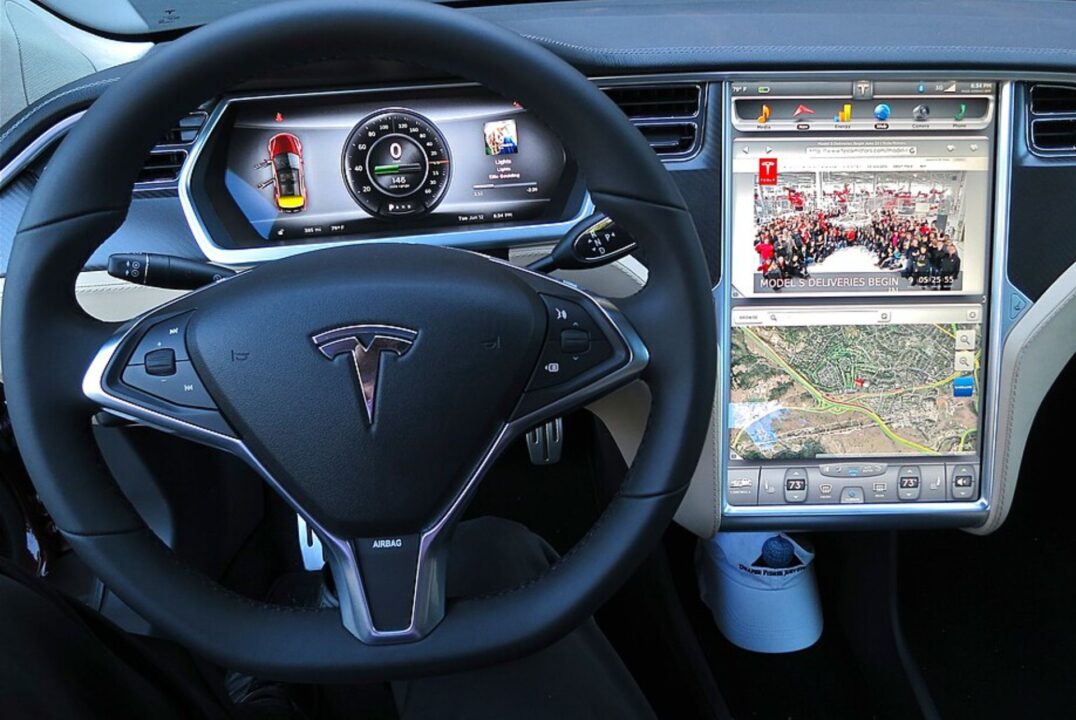
The Full Self-Driving (FSD) package is Tesla’s most ambitious project, aiming to achieve true autonomous driving. Through beta releases, Tesla has gradually introduced FSD capabilities, such as automatic lane changes, parking, and navigating through complex urban environments.
These features are continuously refined through software updates, with feedback from beta testers helping Tesla improve the system. The FSD beta showcases Tesla’s forward-thinking approach, pushing the boundaries of what’s possible in vehicle automation while maintaining a focus on safety and reliability.
Range Optimization and Battery Management

Tesla’s software updates have significantly improved range optimization and battery management. Features like “Range Mode” and adaptive energy management algorithms help maximize battery efficiency, allowing drivers to get the most out of each charge.
For example, a 2019 update for the Model 3 improved range estimates by refining how the car calculates energy consumption. These updates not only extend driving range but also contribute to battery longevity, ensuring that Tesla vehicles remain efficient and reliable over time.
Voice Command Enhancements

Voice command capabilities in Tesla vehicles have evolved to become more intuitive and responsive. Early versions allowed basic functions like controlling media playback, but updates have expanded the range of commands and improved speech recognition accuracy.
Now, you can perform complex tasks like adjusting climate controls or setting navigation destinations simply by speaking. A 2021 update even allowed natural language processing, enabling the car to understand more conversational phrases. This makes interacting with the car more seamless and hands-free, enhancing both convenience and safety.
More from Fast Lane Only