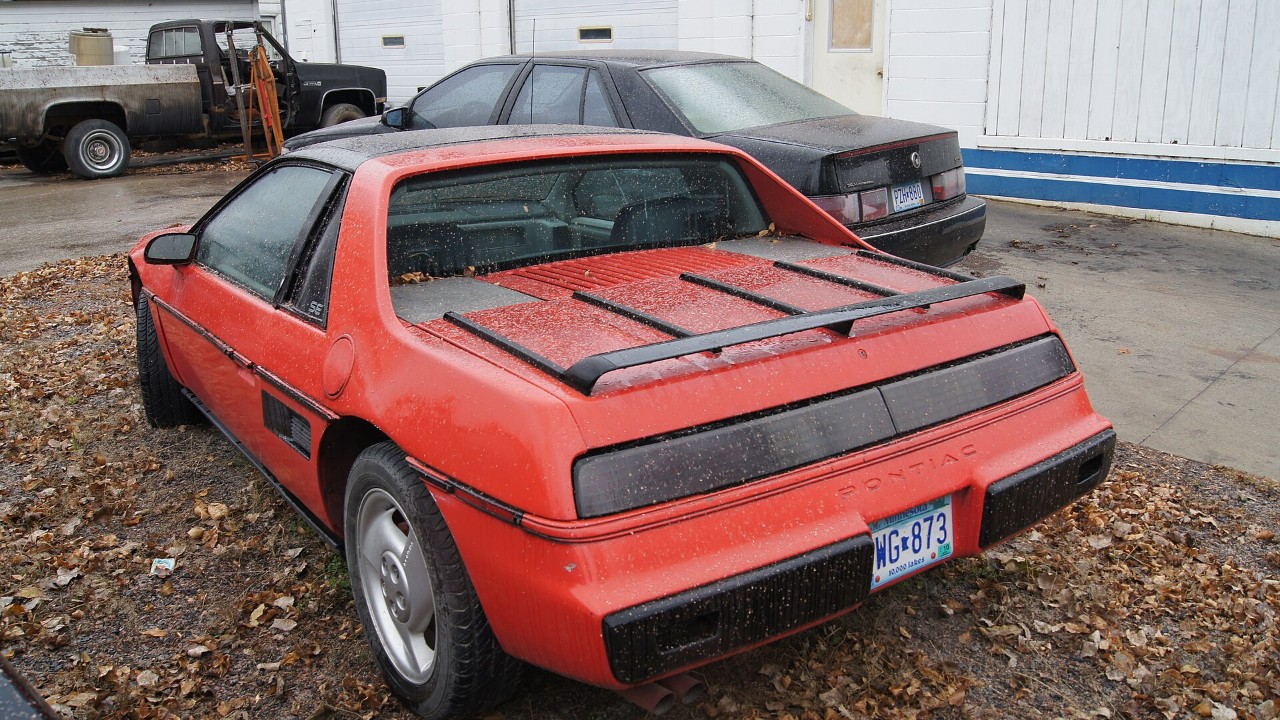
When the Pontiac Fiero SE arrived for 1984, a mid-engine American two-seater looked like the future, and it sold fast. Then the buzz faded, as it always does. Some cars disappear with their headlines. Others hang around long enough to be judged on how they drive rather than on how they were sold.
That second group is more interesting. Each car here launched with a big promise, whether a new layout, a new engine or a bold new shape. Some were oversold, and a few were criticized harshly at the time. Yet years later, enthusiasts still seek them out, fix them up and drive them hard.
These are our picks for six sports cars that outlived their own hype. The verdicts are our opinion. However, the years, outputs, prices and production figures come from maker records, period reviews and model histories read for this story.
1. 1984 Pontiac Fiero SE
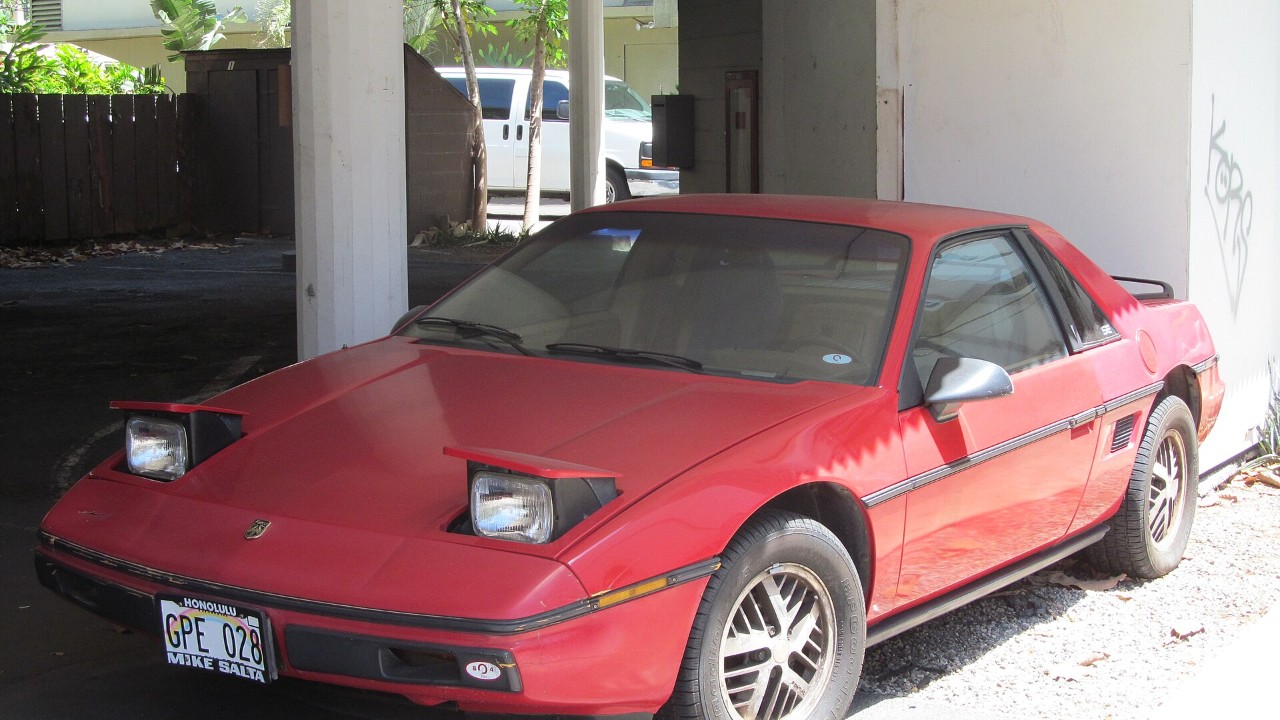
The Fiero launched with plenty of fanfare. Pontiac sold about 139,000 in the first season, according to Consumer Guide’s look back at the 1984 car. The base model started at $7,999 plus destination. The Pontiac Fiero SE added the WS6 handling package and started at $9,599.
Meanwhile, the engineering was clever, if thrifty. A steel space frame carried the loads, and the plastic body panels hung on it without bearing any of them. Consumer Guide says Pontiac chose plastic because the molds cost far less than steel stamping dies. Underneath, the rear transaxle came from GM’s X-car family and the front suspension from the T-car. At first, the only engine was the 2.5-liter “Iron Duke” four.
The hype soured fast. Sales never again reached 100,000 in a year, and Pontiac later said it knew of 260 fires linked to a connecting-rod defect. Yet the Fiero made Car and Driver’s Ten Best list for 1984, and the 1988 car got a much better suspension. In our view, it is now one of the most fun budget mid-engine cars around. If you buy one, ask about the engine’s history and keep the oil topped up. We made the case for the final model in why the 1988 Pontiac Fiero GT deserved a second chance.
2. Porsche 944 S2
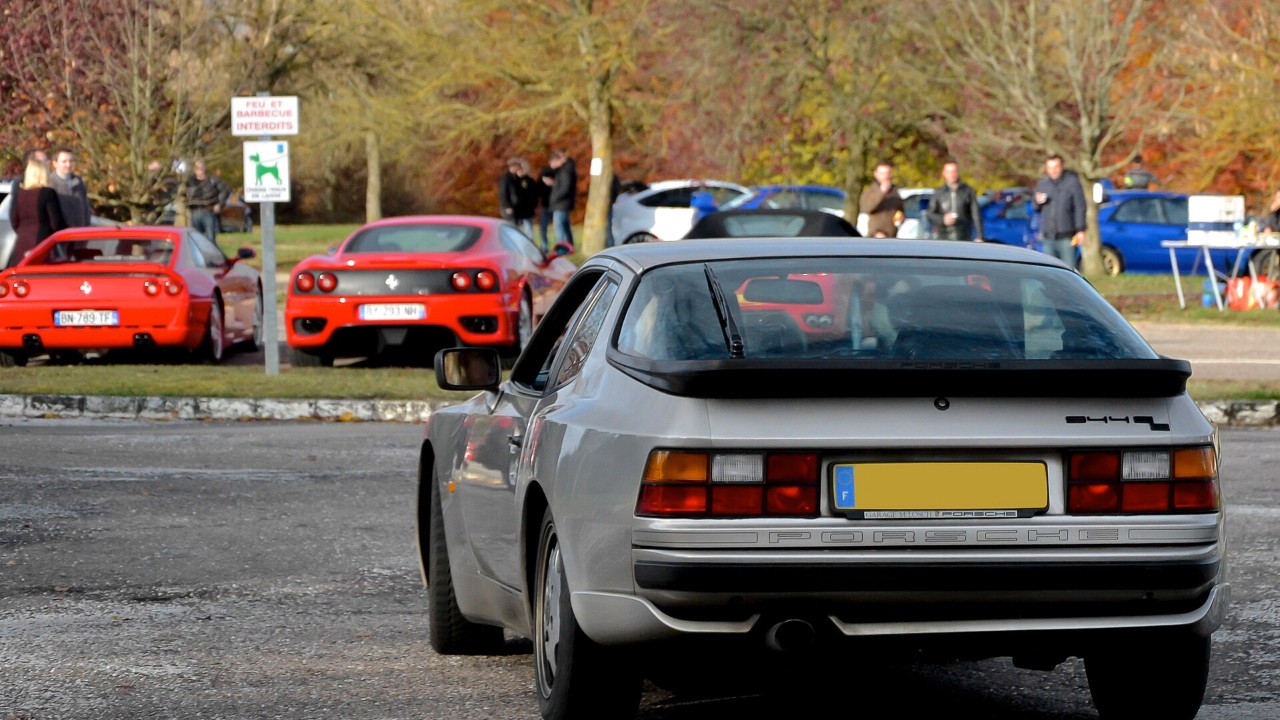
The 944 began life as a sales hit. When it premiered at the 1981 Frankfurt show, dealers took 30,000 orders in its first year, according to Porsche’s own history of its transaxle cars. By 1983, the 944 made up about 51 percent of Porsche’s total output.
By comparison, the S2 was the grown-up version. Porsche’s timeline says it replaced the 944 S with 211 PS. That power came from a 3.0-liter, 16-valve, twin-cam four, which is a lot of engine for four cylinders. With a manual gearbox, the S2 could reach 240 km/h, or about 149 mph. Then, in 1989, the S2 became the basis for the first 944 Cabriolet.
Our take: the 944 outlived its image as the “cheap” Porsche. The transaxle layout puts the gearbox at the back, which gives the car near-even balance. Porsche built 163,302 cars in the 944 family before the last one left in 1991. Porsche calls it the highest-selling sports car in its history up to that point. If you shop for an S2, look for a car with a documented cam-belt service history.
3. 1988 Mazda RX-7 GXL
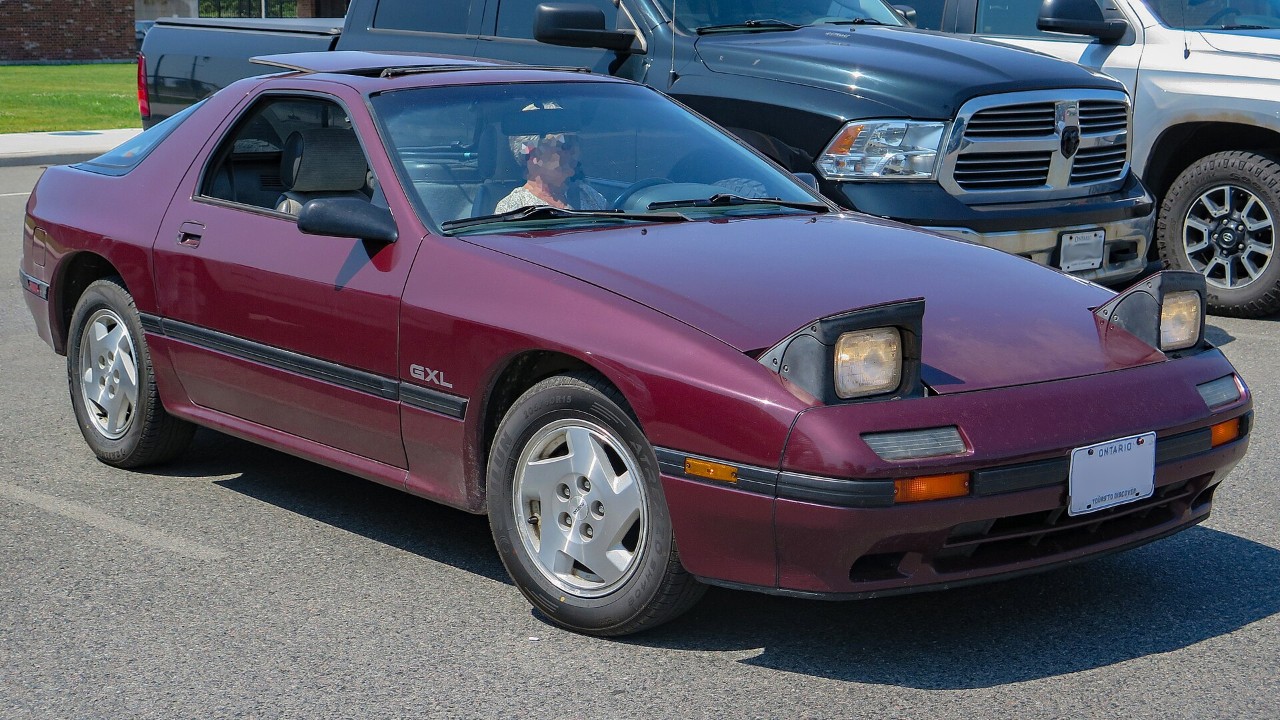
The first RX-7 was a tough act to follow. Mazda built 471,018 of the first generation, and most of them went to the United States. So the second-generation car, known as the FC, faced huge expectations when production began in 1985.
Mazda answered with a car that felt more grown-up in every way. As a result, in our view, it suited buyers who wanted comfort along with the rotary. The FC kept the 1.3-liter 13B twin-rotor engine. In North American trim, the non-turbo version for the 1986 to 1988 model years made 146 hp. The GXL sat near the top of the range, and it was one of the trims that got four-piston front brakes. Meanwhile, the Turbo II grabbed the headlines with 182 hp.
In our view, the FC aged better than anyone expected. Mazda built 272,027 FC cars from late 1985 through 1992, counting the convertible. About 22,000 of those were convertibles. Today, a clean GXL is a smooth, well-equipped rotary that is easy to live with. If you want one, our advice is simple: ask for a compression test before you pay. Rotary engines reward owners who know their history.
4. 1982 Porsche 924 Turbo
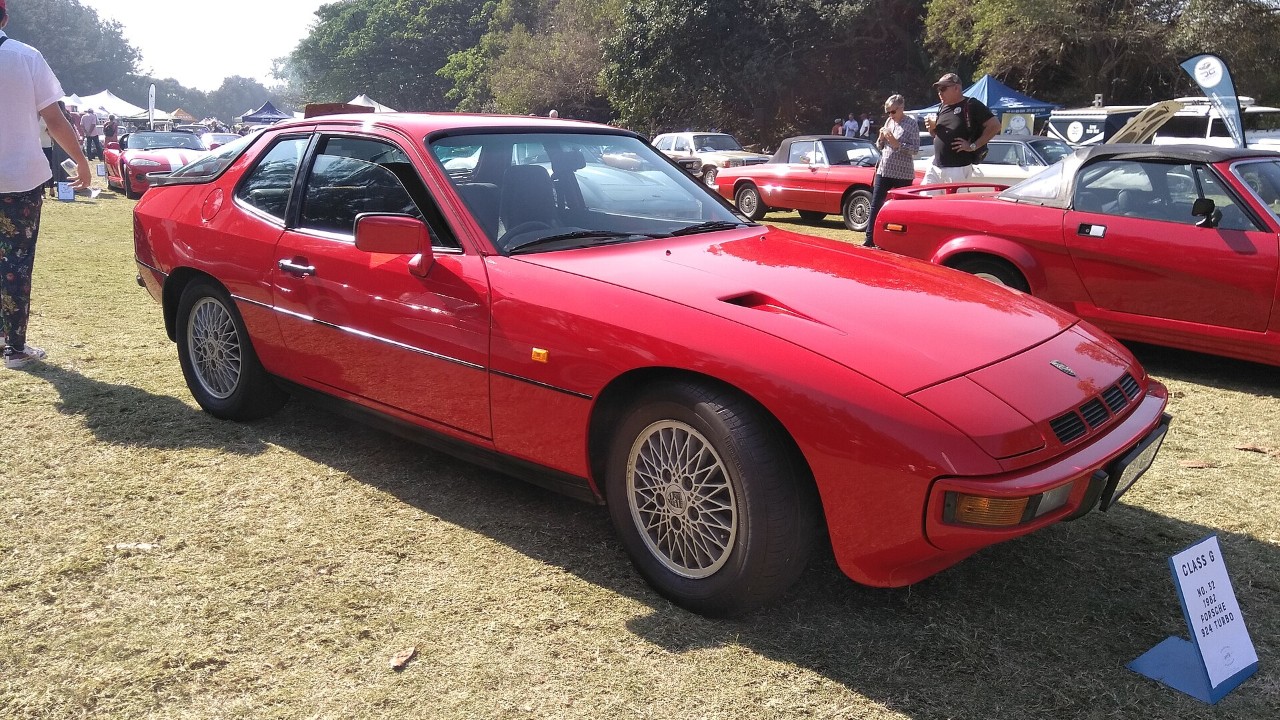
The 924 never quite escaped its origins. It began as a joint Volkswagen and Porsche project before VW dropped it and Porsche bought the design back. Its 2.0-liter four came from VW’s parts bin, which did little for its image. So for 1978, Porsche added a turbocharger to close the gap to the 911 and 928.
The 924 Turbo made 170 PS at 5,500 rpm on 10 psi of boost. For 1981, the Series 2 version rose to 177 PS. That made the car properly quick, and Porsche used it as the base for the 924 Carrera GT, of which it built 406. Even so, the turbo had a short life. Production ended in 1982, except for Italy, where Porsche sold it until 1984.
Our take: the Turbo is the 924 that silenced the critics, and 1982 was its final year outside Italy. Porsche also built its 100,000th 924 that same year. In all, the company made more than 150,000 before the last one left the line in 1988. It is also the version we would hunt for. If you find one, check the turbo’s oil feed and cooling history before anything else.
5. First-generation Audi TT
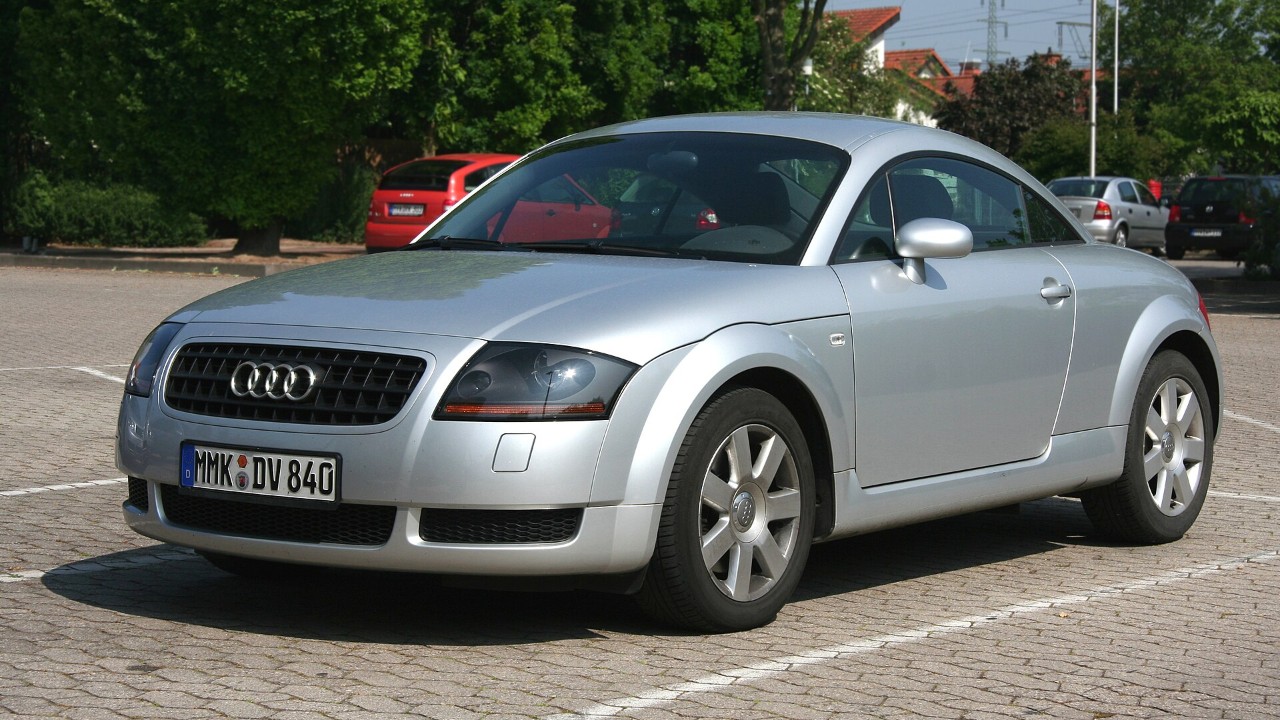
The Audi TT started as a show car at the 1995 Frankfurt Motor Show. Then, remarkably, Audi built it with the shape intact. Factory production began in October 1998 in Győr, Hungary, using bodies made and painted in Ingolstadt. In our view, few shapes of the decade drew more attention.
The hype hit a speed bump early, however. In late 1999 and early 2000, Audi recalled the TT to make its handling more predictable at very high speeds. The fix added stability control or traction control, a rear spoiler and suspension changes. Underneath, the TT also shared its platform with the Volkswagen Golf Mk4 and the first Audi A3.
In our view, the first TT has outlasted all of that talk. Its 1.8-liter turbo four came in 180 PS and 225 PS versions, and the 225 PS car had quattro all-wheel drive as standard. In early 2003, Audi added a 3.2-liter VR6 with 250 PS. Audi built a roadster alongside the coupe, and production of both ended in June 2006. We looked at why the 2001 Audi TT proved design could sell cars in an earlier story.
6. 1995 Mazda MX-5 Miata M Edition
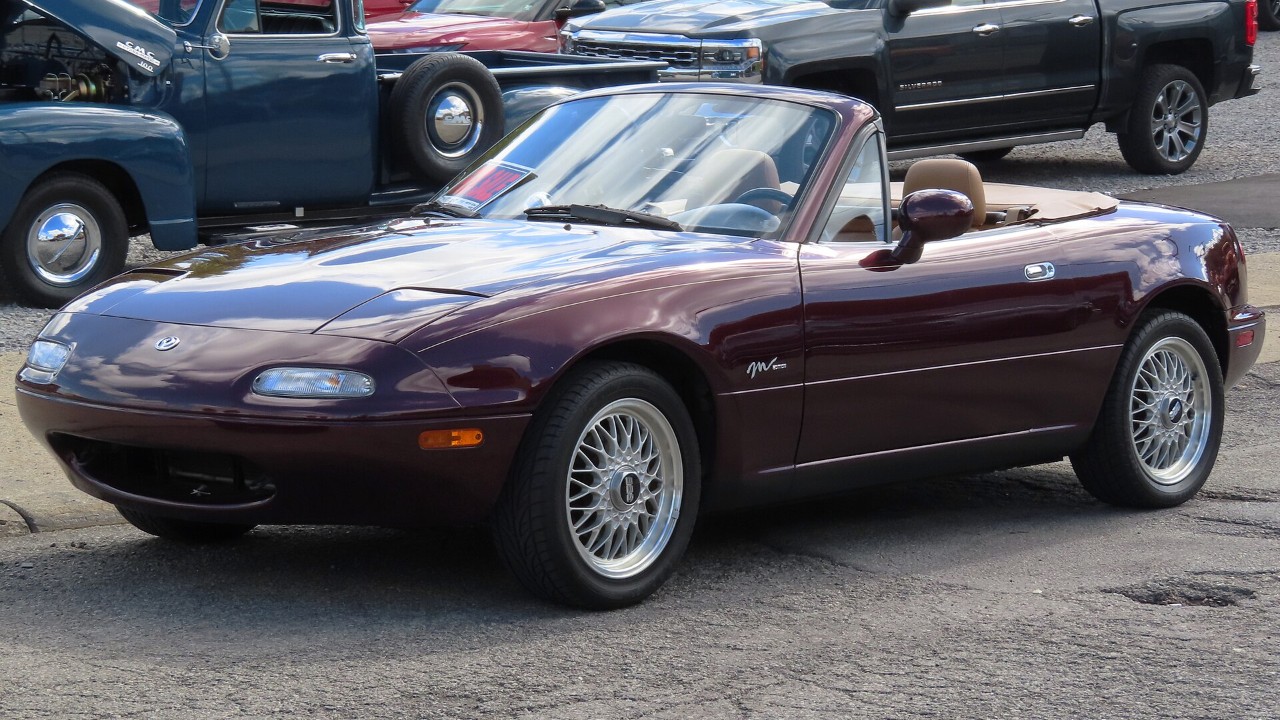
The Miata made its debut at the Chicago Auto Show on February 10, 1989. When the launch excitement cooled, Mazda kept the excitement going with special editions, and the 1995 M Edition was one of the best. According to Miata.net’s guide to the M Editions, it came in Merlot Mica with a tan leather interior and tan top.
Mazda built 3,500 of the 1995 cars, the most of any M Edition year. Each rode on 15-inch BBS wheels and had a leather Nardi shift knob. Its equipment list also included the Popular Equipment Package with a Torsen limited-slip differential. Base price was $23,530 plus $450 freight, per Miata.net. Under the hood sat the 1.8-liter four, which made 129 bhp in 1994 and 1995 cars.
Our take: the M Edition is the Miata at its most grown-up. Mazda built 12,470 M Editions from 1994 to 1997, and 431,506 first-generation Miatas in all. Miata.net also notes that enthusiasts still love the Merlot paint and BBS wheels. For the story of how it all began, read how the 1989 Mazda MX-5 Miata revived an almost forgotten idea.
More from Fast Lane Only