The rapid expansion of highways during the 1950s transformed the driving experience, and cars like the Oldsmobile 88 were built to embrace this new era. Powerful engines, smoother rides, and comfortable interiors made long-distance travel easier than ever, helping these seven vehicles define the excitement of modern highway cruising.
Oldsmobile 88
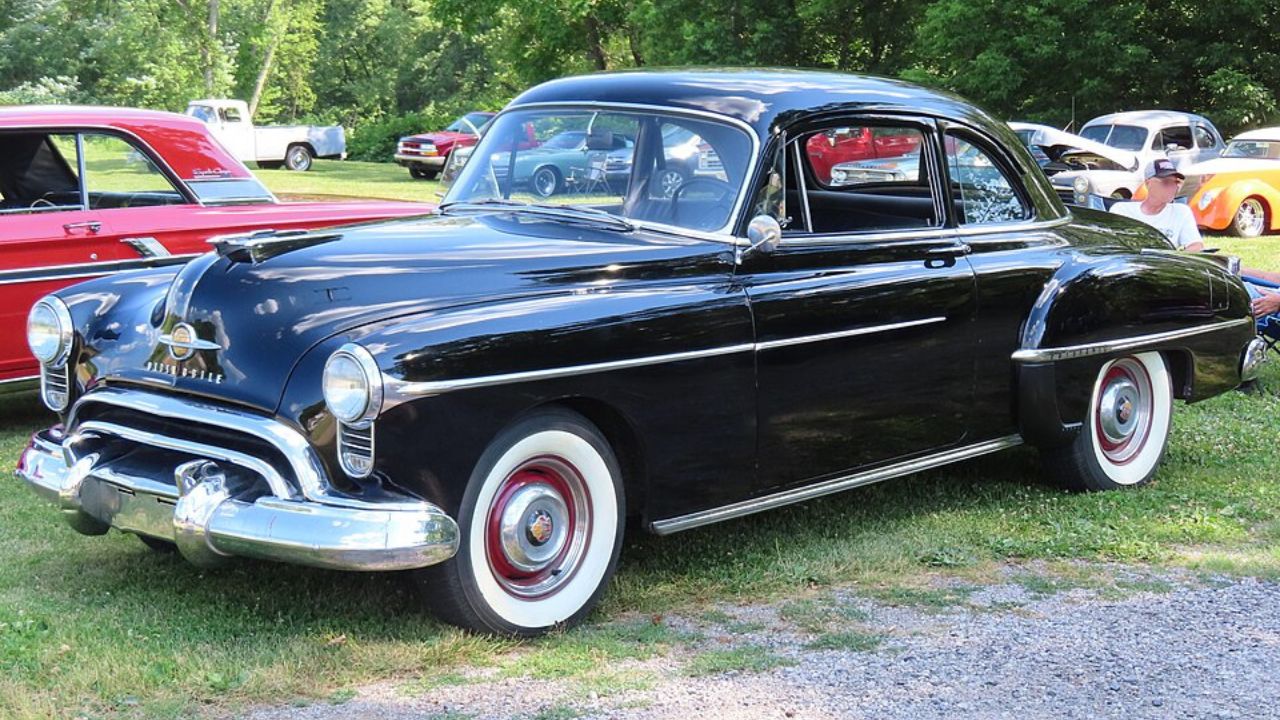
The Oldsmobile 88 became one of the decade’s most respected highway cruisers thanks to its lightweight body and powerful Rocket V8 engine. It offered smooth acceleration, stable handling, and impressive comfort for long trips. Families and enthusiasts alike appreciated its ability to cover long distances with confidence while maintaining the stylish appearance that defined 1950s American motoring.
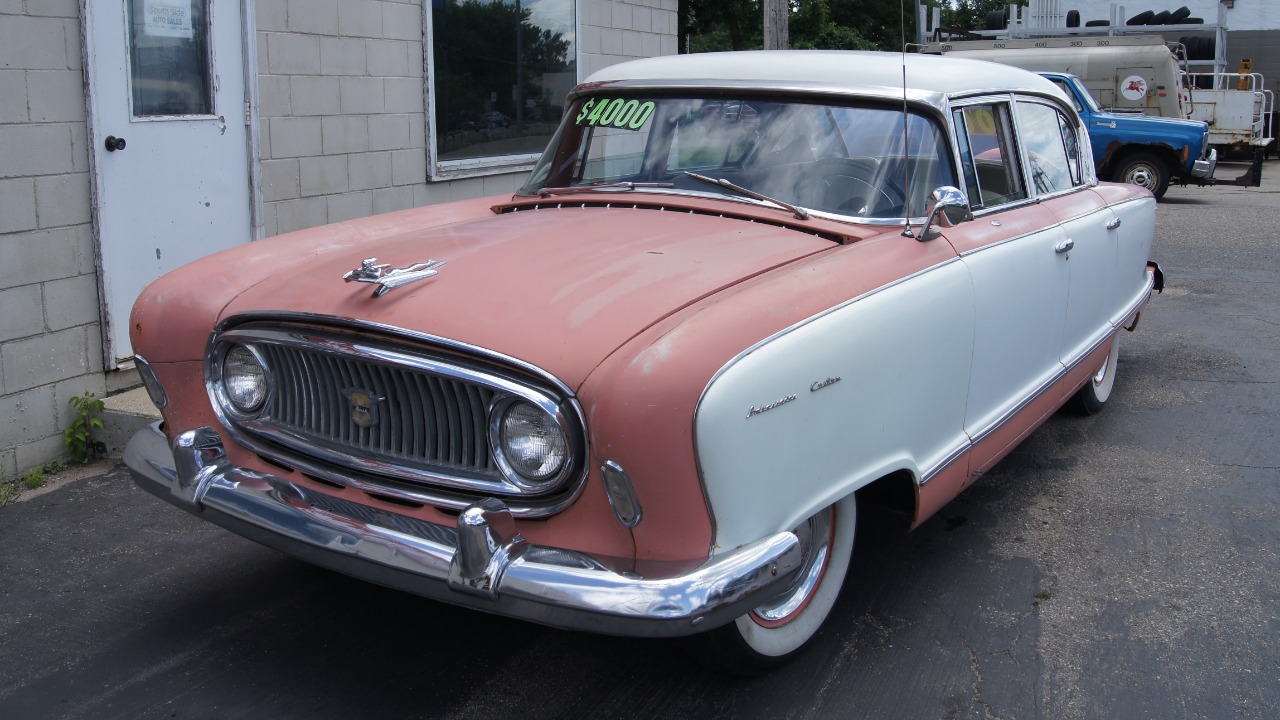
Nash Ambassador
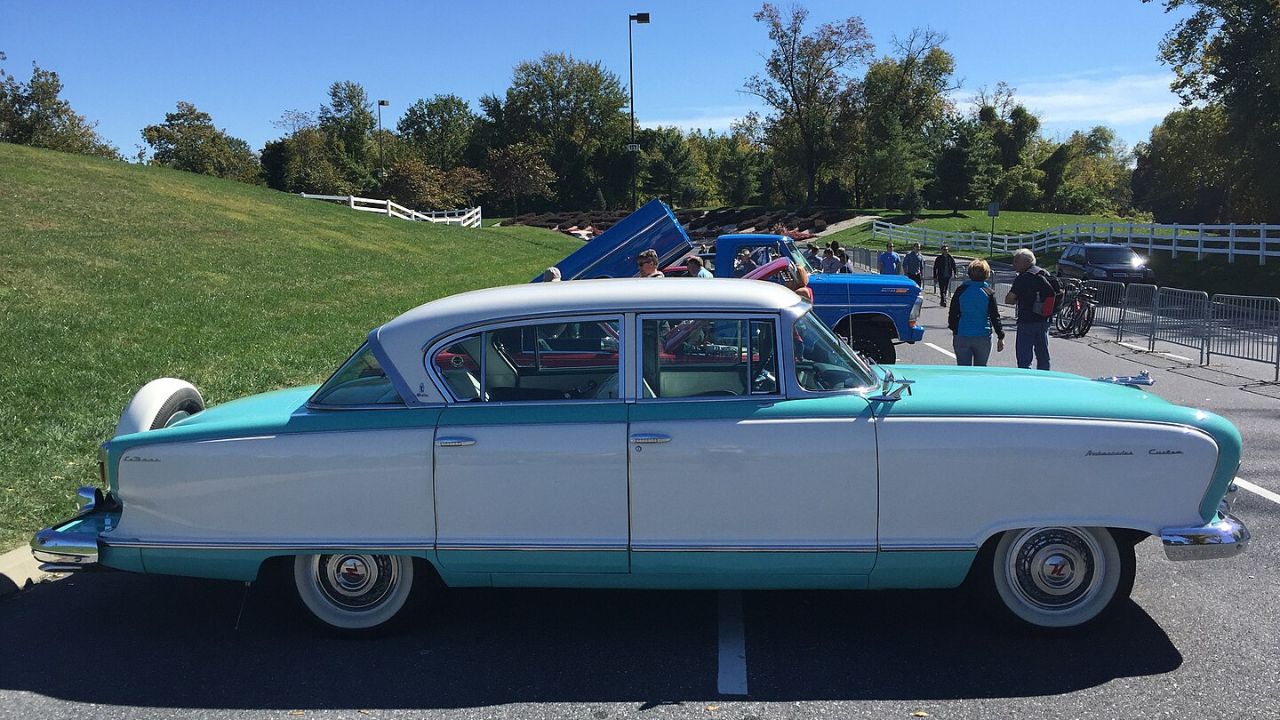
The Nash Ambassador introduced comfort features that made highway travel more enjoyable, including spacious seating and one of the industry’s earliest integrated heating and air conditioning systems. Its smooth ride and quiet cabin helped reduce fatigue during long journeys. The Ambassador showed that luxury and practicality could successfully come together for the growing network of American highways.
Mercury Monterey
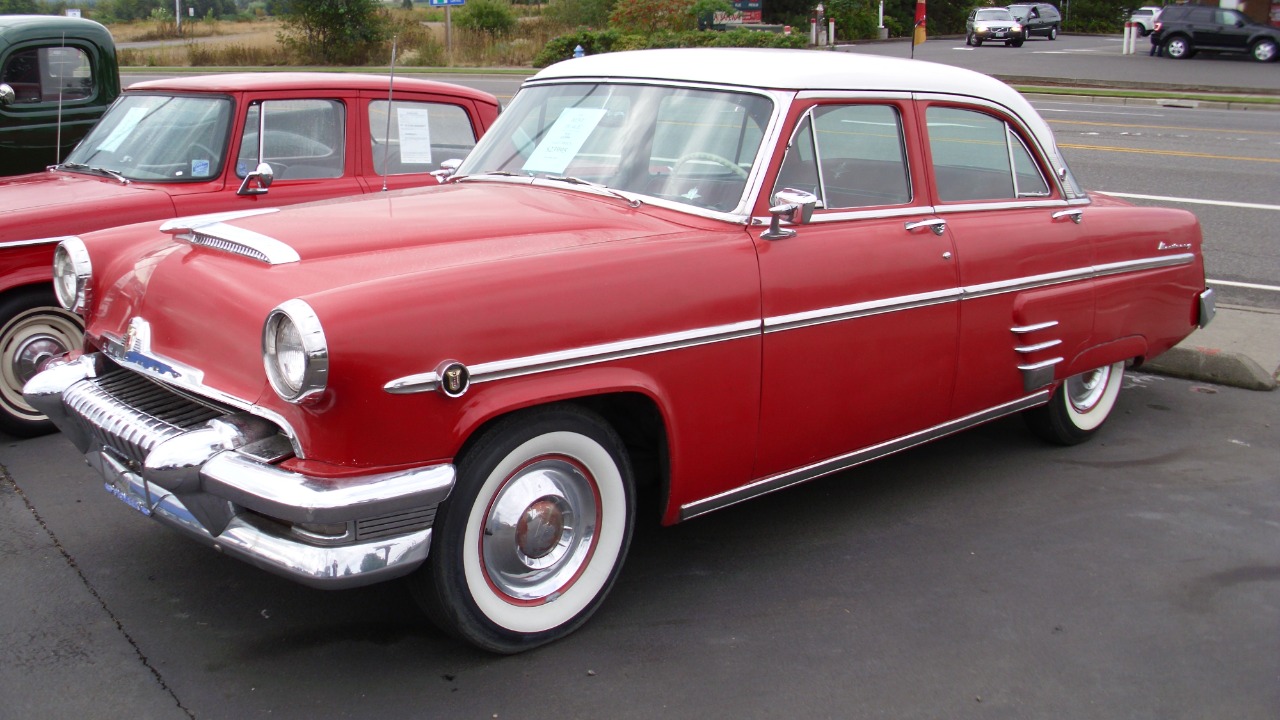
The Mercury Monterey balanced performance and comfort with elegant styling that appealed to drivers looking for something more refined than an entry-level sedan. Its powerful V8 engines and stable suspension made interstate driving relaxed and effortless. The Monterey quickly became a favorite for families who wanted dependable transportation with extra style and long-distance capability.
Hudson Hornet

The Hudson Hornet earned legendary status through its innovative step-down design, which lowered the car’s center of gravity for improved stability. This engineering advantage made highway driving feel more secure, especially at higher speeds. Combined with strong engine performance, the Hornet proved that advanced design could significantly improve both comfort and confidence behind the wheel.
Chrysler New Yorker
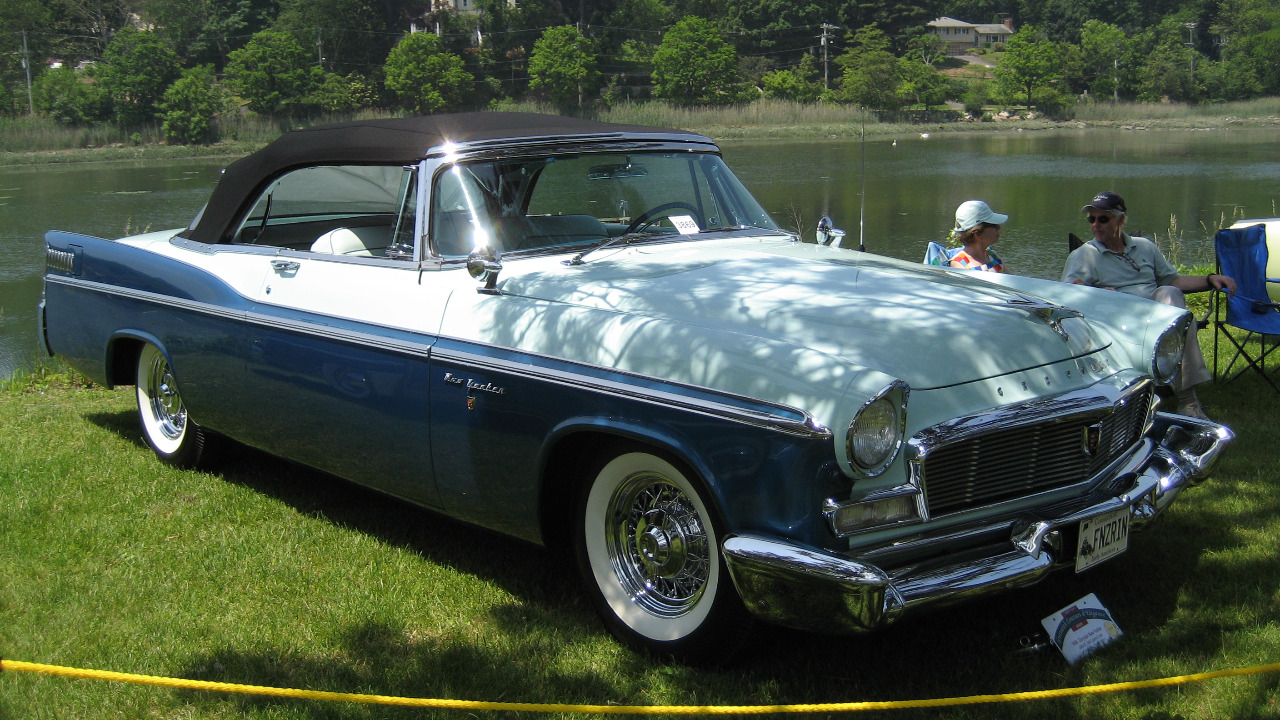
The Chrysler New Yorker represented premium American travel during the 1950s with spacious interiors, powerful V8 engines, and advanced engineering. It delivered a smooth ride that made expanding highway systems more enjoyable for drivers and passengers alike. Luxurious materials and quiet performance helped establish the New Yorker as one of the era’s finest long-distance touring cars.
Buick Roadmaster
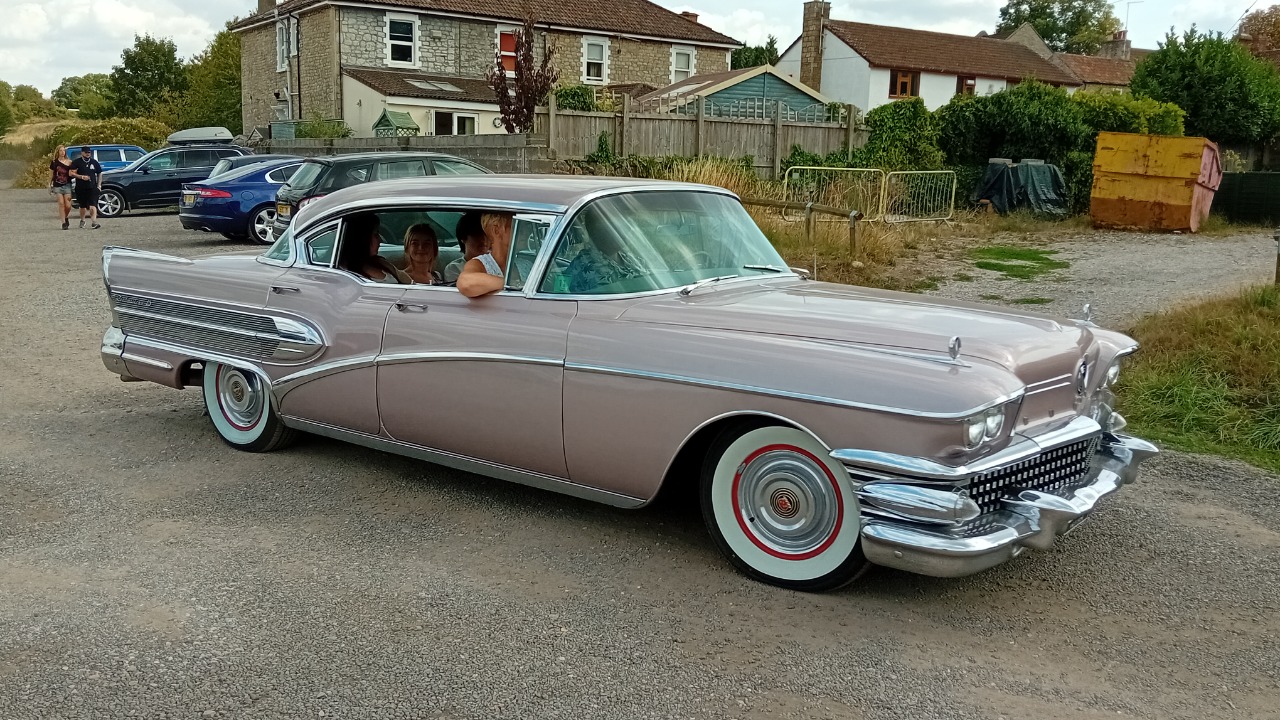
The Buick Roadmaster offered effortless cruising with a smooth V8 engine, soft suspension, and generous interior space. Chrome accents and sweeping body lines reflected the optimism of the decade, while its comfortable ride encouraged longer road trips. The Roadmaster became a symbol of American highway freedom as families explored new destinations across the country.
Packard Patrician

The Packard Patrician delivered premium craftsmanship and refined engineering during Packard’s final years as an independent automaker. Its spacious cabin, smooth ride, and powerful V8 engine made highway travel comfortable and dignified. Although competition intensified, the Patrician maintained the quality and prestige that had long defined the Packard name throughout America’s golden age of motoring.
More from Fast Lane Only
- Unboxing the WWII Jeep in a Crate
- 15 rare Chevys collectors are quietly buying
- 10 underrated V8s still worth hunting down
- Police notice this before you even roll window down
*Research for this article included AI assistance, with all final content reviewed by human editors