The first-year Javelin SST arrived for 1968 as American Motors’ answer to the Mustang, and it sold well out of the gate. Today it sits in a group of muscle-era cars that never drew the big-block crowds. That makes them easier to buy than a Hemi or an LS6, at least for now.
The famous names from 1964 to 1974 left the reach of most hobby budgets years ago. However, Detroit built plenty of cars around them that carried the same engines, the same bodies or the same attitude. Many of them wore a trim badge most people forget.
These eight are our picks for the cars from that era we don’t expect to stay within reach much longer. The verdict on each one is our opinion, not a price forecast. The facts behind it come from the sources we read.
1. 1968 AMC Javelin SST
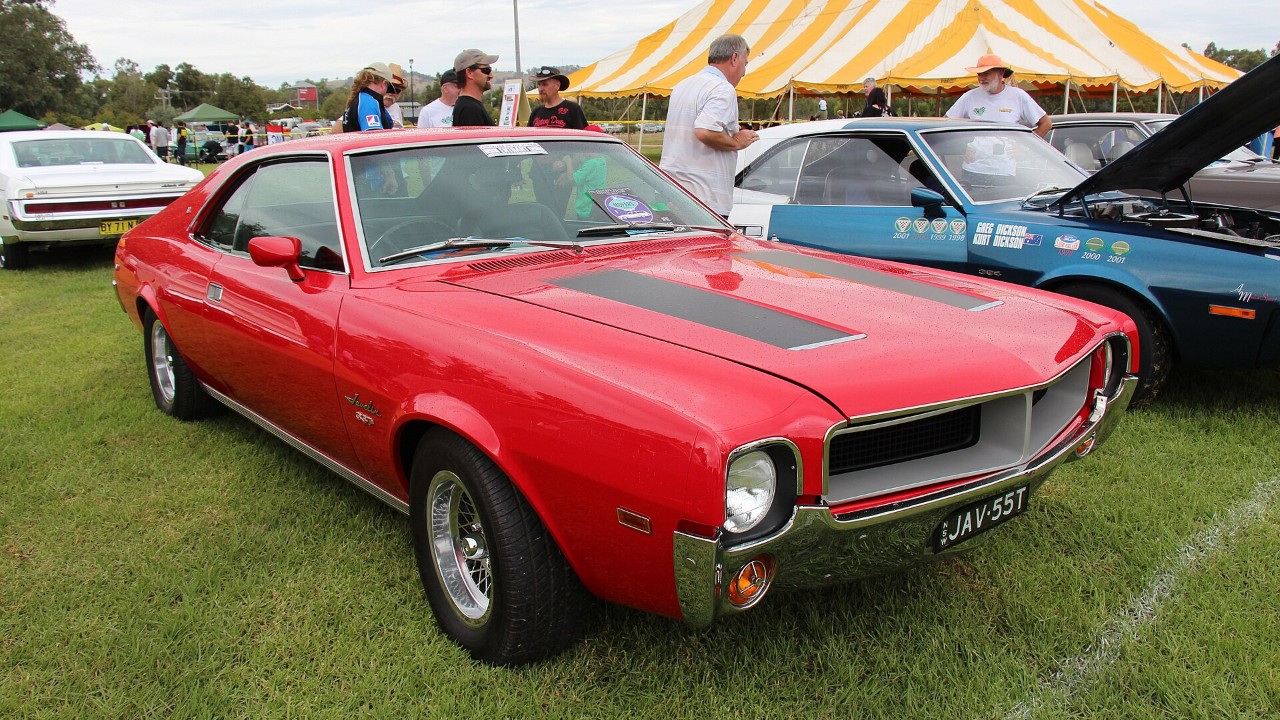
American Motors came late to the pony-car fight. According to Hagerty’s Javelin valuation notes, the Javelin debuted for 1968, roughly four years after the Mustang and Barracuda. Even so, it found more than 55,000 buyers in that first year. Sales then slid to about 40,000 for 1969 and 28,000 for 1970.
The SST was the dressier Javelin SST trim. It added reclining front seatbacks, simulated woodgrain on the door panels and a sporty steering wheel. Under the hood, 1968 Javelin SST buyers could pick anything from a 232 six to a 343 V8. Later that year, AMC added a 390 V8 with the Go Package. If you want to see how wide the family grew, our look at forgotten Javelins covers more of them.
Our take: the first-year Javelin SST is the one we’d watch. Hagerty also warns that many cars have had engine swaps, and that the market often won’t pay back a full restoration. So a documented original 1968 SST is already harder to find than the sales figures suggest. That’s why we’d pay more for paperwork than for shine.
2. 1971 Pontiac LeMans GT-37
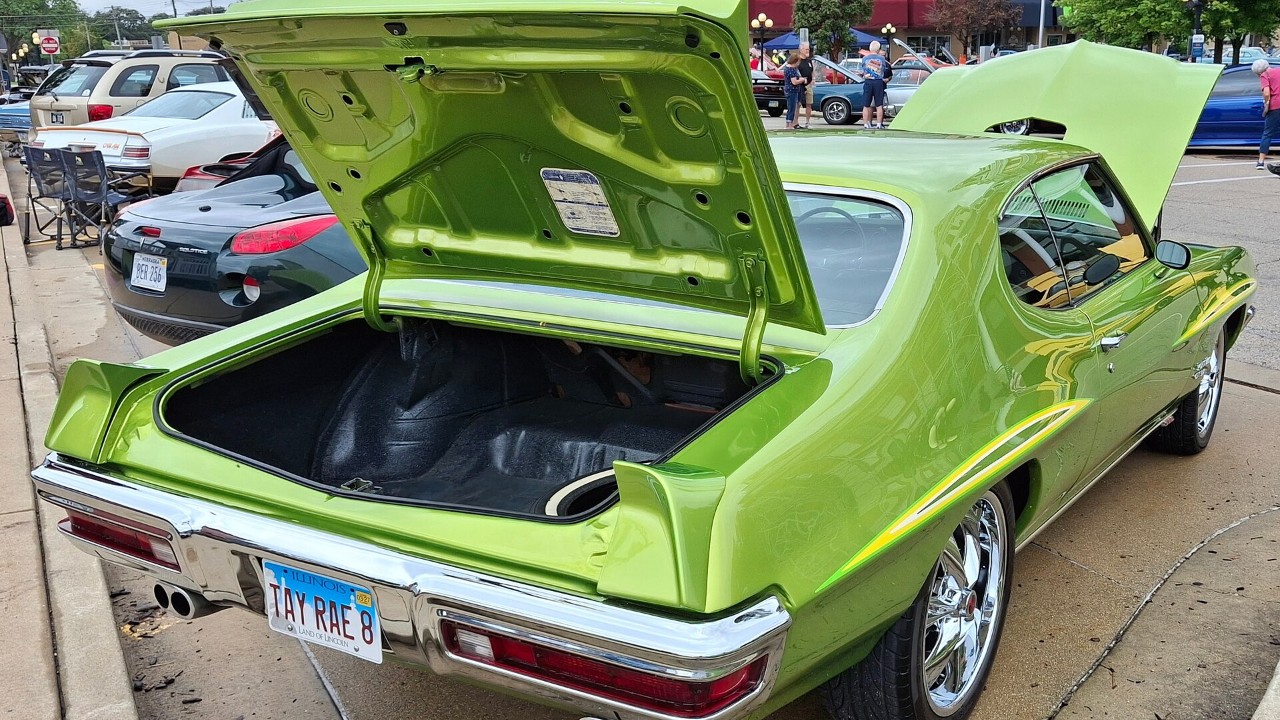
The GT-37 was Pontiac’s way to sell GTO flavor on a budget. As Street Muscle’s history of the GT-37 explains, it started in mid-1970 on the plain T-37 hardtop. Pontiac then brought it back for 1971 and dropped it for 1972. Because the run was so short, few people outside Pontiac circles know the name.
For 1971 the package included hood locking pins, a heavy-duty Muncie three-speed with a Hurst floor shifter and dechromed Rally II wheels. It also wore white-letter tires and split dual exhausts borrowed from the GTO. Pontiac built 5,802 of them that year. Of those, 5,015 carried the 350 two-barrel. Only 54 got the 455 HO, rated at 335 hp.
That split tells the story. Most GT-37s were mild small-block cars with a tough look. Yet the same body could hold the big engines from our rundown of GTO engines from 1964 to 1974. In our view, buyers who missed the GTO will keep turning to this one. A short run like 1971’s tends to dry up fast once that happens.
3. 1972 Plymouth Satellite Sebring Plus
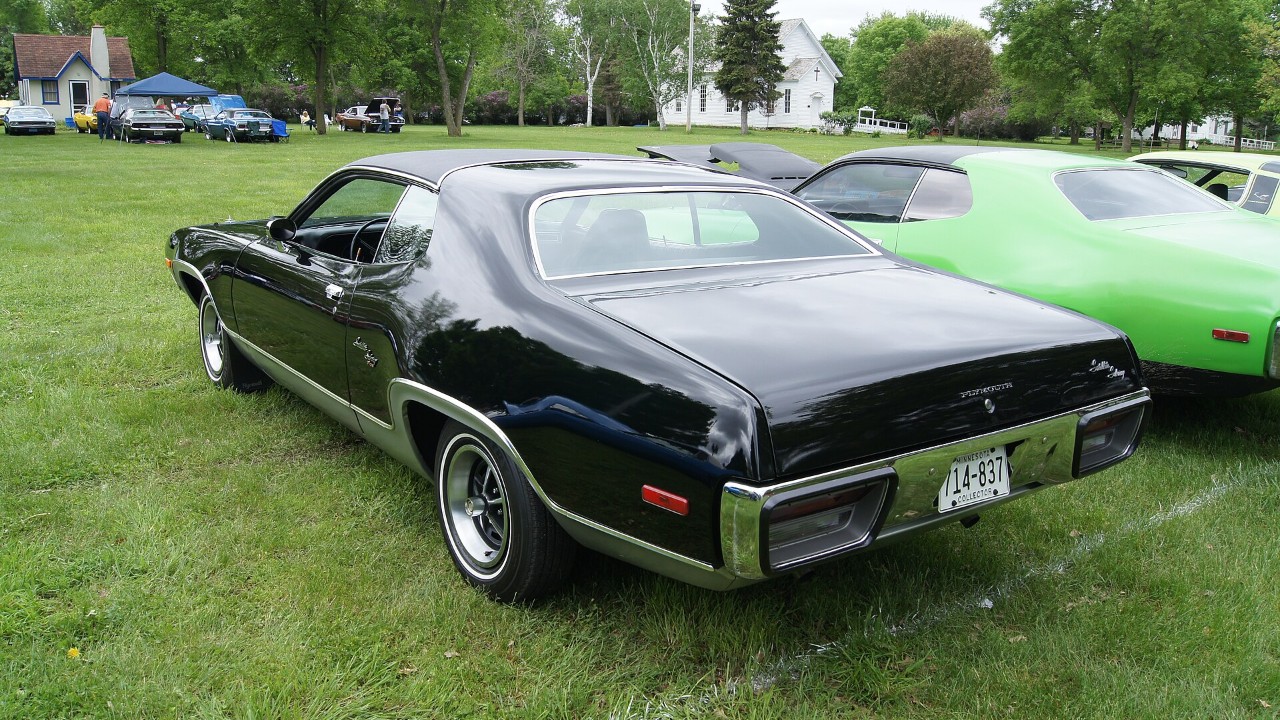
In 1972, Plymouth sold three mid-size B-body two-doors. Barn Finds’ write-up of a Sebring Plus project lays out the order. The Road Runner sat at the budget end and the GTX at the top. Between them sat the Satellite Sebring Plus.
The name mattered more than the badge suggests. Because it didn’t say Road Runner or GTX, it didn’t trigger the insurance surcharges those names drew. That could make the premium cheaper on a car with similar hardware. Plymouth delivered 21,400 of them in 1972, nearly triple the Road Runners built. The Sebring Plus had replaced the Satellite Sport for 1971, and it lasted only two years.
Here’s our opinion. Big production numbers don’t mean big survival numbers, since most of these lived hard lives as daily drivers. The same fuselage body as the Road Runner, with a cleaner face, gives it real appeal. Also, a 400 V8 replaced the 383 that year, so a big engine was on the menu. Once Road Runner shoppers notice all that, we think the good ones won’t sit on the market for long.
4. 1969 Mercury Cyclone CJ
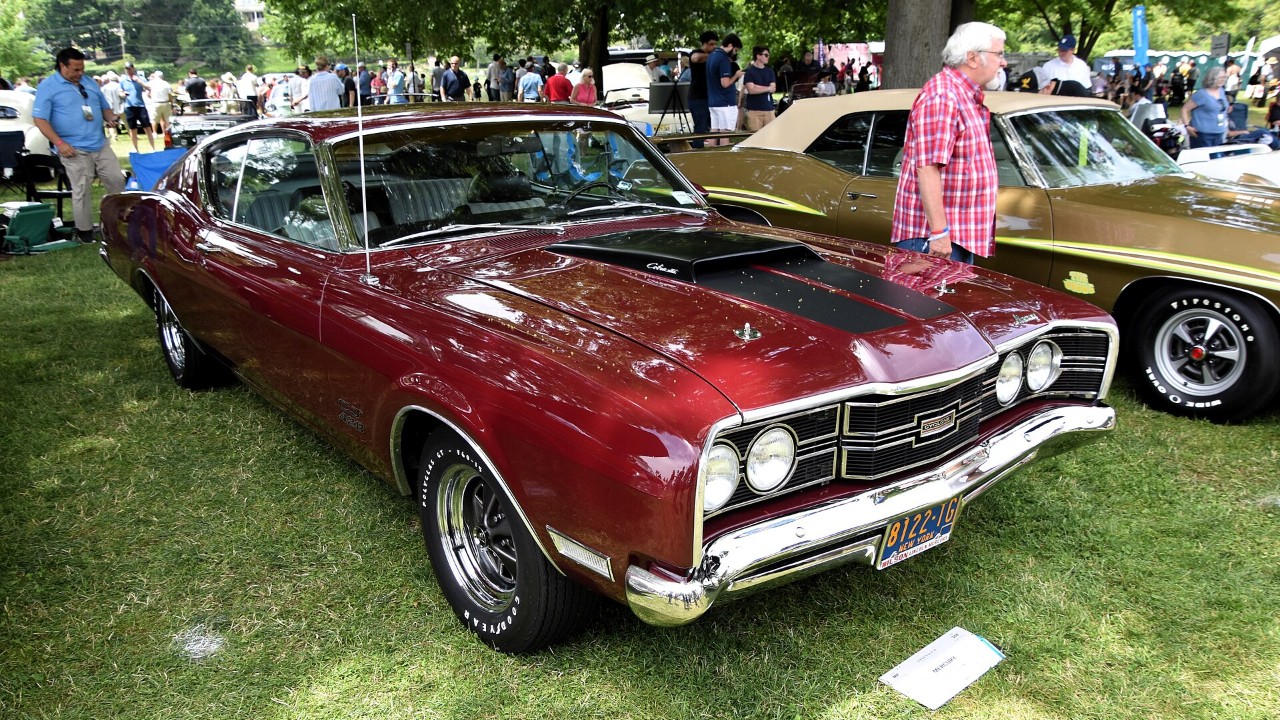
Mercury aimed this one squarely at the Plymouth Road Runner. According to Hagerty’s Cyclone CJ guide, the 1969 car came with a 428 Cobra Jet V8 rated at 335 hp and a four-barrel carburetor. It also had a four-speed and a plain bench seat. The launch price was $3,207.
That recipe was simple on purpose. Mercury put its money into the engine and kept the cabin basic, just like the Plymouth it chased. Meanwhile, the Mercury badge kept it off many buyers’ radar, both then and now. Our earlier list of Mercury muscle cars traces how the Cyclone line grew around it.
Our take: Cobra Jet Fords draw steady attention, so a Cobra Jet with a Mercury nose is the obvious side door. We’d expect more shoppers to find that door each year. When they do, the gap between the Cyclone CJ and its Ford cousins should narrow. Until then, it’s one of the easier ways into a 428 Cobra Jet car, in our view.
5. 1970 Ford Torino Cobra
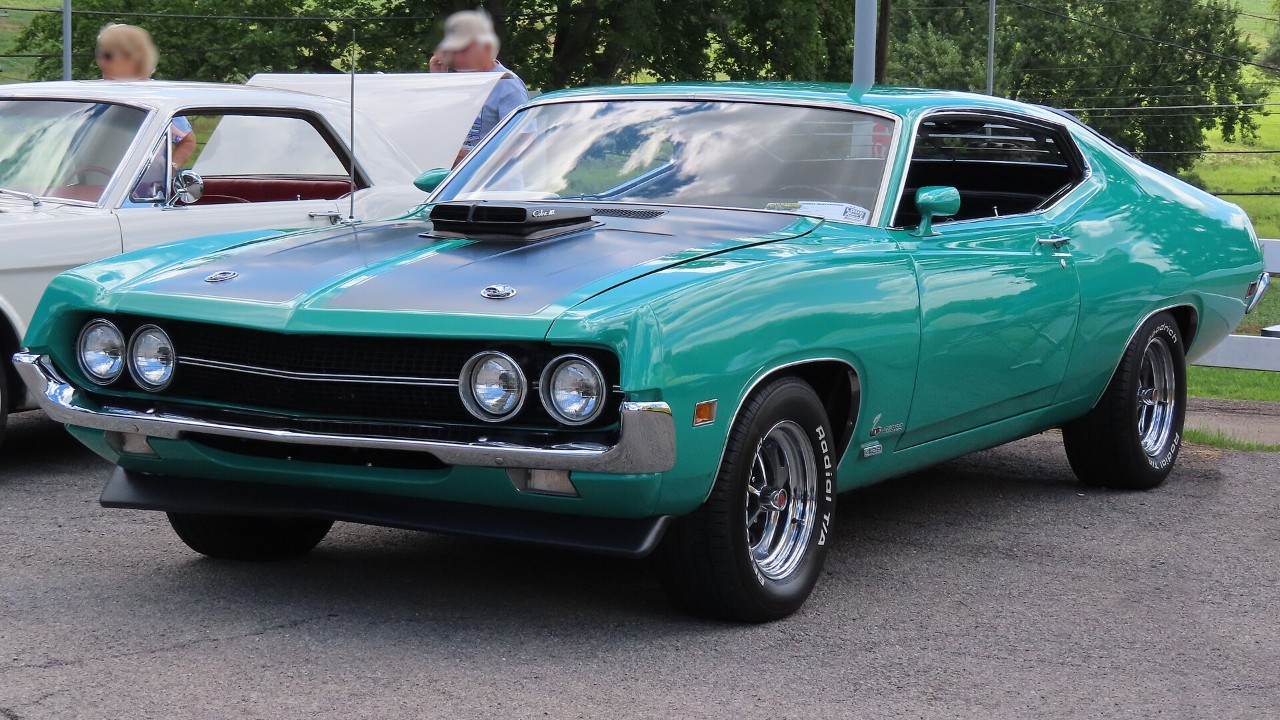
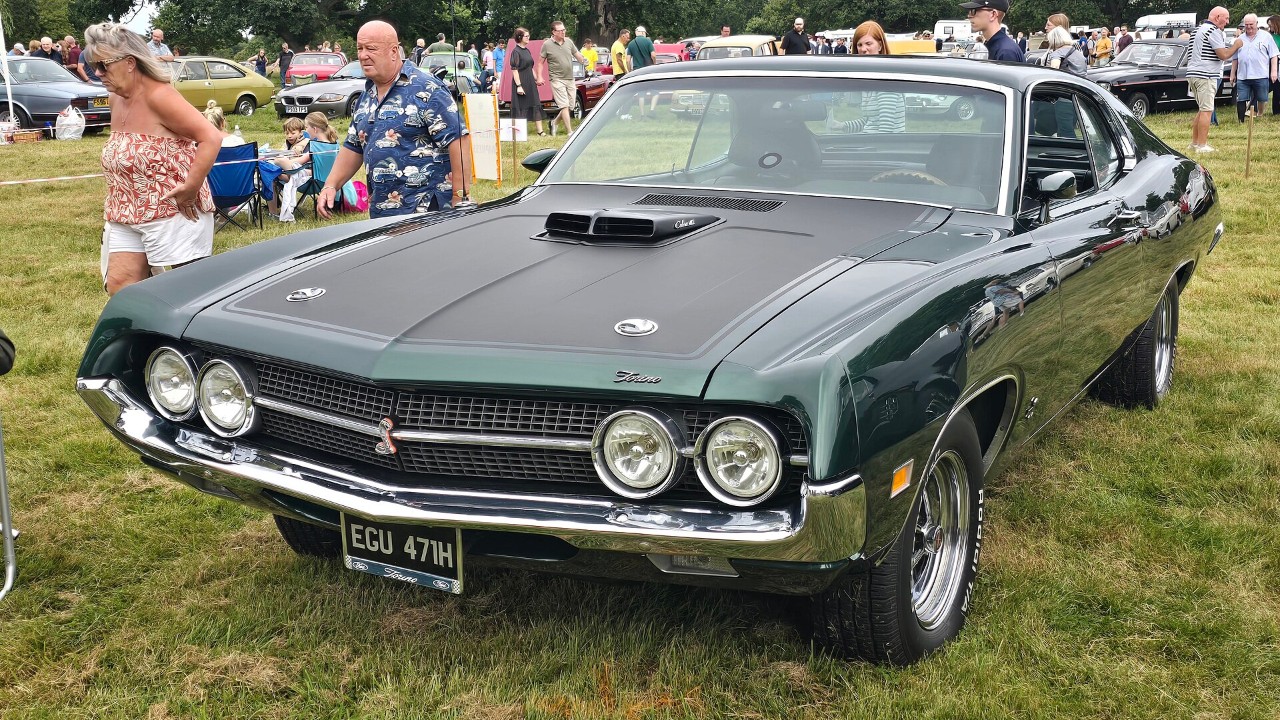
For 1970, Ford swapped the old FE-series 428 for a new 429. Hagerty’s look back at a 1970 Torino Cobra lists the 429 Super Cobra Jet at 370 hp. It also says 0–60 mph times dropped into the high five-second range. The standard Cobra engine was a 360-hp 429, as a separate Hagerty buyer’s piece notes.
That same Hagerty story looked at a 1989 Hemmings Motor News ad. Back then, a red-and-black 429 SCJ car with a four-speed, shaker hood and factory louvers carried an asking price of $12,800. The writer also observed that these cars are rare at shows and auctions, though less so than the Talladega. Since then, that rarity has only become easier to notice, in our opinion.
In our view, the Torino Cobra has drifted out of easy reach already, and it won’t drift back. The body photographs well, and big-block Fords keep their fans. If a 360-hp car is your budget, we’d buy it now rather than wait for a dip. Also, confirm which 429 you’re getting before you pay, since the SCJ and the base engine are different cars to a buyer.
6. 1970 Buick GS 350
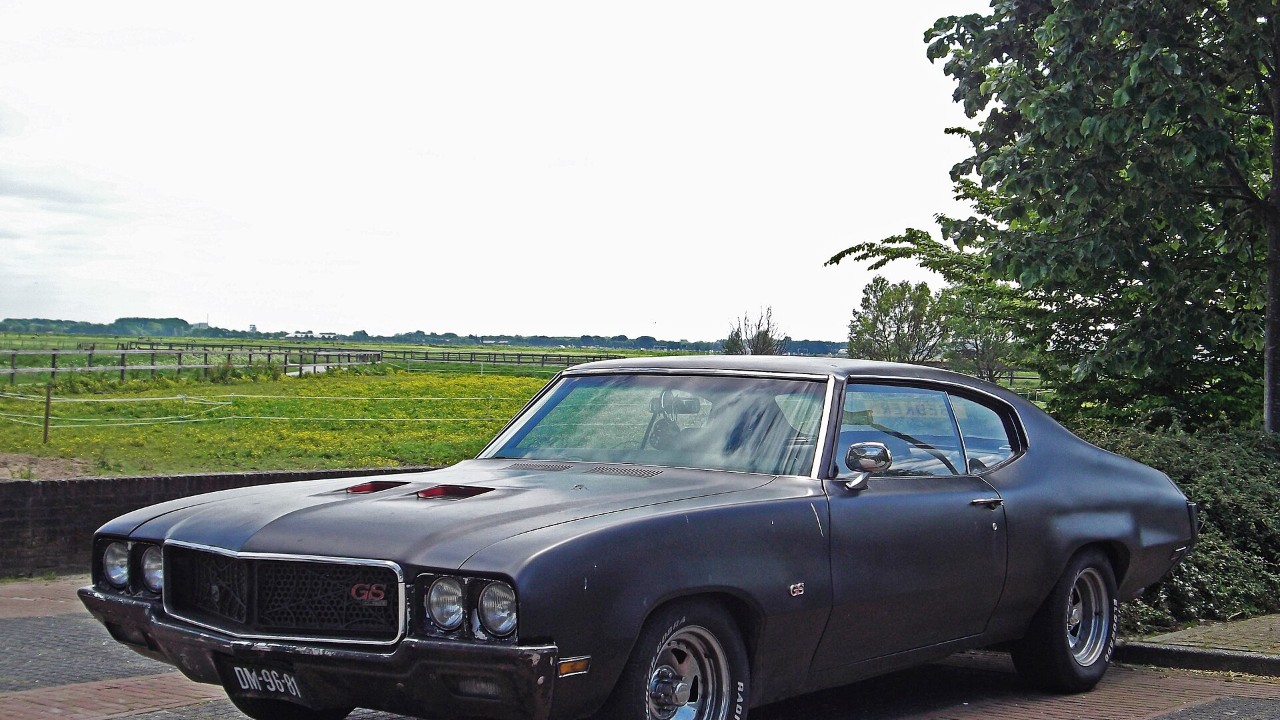
Buick’s small-block Gran Sport lived in the shadow of the GS 455. The GS 350 name arrived for 1968, when it replaced the GS 340. By 1970 the GS 350 carried Buick’s 350 four-barrel, which Curbside Classic’s 1970 GS feature lists at 315 hp.
The same piece puts the Stage 1 455 about 45 hp above that, with 510 lb-ft of torque. It also notes that the Buick 350 used a long-stroke design, while the 455 had a short stroke. In other words, the small-block car favored low-end pull over revs. The same feature also mentions a near-stock 1972 GSX with a 350 that ran a 13.7-second quarter mile.
Our take: the GS 350 offers that body and that badge without a Stage 1 price. Most shoppers skip it on displacement alone. We think that habit will fade as clean 455 cars climb away. Then the 350 cars become the logical next step, and the clean ones will go first. After all, they wear the same GS badge that Buick fans chase.
7. 1973 Pontiac Ventura Sprint
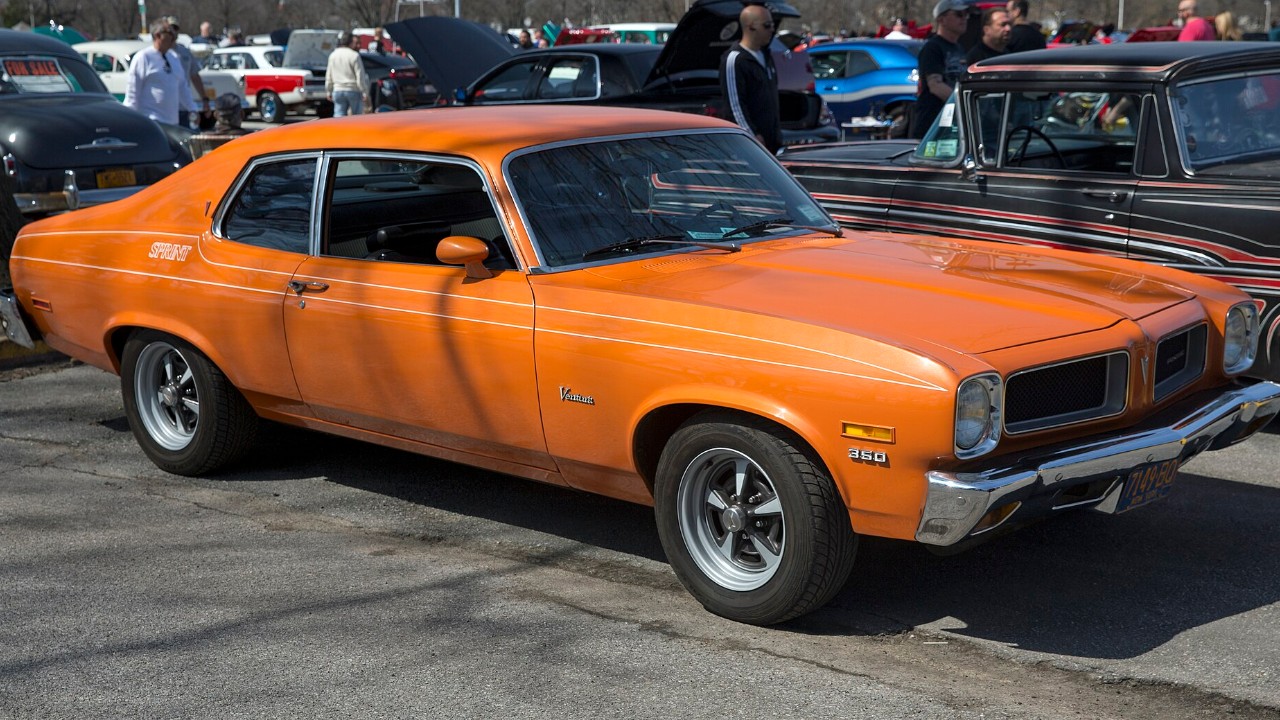
Pontiac’s compact started life in 1971 as the Ventura II. As Barn Finds’ 1973 Ventura Sprint story puts it, the car was basically a Nova with a Pontiac front clip, taillights and powertrain. The Ventura name stood alone from 1973.
The Sprint option ran from 1971 to 1975 and came only as a two-door. It brought loud striping, body-colored mirrors, bucket seats and a floor shifter. In many cases it also carried a Pontiac 350 V8 with a two-barrel carburetor. Barn Finds even calls the 1973 Sprint a dry run for the 1974 GTO, which moved onto the Ventura’s X-body.
That GTO link is why we picked it. A 1974 GTO already gets attention, while the Sprint that came first mostly doesn’t. In our opinion, an unmolested 1973 Sprint will be tough to find before long. We suspect too many became parts cars or Nova-style builds. So if you find one with its Pontiac 350 in place, we’d treat it as a keeper.
8. 1971 Mercury Comet GT
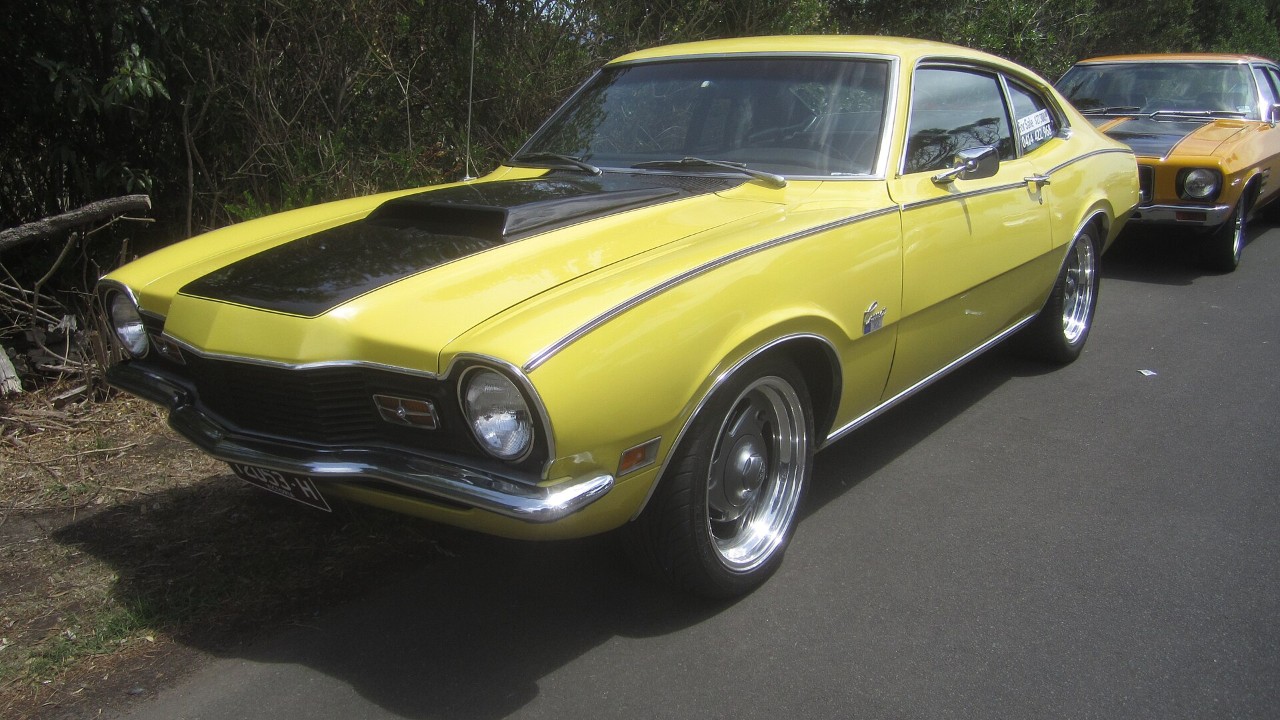
Mercury revived the Comet name for 1971 on the Ford Maverick. Hagerty’s history of the 1971 Comet lists the changes up front: a “power dome” hood, a protruding center grille and taillights borrowed from the mid-size Montego. Engines ran from a 100-hp 170 six to a 210-hp 302 V8.
The GT package added striping, scoops, bucket seats and a blacked-out grille. Mercury built 54,884 Comet coupes and 28,116 sedans that year. By comparison, Ford built 159,726 Maverick coupes and 38,963 Grabbers. The base Comet two-door started at $2,217. In other words, Ford sold roughly three Maverick coupes for every Comet coupe.
Those numbers explain our pick. The Comet sold in a fraction of the Maverick’s volume, and only some coupes wore the GT kit. Most went on to hard, cheap lives. In our view, a solid 302 Comet GT is about to stop being a bargain, because there just aren’t many left to go around. So if you want one, we’d buy the most original GT you can find.
More from Fast Lane Only