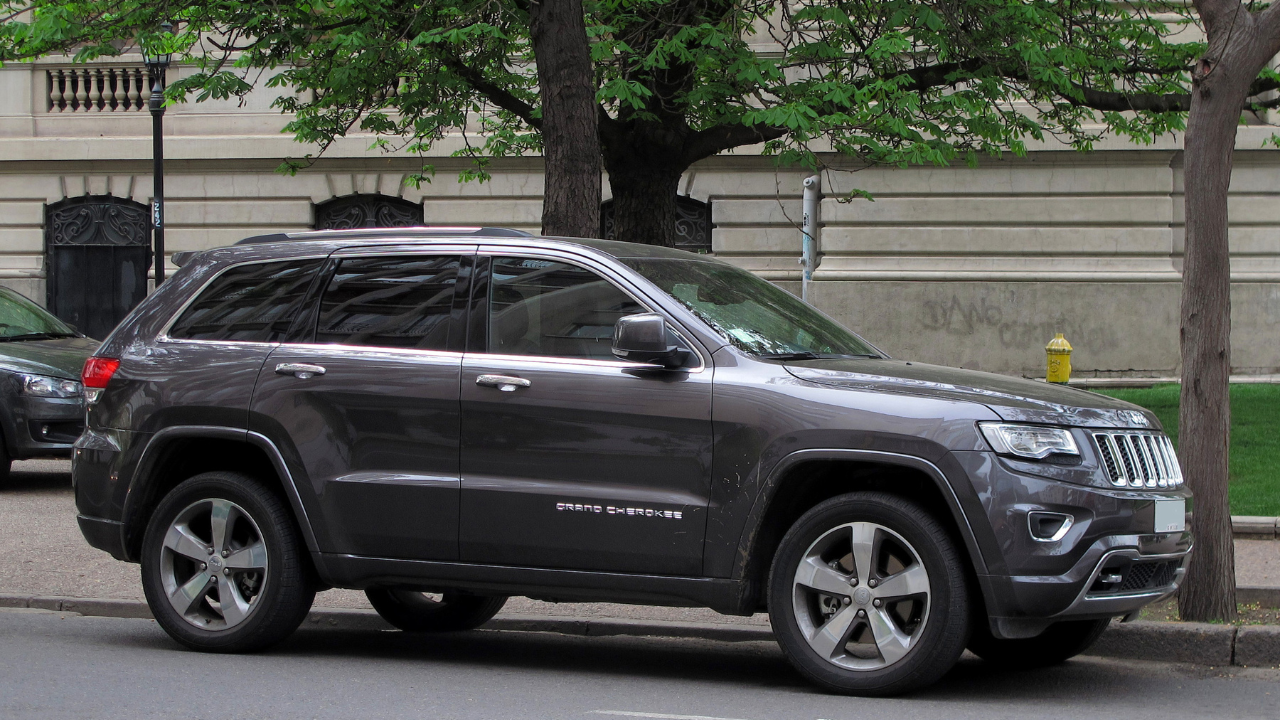
The Jeep Cherokee changed the direction of the automotive industry by proving that an SUV could be both capable and comfortable. Before its arrival, many four-wheel-drive vehicles were designed mainly for work and off-road use. The Cherokee introduced a new formula that combined rugged ability, everyday practicality, and car-like driving manners.
A New SUV Formula Was Born
When Jeep introduced the Cherokee XJ in 1984, the SUV market looked very different. Traditional four-wheel-drive vehicles were often built with body-on-frame construction and focused primarily on durability rather than comfort. Jeep wanted to create something more efficient and versatile for a changing generation of drivers.
The Cherokee used a unibody construction design, which was unusual for a rugged off-road vehicle at the time. This approach helped reduce weight while maintaining strength and improving fuel efficiency. The smaller and lighter platform also made the Cherokee easier to drive in everyday conditions.
Its compact dimensions allowed it to navigate city streets while still offering the capability expected from a Jeep. This balance helped attract buyers who wanted adventure without sacrificing practicality.
The Cherokee introduced the idea that an SUV could serve multiple roles instead of being limited to one purpose.
Engineering Created the Perfect Balance
The success of the Cherokee came from its ability to combine off-road performance with daily usability. Jeep equipped it with capable four-wheel-drive systems, strong suspension components, and durable engines that allowed it to handle challenging terrain.
At the same time, the Cherokee provided more comfort than many traditional off-road vehicles. Its enclosed cabin, improved seating, and practical interior layout made it suitable for families, commuters, and outdoor enthusiasts.
The available inline-six engine became especially respected for its reliability and long service life. Many Cherokee owners praised the vehicle’s ability to withstand years of demanding use while remaining easy to maintain.
This combination of toughness and convenience became the blueprint for many future SUVs.
It Changed What Buyers Expected From SUVs
Before the Cherokee, many buyers viewed SUVs as specialized vehicles for farms, trails, or heavy-duty work. The Cherokee helped change that perception by showing that an SUV could also be a comfortable personal vehicle.
Its success influenced manufacturers around the world to develop smaller, more efficient SUVs designed for everyday consumers. Automakers began focusing on features such as improved interiors, better handling, and more practical dimensions.
The Cherokee helped create the growing market for compact SUVs, a segment that would eventually become one of the most important areas of the automotive industry.
Many modern crossover SUVs follow the same basic philosophy that the Cherokee introduced: combine the confidence of an off-road vehicle with the convenience of a passenger car.
A Legacy That Shaped Today’s SUVs
The Jeep Cherokee XJ remains one of the most influential SUVs ever produced. Its long production run, strong enthusiast following, and lasting reputation for reliability demonstrate the impact it had on the industry.
Collectors and off-road enthusiasts continue appreciating the Cherokee because it represents a turning point in automotive design. It was one of the first vehicles to successfully combine rugged capability with everyday transportation.
Modern SUVs owe much of their popularity to the ideas introduced by the Cherokee. It helped convince buyers that they did not need separate vehicles for work, adventure, and family transportation.
The Jeep Cherokee transformed the modern SUV by creating a new standard: a vehicle that could explore the outdoors, handle daily responsibilities, and fit into everyday life.
More from Fast Lane Only
- Unboxing the WWII Jeep in a Crate
- 15 rare Chevys collectors are quietly buying
- 10 underrated V8s still worth hunting down
- Police notice this before you even roll window down
*Research for this article included AI assistance, with all final content reviewed by human editors