Throughout automotive history, certain vehicles have transcended their utilitarian purposes to become symbols of innovation and progress. These automobiles not only changed the landscape of transportation but also altered consumer expectations, making the future feel tangible and accessible. Here are eight cars that convinced buyers that tomorrow had finally arrived.
Ford Model T: The Birth of the People’s Car

The Ford Model T, introduced in 1908, revolutionized the automotive industry by making cars affordable for the average American. By employing assembly line techniques, Henry Ford was able to reduce production costs significantly, allowing the price to drop to around $260 by 1925. This shift not only made personal transportation feasible for millions but also changed the very fabric of American society, encouraging suburban expansion and reshaping how people lived and worked.
With its durable design and reliable performance, the Model T became synonymous with mobility. It was the first vehicle that could be mass-produced, ushering in a new era of transportation. The impact of the Model T extended beyond its functionality; it also fostered a culture of freedom and exploration, as families could travel further than ever before.
Volkswagen Beetle: The Icon of the 1960s
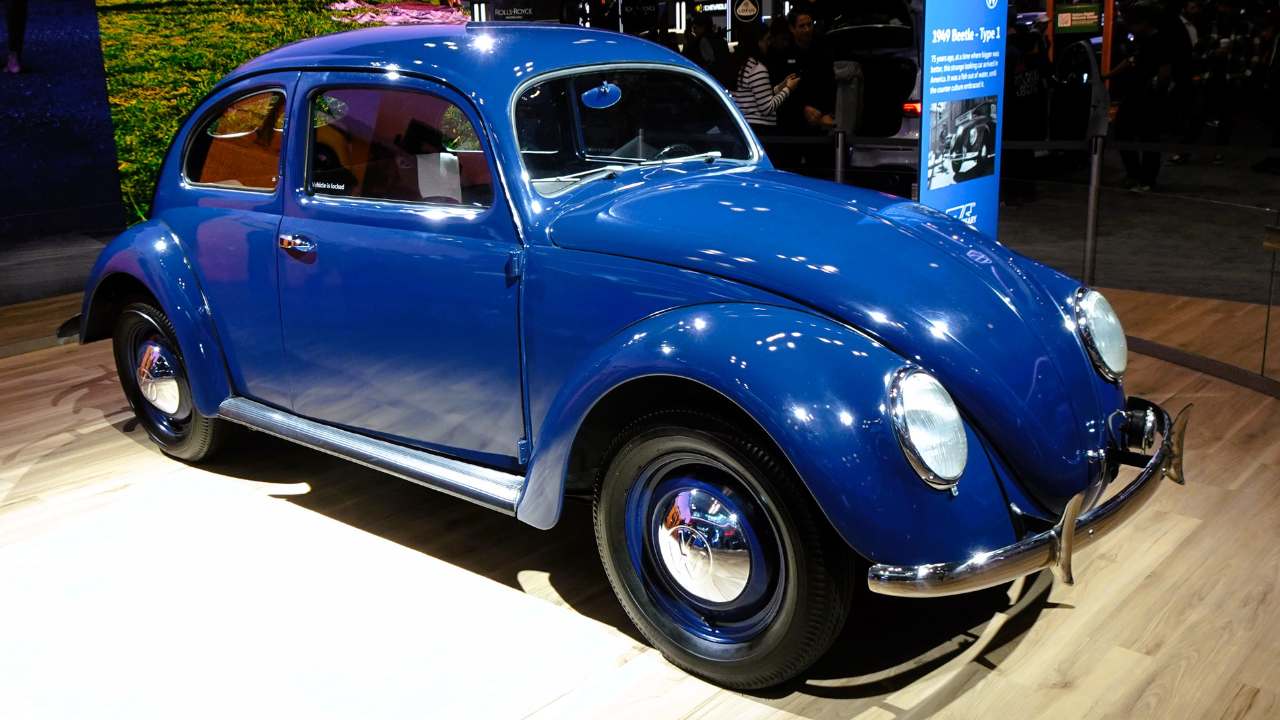
The Volkswagen Beetle, with its distinctive shape and efficient design, captured the hearts of consumers in the 1960s. Initially developed in the 1930s, it gained popularity after World War II, becoming a symbol of counterculture and freedom in the United States. With over 21 million units sold, it is one of the best-selling cars in history, representing a shift towards practicality and affordability.
Its simple mechanics made it easy to maintain, while its compact size and fuel efficiency appealed to a growing number of environmentally conscious consumers. The Beetle’s quirky charm and reliability positioned it as a cultural icon, transcending its role as merely a means of transportation. It encapsulated the spirit of an era, making the idea of owning a car more accessible to the masses.
Tesla Model S: The Electric Revolution Begins

Launched in 2012, the Tesla Model S marked a significant turning point in the automotive industry, establishing electric vehicles as a viable alternative to traditional gasoline-powered cars. With its impressive range, rapid acceleration, and cutting-edge technology, the Model S demonstrated that electric cars could compete with and even outperform their gasoline counterparts.
Equipped with features like Autopilot, the Model S not only appealed to environmentally conscious consumers but also attracted tech enthusiasts. Its sleek design and luxurious interior elevated the perception of electric vehicles, making them desirable and aspirational. Tesla’s success with the Model S has paved the way for an entire industry shift towards sustainable transportation.
DeLorean DMC-12: A Time Machine for the Future
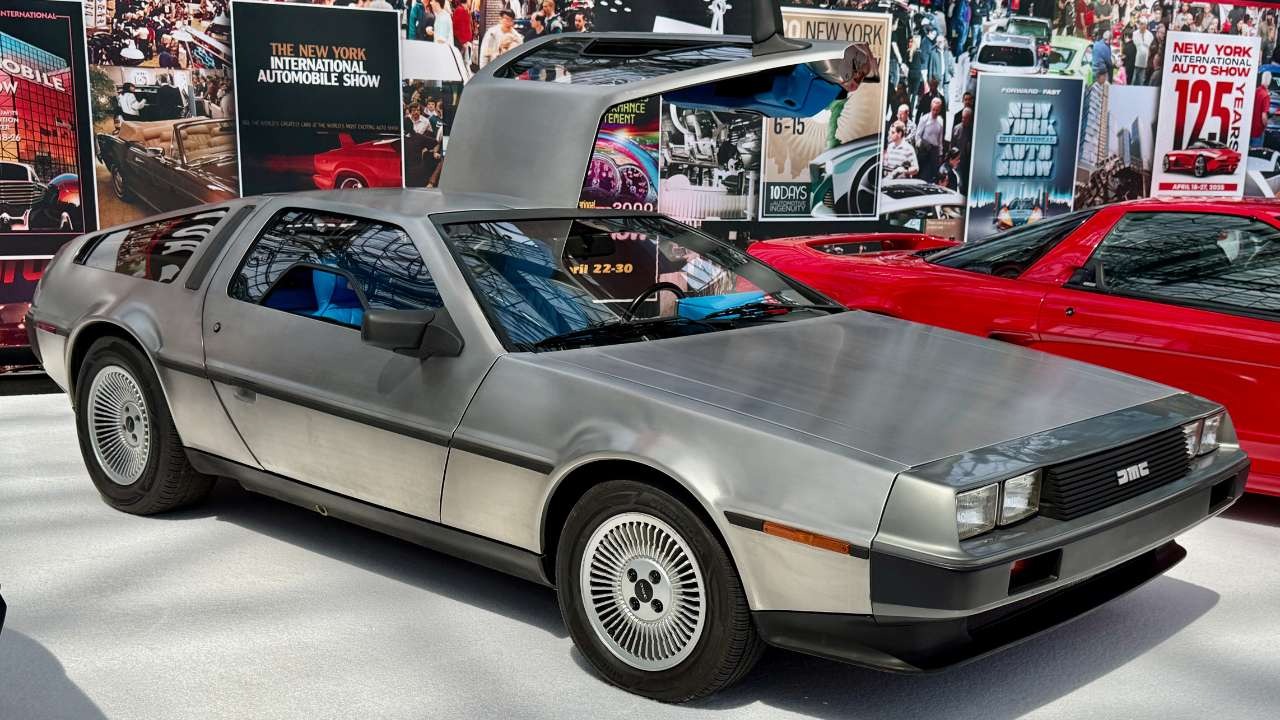
Introduced in 1981, the DeLorean DMC-12 became an icon not only for its futuristic design but also for its role in popular culture, thanks to its appearance in the “Back to the Future” film series. With its gull-wing doors and stainless steel body, the DMC-12 was unlike any other car on the market, representing a bold departure from traditional automotive aesthetics.
Although production issues and financial troubles plagued the company, the DeLorean remains a symbol of ambition and innovation. Its unique design and cultural significance have kept the spirit of the DMC-12 alive, reminding enthusiasts of a time when the future seemed just around the corner. The DeLorean’s legacy serves as a testament to the allure of unconventional design in the automotive world.
BMW i3: Pioneering Urban Electric Mobility

The BMW i3, launched in 2013, was one of the first premium electric vehicles designed specifically for urban environments. Its compact size, innovative use of sustainable materials, and advanced technology made it a groundbreaking addition to the electric vehicle market. By prioritizing eco-friendly practices, BMW positioned the i3 as a forward-thinking option for city dwellers.
With features like regenerative braking and a spacious, airy interior, the i3 provided a unique driving experience that catered to the needs of urban residents. It demonstrated that electric vehicles could not only be practical but also stylish and fun to drive. The success of the BMW i3 has influenced other manufacturers to invest in electric mobility, contributing to a broader shift towards sustainability in the automotive industry.
Toyota Prius: The Hybrid That Changed the Game

Released in 1997, the Toyota Prius is often credited with popularizing hybrid technology. With its combination of a conventional gasoline engine and an electric motor, the Prius offered a practical solution for consumers seeking to reduce their carbon footprint without sacrificing convenience. The Prius quickly became the face of the hybrid movement, appealing to environmentally conscious buyers.
Its distinctive design and fuel efficiency made it a favorite among those looking to save on gas costs while minimizing environmental impact. The Prius has consistently ranked among the best-selling vehicles in the world, helping to shift perceptions about hybrid vehicles and proving that sustainability can be integrated into everyday life. Its success has inspired a wave of hybrid and electric vehicles, changing the automotive landscape forever.
Chevrolet Corvette: A Supercar for the Masses

The Chevrolet Corvette, first introduced in 1953, was designed to be an affordable sports car that delivered high performance. Over the years, it has evolved into a symbol of American automotive engineering, combining sleek design with powerful performance. The Corvette made the dream of owning a supercar accessible to a broader audience.
With its distinct styling and impressive capabilities, the Corvette has garnered a loyal following and remains a benchmark in the sports car segment. It has inspired generations of car enthusiasts and continues to be a testament to what is possible in terms of performance and design. The Corvette’s legacy lies in its ability to deliver supercar thrills at a price point that many could afford.
Rivian R1T: The Future of Electric Adventure Trucks
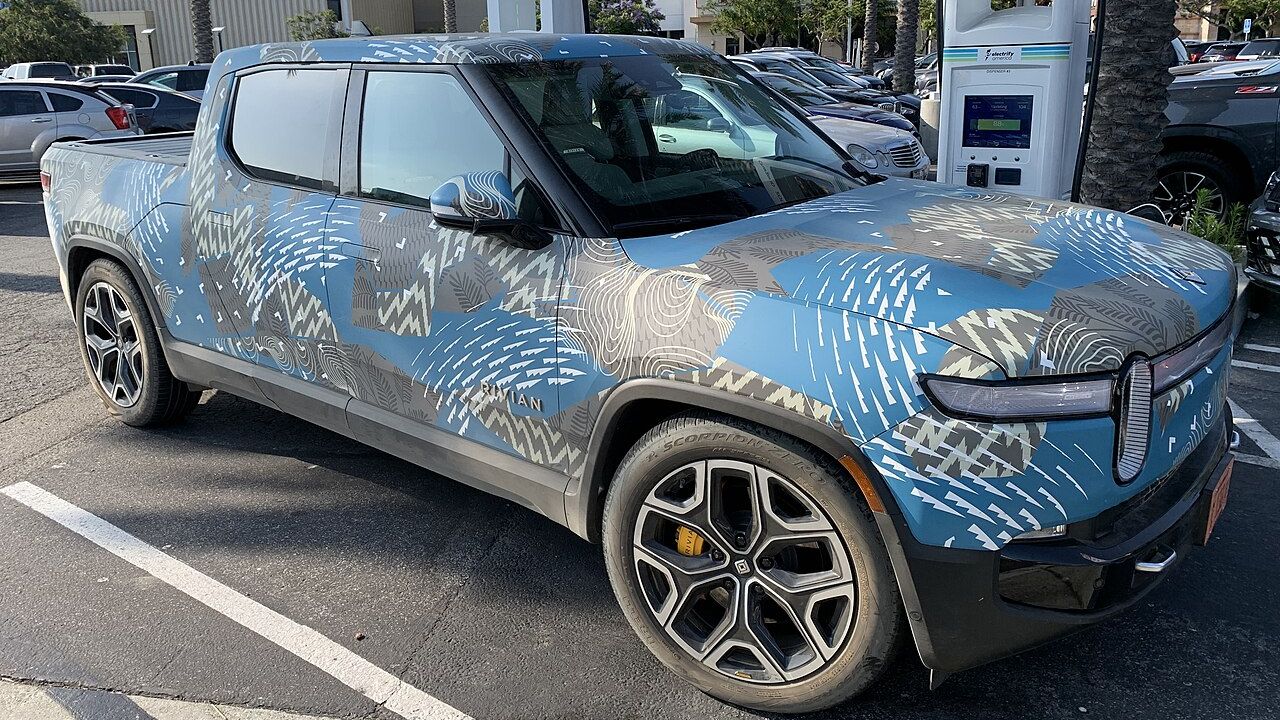
Launched in 2021, the Rivian R1T represents a new era in electric vehicles, specifically tailored for adventure seekers. With its rugged design, impressive off-road capabilities, and innovative features, the R1T has redefined what an electric truck can be. It includes features like a camp kitchen and a built-in air compressor, catering to outdoor enthusiasts.
The R1T’s advanced battery technology and impressive range challenge the notion that electric vehicles are limited in their capabilities. It signifies a shift towards more versatile and practical electric options, appealing to consumers who seek both sustainability and adventure. Rivian’s entry into the market has sparked interest in electric trucks, paving the way for further innovation in the segment.
More from Fast Lane Only