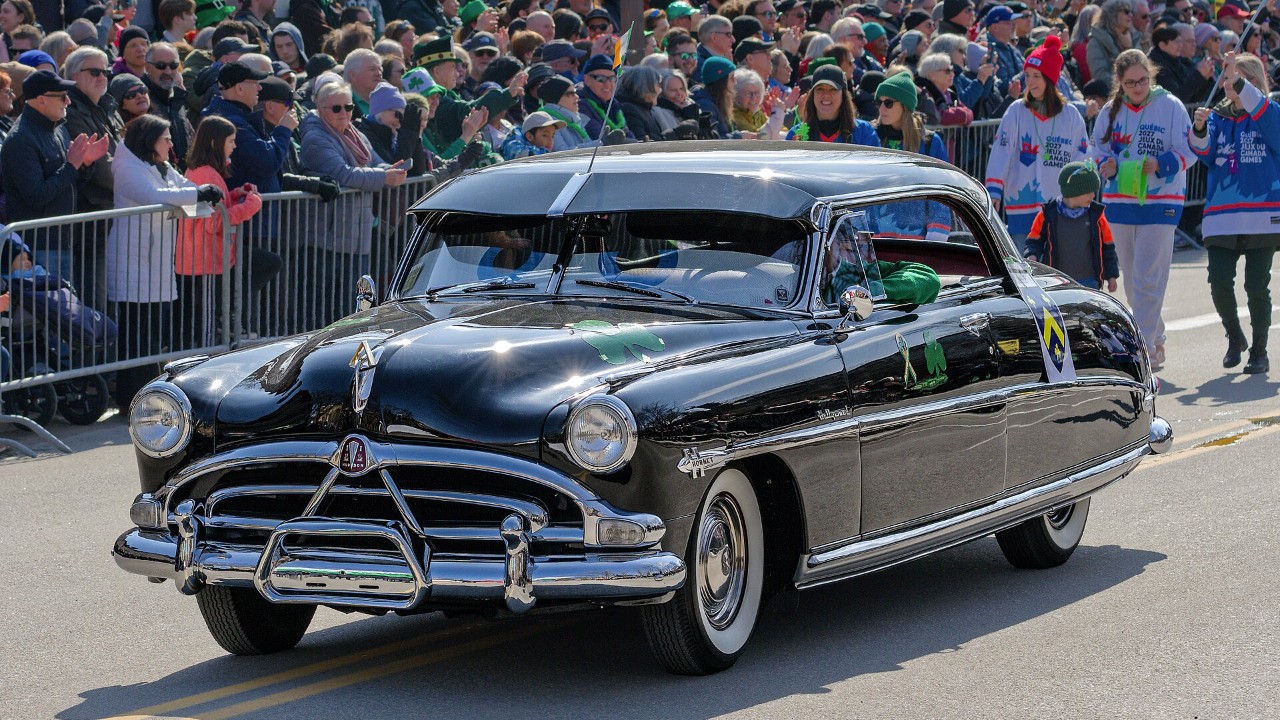
The 1910s marked a turning point when automobiles evolved from fascinating inventions into practical machines for everyday life. Improved manufacturing, greater reliability, and expanding road networks encouraged more people to embrace motoring. These ten cars demonstrated that the automobile was no passing trend, helping establish personal transportation as a permanent part of modern society.
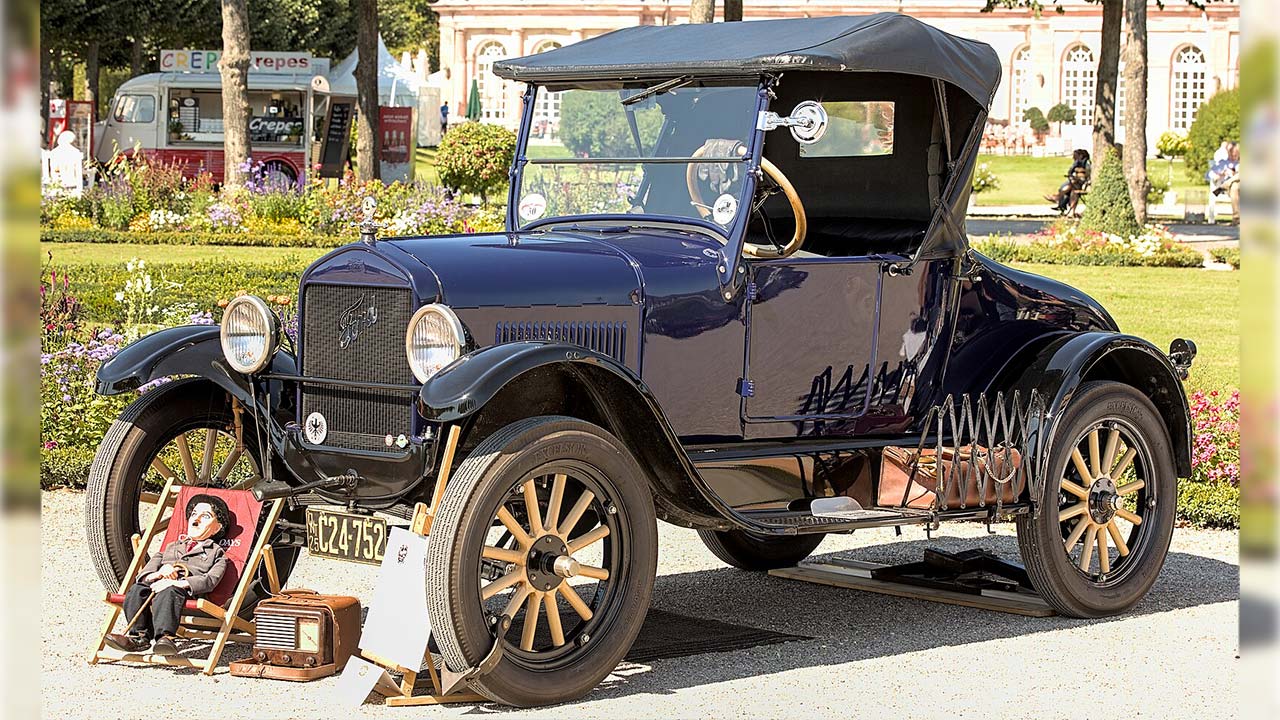
Ford Model T

The Ford Model T became the defining automobile of the 1910s by making car ownership attainable for millions. Its durable construction, dependable four-cylinder engine, and simple maintenance earned widespread trust among drivers from cities to rural communities. Combined with efficient assembly-line production, the Model T transformed transportation, proving that automobiles could serve as practical, affordable tools for everyday life rather than expensive luxuries.
Cadillac Type 53
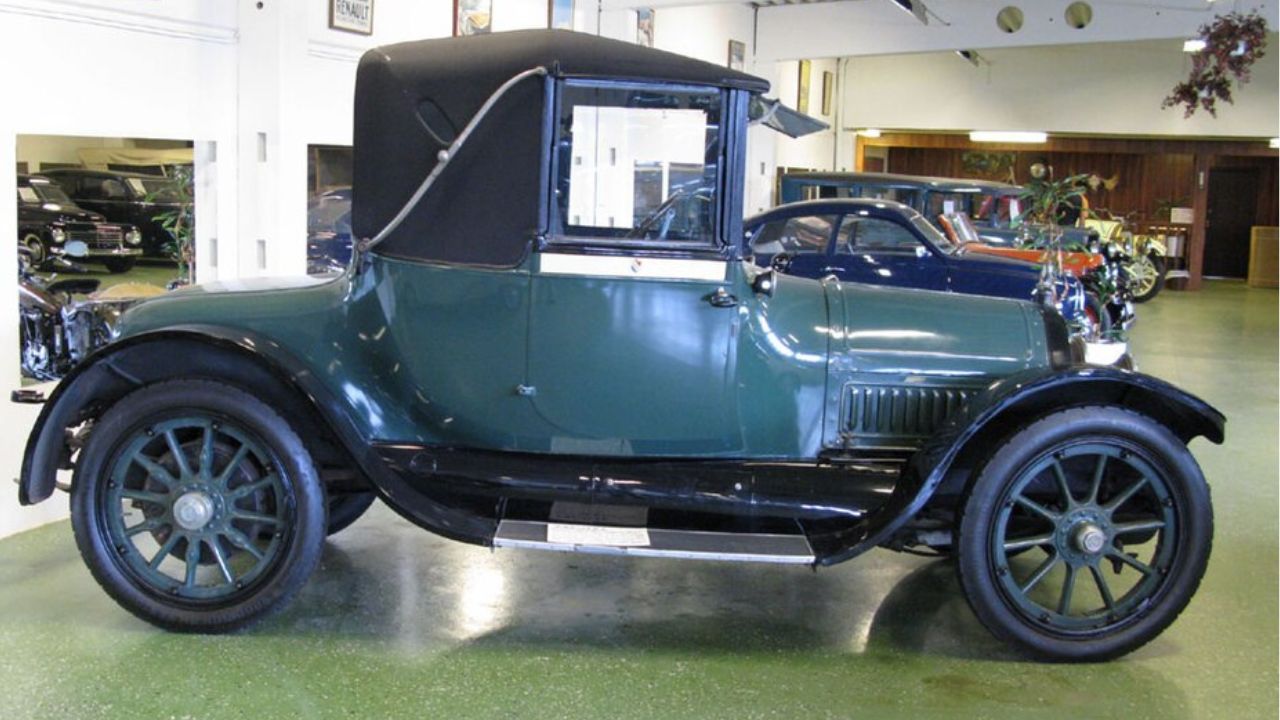
The Cadillac Type 53 introduced a control layout that feels remarkably familiar today. By placing the gearshift, clutch, brake, and accelerator in positions similar to modern automobiles, it simplified driving and established a logical arrangement that influenced future vehicle design. This thoughtful approach made motoring more intuitive and demonstrated how standardized controls could encourage broader acceptance of automobiles.
Overland Model 90
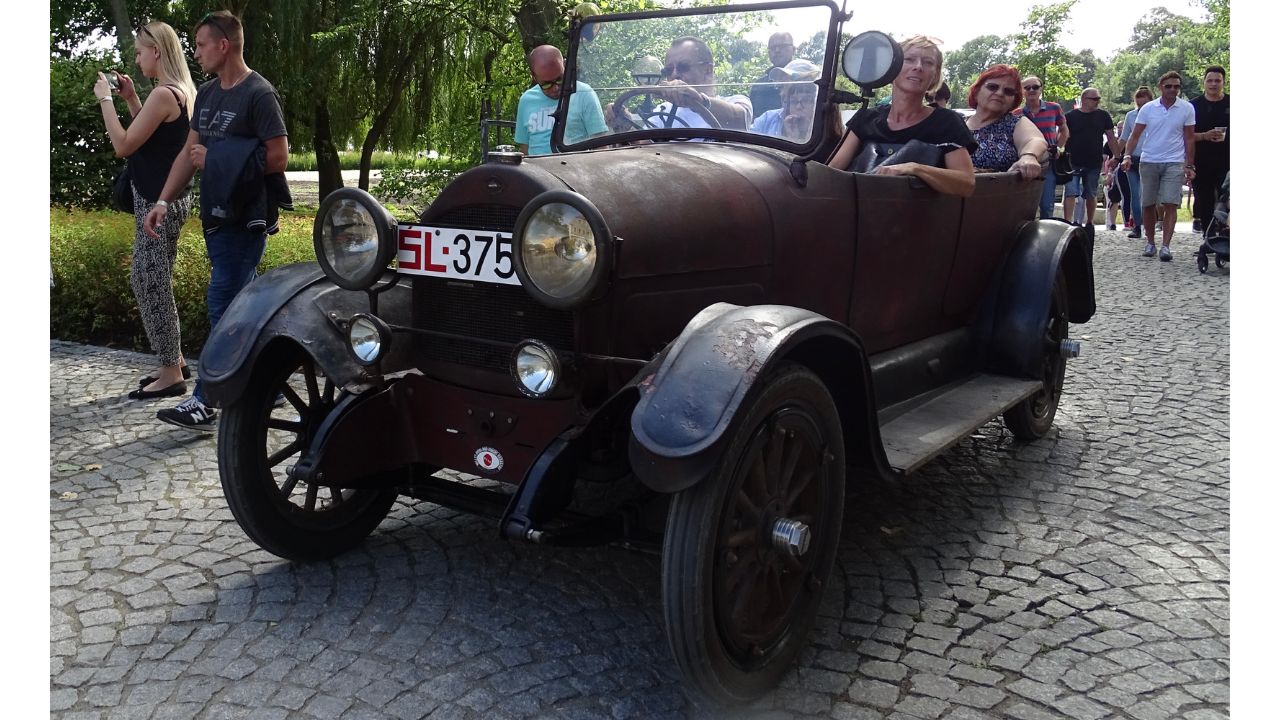
The Overland Model 90 offered an appealing balance of affordability, durability, and modern features during a period of rapid automotive growth. Buyers appreciated its electric starter and dependable mechanical design, which reduced many of the inconveniences associated with earlier automobiles. Its popularity demonstrated that practical innovations could make driving more accessible and encourage wider automobile ownership across the country.
Hudson Super Six
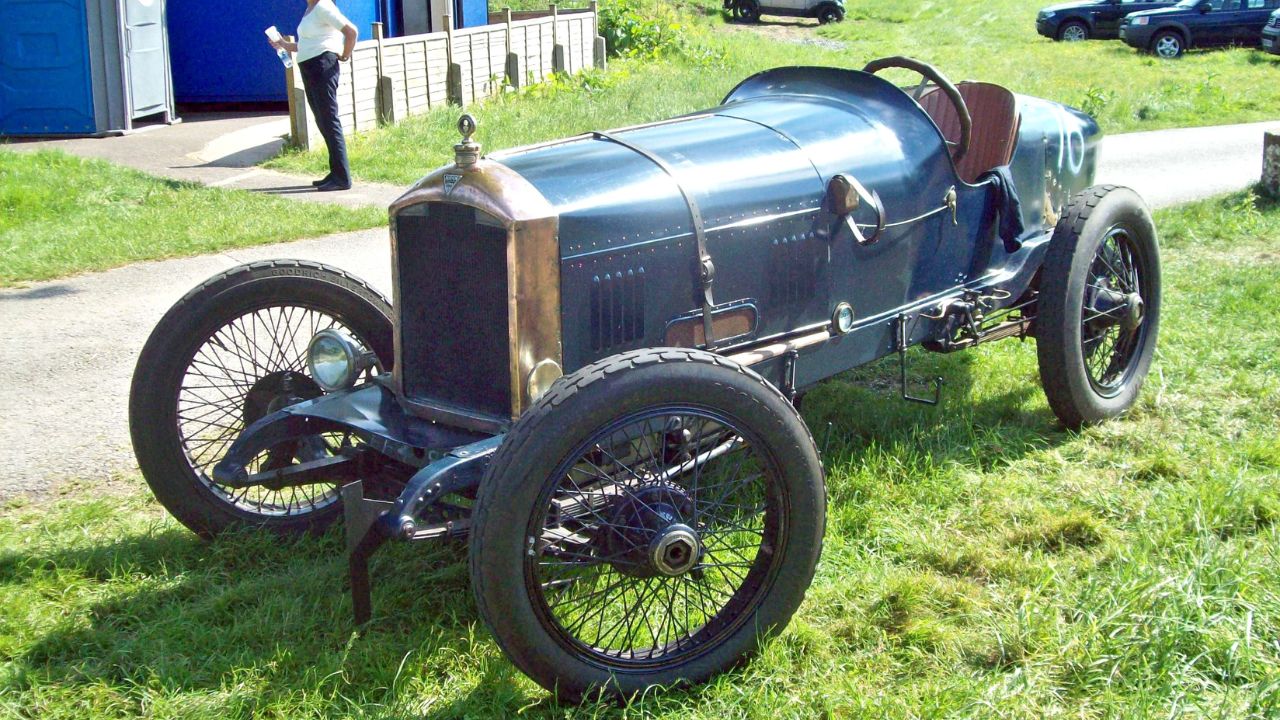
The Hudson Super Six gained recognition through advanced engine engineering that delivered noticeably stronger performance than many rivals. Its efficient powerplant provided smooth operation while maintaining reliability during extended travel. Public demonstrations and endurance successes strengthened its reputation, showing motorists that automobiles had matured into capable machines built for demanding real-world conditions rather than short experimental journeys.
Chevrolet Series 490
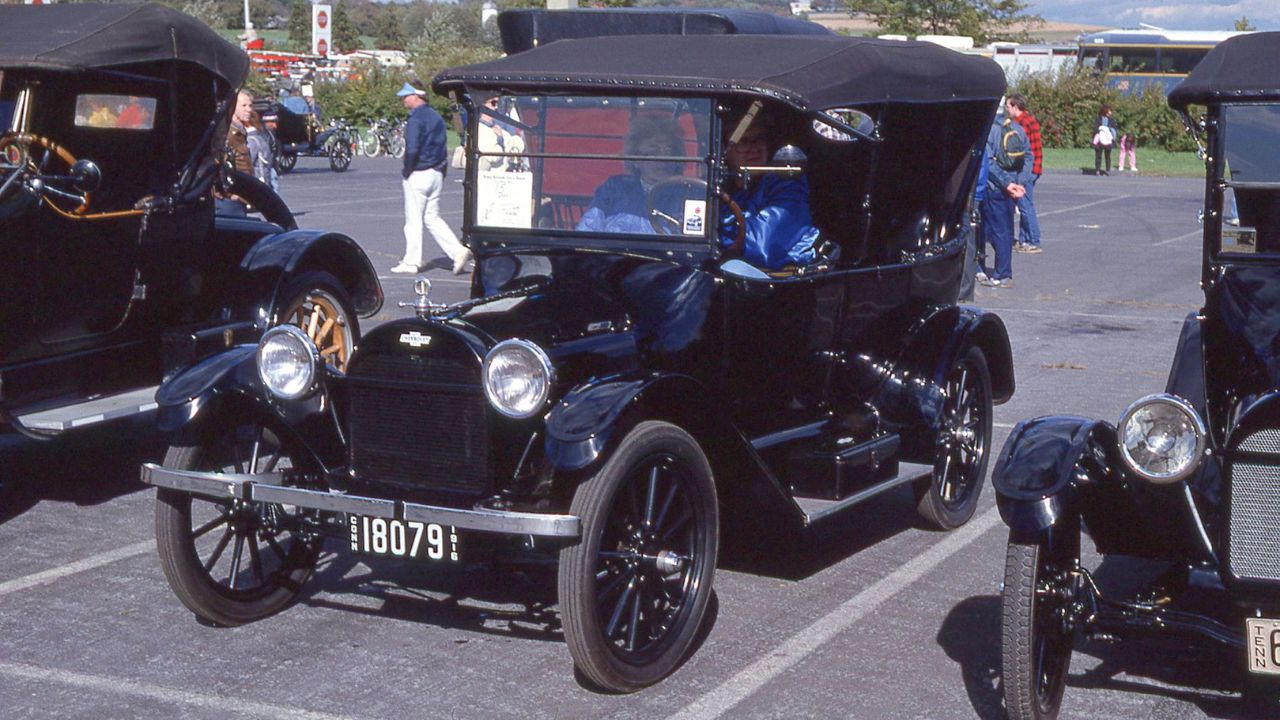
The Chevrolet Series 490 challenged the dominance of low-cost transportation by offering dependable performance at an accessible price. Named after its original selling price, it attracted buyers seeking value without sacrificing essential features. The model helped expand competition within the growing automotive market and showed that affordable automobiles could be both practical and reliable for ordinary families.
Dodge Brothers Model 30
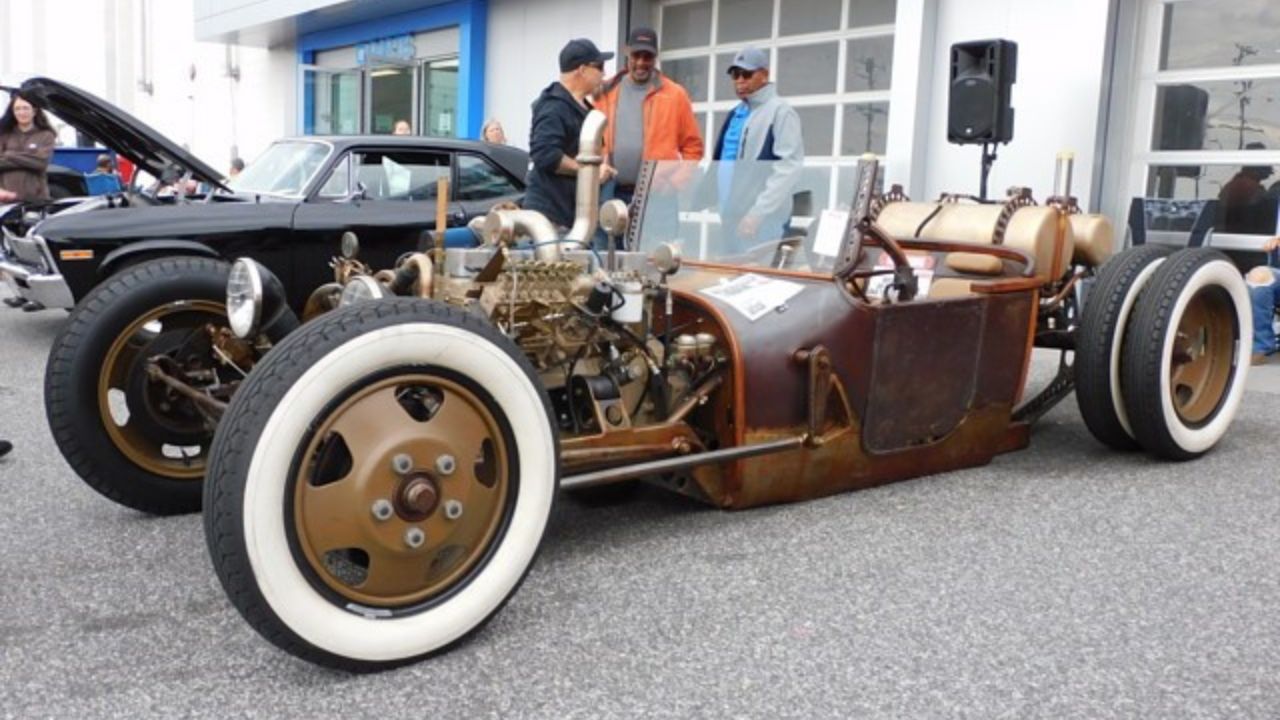
The Dodge Brothers Model 30 quickly earned a reputation for rugged construction and dependable operation. Its all-steel body, robust mechanical components, and consistent quality appealed to drivers who needed reliable transportation in challenging conditions. The vehicle demonstrated that careful engineering and durable manufacturing could build lasting consumer confidence, encouraging more people to invest in automobiles for daily use.
Saxon Six
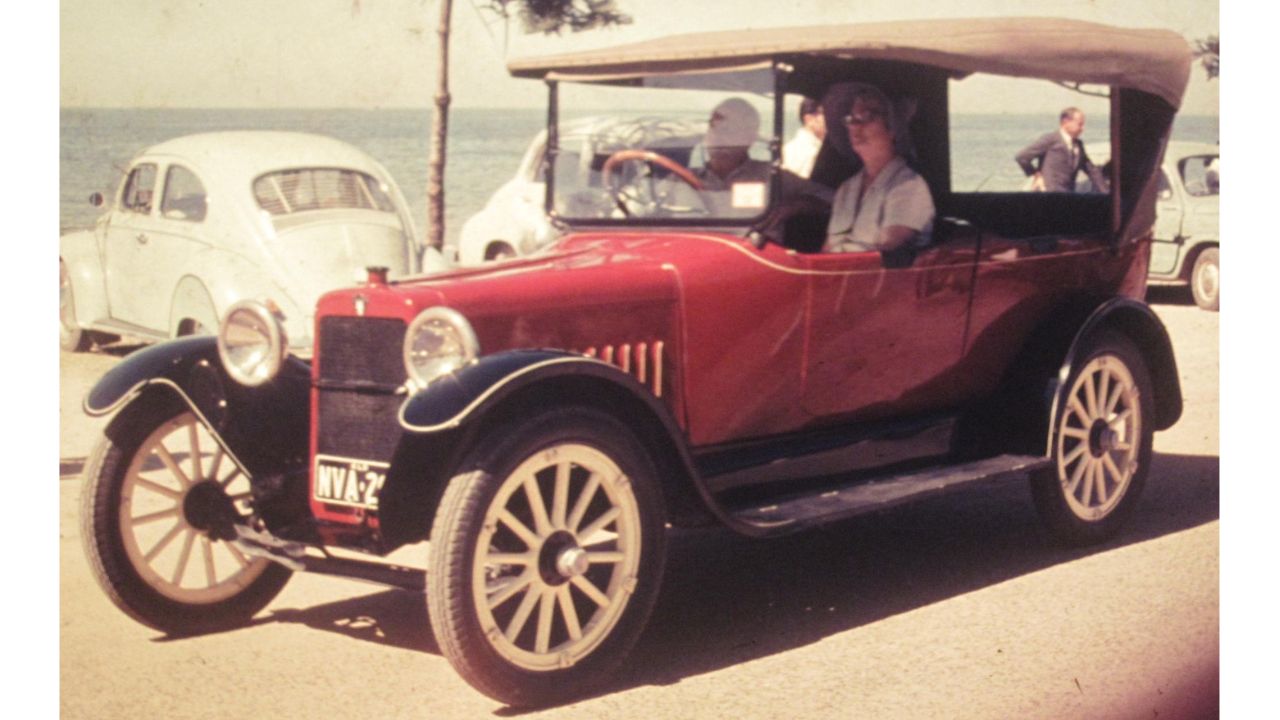
The Saxon Six introduced six-cylinder performance to buyers who previously considered such refinement beyond their budget. Its combination of smooth power delivery, manageable operating costs, and attractive pricing broadened the appeal of more advanced engines. The car illustrated that technological improvements were becoming increasingly accessible, helping accelerate the automobile’s transition from luxury product to mainstream transportation.
Packard Twin Six
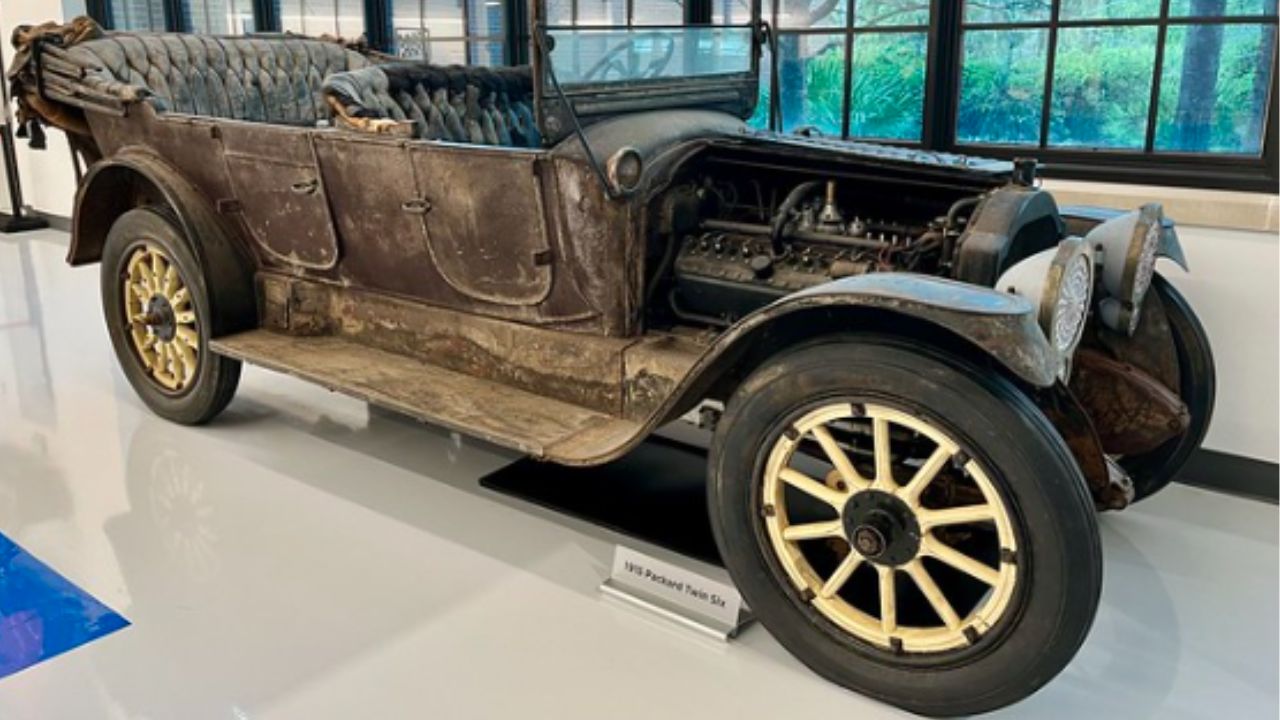
The Packard Twin Six elevated engineering standards with one of America’s first production V12 engines. Delivering exceptional smoothness, quiet operation, and effortless performance, it showcased the remarkable potential of advanced automotive engineering. Although positioned as a luxury automobile, its innovations demonstrated how sophisticated technology would continue shaping the industry’s future and raising expectations across every market segment.
More from Fast Lane Only
- Unboxing the WWII Jeep in a Crate
- 15 rare Chevys collectors are quietly buying
- 10 underrated V8s still worth hunting down
- Police notice this before you even roll window down
*Research for this article included AI assistance, with all final content reviewed by human editors