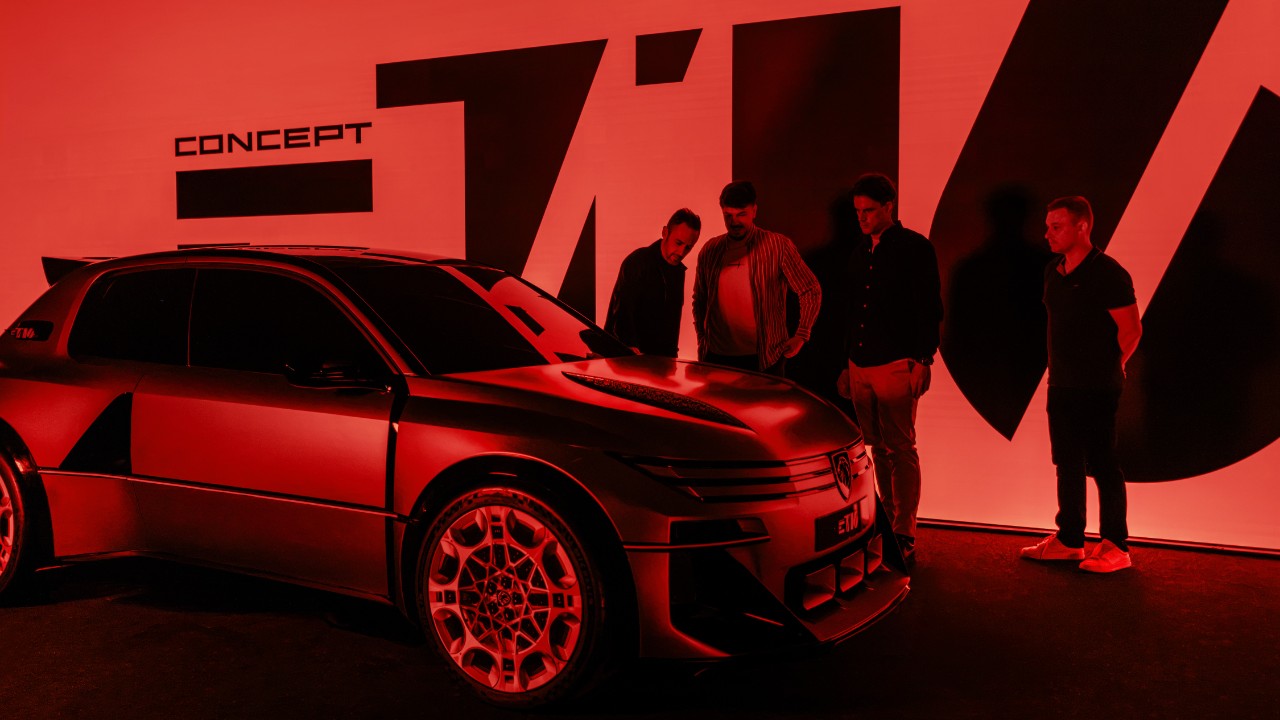
The 1920s were filled with bold ideas as automakers pushed beyond basic transportation to explore new technologies, engineering techniques, and styling philosophies. Some models introduced innovations that seemed years ahead of their time, while others pursued luxury or performance in remarkable ways. These twelve vintage cars still reflect the ambitious spirit that defined one of the automobile industry’s most creative decades.
Ruxton Model C
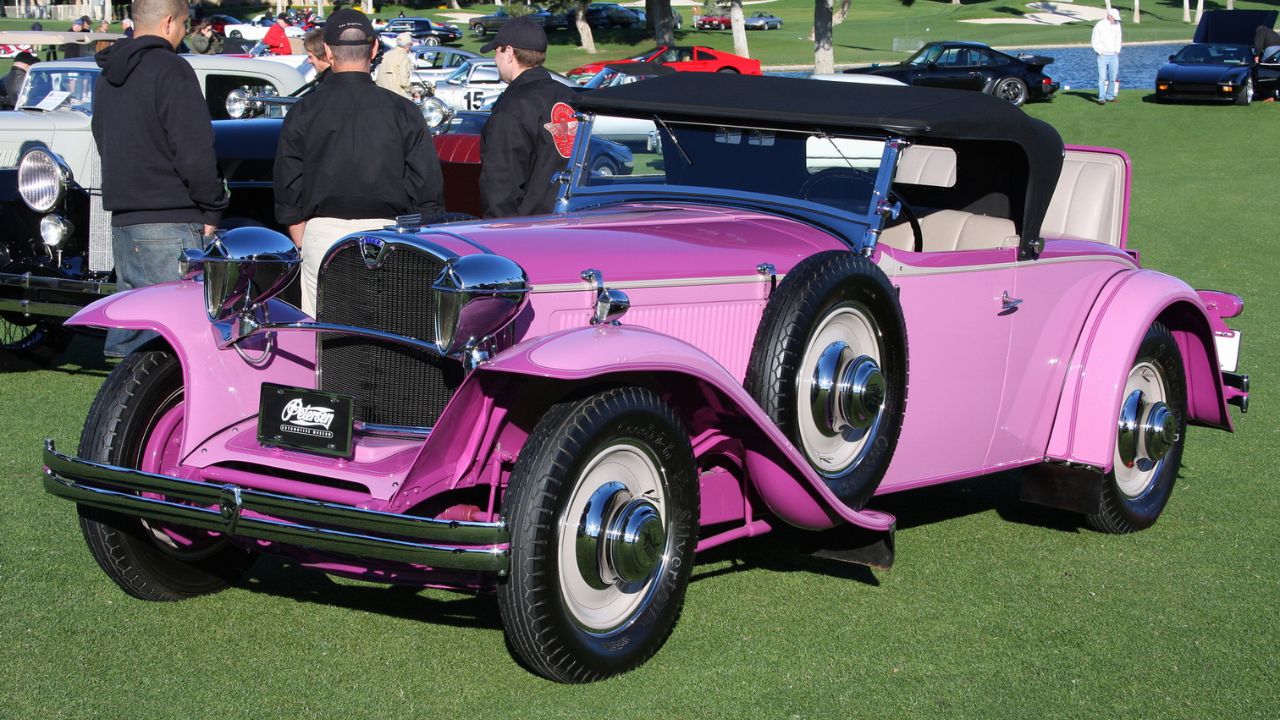
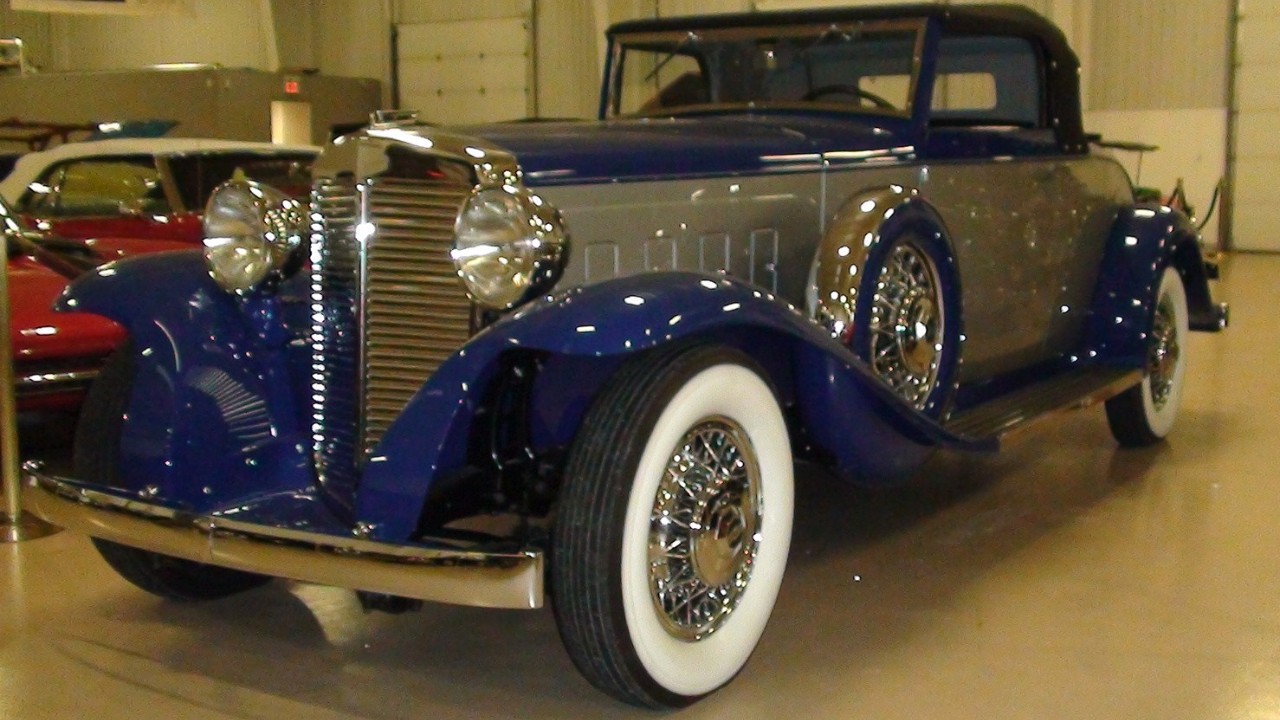
The Ruxton Model C stood apart with its front-wheel-drive layout, an uncommon feature that allowed for a lower body and improved handling. Its striking proportions and colorful factory paint combinations made it visually distinctive as well. Although production lasted only briefly, the Ruxton demonstrated that unconventional engineering and bold styling could challenge established automotive traditions and inspire future experimentation.
Marmon Model 78
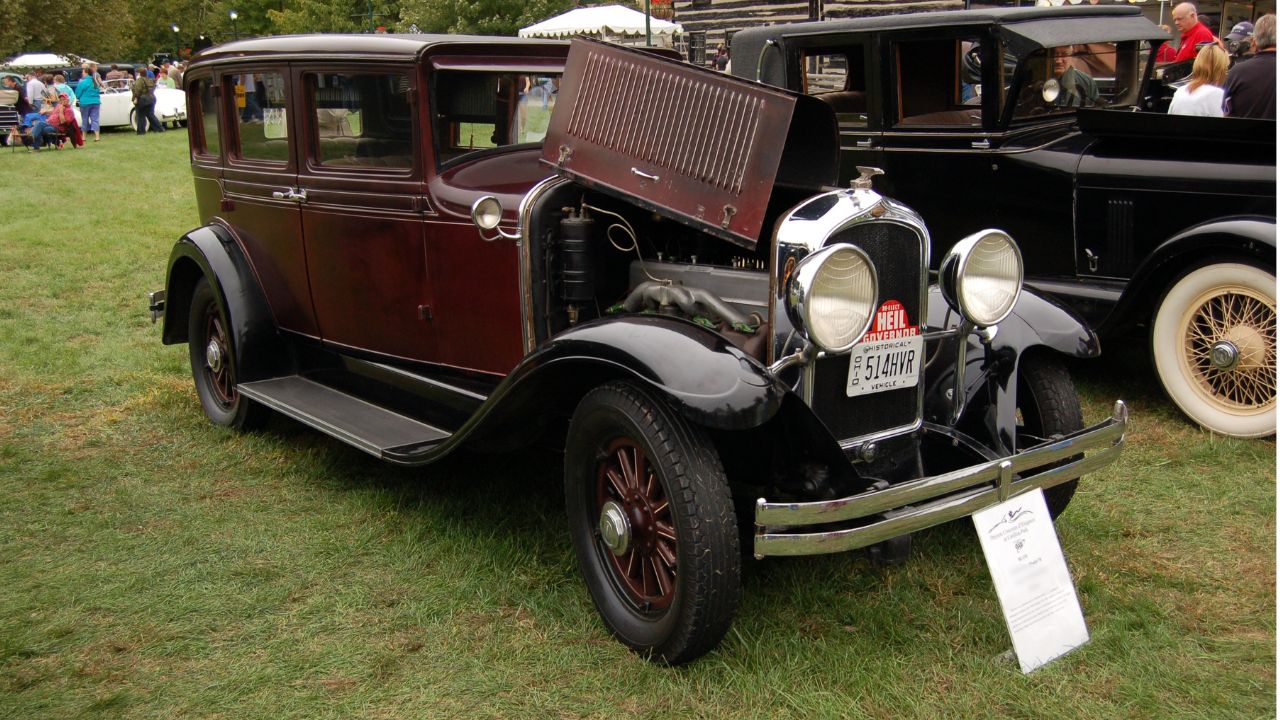
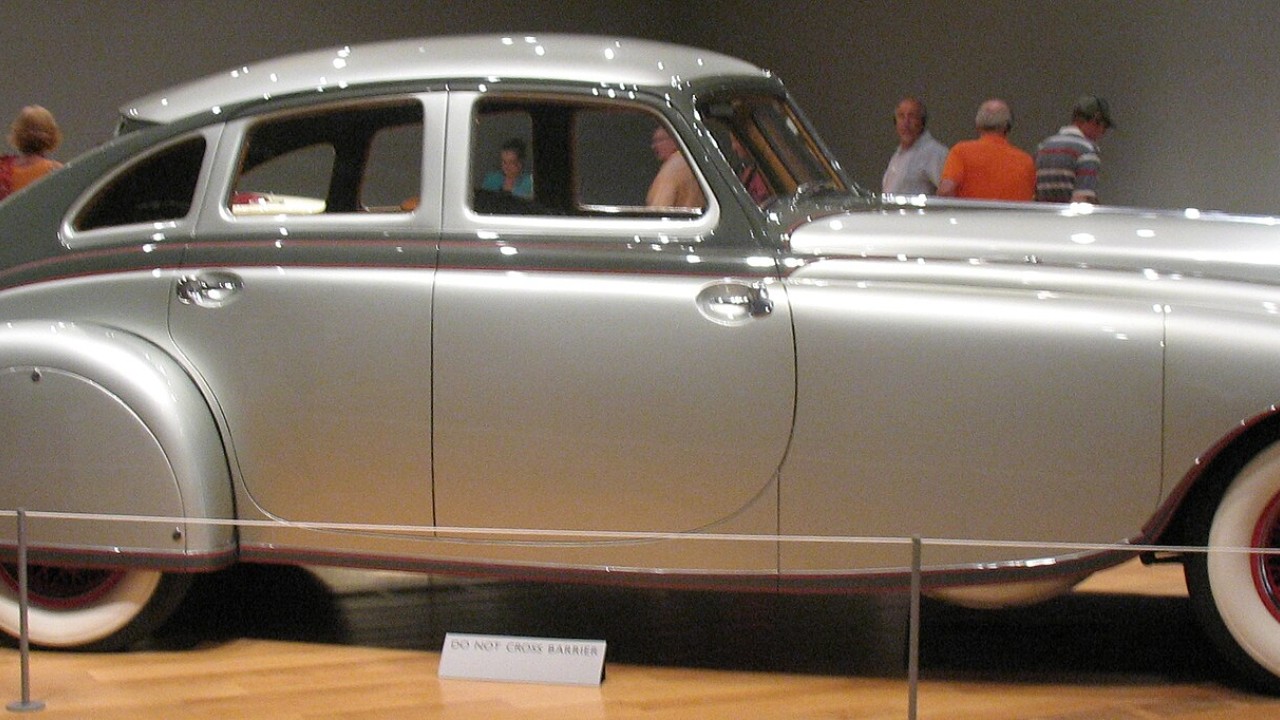
The Marmon Model 78 showcased advanced engineering wrapped in tasteful styling. Its lightweight construction, precision-built engine, and attention to efficiency distinguished it from many competitors. Marmon consistently pursued technical innovation rather than relying solely on appearance or prestige. The Model 78 reflected that philosophy, demonstrating how thoughtful engineering could create a balanced automobile designed for long-term performance and reliability.
Stearns-Knight Model J-8
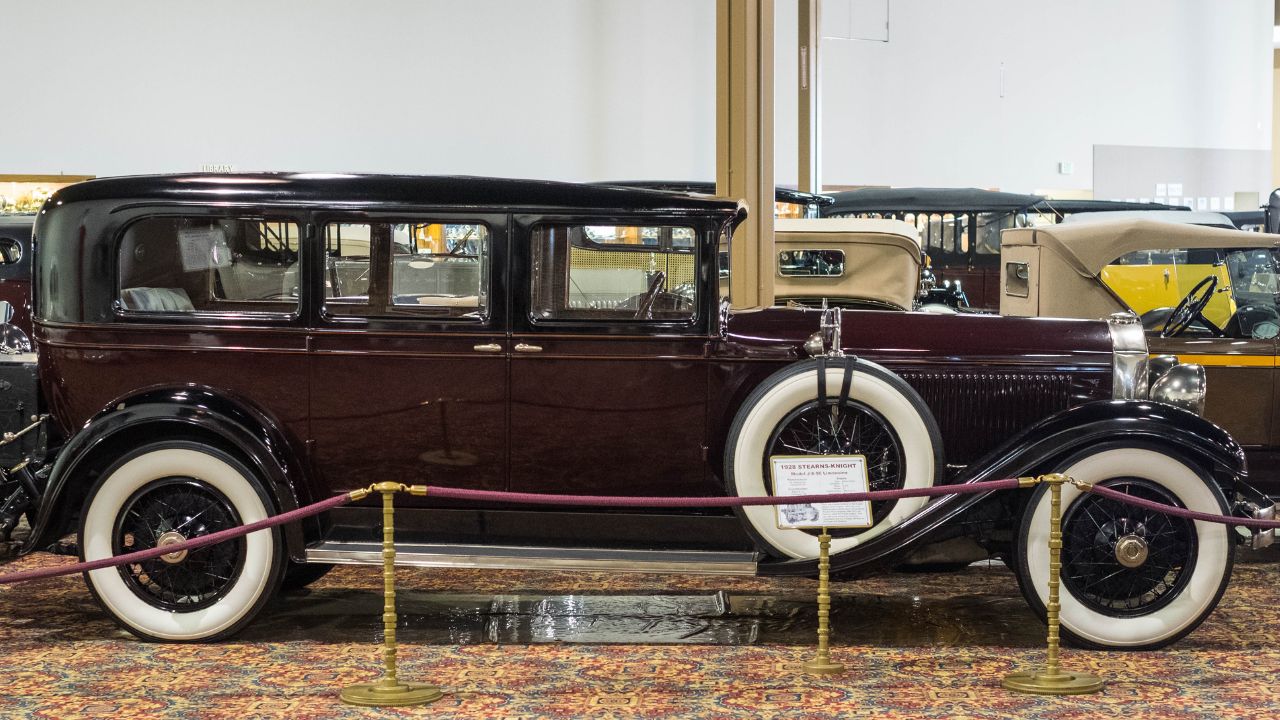
David Stubbington – All rights reserved / flickr
The Stearns-Knight Model J-8 featured the company’s signature sleeve-valve engine, prized for its exceptionally smooth and quiet operation. While more complex than conventional engines, it offered a refined driving experience that appealed to discerning buyers. Choosing such an unconventional powerplant illustrated the company’s determination to pursue engineering excellence even when it required challenging established automotive practices.
Hispano-Suiza H6B
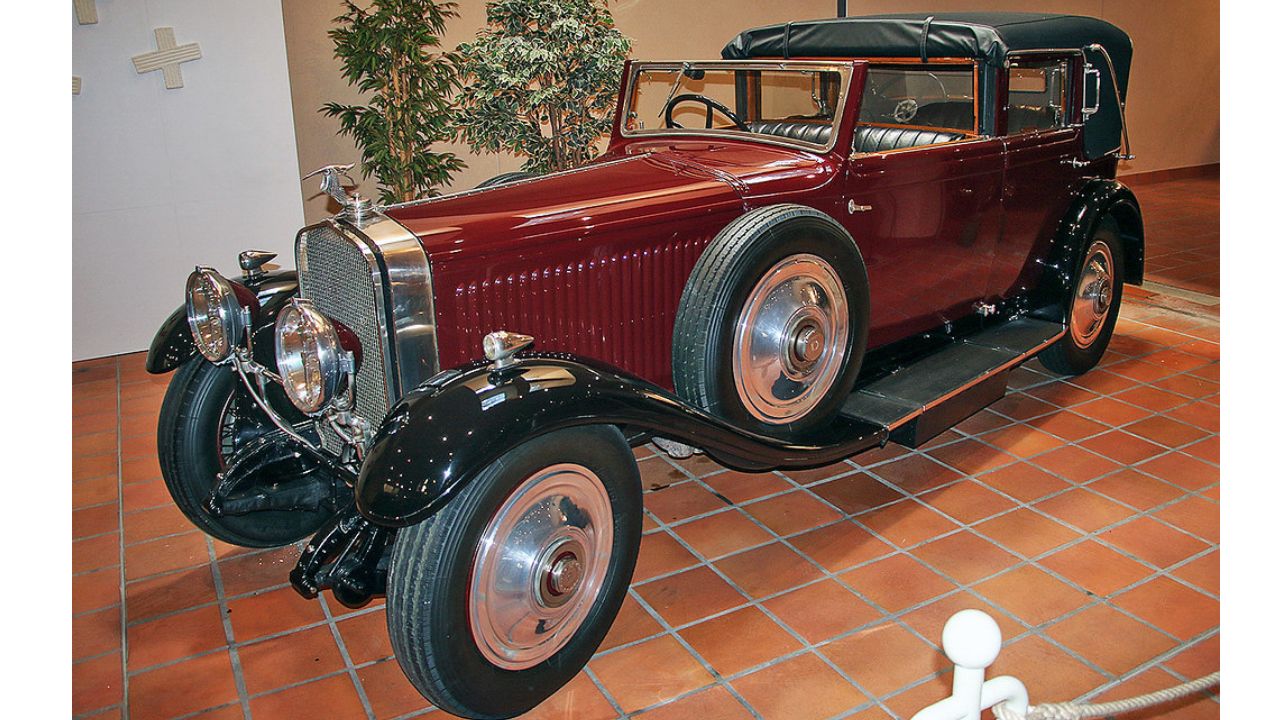
The Hispano-Suiza H6B borrowed aviation-inspired engineering principles to produce one of the era’s most technically impressive luxury cars. Its advanced braking system, refined straight-six engine, and meticulous craftsmanship created an exceptionally capable touring automobile. The H6B demonstrated that aerospace technology could influence automotive development, helping shape future expectations for both performance and engineering sophistication.
Isotta Fraschini Tipo 8A
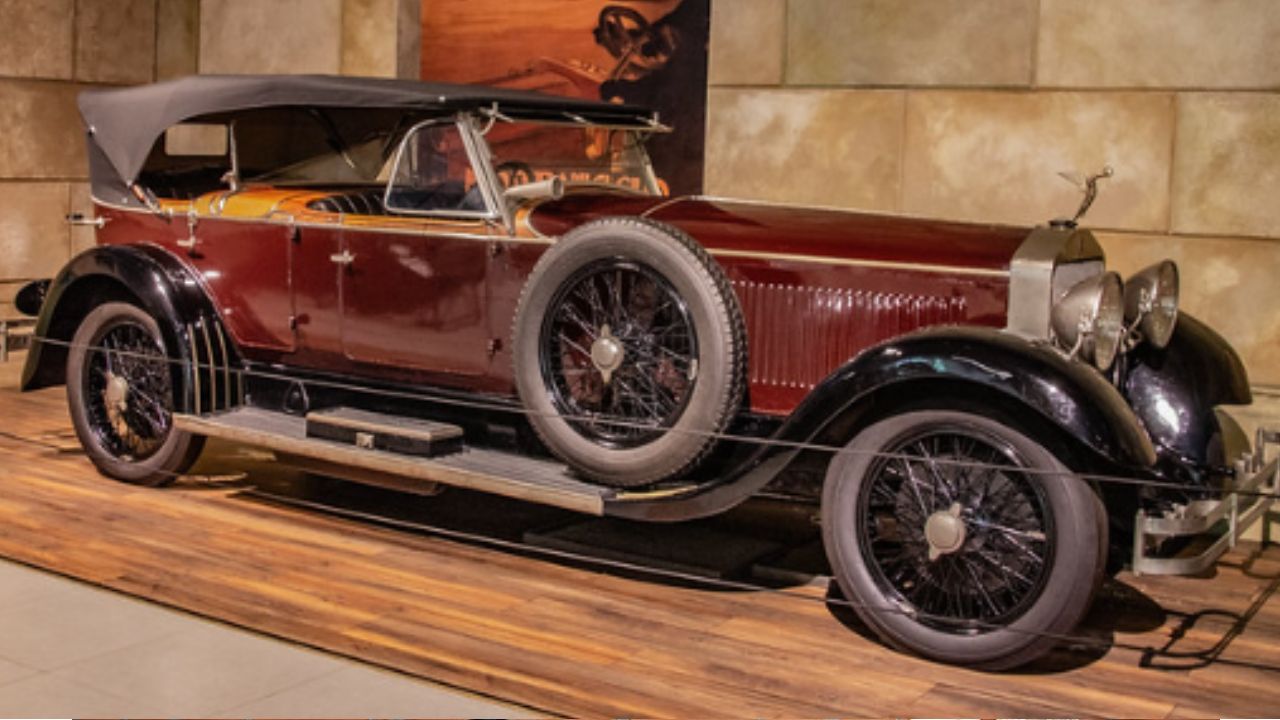
The Isotta Fraschini Tipo 8A embodied uncompromising ambition through its massive straight-eight engine and extraordinary level of customization. Wealthy buyers could commission coachbuilders to create unique bodies, making every example distinctive. Beyond its luxury, the Tipo 8A represented engineering confidence at a time when manufacturers increasingly competed through technical excellence rather than simply producing larger automobiles.
Voisin C11
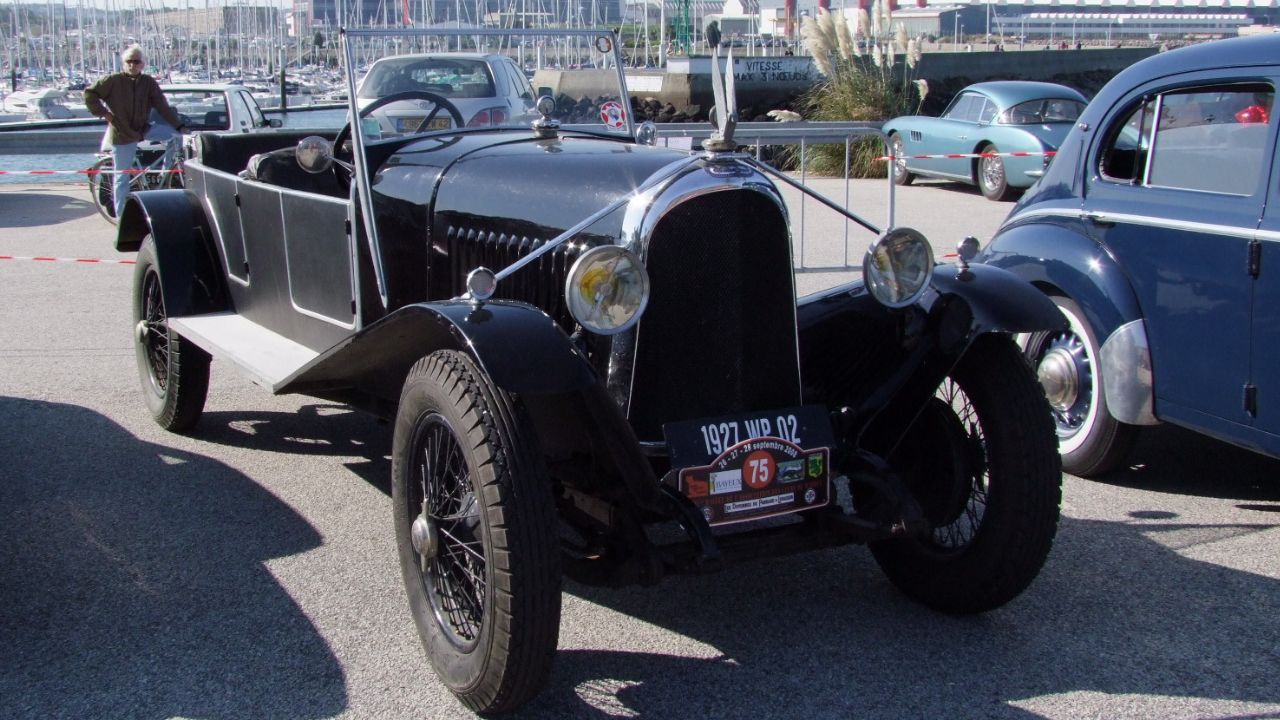
The Voisin C11 reflected Gabriel Voisin’s unconventional engineering philosophy, emphasizing lightweight construction and advanced design inspired by aviation. Its innovative mechanical solutions and elegant proportions gave it a character unlike many contemporary automobiles. Rather than following established trends, the C11 explored fresh ideas that demonstrated how creativity and engineering could reshape expectations for luxury and performance.
Chenard & Walcker Y7
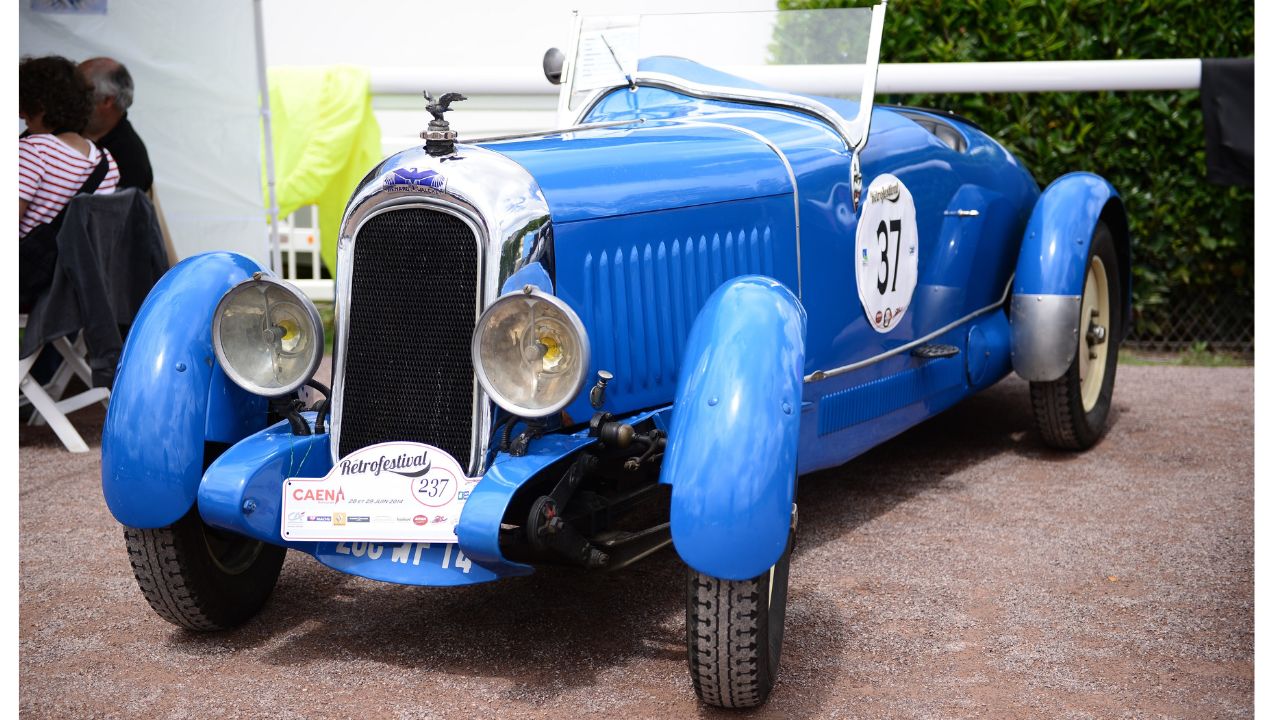
The Chenard & Walcker Y7 benefited from a company known for combining racing experience with dependable road-car engineering. Lessons learned through competition improved durability, efficiency, and mechanical refinement. Buyers received a vehicle that balanced everyday practicality with advanced engineering principles. Its thoughtful design illustrated how motorsport innovation increasingly influenced automobiles intended for regular public use.
Delage DM
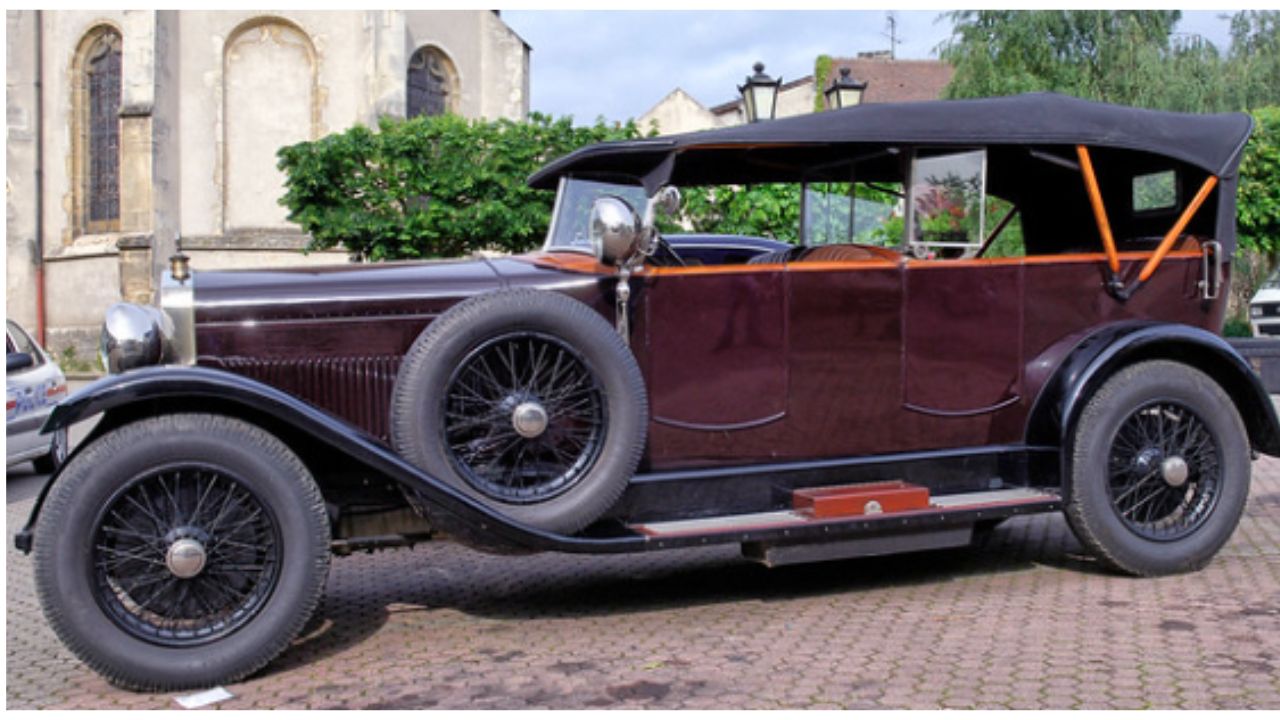
The Delage DM combined refined styling with carefully developed mechanical systems that emphasized balanced performance and comfort. Delage focused on engineering quality without excessive complexity, producing automobiles admired for their reliability and sophistication. The DM reflected the growing belief that progress came from integrating multiple improvements rather than relying on a single revolutionary feature, an approach still valued today.
LaSalle Series 303
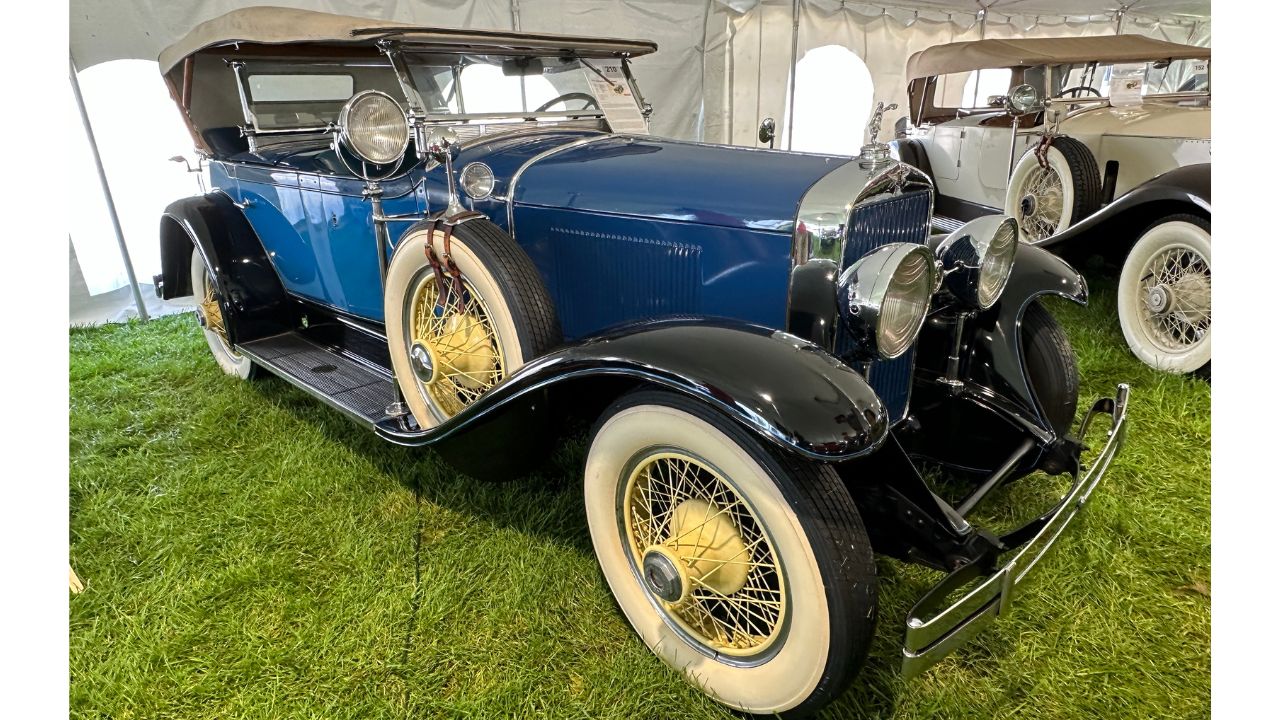
djr7189 – All rights reserved / flickr
The LaSalle Series 303 brought modern styling and refined engineering to buyers seeking something more youthful than traditional luxury automobiles. Developed with strong attention to appearance and drivability, it introduced fresh design ideas that influenced future American cars. The model demonstrated that ambitious styling could become just as important as mechanical innovation in shaping automotive progress.
More from Fast Lane Only
- Unboxing the WWII Jeep in a Crate
- 15 rare Chevys collectors are quietly buying
- 10 underrated V8s still worth hunting down
- Police notice this before you even roll window down
*Research for this article included AI assistance, with all final content reviewed by human editors