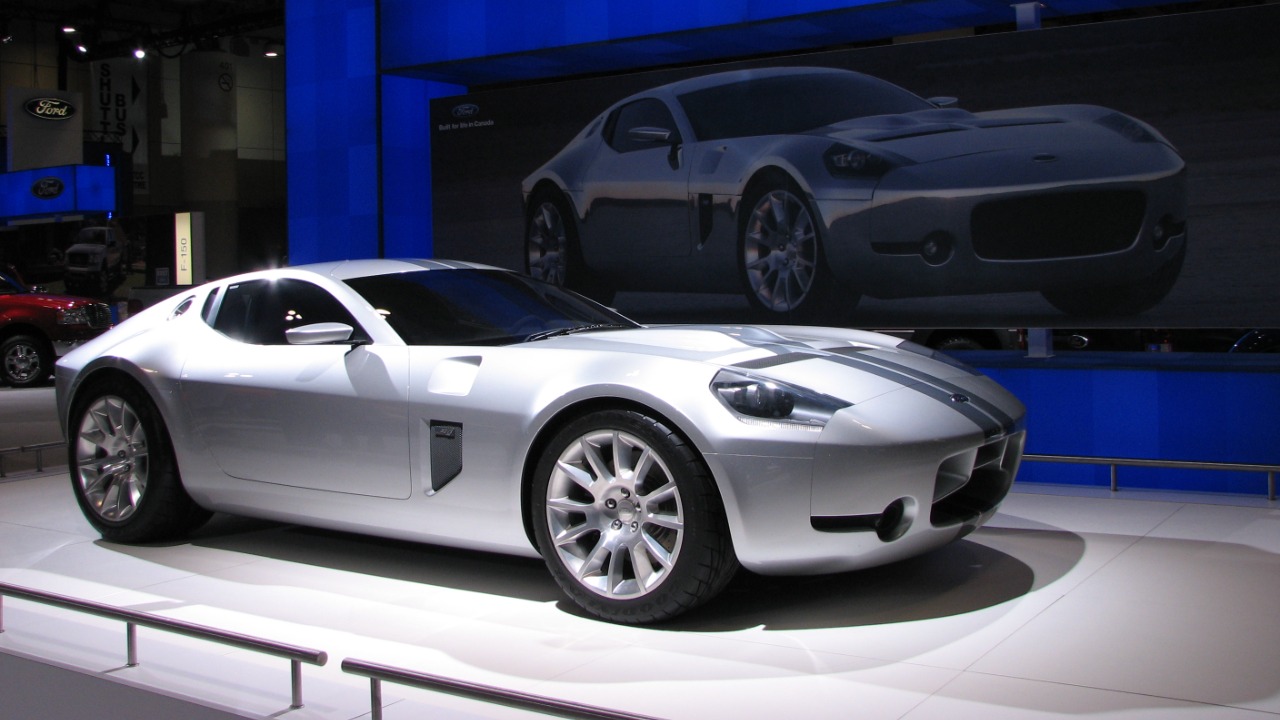
The Ford Shelby GR-1 was a striking concept car that captured the imagination of automotive enthusiasts when it was unveiled in the early 2000s. However, despite its potential and positive reception, the GR-1 never made it to production. This article delves into the reasons behind the car’s absence from showrooms.
The Vision Behind the GR-1
The design of the Ford Shelby GR-1 drew strong inspiration from the legendary Shelby Cobra, a car that has become synonymous with American muscle and performance. Carroll Shelby, the iconic figure behind the original Cobra, sought to create a modern interpretation of this classic sports car. The GR-1 was intended to capture that same spirit while incorporating contemporary design and technology. With its long hood, aggressive stance, and distinctive styling, the GR-1 turned heads and reignited the passion for American sports cars.
Beyond its aesthetic appeal, the GR-1 was loaded with advanced features that made it a vehicle of the future. It was envisioned to have a powerful V10 engine, capable of delivering exhilarating performance on the road. The car was also designed with a lightweight chassis and an aerodynamic body, which promised not only speed but also agility. Shelby’s vision for the GR-1 represented a bold step forward in the evolution of performance vehicles, merging classic elements with cutting-edge engineering.
Market Conditions and Corporate Strategy
The economic landscape of the early 2000s was marked by uncertainty, particularly in the automotive industry. Following the dot-com bubble burst and economic slowdown, consumer confidence wavered, leading to reduced demand for high-performance vehicles. Automakers faced significant pressure to innovate while also catering to a market increasingly focused on fuel efficiency and practicality. In this environment, the GR-1 struggled to find its place, as consumers were less inclined to invest in a sports car that prioritized speed over economy.
Additionally, Ford’s corporate strategy during this period took a notable shift. The company began to focus on producing vehicles that catered to broader market trends, particularly in light of rising fuel prices and increasing environmental concerns. Ford’s shift towards practical, fuel-efficient models meant that projects like the GR-1 were deprioritized. The restructuring of the company, including management changes and evolving corporate priorities, ultimately impacted the future of the GR-1, leading to the decision to halt its production.
Production Challenges
As with many ambitious automotive projects, the GR-1 faced significant engineering challenges during its development phase. Integrating cutting-edge technology into a production-ready vehicle is no small feat, and the GR-1 was no exception. The proposed V10 engine, while powerful, presented hurdles in terms of emissions compliance and fuel efficiency, which were becoming increasingly important to consumers and regulators alike. The engineering team had to balance performance with practicality, a challenge that ultimately proved difficult.
Cost considerations also played a pivotal role in the GR-1’s fate. Bringing a new vehicle to market is an expensive endeavor, and the GR-1 was no different. R&D costs, manufacturing expenses, and marketing budgets all contributed to the financial implications of launching the vehicle. As Ford navigated its own financial challenges, it became clear that the GR-1 would require substantial investment at a time when resources were limited. The prioritization of other projects and the allocation of funds to more commercially viable vehicles ultimately led to the GR-1 being shelved.
Competition and Market Positioning
At the time the GR-1 was introduced, the automotive marketplace was becoming increasingly competitive. Established brands such as Chevrolet and new entrants like Nissan were releasing models that appealed to performance enthusiasts while also catering to the growing demand for practicality. The Chevrolet Corvette, for instance, continued to evolve, offering a blend of performance and everyday usability that captured consumer interest. The emergence of vehicles like the Nissan 350Z and the Pontiac Solstice further diluted the market for high-performance sports cars, making it challenging for the GR-1 to carve out its niche.
The intended demographic for the GR-1 also contributed to its struggles. While it was aimed at affluent car enthusiasts, many potential buyers were more concerned about the practicality and cost of ownership associated with such a vehicle. As the market trends shifted, the GR-1’s appeal waned, and it became clear that the target audience may not align with the direction in which the automotive industry was heading. The disconnect between the GR-1’s luxury sports car image and the emerging trend toward versatile, family-friendly vehicles left its viability in question.
Legacy and Impact
Even though the Ford Shelby GR-1 never reached production, its cultural significance remains undeniable. The concept car developed a devoted fanbase, with enthusiasts celebrating its design and potential. Car culture often embraces the dream of what could have been, and the GR-1 became a symbol of innovation and creativity within the automotive community. Its legacy continues to inspire discussions about the balance between nostalgia and modernity in vehicle design, highlighting the importance of honoring automotive history while embracing new technologies.
The influence of the GR-1 can also be seen in future Ford designs and concepts. Elements of its styling and performance aspirations have echoed in subsequent models, including the Ford GT, which emerged years later as a modern interpretation of Ford’s racing heritage. The GR-1 serves as a reminder of the potential for American manufacturers to innovate and push boundaries, even if the concept itself never made it to the showroom floor.
Ultimately, the story of the Ford Shelby GR-1 teaches valuable lessons about the automotive industry’s approach to innovation. The balance between nostalgia for classic designs and the demands of modern consumers is a delicate one. As manufacturers strive to create vehicles that resonate with buyers, the case of the GR-1 underscores the complexities involved in bringing a visionary concept to market.
For more insights on concept cars that never saw the light of day, check out this list of ridiculous concept cars. The GR-1, while not among them, certainly shares the spirit of ambition and creativity that drives the automotive industry forward.
More from Fast Lane Only
- Unboxing the WWII Jeep in a Crate
- 15 rare Chevys collectors are quietly buying
- 10 underrated V8s still worth hunting down
- Police notice this before you even roll window down
*Research for this article included AI assistance, with all final content reviewed by human editors.