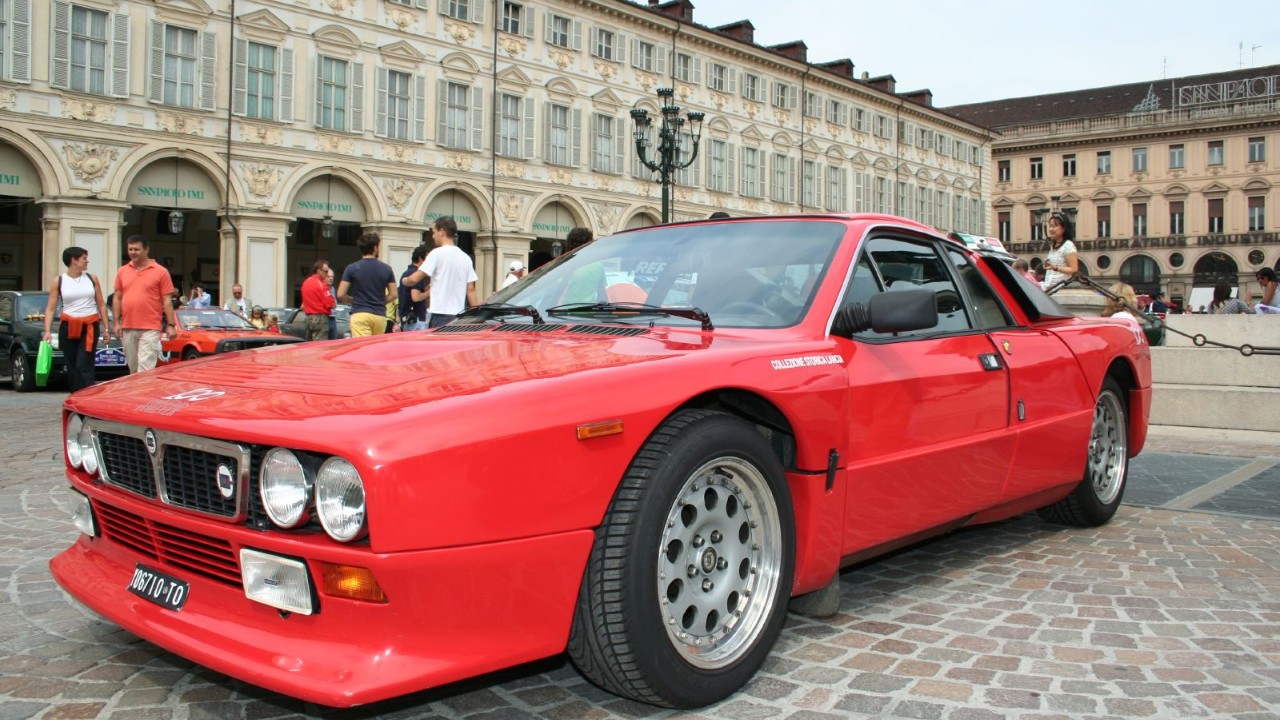
Classic car designs often evoke nostalgia and admiration, showcasing a blend of aesthetics and performance that has stood the test of time. The shapes that defined an era continue to resonate with enthusiasts and collectors alike, reflecting an artistry that transcends generations. Here are eight classic car shapes that have never lost their impact.
The Iconic Coupe
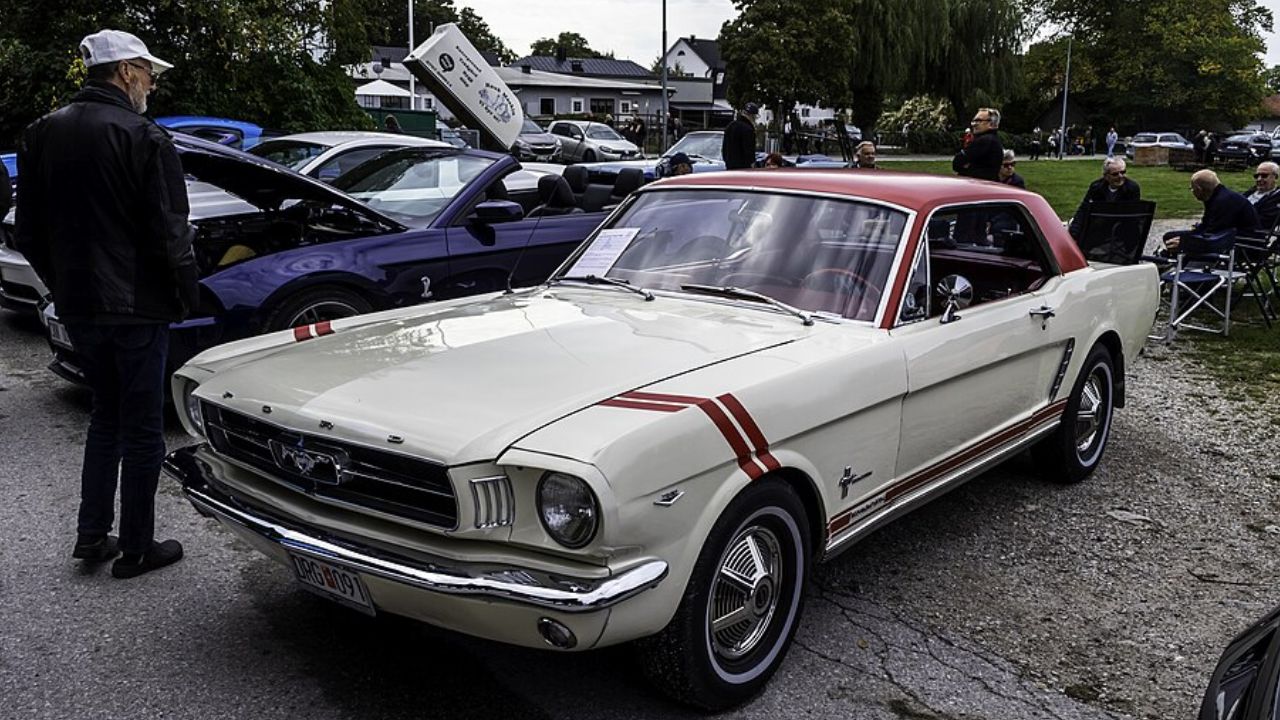
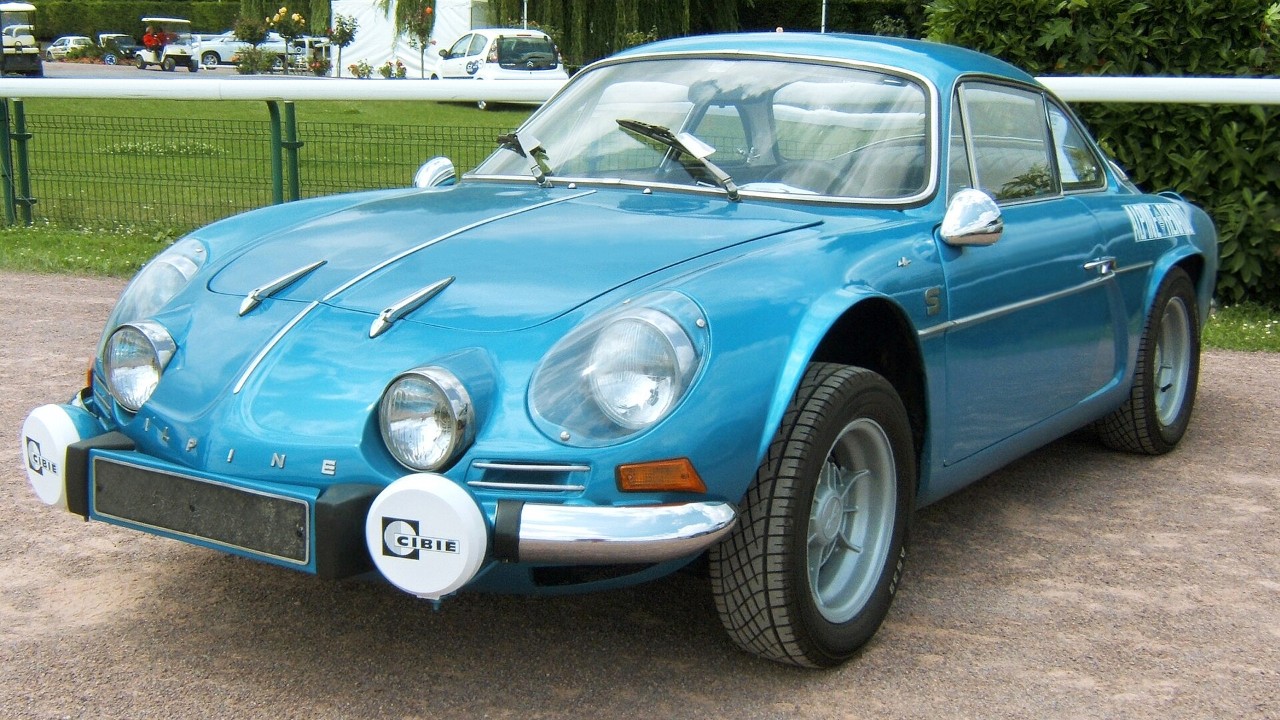
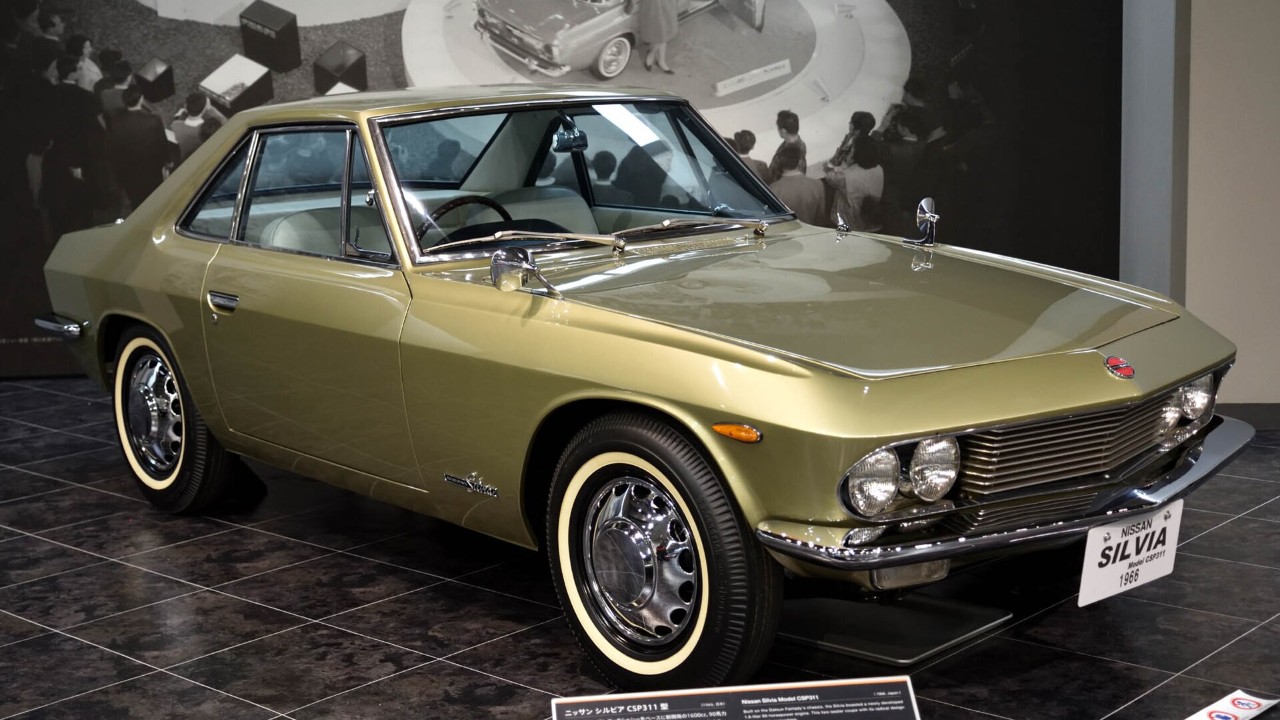
The coupe has long been a symbol of style and performance, characterized by its two-door design and sporty silhouette. Models such as the Ford Mustang and the Chevrolet Camaro have exemplified the coupe’s appeal, combining powerful engines with sleek lines. This design not only enhances aerodynamics but also adds a sense of sportiness that attracts both younger drivers and seasoned collectors. The coupe’s enduring popularity can be attributed to its versatility, making it suitable for both casual cruising and spirited driving.
In recent years, the resurgence of classic coupes has sparked renewed interest in vintage models. The allure of cars like the Porsche 911 and the Jaguar E-Type continues to captivate enthusiasts. Each coupe tells a story of innovation and style, with designs evolving while retaining essential characteristics. The coupe remains a testament to automotive craftsmanship.
The Sleek Roadster

Roadsters are celebrated for their open-top designs, offering an exhilarating driving experience. The Mazda MX-5 Miata is a prime example of modern roadster design, providing a lightweight and agile platform that encourages spirited driving. This design, with its low profile and minimalistic approach, highlights the joy of driving, especially in scenic settings. Roadsters have an undeniable charm, appealing to those who appreciate the freedom of the open road.
Historically, roadsters like the classic Austin Healey 3000 and the Mercedes-Benz 300SL have left an indelible mark on automotive history. Their timeless elegance and performance capabilities continue to inspire new generations of car enthusiasts. The roadster shape embodies a philosophy of driving that prioritizes connection with the environment and the sheer joy of motoring.
The Bold Muscle Car
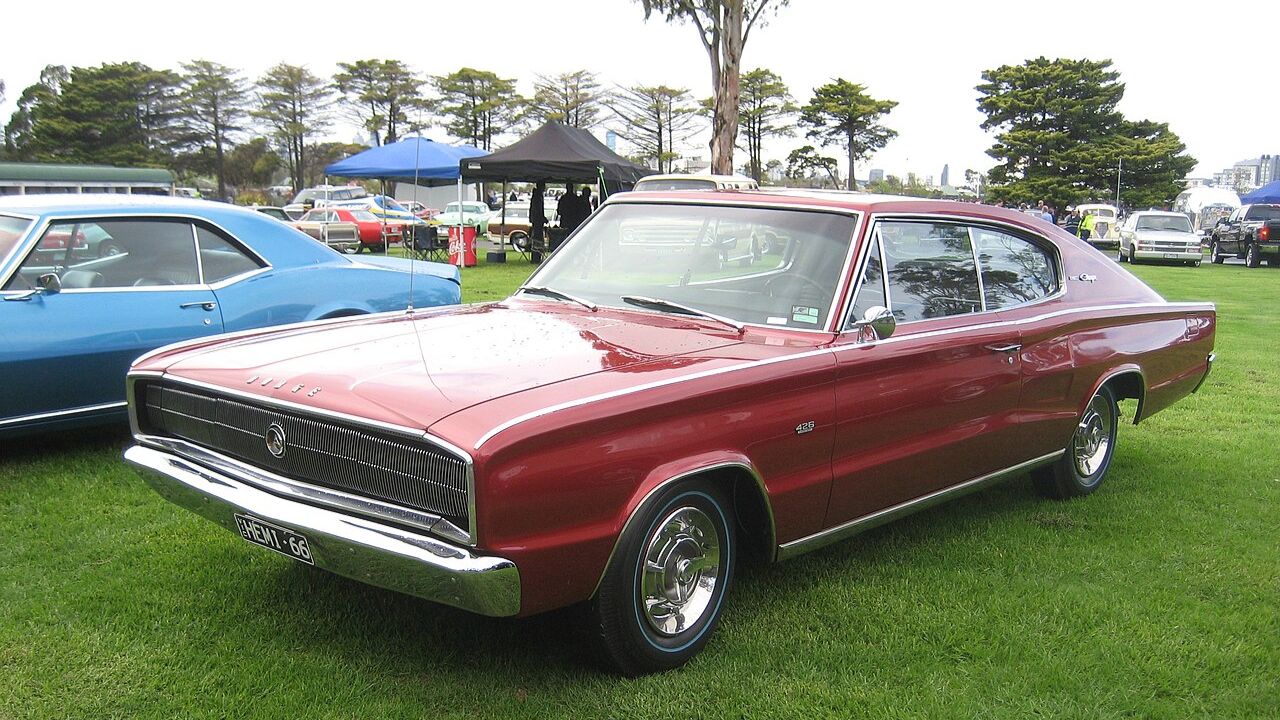
Muscle cars represent a defining moment in American automotive history, characterized by their powerful engines and aggressive styling. Models like the Dodge Charger and the Pontiac GTO exemplify the bold, muscular designs that dominated the streets in the 1960s and 70s. These vehicles not only offered impressive horsepower but also made a statement with their striking aesthetics, featuring wide stances and distinctive grilles.
The muscle car’s legacy continues today, with modern iterations paying homage to their predecessors while incorporating advanced technology. This design has become synonymous with American automotive culture, representing freedom, rebellion, and power. The muscle car remains a favorite among enthusiasts who value performance and style in equal measure.
The Timeless Convertible
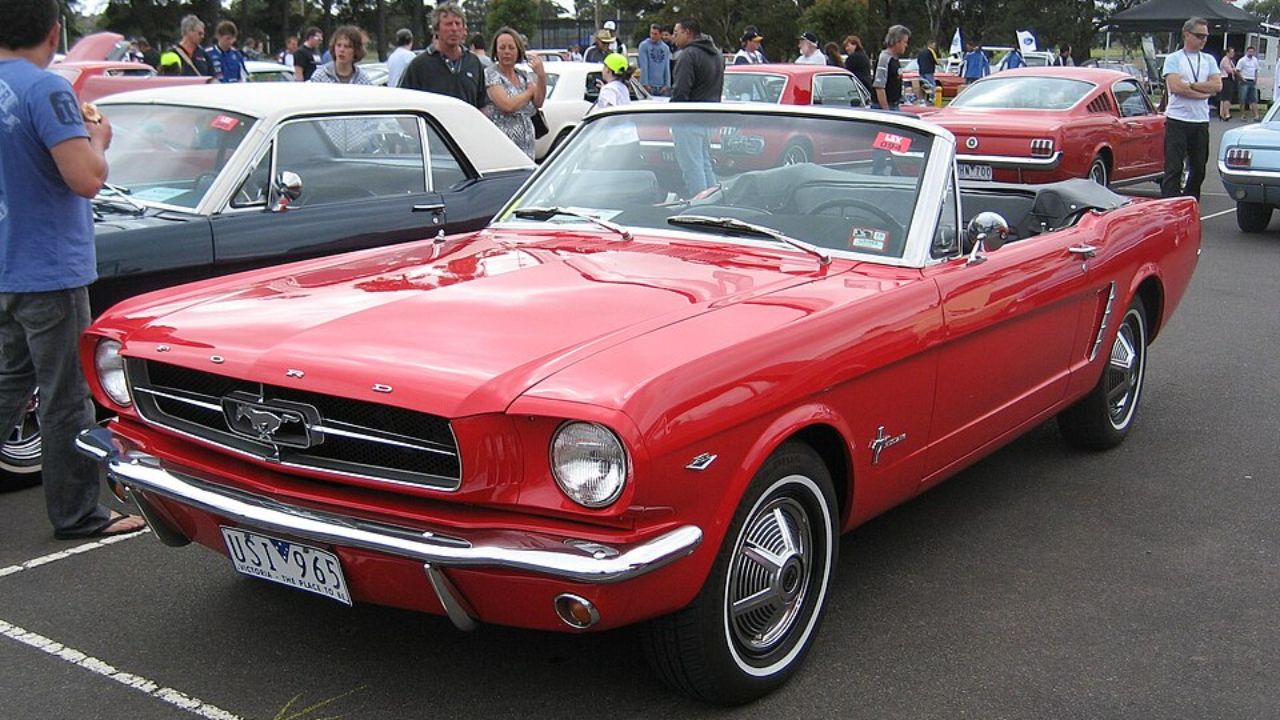
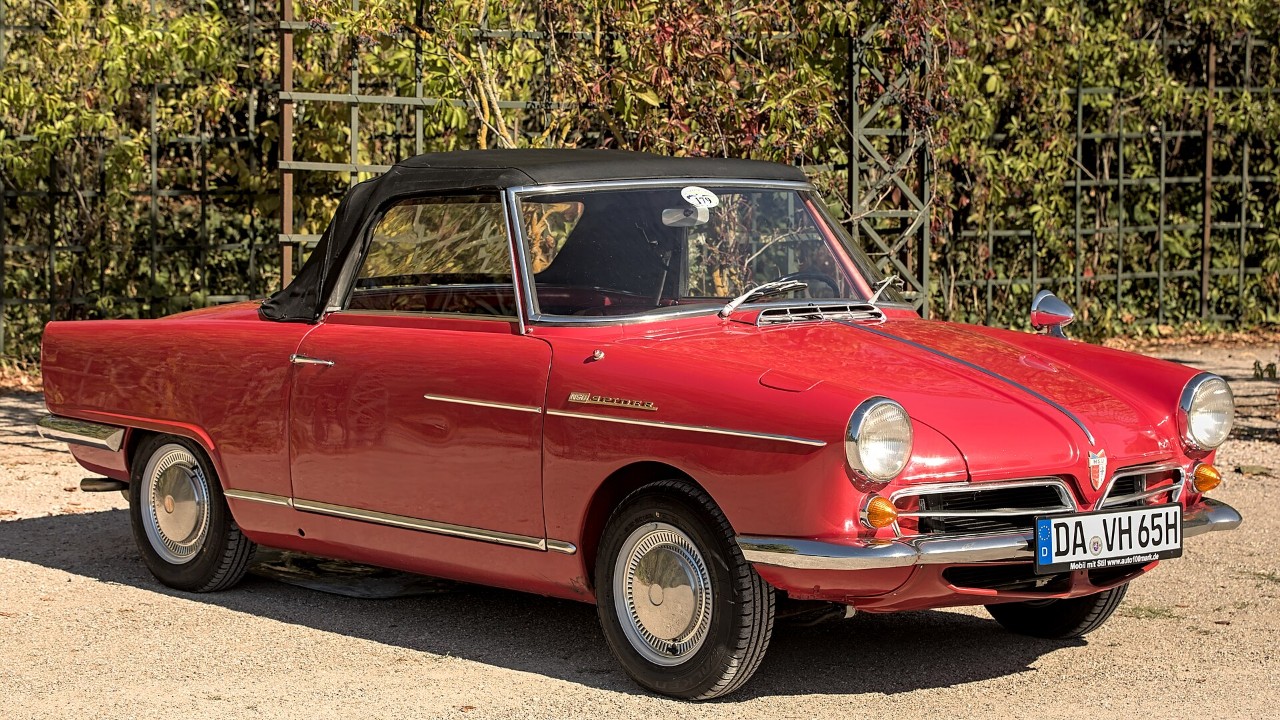
Convertibles embody elegance and sophistication, allowing drivers to enjoy the open air while on the road. The classic Ford Mustang Convertible and the Chevrolet Corvette Convertible are perfect examples of designs that have captivated audiences for decades. These vehicles not only provide a luxurious driving experience but also celebrate the joy of sunny days and open roads.
The convertible’s design has evolved over the years, but its core allure remains unchanged. Vintage models such as the Cadillac Eldorado showcase the grandeur of 1950s styling, while modern variants maintain that classic charm with updated performance features. The convertible is a timeless shape that continues to symbolize freedom and luxury.
The Distinctive Station Wagon
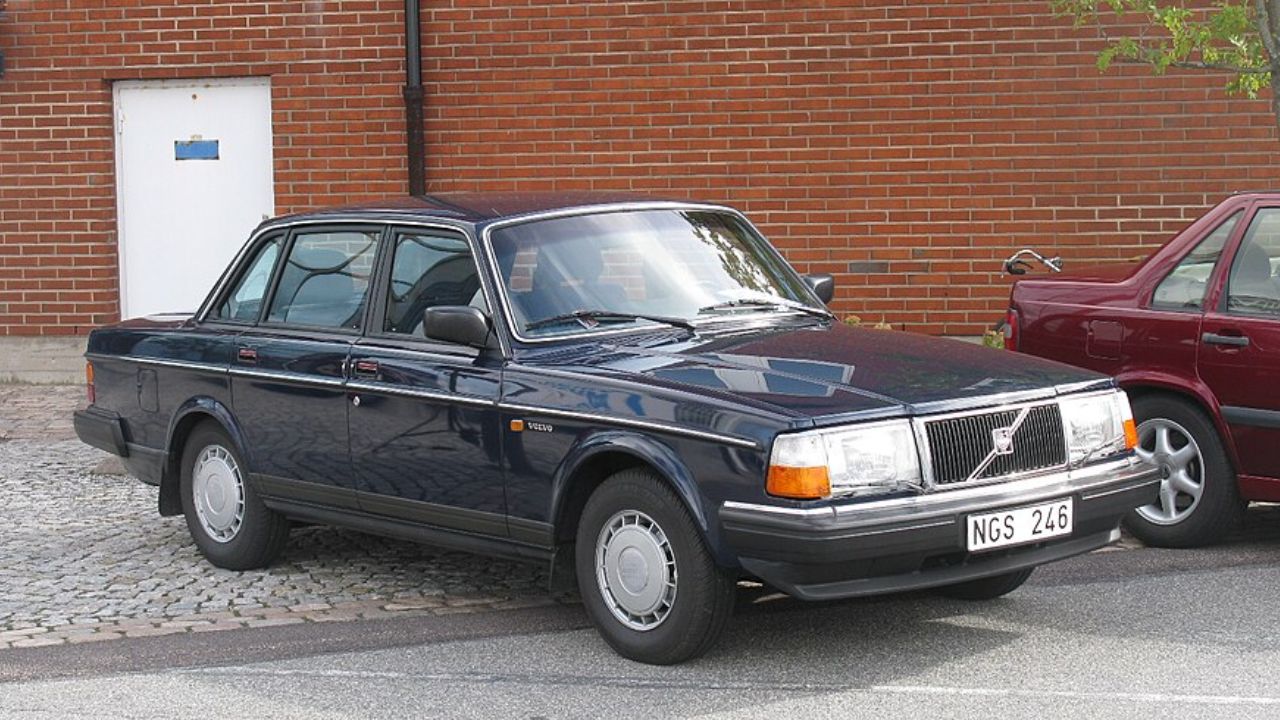
The station wagon, often overlooked, has a unique appeal that combines practicality with classic design. Models like the Volvo 240 and the Chevrolet Nomad are celebrated for their spacious interiors and distinctive profiles, making them ideal for families and adventure seekers alike. The wagon’s elongated body allows for ample cargo space while maintaining an elegant silhouette.
In recent years, the revival of interest in classic wagons has led to a resurgence in their popularity. They offer a blend of nostalgia and functionality, making them a favorite among collectors and enthusiasts who appreciate their versatility. The station wagon remains a testament to thoughtful design, balancing style and utility.
The Elegant Sedan

Sedans have long been the backbone of the automotive industry, representing a balance between comfort, style, and performance. The Mercedes-Benz S-Class is a prime example of how sedans can embody luxury and sophistication, with a design that prioritizes both aesthetics and aerodynamics. The sedan’s four-door layout provides practicality without sacrificing elegance, making it a popular choice for both families and business professionals.
Classic sedans like the Ford Model T and the BMW 2002 have shaped automotive history, showcasing the evolution of design and technology. The sedan’s enduring popularity is a testament to its versatility, making it a staple in the automotive world that continues to appeal across generations.
The Powerful Pickup Truck

Pickup trucks have evolved significantly over the years, combining rugged utility with modern design. The Ford F-150 stands out as a leader in the segment, offering a robust build and a range of powerful engine options. The pickup’s design focuses on functionality, providing ample cargo space while maintaining a commanding presence on the road.
Classic pickups like the Chevrolet C10 and the Dodge Ram have become icons in their own right, embodying a spirit of adventure and hard work. The pickup truck’s ability to adapt to various needs, from workhorse to luxury vehicle, solidifies its position in automotive history as a shape that appeals to a wide audience.
The Classic Sports Car
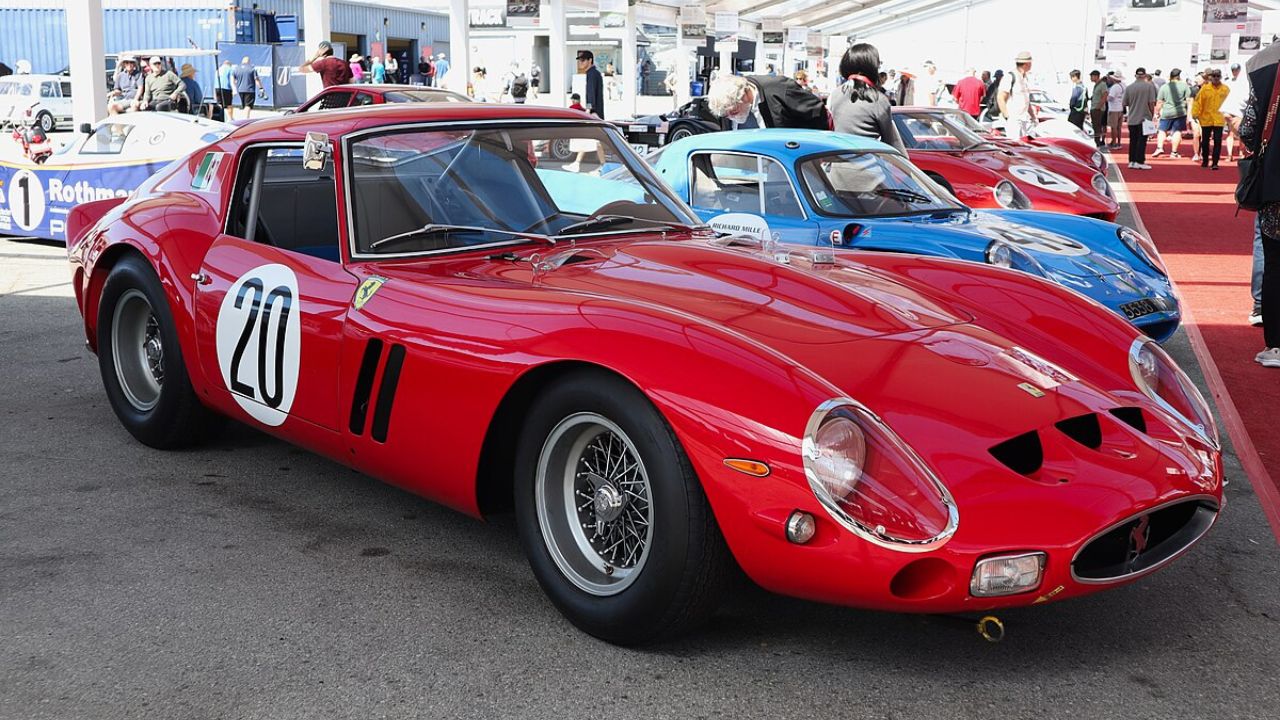
Sports cars have always represented the pinnacle of automotive performance and design, with their sleek lines and powerful engines captivating enthusiasts worldwide. The Ferrari 250 GTO and the Lamborghini Miura are prime examples of vehicles that have defined the genre with their stunning aesthetics and exhilarating performance. These cars emphasize speed and agility, often becoming benchmarks for automotive engineering.
The allure of classic sports cars lies not only in their performance but also in their ability to evoke emotion and passion. Their designs are carefully crafted to enhance aerodynamics, contributing to their speed and handling. The sports car shape remains a timeless representation of what driving is all about: excitement and joy on the open road.
More from Fast Lane Only