The Dodge Charger R/T holds a significant place in automotive history, yet it remains one of the most misunderstood classic muscle cars. Its legacy is rich and complex, intertwined with performance, design, and the cultural zeitgeist of the 1960s and 1970s. As I delve into the Charger R/T’s storied past, I hope to clarify some of the misconceptions that continue to cloud its reputation and celebrate its enduring appeal.
The Origins of the Dodge Charger R/T
The Dodge Charger made its debut in 1966, introduced as a fastback coupe that aimed to capture the essence of American muscle. Initially, it received mixed reviews, but the automotive community quickly embraced its bold styling and performance potential. The introduction of the R/T (Road/Track) trim in 1968 marked a significant turning point, solidifying the Charger’s place in muscle car culture. The R/T was not just an appearance package; it represented a commitment to performance that appealed to enthusiasts.
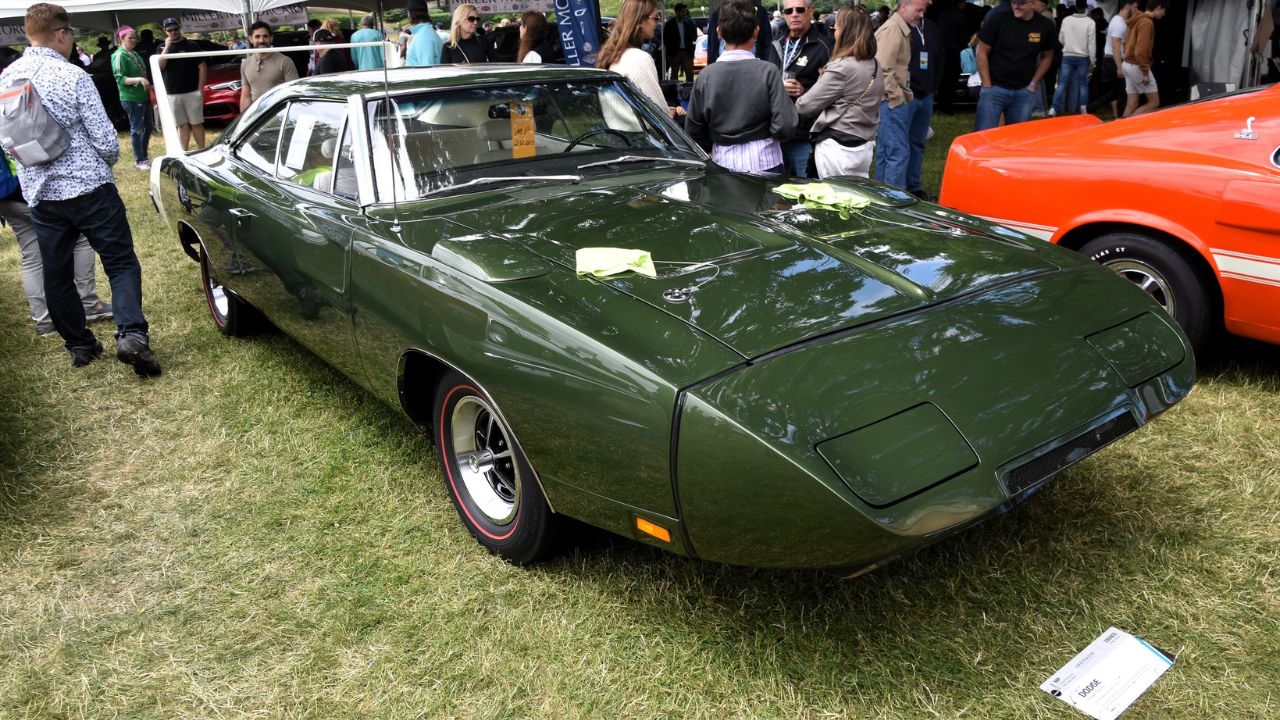
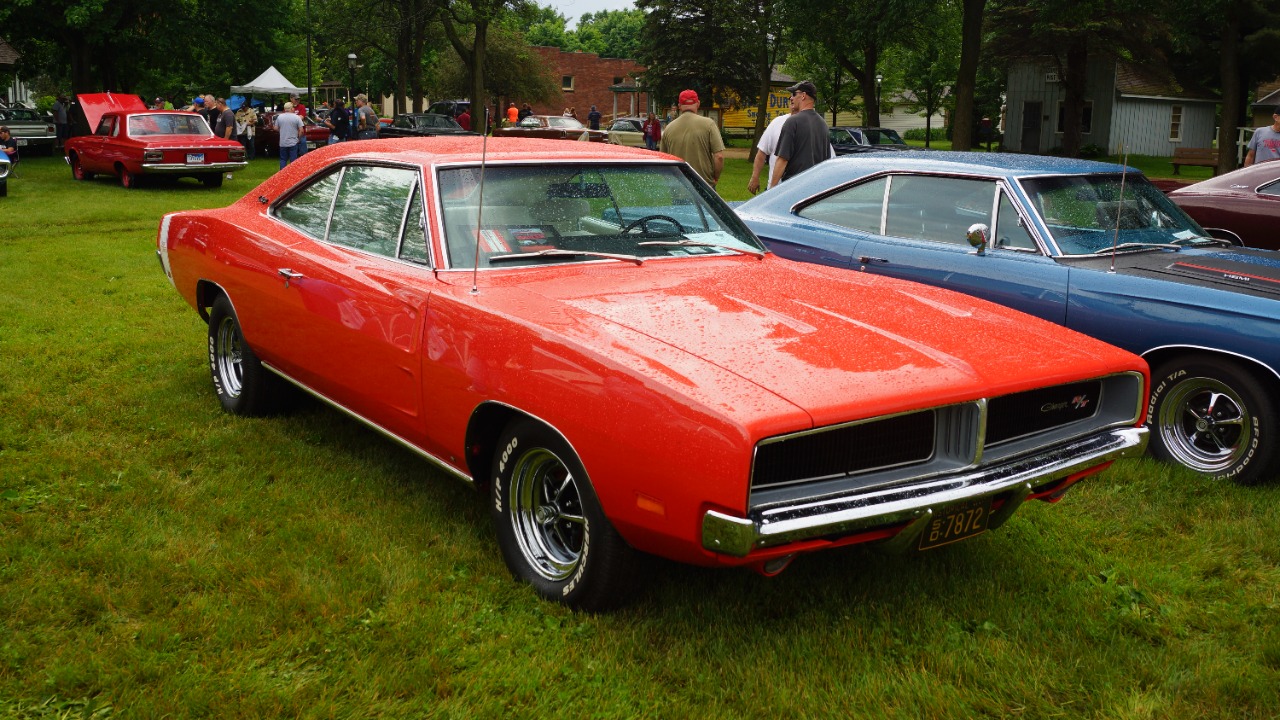
One of the key design features that set the Charger apart was its unmistakable profile, characterized by a long hood and short rear deck. The aggressive front grille and the split rear taillights added to its sporty aesthetic. This distinctive design language was not only about looks; it contributed to improved aerodynamics, enhancing performance on the road. As a result, the Charger R/T became a symbol of power and style, standing tall among its competitors like the Ford Mustang and Chevrolet Camaro.
Performance and Engineering Excellence
Under the hood, the Charger R/T offered a range of engine options, including the legendary 426 HEMI V8 and the 440 cubic inch V8. These engines were built for speed and performance, with the HEMI V8 capable of producing over 425 horsepower. This power allowed the Charger R/T to accelerate from 0 to 60 mph in just around six seconds, an impressive feat for its time. Even today, the Charger R/T’s performance metrics hold their own against modern muscle cars, proving that it was more than just a pretty face.
The engineering innovations in the Charger R/T were also noteworthy. The vehicle featured an advanced suspension system that improved handling and provided a more engaging driving experience. With options like heavy-duty shocks and sway bars, the Charger R/T was designed to perform well both on the track and the street. This combination of power and engineering excellence made the Charger R/T a formidable contender in the muscle car arena, capable of holding its own against the best of the best.
Misconceptions about the Charger R/T
Despite its remarkable capabilities, several misconceptions about the Charger R/T persist. One common myth is that the Charger R/T is primarily a styling exercise, lacking the true performance credentials of its rivals. While it is undeniably a striking car, dismissing it as just a pretty face undermines the engineering prowess and performance metrics that it achieved. Many enthusiasts know the Charger R/T as a serious performance vehicle that was engineered to deliver thrilling driving experiences.
Another misconception surrounds its reliability. Critics often label classic muscle cars as temperamental or hard to maintain, but many Charger R/T owners have found their cars to be quite dependable when properly cared for. This perception has been exacerbated by media portrayals in films like “The Fast and the Furious,” where the focus often leans more towards the aesthetics and action rather than the engineering and performance aspects. Such portrayals can skew public opinion, leading many to overlook the Charger R/T’s true capabilities.
The Charger R/T in Popular Culture
The Charger R/T has made iconic appearances in numerous films and television shows, reinforcing its legendary status. One of its most famous roles was in the television series “The Dukes of Hazzard,” where the car, affectionately known as the “General Lee,” became a symbol of rebellion and adventure. Its presence in such media not only showcased its distinctive design but also contributed to the cultural narrative surrounding American muscle cars.
The impact of pop culture on the Charger’s legacy is undeniable. Interviews with car enthusiasts and collectors often highlight how the Charger R/T has become a cultural icon, inspiring generations of automotive fans. Many collectors express a deep appreciation for the Charger R/T, not only for its performance but also for what it represents—a time in American history when muscle cars ruled the roads. The Charger R/T’s appearances in pop culture have undoubtedly solidified its status as a classic, but they have also contributed to some of the misconceptions that surround it.
The Modern Dodge Charger R/T: A Legacy Continued
Today, the legacy of the Charger R/T continues with modern iterations that pay homage to the classic. The contemporary Dodge Charger R/T, reintroduced in the mid-2000s, blends retro styling cues with modern performance technology. Equipped with a 5.7-liter HEMI V8 engine, the modern R/T can produce up to 370 horsepower, showcasing how far automotive engineering has come while still honoring its roots.
When comparing technology and performance between classic and modern models, the advancements are significant. Modern Chargers feature advanced safety systems, infotainment options, and improved fuel efficiency, making them more appealing to a wide audience. Despite these advancements, the classic Charger R/T still commands respect and admiration in the collector’s market, where pristine models from the 1960s and 1970s can fetch impressive prices at auctions.
Restoration and Collectibility
Restoring a classic Charger R/T can be a rewarding yet challenging endeavor. Many enthusiasts find joy in bringing these timeless vehicles back to life. Common challenges include sourcing original parts, which can be difficult due to the car’s age, and addressing common rust issues that plague older vehicles. However, the satisfaction of restoring a Charger R/T to its former glory is often worth the effort. Dedicated owners often share their restoration journeys on forums and social media, creating a supportive community for newcomers and veterans alike.
The current market for classic Chargers is robust, with collectors looking for specific features such as matching numbers and original paint jobs. The rarity of certain models, particularly those equipped with the HEMI engine, drives up demand and market value. Resources for enthusiasts interested in acquiring or restoring a Charger R/T abound, from online forums to clubs dedicated to Mopar vehicles. Websites like Hemmings offer valuable insights into the market and restoration tips, making it easier for enthusiasts to connect and share their passion for this misunderstood classic.
More from Fast Lane Only
- Unboxing the WWII Jeep in a Crate
- 15 rare Chevys collectors are quietly buying
- 10 underrated V8s still worth hunting down
- Police notice this before you even roll window down
*Research for this article included AI assistance, with all final content reviewed by human editors.