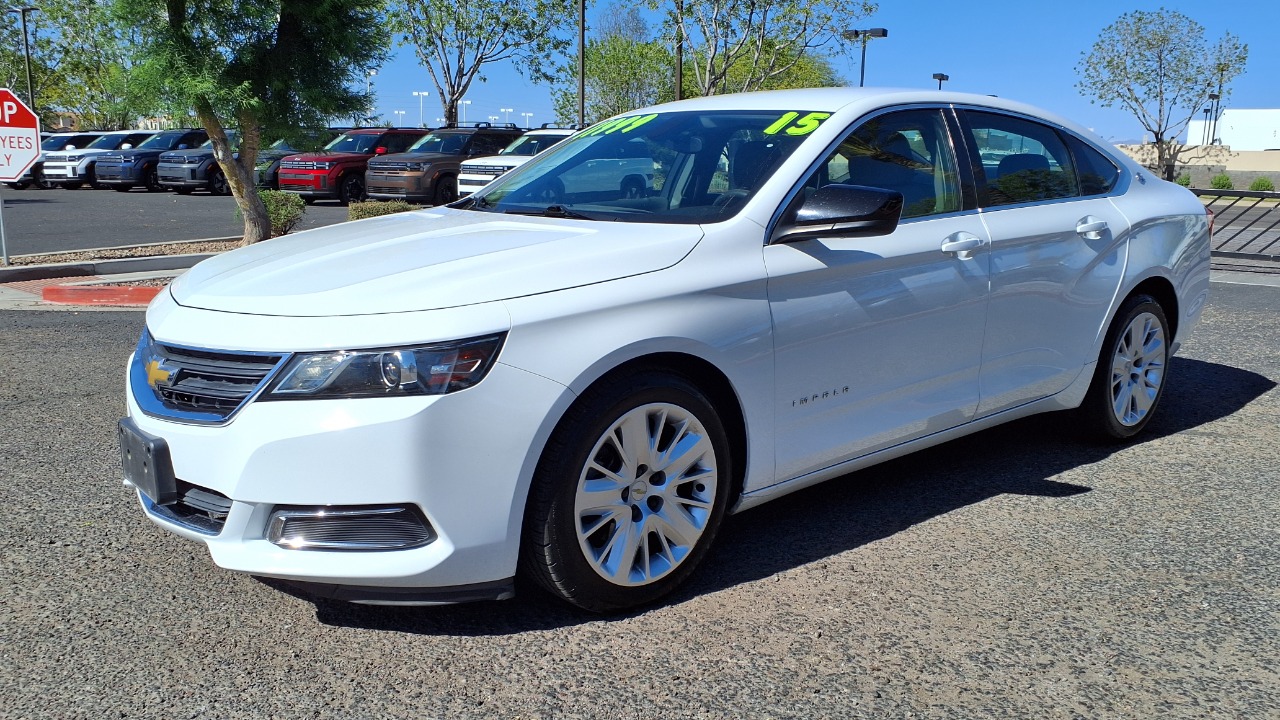
The Chevrolet Impala has long been a staple in American automotive history, representing a blend of performance, style, and innovation. Over the decades, various models have emerged, each contributing uniquely to the legacy of this iconic vehicle. From its initial release to its more recent iterations, the Impala has played a crucial role in shaping Chevrolet’s reputation and expanding its market presence.
The 1958 Impala: The Birth of an Icon
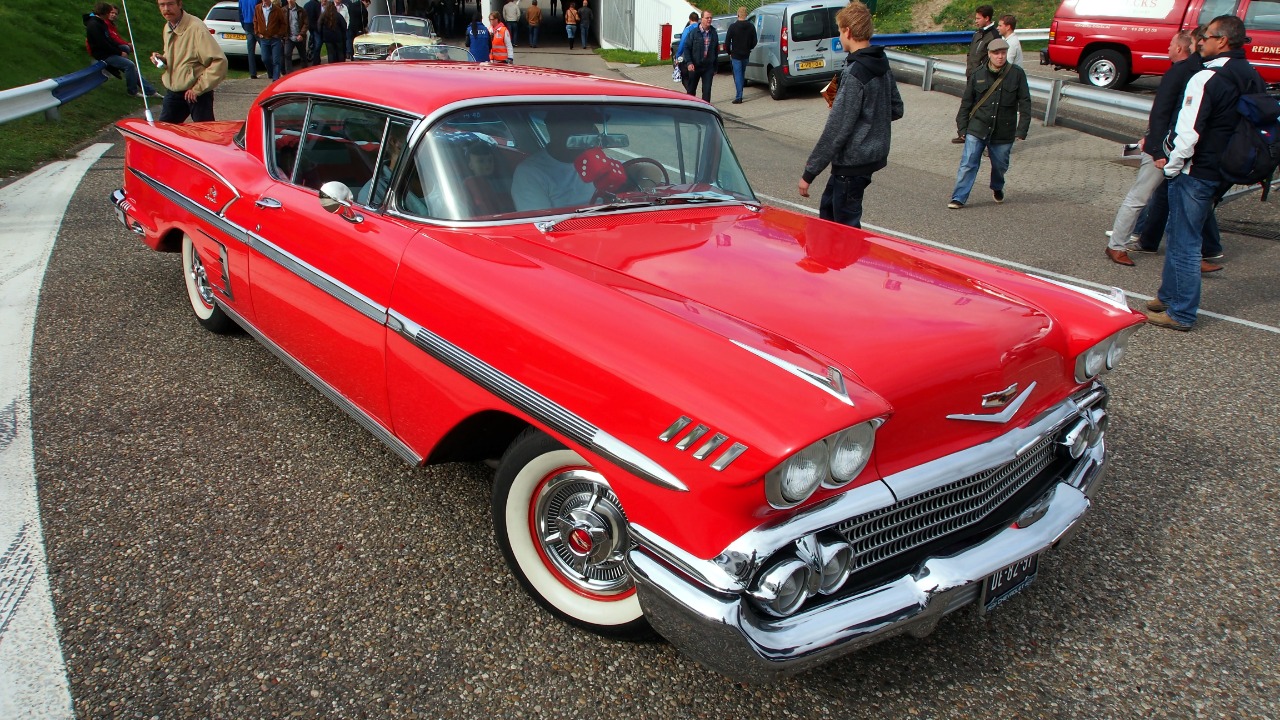
The 1958 Chevrolet Impala marked the introduction of a model that would become synonymous with American car culture. Featuring a unique design that included a long hood and a wide stance, the 1958 model was distinguished by its dual headlights and flashy tail fins. This was a time when Chevrolet aimed to attract younger buyers, and the Impala’s stylish look did just that. It was available as a hardtop coupe, convertible, and sedan, appealing to various consumer preferences.
Under the hood, the 1958 Impala offered a range of engine options, including the powerful 348 cubic inch V8, which provided impressive performance for its time. The car’s interior was equally inviting, with options for luxurious upholstery and advanced features like a push-button radio. Its success set the stage for the Impala’s evolution, establishing it as a key player in the full-size car segment. You can read more about its impact on Chevrolet’s history in detail here.
The 1961 Impala: A Design Revolution
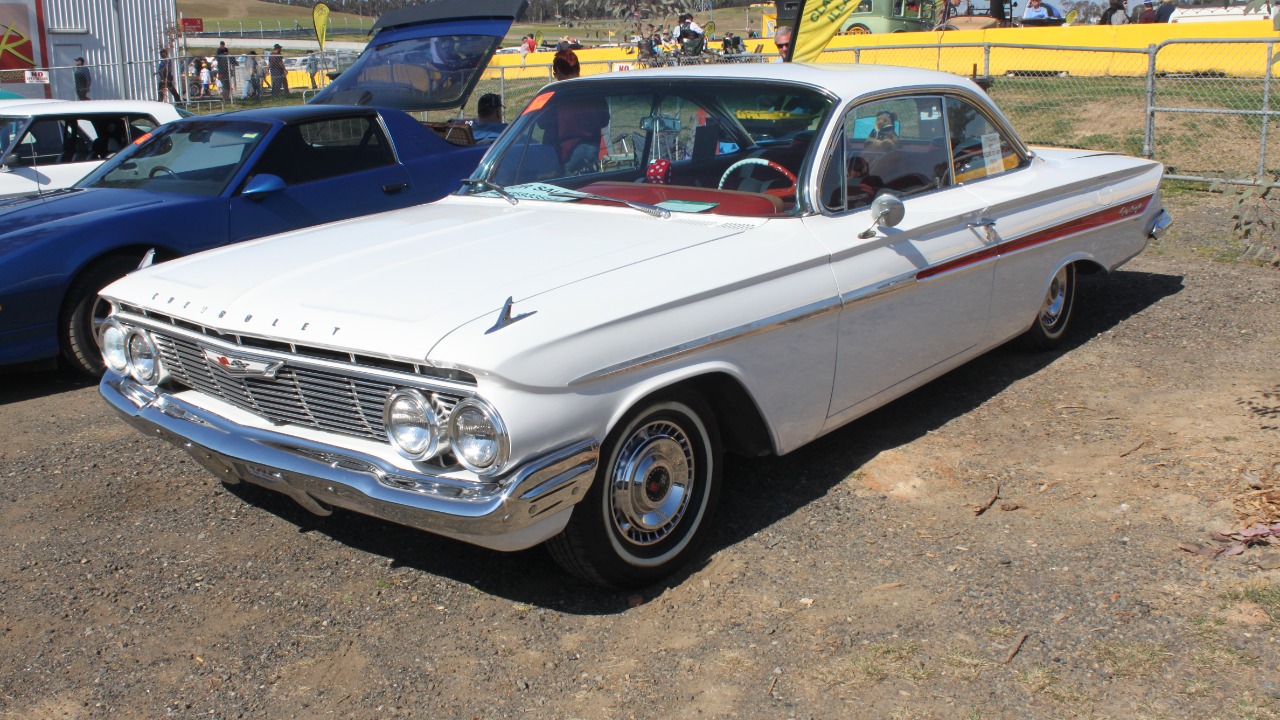
The 1961 Impala is often remembered for its radical design shift, which embraced a more streamlined and modern aesthetic. Featuring a flatter, more angular silhouette, it discarded the tail fins of its predecessor, representing a significant departure from previous styling trends. This model also introduced the iconic triple taillights, which became a hallmark of the Impala brand. The design was not just about looks; it was a reflection of changing consumer tastes and the automotive industry’s shift towards more refined vehicles.
Performance-wise, the 1961 model continued to impress, offering a variety of engine options, including the new 283 cubic inch V8. This engine provided a perfect balance of power and efficiency, making it popular among drivers. The combination of innovative design and reliable performance helped the 1961 Impala solidify its position as a top seller in Chevrolet’s lineup. For further insights into its revolutionary design, you can explore more here.
1963 Chevrolet Impala SS: The Muscle Car Revolution
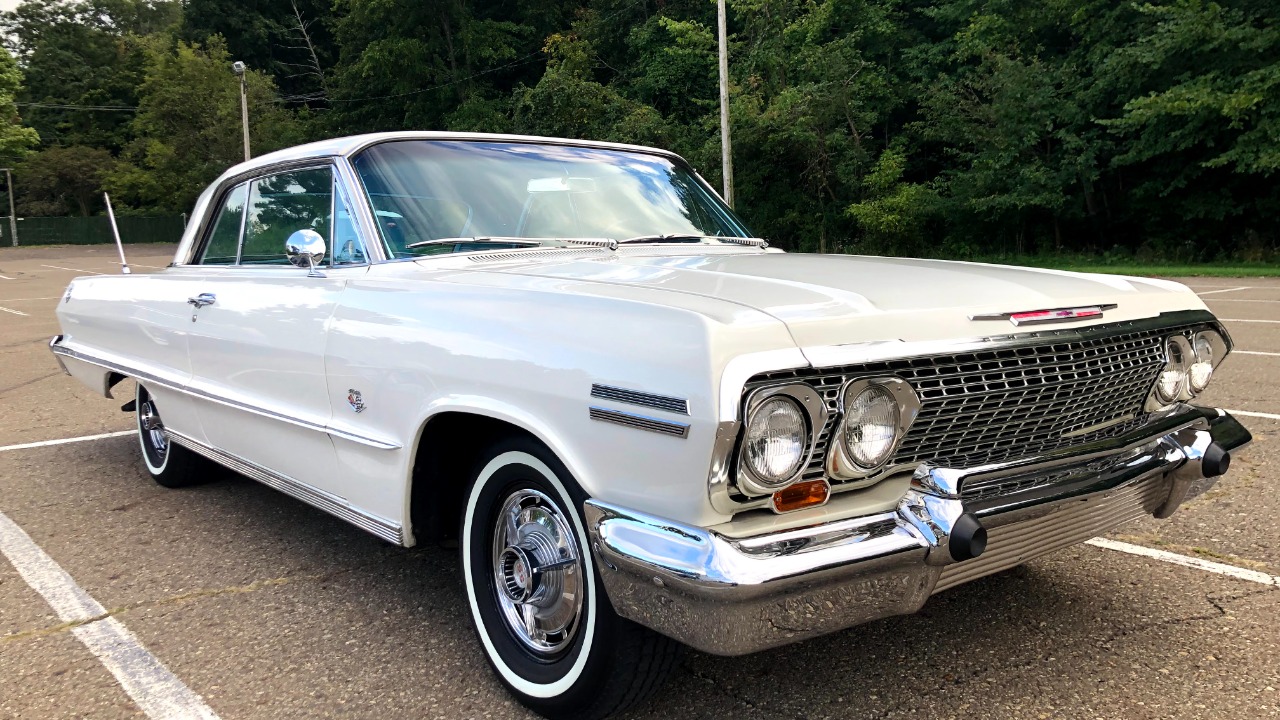
The 1963 Chevrolet Impala SS played a vital role in the muscle car revolution of the 1960s. With its bold styling and powerful engine options, including the legendary 409 cubic-inch V8, this model attracted a new generation of drivers seeking performance. The SS badge signified not just a trim level but a commitment to racing and high-speed thrills.
This Impala was also notable for its racing success, as it dominated drag strips across the country. The 1963 model showcased Chevrolet’s ability to blend family car practicality with muscle car performance, appealing to a broad audience. Its impact on American car culture is undeniable, making it a staple in automotive history. To appreciate its significance further, consider reading about its specifications at MotorTrend.
The 1967 Impala: Muscle Car Era Begins
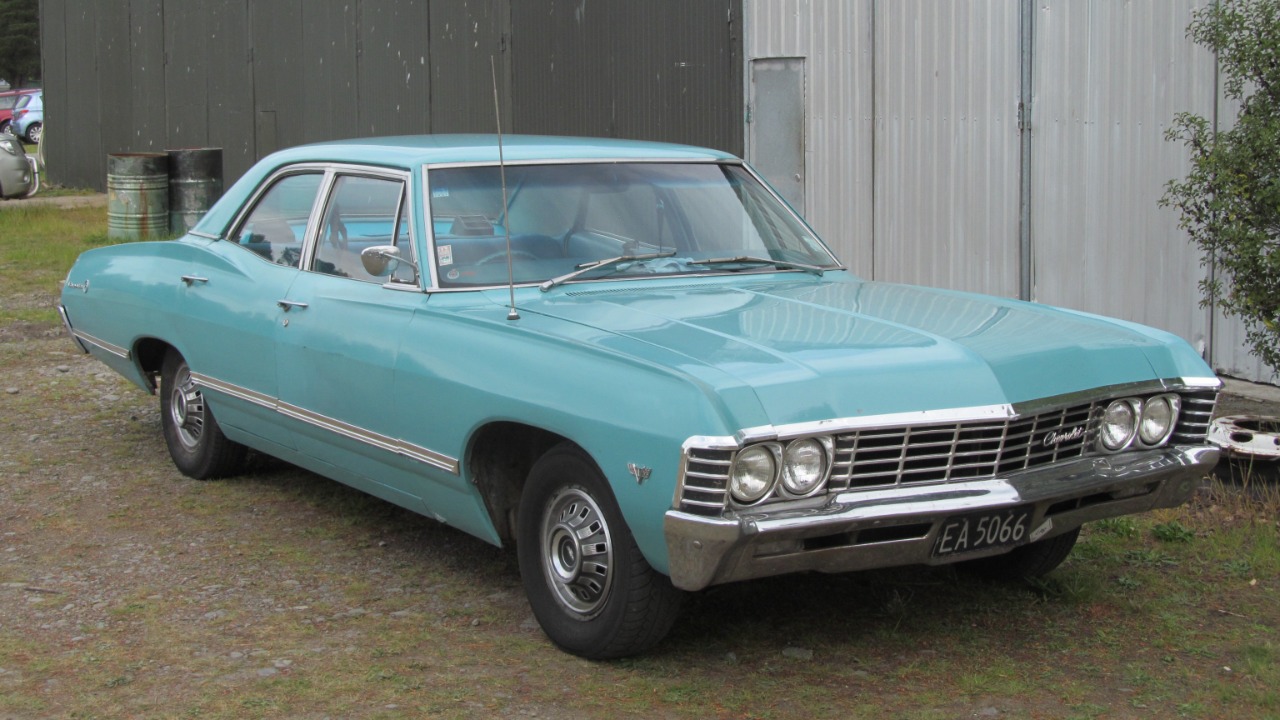
The 1967 Chevrolet Impala emerged during the muscle car era, a time when American car enthusiasts sought high performance and bold designs. This model introduced a more aggressive look, with a longer body and a wider stance, signifying its readiness to compete with other muscle cars of the day. The 1967 Impala was also notable for its powerful engine options, including the 427 cubic inch V8, which delivered exhilarating performance that appealed to speed enthusiasts.
In addition to its performance capabilities, the 1967 Impala offered a spacious and comfortable interior, making it a versatile choice for families and young drivers alike. Its combination of power and practicality helped cement its status as a beloved model in the Chevrolet lineup. The 1967 Impala’s impact on the muscle car segment is well-documented, and its legacy continues to influence car designs today. For more on its significance, check out this resource.
The 1971 Impala: Transition to a New Generation
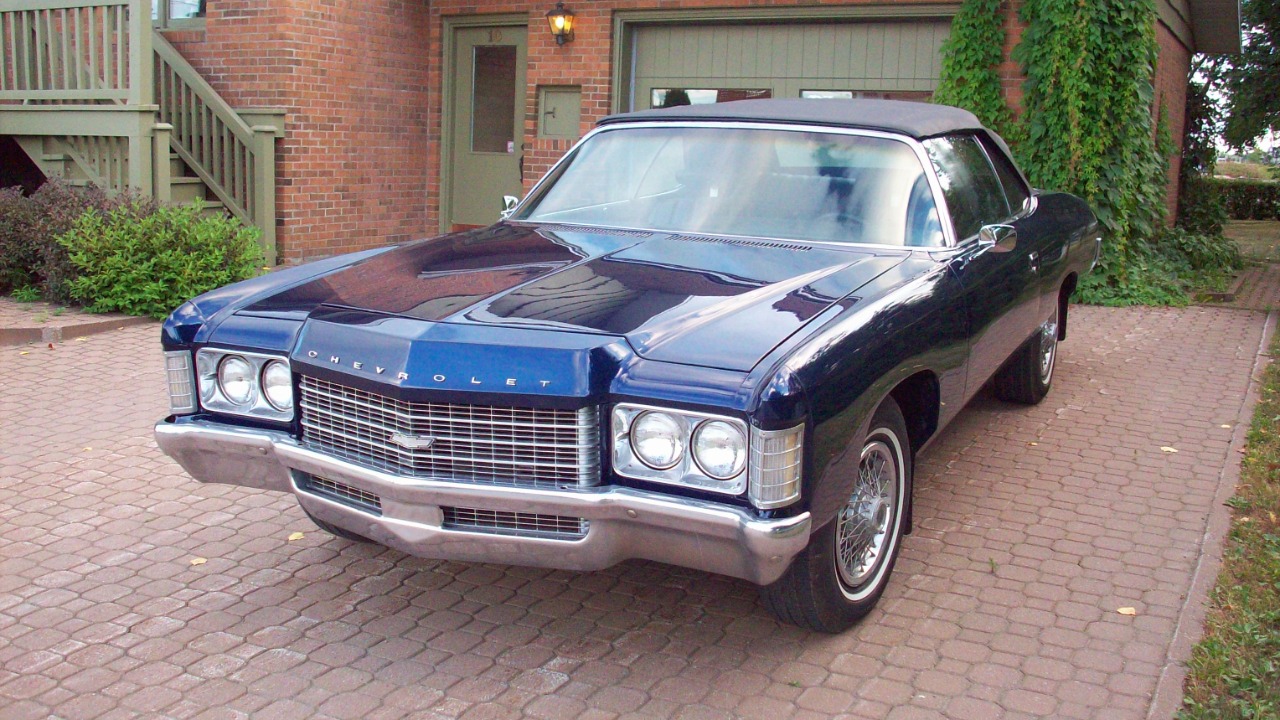
The 1971 Impala represented a significant transition for Chevrolet, marking a shift towards a new generation of vehicles. As fuel prices began to rise and consumer preferences changed, Chevrolet adapted the Impala to be more fuel-efficient while still retaining its full-size appeal. The 1971 model featured a more rounded body style, which was in line with the automotive trends of the early ’70s, focusing on aerodynamics and comfort.
Under the hood, the engine options were modified to balance performance and fuel economy. Although it didn’t have the raw power of its predecessors, the 1971 Impala was equipped with a 350 cubic inch V8 that still provided respectable performance. This model played a crucial role in ensuring the Impala remained relevant during a time of significant change in the automotive industry, adapting to new consumer demands while still delivering a comfortable ride.
The 2000 Impala: Modernization and Mainstream Appeal
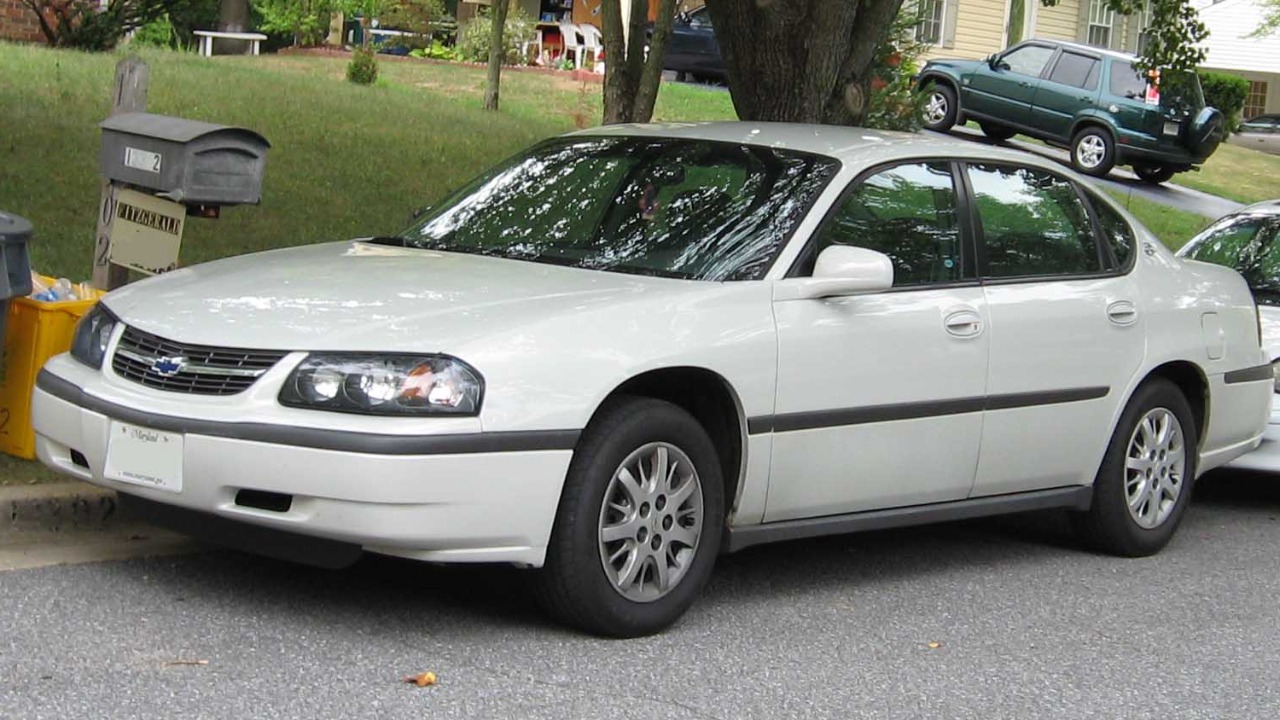
The 2000 Chevrolet Impala was a significant step in modernizing the brand, introducing a contemporary design and updated features that appealed to a broader audience. This model was built on a front-wheel-drive platform, which improved handling and ride quality. The exterior design featured softer lines and a more aerodynamic shape, reflecting the trends of the early 2000s.
Under the hood, the 2000 Impala was offered with various engine options, including a 3.4-liter V6 that balanced performance and fuel efficiency. The interior was designed for comfort and convenience, featuring a spacious cabin with modern technology such as an available CD player and optional leather seating. The 2000 Impala successfully captured the essence of a family sedan while still retaining a touch of sporty appeal, making it a popular choice among consumers.
The 2014 Impala: A Bold Redesign for a New Century
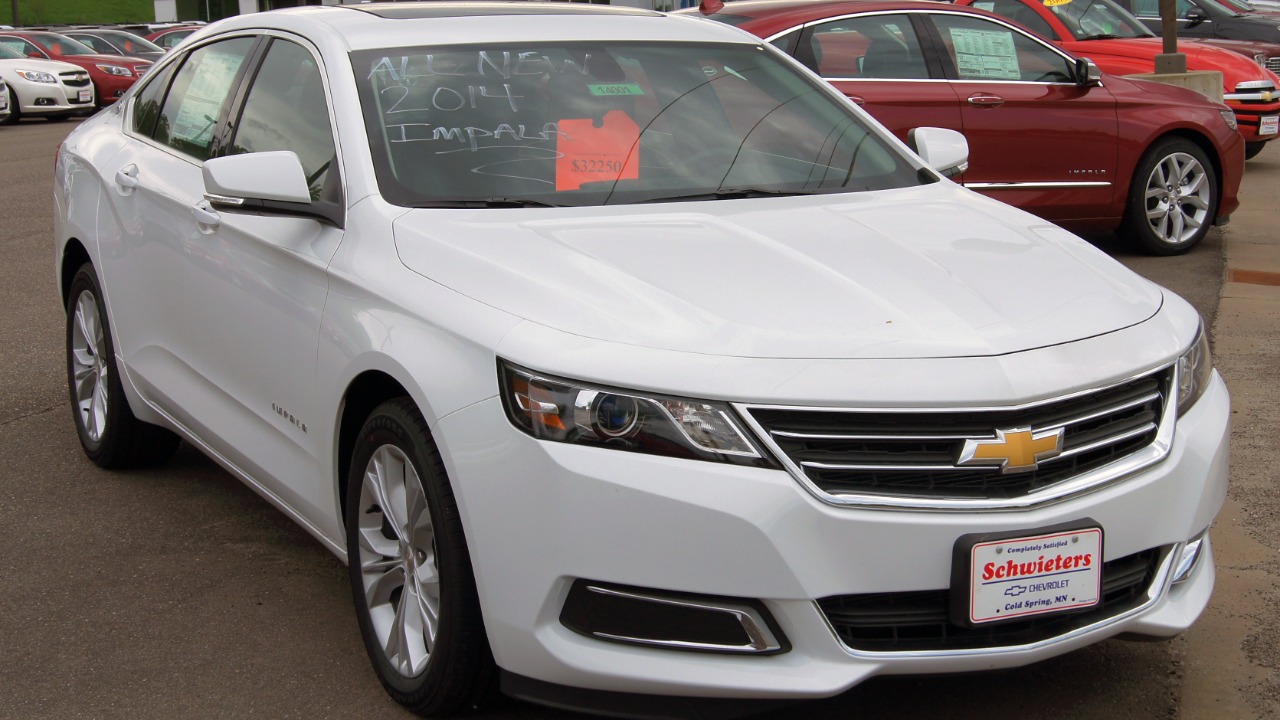
The 2014 Chevrolet Impala represented a bold redesign that aimed to reposition the model within the competitive full-size sedan market. With a striking new exterior that incorporated sharp lines and a more aggressive front fascia, the 2014 Impala conveyed a sense of sophistication and modernity. This redesign not only enhanced its curb appeal but also aimed to attract a younger demographic, which was crucial for the brand’s future.
Inside, the 2014 Impala boasted a spacious and upscale cabin, featuring high-quality materials and advanced technology. The infotainment system was equipped with Chevrolet’s MyLink interface, allowing for seamless smartphone integration. Additionally, the model offered a variety of engine choices, including a fuel-efficient 2.5-liter four-cylinder and a powerful 3.6-liter V6. This combination of style, comfort, and technology helped the 2014 Impala make a lasting impression in the automotive market.
The 2020 Impala: The End of an Era
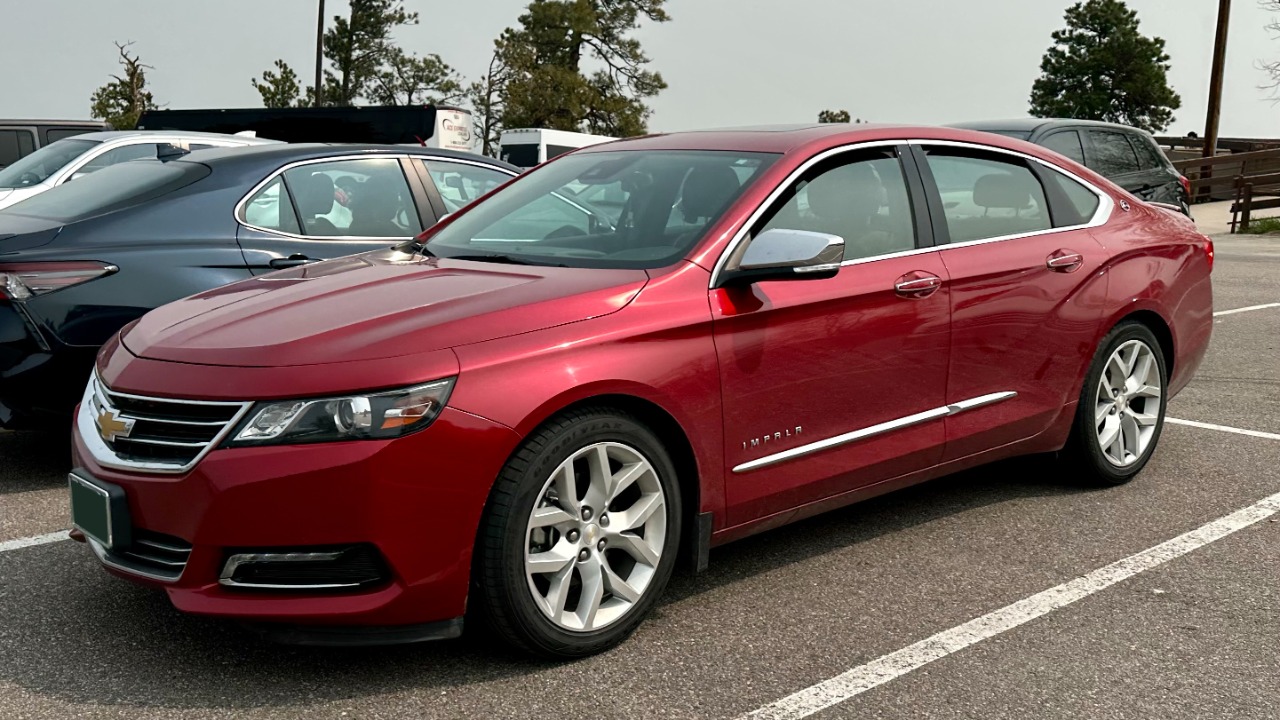
The 2020 Chevrolet Impala marked the end of an era, as Chevrolet announced that it would discontinue the model after this year. This full-size sedan continued to offer a spacious interior and a comfortable ride, maintaining the characteristics that made it popular over the decades. The 2020 model featured a familiar design with a sleek profile and modern technology, including a user-friendly infotainment system.
Under the hood, the 2020 Impala was powered by a robust 3.6-liter V6 engine, providing a smooth and responsive driving experience. However, the automotive landscape was shifting towards SUVs and crossovers, leading to decreased demand for traditional sedans. Despite its discontinuation, the legacy of the Impala lives on, with its rich history influencing Chevrolet’s future designs and innovations. The Impala remains a beloved nameplate in automotive history, and its contributions to Chevrolet are undeniable.
More from Fast Lane Only
- Unboxing the WWII Jeep in a Crate
- 15 rare Chevys collectors are quietly buying
- 10 underrated V8s still worth hunting down
- Police notice this before you even roll window down
*Research for this article included AI assistance, with all final content reviewed by human editors.