Throughout automotive history, certain vehicles have revolutionized design and technology, leaving a lasting impact on future models. From the birth of mass production to the rise of electric vehicles, these iconic cars have shaped the industry in significant ways. Here are eight vehicles that quietly influenced future automotive design.
Ford Model T: The Birth of Mass Production
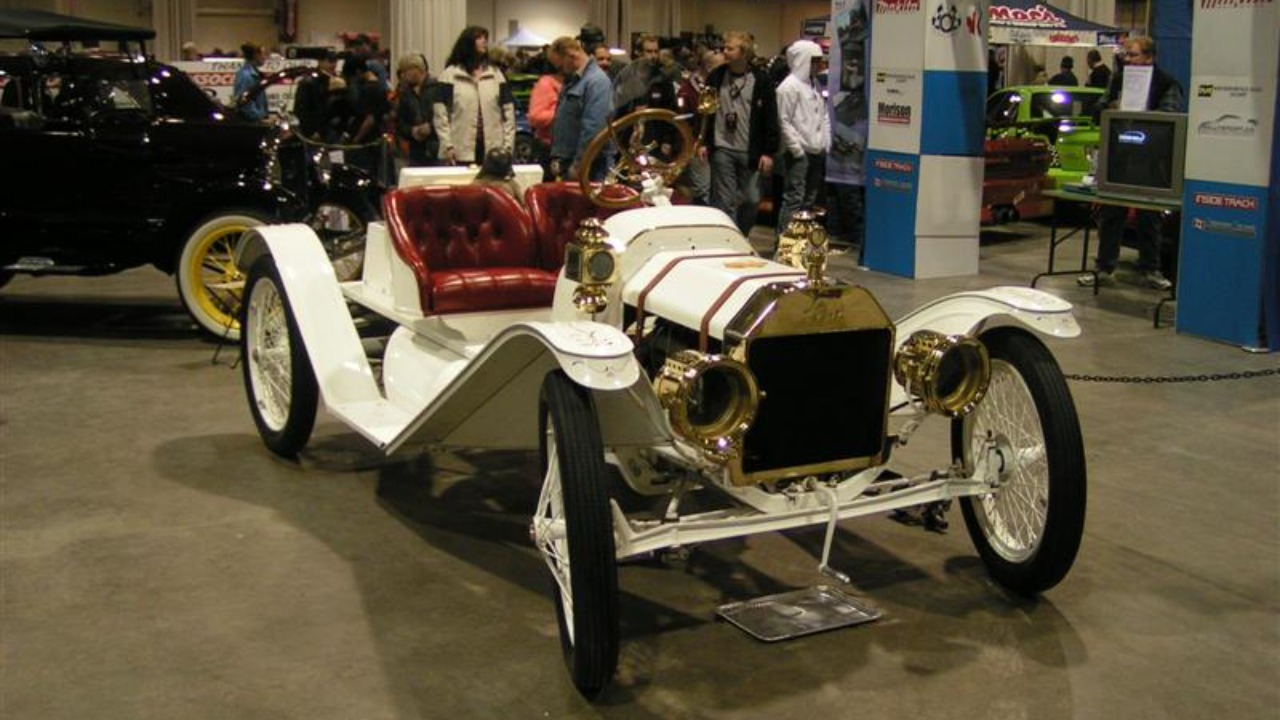
The Ford Model T, launched in 1908, is often credited with revolutionizing the automotive industry through mass production techniques. Henry Ford’s introduction of the assembly line allowed for cars to be manufactured more efficiently, drastically reducing costs. This approach made car ownership accessible to the average American, fundamentally altering transportation.
This vehicle’s simple design and affordability set the stage for the mass-market automobile. Its success influenced not only Ford but the entire automotive industry, prompting other manufacturers to adopt similar production methods. The Model T’s legacy persists, as modern car makers still emphasize efficiency and cost-effectiveness in their production processes.
Volkswagen Beetle: The Icon of Simplicity
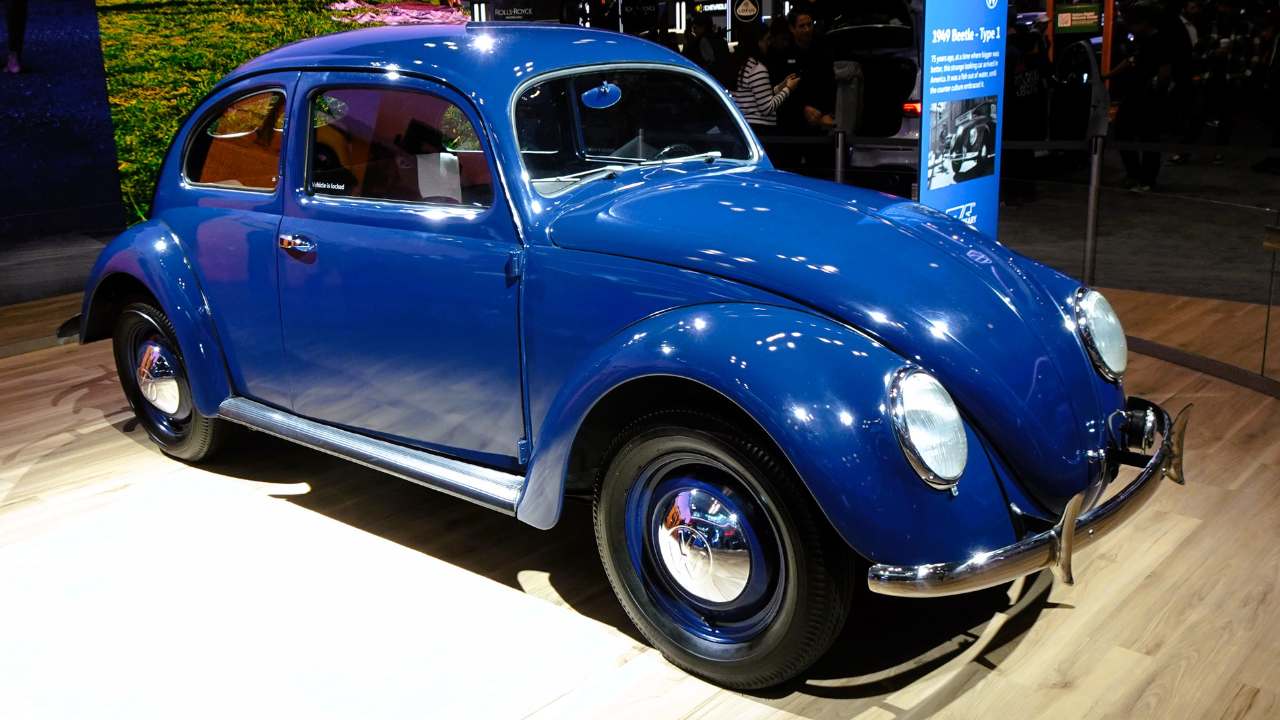
Introduced in 1938, the Volkswagen Beetle is one of the most recognizable cars in history. Its simple, rounded design and reliable engineering made it an enduring symbol of practicality and functionality. The Beetle was designed to be affordable and easy to maintain, appealing to a broad audience.
The Beetle’s influence can be seen in numerous compact cars that followed, emphasizing the value of simplicity and efficiency in design. Its unique aesthetics and user-friendly features continue to inspire modern vehicles, making it a landmark in automotive history.
Chevrolet Corvette: The American Sports Car Revolution
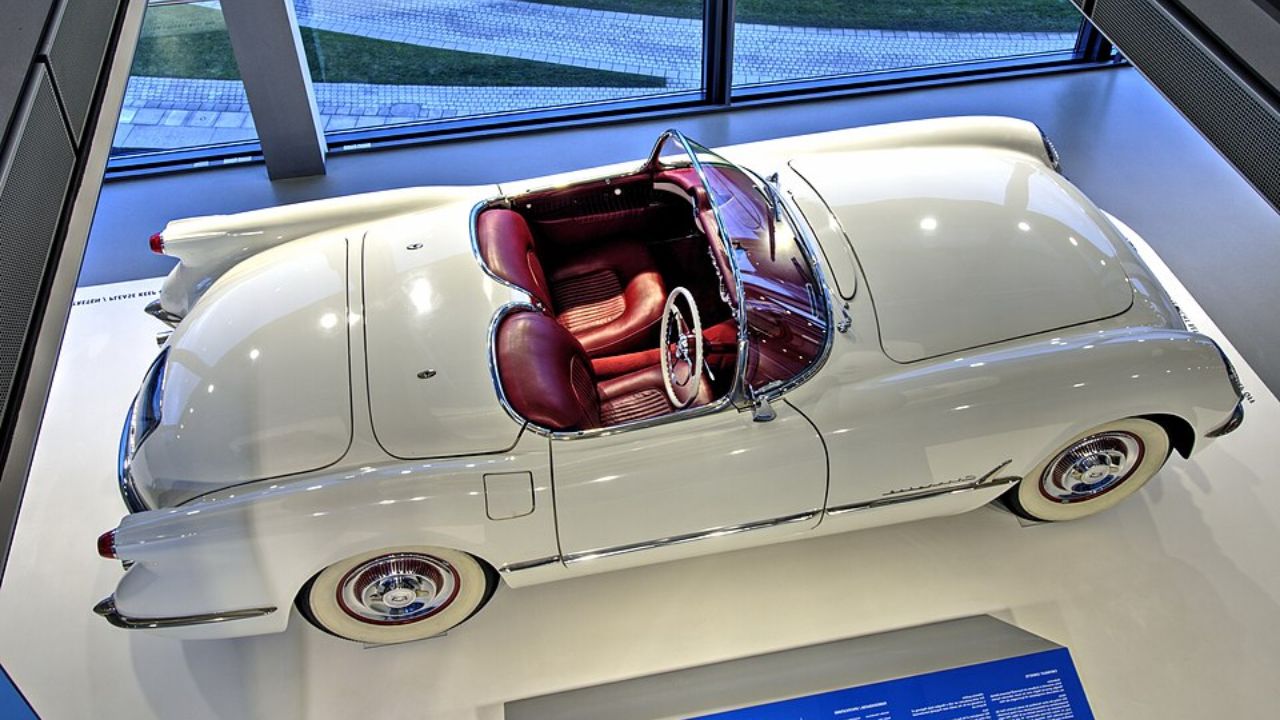
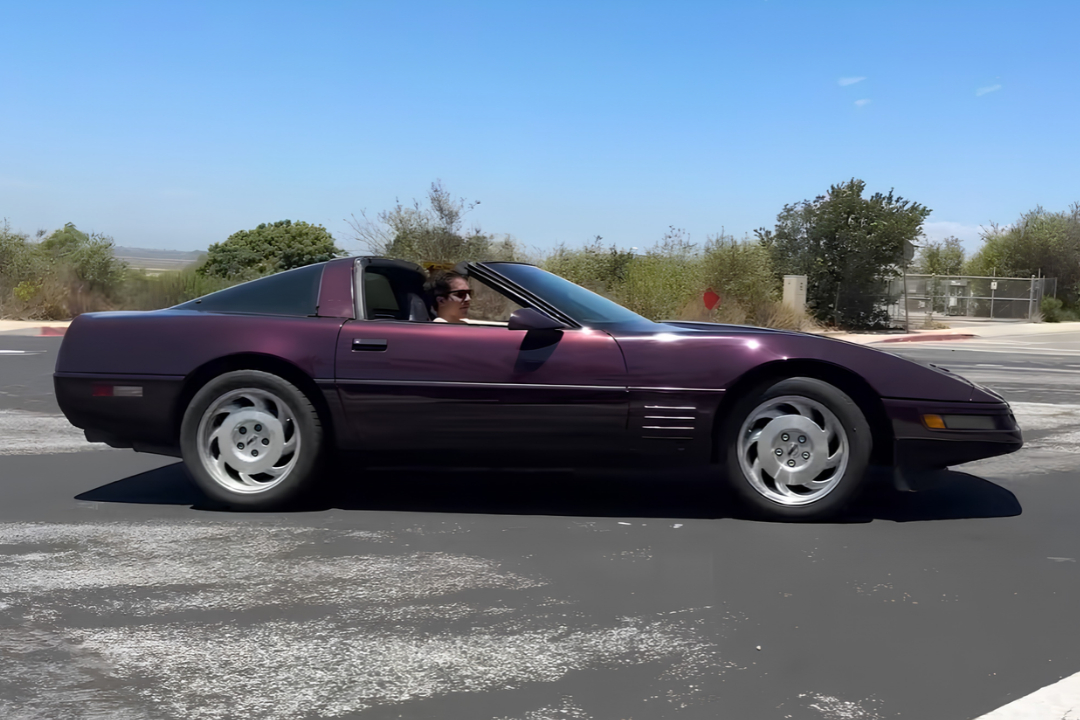
Launched in 1953, the Chevrolet Corvette solidified its place as a symbol of American automotive performance. The Corvette’s blend of sleek design, powerful engines, and advanced engineering has made it an icon of the sports car segment. Its introduction challenged European dominance in the sports car market.
As a result, the Corvette has influenced numerous design philosophies, focusing on aerodynamics and performance capabilities. The vehicle has continually evolved, showcasing the importance of innovation and technology in sports car design. Its legacy is evident in contemporary models that seek to balance speed with aesthetic appeal.
Toyota Prius: Pioneering Hybrid Technology

Released in 1997, the Toyota Prius marked a significant shift towards sustainable automotive technology. As the world’s first mass-produced hybrid vehicle, the Prius challenged traditional car design by integrating electric and gasoline power sources. This innovation paved the way for future hybrid and electric vehicles.
Its unique design, focused on aerodynamics and fuel efficiency, has influenced numerous manufacturers to prioritize sustainability in their models. The Prius’s success has propelled the automotive industry towards greener technologies, encouraging the development of electric vehicles that are now commonplace on roads worldwide.
Mini Cooper: Compact Design and Urban Mobility
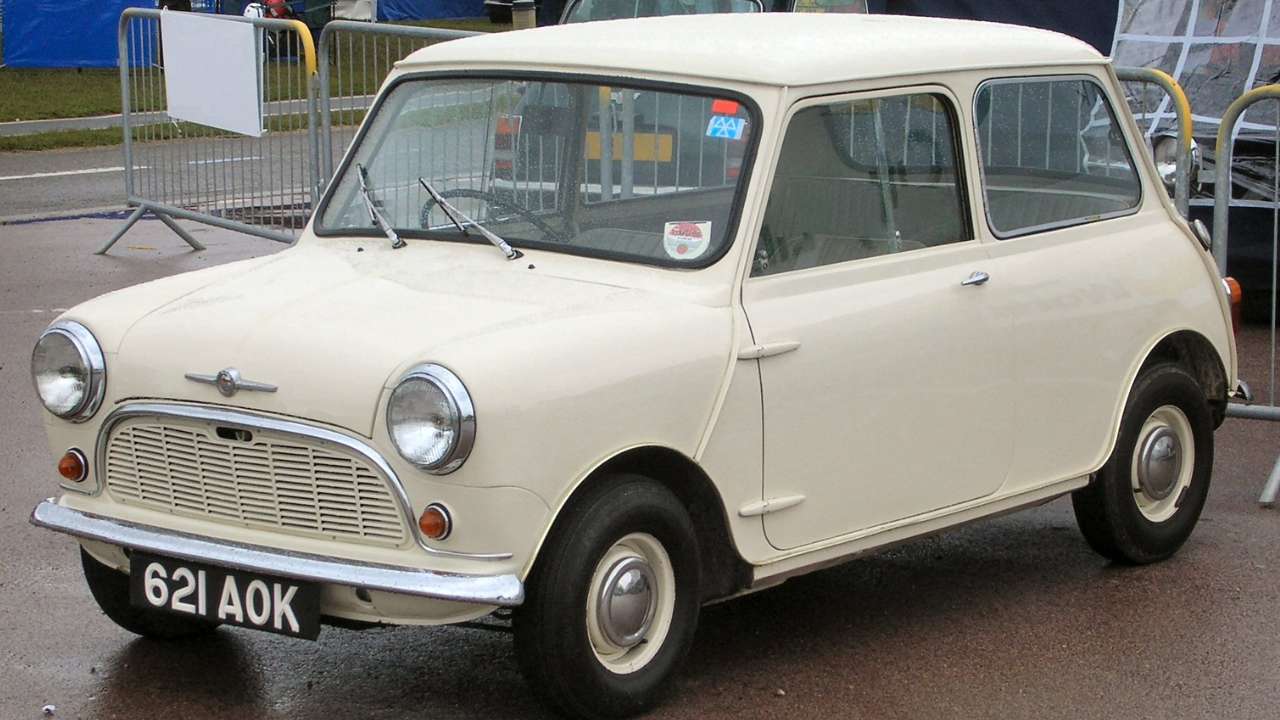
The Mini Cooper, first introduced in 1959, revolutionized compact car design. Its small size and maneuverability made it the ideal vehicle for urban environments, emphasizing the importance of efficient space utilization. The Mini’s design philosophy has influenced countless city cars, promoting the idea that compact does not mean compromising on style or performance.
Today, the Mini Cooper continues to inspire modern urban vehicles. Its iconic design and focus on driving pleasure demonstrate that even small cars can deliver a fun and engaging driving experience. The Mini’s legacy is reflected in various contemporary models that prioritize compactness and efficiency.
Tesla Model S: Redefining Electric Vehicles

Since its launch in 2012, the Tesla Model S has redefined the electric vehicle landscape. With its long range, impressive performance, and innovative technology, this car has challenged preconceived notions about electric vehicles. The Model S demonstrates that EVs can compete with traditional gasoline-powered cars in terms of performance and luxury.
This vehicle has spurred other manufacturers to accelerate their own electric vehicle programs, emphasizing sustainability without sacrificing quality or performance. The Model S has become synonymous with the future of automotive design, showcasing how technology can transform not only vehicles but also the industry’s overall direction.
Land Rover Defender: The Advent of Adventure SUVs

Since its inception in 1948, the Land Rover Defender has set the standard for rugged, off-road vehicles. Its robust design and unparalleled capability have made it a favorite among adventurers and outdoor enthusiasts. The Defender’s ability to tackle diverse terrains has influenced the SUV segment significantly.
The enduring appeal of the Defender lies in its versatility and functionality, prompting other manufacturers to consider off-road capabilities in their designs. The SUV market has expanded greatly, with many models now offering advanced off-road features inspired by the Defender’s legacy.
Dodge Charger: The Muscle Car Legacy
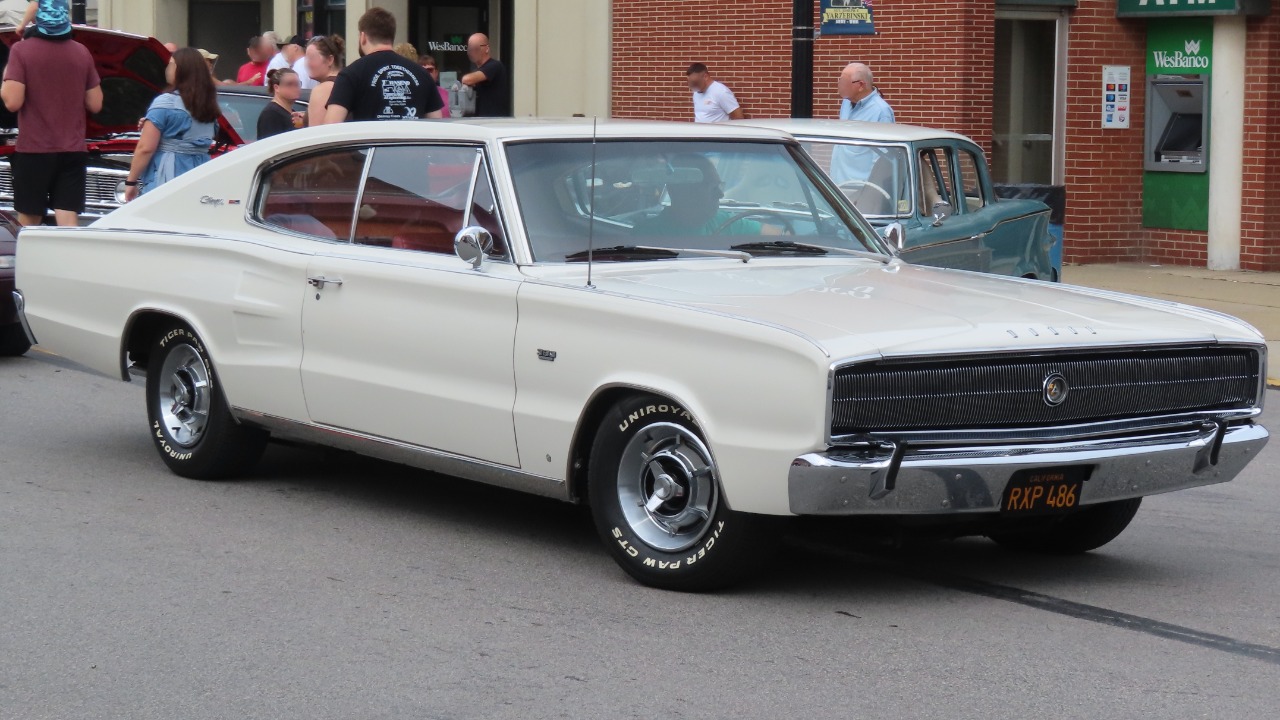
Introduced in 1966, the Dodge Charger became an icon of American muscle cars, known for its powerful engines and aggressive styling. The Charger represented a shift in automotive design, focusing on performance and speed, which appealed to a generation of driving enthusiasts.
The Charger’s influence on design can be seen in the resurgence of muscle cars in the 21st century, with manufacturers reviving classic aesthetics while integrating modern technology. Its legacy continues to inspire new models that emphasize power, performance, and a distinctive American identity in automotive design.
More from Fast Lane Only