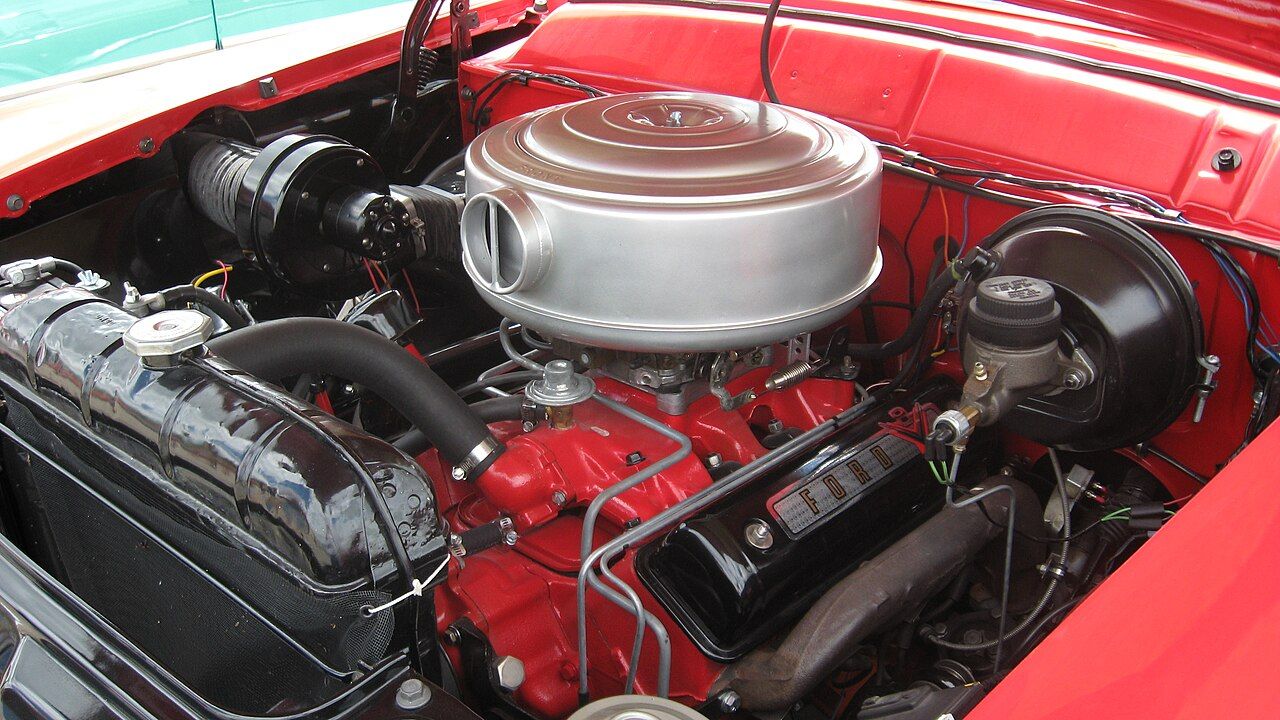
The Ford Y-Block engine, introduced in 1954, marked a significant evolution in automotive engineering. With its innovative design and improved performance, the Y-Block became a key player in the competitive automotive landscape of the 1950s. This article delves into the origins of the Y-Block name, its design characteristics, and its lasting impact on the automotive industry during its time.
Historical Context of the Y-Block Engine
The early 1950s were a transformative period for the automotive industry. Manufacturers were rapidly evolving their engine designs to meet growing consumer demand for power and efficiency. The flathead engines that had dominated the market for years were being replaced by more advanced overhead valve designs. This shift was not merely a technical evolution; it was a race among automakers to capture the hearts and wallets of American drivers. Ford was keenly aware of the competition, particularly from rivals like Chevrolet and Chrysler, who were also innovating at a brisk pace.
Ford recognized that to maintain its competitive positioning, it needed to introduce an engine that not only matched but exceeded the capabilities of its rivals. The introduction of the Y-Block engine in 1954 came at a crucial juncture when the company was vying for market share in the fast-growing automotive sector. The Y-Block was part of Ford’s strategy to modernize its lineup and enhance its reputation as a leader in automotive technology.
The Design of the Y-Block Engine
The design of the Y-Block engine was revolutionary for its time. Featuring a V8 configuration, the engine was characterized by its unique “Y” shape, which contributed to its streamlined appearance and efficient airflow. One of the key innovations was the incorporation of overhead valves, which allowed for better performance and fuel efficiency. This design represented a significant departure from the earlier flathead engines and showcased Ford’s commitment to advancing engine technology.
Moreover, the Y-Block engine utilized advanced materials and manufacturing techniques that improved durability and performance. The use of high-quality cast iron and aluminum alloys not only enhanced the engine’s strength but also reduced its weight, contributing to better overall vehicle dynamics. The attention to detail in the Y-Block’s engineering laid the groundwork for future Ford engines, influencing designs for decades to come.
Why It’s Called the Y-Block
The “Y” in Y-Block refers to the engine’s distinctive design architecture. Unlike traditional engines that employed a more conventional layout, the Y-Block’s shape was specifically engineered to optimize airflow and combustion efficiency. This unique configuration is what set it apart from other engine types, making the name a fitting representation of its design philosophy.
In comparison to other naming conventions in the automotive industry, the Y-Block designation highlights the engine’s innovative characteristics rather than merely its size or type. While many engines were named after their cubic inch displacement or design style, the Y-Block’s nomenclature emphasizes its architectural uniqueness, which was a testament to Ford’s engineering prowess during that era.
Performance Characteristics
The Y-Block engine delivered impressive power output and torque specifications, making it a popular choice among Ford’s lineup. Depending on the specific variant, the engine produced between 160 to 300 horsepower, a notable increase compared to its predecessor, the Flathead V8. This surge in power significantly impacted vehicle performance, offering drivers a much more exhilarating driving experience.
The enhancements in the Y-Block’s performance were not just about raw horsepower; the engine also provided improved torque characteristics, which contributed to better acceleration and responsiveness. This made Ford vehicles equipped with the Y-Block more competitive in the marketplace, allowing them to attract a wider range of consumers who were looking for both power and reliability in their cars.
Variants of the Y-Block Engine
The Y-Block engine came in various displacements and configurations, catering to different vehicle types and consumer needs. Notable variants included the 272, 292, and 312 cubic inch engines, each tailored for specific applications within the Ford lineup. The 312, for example, was particularly popular in high-performance models, such as the Ford Thunderbird and various Ford trucks, showcasing the engine’s versatility.
In addition to standard configurations, Ford also developed special editions of the Y-Block for racing and performance enthusiasts. These performance variants often featured enhancements such as improved carburetors and exhaust systems, enabling them to deliver even more power. Ford’s commitment to performance was evident as they adapted the Y-Block for various models, solidifying its reputation as a reliable and powerful engine choice across their lineup.
Y-Block in Popular Culture
The Y-Block engine has left an indelible mark on popular culture, particularly among classic car enthusiasts and restoration communities. Its distinctive sound and performance characteristics have made it a favorite among classic car restorers, who appreciate the engine’s historical significance and mechanical simplicity. Many enthusiasts actively seek out Y-Block engines for restoration projects, ensuring that this piece of automotive history remains alive and well.
Additionally, the Y-Block has been featured in various automotive literature and media, further cementing its status as a classic engine. Articles, books, and documentaries often highlight the Y-Block’s contributions to automotive engineering, showcasing notable vehicles such as the 1957 Ford Fairlane and the 1956 Ford Thunderbird, both of which prominently featured this iconic engine. The Y-Block continues to inspire admiration and nostalgia among car lovers, making it a cherished part of automotive history.
The Legacy of the Y-Block Engine
The legacy of the Y-Block engine extends far beyond its production years. It played a crucial role in shaping subsequent Ford engine designs, influencing the development of small-block engines that would dominate the automotive landscape for years to come. The innovations introduced with the Y-Block set the stage for future advancements in engine technology, making it a pivotal chapter in Ford’s engineering history.
Despite its discontinuation, the Y-Block remains a popular choice among collectors and classic car enthusiasts. Its unique design and performance characteristics continue to capture the imagination of those who appreciate vintage automobiles. The enduring popularity of Y-Block-powered vehicles is a testament to Ford’s engineering excellence and the engine’s lasting impact on the automotive industry.
Challenges and Limitations
Like any engine, the Y-Block faced its share of challenges and limitations during its production lifecycle. Common issues included overheating and oil leaks, which could arise due to the engine’s design and the materials used. Owners often reported these problems, leading to a reputation for maintenance difficulties among some enthusiasts. Comparatively, other engines of the era, such as the Chevrolet small-block, often garnered praise for their reliability and ease of maintenance.
Despite these challenges, many Y-Block enthusiasts found solutions and improvements through aftermarket modifications and upgrades. The engine’s design allowed for various enhancements, making it a platform for performance tuning and restoration. Enthusiast communities often share their experiences and solutions, contributing to the Y-Block’s resilience and continued popularity among vintage car lovers.
Modern Perspectives on the Y-Block Engine
Today, interest in the Y-Block engine remains robust, particularly among classic car enthusiasts and restorers. Many seek out resources for maintaining and rebuilding these engines, ensuring that they can enjoy the unique performance and characteristics that the Y-Block offers. Online forums and groups dedicated to Ford enthusiasts provide valuable information and support for those looking to preserve this iconic engine.
The Y-Block’s place in the history of automotive engineering is secure, and its relevance in contemporary discussions is evident. As more people become interested in vintage vehicles, the Y-Block continues to be celebrated for its contributions to performance and design. Resources, such as Jalopnik articles and engine blogs, offer insights into maintaining these engines and highlight their ongoing appeal in the classic car community.
More from Fast Lane Only