Classic wagons have a way of becoming part of the family rather than just another vehicle in the driveway. Their combination of passenger space, useful cargo room, simple practicality, and distinctive character made them dependable companions for decades. As manufacturers moved toward SUVs and crossovers, many of these long-roof cars disappeared. Today, owners who still have them often find that replacing their wagon with something newer is easier said than done.
Chevrolet Nomad
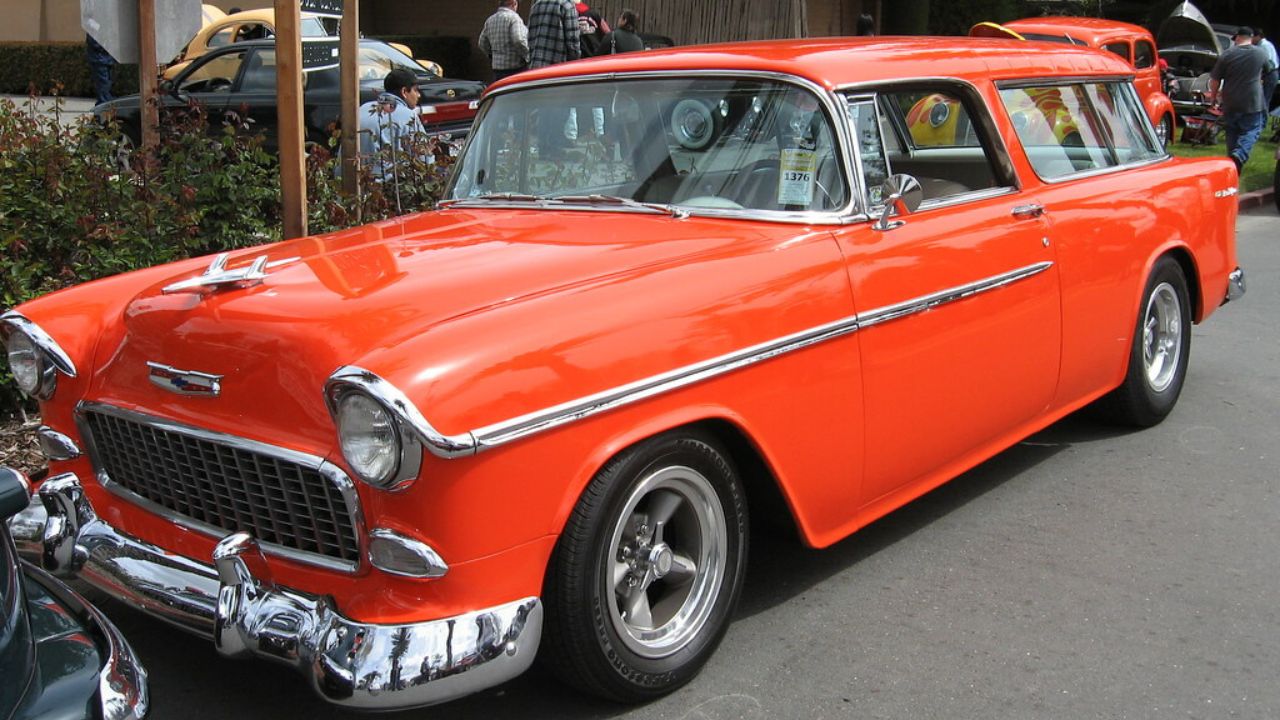
The Chevrolet Nomad was never just another family wagon. Its distinctive roofline, sweeping side trim, and two-door configuration gave it a sporty character that separated it from ordinary station wagons. The combination of useful cargo space and dramatic 1950s styling made it one of Chevrolet’s most memorable long-roof designs. Owners who appreciate its unusual personality have plenty of reasons to hold on to one. Finding another example in comparable condition can be far harder than simply buying a newer wagon or SUV.
Ford Country Squire
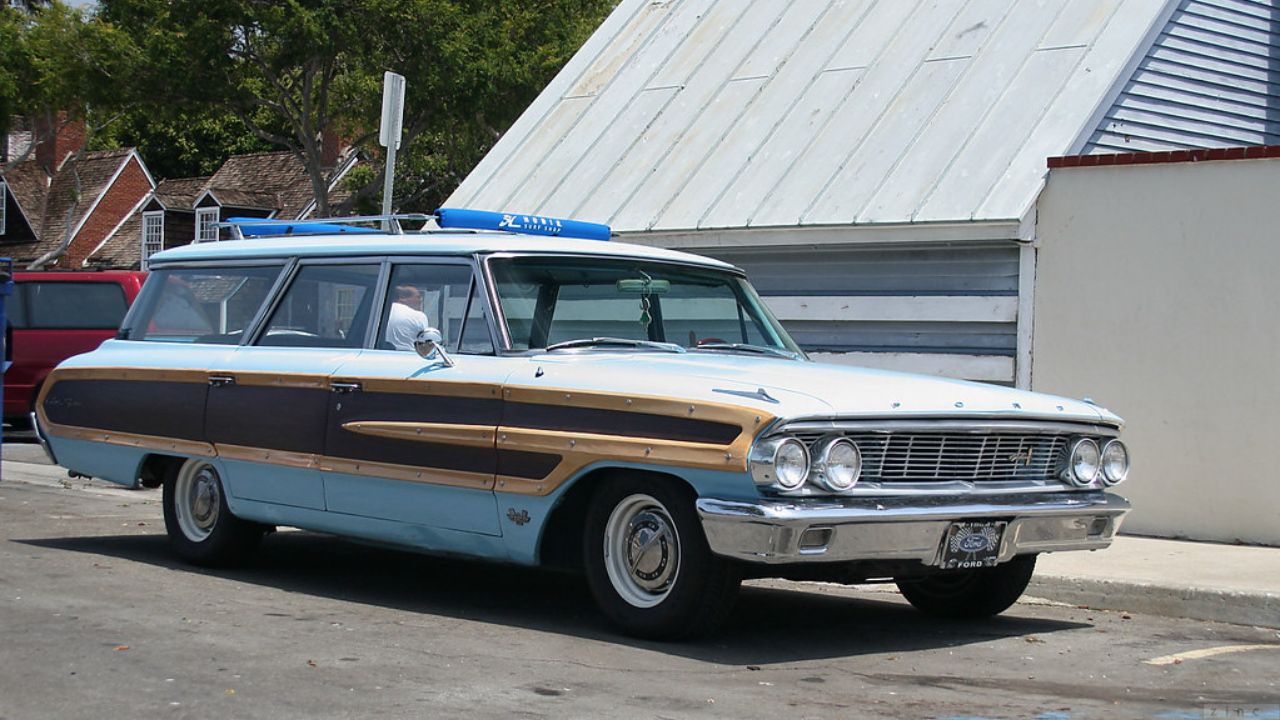
The Country Squire became one of America’s most recognizable family wagons, particularly because of its woodgrain exterior and spacious cabin. It could carry a large family, luggage, and plenty of everyday equipment without giving up the comfort expected from a full-size Ford. Generations of families grew up with these cars, giving them an unusually strong emotional connection. Even today, an owner who enjoys the traditional American wagon experience has few modern vehicles that truly replicate its combination of size, character, and practicality.
Dodge Magnum
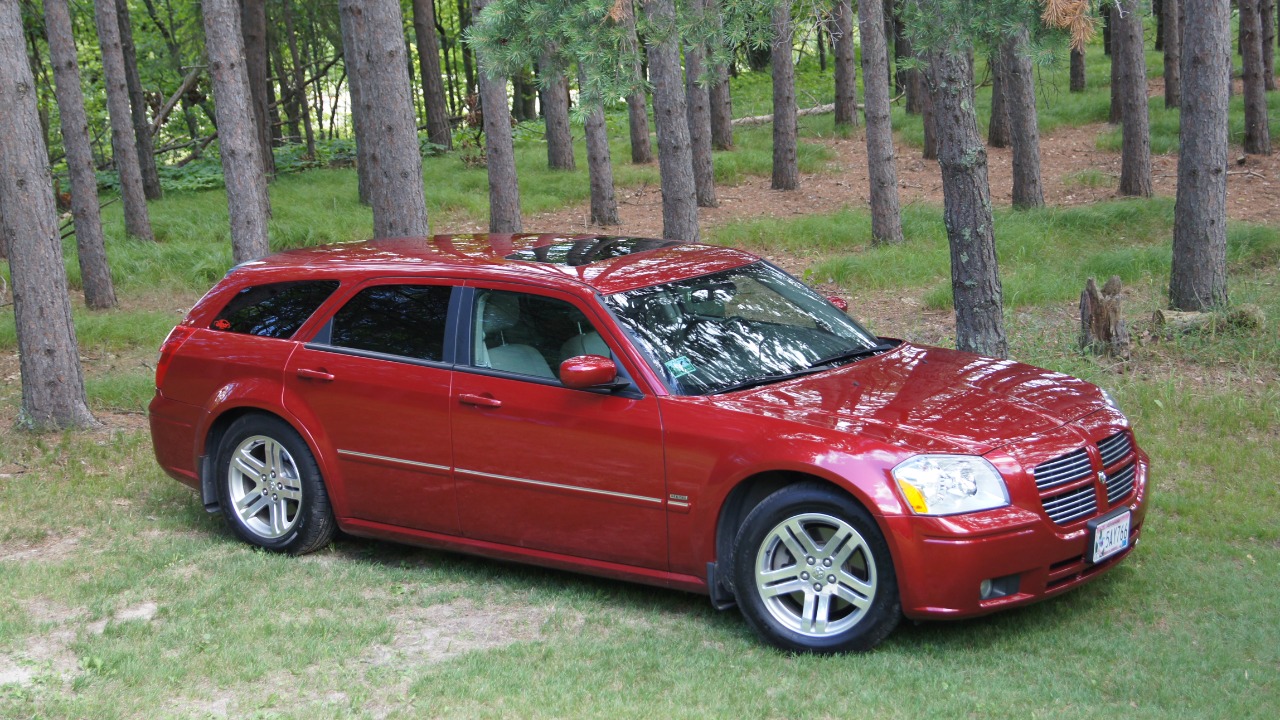
The Dodge Magnum brought the station wagon concept back to American performance-car culture in a distinctly modern way. Its long roof, rear-wheel-drive platform, and available V8 power made it much more interesting than the average family hauler. The large cargo area also gave it genuine usefulness. Because the model had a relatively short run, finding a clean example is becoming more difficult. Owners who enjoy its combination of aggressive styling and wagon practicality have little reason to trade it for an ordinary crossover.
Audi 200 Avant
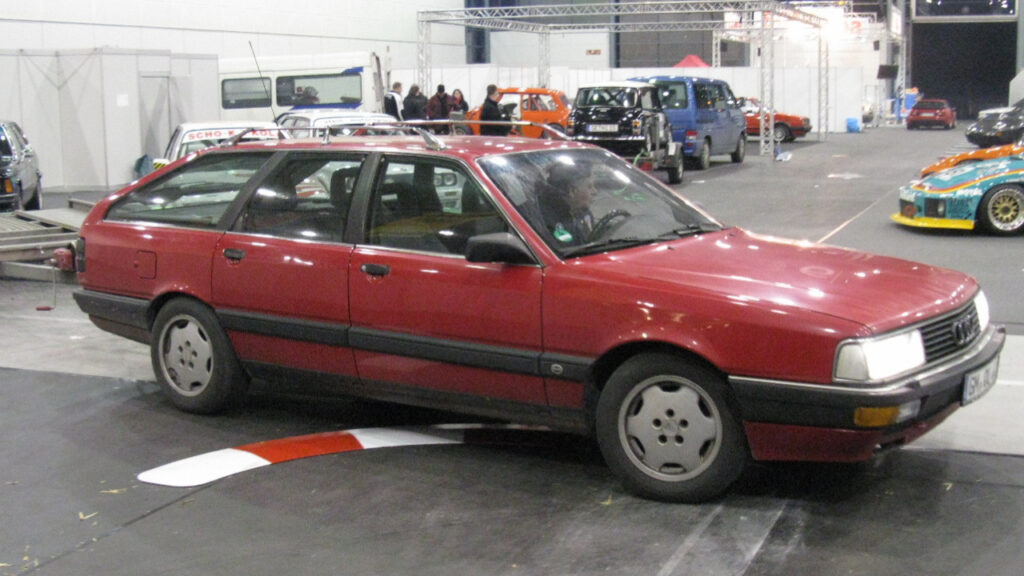
The Audi 200 Avant combined understated luxury with serious long-distance capability. Its turbocharged five-cylinder power, sophisticated chassis, and available quattro all-wheel drive made it an unusually advanced wagon for its era. Production numbers were never large, particularly for the more desirable versions, so clean survivors are difficult to encounter today. Owners who value its distinctive engineering appreciate that it offers something modern luxury wagons often lack: a strong sense of mechanical personality underneath its restrained appearance.
Peugeot 505 Wagon
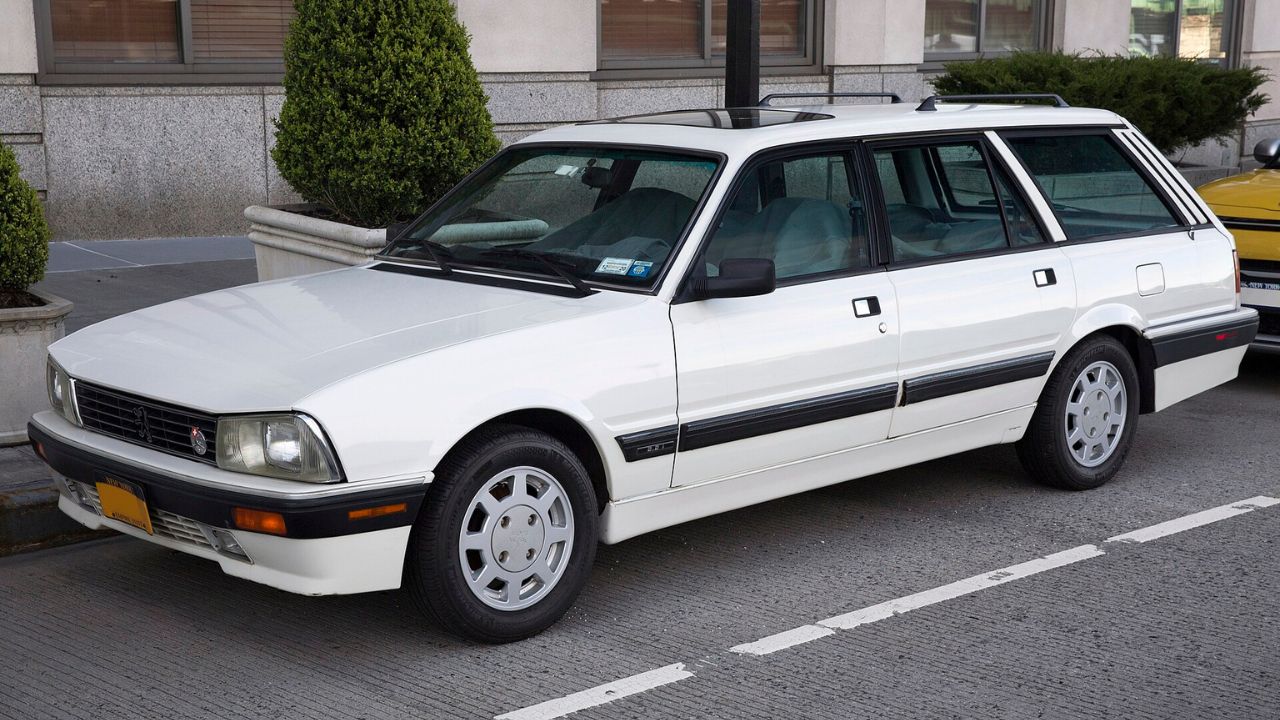
The Peugeot 505 wagon developed a reputation as a remarkably capable family and utility vehicle, particularly in markets where rough roads demanded more from ordinary cars. Its roomy interior, comfortable ride, and durable construction made it useful for families as well as commercial operators. Many were driven for years rather than preserved, which reduced the number of surviving examples. Owners who still have one often appreciate its unusual combination of French comfort and genuine practicality, making replacement with a modern equivalent surprisingly difficult.
AMC Eagle Wagon

The AMC Eagle wagon arrived with a combination that looked strange at the time but seems remarkably familiar now: a raised wagon body and four-wheel drive. It offered more ground clearance and all-weather capability without becoming a conventional truck-based SUV. That basic formula anticipated the modern crossover by years. Surviving Eagles have become increasingly interesting to enthusiasts because very few modern vehicles capture the same quirky combination of wagon proportions and genuine four-wheel-drive hardware.
Subaru Legacy Wagon
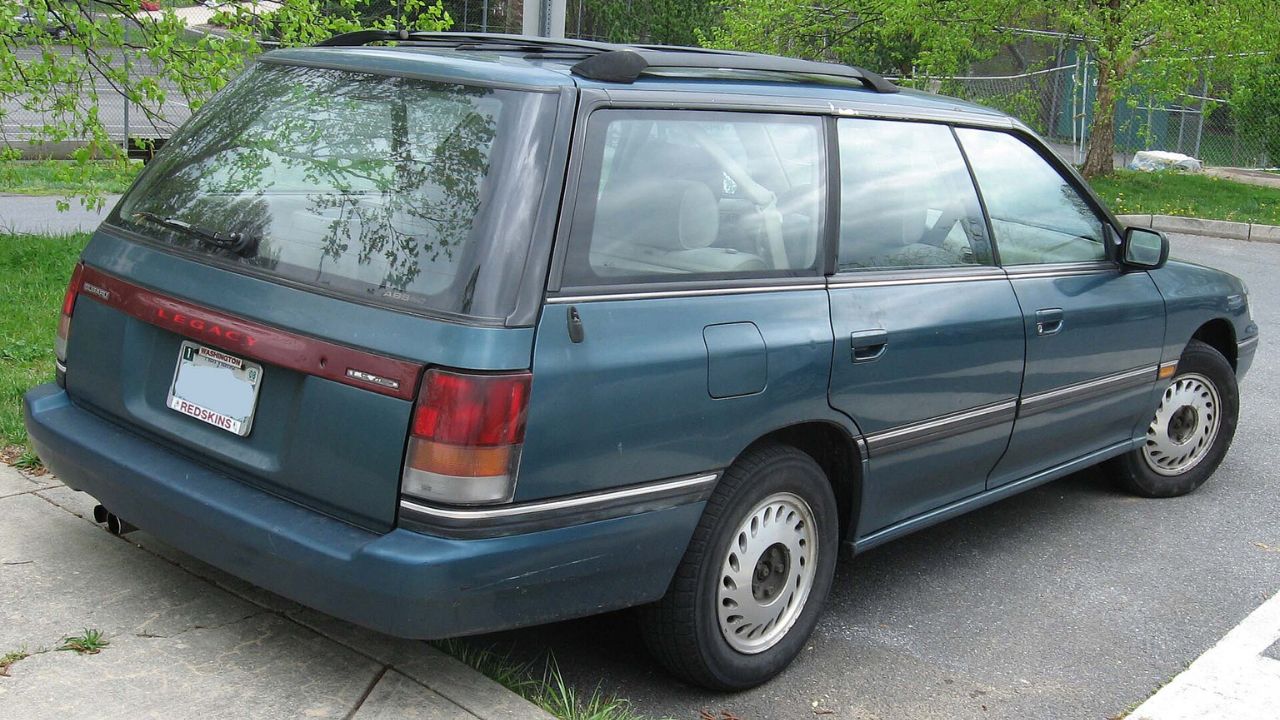
The Legacy wagon offered the practicality of a traditional station wagon with the confidence of standard all-wheel drive. Its combination of cargo space, manageable dimensions, and all-weather ability made it particularly useful for families and outdoor enthusiasts. Unlike many larger SUVs, it remained relatively easy to maneuver and economical to use. Owners who became accustomed to having that combination often discovered that newer vehicles were larger without necessarily being more useful. Clean older Legacy wagons have consequently developed a loyal following.
Volkswagen Passat Wagon
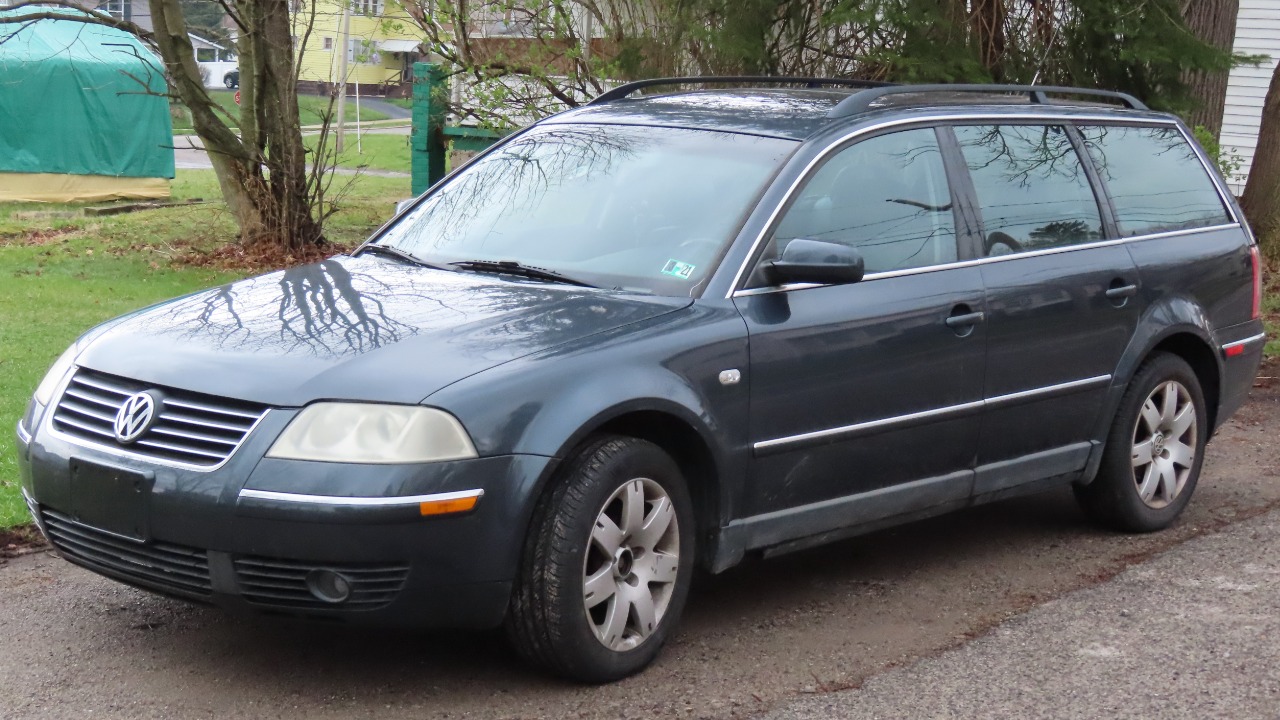
The Passat wagon offered European road manners with the kind of cargo capacity that made it suitable for everyday family life. Its understated styling allowed it to blend into traffic while providing considerably more versatility than a conventional sedan. Many were used heavily as family transportation, so finding an older example in excellent condition can be difficult. Owners who appreciate its balanced proportions and practical interior often become attached to the wagon format itself, especially after discovering how few modern alternatives have the same proportions.
Honda Civic Wagon
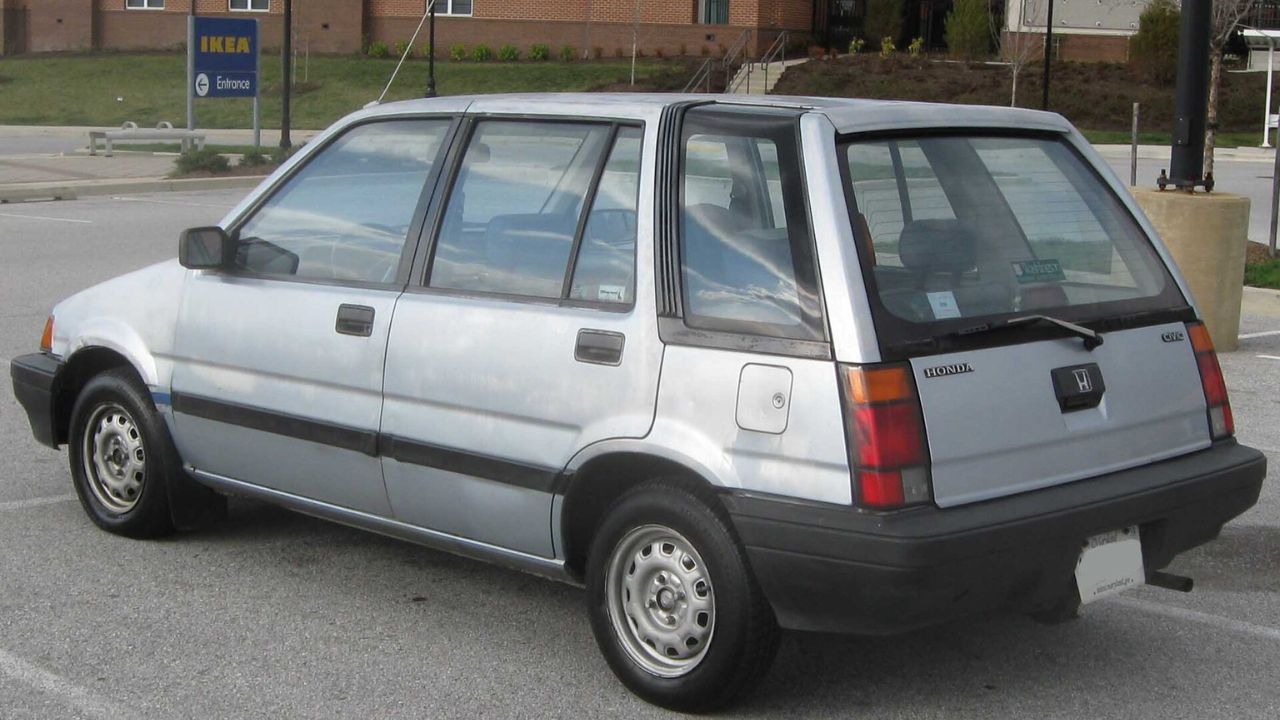
The Civic wagon demonstrated that a small car could still provide impressive everyday versatility. Its compact footprint made it easy to drive and park, while the extended roof created useful cargo space behind the rear seats. These cars were rarely treated as future collectibles when new, and many were driven until they disappeared from the road. That makes surviving examples particularly interesting today. Owners who appreciate simple, lightweight Japanese cars often find the Civic wagon difficult to replace with anything modern.
Toyota Corolla Wagon
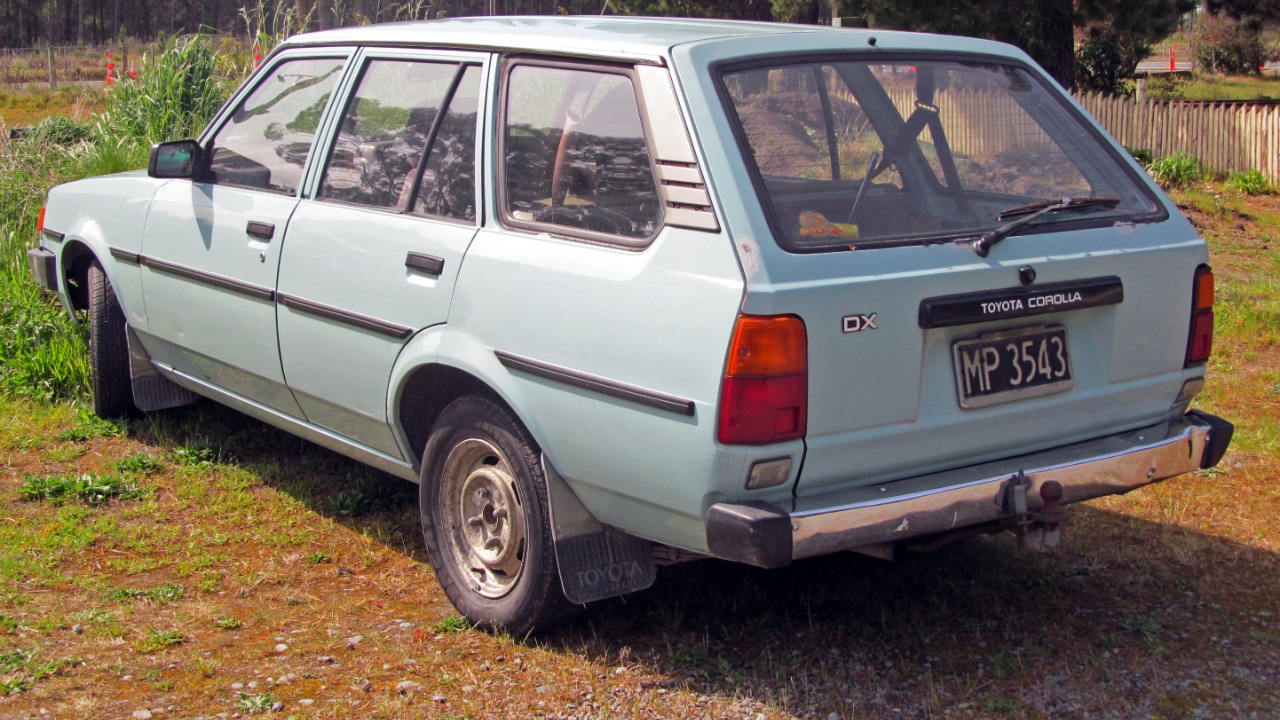
The Corolla wagon took Toyota’s reputation for straightforward transportation and added a practical long-roof body. It was compact enough for everyday urban use while providing considerably more cargo flexibility than a sedan. Many were used as inexpensive family and work vehicles, which meant relatively few survived in preserved condition. Owners who keep one often value its simplicity as much as its nostalgia. Modern small SUVs may offer more technology, but few replicate the Corolla wagon’s combination of compact dimensions and straightforward usefulness.
Datsun 510 Wagon
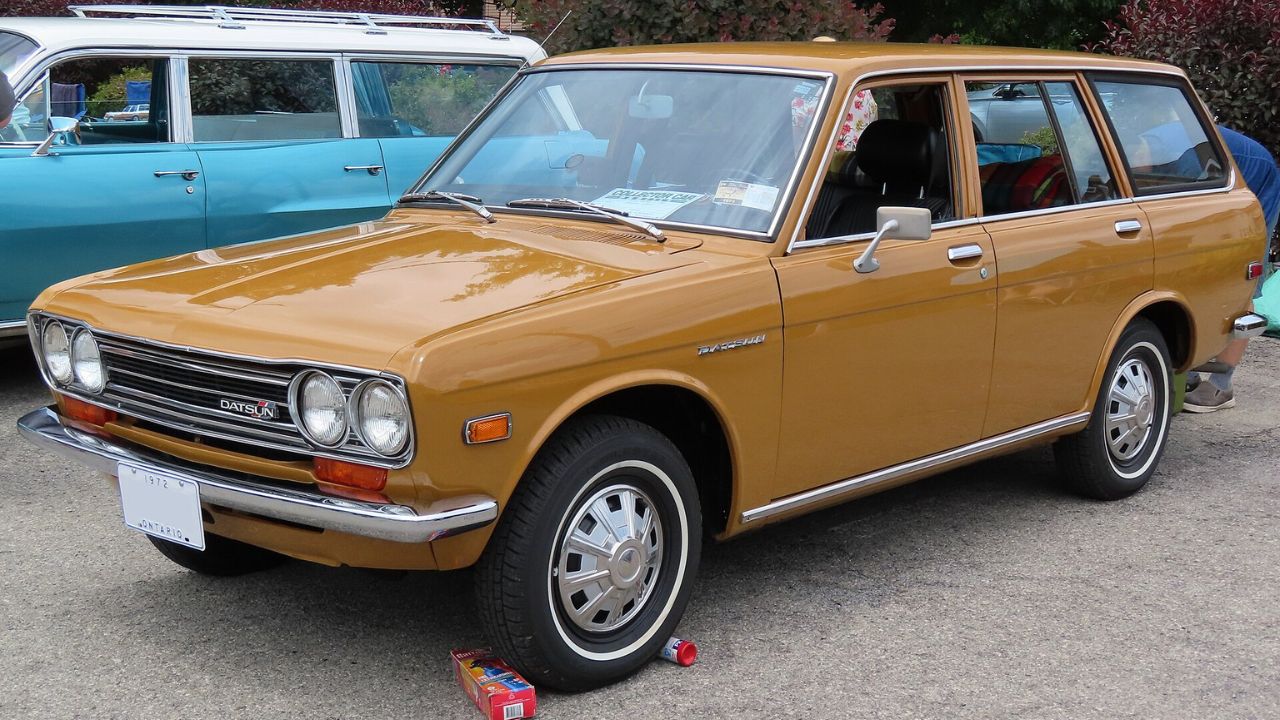
The Datsun 510 wagon is one of those cars that can satisfy several different types of enthusiast at once. Its compact dimensions make it practical, while rear-wheel drive and its motorsport connections give it a sporting side. The wagon body also provides a useful cargo area without becoming bulky. Many examples were modified or used hard, so original cars have become increasingly difficult to find. Owners who enjoy the 510’s simple mechanical character often have little interest in replacing it with a heavier modern vehicle.
Mazda 626 Wagon
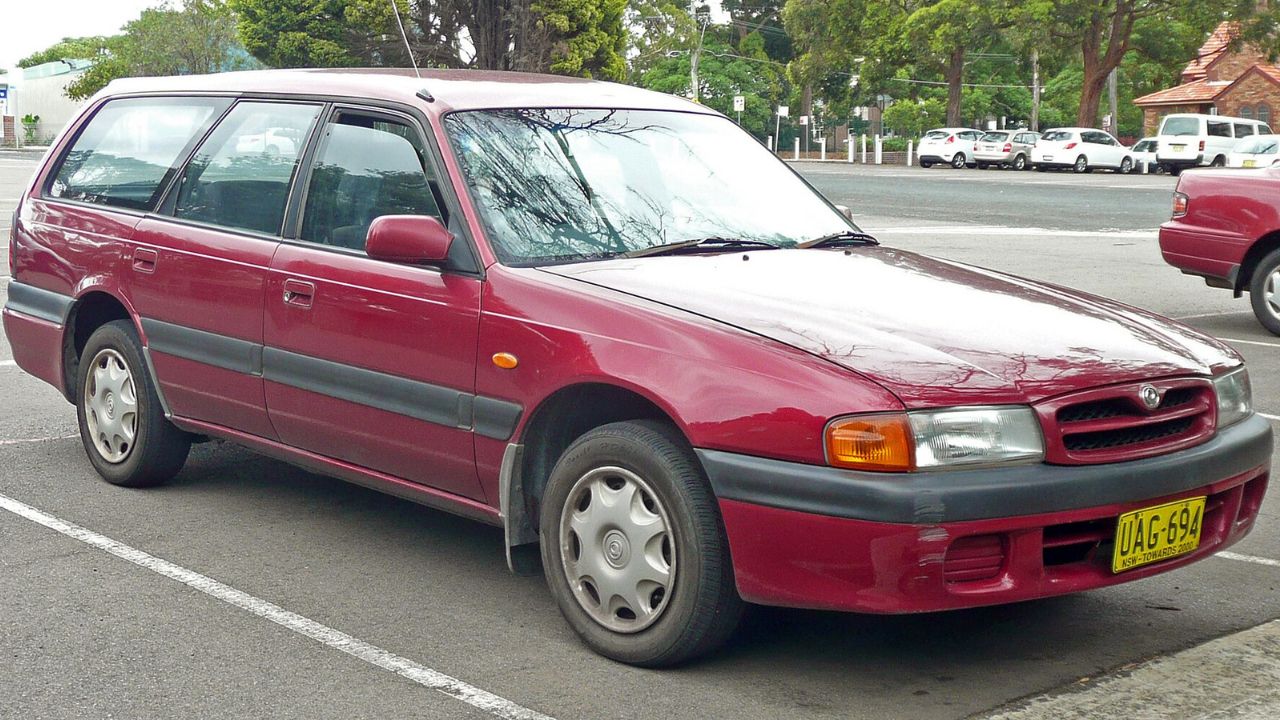
The Mazda 626 wagon offered an appealing balance between Japanese practicality and a more distinctive driving character. It was roomy enough for family use while remaining relatively compact compared with American wagons of the same period. Most examples lived ordinary lives and were eventually discarded, making surviving cars unusually interesting. Owners who appreciate overlooked Japanese classics often value the 626 wagon precisely because it is not as predictable as the usual collector choices. It offers useful space without losing its old-school simplicity.
Mitsubishi Galant Wagon

The Galant wagon provided a practical alternative to larger family haulers while retaining the clean, restrained styling associated with Japanese cars of its era. Depending on generation and market, it could offer surprisingly useful cargo space and efficient powertrains. These cars were generally purchased for transportation rather than preservation, which explains their rarity today. An owner who finds a solid survivor may be reluctant to let it go because finding another one with the same combination of condition, originality, and practicality can be extremely difficult.
Nissan Stagea
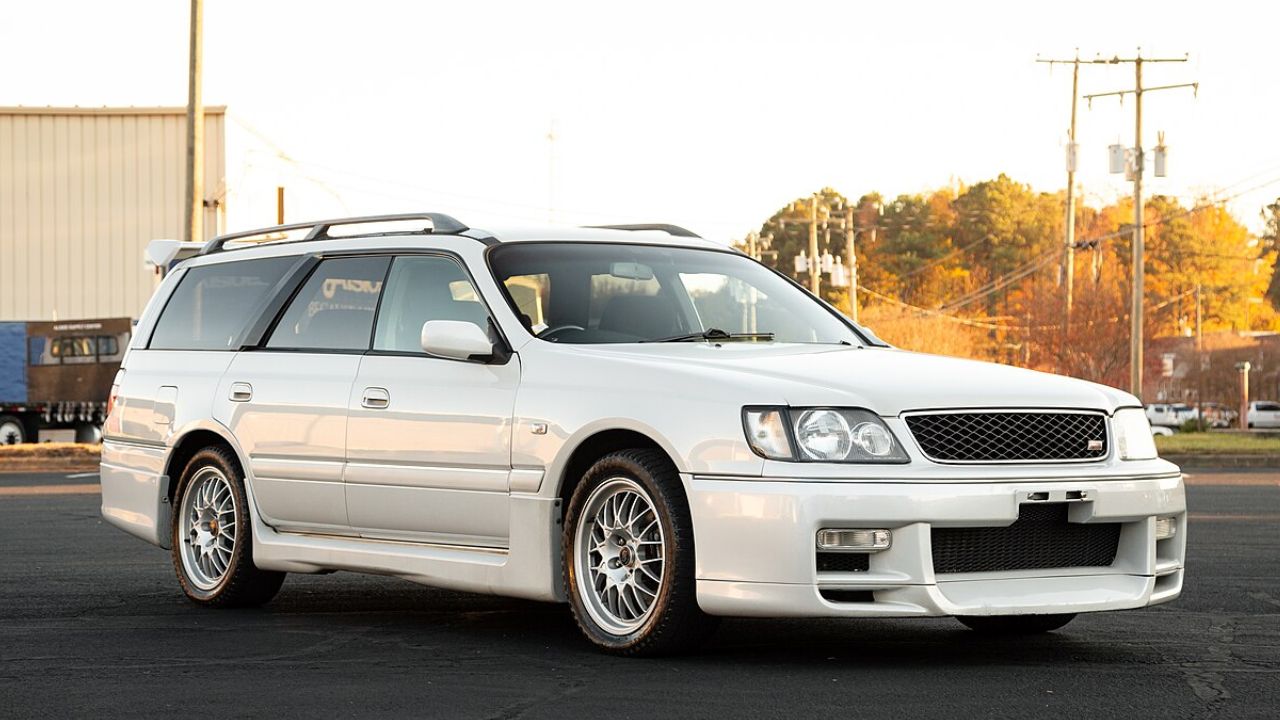
The Nissan Stagea became famous among enthusiasts for combining wagon practicality with performance-car hardware. Certain versions shared important mechanical ideas with Nissan’s celebrated performance models, giving the long-roof body considerably more potential than its family-car appearance suggested. Its unusual combination of space, performance, and Japanese-market exclusivity made it especially appealing to enthusiasts. Owners who have experienced one often struggle to find another vehicle that offers the same formula, particularly when performance and cargo capacity are both priorities.
Ford Taurus Wagon

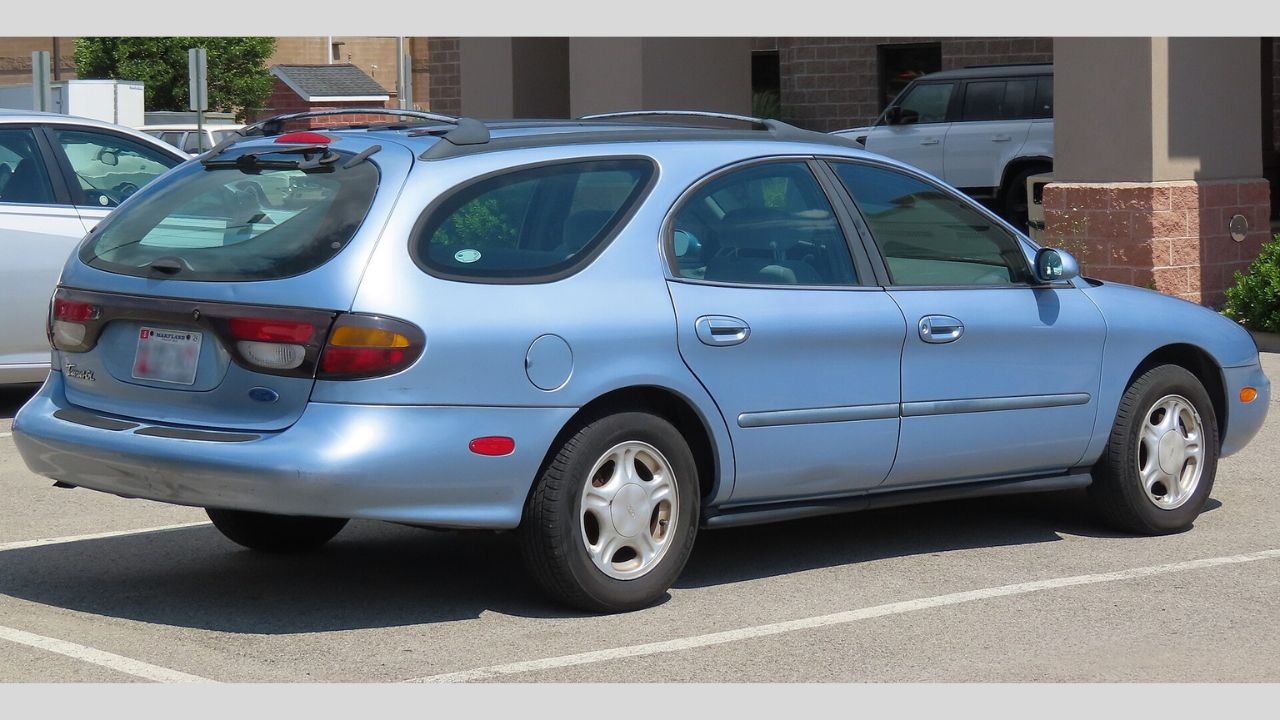
The Taurus wagon became a familiar sight during the 1980s and 1990s, but its importance has become easier to appreciate with age. It offered generous interior space, comfortable road manners, and a practical cargo area in a package that was more aerodynamic than traditional American wagons. Large numbers were sold, yet many were simply used until they disappeared. Owners who remember the spacious interior and easygoing character can find modern replacements surprisingly different, particularly if they want a genuinely low, long wagon.
Mercury Colony Park
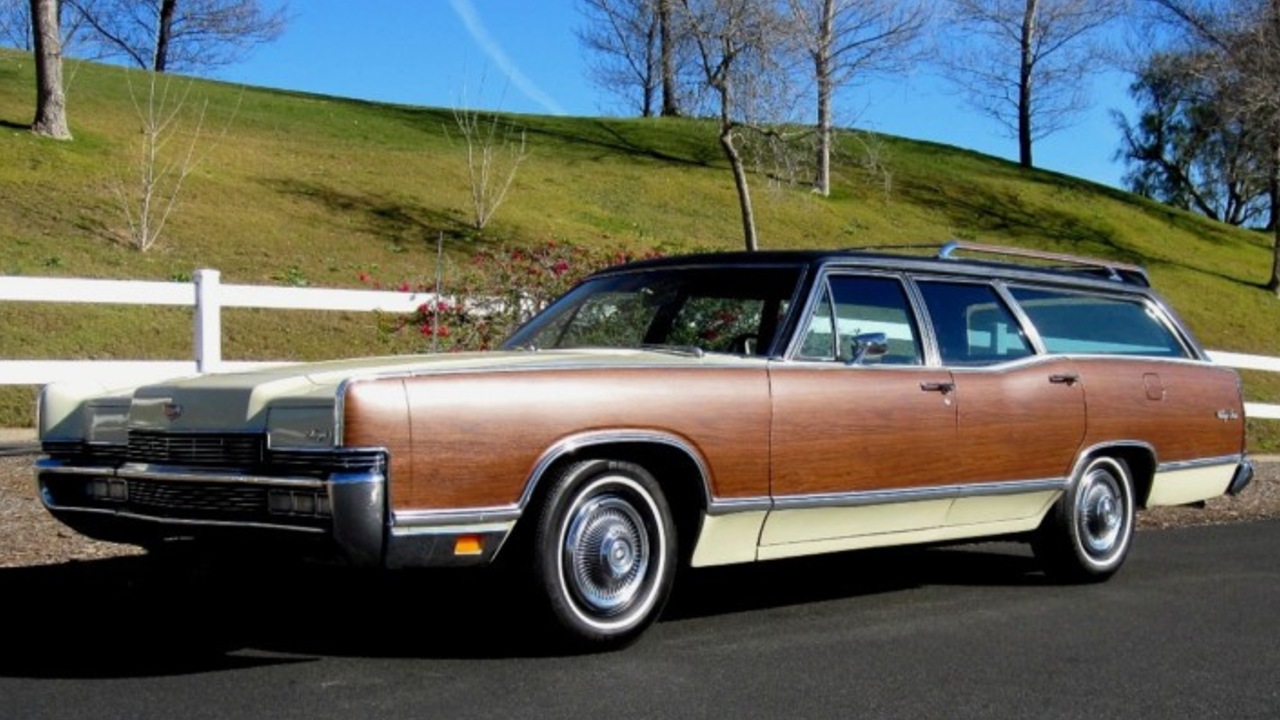
The Colony Park represented the classic American family wagon at its most extravagant. Its enormous body, woodgrain exterior, spacious interior, and comfortable ride made it ideal for carrying people and belongings over long distances. Modern SUVs can provide similar passenger and cargo capacity, but they do not reproduce the same low-slung character or traditional wagon experience. Owners who enjoy the Colony Park’s distinctive personality often regard it as more than transportation. It represents a style of family vehicle that has effectively disappeared.
Oldsmobile Custom Cruiser
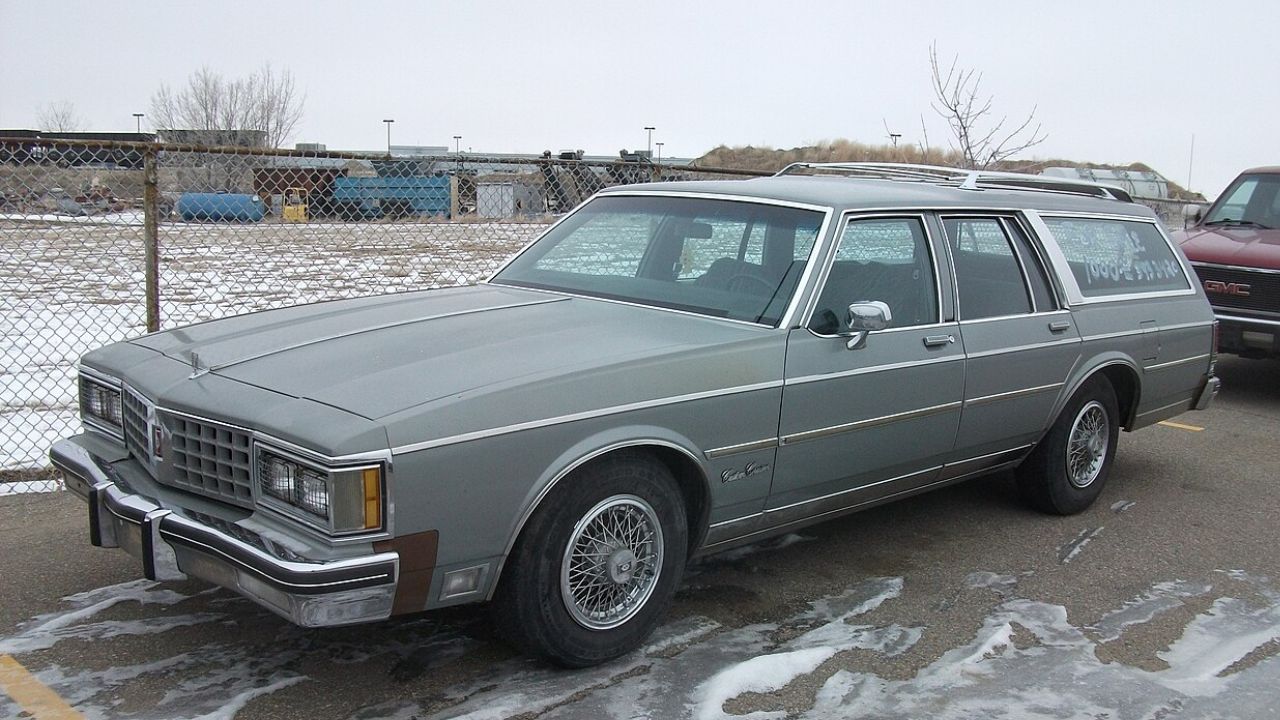
The Custom Cruiser combined the traditional American full-size wagon formula with Oldsmobile’s comfortable road manners. Its large cabin and expansive cargo area made it exceptionally useful for family trips, moving equipment, or simply carrying almost anything that needed to go somewhere. Many were eventually used up because they were ordinary family vehicles rather than collector cars. Today, clean survivors have a different appeal. Owners can enjoy genuine vintage character while still having a vehicle capable of practical everyday duties.
Pontiac Safari
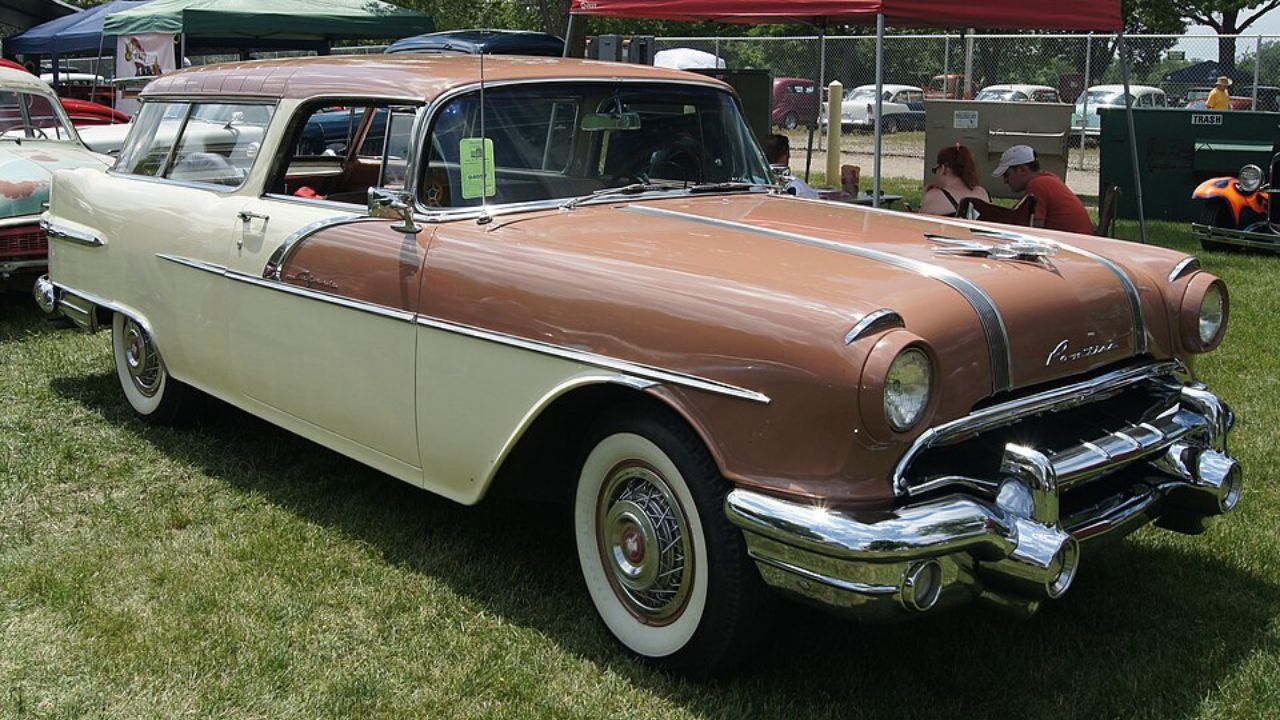
The Pontiac Safari was one of the more stylish interpretations of the traditional American station wagon. Depending on generation, it offered substantial interior space, distinctive Pontiac styling, and the kind of road presence associated with the brand’s larger cars. These wagons were practical enough to serve families for years, but that also meant many disappeared through ordinary use. A well-preserved Safari now feels considerably more special. Owners who appreciate its combination of style and usefulness have few modern vehicles that deliver the same experience.
Chrysler Town & Country
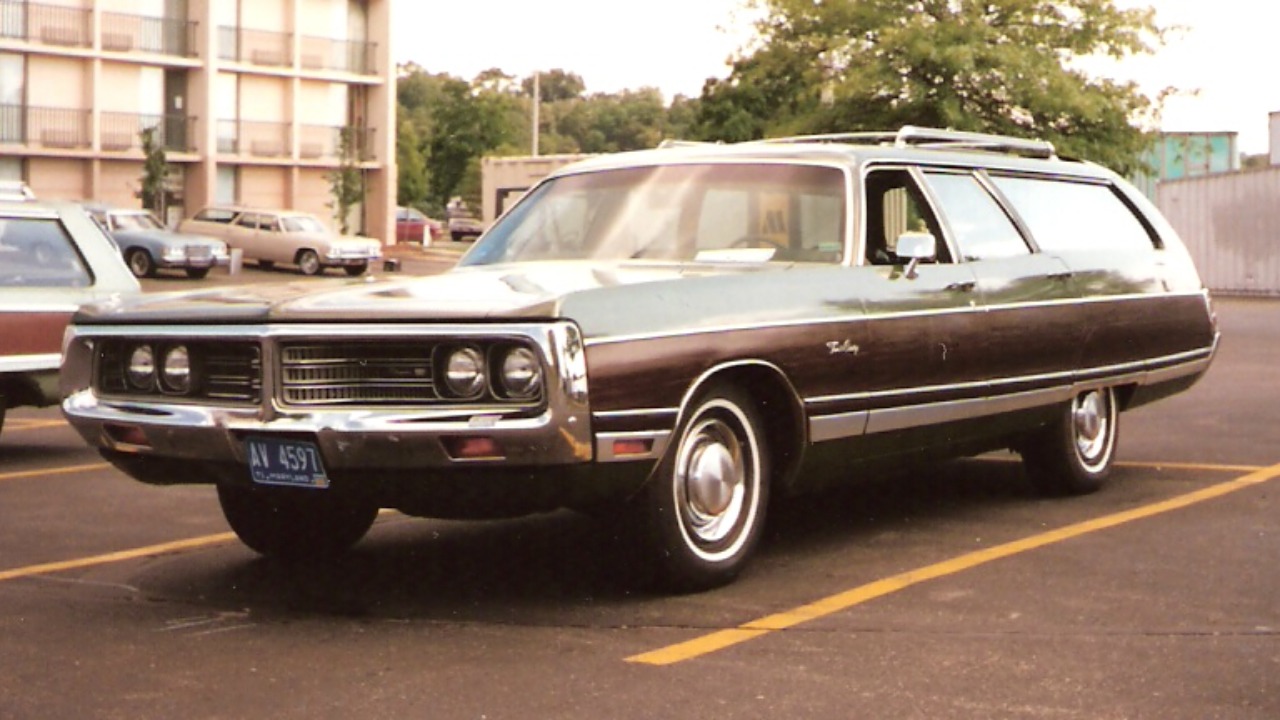
The Chrysler Town & Country name has been associated with family transportation for generations, but the classic station wagons remain particularly memorable. Earlier versions combined generous passenger space with large cargo areas and upscale styling, while woodgrain trim became an important part of the model’s identity. These cars were built for practical family use, not preservation, so original examples are increasingly uncommon. Owners who enjoy the classic wagon experience often appreciate the Town & Country for its ability to make ordinary errands feel like a trip back in time.
More from Fast Lane Only
- Unboxing the WWII Jeep in a Crate
- 15 rare Chevys collectors are quietly buying
- 10 underrated V8s still worth hunting down
- Police notice this before you even roll window down
*Research for this article included AI assistance, with all final content reviewed by human editors.