American automotive history is rich with innovation, and certain engines have had a profound impact on performance standards across the globe. From the roaring V8s of the mid-20th century to the groundbreaking electric powertrains of today, these engines have not only defined their eras but also influenced the very fabric of car culture. Here’s a look at nine American engines that have changed performance history forever.
The Ford Flathead V8
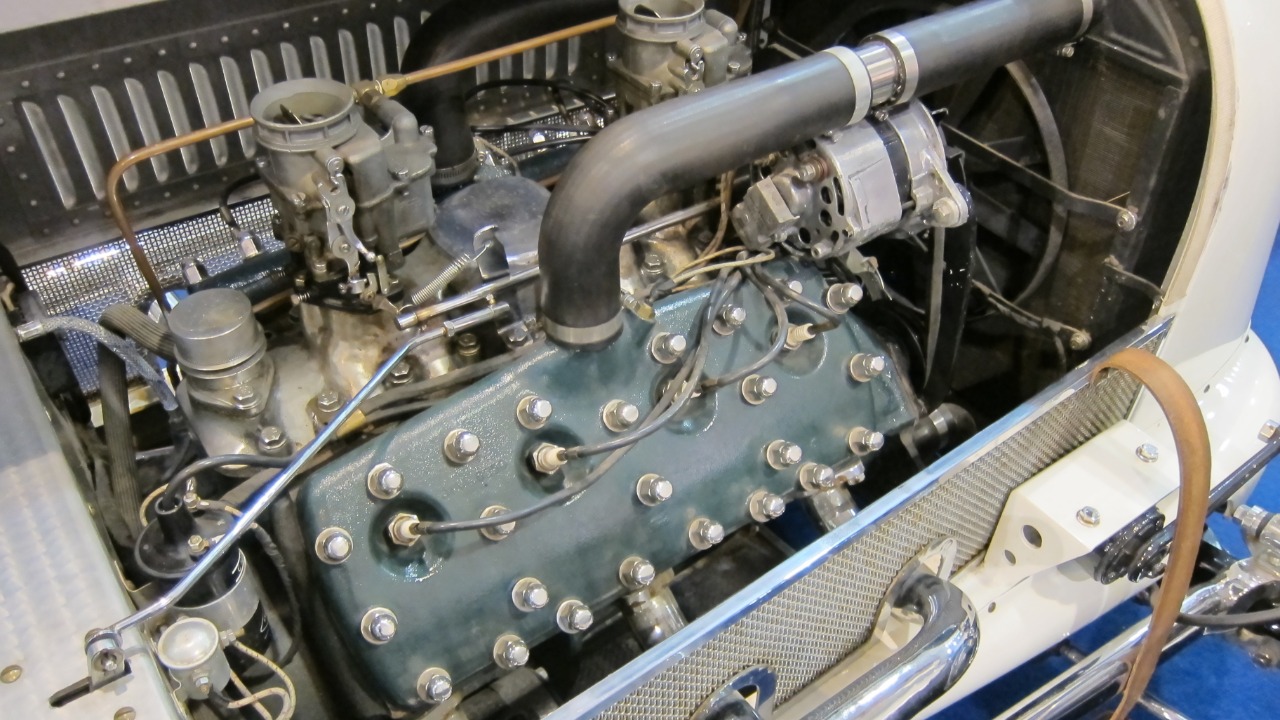
Introduced in 1932, the Ford Flathead V8 revolutionized the automotive landscape by making V8 power accessible to the masses. Prior to its arrival, most vehicles relied on smaller, less powerful inline engines. The Flathead’s design featured a simple yet effective configuration that delivered both power and efficiency. It became a favorite among hot rodders and customizers, laying the groundwork for the future of performance tuning.
With its distinct sound and ample torque, the Flathead V8 powered iconic vehicles like the 1932 Ford Model 18. Its influence extended beyond just performance; it became a cultural symbol during the 1950s and 60s. The engine’s adaptability allowed for various modifications, and its legacy continues to inspire classic car enthusiasts and builders today.
The Chevrolet Small Block V8
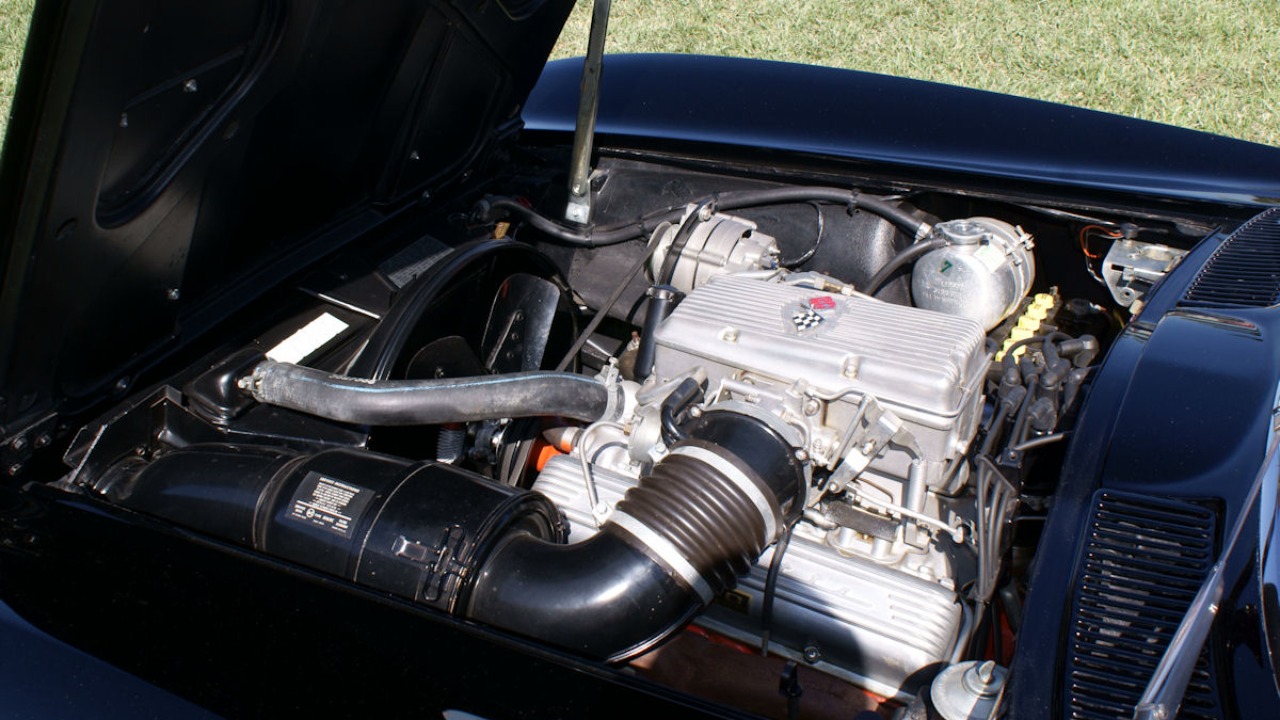
The Chevrolet Small Block V8, launched in 1955, is arguably one of the most successful engine designs in automotive history. With its lightweight construction and compact size, the Small Block offered high performance at an affordable price. Its versatility allowed it to power a wide range of vehicles—from family sedans to muscle cars like the legendary Camaro and Corvette.
Over the decades, various iterations of the Small Block have emerged, with models like the 350 and 383 becoming staples in both racing and street performance. Its easy tunability, abundant aftermarket support, and widespread availability have solidified its place as an enduring symbol of American muscle and performance excellence.
The Chrysler Hemi Engine
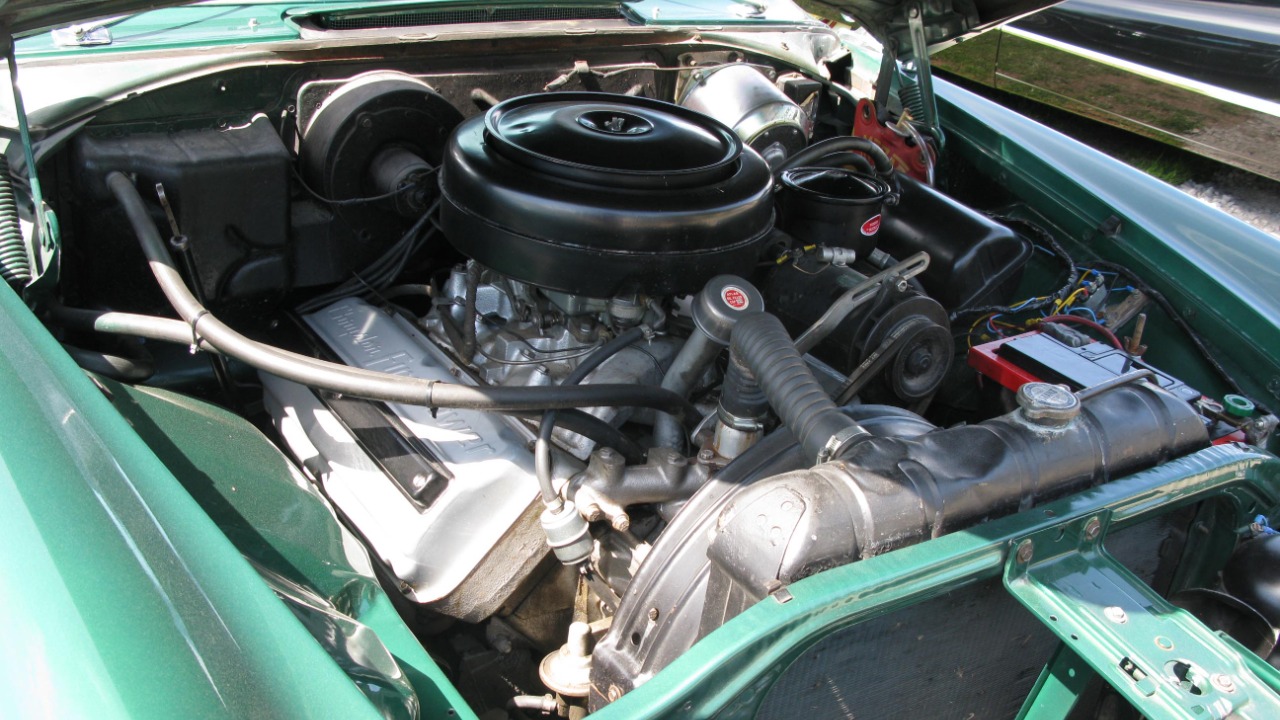
The Chrysler Hemi engine is famed for its distinctive hemispherical combustion chamber design, which allows for better airflow and more efficient combustion. Initially introduced in the 1950s, the Hemi quickly made a name for itself in the world of racing and high-performance vehicles. Its power output was unmatched, and it found a home in iconic models like the Dodge Charger and Plymouth Superbird.
This engine’s legacy extends beyond muscle cars; it has been a dominant force in drag racing and NASCAR, proving time and again that it was built for speed. The Hemi’s unique characteristics have made it a favorite among enthusiasts and collectors, ensuring its place in the pantheon of American performance engines.
The Pontiac GTO’s 389 V8
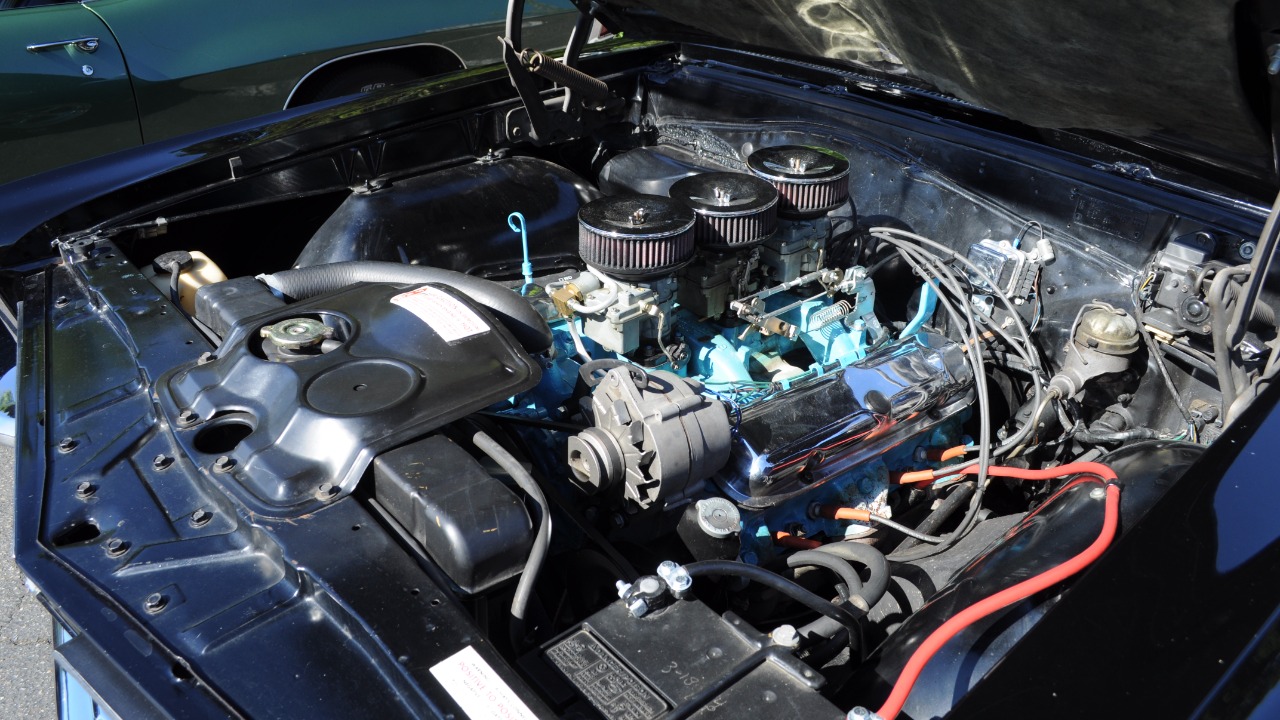
The introduction of the Pontiac GTO in 1964 marked a turning point in automotive history, with its 389 V8 engine becoming synonymous with muscle car performance. This engine featured a robust design that produced impressive horsepower and torque, making it a standout in the burgeoning muscle car market. The GTO’s combination of style, power, and affordability captured the hearts of drivers across America.
As a result, the GTO is often credited with igniting the muscle car craze of the 1960s, paving the way for competitors to step up their game. The 389 V8 not only defined the GTO but also set a benchmark for performance that would influence generations of car manufacturers and enthusiasts alike.
The Dodge 426 Hemi
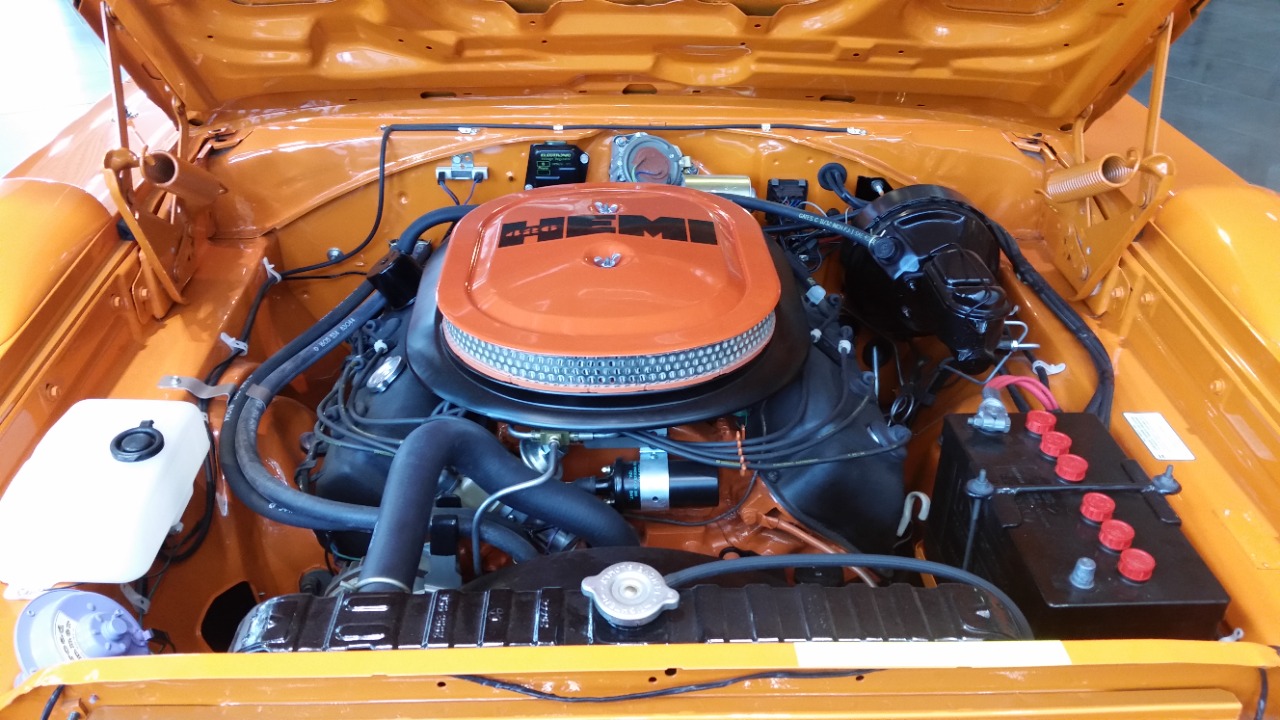
Launched in 1964, the Dodge 426 Hemi quickly became a force to be reckoned with in both street and racing applications. Known for its unparalleled performance, the 426 Hemi dominated NASCAR and drag racing circuits during the muscle car era. Its unique design, featuring large valves and dual spark plugs, allowed for exceptional airflow and power output.
Cars like the Dodge Charger and Plymouth Road Runner became legendary for their Hemi engines, captivating fans and collectors alike. The 426 Hemi’s impact on automotive performance is undeniable, as it set the standard for power and speed that many modern engines still strive to achieve. Its storied history continues to be celebrated in car shows and racing events around the country.
The LS Engine Family
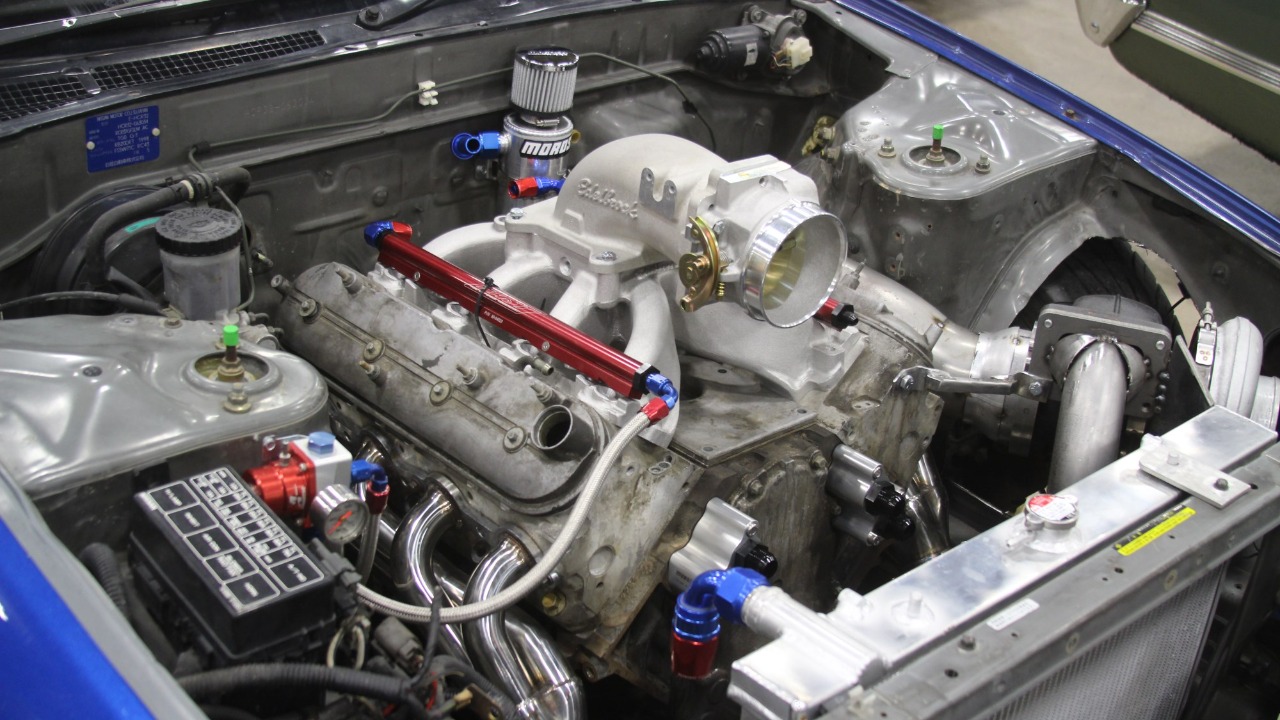
The LS engine family, launched in the late 1990s, has become a cornerstone of modern American automotive performance. Known for its lightweight aluminum construction and efficient design, the LS series offers an impressive balance of power, reliability, and tunability. This versatile engine has found its way into a multitude of vehicles, from Chevrolet Corvettes to various muscle cars and even trucks.
The LS engine’s popularity is bolstered by a vast aftermarket ecosystem that provides performance upgrades and modifications. Its adaptability makes it a favorite for enthusiasts looking to swap engines or build custom projects. The LS’s legacy continues to grow, solidifying its status as one of the most important performance engines in automotive history.
The 7.0L LS7 V8
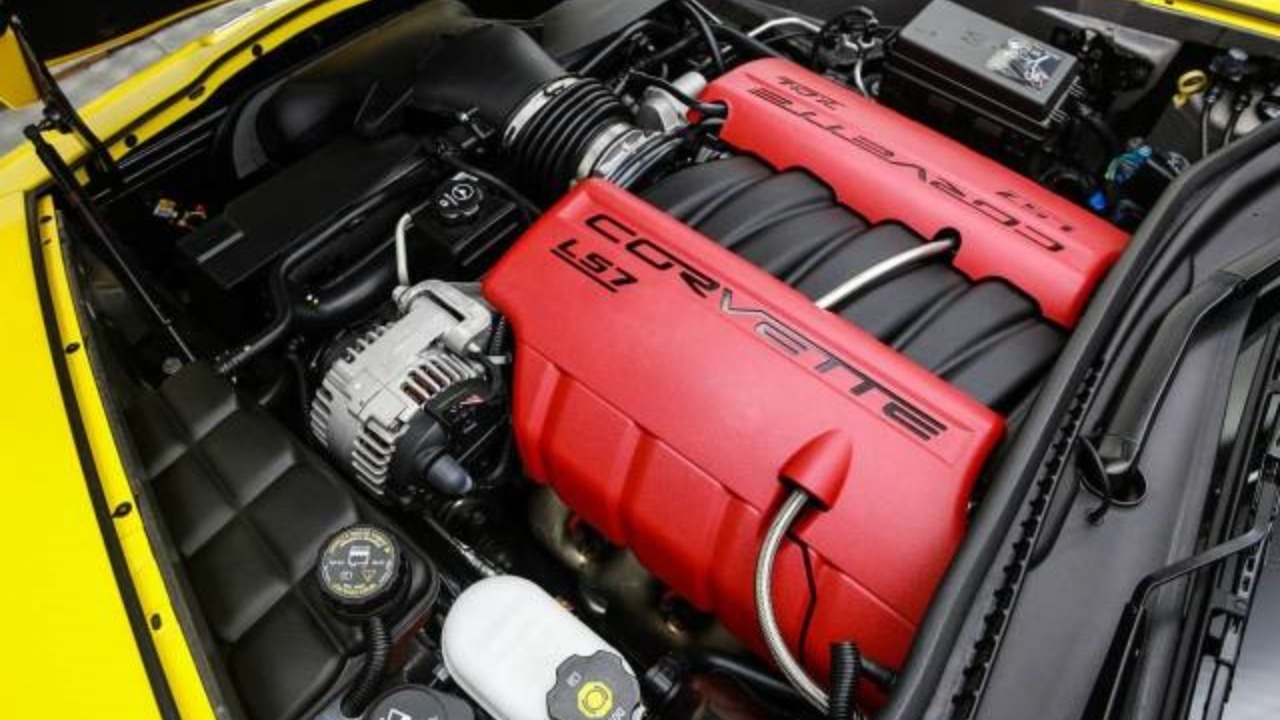
The 7.0L LS7 V8, introduced in the Chevrolet Corvette Z06 in 2006, represents the pinnacle of the LS engine family. This powerhouse engine features a high-revving design and advanced technologies like a dry-sump oiling system, contributing to its remarkable performance capabilities. With a staggering output of 505 horsepower, the LS7 redefined what was possible in a production car.
Not only did the LS7 excel on the racetrack, but it also showcased the potential of American engineering in the performance arena. Its lightweight construction and high-output design made it a favorite among racers and car enthusiasts alike. The LS7’s combination of power, efficiency, and technological innovation continues to inspire new generations of performance vehicles.
The Ford Modular Engine
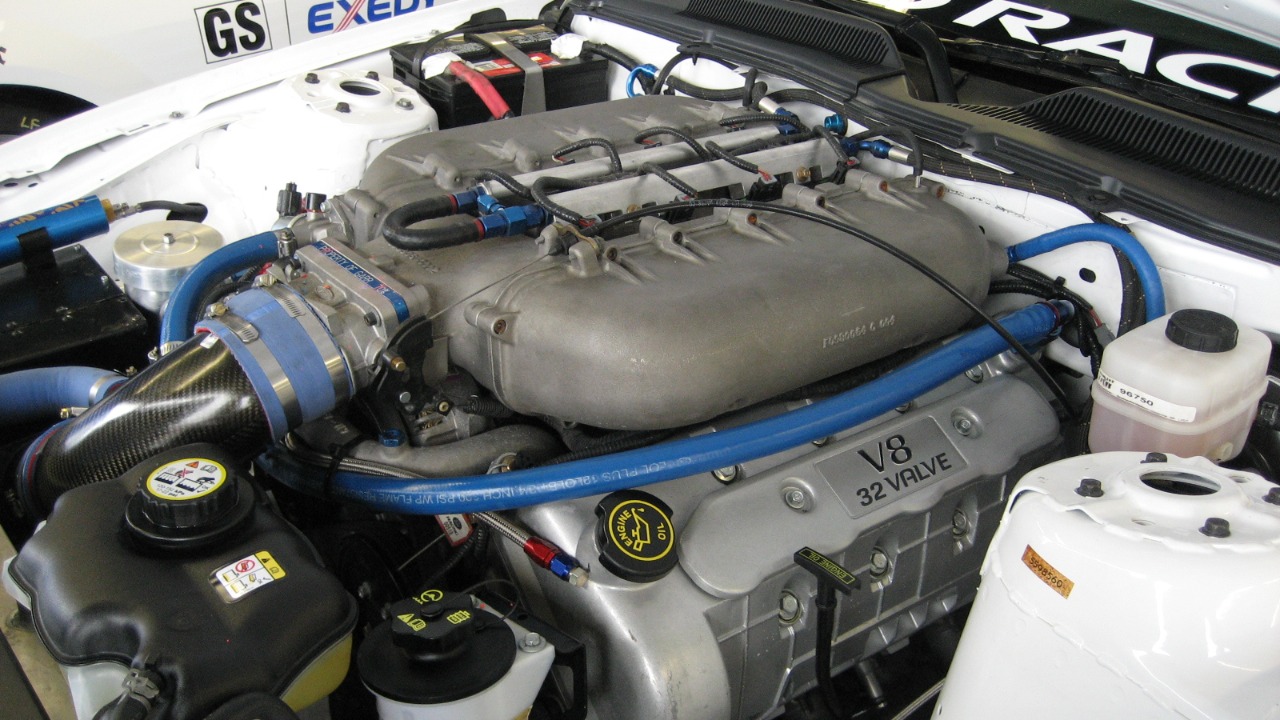
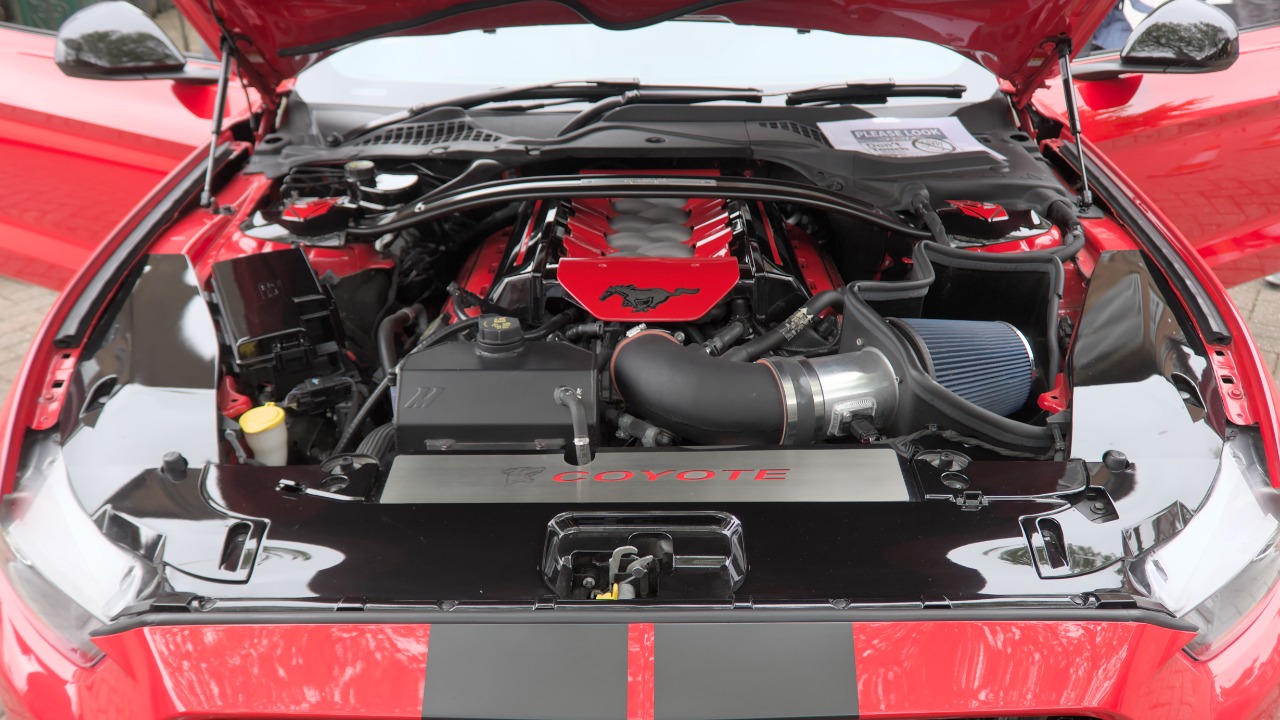
The Ford Modular engine family, introduced in 1991, marked a significant shift for Ford as it transitioned from traditional pushrod designs to a more modern overhead cam configuration. Available in both V8 and V10 variants, the Modular engine has powered a wide range of Ford vehicles, including the iconic Mustang and F-150.
This engine family is known for its smooth operation and high-revving capabilities, making it a popular choice for performance enthusiasts. The Modular engine has also been crucial in the development of Ford’s racing programs, proving its versatility and performance potential on both the street and track. Its legacy continues to influence Ford’s modern lineup, ensuring its place in performance history.
The Tesla Model S Electric Powertrain
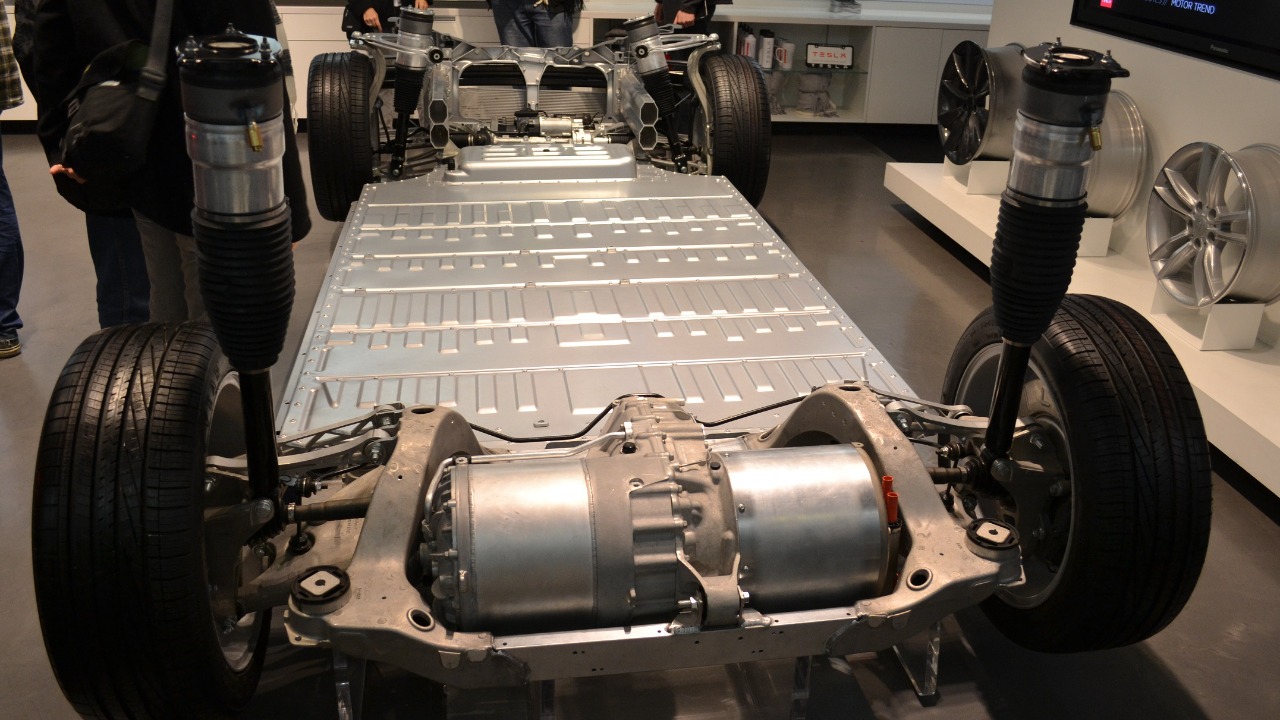
The Tesla Model S electric powertrain has redefined performance benchmarks in the automotive industry since its introduction in 2012. With instant torque delivery and impressive acceleration, the Model S has proven that electric vehicles can compete with traditional gasoline-powered performance cars. The dual motor all-wheel-drive system provides exceptional handling and stability, making it a formidable contender on the road.
Beyond its impressive performance metrics, the Model S also showcases innovative technology, including over-the-air updates and advanced battery management systems. By challenging the status quo, Tesla has not only changed perceptions of electric vehicles but also accelerated the industry’s shift toward sustainable performance. The Model S stands as a testament to the future of high-performance automotive engineering.
More from Fast Lane Only
- Unboxing the WWII Jeep in a Crate
- 15 rare Chevys collectors are quietly buying
- 10 underrated V8s still worth hunting down
- Police notice this before you even roll window down
*Research for this article included AI assistance, with all final content reviewed by human editors.