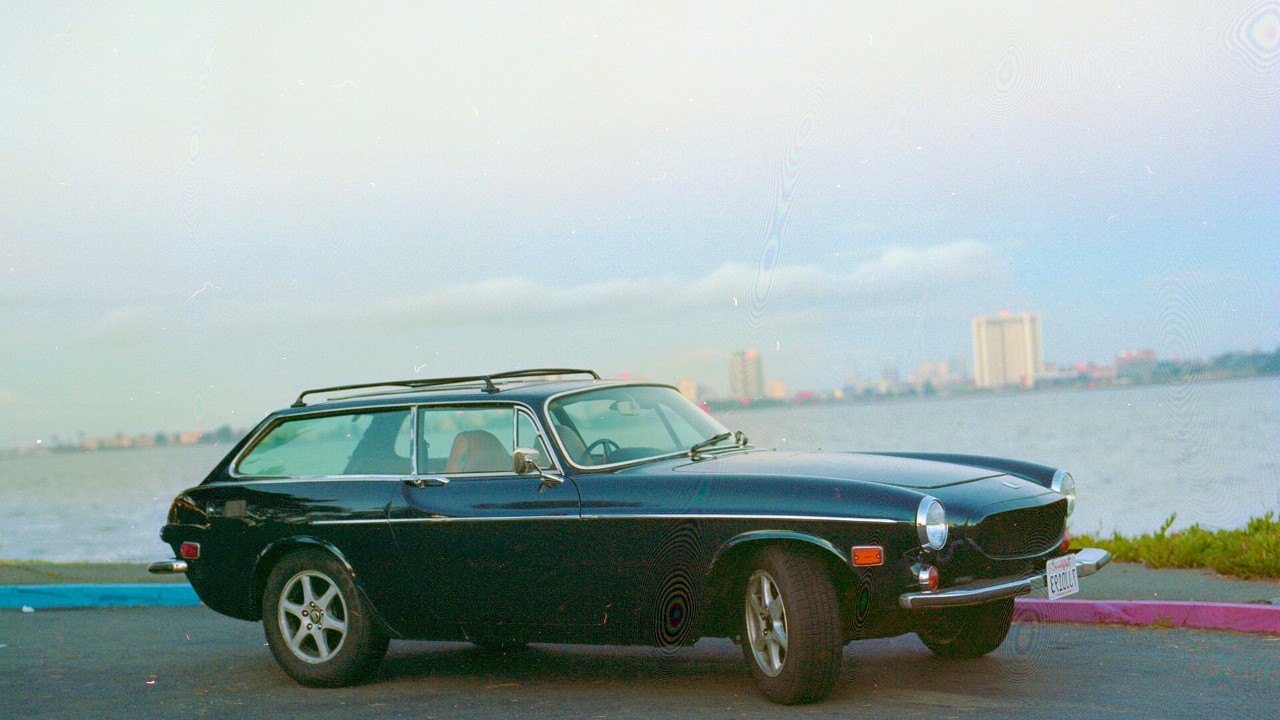
Edsel built just 963 Roundup two-door wagons for 1958, its only year, and that kind of number is why a station wagon can be harder to find today than a sports car. Families bought a station wagon to use up, not to save. They hauled kids, dogs and lumber until the floors gave out, and then they went to the crusher.
Most wagons were never rare when new, of course. Detroit sold them by the hundreds of thousands, and European makers built plenty too. A few, however, came from tiny production runs, coachbuilders or one-year experiments that buyers ignored.
These twelve are our picks for the wagons you are least likely to spot at a car show. Some have hard production counts behind them, and we give those numbers where the record has them. Where it does not, the rarity call is our opinion, based on the car’s short life or its odd place in the market.
1. 1958 Packard station wagon
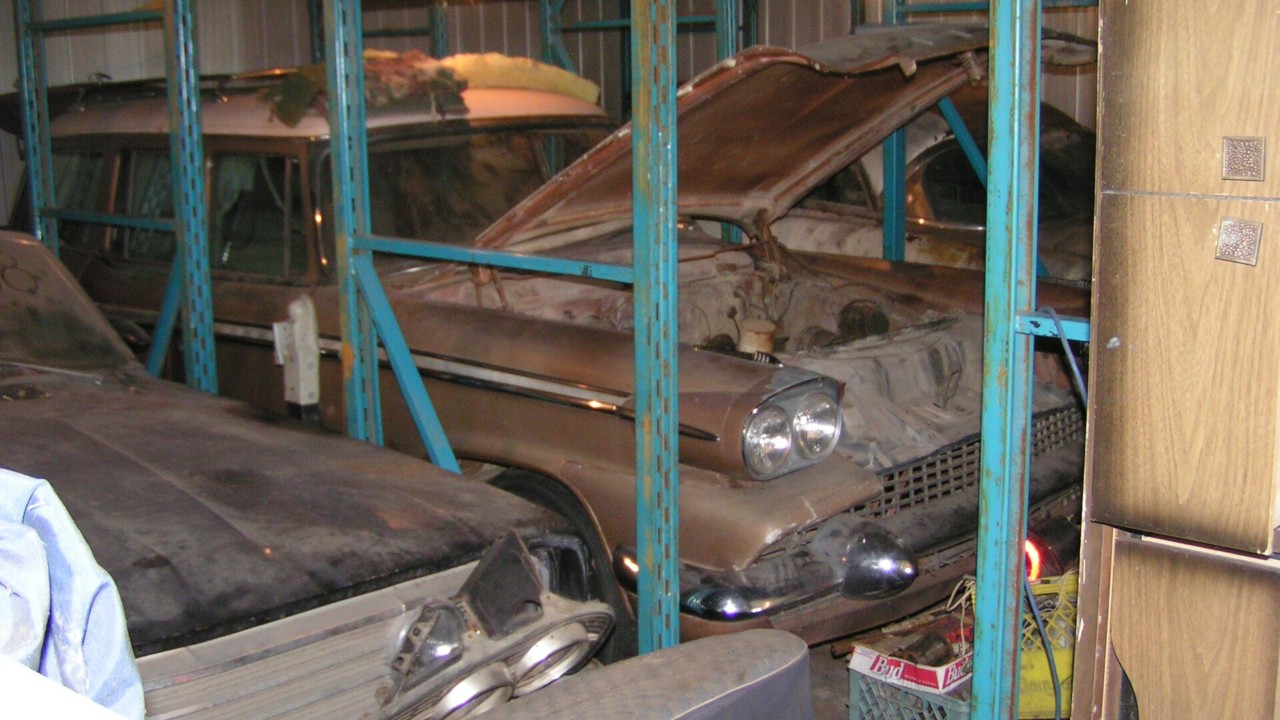
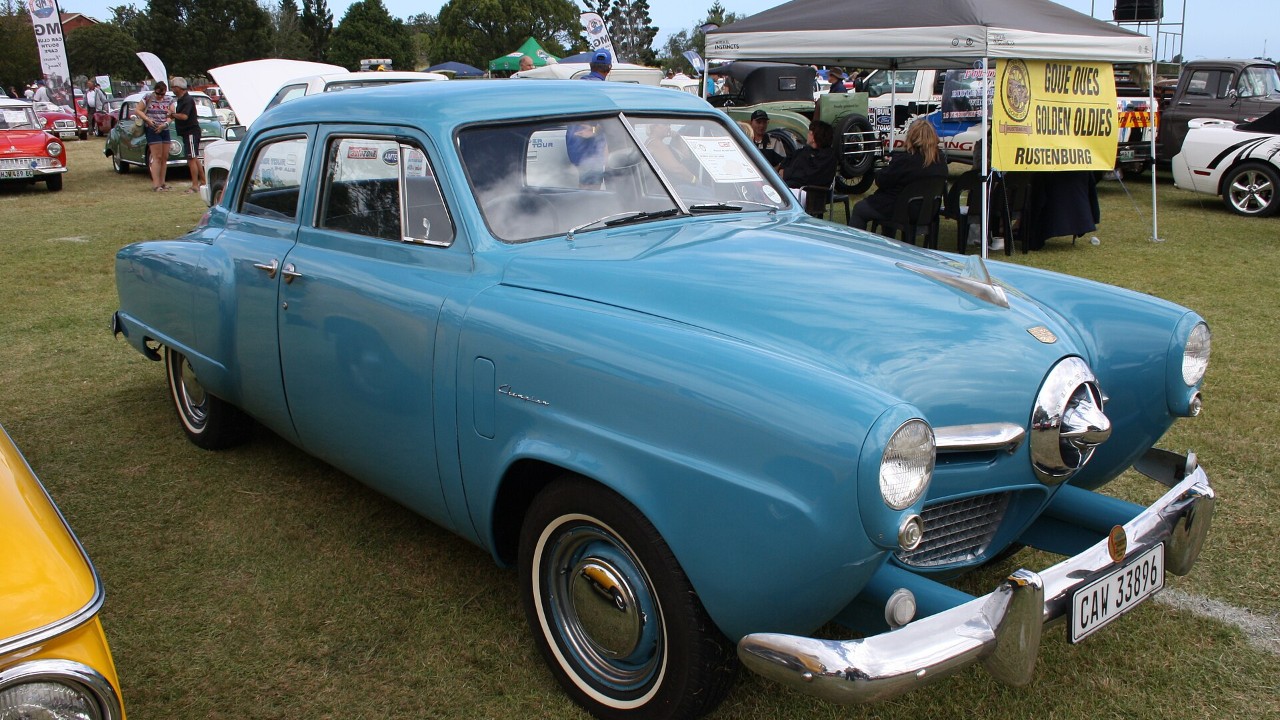
The last Packards came from Studebaker’s plant in South Bend, Indiana, and the 1958 wagon shows how far the brand had drifted. It shared its platform with the Studebaker Scotsman wagon. Fiberglass headlight housings and fins grafted onto the Studebaker body tried to make it look like a Packard. The only engine was Studebaker’s 289 cubic-inch V8, rated at 225 horsepower gross, and the wagon started at $3,384.
Packard built only 2,622 cars of any kind for 1958, its final model year. The last Studebaker-built Packard left the line on July 16, 1958. The wagon was a small slice of that. A reader of Curbside Classic’s 1958 Packard wagon story cites Studebaker National Museum production orders showing 159 wagons.
Because the body came from Studebaker, the Packard wagon is easy to overlook as a badge job. In our view, that misses the point. It is the final chapter of a great American luxury brand, told on a family hauler. If you ever see one, look closely at the fins and trim, since those parts are the ones that make it a Packard.
2. 1972–1973 Volvo P1800ES
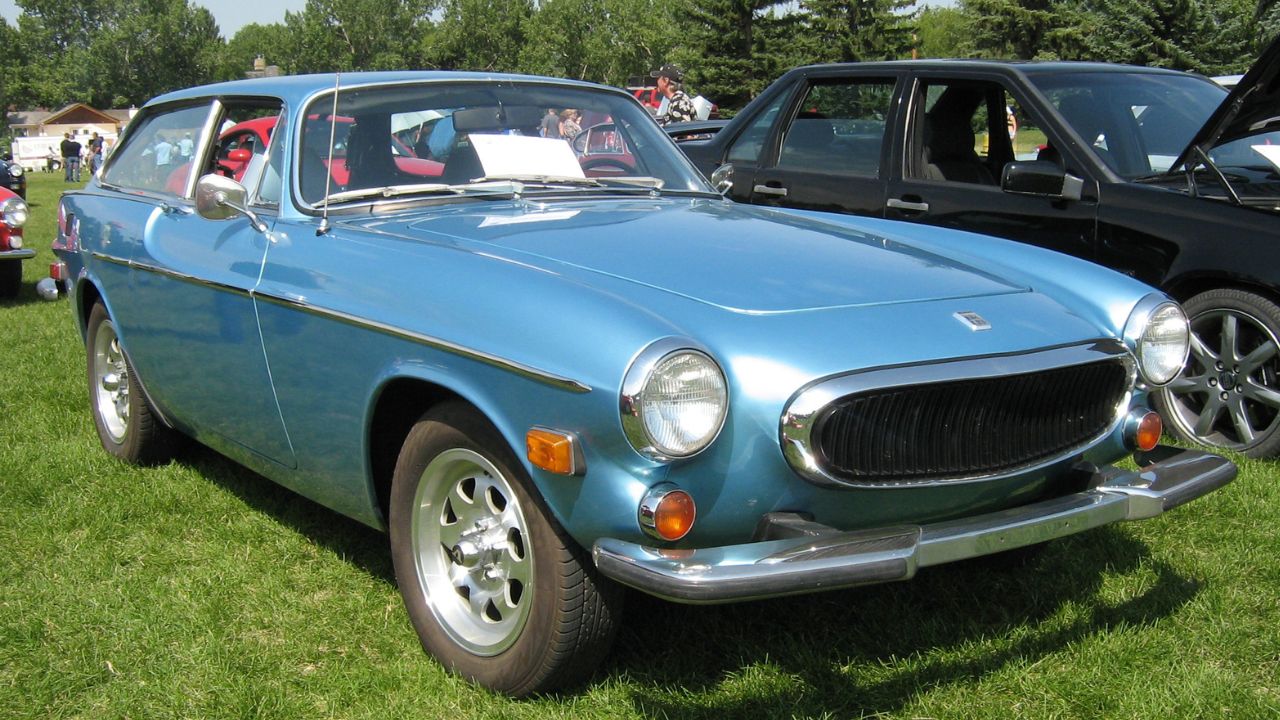
Volvo turned its sporty P1800 coupe into a two-door station wagon, or shooting brake, for 1972 and built it for just two model years. The 1800ES got a frameless, all-glass tailgate that became its signature. Power came from the fuel-injected B20F four, rated at 125 bhp. Volvo lowered its compression with a thicker head gasket, which cut peak power but made the engine less peaky.
The ES ended for a practical reason. Stricter American safety and emissions rules were due for 1974, and Volvo decided a redesign would cost too much for such a low-volume car. As a result, production stopped at 8,077 cars across the two years.
That number is small next to most wagons, and it explains why an ES is an unusual sight today. In our opinion, the glass hatch makes this one of the best-looking wagons ever built. It turned a two-seat grand tourer into something you could load with luggage for a long trip. If you shop for one, check the tailgate seals and the area around the glass, since water leaks there can cause rust.
3. 1975–1984 Lancia Beta HPE
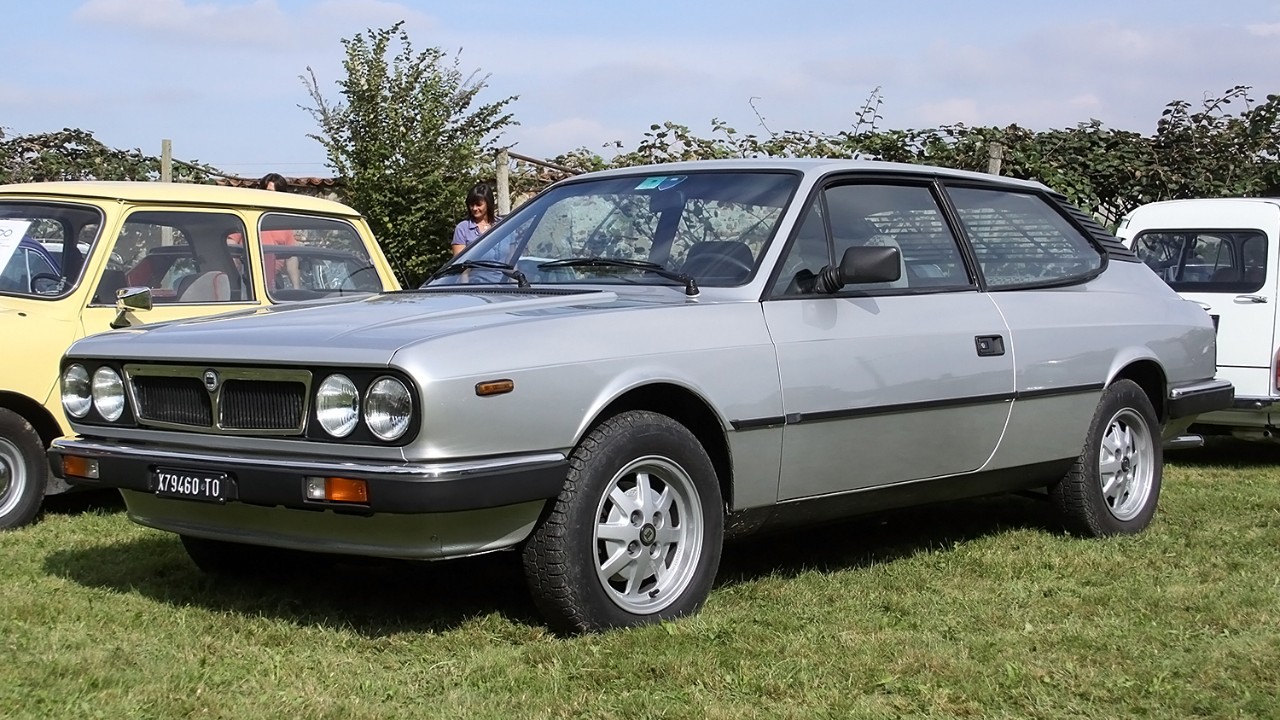
Lancia showed the Beta HPE at the Geneva Motor Show in March 1975. Pininfarina helped develop it as a three-door sporting estate, and the letters first stood for “High Performance Estate.” From 1979, Lancia changed the name to H.P. Executive. Launch engines were 1600 and 1800 twin-cams, replaced in November 1975 by new 1.6- and 2.0-liter units.
Lancia built 73,626 HPEs, so this is not a low-volume car by count. Its problem was corrosion. The HPE was one of the Lancias hit by rust where the subframe mounts to the body, and a loose subframe would fail inspection. Lancia ran a buy-back campaign for affected cars in the UK, and later cars got stronger mounting points.
The version to hunt is the supercharged VX. It used a Roots-type blower to make 135 PS, and Lancia built 2,370 of them. In our view, the HPE earns its spot because few people outside Europe even know it exists. If you want one, start with the subframe mounts, because that is where these cars fail first.
4. 1992–1995 BMW M5 Touring (E34)

BMW M added a Touring station wagon version of the E34 M5 in 1992, and it built just 891 of them before production ended in August 1995. The wagon used the S38 straight-six in 3.8-liter form, rated at 340 PS. That is a remarkable output for a family car of its time.
The way BMW built them adds to the appeal. Bodyshells came from the Dingolfing plant. Then BMW M GmbH hand-assembled each car in Garching over about two weeks. North America got only the 3.6-liter E34 M5 sedan from 1991 to 1993, so most American enthusiasts know the Touring only from photos.
It was also the first estate from BMW M. In our opinion, it remains the most desirable fast BMW wagon of its era. Because so few exist and many stayed in Europe, finding one takes patience. If you do find one, budget for specialist care of the S38, since parts and know-how for that engine are limited.
5. 1995 Volvo 850 T-5R estate

Volvo sold the T-5R for the 1995 model year only, then renamed the idea the 850 R for 1996. Porsche helped develop the engine tuning, the transmission and other driveline parts. It also helped design some interior pieces, including the Alcantara seat inserts. The turbocharged five-cylinder made 243 horsepower with boost.
Production was limited by design. Volvo built 6,964 T-5Rs worldwide, counting sedans and wagons together, and only 876 went to the United States. Buyers chose from three colors: Cream Yellow (2,537 cars), Stone Black (2,516) and Olive Green metallic (1,911).
The wagon carries a racing link as well. In 1994, Volvo and Tom Walkinshaw Racing ran an 850 estate in the British Touring Car Championship, with Rickard Rydell and Jan Lammers driving. Its best race finish was fifth. In our view, a yellow T-5R wagon is about as much fun as a brick-shaped Volvo can be. Look for documented maintenance on the turbo and automatic gearbox before you buy.
6. 1960 Chrysler Windsor Town & Country wagon
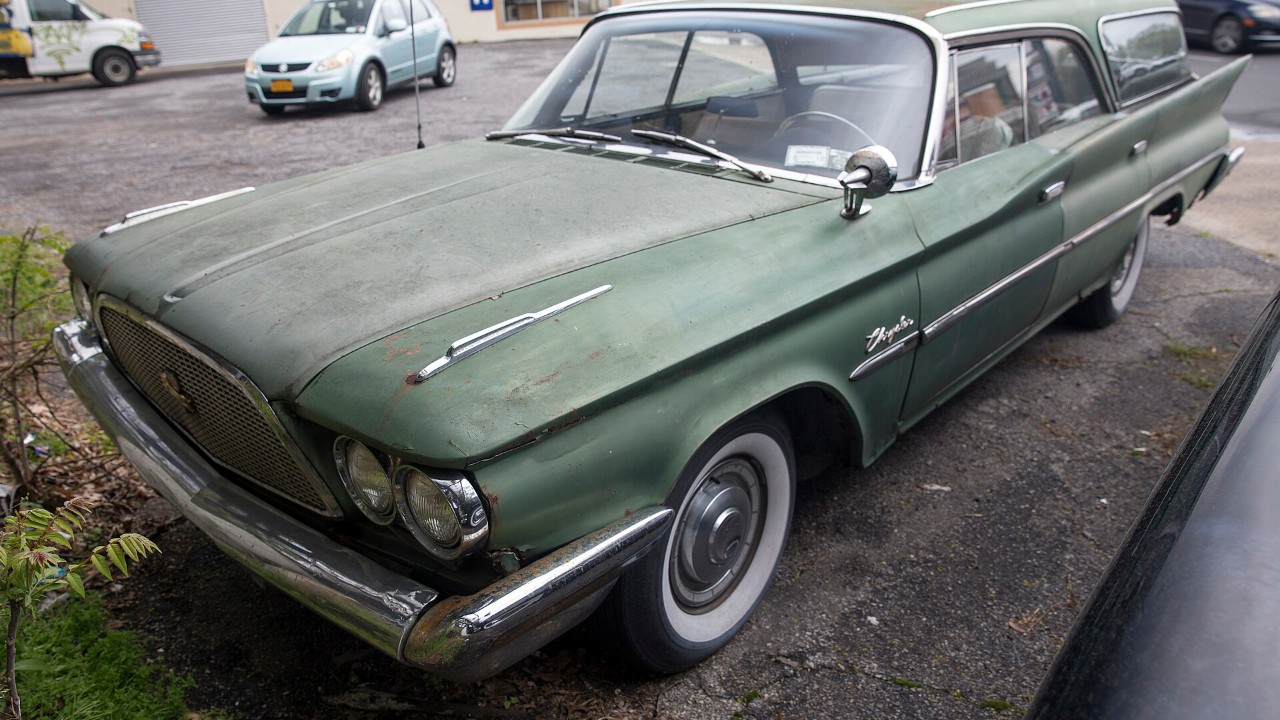
For 1960, Chrysler moved its whole line except Imperial to unibody construction. A bolt-on front subframe held the engine, front suspension and front sheet metal, so the company could change its styling each year at lower cost. The Town & Country wagon came in Windsor and New Yorker trim as a four-door hardtop wagon, in six- and nine-passenger versions.
According to the Chrysler club’s 1960 wagon guide, the Windsor used a 383 cubic-inch V8 with a two-barrel carburetor. It rode on a 122-inch wheelbase and wore its own delicate egg-crate grille. These pillarless wagons looked sleeker than the pillared 1957–59 cars, as Hagerty’s look at the 1961 New Yorker Town & Country points out.
Chrysler offered this hardtop wagon style only until 1964. In our opinion, the Windsor is the overlooked one, because the New Yorker gets most of the attention. For more wagons with serious engines, see our list of six station wagons that left the factory with a big-block V8. If you find one, check the rear window seals, since a pillarless roof depends on them.
7. 1961 Chevrolet Corvair Lakewood
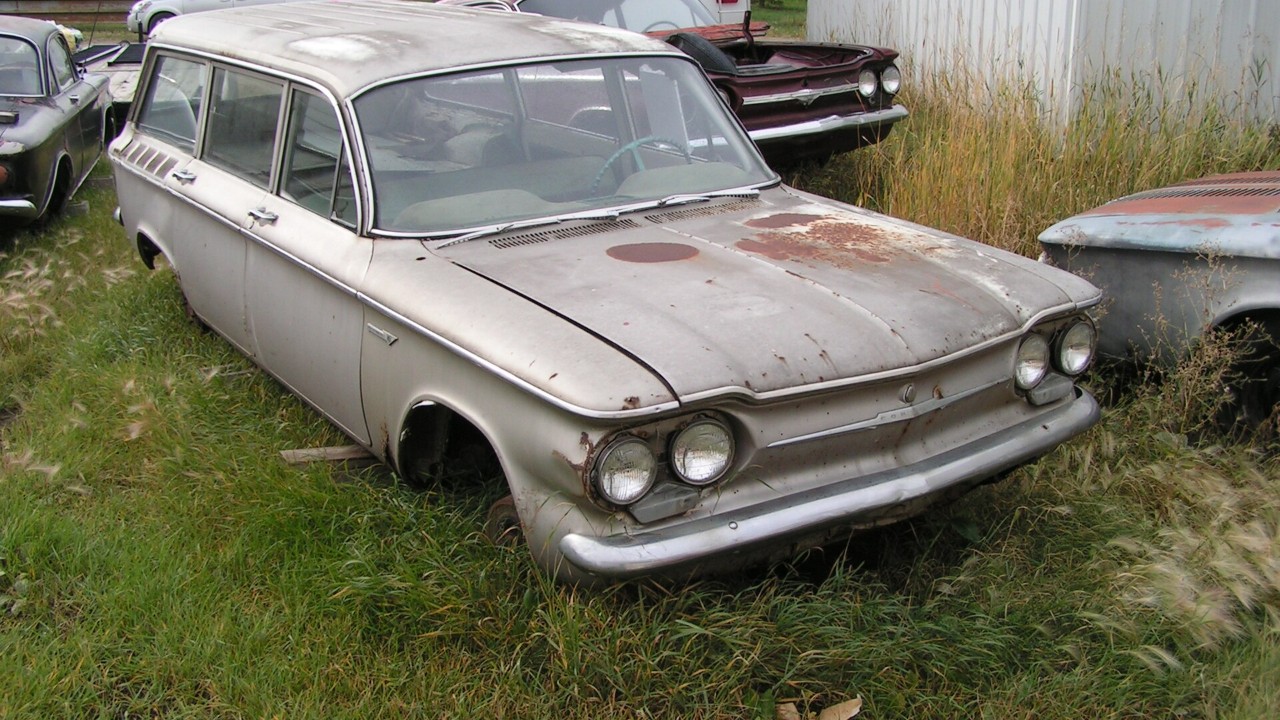
The Lakewood station wagon joined the Corvair lineup in 1961. Because the air-cooled flat-six sat at the back, Chevrolet put it under the cargo floor. The car offered 68 cubic feet of space in all: 58 in the passenger area and 10 more in the front trunk. For 1961, the flat-six also grew to 145 cubic inches.
The wagon had a short life. Chevrolet dropped the Lakewood name for 1962, then ended Corvair wagons in mid-1962 to free plant capacity for other Corvair and Chevy II models. A convertible and the new Chevy II took the wagon’s place on the line. We covered the layout behind it in our story on how the Corvair’s air-cooled flat-six hung behind the rear axle.
In our view, the Lakewood is the strangest American wagon of its era, and that is a compliment. A rear-engine wagon with a trunk up front makes for a great conversation at any show. If you shop for one, check the engine seals for oil leaks and make sure the cargo floor over the engine is solid.
8. 1965 Aston Martin DB5 Shooting Brake
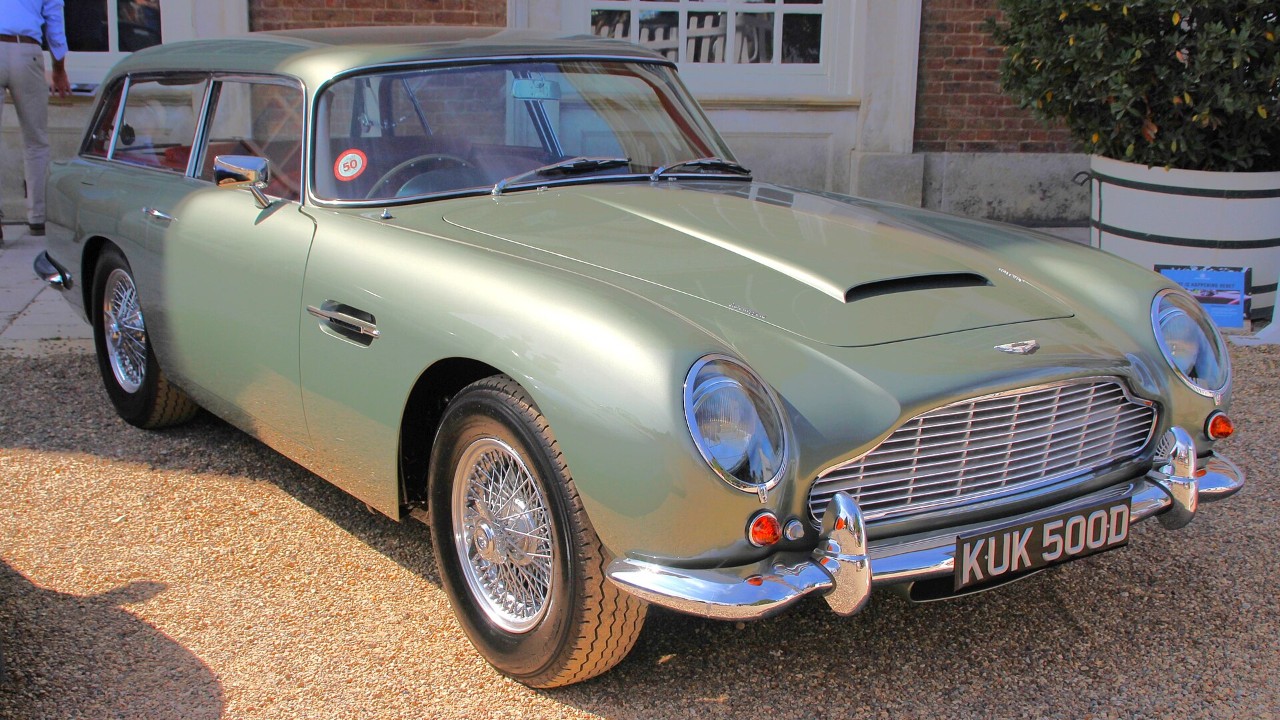
This is the smallest production run on our list. The factory built a prototype for company owner David Brown, an avid hunter and dog owner. After that, coachbuilder Harold Radford converted 11 or 12 more DB5 coupes for Aston Martin. Each car kept the DB5’s 4.0-liter, 3,995 cc six, which made 282 bhp in standard coupe form.
One small detail links these cars to later Astons. The shooting brake used Triumph tail lights, and the same lamps later appeared on the DB6. That kind of parts-bin borrowing was common for low-volume British makers at the time.
With roughly a dozen cars, the DB5 Shooting Brake is a wagon most people will only ever see in pictures or at a major auction. In our opinion, it is also the most elegant way anyone has found to carry a dog in a sports car. Because each one is so valuable and so well known, provenance and documented history are what a buyer pays for.
9. 1987 Audi 200 Avant quattro
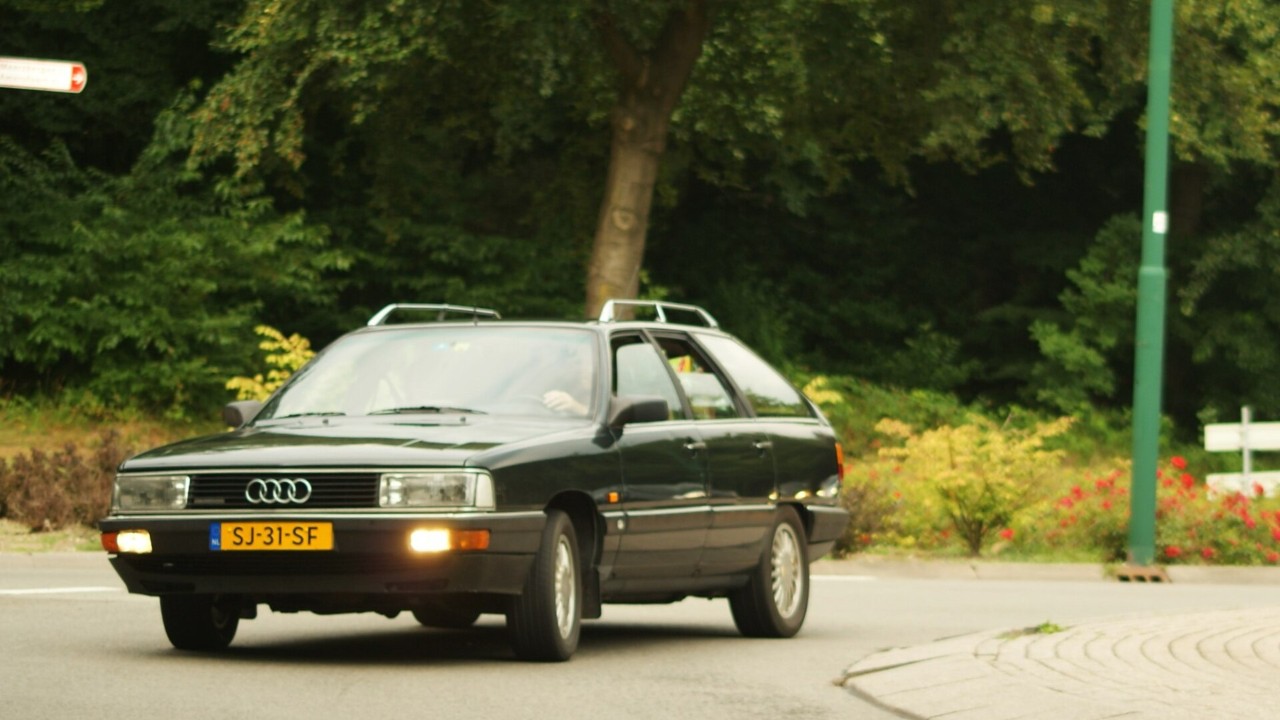
Audi launched the 200 in June 1983 as the upmarket version of its C3 range. The turbocharged five-cylinder made 182 horsepower, and the turbo got quattro all-wheel drive for the 1985 model year. That same year, Audi added the Avant body. Top speed for the turbo was about 230 km/h, helped partly by the car’s slippery shape.
Americans knew the C3 mostly as the Audi 5000. According to Curbside Classic’s 200 Avant feature, early U.S. turbo cars were front-drive and automatic only. Quattro versions came with a manual gearbox. The 200 name did not reach North America until 1989, after the sudden-acceleration controversy hurt the 5000.
That history makes a European-spec 1987 200 Avant quattro an unusual sight in America. In our opinion, it is one of the most appealing Audis of the 1980s. It mixed turbo power, all-wheel drive and a long roof in one quiet package. Check the turbo, the quattro driveline and the electrics before buying, because repairs can cost a lot.
10. 1956 Ford Parklane

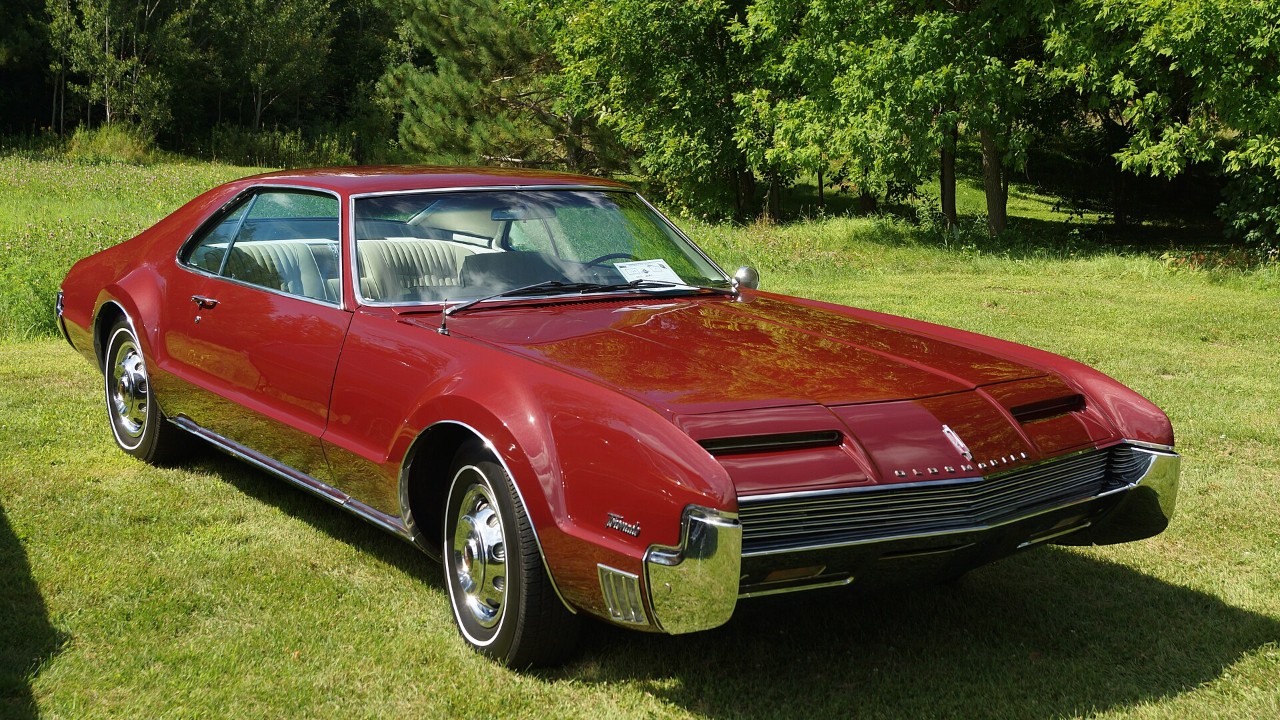
Ford built the Parklane for 1956 only, as a dressed-up two-door wagon aimed at Chevrolet’s Nomad. Buyers could choose a 223 cubic-inch six with 137 horsepower or the 292 V8 shared with the Thunderbird. The Parklane sold 15,186 copies, which means it outsold the 1956 Nomad nearly two to one.
So why is it on a rare list? The Nomad became a collector icon, while the Parklane disappeared into the Ranch Wagon range. For 1957, Ford repackaged the idea as the Del Rio. Two-door wagons were also falling out of favor because they made rear-seat access hard, and wagon buyers of the day were mostly practical people.
In our view, that is why a Parklane is so seldom seen today, even though it sold well when new. Ford pitched it as the upscale two-door wagon, so the details matter. If you find one, make sure the special Parklane trim is present, since many survivors lost those parts over the years.
11. 1958 Edsel Roundup
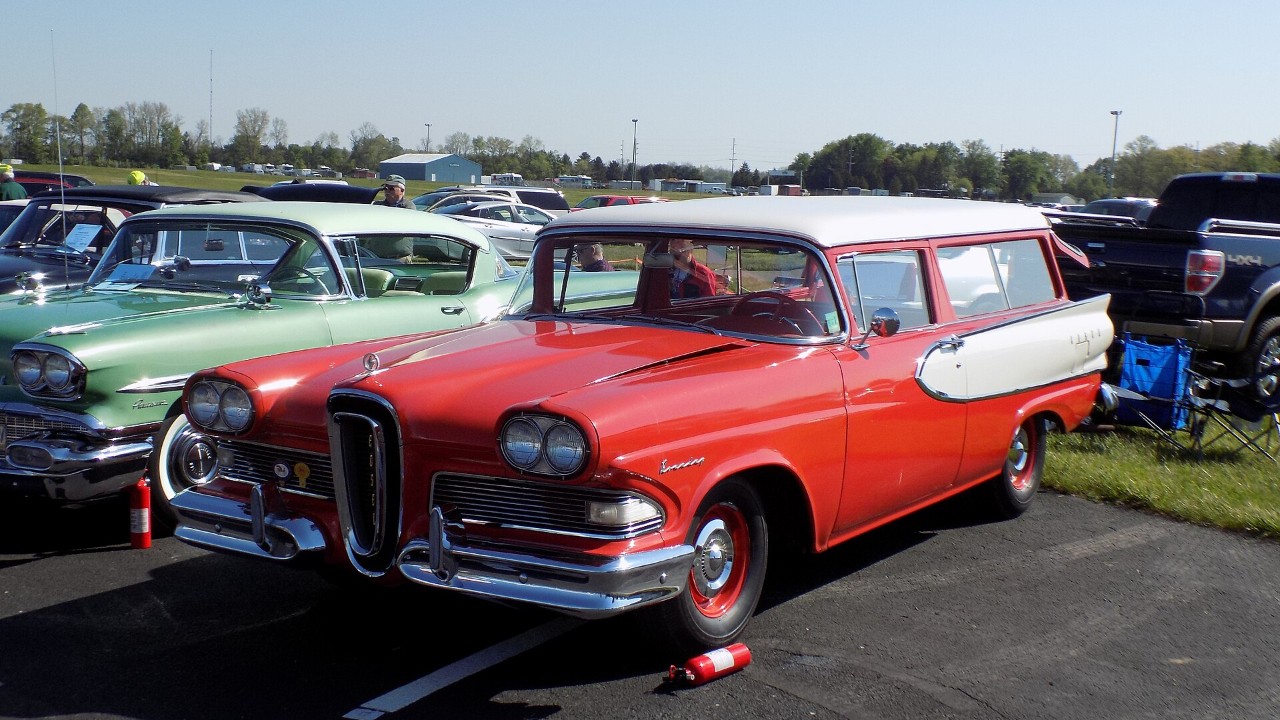
The Roundup was the base Edsel station wagon, a six-passenger two-door sold only for 1958, the brand’s first year. It rode on a 116-inch wheelbase. Under the hood sat a 361 cubic-inch FE V8. Edsel built just 963 of them before dropping the model for 1959.
The Roundup also shared some of Edsel’s odd technology. Edsel’s push-button Teletouch shifter, for example, sat in the steering-wheel hub. We explain how that worked in our story on Edsel’s 1958 Teletouch push-button automatic.
With fewer than a thousand built, the Roundup is a car few people have ever seen in person. In our opinion, it is also the most charming Edsel, because it puts the famous horse-collar grille on a plain working body. Two-door wagons also make great project cars. Before buying, check that the Edsel-specific trim and grille are complete, since those pieces are the hardest to replace.
12. 1963 Rambler Ambassador 990 Cross Country wagon
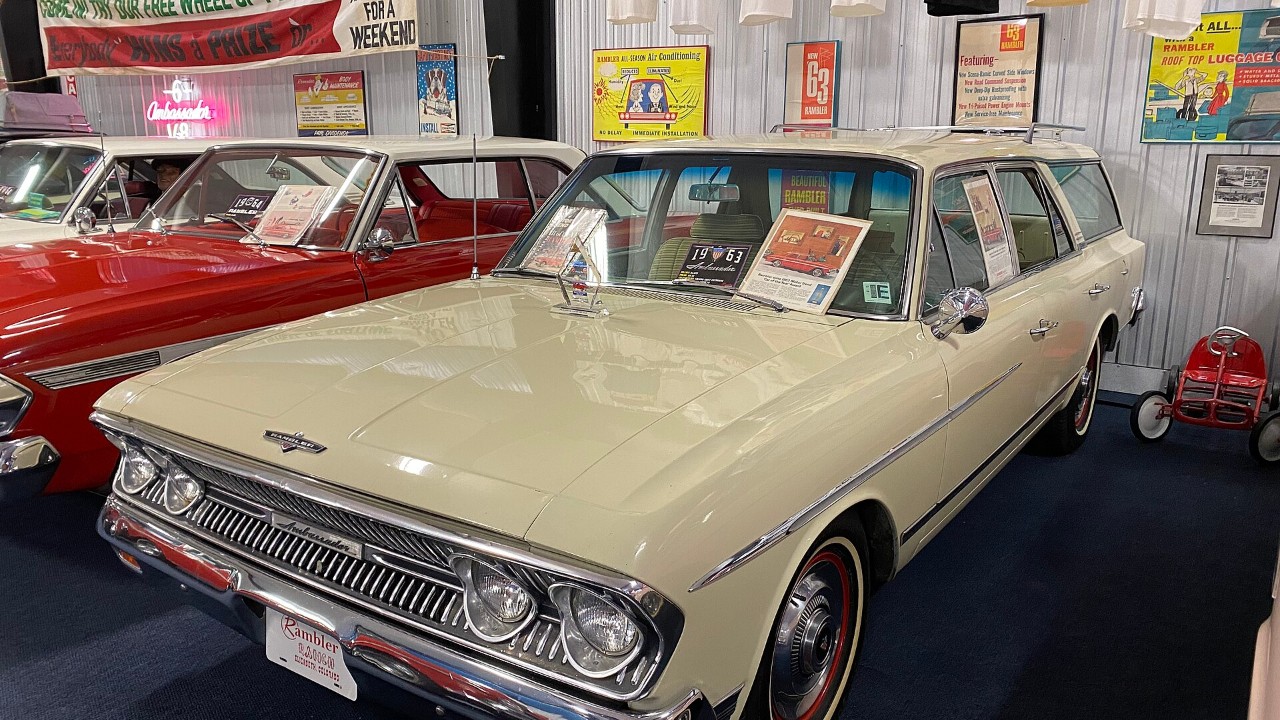
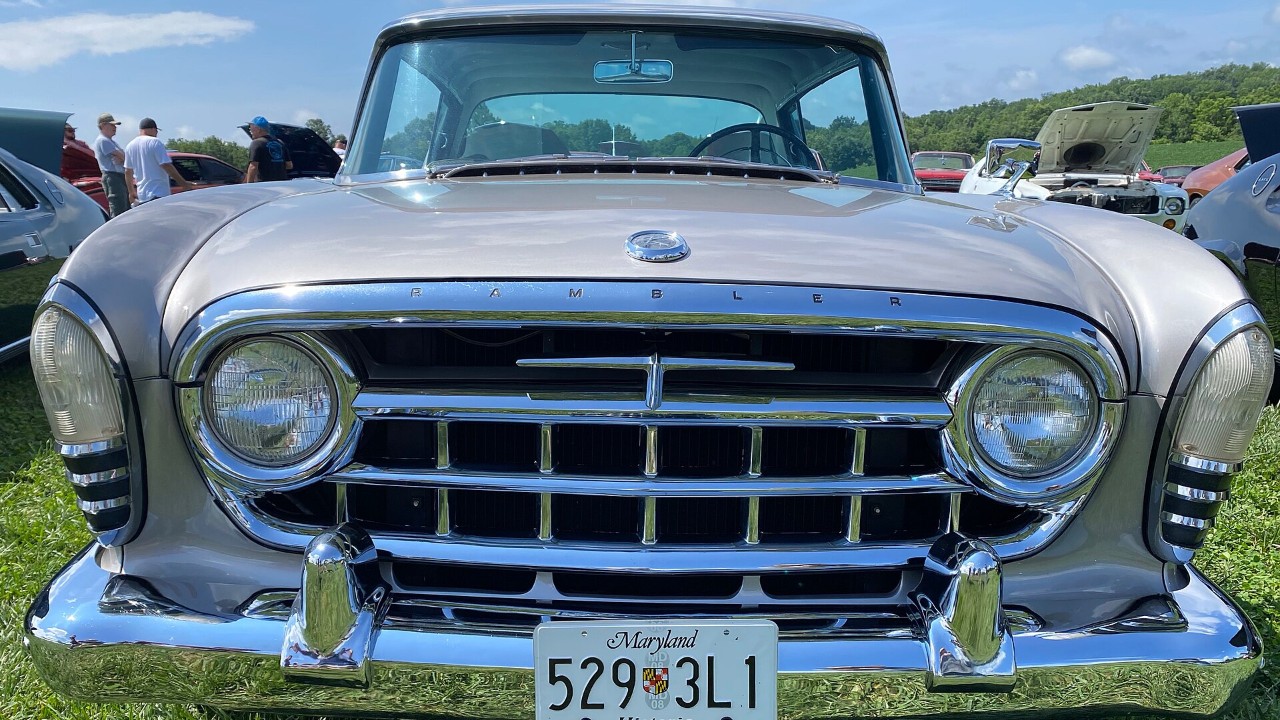
For 1963, the 990 replaced the 400 as the Ambassador’s top trim, and buyers preferred it to the 880 by nearly two to one. The Ambassador came only with a 327 cubic-inch V8, rated at 250 horsepower with a two-barrel or 270 with a four-barrel. It rode on a 112-inch wheelbase, shared with the Classic.
That year, Motor Trend gave its Car of the Year award to the whole Rambler line. The wagon on Curbside Classic’s 1963 Ambassador 990 wagon page is a six-passenger Cross Country, described as one of 6,112 built for 1963.
In our view, this is the forgotten station wagon from an award-winning year. Most people picture Ramblers as economy cars, so a V8-powered luxury wagon surprises them. Check the body for rust around the rear wheel wells and tailgate, and make sure the V8 is the original 327, before you buy.
More from Fast Lane Only