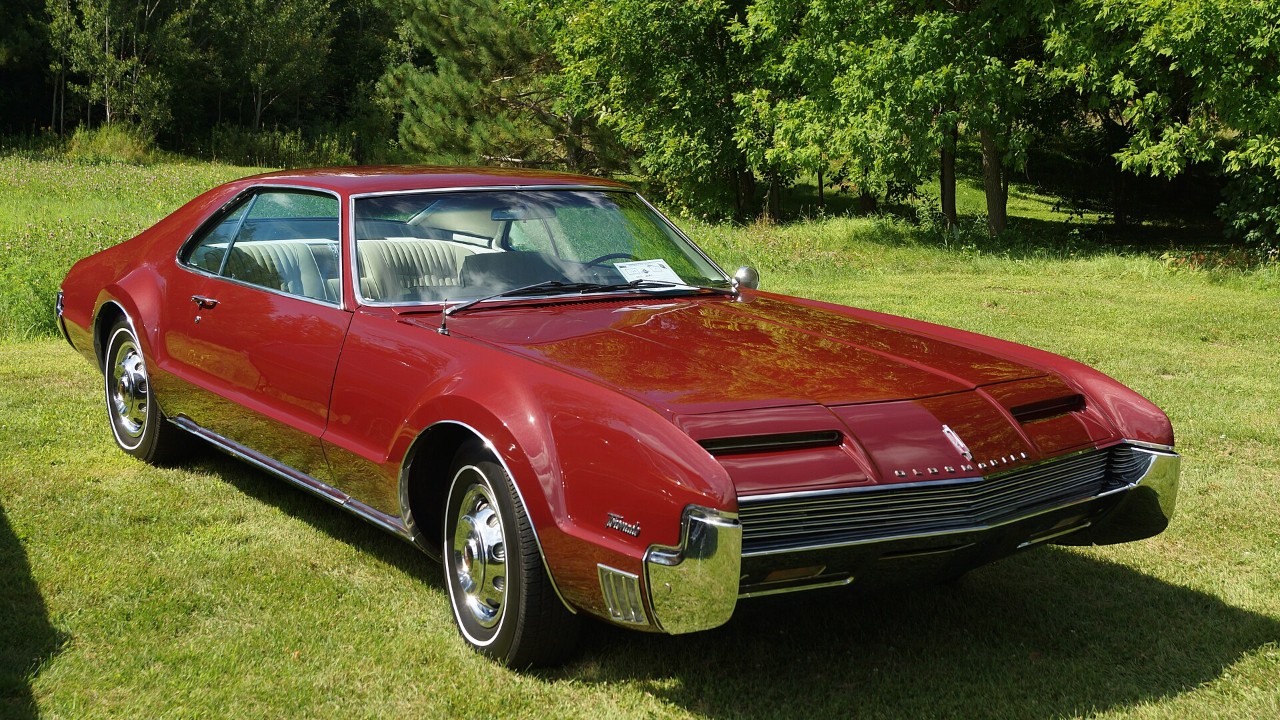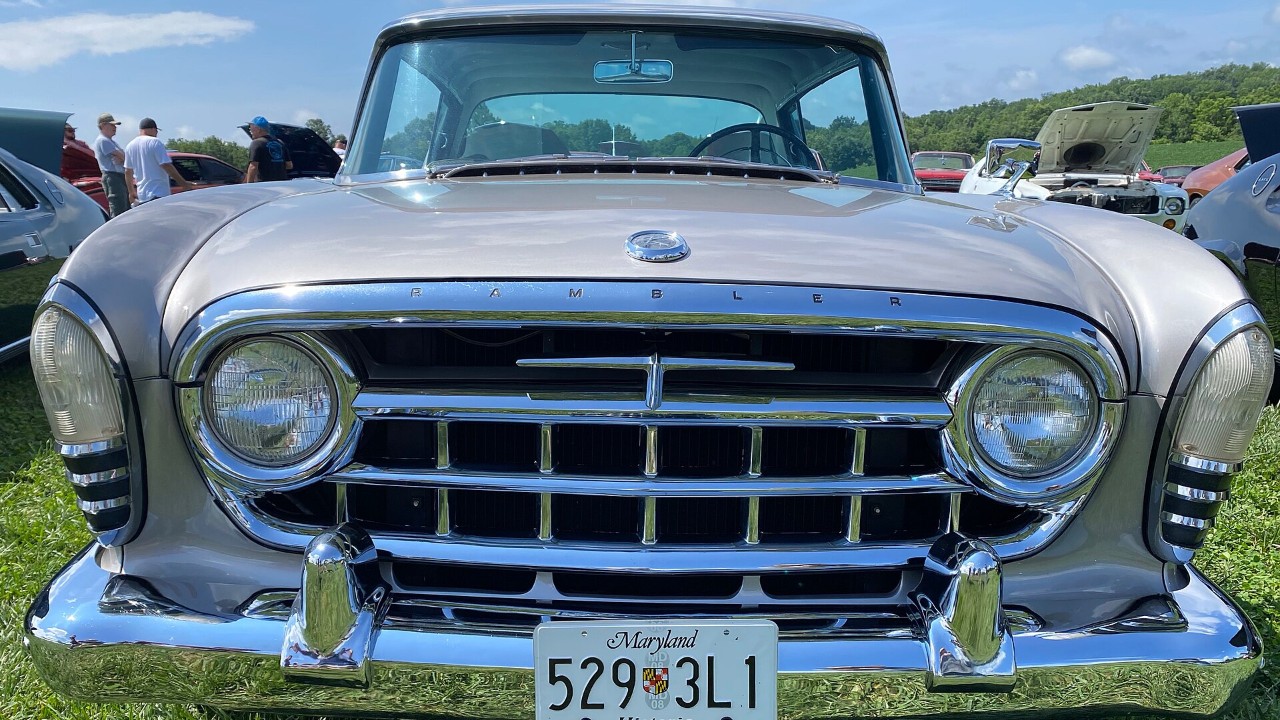
American Motors planned to offer electronic fuel injection on a 1957 family sedan. AMC listed the Bendix Electrojector as a $395 option for the Rambler Rebel, and it promised more power from AMC’s new V8. Yet no Rebel with the system ever reached a customer. Here is what the Electrojector was, why it failed, and where its ideas ended up.
The Rebel itself was a serious car. It was a four-door hardtop with a big V8 in a compact body, and it was quick for its day. So the fuel injection plan was meant to make a fast sedan even faster.
Instead, the option vanished before the cars reached showrooms. The reasons came down to cold mornings, fragile electronics and cost.
The Rambler Rebel that was supposed to get it
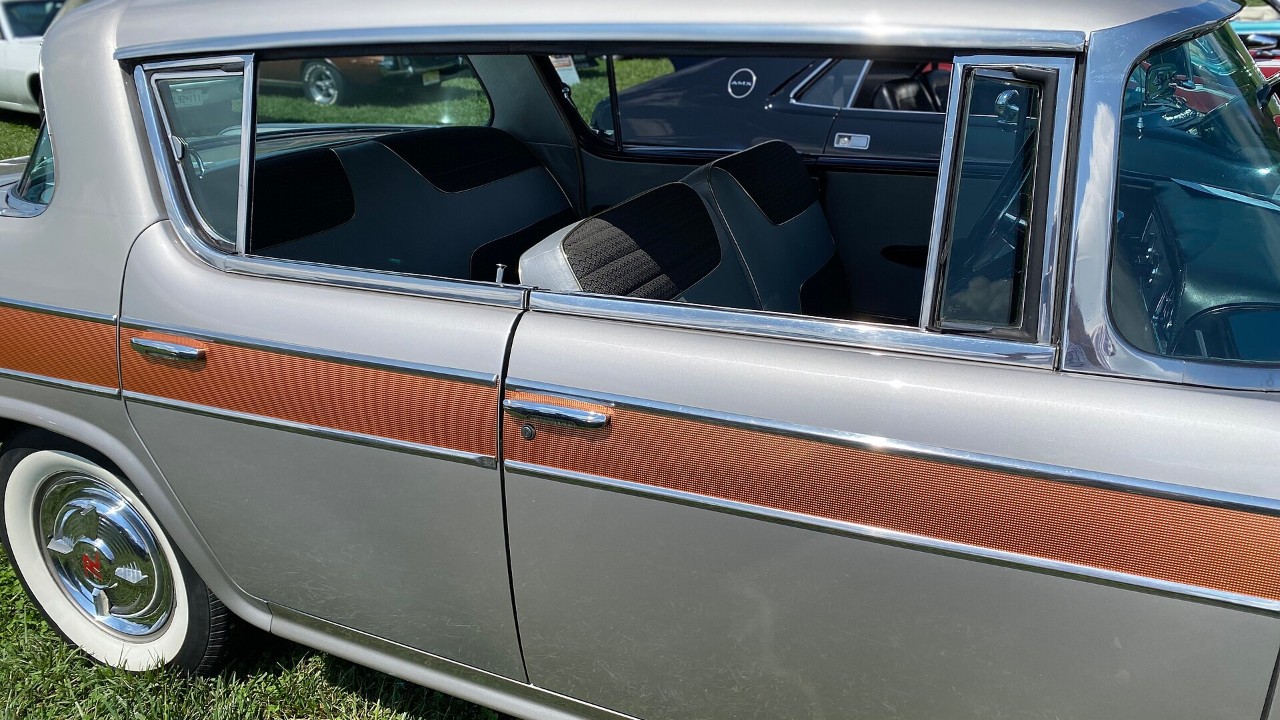
The 1957 Rebel used the Nash Ambassador’s 327-cubic-inch V8, according to Mac’s Motor City Garage. That engine had no relation to Chevrolet’s later 327. In production form, it ran a Carter WCFB four-barrel carburetor, solid lifters and 9.5:1 compression, and it made 255 horsepower.
AMC built exactly 1,500 Rebels, according to company records cited by the same site. Every one came in metallic silver with gold-anodized side trim. The list price was $2,786, and the car rode a 108-inch wheelbase. In fact, Motor Trend measured a best 0-to-60 mph time of 7.5 seconds, as Old Cars Weekly recounts. Joe Wherry recorded that run at Daytona Beach in February 1957.
What the Bendix Electrojector promised
The original plan was a 288-horsepower version of the same V8 fed by the Bendix Electrojector. That figure appears in both Mac’s Motor City Garage and Old Cars Weekly. Meanwhile, autoevolution describes the fuel injection upgrade as “a very expensive option ($395).” For comparison, the whole car listed at $2,786, so the option added about 14 percent to the price.
Bendix had worked on the idea for years. Mac’s Motor City Garage names Robert W. Sutton, an engineer at the company’s Eclipse Aviation division, as the system’s “father.” Experiments began in 1953, and prototype cars were on the road by 1955. Later, Sutton and A.H. Winkler described the system in SAE paper 570060. AMC even displayed an Electrojector engine with a Rebel at the 1957 New York Auto Show.
How the Electrojector worked
In many ways, the design looks familiar today, because modern injection follows the same basic logic. A high-pressure electric pump sat submerged in the fuel tank. Then a second set of breaker points in the distributor set the injector timing. A spring-loaded diaphragm working a potentiometer acted as the manifold pressure sensor.
At the center was the control unit. Bendix called it a “modulator,” while trade magazines called it a “brain box.” It sent a DC square wave with a variable pulse width through an amplifier to each injector. However, early units used vacuum tubes, which took “30 seconds or more to warm up.” For that reason, Bendix adopted transistors once they became practical. AMC’s setup also used a single throttle body.
Why none reached buyers
The main problem was cold-weather starting, according to Mac’s Motor City Garage. Jalopnik adds that the system did not work well below 50 degrees Fahrenheit. As a result, AMC and Bendix engineers kept working through reliability problems until the cars were nearly ready for the line.
In the end, the Rebel got the Carter four-barrel instead. “No production Rebels were sold to the public with this option,” autoevolution states. Similarly, Sports Car Market reports that the injected cars were retrofitted with conventional four-barrel carburetors before being sold.
On top of that, cost hurt too. One executive argued that EFI “didn’t add more perceived value to consumers than a $10 carburetor,” Mac’s Motor City Garage reports. Yet it cost “20 times as much.”
Chrysler tried next, and Bosch finished the job
The Bendix Electrojector got one more chance in 1958. Chrysler offered its own version, called “Jetpower,” on about 35 cars, by most counts. According to Sports Car Market, the option cost $637 against a $4,071 base price. Unfortunately, Chrysler soon recalled those cars for driveability troubles and fitted standard carburetors, Mac’s Motor City Garage reports.
Bendix shelved the Electrojector program in 1960, Mac’s Motor City Garage says. However, the work did not go to waste. Bendix licensed the technology to Bosch, Jalopnik reports. By the late 1960s, Bosch’s Jetronic injection reached Volkswagen’s Type 3. Mac’s Motor City Garage calls Jetronic “essentially a refined version of the original Bendix Electrojector.” Today, autoevolution counts only about 25 surviving 1957 Rebels out of the 1,500 that AMC built.
More from Fast Lane Only