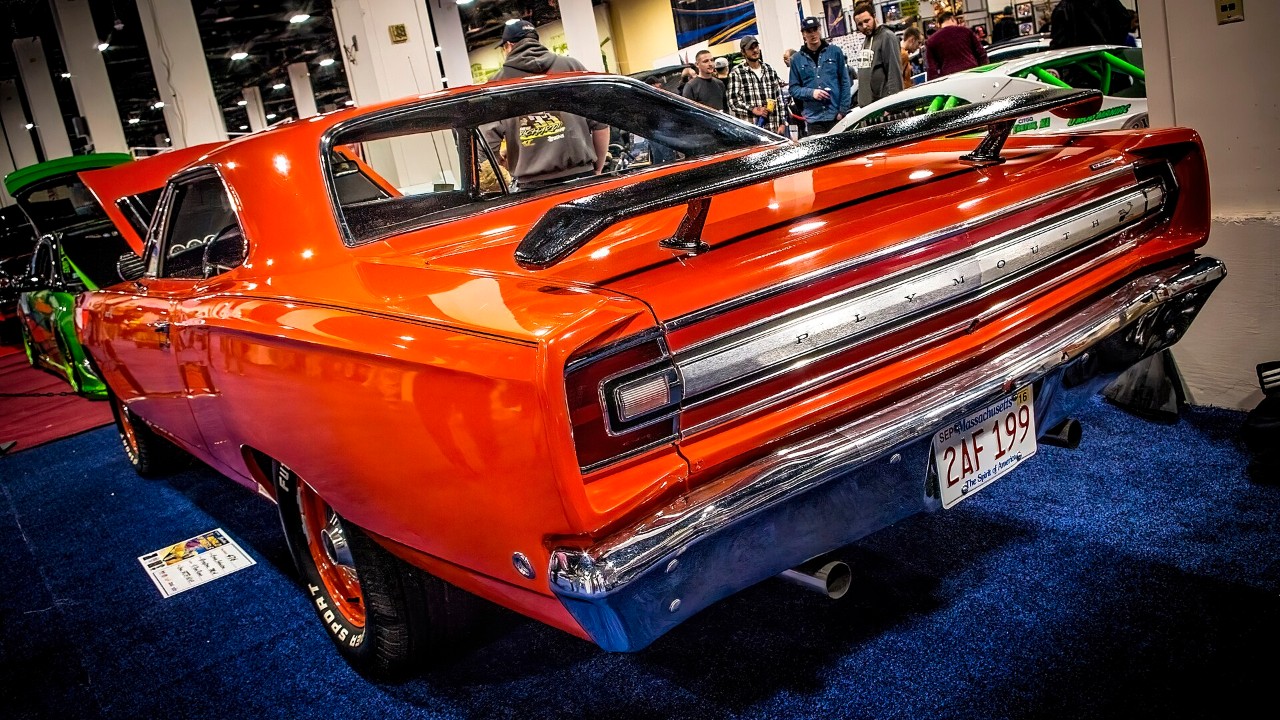
Plymouth guessed it might sell 20,000 copies of its new Road Runner for 1968. Instead, buyers took home about 45,000, and the budget muscle car with a cartoon bird on its flanks became the surprise hit of the year. The formula was simple: a plain mid-size Belvedere body, a strong V8 and very few frills.
That simple recipe changed a lot over the next eight seasons. Plymouth added a convertible, a hood that breathed on command and a winged NASCAR special. Then insurance rates and emissions rules squeezed the car into a softer, heavier shape, and some years aged better than others.
So we went through the whole run and picked our favorites. These eight are our choices, and the verdicts are our opinion. The engines, prices and production figures behind each pick, however, come from the record.
1. 1968 Plymouth Road Runner
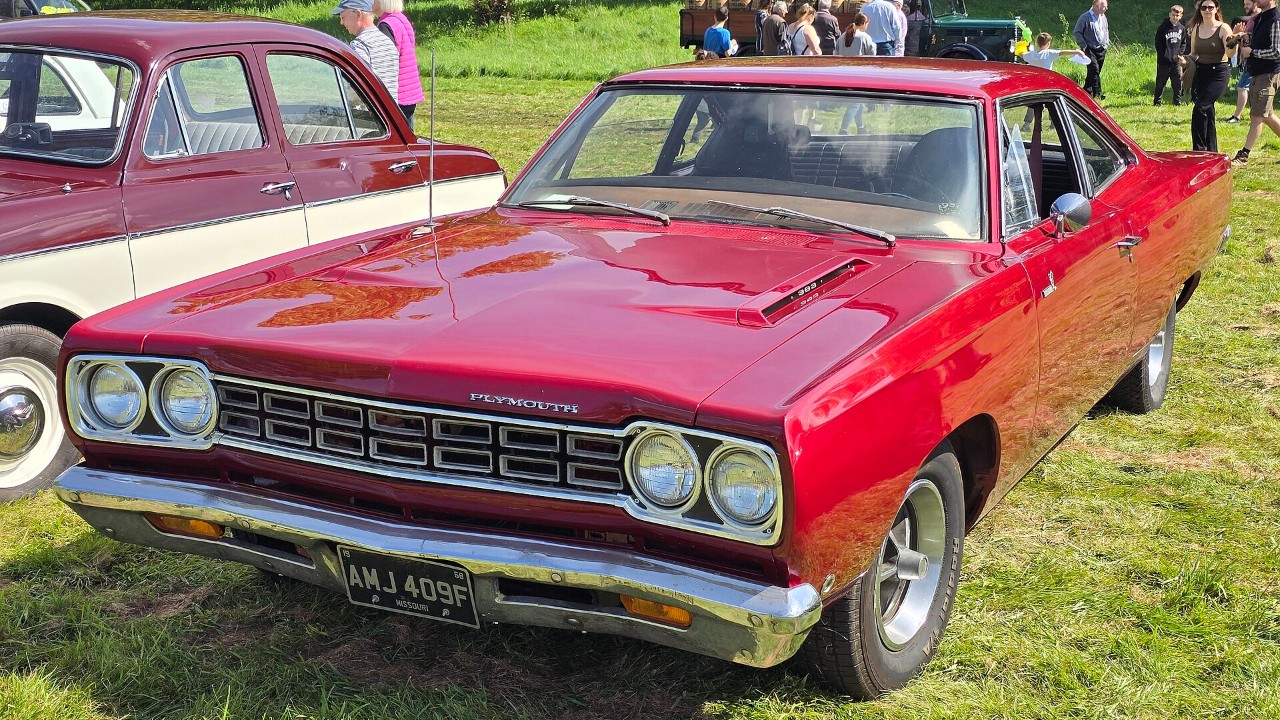
The first-year car is the purest version of the idea. Plymouth started with the Belvedere, and early 1968 cars came only as pillared coupes. Under the hood sat a 383 cubic-inch V8 reserved for the Road Runner, rated at 335 horsepower. Cars ordered with air conditioning got a 330-hp version instead, a small reminder that comfort cost a little speed.
The name itself carried a bill. Plymouth paid Warner Bros.-Seven Arts $50,000 for the name and the bird’s likeness, then spent another $10,000 developing the “beep-beep” horn. Our earlier story on how much that horn cost to develop covers that deal in more detail.
Prices for these early cars sit within reach of many muscle buyers. According to Hagerty’s Road Runner marketplace page, a 1968 hardtop sold for $34,508 in December 2025. In our view, that is a fair price for the car that started the whole run. Because it has the fewest extras of any year, it also shows the original plan most clearly: a fast car for people who did not have Hemi money.
2. 1969 Plymouth Road Runner 383 hardtop
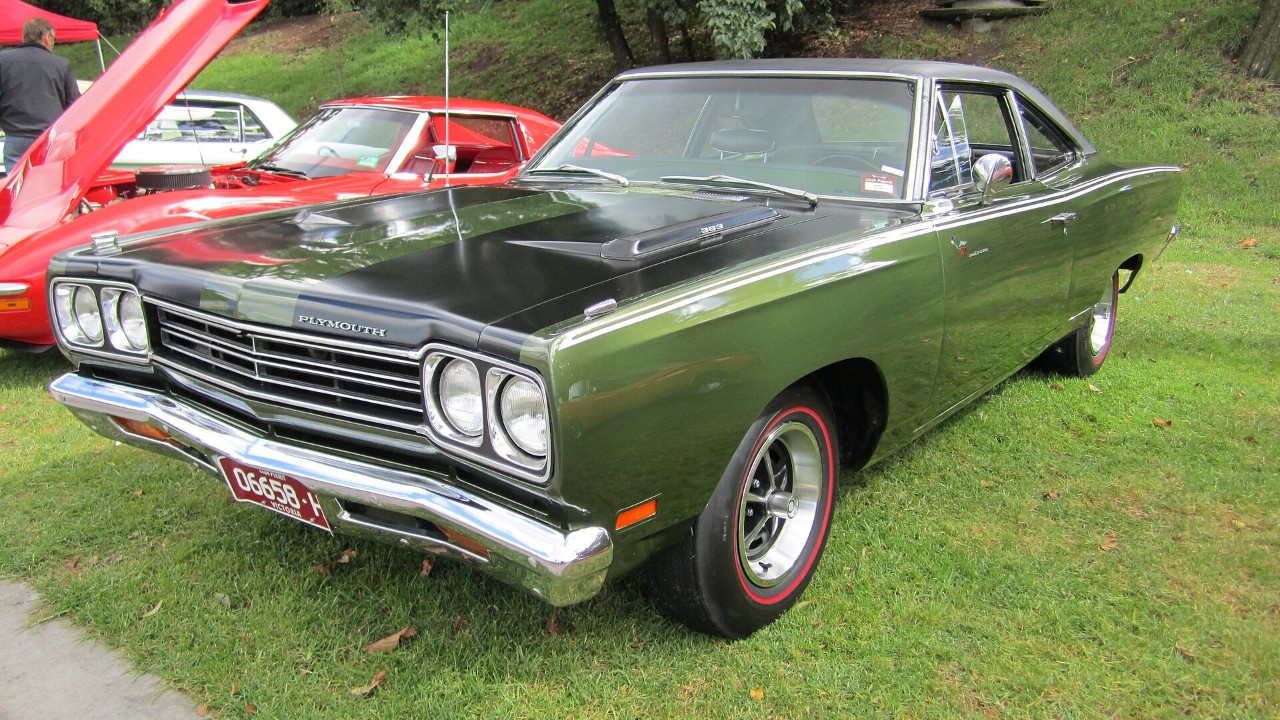
For 1969, the Road Runner hit its sales peak. Plymouth moved 81,125 domestic cars across three body styles that year, plus 3,295 for Canada and other markets. Motor Trend also named the Road Runner its Car of the Year for 1969, an unusual honor for a stripped-down performance car.
The 383 stayed the heart of the package. According to Horsepower Memories’ look at the 1968–1970 cars, the engine made 335 horsepower and 425 lb-ft of torque, helped by heads, cam and intake borrowed from the pricier GTX. That torque figure matters more than the horsepower on the street. In fact, it gave the car its strong pull from a stop without the fussy tuning a Hemi demanded.
Values have climbed with the car’s reputation. Hagerty’s marketplace lists a 1969 hardtop that sold for $62,595 in April 2025. We like the hardtop because it adds clean pillarless styling to the year that sold best. If you want one Road Runner to drive often, this is the one we would hunt for first.
3. 1969 Plymouth Road Runner Hemi
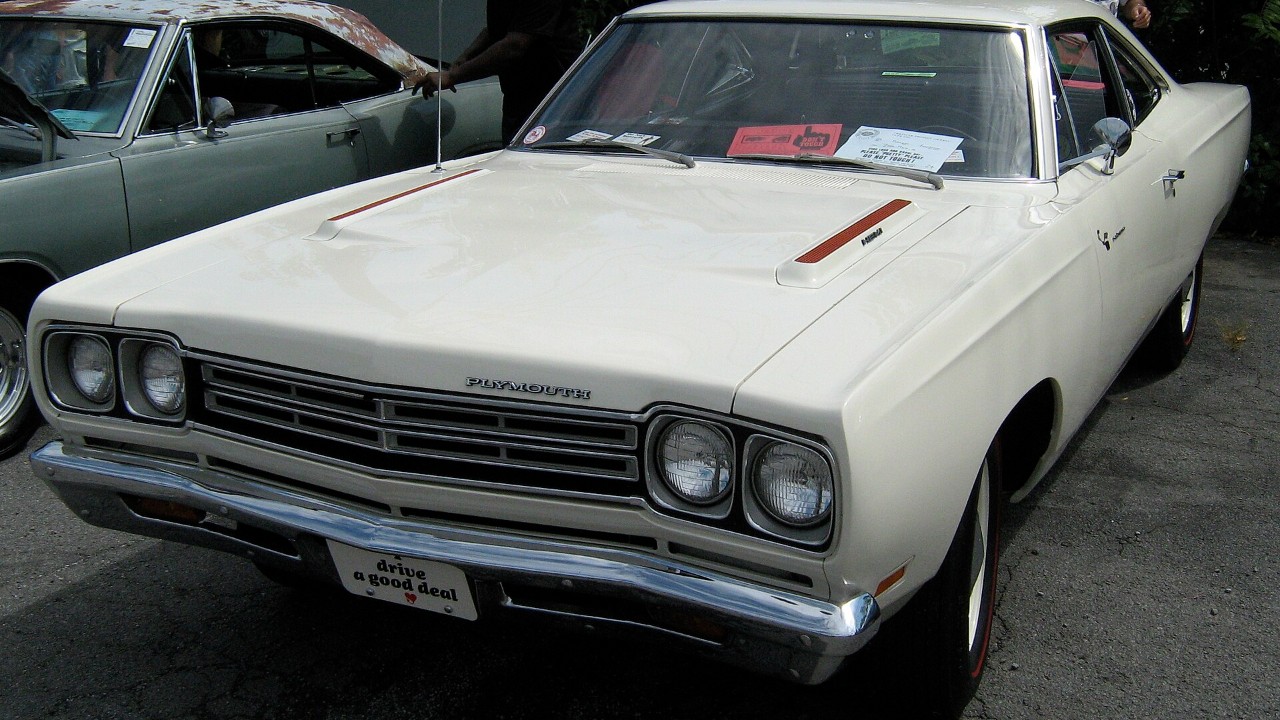
The 426 Hemi turned a budget car into a serious threat. Ticking that box cost $714, and the engine carried a rating of 425 horsepower at 5,000 rpm. Horsepower Memories adds 490 lb-ft of torque and forged aluminum pistons to the spec sheet. Most buyers skipped it, though, because the price and the insurance premium both stung.
The convertible shows how few Hemi buyers there were. Plymouth built 2,128 Road Runner convertibles for 1969, and only ten of them got the 426 Hemi. Hagerty puts all Hemi Road Runner convertibles at fewer than 50, which makes a genuine one a very rare find.
Today, the engine choice drives the price more than anything else. A Hemi Road Runner in excellent condition can bring well over $100,000, according to Horsepower Memories. Even so, we think the Hemi earns its spot for a different reason. It proves the car’s cheap-and-fast concept could stretch all the way to Chrysler’s race engine without losing its plain-wrapper look. Just budget for a careful inspection, since a car this valuable invites clones and tributes.
4. 1970 Plymouth Road Runner Air Grabber
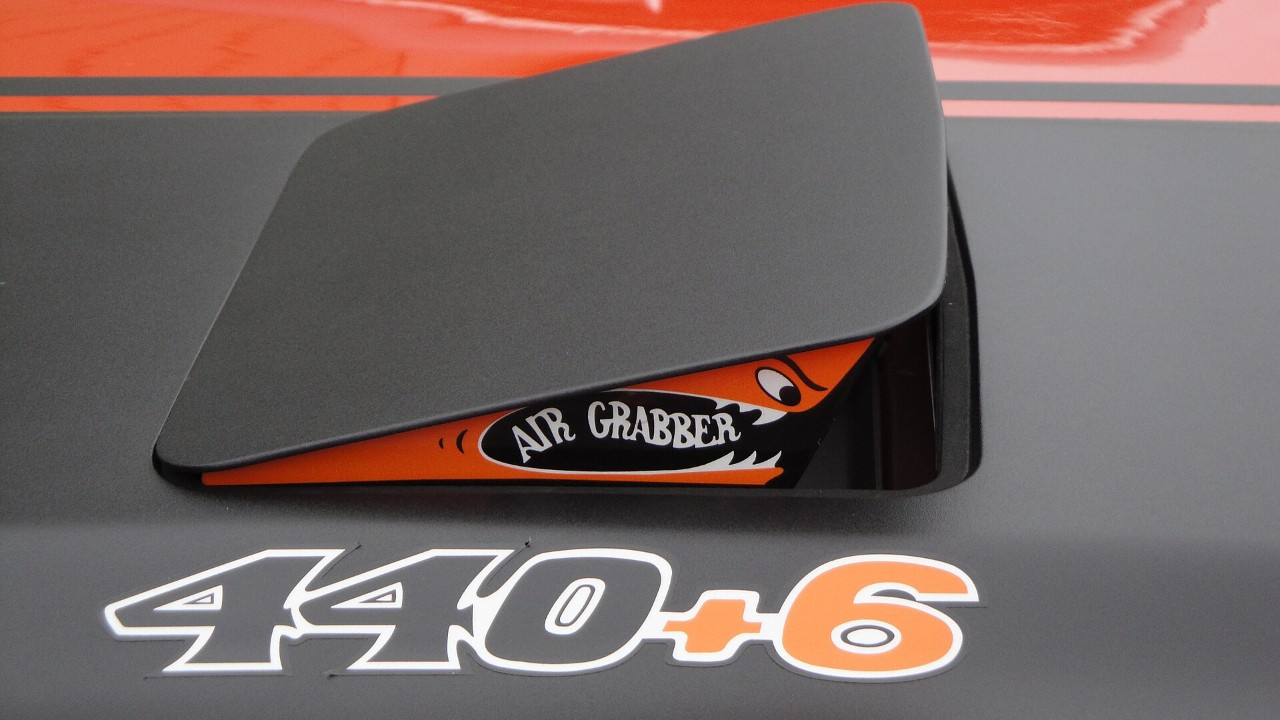
The Air Grabber started life in 1969 as a fiberglass duct that fed outside air straight to the engine. Drivers worked a dash lever marked “Carb Air” to open and close the vents. For 1970, Plymouth redesigned the system around a vacuum servo. Now a forward-facing scoop rose out of the hood at the flick of a switch, and its side carried a toothy shark graphic with the Air Grabber name.
The 1970 car also got fresh sheet metal. Plymouth changed the grille, fenders, hood and quarter panels, and buyers could add bucket seats, a console and a tachometer. Sales dropped hard, however. Plymouth sold about 41,000 Road Runners for 1970, a fall of more than 50 percent from the year before.
That drop helps today’s buyer. Hagerty’s marketplace notes the 1970 Air Grabber scoop as one of the model’s signature features. In our view, the pop-up scoop is the most fun option Plymouth ever put on the car, because it turns a stoplight into a little show. Also, the 1970 styling ties the early cars to the bolder look that followed. Check that the vacuum lines and servo work before you buy, since a dead scoop takes away half the charm.
5. 1970 Plymouth Superbird
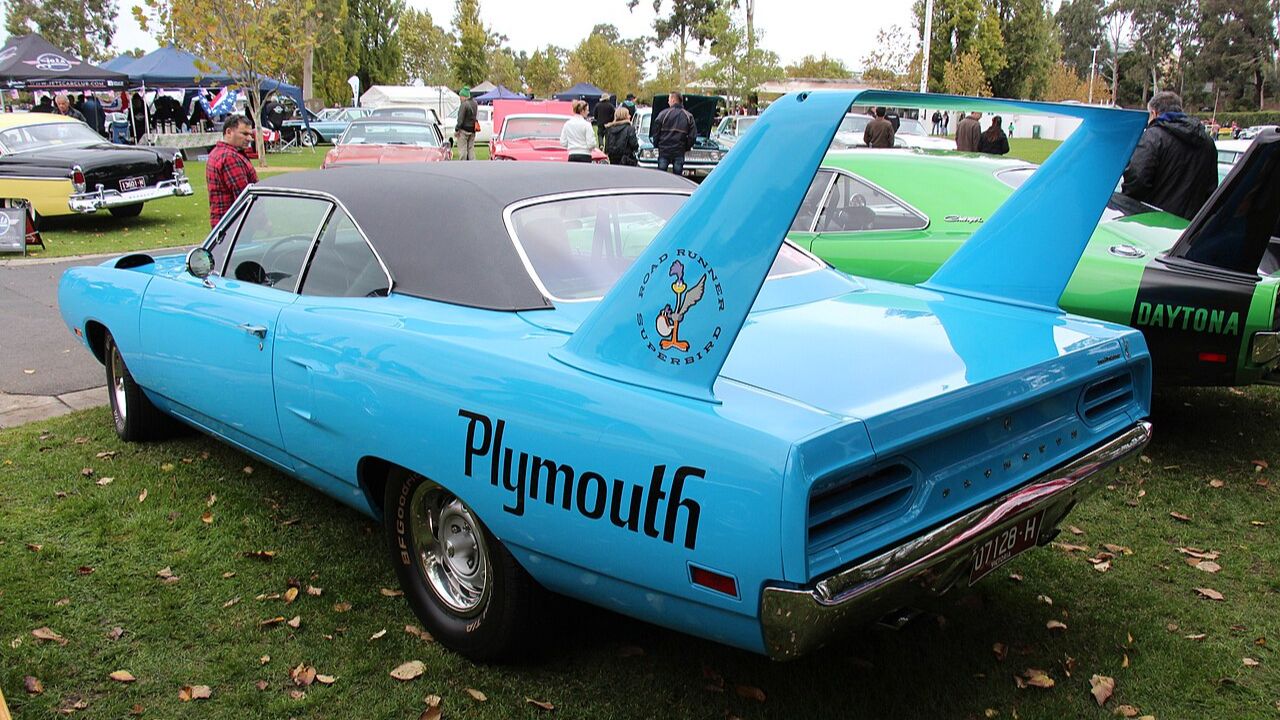
The Superbird existed because of a NASCAR rule. For 1970, the series required one road car for every two U.S. Plymouth and Dodge dealers, which meant Plymouth needed to build 1,920 of them. About 1,935 went to U.S. dealers in the end. The pointed nose and pop-up headlights added roughly 19 inches to a regular Road Runner’s length, and a tall wing rode on struts above the trunk.
Plymouth also wanted Richard Petty back. He had left for Ford in 1969 and won 10 races there, according to Silodrome’s history of the Superbird. Back in a Plymouth for 1970, he won 18 races and led 5,007 laps. We have also written about why the Superbird needed its massive wing, which explains the strut height.
Engine choice matters a great deal here. Just 135 Superbirds left with the 426 Hemi, while about 716 got the 440 Six Barrel and the rest used the four-barrel 440. Then NASCAR told aero cars for 1971 to run engines of 305 cubic inches or less or carry much more weight, so 1970 became the only year. In our opinion, no Road Runner says more about its era in one glance.
6. 1974 Plymouth Road Runner 360
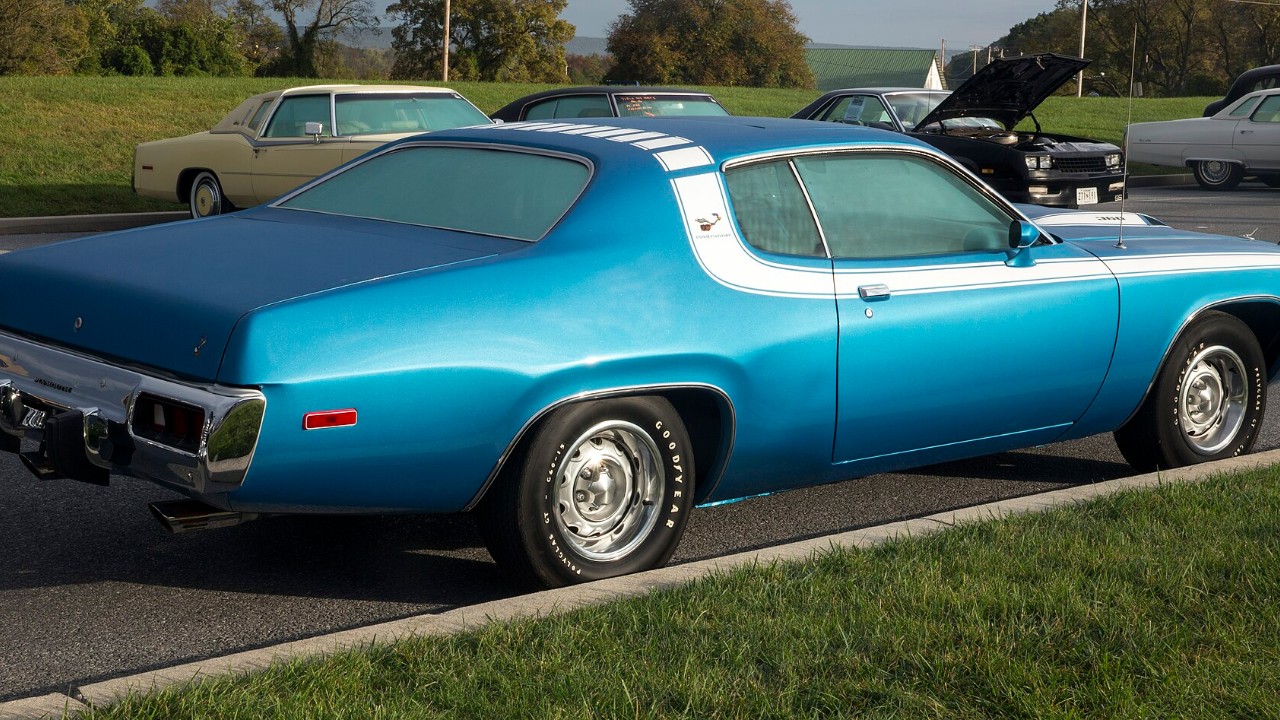
By 1974, the Road Runner had a very different job. The base engine had dropped to a 318 V8 rated at 170 horsepower with dual exhaust. Meanwhile, the big 440 at 280 horsepower came only with the TorqueFlite automatic. Plymouth also sold a Road Runner GTX built around a 280-hp 440 from 1972 through 1974.
The 360 is the version we like best from these years. It showed up on the 1974 options list, and buyers could pair it with a four-speed manual. That combination gave you a small-block that revved freely and a clutch pedal, which kept the car feeling like a driver’s machine even as the big-block era closed. If you want the full rundown of options, our list of every engine Plymouth offered in the Road Runner from 1968 to 1974 lays them out year by year.
These later cars usually cost far less than the 1968–1970 models, and that is part of the appeal. In our view, a 360 four-speed is the smart buy for someone who wants Road Runner graphics and real driving fun without paying early-car prices. Look for clean paperwork that shows the original engine and gearbox.
7. 1975 Plymouth Road Runner (Fury-based)
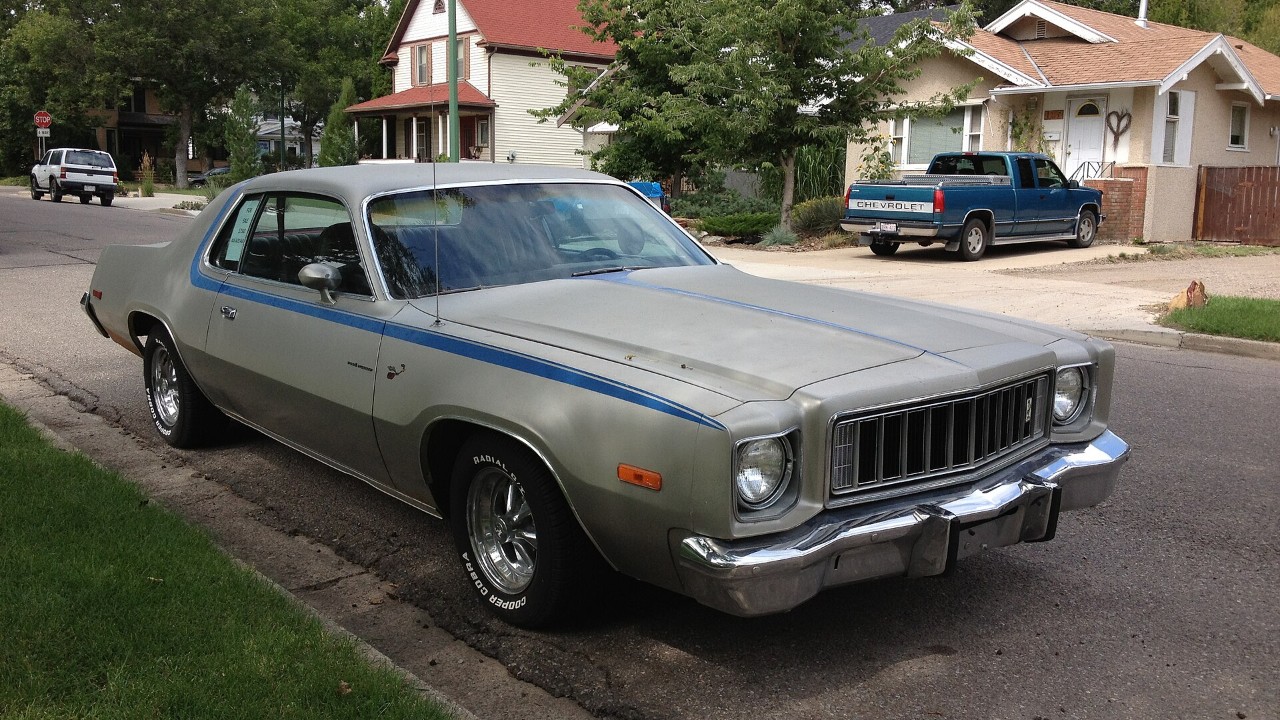
For 1975, the Road Runner moved onto the larger Fury body. It was a bigger car with a softer mission, and Plymouth built only 7,183 of them. The standard engine was a 318 rated at 145 horsepower, so the base car had a long way to go before it felt quick.
Look deeper into the order form, though, and the picture improves. Buyers could choose a 360 four-barrel, code E58, at 220 horsepower. There was also a 400 four-barrel with dual exhaust, code E68, rated at 235 horsepower. A 440 at 255 horsepower appeared only in police models, though a few may have reached the public.
Production that low makes the 1975 car an oddball worth a look. Most fans skip it because it lacks the classic shape of the earlier cars. We think that is exactly why it belongs here. It is a one-year body for the Road Runner name, and an E58 or E68 car shows Plymouth trying to keep some muscle alive in a tough decade. If you find one, check the fender tag and build sheet for the engine code, since those two options separate a real performer from a cruiser.
8. 1971 Plymouth Road Runner in Plum Crazy
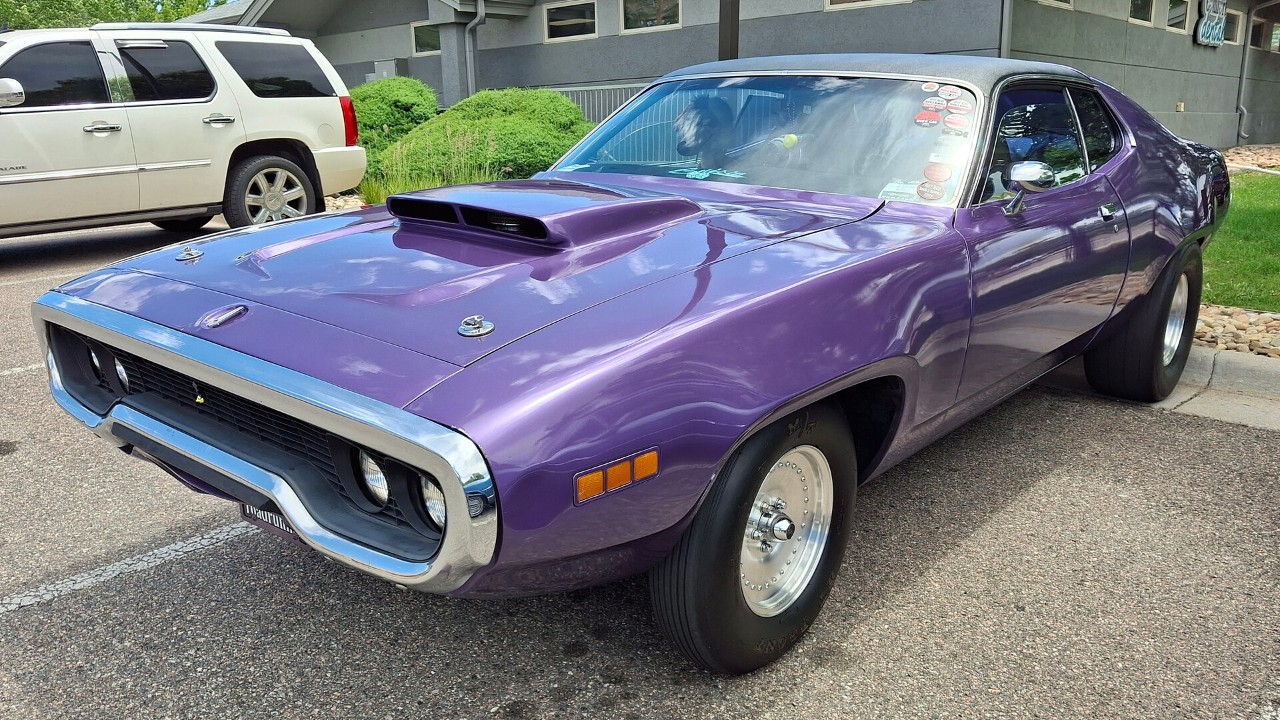
The 1971 redesign gave the Road Runner rounded “fuselage” styling, and Plymouth dropped the convertible. The engine list changed too. A 340 four-barrel joined the options, and the 383 returned in a detuned form rated at 300 horsepower. This was also the final year for both the 440 Six Barrel and the 426 Hemi in the Road Runner.
Paint is part of this pick. Fans often call this purple Plum Crazy, but that was Dodge’s name for it. Plymouth sold the same high-impact color as In-Violet, according to Rick Carey’s guide to Mopar color names, which lists both names for the 1970 and 1971 model years. The shade makes the curvy 1971 body look even wilder than it does in a sober color.
So why this car over a Hemi? In our opinion, the 1971 is the last Road Runner that still had every big engine on the list, and it wears the boldest body of the run. A 340 car in In-Violet is also a far easier purchase than a Hemi. Before you buy one, confirm the paint against the fender tag, because repaints in this color are common.
More from Fast Lane Only