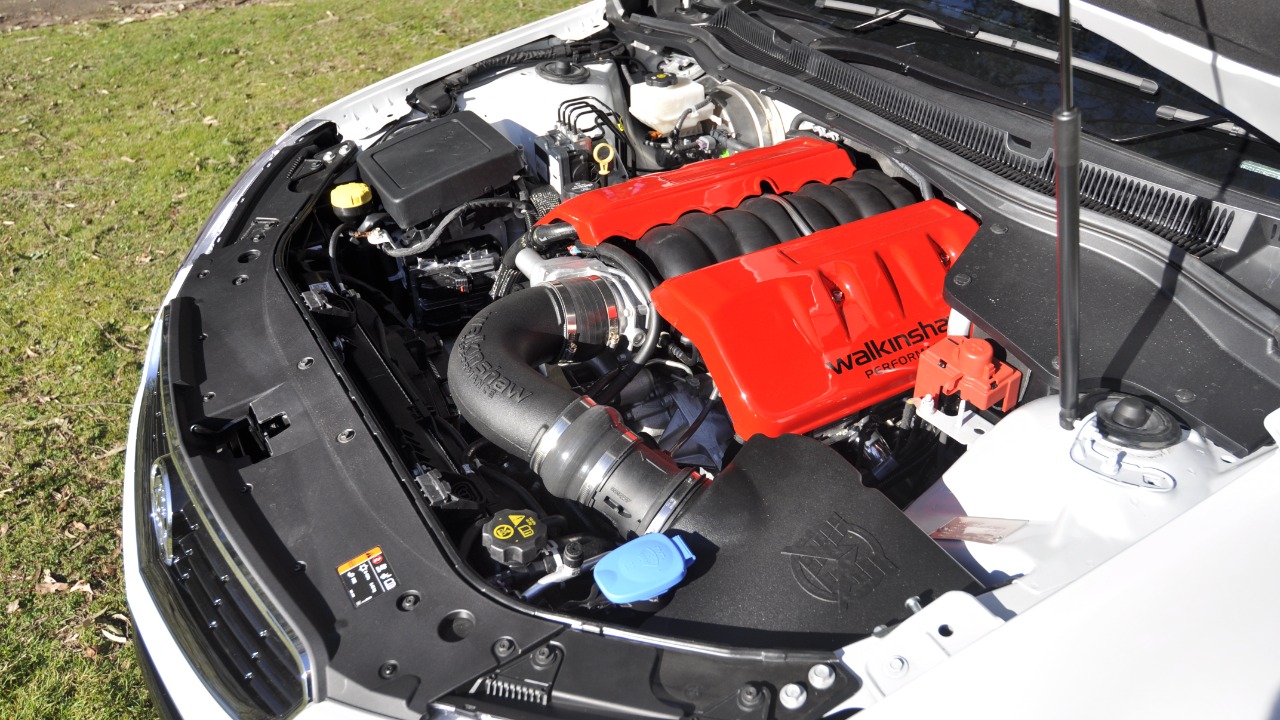
The American V8 engine is a beloved staple of the automotive landscape, known for its power, reliability, and performance. While some engines come with a reputation for trouble, several V8s have proven to be workhorses that mechanics rarely have to worry about. From classic muscle cars to modern trucks, these engines have stood the test of time, often requiring minimal maintenance. Here’s a closer look at nine American V8s that mechanics can generally trust.
Chevrolet 350 Small Block
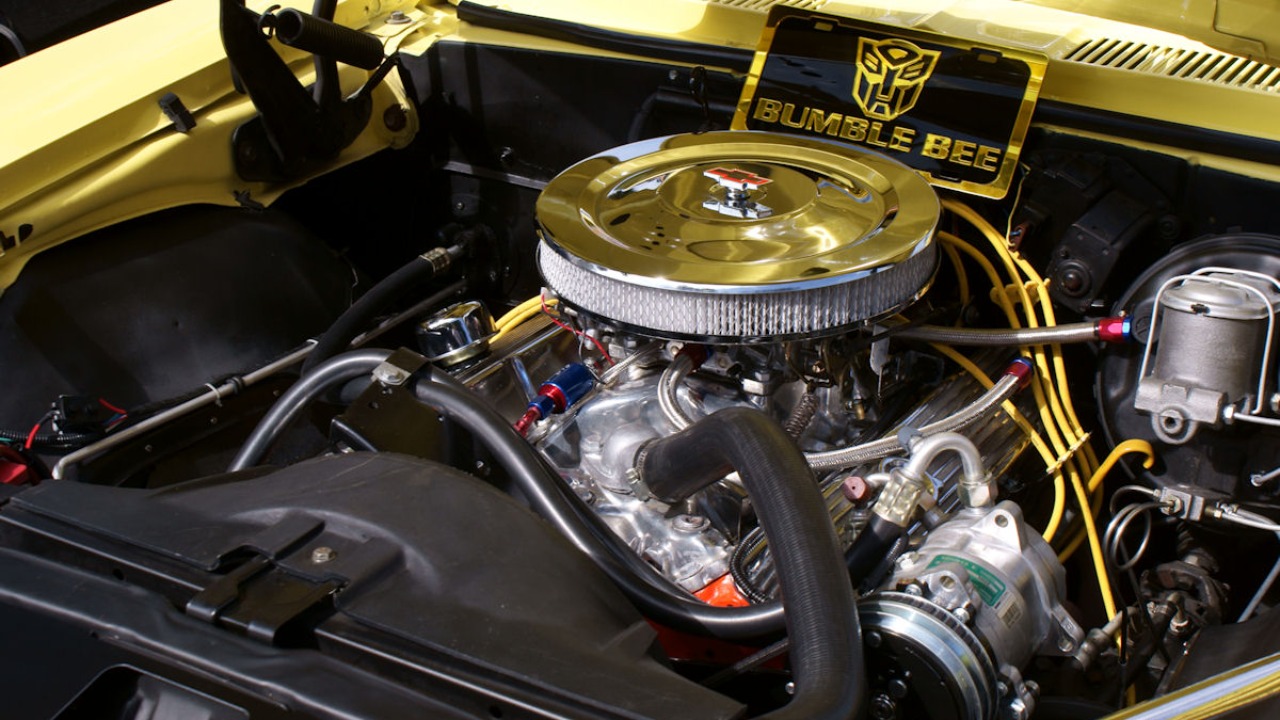
The Chevrolet 350 Small Block is arguably one of the most iconic V8 engines in American history. First introduced in 1967, this engine has become a cornerstone for both Chevrolet and aftermarket performance enthusiasts. Known for its versatility, the 350 can be found in a variety of applications, from classic Camaros to modern Corvettes. Mechanics appreciate its simple design, which allows for easy repairs and modifications. Additionally, parts are widely available, making it a favorite among DIYers and professionals alike. This engine’s robust nature means that with regular maintenance, it can last for hundreds of thousands of miles.
In terms of performance, the 350 Small Block is capable of producing impressive horsepower and torque figures, especially when upgraded with aftermarket parts. Its compatibility with various fuel systems also allows for tuning options that can cater to different driving styles. For those looking to explore more about this engine, I recommend checking sources like this article that dives into its enduring appeal. Whether you’re restoring a classic or building a hot rod, the 350 Small Block remains a solid choice.
Ford 5.0 Coyote
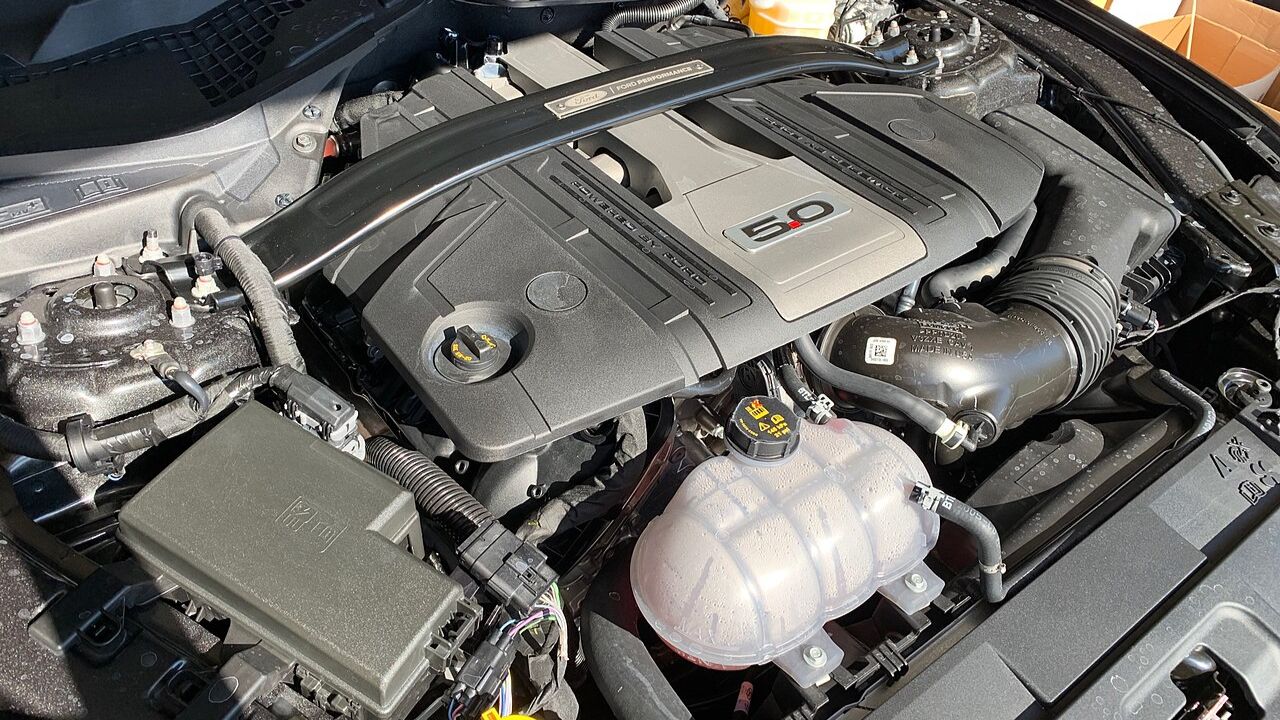
The Ford 5.0 Coyote engine, introduced in 2011, has quickly gained a reputation for reliability and performance in the modern muscle car scene. Found in the Ford Mustang, F-150, and even the Lincoln Navigator, this engine is engineered for both power and efficiency. One of the standout features of the Coyote is its DOHC (Dual Overhead Cam) design, which allows for better airflow and higher RPMs. Mechanics often praise its durability, and with regular maintenance, many report that these engines can easily exceed 200,000 miles without major issues.
What sets the Coyote apart is its advanced technology, including variable valve timing and high-strength block construction, making it a favorite among performance enthusiasts. The engine’s modular design means that upgrades are straightforward, and parts are readily available. If you’re curious about common mechanical concerns, a great resource is this Reddit thread where mechanics share their insights. Overall, the Coyote engine exemplifies Ford’s commitment to producing powerful, reliable V8s.
Dodge 5.7 HEMI
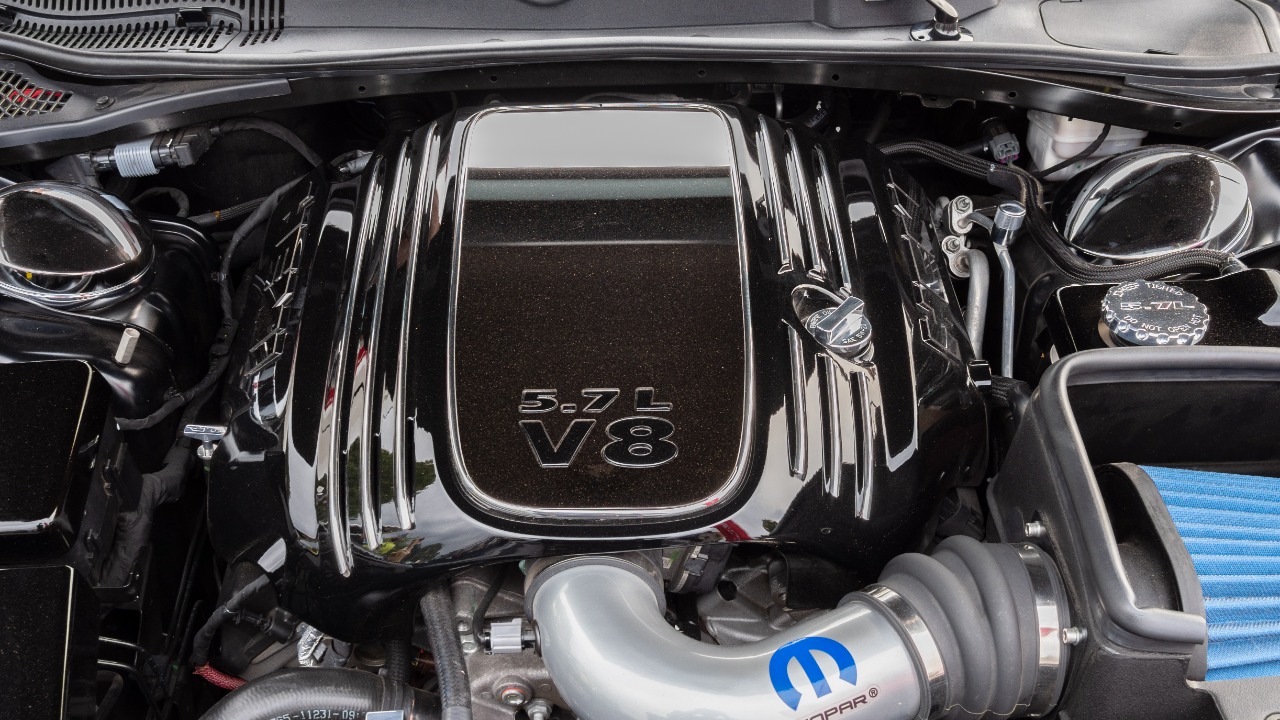
The Dodge 5.7 HEMI has carved out a niche for itself in the automotive world since its introduction in 2003. Known for its distinct hemispherical combustion chamber design, this engine delivers impressive performance across a range of vehicles, including the Ram 1500 and Dodge Charger. Mechanics appreciate the HEMI for its robust construction and reliability. With a reputation for handling heavy loads and delivering strong towing capacity, this engine is a reliable choice for both everyday drivers and work trucks.
Performance-wise, the 5.7 HEMI shines with its ability to produce substantial horsepower and torque, making it a favorite among truck enthusiasts. Its relatively straightforward design allows for easy repairs, and the availability of aftermarket parts means upgrades are accessible. For those interested in learning more about the HEMI’s design and benefits, you can find useful insights in automotive forums and groups like this Facebook group. With regular maintenance, the 5.7 HEMI continues to impress drivers with its durability and performance.
Chevrolet 454 Big Block
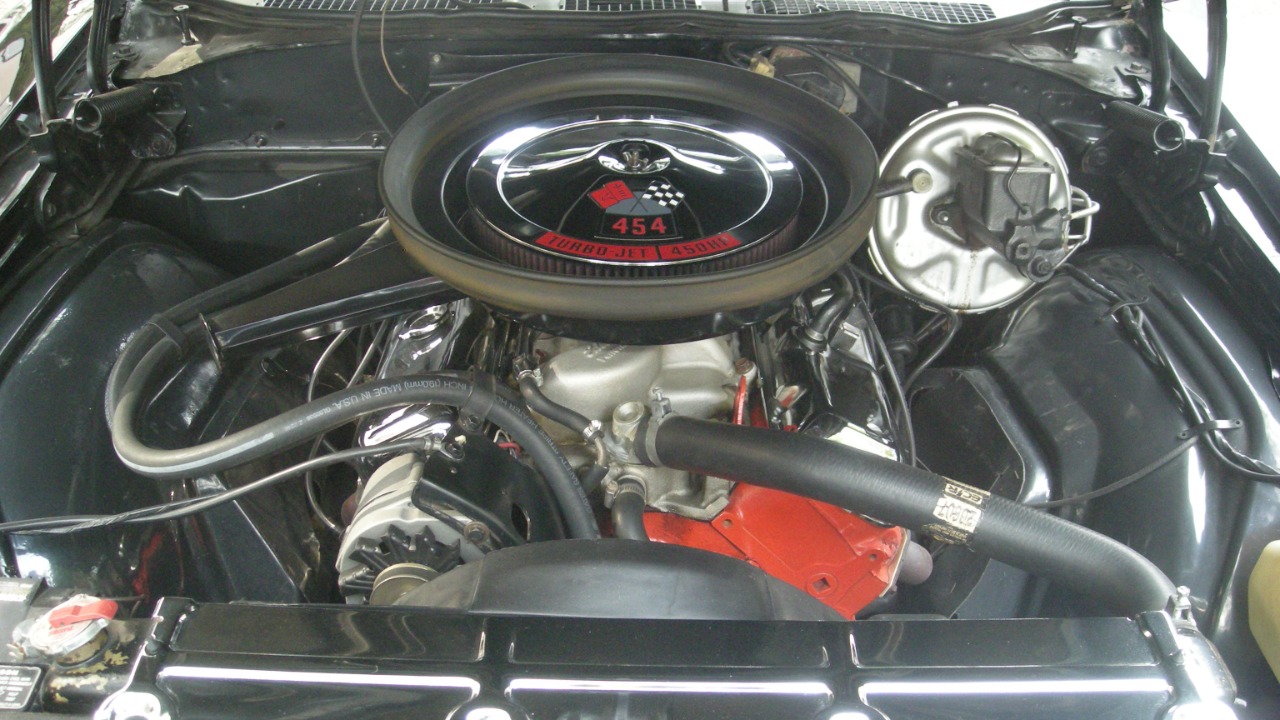
The Chevrolet 454 Big Block is often celebrated for its raw power and torque, making it a favorite in the realm of classic muscle cars and trucks. Produced from 1970 to 2000, this engine was known for its performance in vehicles like the Chevrolet Corvette and the Silverado. Its large displacement means it can produce incredible torque, which is particularly useful for towing and hauling. Mechanics have long trusted the 454 for its solid construction and relatively low maintenance requirements compared to other big block engines.
One of the reasons the 454 Big Block remains popular is the availability of aftermarket parts, which allows for extensive customization. Many enthusiasts enjoy rebuilding these engines for performance applications, and a well-maintained 454 can last for decades. If you want to dive deeper into the history and specifications of this engine, resources like this book provide great insights. The 454 Big Block is a testament to American engineering, combining power with durability.
Ford Windsor V8
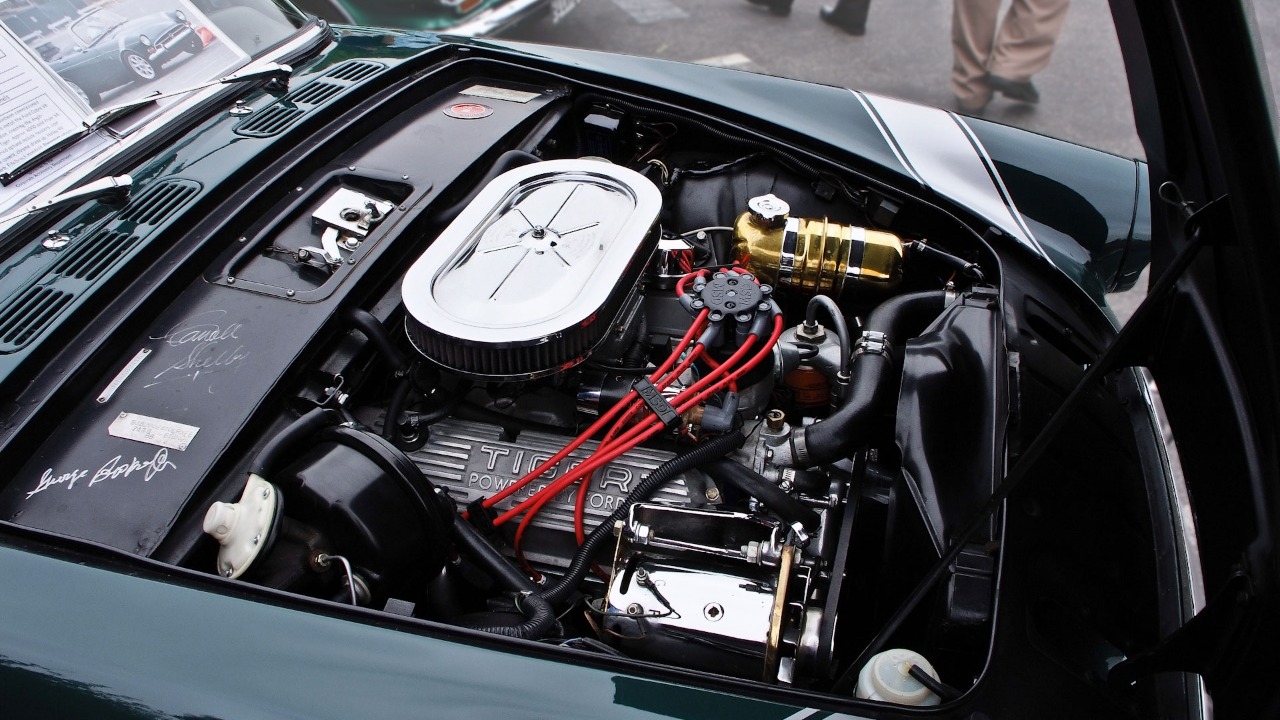
First introduced in 1962, the Ford Windsor V8 has made its mark in various Ford vehicles, from the Mustang to the F-series trucks. Its straightforward design and wide availability of parts mean that mechanics can tackle repairs without much hassle. Whether dealing with a classic Ford Mustang or a modern Explorer, the Windsor V8 is known for its durability and ease of access.
With many different displacements available, mechanics can find the right size for any application. The Windsor has also become a popular choice for swaps due to its compact dimensions and weight. Its combination of power and reliability is a significant reason why mechanics have little to fear when working on this engine. Additionally, the Windsor’s compatibility with a variety of aftermarket components allows for easy customization and repair.
Chrysler 6.4 HEMI
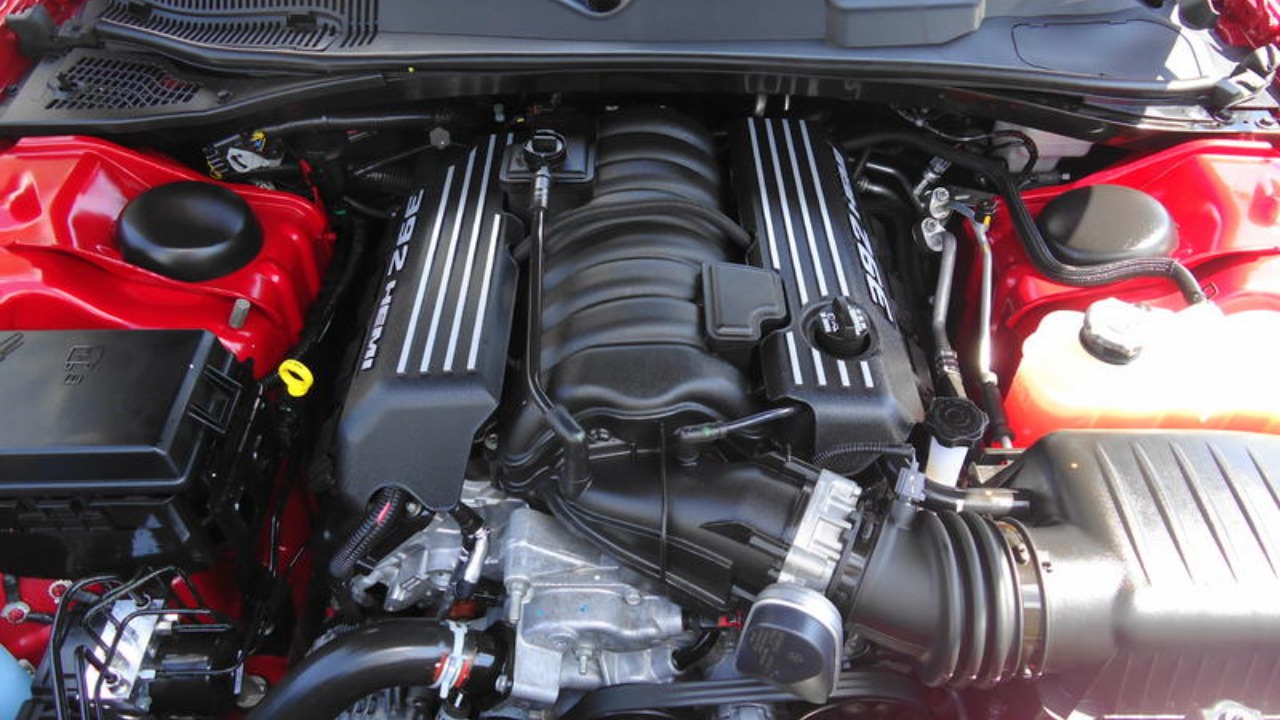
The Chrysler 6.4 HEMI, also known as the 392 HEMI, is a modern powerhouse that delivers impressive performance and reliability. Introduced in 2011, this engine can be found in various Dodge and Chrysler models, including the Charger and Challenger. Mechanics appreciate the robust design and engineering that goes into this engine, which allows it to produce substantial horsepower and torque figures. With a focus on performance, the 6.4 HEMI is often chosen for high-performance applications, making it a favorite among muscle car enthusiasts.
One of the standout features of the 6.4 HEMI is its active valve timing system, which enhances performance and fuel efficiency. Mechanics have reported that this engine is less prone to common issues found in older V8s, making it a reliable option for daily drivers and performance vehicles alike. For those interested in the 6.4 HEMI’s specifications and performance tuning, various online communities and automotive forums offer valuable insights. Overall, the Chrysler 6.4 HEMI is a reliable and powerful option for modern vehicles.
GM LS Series
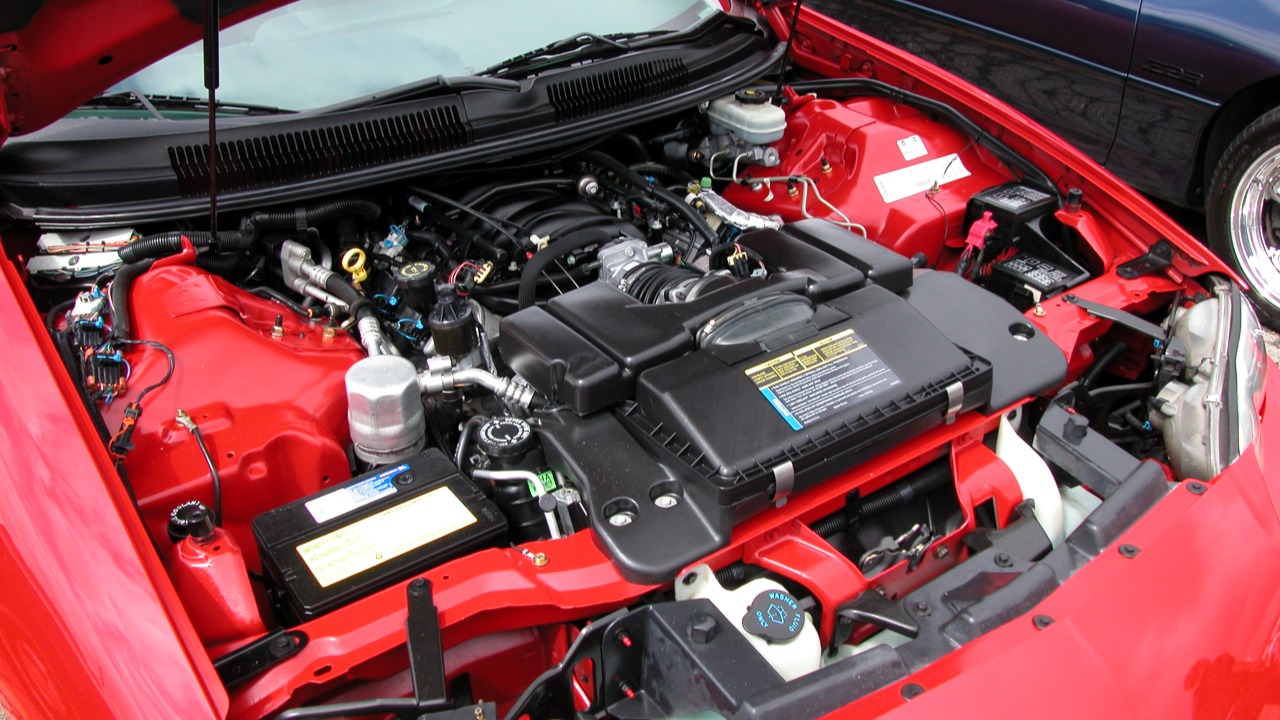
The GM LS series of engines has redefined performance and reliability in the automotive industry since its introduction in the late 1990s. Found in a wide range of GM vehicles, from Corvettes to pick-up trucks, these engines are celebrated for their lightweight design and exceptional performance. Mechanics frequently recommend LS engines due to their simplicity and the vast availability of aftermarket parts. This makes them a favorite for engine swaps and performance builds, as enthusiasts can easily find components to modify and enhance their capabilities.
What sets the LS series apart is its modular design, allowing for easy upgrades and customization. Many mechanics and car enthusiasts have reported that with proper care, LS engines can last for hundreds of thousands of miles. Their popularity has spawned numerous online communities where enthusiasts share tips and tricks for maintenance and upgrades. For more detailed discussions, automotive forums provide a wealth of information on LS engine builds. The GM LS series remains a cornerstone for performance and reliability in the V8 engine landscape.
Ford 4.6 Modular V8
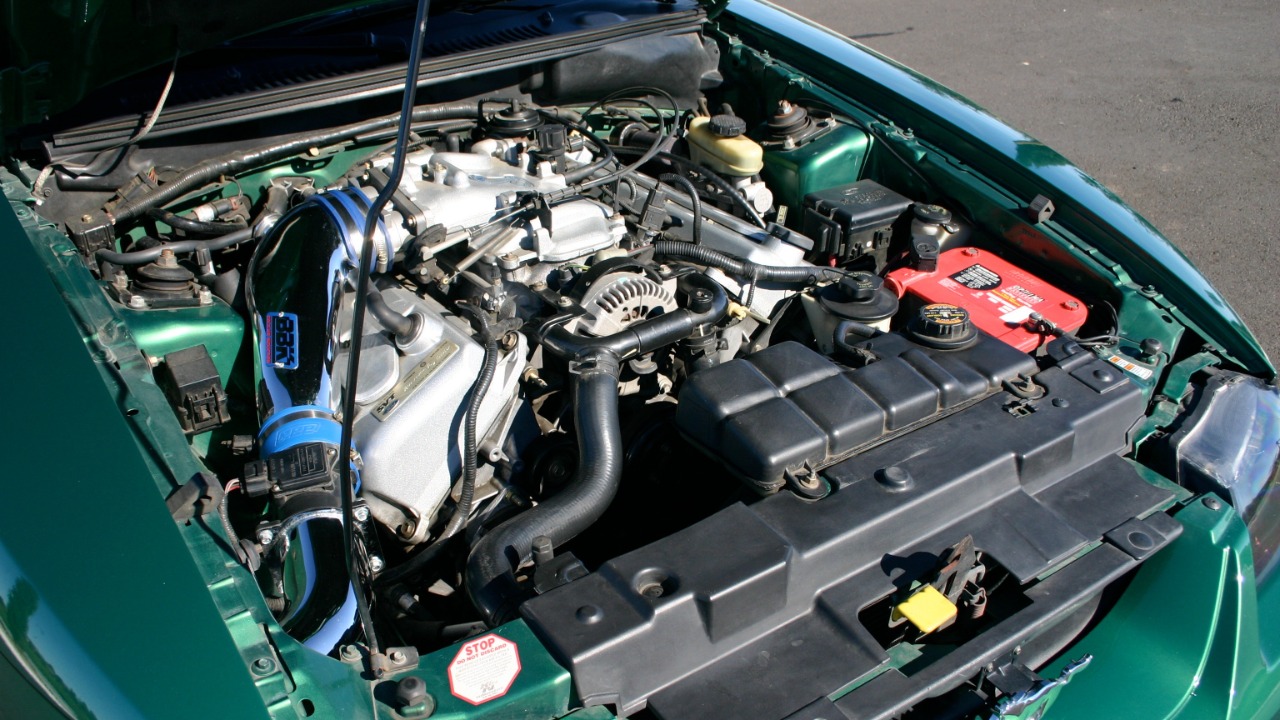
The Ford 4.6 Modular V8 is a versatile engine that has been a reliable workhorse for Ford vehicles since its introduction in 1991. Used in a variety of applications, including the Ford Mustang and F-150, this engine has earned a reputation for durability and ease of maintenance. Mechanics appreciate its design, which allows for straightforward repairs and a relatively low cost of ownership. Many owners report that with regular servicing, the 4.6 can last well into the hundreds of thousands of miles without major issues.
One of the key benefits of the 4.6 Modular V8 is its ability to deliver a good balance of power and fuel efficiency, making it suitable for both daily driving and performance applications. The engine’s design also allows for compatibility with a range of aftermarket upgrades, further enhancing its performance. For insights on common maintenance practices and tips, automotive forums often feature discussions from experienced mechanics and enthusiasts. Overall, the Ford 4.6 Modular V8 represents a reliable choice for those seeking a dependable V8 engine.
Buick 455 V8

The Buick 455 V8, produced from 1970 to 1976, is a classic engine that continues to be revered by car enthusiasts. Known for its impressive torque and power output, the 455 was often used in performance-oriented vehicles like the Buick Gran Sport. Mechanics value its robust design, which allows for high-performance applications without sacrificing reliability. With proper care, the Buick 455 can last for many years, making it a favorite among classic car restorers.
What makes the 455 particularly appealing is its potential for aftermarket modifications, allowing enthusiasts to enhance its performance capabilities. Parts are readily available, which simplifies the restoration and performance upgrade processes. For those interested in learning more about the Buick 455’s capabilities and history, various online communities and classic car forums provide valuable information and resources. The Buick 455 V8 remains a testament to American engineering and continues to be celebrated for its power and reliability.
More from Fast Lane Only
- Unboxing the WWII Jeep in a Crate
- 15 rare Chevys collectors are quietly buying
- 10 underrated V8s still worth hunting down
- Police notice this before you even roll window down
*Research for this article included AI assistance, with all final content reviewed by human editors.