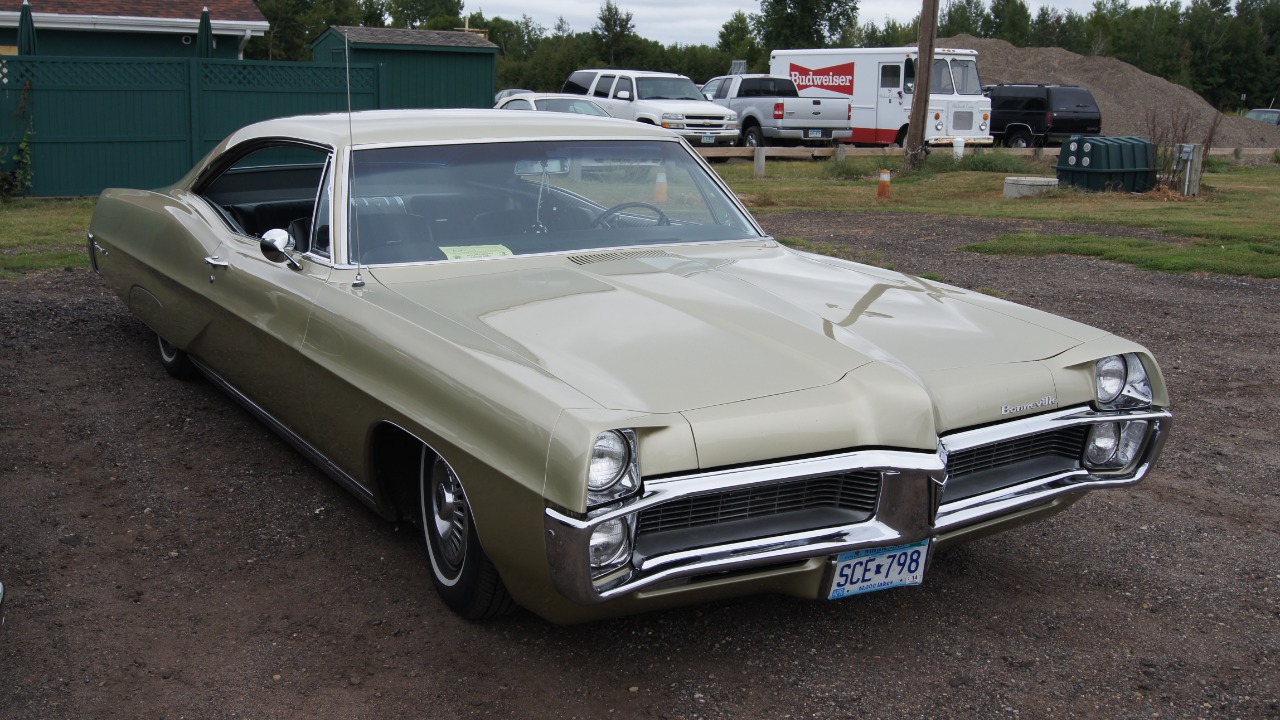
The 1967 Pontiac Bonneville, a symbol of American automotive design and luxury, experienced a sudden disappearance from showrooms, leaving enthusiasts and consumers puzzled. The circumstances surrounding this abrupt exit highlight a confluence of market dynamics, corporate decisions, and regulatory changes that reshaped Pontiac’s future.
The Rise of the Pontiac Bonneville
The Pontiac Bonneville made its debut in 1957, and by the mid-1960s, it had established itself as a pillar of the Pontiac lineup. The 1967 model was particularly notable, reflecting the bold design philosophy of the era. It featured a sleek body with a distinctive fastback silhouette, a spacious interior adorned with luxurious materials, and a range of powerful engine options, including the iconic 400 cubic inch V8. This model not only appealed to consumers seeking performance but also catered to those desiring comfort and style.
In 1967, Pontiac introduced several innovations that set the Bonneville apart from its predecessors. The use of a more aerodynamic design improved handling and fuel efficiency, which was becoming increasingly important to consumers. Additionally, the Bonneville was equipped with advanced features such as an optional eight-track tape player, power windows, and a luxurious ride quality that made it a favorite among car buyers. During this period, the Bonneville played a pivotal role in shaping consumer preferences, establishing itself as a symbol of success and sophistication.
Changing Market Trends in the Late 1960s
As the late 1960s approached, the automotive market began to undergo significant transformations. The oil crisis of 1973 was just around the corner, and rising fuel prices prompted a shift in consumer demand towards smaller, more fuel-efficient vehicles. The larger Bonneville, with its hefty size and powerful engines, started to lose its appeal as buyers became more conscious of fuel economy and operating costs.
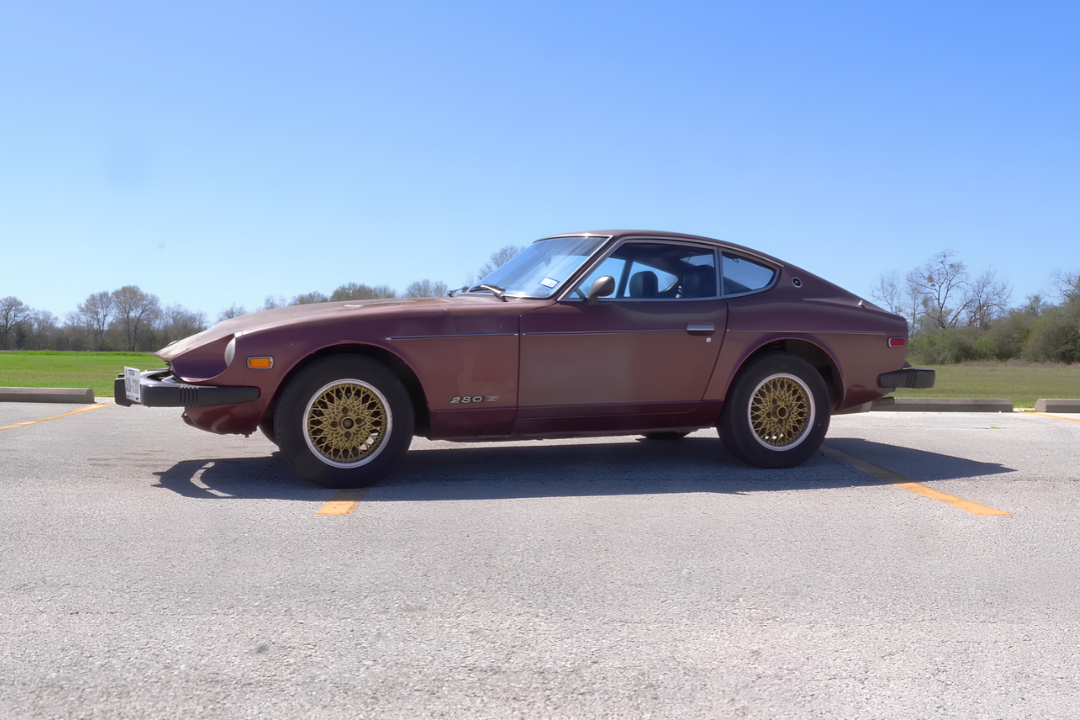
Moreover, the competition was intensifying. Foreign automakers, particularly Japanese brands like Toyota and Datsun (now Nissan), began to gain traction in the American market by offering compact cars that were not only economical but also reliable. Domestic rivals, such as Ford and Chrysler, were also adapting to the changing landscape, introducing models that catered to the new preferences of American consumers. The Bonneville, once a symbol of American automotive prowess, found itself at a crossroads as market dynamics shifted dramatically.
Internal Challenges at Pontiac
Internally, Pontiac was facing its own set of challenges. The management decisions and corporate strategies within General Motors were evolving, leading to a reevaluation of the product lineup. The focus began to shift towards more profitable vehicles, and the Bonneville, with its higher production costs, became a target for scrutiny. As the management sought to streamline operations, the future of the Bonneville came under threat.
Production costs were another significant concern. The Bonneville’s luxurious features and powerful engines contributed to its higher price point, which made it less competitive in an increasingly price-sensitive market. Additionally, Pontiac struggled with quality control issues that tarnished its reputation. Reports of reliability problems and customer dissatisfaction began to surface, further impacting consumer perceptions and sales. These internal challenges compounded the effects of changing market trends, leading to a precarious situation for the Bonneville.
The Role of Regulatory Changes
The late 1960s also marked the beginning of stringent safety and emissions regulations imposed by the government. The National Traffic and Motor Vehicle Safety Act of 1966 and the Clean Air Act of 1970 introduced new standards that required manufacturers to rethink their vehicle designs. These regulations meant that larger cars like the Bonneville would need significant modifications to comply with safety and emissions standards.
As General Motors shifted its manufacturing priorities to focus on compliance with these regulations, the Bonneville’s future became increasingly uncertain. The costs associated with redesigning the vehicle to meet these new standards, combined with declining sales, made the decision to discontinue the model more appealing to corporate executives. The pressure to adapt to regulatory changes ultimately played a crucial role in the Bonneville’s exit from the market, as the focus turned towards smaller, more efficient models that could be produced at a lower cost.
The Impact of the 1967 Bonneville’s Disappearance
The immediate effects of the Bonneville’s discontinuation were felt across Pontiac’s sales and brand perception. The absence of such a flagship model left a void in Pontiac’s lineup, which struggled to maintain its identity in the wake of the Bonneville’s exit. Sales figures for Pontiac plummeted, and the brand began to lose its reputation as a leader in performance and luxury. The decision to phase out the Bonneville was a pivotal moment, marking a shift in the company’s direction that would resonate for years to come.
In the long term, the Bonneville’s disappearance had significant implications for Pontiac’s identity. The brand, known for its performance-oriented vehicles, found itself pivoting towards smaller models that prioritized efficiency over power. This shift diluted the essence of what Pontiac had represented in the automotive landscape. However, the Bonneville didn’t vanish from memory; it became a sought-after collector’s item, celebrated for its design and performance. Its cultural significance in automotive history only grew, as enthusiasts began to appreciate it as a representation of a bygone era.
Legacy and Remembrance of the 1967 Bonneville
Today, the 1967 Pontiac Bonneville holds a special place in classic car circles, representing not just a vehicle but a lifestyle. Its striking design and performance capabilities evoke nostalgia among those who remember the golden age of American automobiles. Stories and testimonials from former owners and enthusiasts reveal a deep affection for the Bonneville, with many recalling the thrill of driving a car that symbolized freedom and status.
Collectors and automotive historians continue to celebrate the Bonneville’s legacy, with events such as car shows and restoration projects dedicated exclusively to this iconic model. Its presence in popular culture, evidenced by appearances in films and television shows, further cements its status as a classic. The 1967 Bonneville remains a testament to an era when American cars were synonymous with power, style, and luxury.
Though the Pontiac Bonneville may have vanished from showrooms without warning, its impact on automotive history is undeniable. The lessons learned from its discontinuation resonate in today’s automotive landscape, reminding manufacturers of the importance of adaptability in a rapidly changing market. The Bonneville remains a symbol of what once was and a cherished memory for those who experienced its glory on the open road.
More from Fast Lane Only
- Unboxing the WWII Jeep in a Crate
- 15 rare Chevys collectors are quietly buying
- 10 underrated V8s still worth hunting down
- Police notice this before you even roll window down
*Research for this article included AI assistance, with all final content reviewed by human editors.