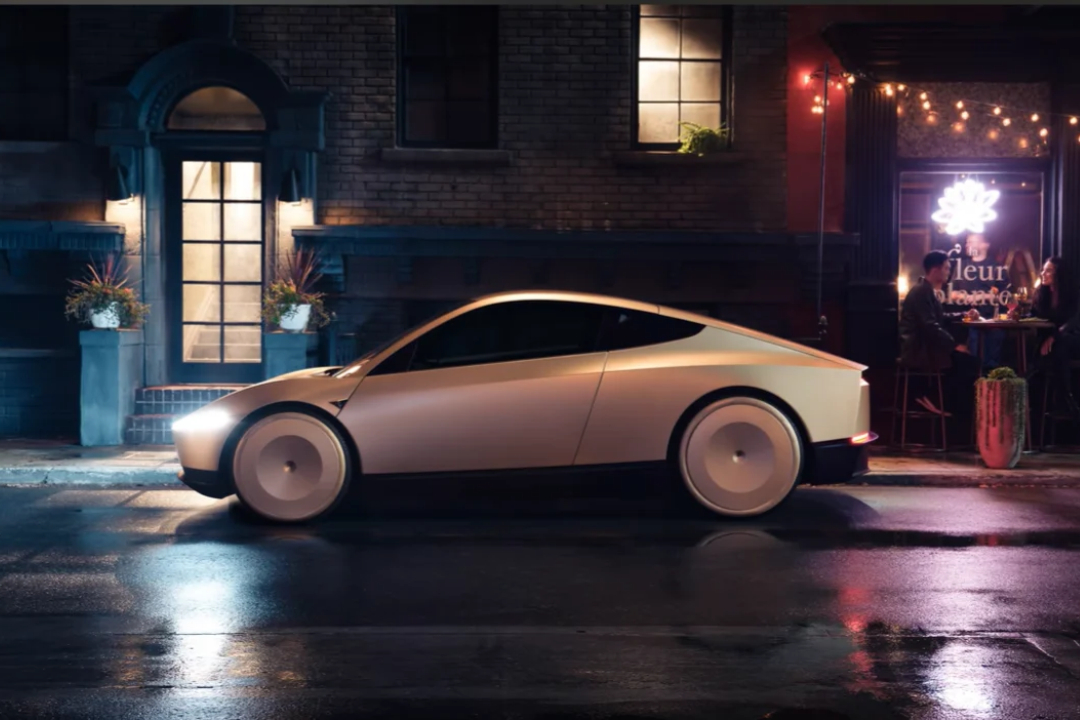
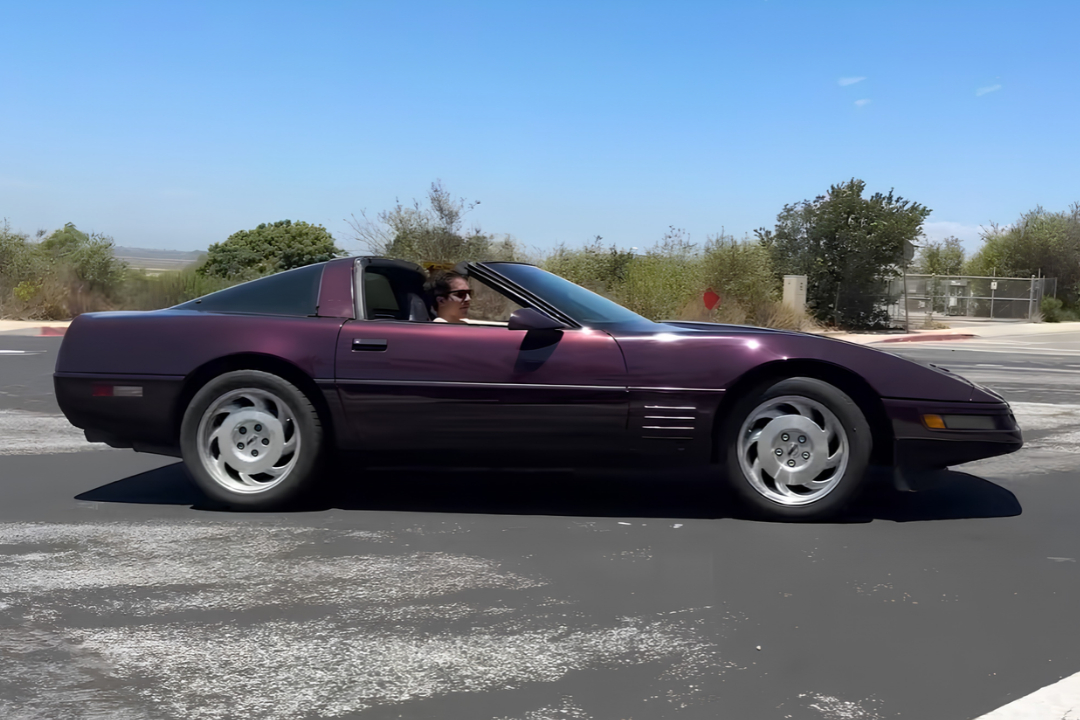
Throughout automotive history, several vehicles have introduced groundbreaking features that, at the time, left consumers perplexed or hesitant. These innovations ranged from performance enhancements to entirely new technologies, often ahead of their time. Here are nine cars that pushed the boundaries of what buyers were ready to embrace.
Ford Model T – The Birth of Mass Production
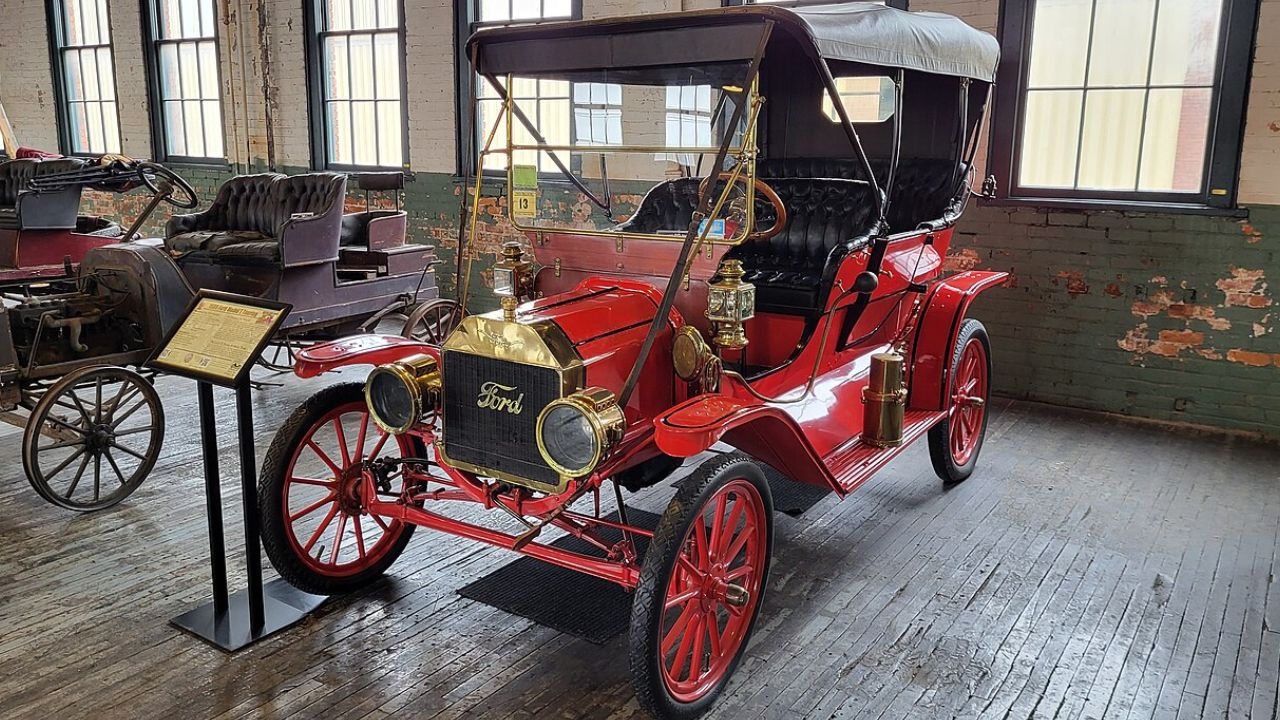
Launched in 1908, the Ford Model T revolutionized the automotive industry by introducing mass production techniques. While the idea of an affordable automobile was appealing, the concept of assembly line manufacturing was unfamiliar to many consumers. The Model T made cars accessible to the average American, but the rapid production methods and the associated changes in labor and manufacturing processes were a significant shift. Many potential buyers were unsure about the reliability and serviceability of a vehicle produced in such high volumes.
Despite initial skepticism, the Model T’s affordability and practicality eventually won over the masses, making it a cornerstone of American automotive history. Its impact on both the car market and society as a whole is still felt today, as it paved the way for future mass-produced vehicles.
Volkswagen Beetle – The First Affordable Compact Car

Introduced in the late 1930s, the Volkswagen Beetle was designed as a “people’s car,” aiming to provide an affordable and reliable vehicle for the masses. While its unique design and compact size were appealing, many consumers were not ready to embrace its unconventional look. The Beetle’s rounded shape and rear-engine layout set it apart from traditional cars of the time, leading to mixed reactions.
Over the years, the Beetle garnered a cult following and became an iconic symbol of the 1960s counterculture. Its ability to combine efficiency, affordability, and distinctive styling eventually made it a global success, demonstrating that buyers can warm up to features that initially seem foreign.
Datsun 240Z – The Rise of Japanese Sports Cars
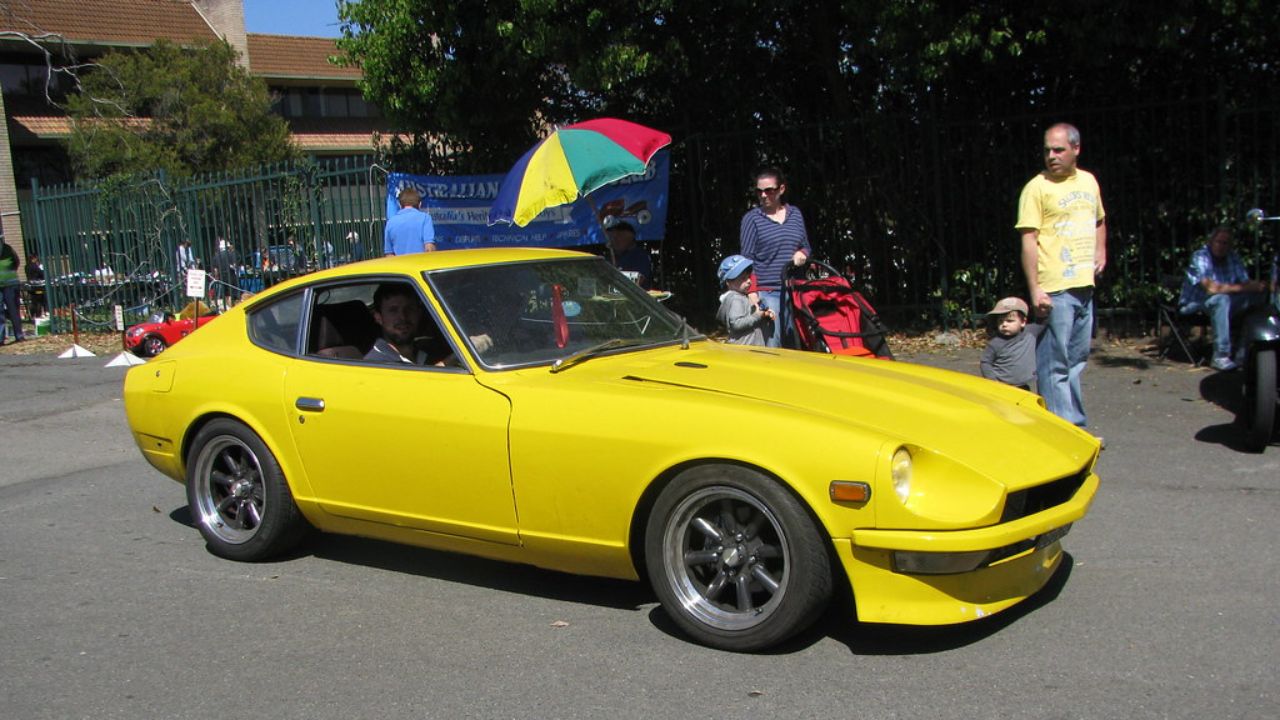
Launched in 1970, the Datsun 240Z marked a turning point in the sports car market. With its sleek design, powerful engine, and affordability, it challenged the dominance of European sports cars. However, many buyers were initially hesitant to consider a Japanese car for performance-oriented driving, as the market was primarily dominated by British and Italian brands.
Despite these reservations, the 240Z proved to be a game-changer, offering a balance of performance and value that appealed to a new generation of enthusiasts. Its success paved the way for Japanese automakers to become key players in the sports car segment.
Honda Accord – The Introduction of Fuel Efficiency in Sedans
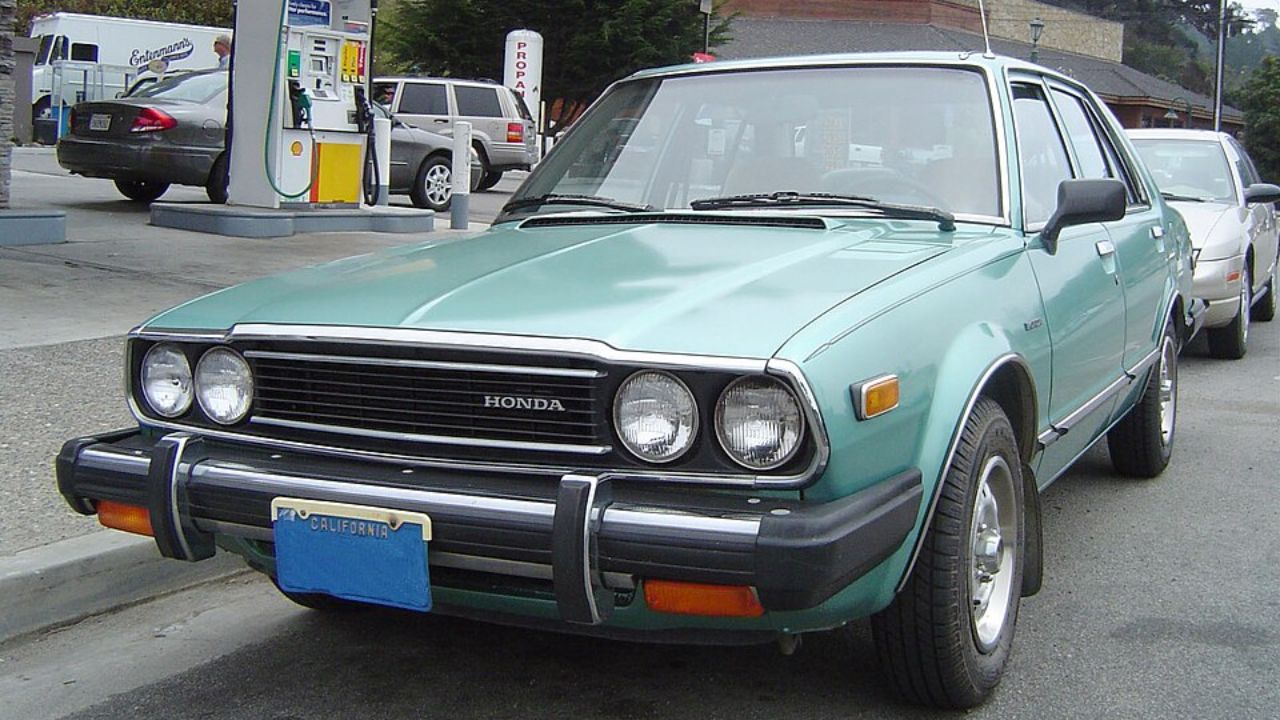
The Honda Accord debuted in 1976 and quickly became synonymous with fuel efficiency and reliability. At a time when larger sedans dominated the market, many consumers were skeptical about downsizing to a compact car. The Accord’s efficient design and practicality were revolutionary, but buyers were initially resistant to leaving behind their more traditional, larger vehicles.
As fuel prices surged in the late 1970s, the Accord’s popularity skyrocketed, demonstrating that buyers could prioritize efficiency without sacrificing comfort. It set the standard for mid-size sedans and remains a best-seller today, showcasing the evolution of consumer preferences in the automotive landscape.
Tesla Model S – The Mainstream Electric Vehicle Revolution

When the Tesla Model S was launched in 2012, it represented a significant leap forward in electric vehicle (EV) technology. While the idea of electric cars had existed for decades, the performance, range, and luxury of the Model S were unprecedented. Many consumers were unsure about the viability of electric cars, especially when it came to range anxiety and charging infrastructure.
However, the Model S proved that EVs could compete with traditional gasoline-powered vehicles in terms of performance and luxury. As Tesla expanded its charging network and improved battery technology, the Model S helped shift consumer perceptions, leading to a growing interest in electric vehicles across the automotive market.
Porsche 911 Turbo – The Advent of Turbocharging in Performance Cars
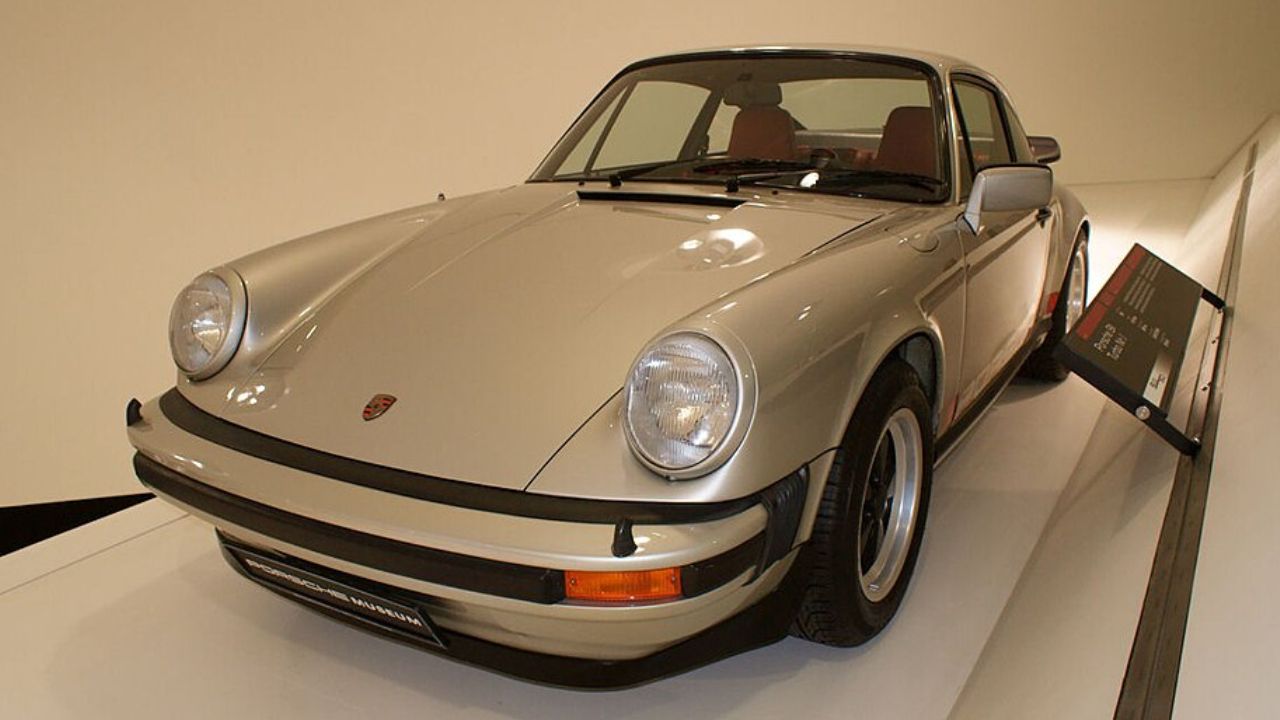
Introduced in 1974, the Porsche 911 Turbo was one of the first performance cars to utilize turbocharging technology. While turbochargers were primarily associated with racing and commercial vehicles, the idea of incorporating them into a high-performance sports car was met with skepticism. Buyers were concerned about potential reliability issues and the driving experience of turbocharged engines.
Despite initial uncertainty, the 911 Turbo became a benchmark for performance, combining power with everyday usability. Its success demonstrated that turbocharging could enhance performance without compromising reliability, paving the way for other manufacturers to adopt similar technologies in their performance models.
Toyota Prius – The Era of Hybrid Technology
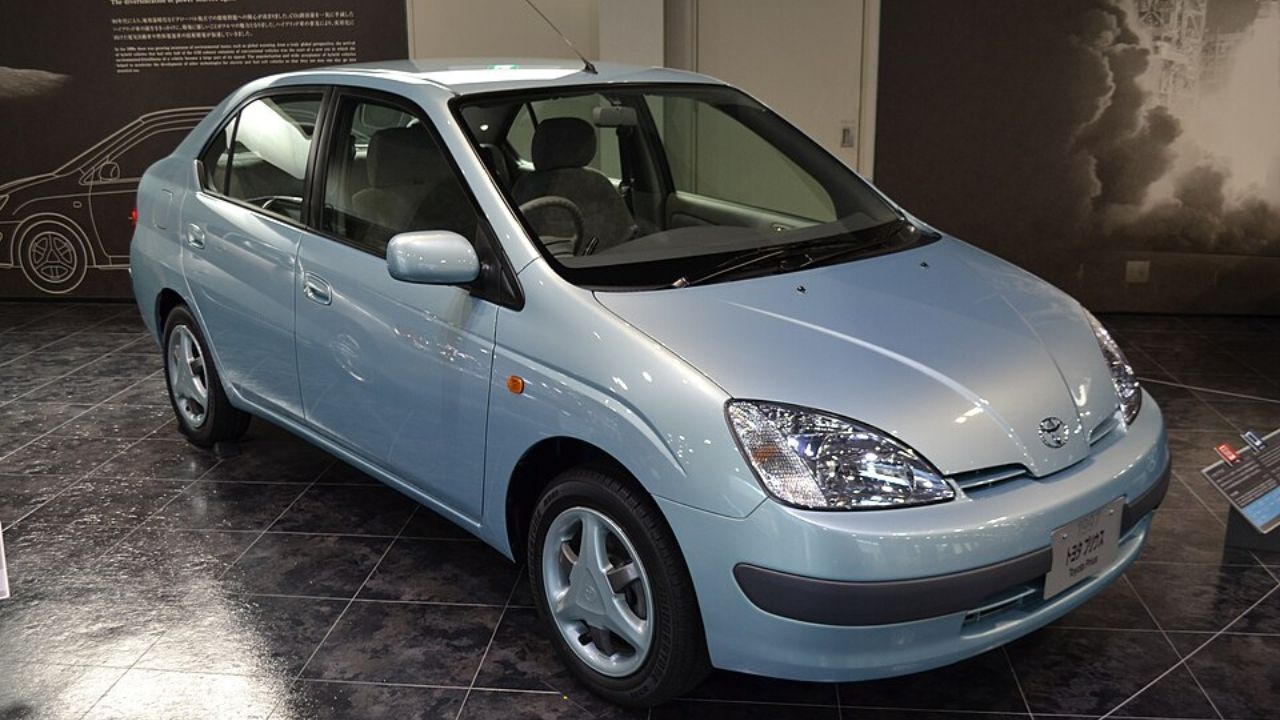
Launched in 1997, the Toyota Prius was the first mass-produced hybrid vehicle, combining a gasoline engine with an electric motor. While the concept of hybrid technology was innovative, many consumers were skeptical about its reliability and practicality. The unconventional design and the idea of switching between power sources raised questions about the driving experience and maintenance.
However, as environmental awareness grew and fuel prices increased, the Prius gained traction among eco-conscious buyers. It became a symbol of sustainability and efficiency, demonstrating that consumers could embrace advanced technologies that contribute to reducing their carbon footprint.
Jeep Wrangler – The Comeback of Off-Roading with Modern Comforts

The Jeep Wrangler has long been known for its rugged off-road capabilities. However, the introduction of modern comforts and technology in recent models has led to mixed reactions from traditionalists. Many off-road enthusiasts were initially resistant to features like touchscreen infotainment systems and advanced safety technologies, feeling they detracted from the vehicle’s raw, adventurous spirit.
Despite these concerns, the Wrangler successfully blended classic off-road performance with contemporary amenities. This combination has attracted a new generation of buyers who value both adventure and comfort, ensuring the Wrangler’s continued popularity in the SUV market.
Cadillac CT6 – The Push for Semi-Autonomous Driving Features
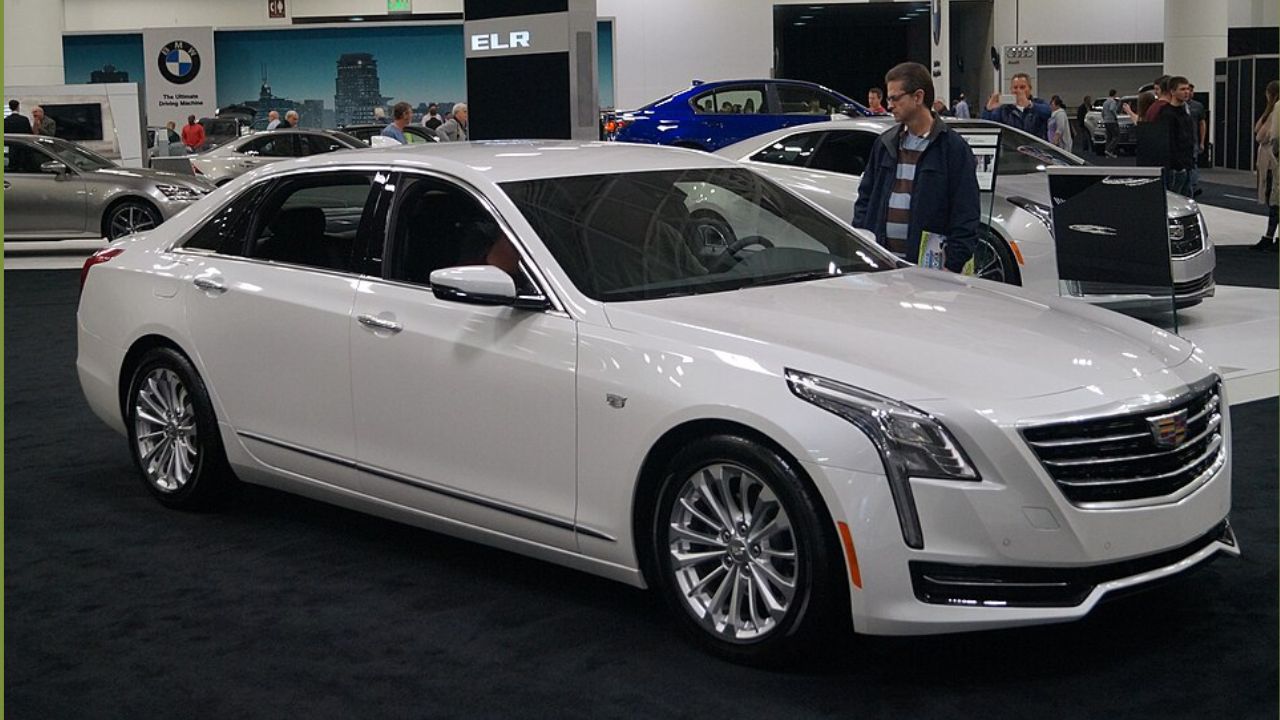
The Cadillac CT6, launched in 2016, was among the first luxury sedans to offer advanced semi-autonomous driving features. While the idea of self-driving technology is appealing, many buyers were apprehensive about the reliability and safety of such systems. The integration of features like Super Cruise, which allows for hands-free driving on certain highways, sparked debates about trust and the future of driving.
As technology continues to advance, the CT6 helped shift perceptions of what luxury vehicles could offer. Its initial introduction laid the groundwork for future developments in autonomous driving, encouraging consumers to consider the potential benefits of these innovations, even if they were initially hesitant.
More from Fast Lane Only